$100K and seven years on, Stragglers back for more

17 November, 2014


data-animation-override>
“ Stragglers Cambridge Charity Car Show
Sunday, November 23, 2014
10am–3pm
Lake Karapiro Domain, Cambridge

”

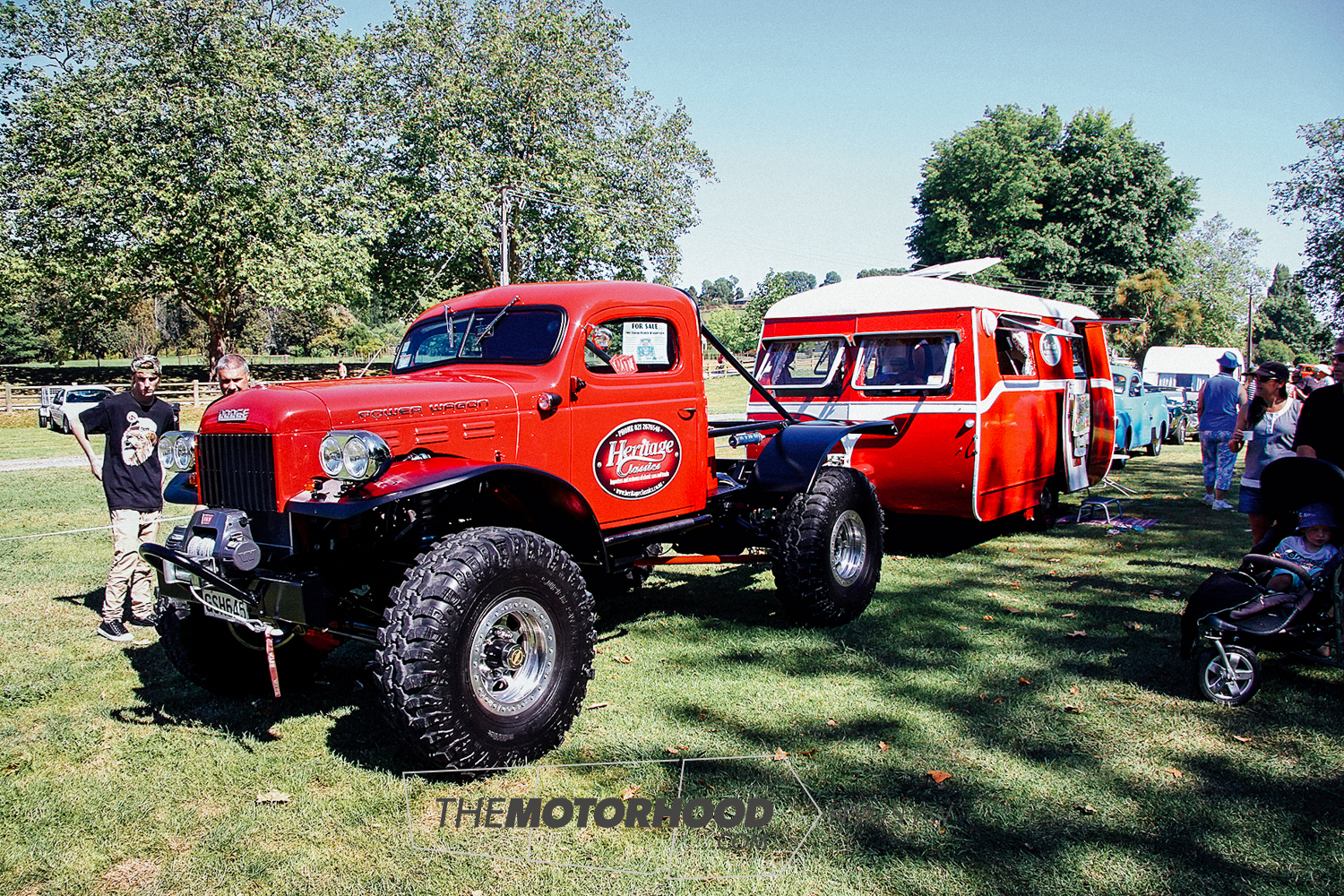
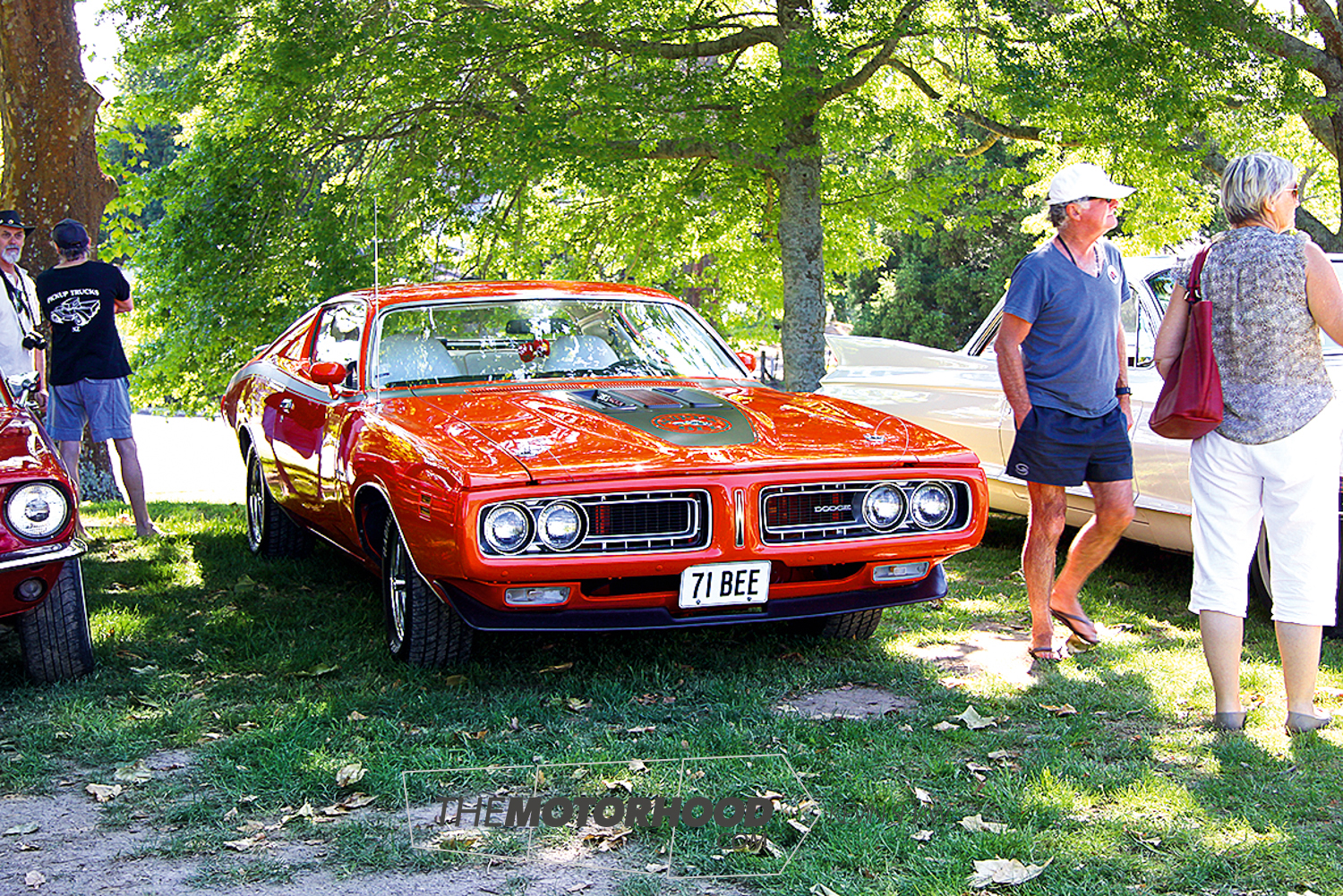
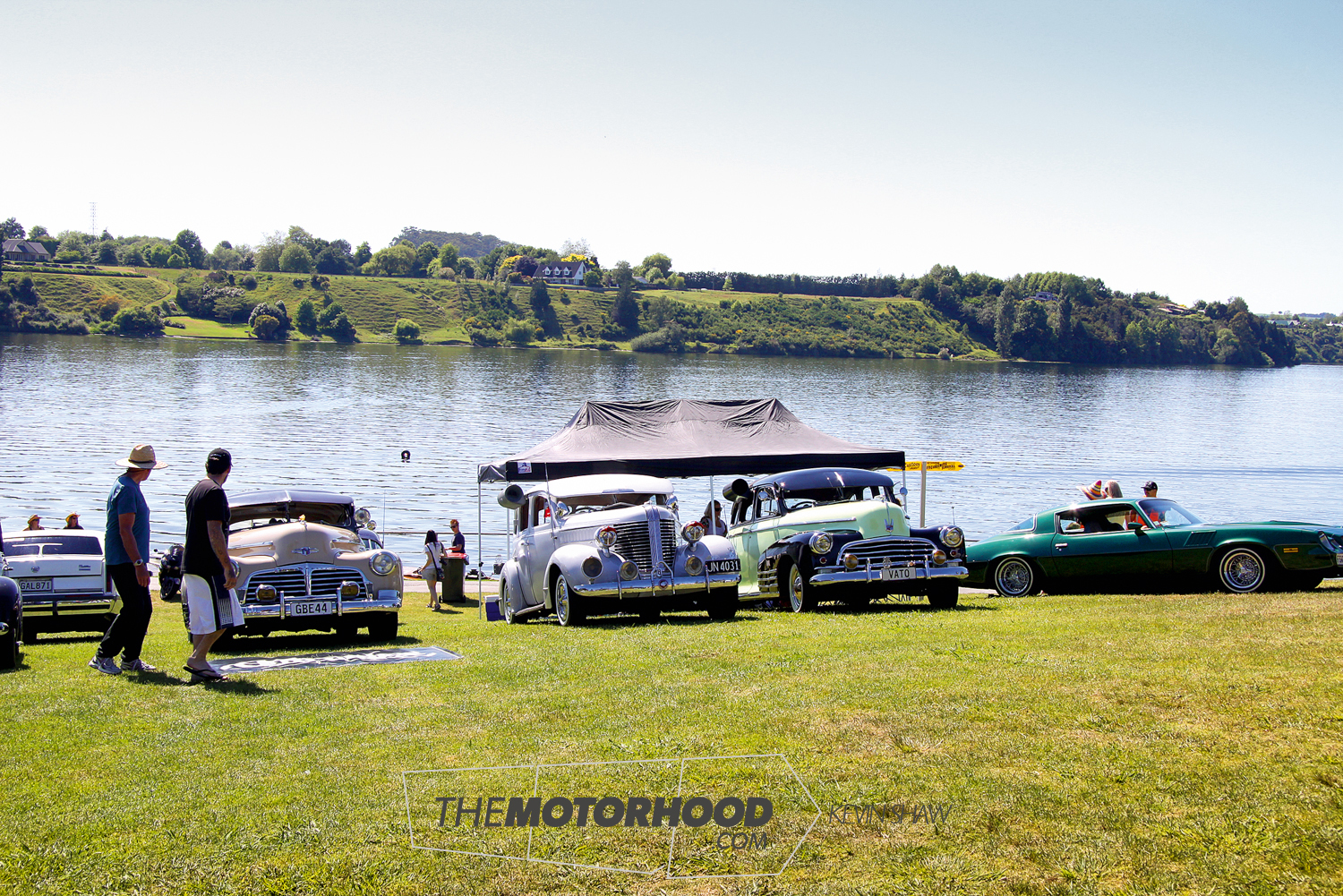
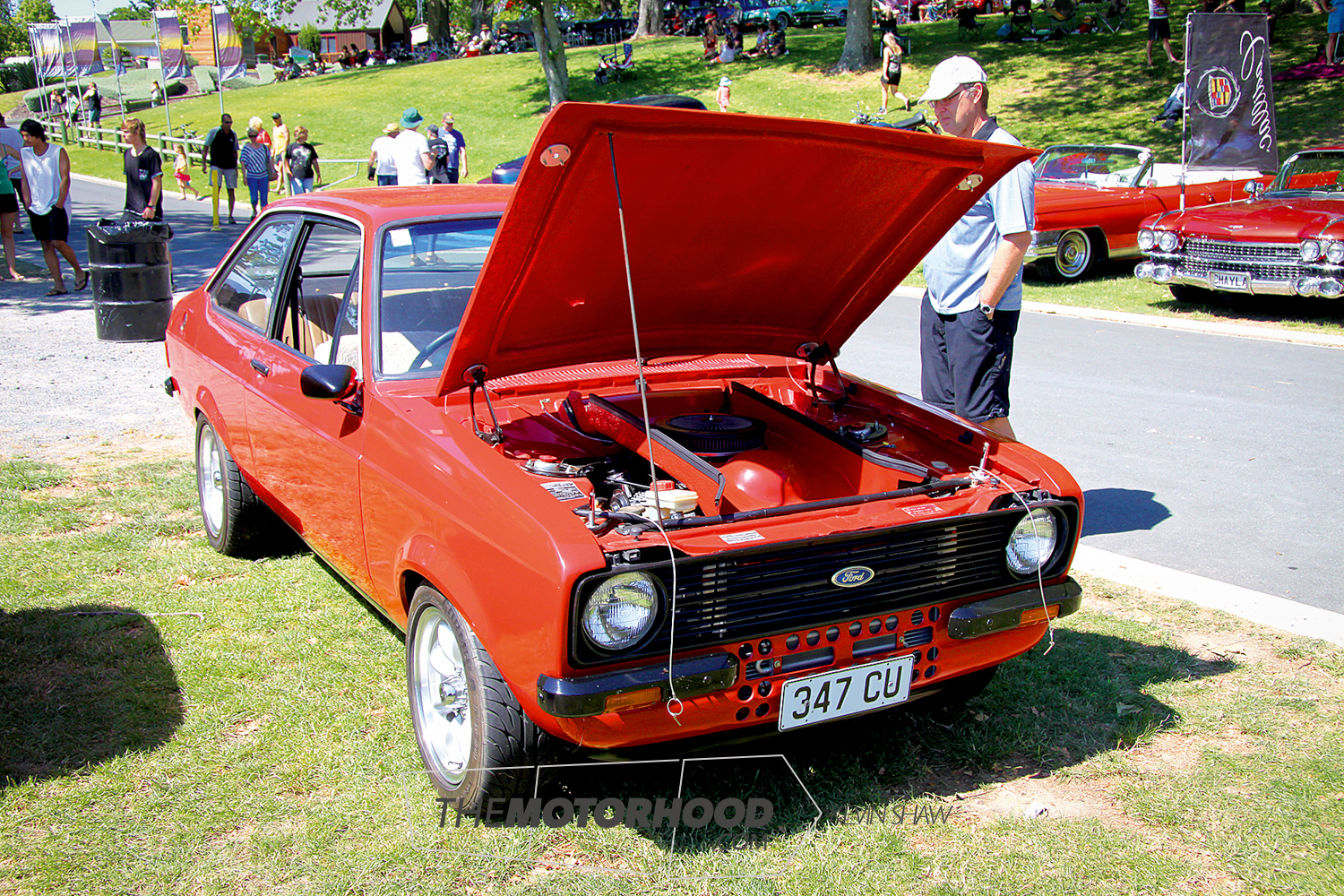
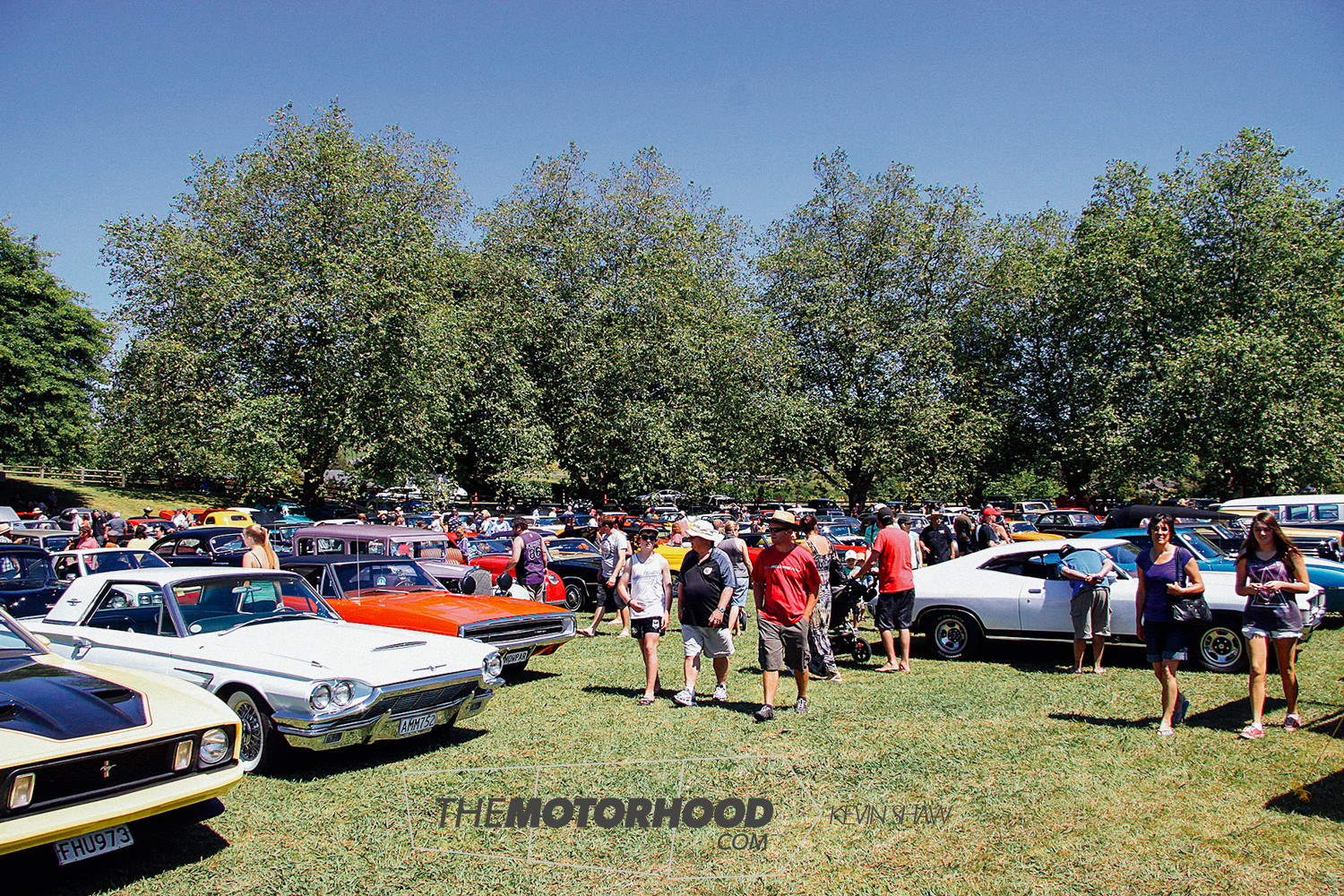
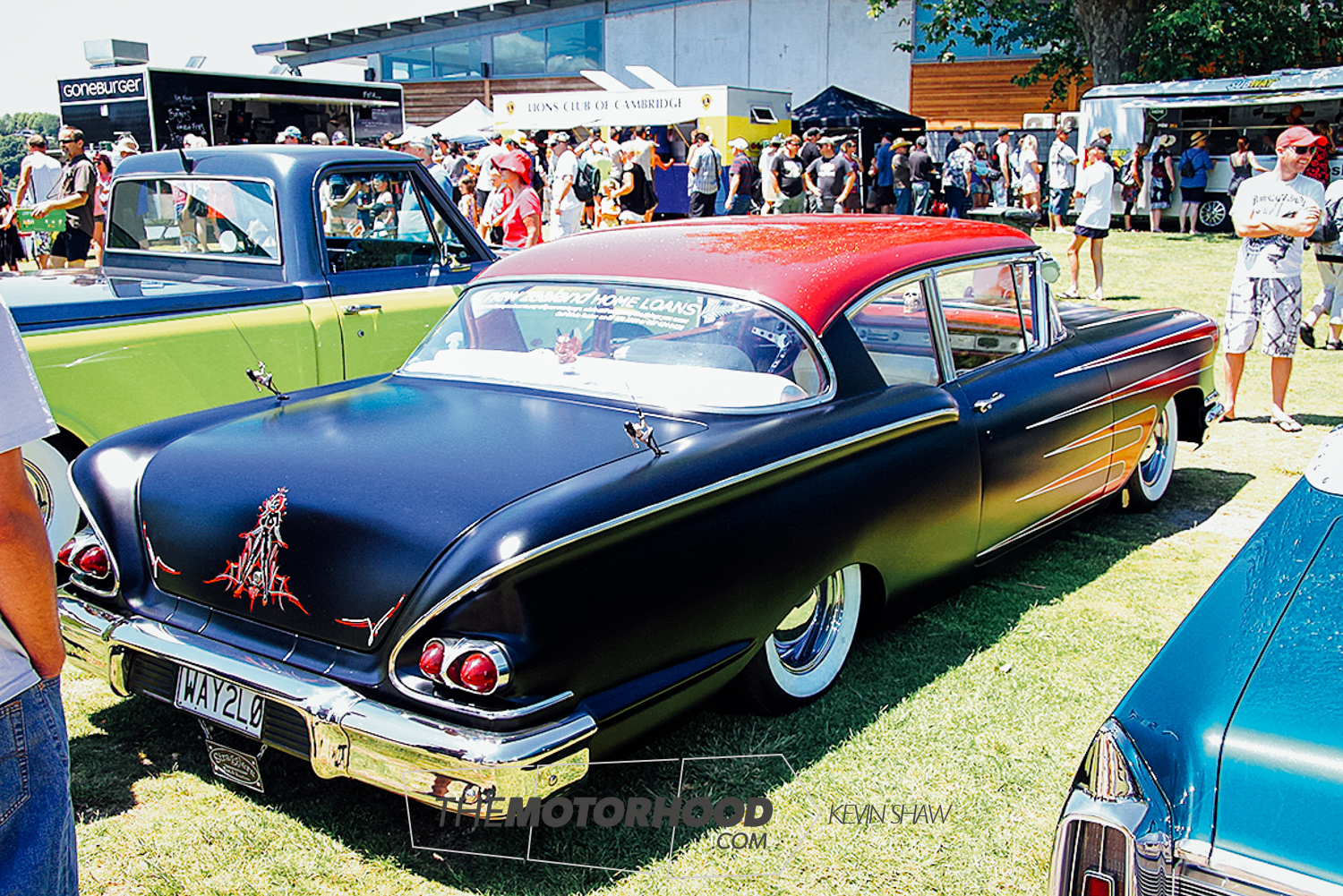
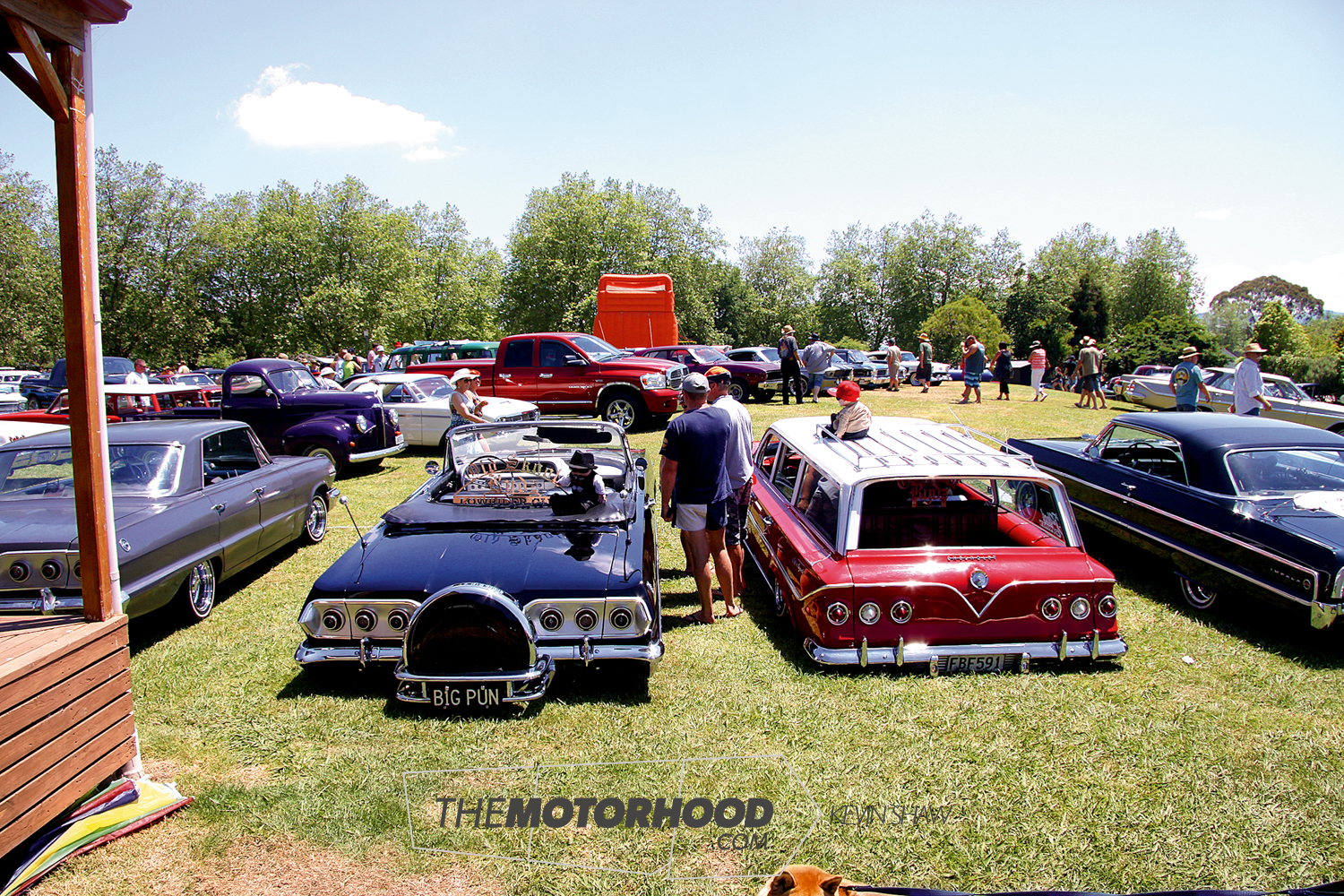
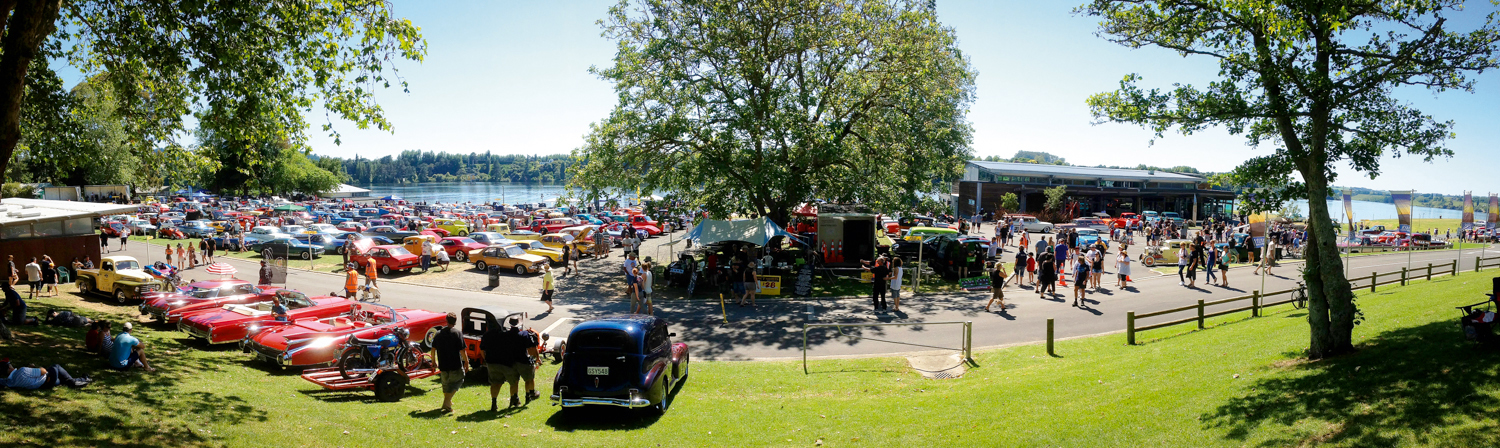
The annual Stragglers Cambridge Charity Car Show always delivers, fronting up with hundreds of superbly presented vehicles, picturesque surroundings, and an awesome atmosphere. Best of all, over the last seven years, the Stragglers have raised well over $100K for their selected Waikato charities (charities which must be Waikato-based and benefit children in need).

Last year the event almost didn’t happen due to trees falling at the show’s previous site of Lake Te Koutu, creating an unsafe environment for the public. The council was left with no choice but to close the area and the show had to find a new home. But the organizers were adamant that the show must go on, and on it went to the new site of Lake Karapiro. Beating the old site hands down, the show returns to the same spot this year and the Stragglers can continue to raise money for kids in need in the Waikato vicinity.

It’s hard to come by an event of this scale that delivers all that the Cambridge Charity Car Show does, as well as the charity underlying the whole event. This year’s show will be held at Cambridge’s Lake Karapiro Domain on Saturday, November 22 from 10am–3pm, and looks set to deliver everything we’ve come to expect from the event. If you’re around, or are keen for something different, set this Saturday aside and head along. Entry’s only a gold coin donation as well — a cheap Saturday outing.

Check out some of the photos from last year’s stunning event captured by Kevin Shaw:
The writing on the wall

Deven, a digital content producer in his 20s, says it was the rear-drive Nissan and Toyota drift cars that fired his imagination in his not-so-distant youth and soon had him wanting one of his own. However, like most of us, he had to start in something less glamorous – in his case, a 1997 Mitsubishi Galant. After that, he bought a four-litre V8 1991 Toyota Soarer, a big change from the Mitsubishi.
“It was my daily driver, and it wasn’t that bad to run back when petrol was affordable,” he says.
When he got fed up with filling it up, Deven bought a 1989 Ford Laser sedan, a 1.3-litre five-speed manual, to be his daily driver. It’s in very good condition, bought from a careful older driver, and he still runs it – although he will occasionally also drive the latest in a series of Nissan Laurel sedans. His current one, from 1993, has done the lowest number of kilometres yet, at 183,000. It has the single-cam version of the engine in his Skyline.
“I’ve had four different versions of that car. It was just a car I always liked. It’s really comfortable, quite luxurious. I bought it from a 90-year-old in Hamilton. It’s in mint condition, and everything is standard.”

The actual Formula One

Seeing, in a shed in Hamilton, New Zealand, the Darracq 120 racer that Louis Wagner, also a pioneer aviator, drove to victory in the 1906 Vanderbilt Cup race felt a little like finding a Rembrandt at a garage sale.
For historical significance, I’d say this car ranks with Ray Harroun’s Marmon Wasp, the first Indianapolis 500 winner. Unlike Harroun’s Wasp, which has been lovingly cared for at the Indianapolis Motor Speedway Hall of Fame Museum over the years, this historically pivotal machine wound up half a world away from its home in France and, to most of the motoring world, largely forgotten. Sadly, so is the story of how the car got to Aotearoa in the first place.
More often than not, a racing car that is a few years old is regarded as obsolete and relegated to a shed somewhere. As far as racing drivers and team owners at the cutting edge of the sport are concerned, the cars are virtually worthless at that point. They can’t be driven on the street; at best they can be reconfigured for lower levels of the sport, so few people care about them until their historical significance becomes more apparent.