Technical how-to

Coaching from the bench: Casting plastic knobs and rubber parts

Casting rubber items is simple if you have a good original to work with. The item doesn’t have to be perfect. You can use plasticine to smooth out cracks, and you can even make whole prototypes out of low-fire modelling clay available from craft stores if you need to. Prototypes can also be made of wood or metal.
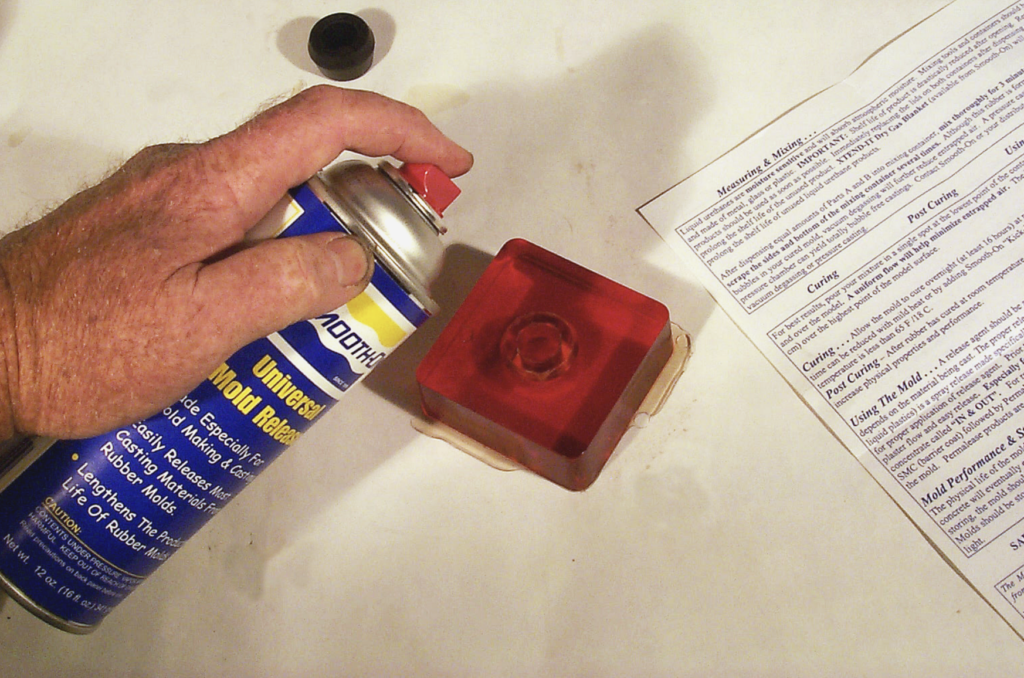
You will need mould dams to contain the liquid urethane moulding solution until it cures. You can build boxes out of strips of wood, but I have found that small plastic boxes and bowls such as those you would use for leftovers in your fridge work well if you spray them with a mould release agent.
Temperature is important to the chemical processes involved, so work in an area that can be maintained at around 20 degrees. You will also need adequate ventilation because the fumes can be dangerous to breathe. And you will want to wear latex gloves to protect your hands.
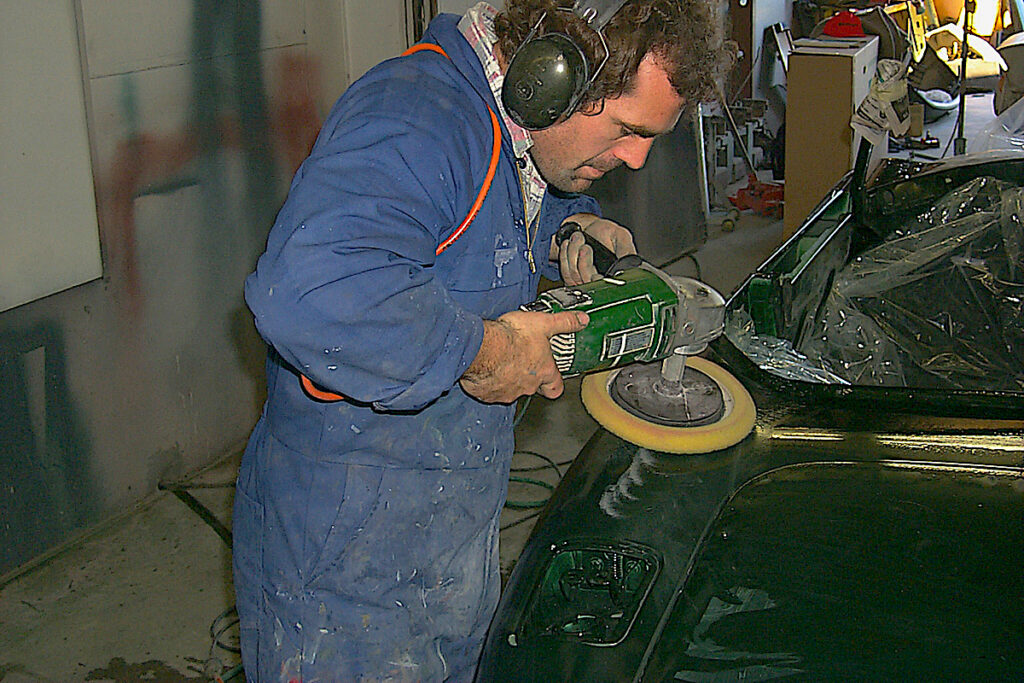
Polishing to perfection

The secret to a show-stopping finish is colour sanding, no matter which paint system you use. Even a good painter, no matter how experienced or talented — like my mate Bruce Haye, CEO at Ace Panel and Paint in Whitianga — can’t shoot to a perfect mirror finish. To get that level of perfection, you need to colour sand.
It used to be called ‘rubbing out’ or ‘cutting’, and it was done with pastes that came in cans. They worked — sort of — but the compounds really just rounded off imperfections instead of eliminating them, and they removed a lot of paint in the process. But now your new finish can be made flawless, thanks to microfine sandpapers that come in 1000, 1500, 2000, and even 2500 grit ranges, and Farecla G3 polish — available from automotive paint suppliers.

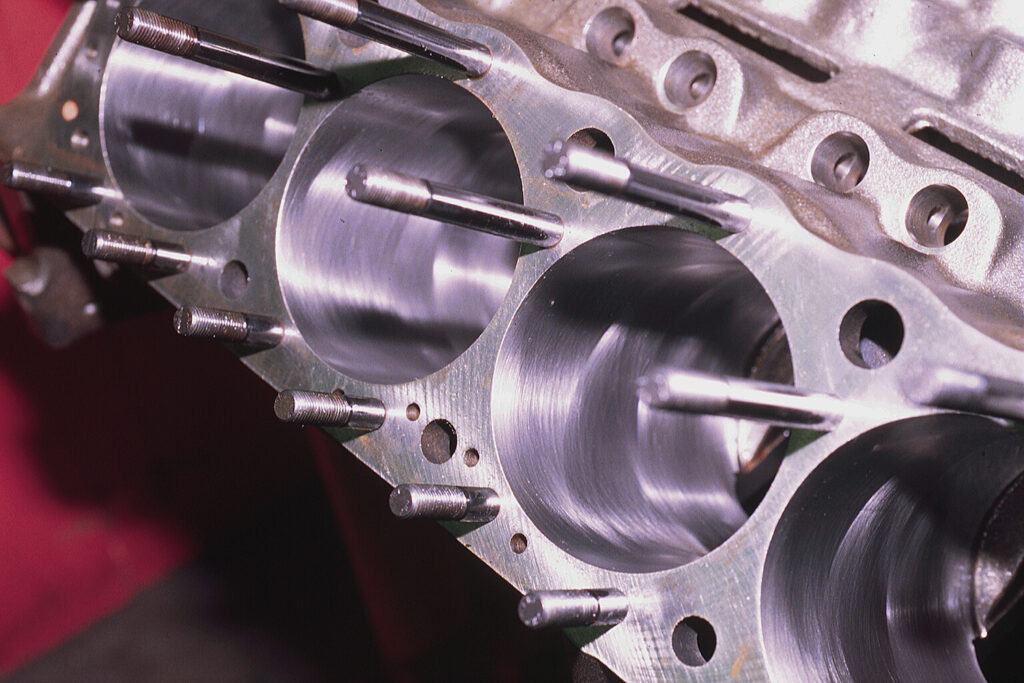
Blueprinting basics

You occasionally hear petrol heads tossing around the term ‘blueprinting’ when referring to an engine they have assembled, and have sometimes altered significantly. What they are probably trying to say is that their engine was carefully machined to optimum tolerances and balanced — probably for racing. But that isn’t what the term meant originally. You see, in the 1950s, when US stock car race cars really had to be stock, the racing teams would go to the factories and rummage through the parts bins until they found components that were closest in tolerance to the original blueprint developed by the engine’s designers.

Protect your investment

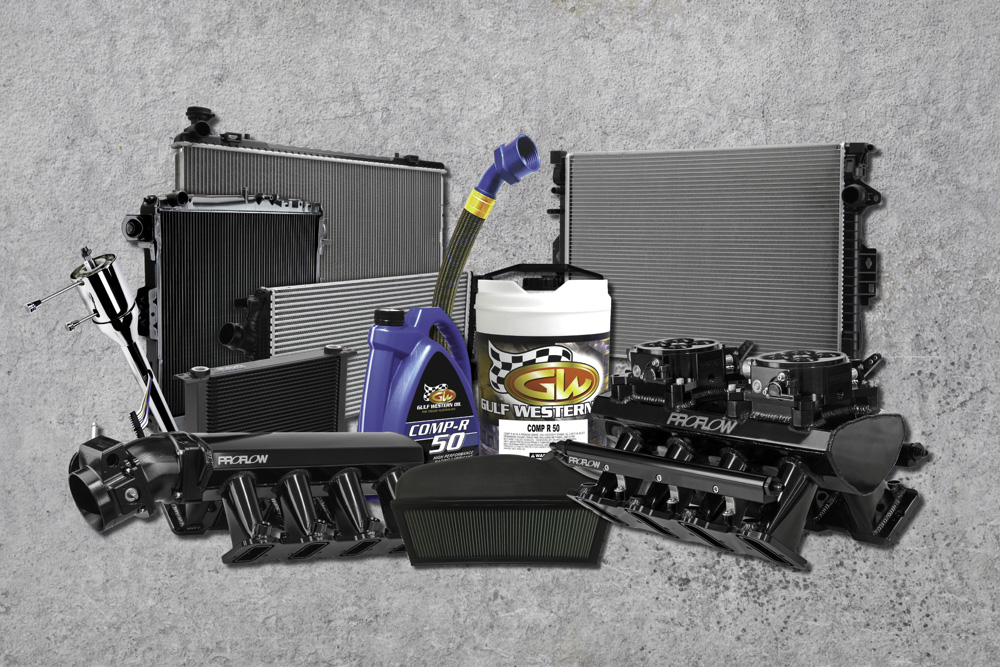
Total Lube Guide gives you the good oil Choosing the right fluids for your car, and refreshing them regularly, is the best form of preventive maintenance. It makes driving more

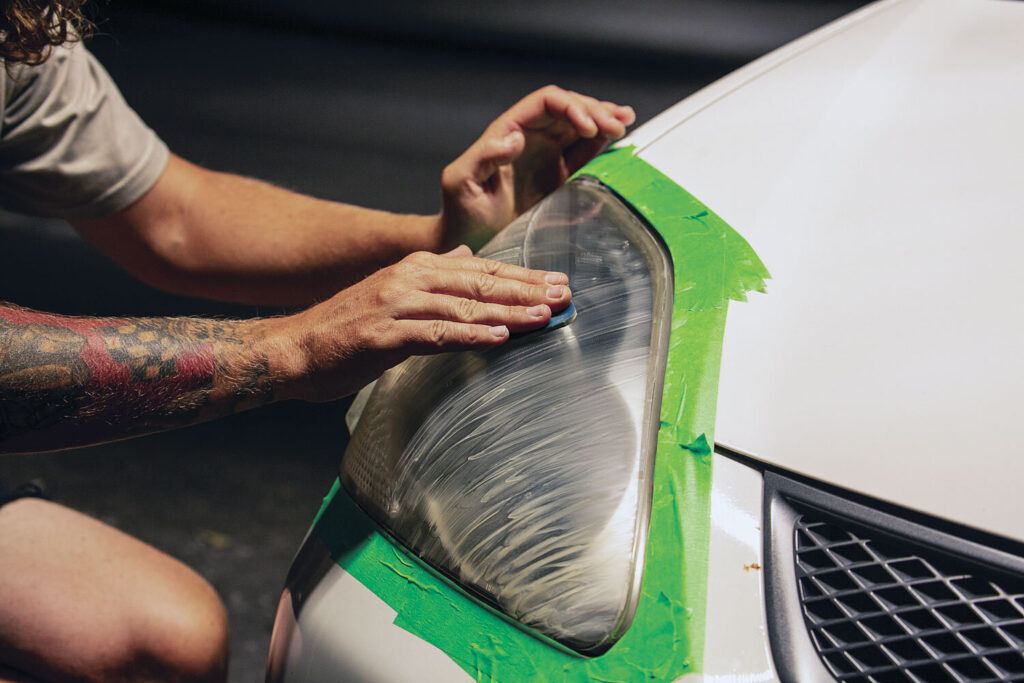
Clear Eyes: Rain-X Headlight Restoration Kit

    View fullsize Mention the name Rain-X and you’ll instantly think water repellent, but the company actually offers a wide range of car care products, including its Headlight Restoration

Technical Feature — Exterior touch-ups

    New Zealand Classic Car goes searching for the finishing touches to a classic restoration While they might seem like little jobs after a long restoration project, the final

Art in motion: coach-building secrets

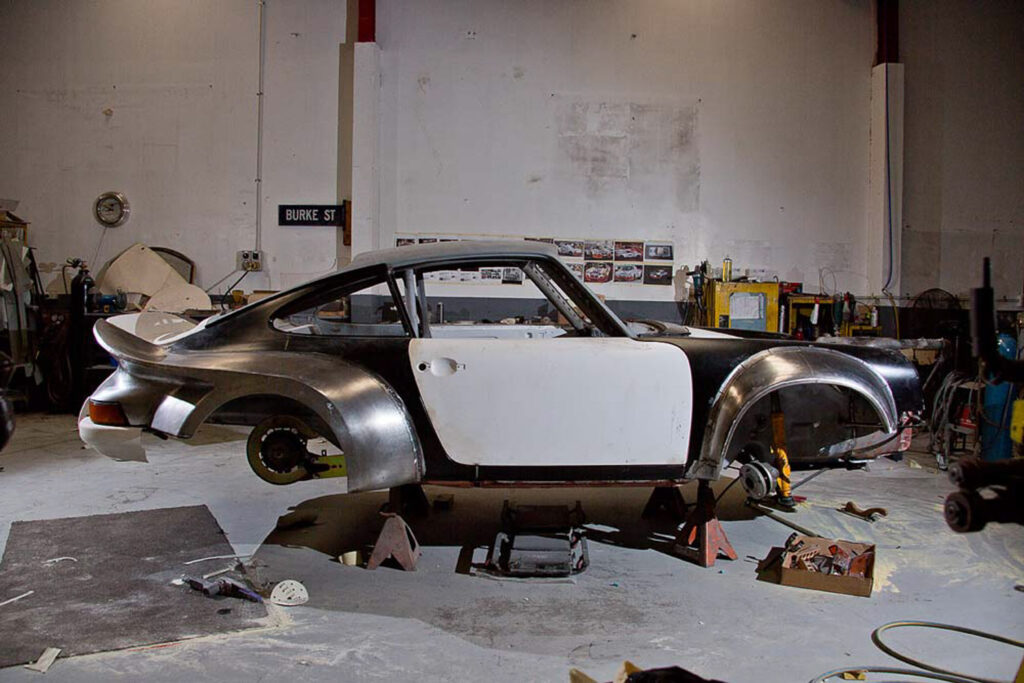
    Despite the pervasiveness of mass production, the art of coach building refuses to die, only becoming more sought after by those seeking the quality touch of a true

Brake components on demand

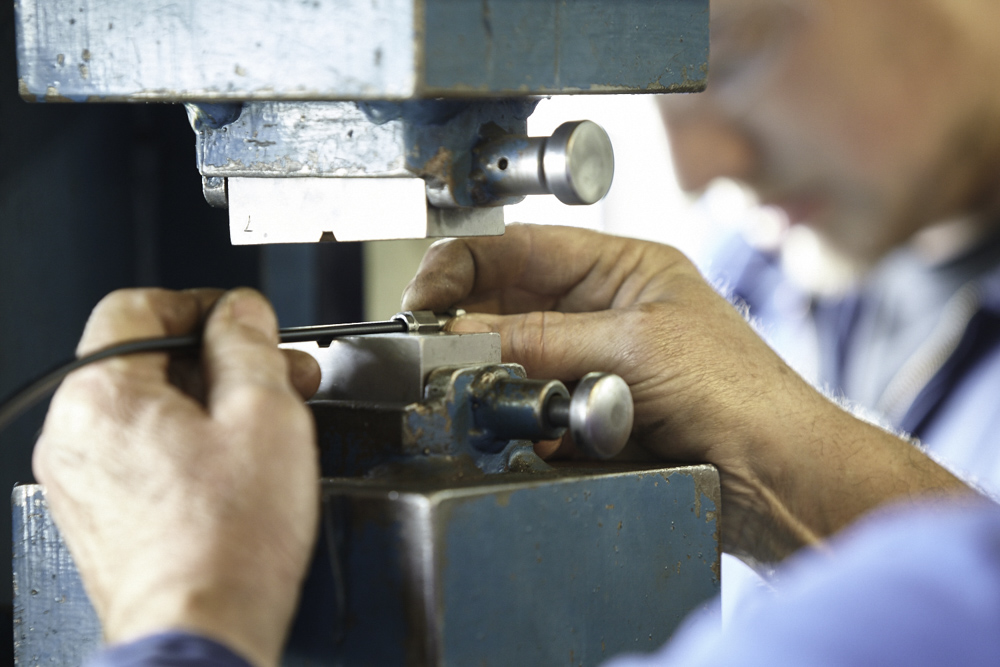
    View fullsize View fullsize View fullsize Long known for their expertise in brake resleeving and the remanufacturing of brake parts, Apex Auto Centre can now produce cables and