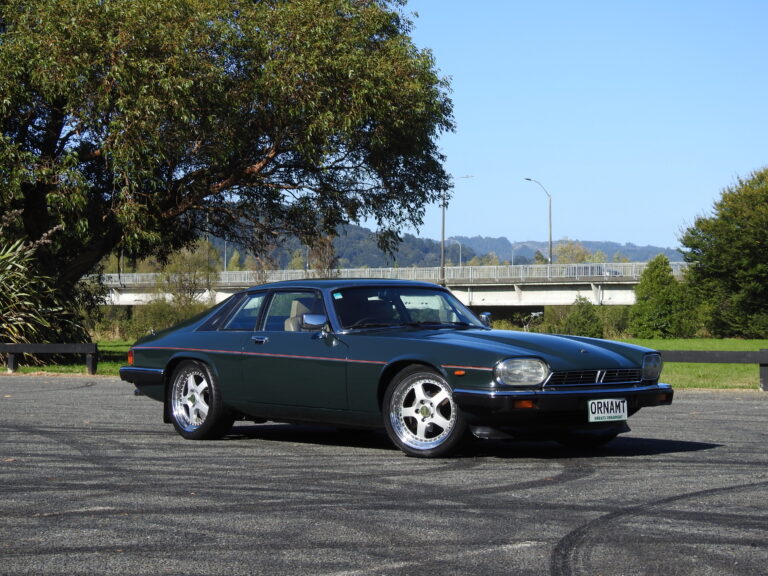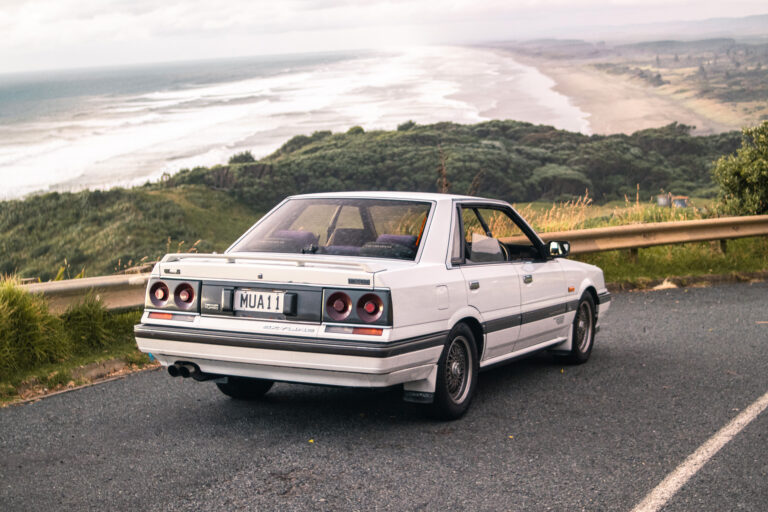
It’s weird to think that I’ve been a part of this team for almost a year now. Maybe not officially, but somewhat anyway. I’ve found some new ways of shooting and have learnt a lot in the process. It’s crazy to think how far I’ve come in such a short period of time. Heck, I find it hard telling people what I do and then have them look at me and ask how long I’ve been doing it for …
It’s come along fast; it has been rapid, and I have been very lucky and privileged. I think it would be silly not to thank a few people for their help in getting me to the position I am currently in. They all know who they are though, so I won’t leave you with a giant list.
Instead, here are a few of my favourite photos of the year.
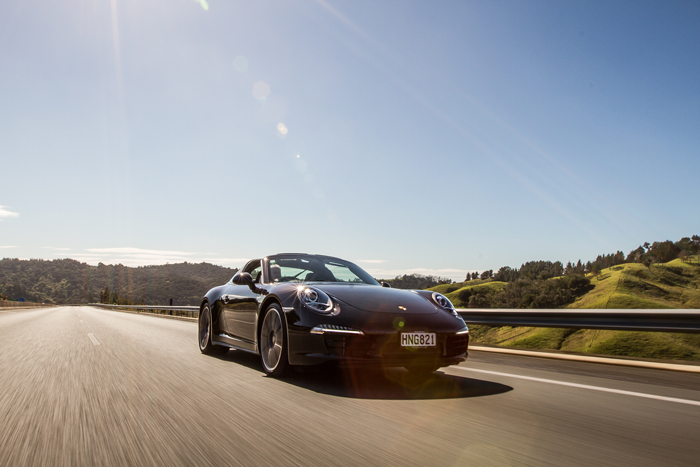
Probably my favourite shot of all. I was given access to the new Porsche 911 Targa to shoot for a feature in New Zealand Classic Car magazine. The car itself is naturally photogenic; it was quite easy to shoot really. I went for the ‘hanging out of the car’ tactic to shoot this at a shutter speed of around 1/40th of a second with a 7D and a 16–35mm lens.
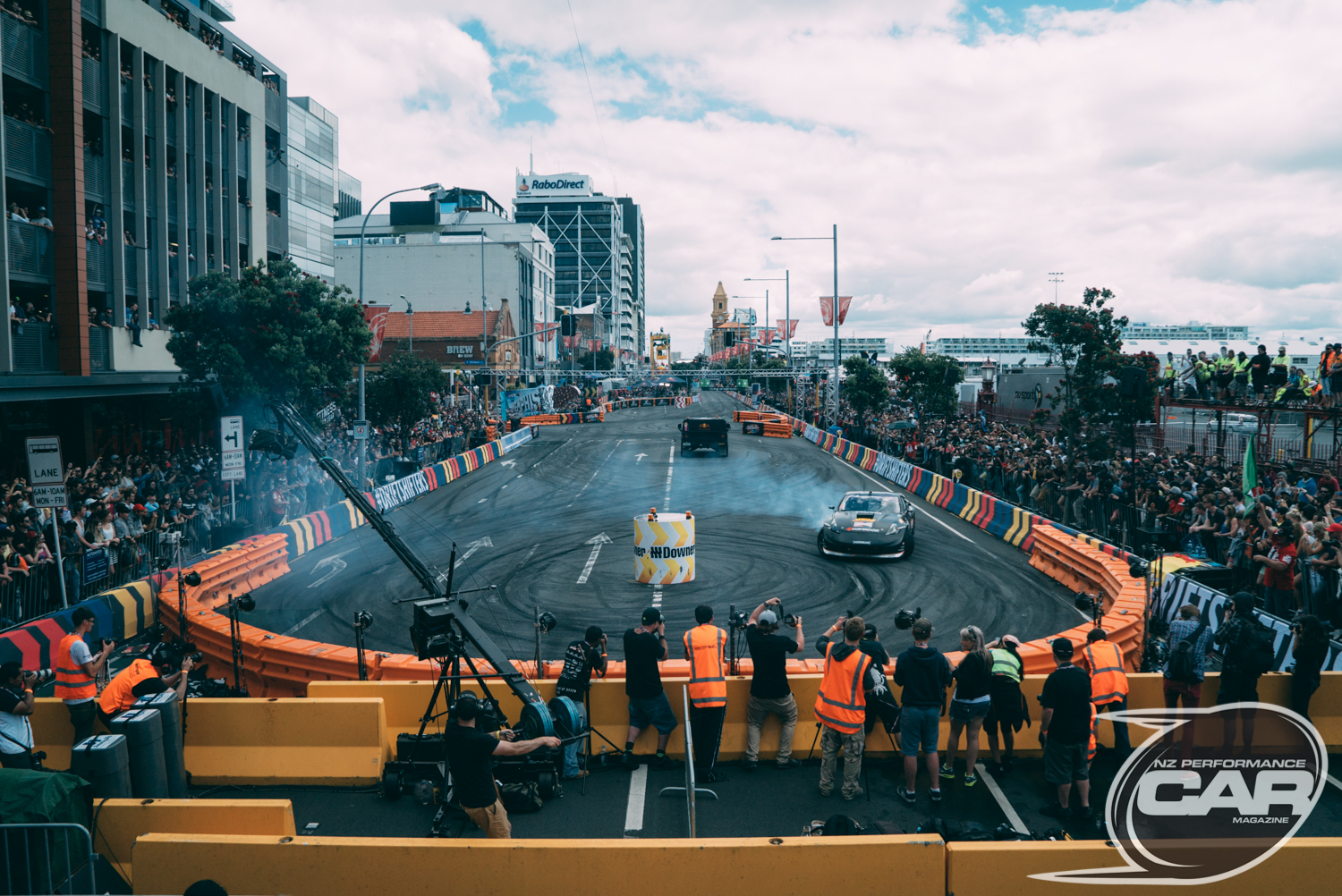
What’s there to say about a silly amount of media crammed into one little pit to shoot from at Red Bull’s Drift Shifters event? It’s hard, but that’s not too surprising really. I think one of my more favourable shots from that day was achieved by standing back and shooting from the crowd’s perspective. Shot on a Sony A7S with a 24–70 lens.
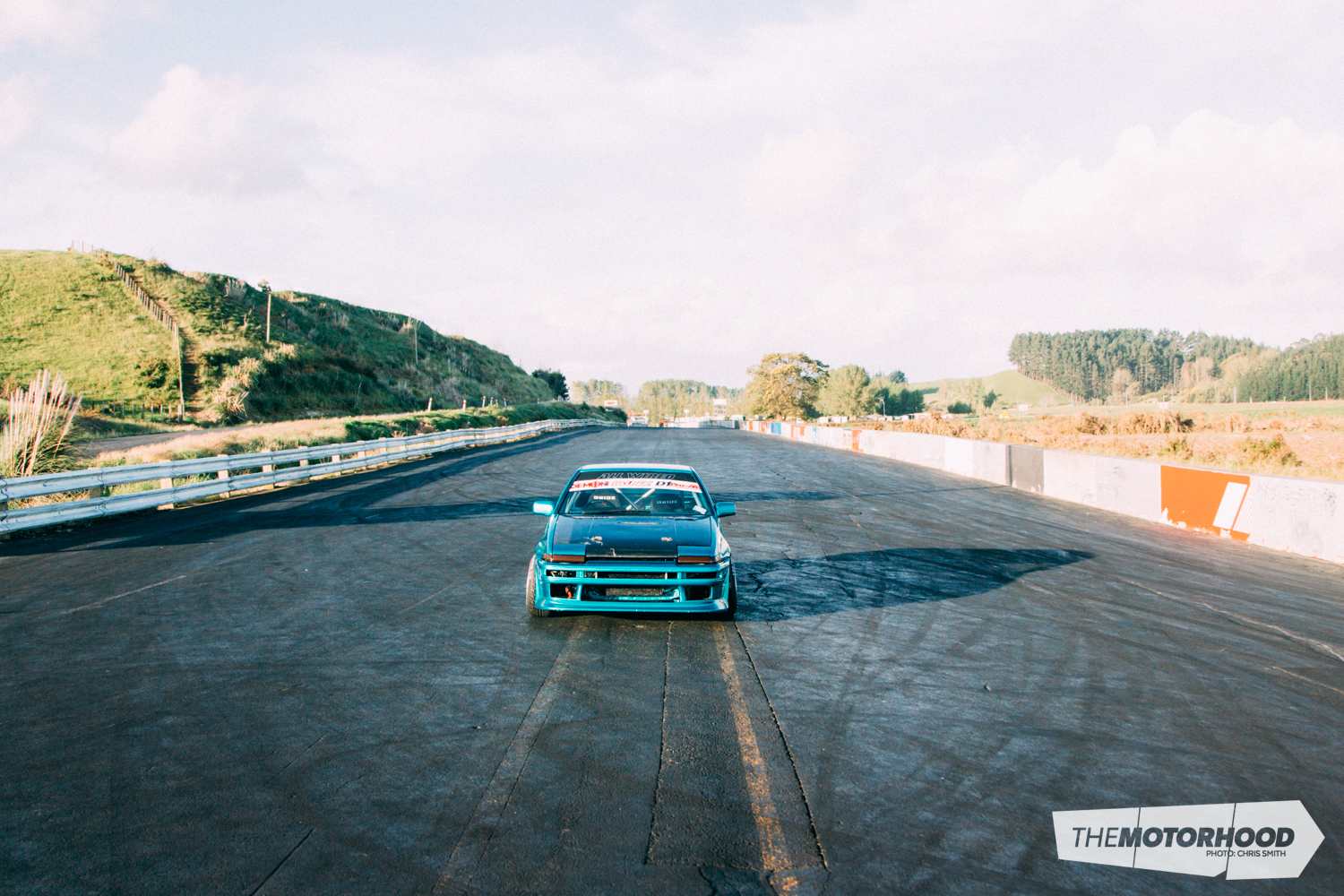
Stepping back was an often-used tactic this year, with the same thought process applied weeks earlier on Joel Patterson’s AE86 cover shoot. I think what I like most about these shots is that they’re allowing you to see how it went down. It’s not angled to show off the car, it’s shot to show off everything as a whole. Canon 60D.
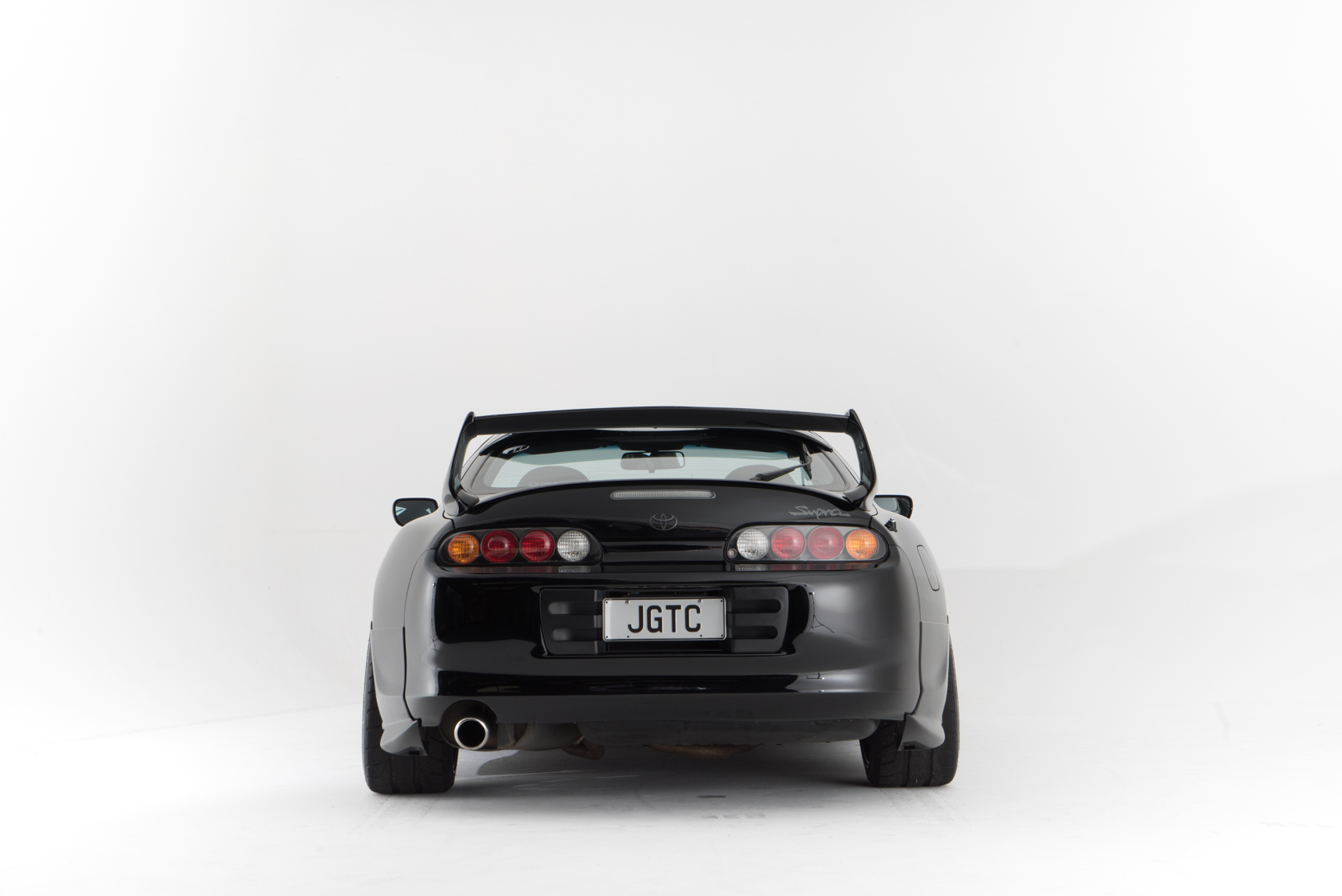
I underestimated the skill that goes into shooting a car in a studio setting, and I think even now I’m still not really that sure of it. I’m coming around to the idea however, and it’s growing on me. While I still think the best backgrounds are outdoors, you can’t knock a studio for clarity and precision. Sony A7S.
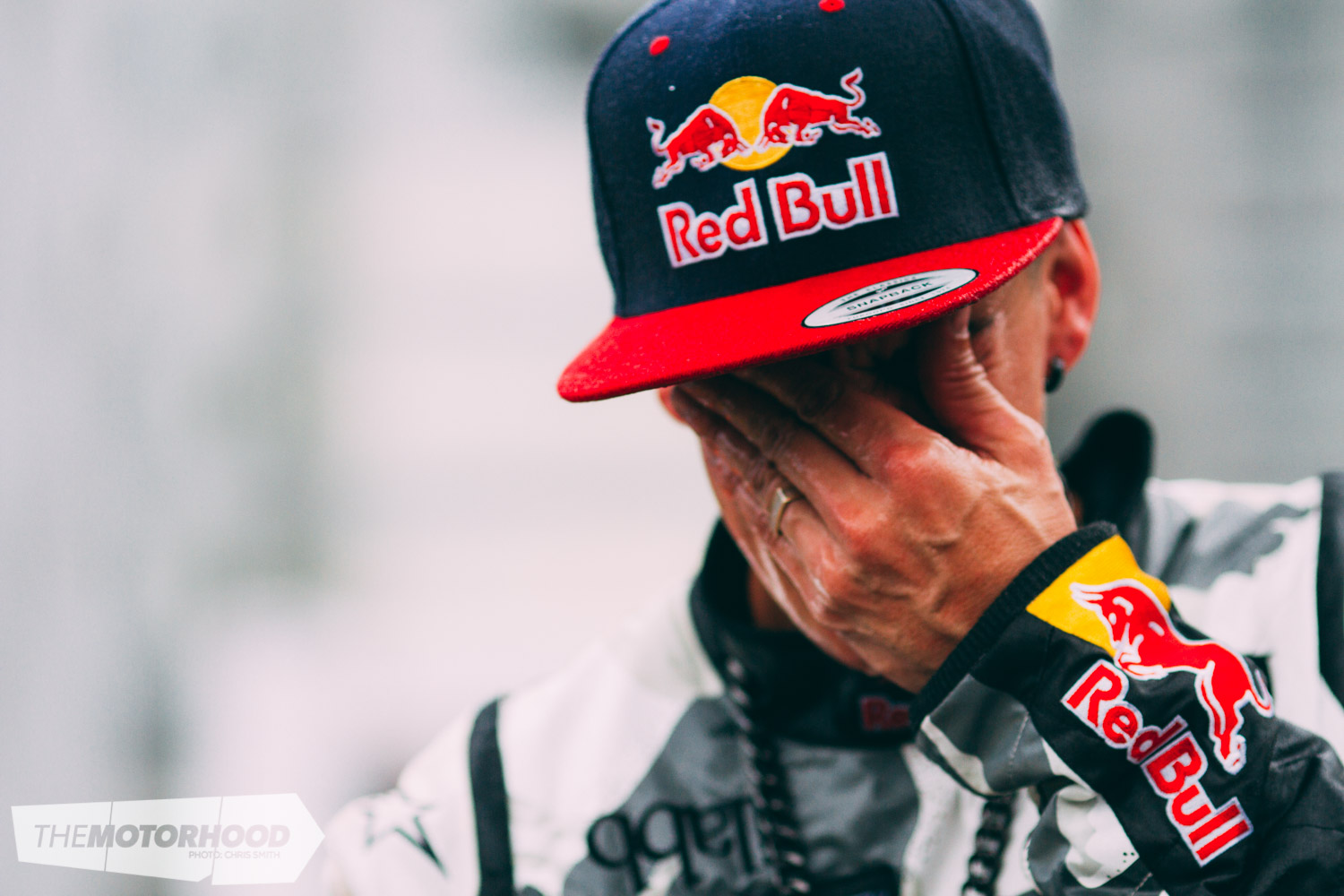
I remember being told in my early days of shooting that the main focus should not be built solely around cars. In order to capture the entire perspective of the event one must capture the people too. Mad Mike was clearly quite overcome at this point, and that’s shown in this shot. I wanted to ensure that I captured his emotion correctly, and to ensure that he’s not seen from a funny angle, but one that complements the situation.
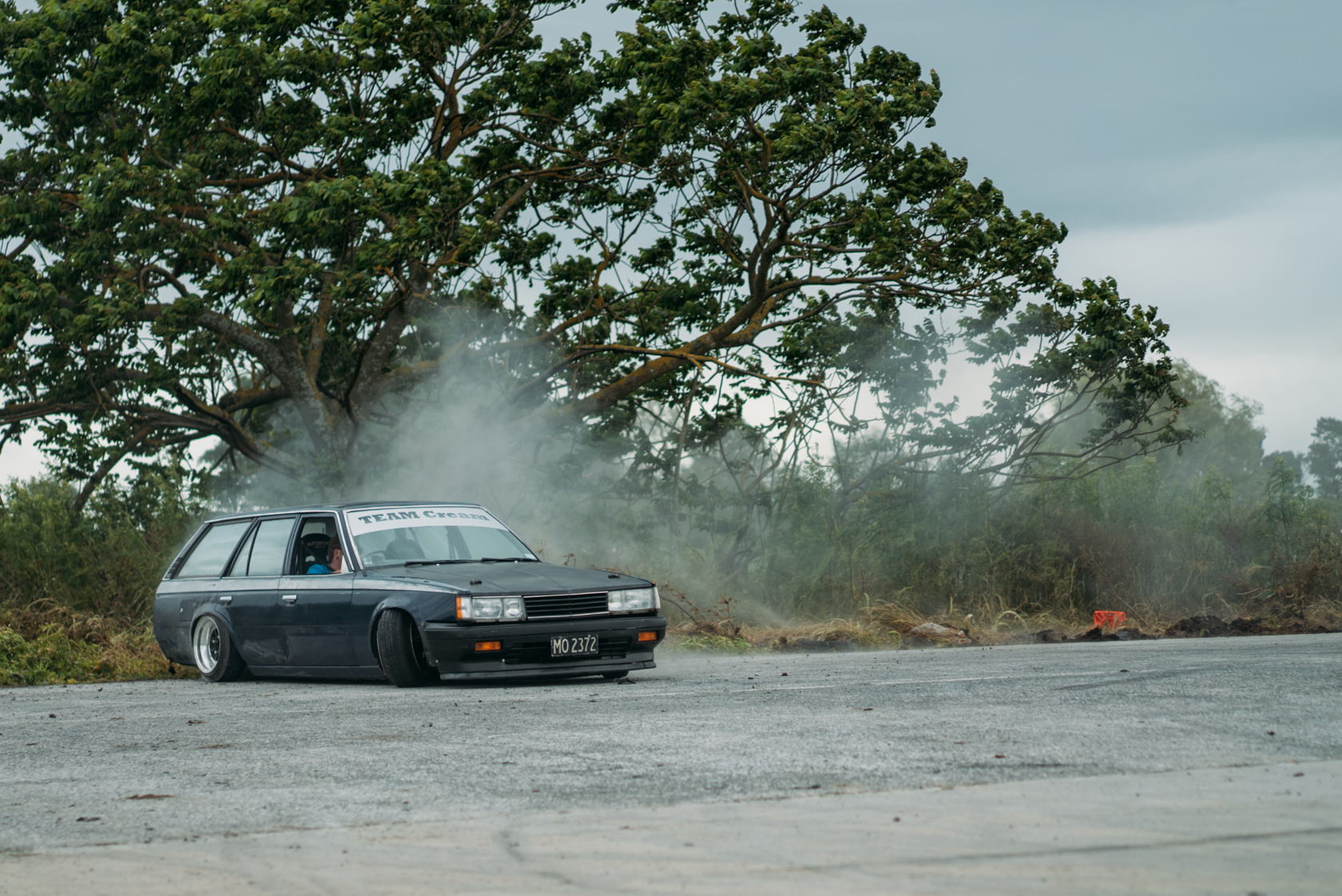
Tipping over the edge. I feel like this doesn’t need a lot of explanation. Shot with a Sony A7S, it’s an odd thing to shoot with a digital viewfinder. Not sure what’s popping out — I’m glad to have caught this shot.
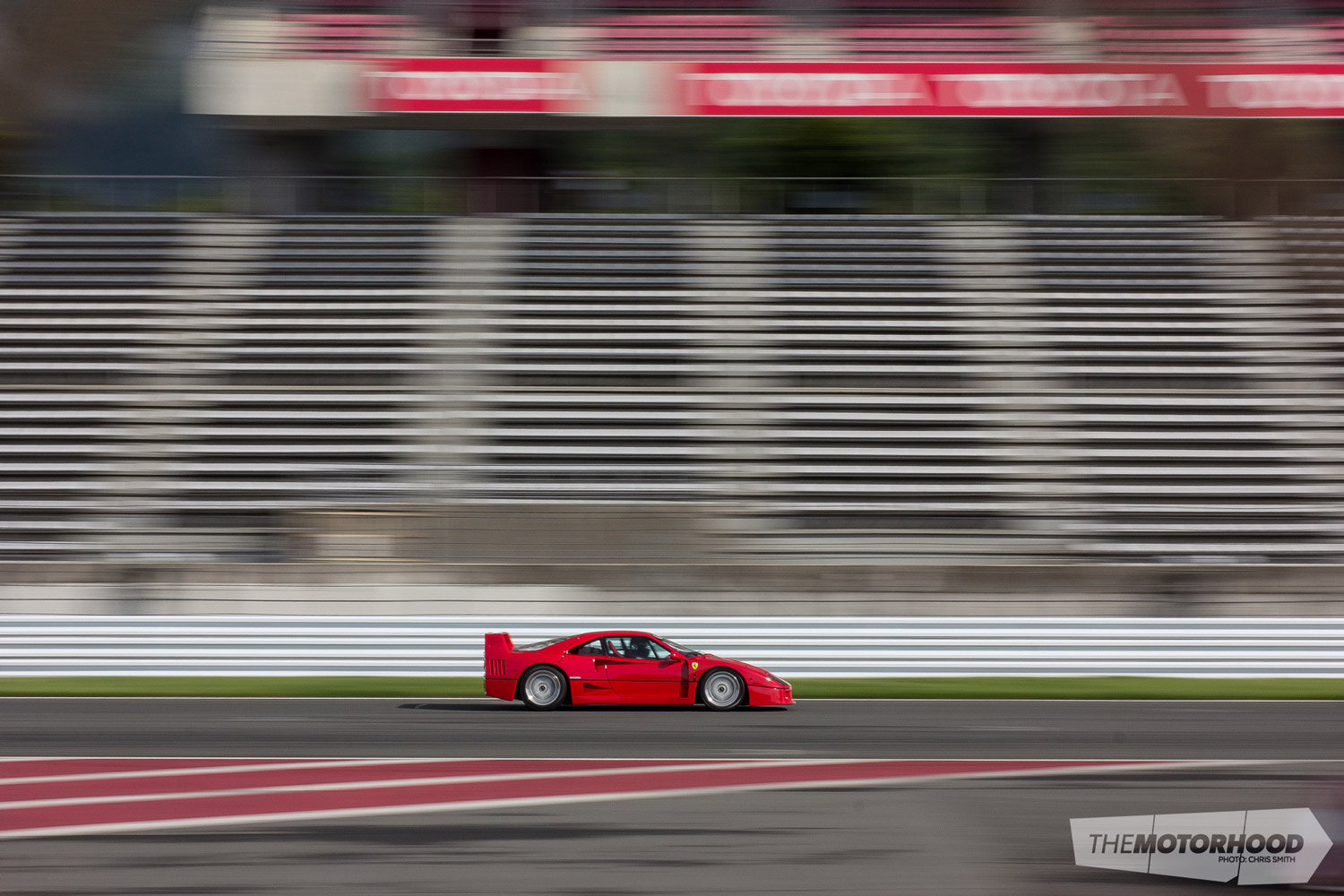
It would be slightly unfair to make this post if I didn’t include a few shots of mine from outside the world of NZPC and co. This was taken in Japan at Fuji Speedway with a 60D and Sigma 50mm 1.4.
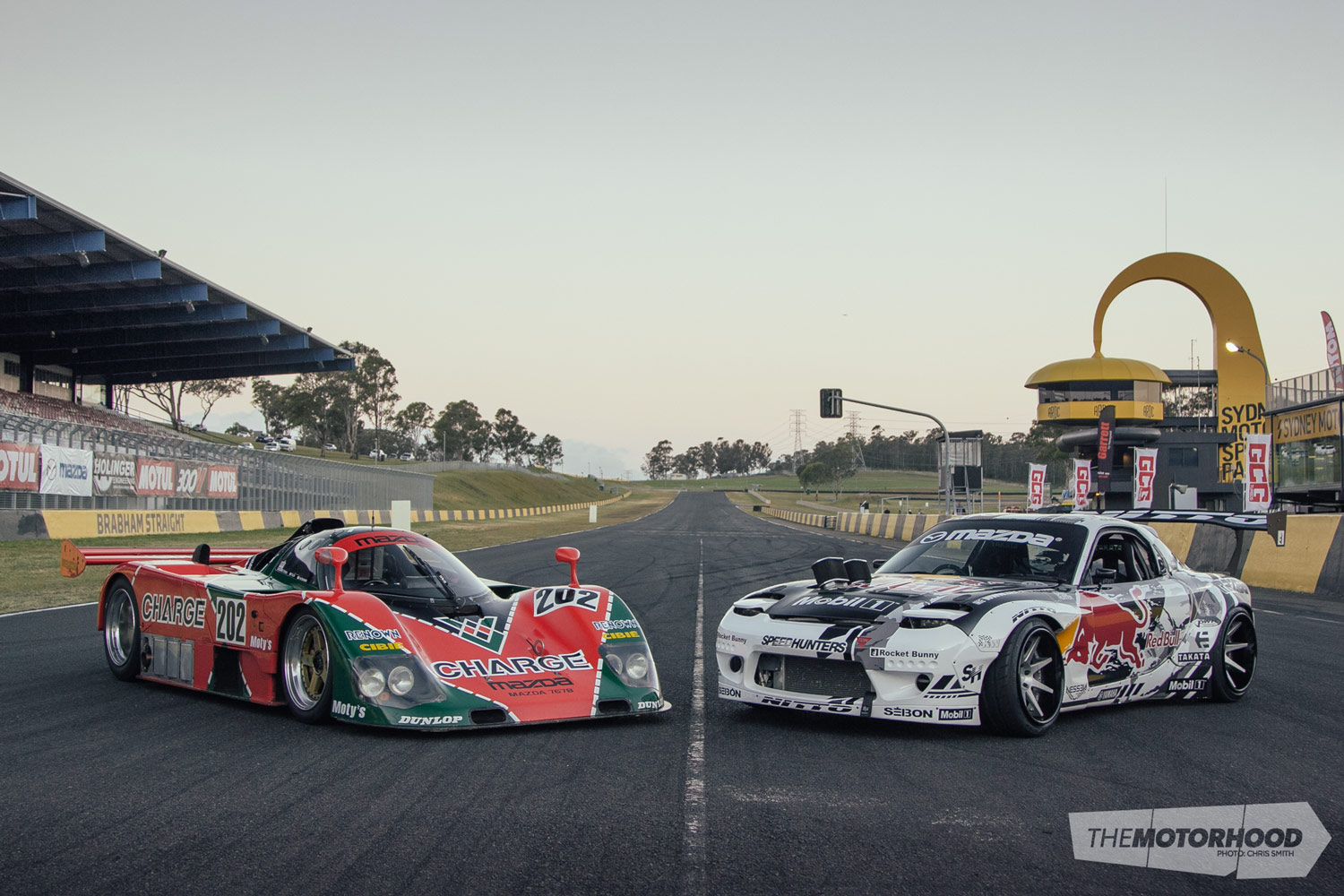
From a shoot with Mazda Australia and World Time Attack — here’s the notorious 767B and Mad Mike’s car on the front straight of Sydney Motorsport Park. Shot with a 7D and 24–105mm.
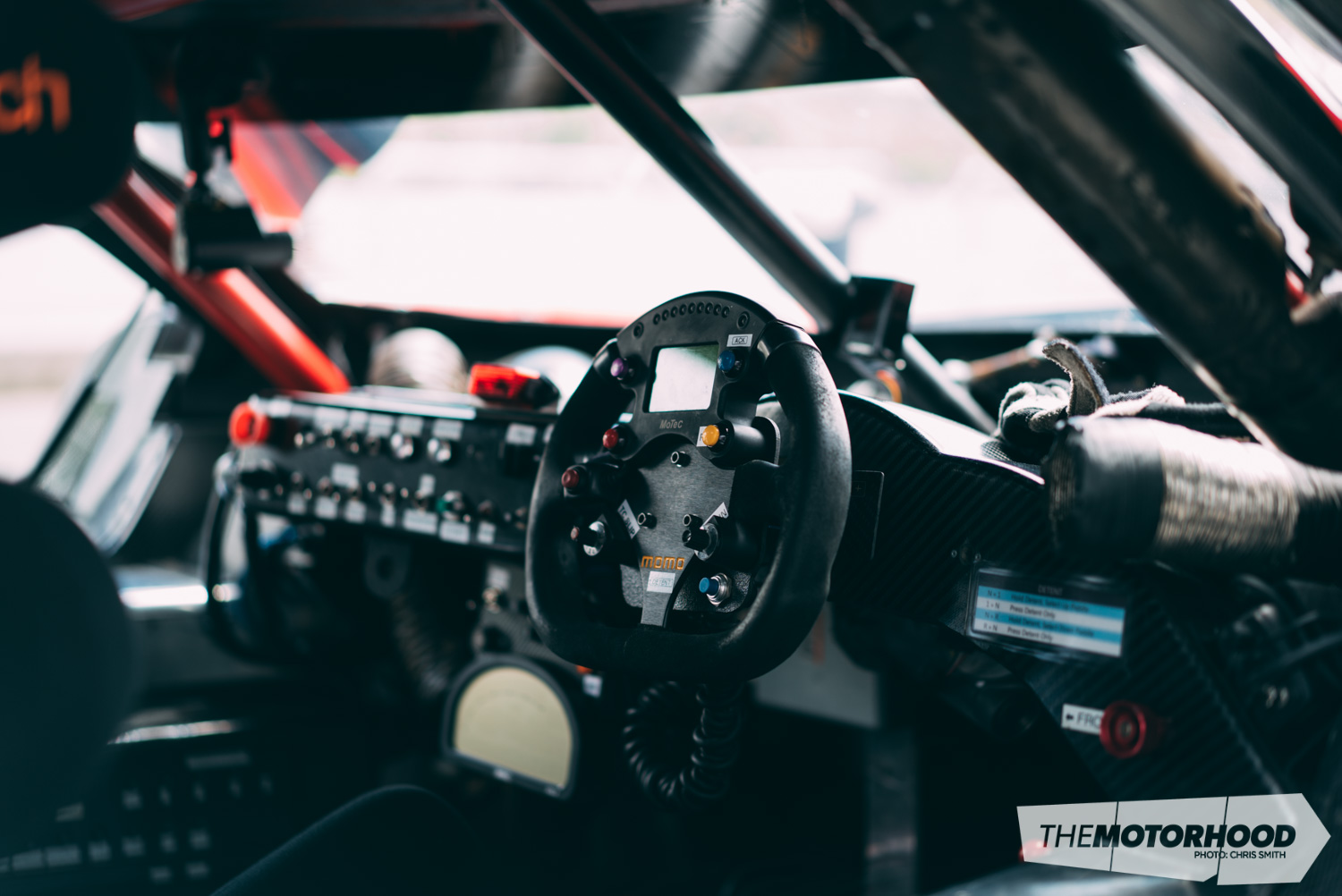
Since I haven’t been working here since the start of time I’ll leave you with this interior shot. I loved the Crawford Pontiac race car and the cockpit within. Sony A7S.
There are plenty more moments to look forward to — I might try do a six-month summary next time.
Happy holidays.