
British-inspired roadsters to make a comeback

16 June, 2014


It’s looking like Mini and MG are both exploring options in bringing the classic British roadster market back into the land of the living.

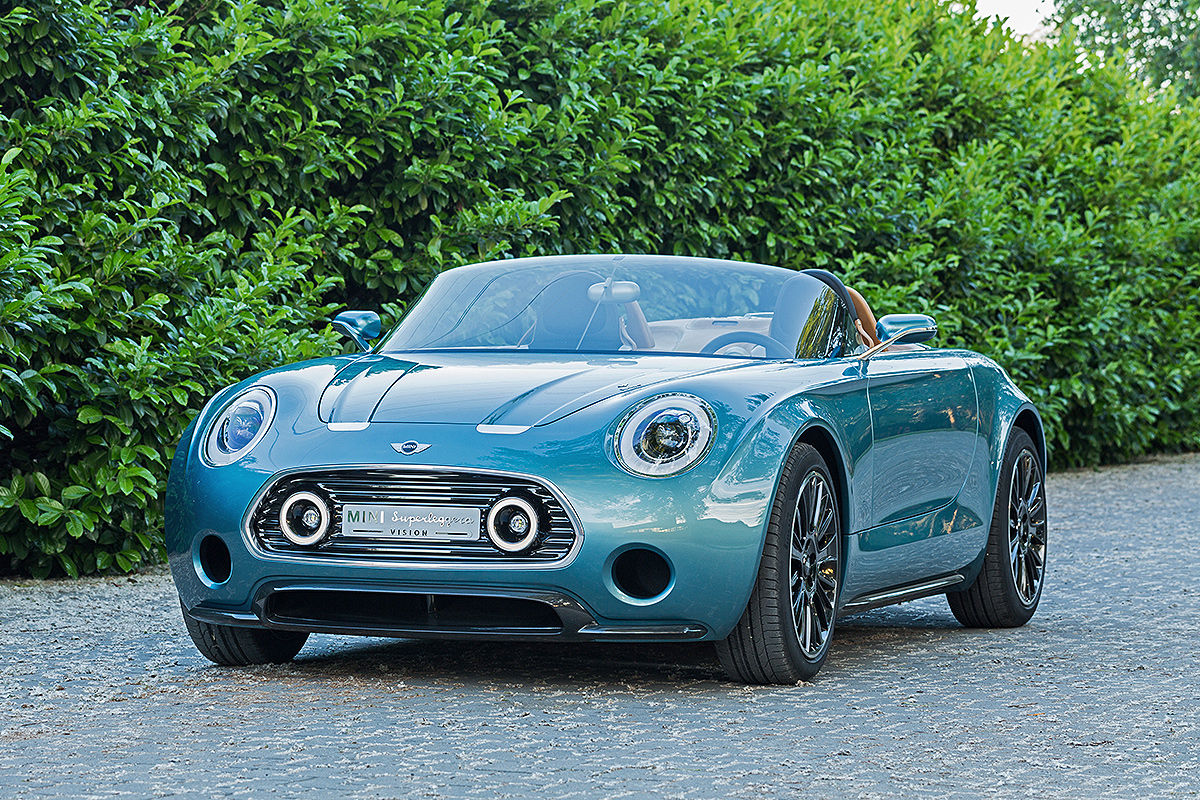
The classic British sports car  is looking to make a reappearance in the form of Mini’s Superleggera — a two-seat roadster concept with obvious Italian style.

The Superleggera was shown in late May and is simple and sleek. It has no door handles, a simple dashboard is formed from untreated aluminium steel, and the seats are leather bucket seats.

Although at 4167mm it is longer than the British sports car Austin Healey ‘Frogeye’ Sprite, it matches the Mazda MX-5 — with this particular vehicle taking the roadster market previously. 
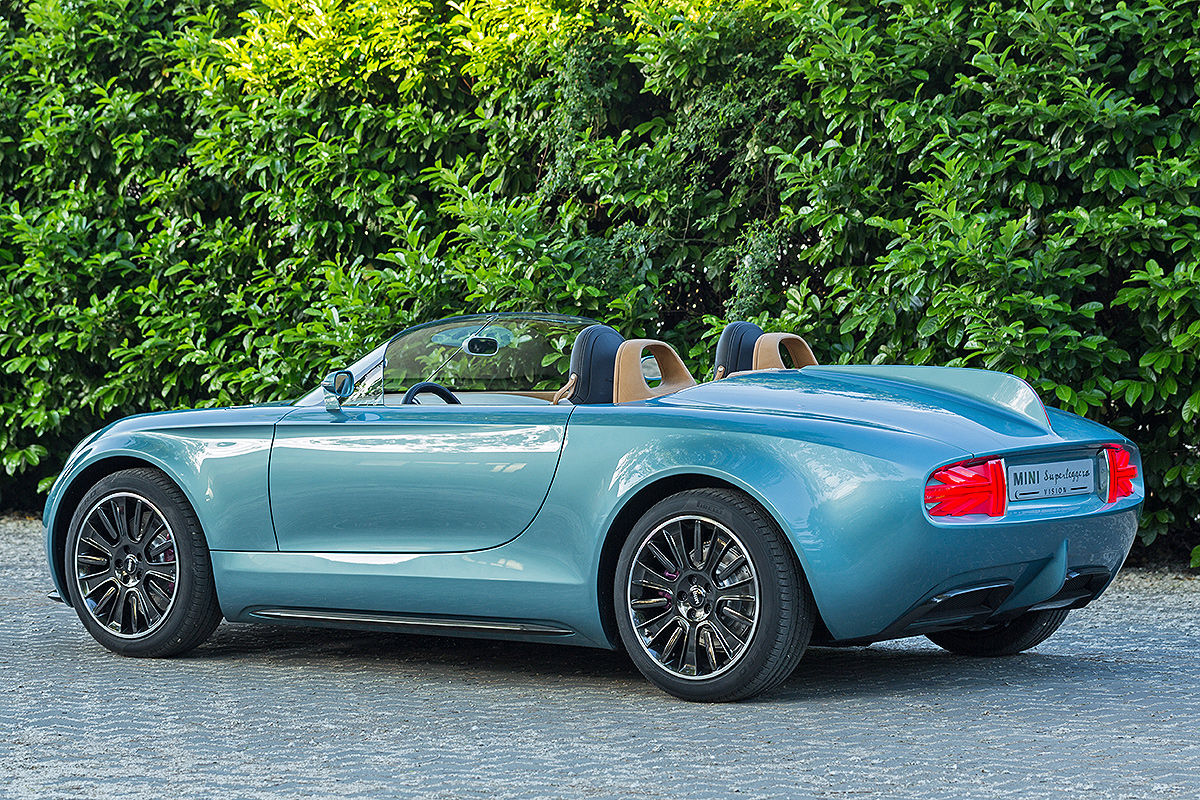
Mini has said that it is just a concept car and plans for productions are non-existent but it is known that the company is looking for another body style to replace the slow-selling roadster and coupe.

It is likely, that if it ever did make production, the engine would be the BMW-shared 1.5-litre three-cylinder turbo seen int the newest Mini.

MG could be another company to keep an eye on when it comes to entering a roadster into the market. The brand left the market when it discontinued the MG TF back in 2011.

With the market for light-weight, rear-wheel drive sports cars near abandoned with basically only Mazda at the helm, it could be a new game if British-inspired models make a reappearance.
“Gotcha!’’ The continuing tale of a Nissan/Datsun tragic – part two

In 1996, I was on a mission to buy a suitable pavement scorcher and visited the now-defunct Manukau City Car Fair. Unbelievably, among the sea of four-door utilitarian Japanese compacts was the absolute jewel in the crown, my automobile wet dream — a 1985 two-door R30 RS Nissan Skyline FJ20 Turbo five-speed manual in nice condition. The owner wanted $10,000 — a great deal.
But what did I do? I bailed out, paralysed by indecision. The money would have been a stretch, but it was the worst automotive choice I ever made. Instead, I went for a rusty Toyota Sprinter 8 Valve Twin Cam Coupé, which was pretty terminal from the get-go. I know. We’ve all done it, but there was really no excuse for passing up the Skyline, and I was haunted by that for years.

Last Tango in the Fast Lane

In the mid ’80s, I locked into a serious Nissan/Datsun performance obsession. It could have kicked off with my ’82 Datsun Sunny, though this would have been a bit of a stretch of the imagination, given its normally aspirated 1.2-litre motor — not the sort of thing to unleash radical road warrior dreams. But it did plant a seed, and it was a sweet little machine and surprisingly quick, in contrast to all the diabolical English offerings I had endured.
I was living in South Auckland at the time and was an unrepentant petrolhead. Motor racing was my drug of choice, and I followed the scene slavishly. Saloon car racing, with the arrival of the international Group A formula, was having a serious renaissance here and in Australia and Europe. There was suddenly an exotic air in local racing that had been absent for 15 years.
I was transfixed by this new frontier of motor racing that had hit our tracks in 1985–87 and the new array of machinery on display. In 1986, the Nissan Skyline RS DR30 made a blinding impression on me. The Australian Fred Gibson-run, Peter Jackson-sponsored team of George Fury and Glenn Seton were the fastest crew of the 1986 Australian Touring Car Championship. But Kiwi legend Robbie Francevic snuck through to win the Aussie Championship in his Volvo 240T after a strong start and consistent finishes.