Maserati: Ex-Stirling Moss Maserati up for auction

16 June, 2014


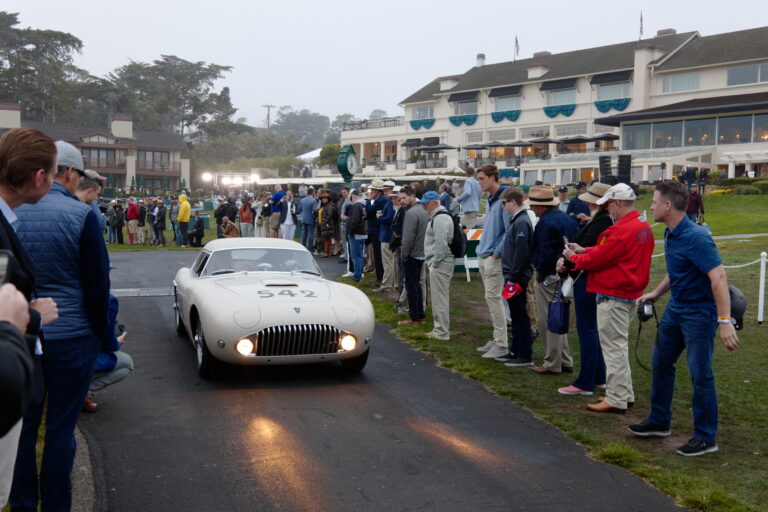
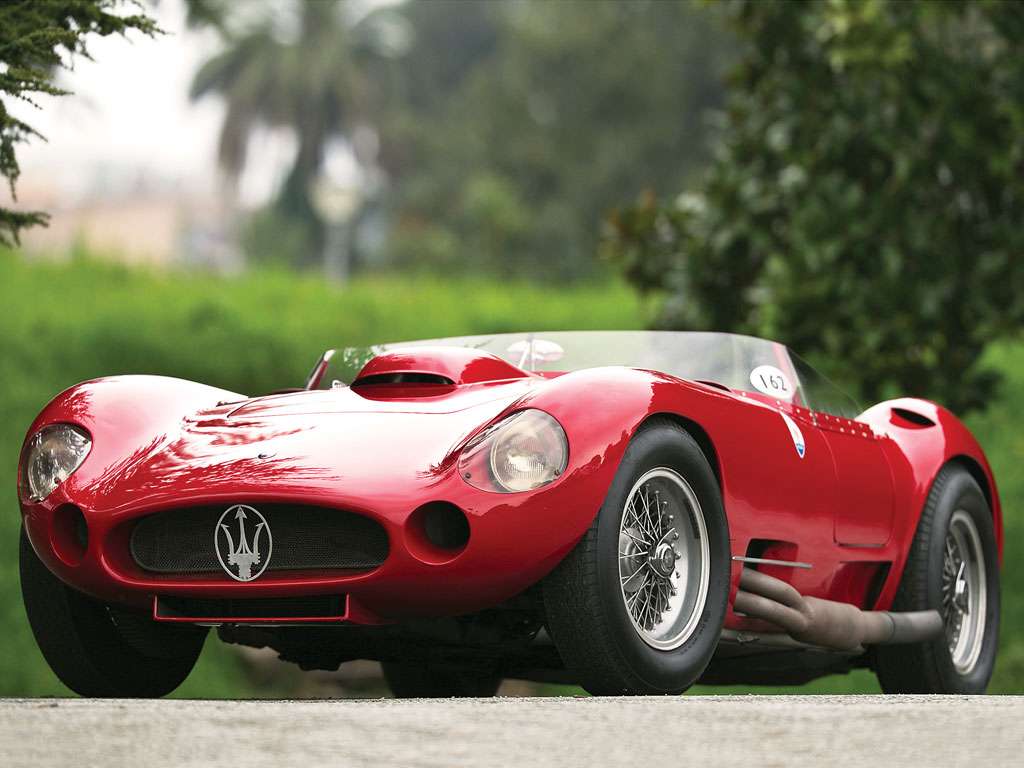
At RM Auctions’ Monaco sale on May 10, punters will get the chance to bid for the 1956 Maserati 450S Prototype, as driven by Stirling Moss and Denis Jenkinson on the 1956 Mille Miglia.

Originally built as a six-cylinder car, before the Mille Miglia that year, Maserati installed a 5657cc V8 producing around 520bhp. Moss crashed the car following brake failure.

This car has since gained the chassis number 4501, once used on an entirely different Maserati 450S but now verified for this car. At one time the Maserati was also fitted with a Corvette V8!

Today, fully restored, the car is expected to bring in big bucks at auction.

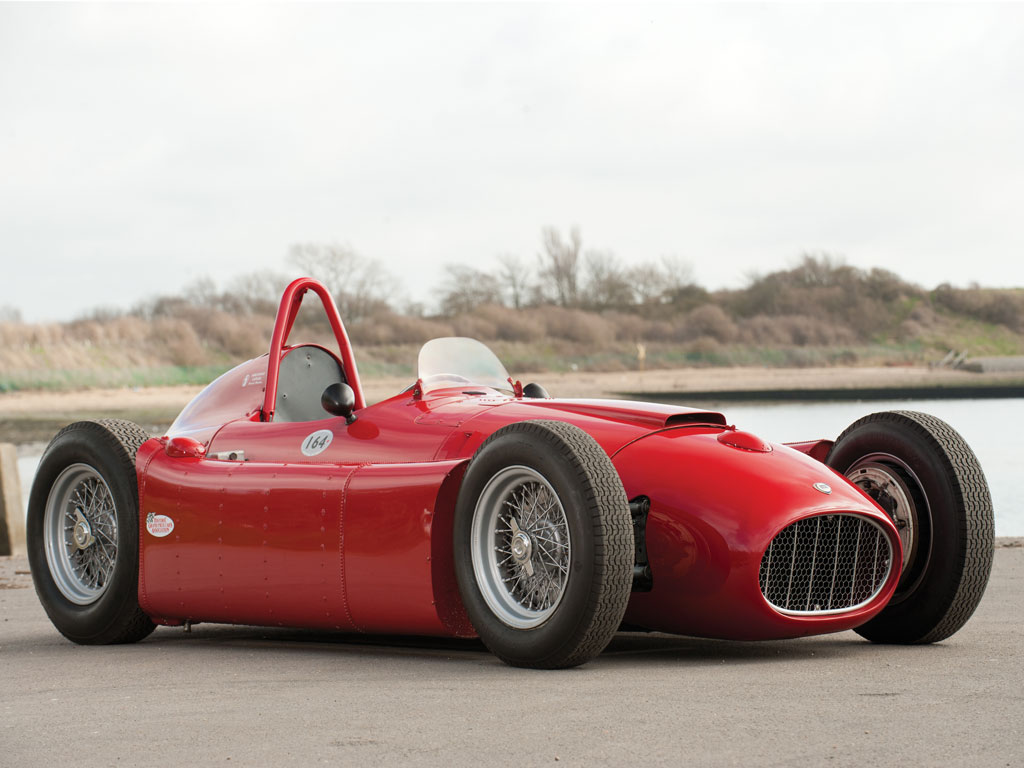
Another interesting Italian at the same sale is the re-creation of Lancia’s justly famous D50 Grand Prix car (although we’re not that keen on its modern roll bar). Built from original plans by Tom Wheatcroft of Donington fame, the car is expected to attract bids of over one million pounds — rather less than the cost of the real thing!

Racing Mazdas

Both Rod Millen and Ron Kendall were rotary racing kings, emanating from the North Shore of Auckland, where I grew up. And the ultimate rotary techno guru was Bill Shiells, who developed the engine into a rocket ship while working out of Gulf Mazda in Takapuna from 1969, and later in his own business, Rotorsport. He began to extract some phenomenal horsepower from the enigmatic rotary engine. Bill was one of the first to race the Mazda RX-2 Coupe in 1971 and achieved immediate success, causing others to sit up and take notice, particularly the North Shore’s racing elite. They included Robbie Francevic, Rod Millen, Ron Kendall, John Woolf, John Le Feuvre, and Rex Findlay.

Range Rover CSK — the original SUV

The Range Rover, thanks to Charles Spencer King, went into production in 1970 boasting an iconic shape that would last until 1996. The vehicle that would create the SUV moniker came about because Rover decided it was time to add a bigger four-wheel-drive vehicle, one with a 100-inch wheelbase, to the model range. Land Rover made a 109-inch wheelbase model but the standard vehicle had a 88-inch wheelbase.
The new model would be more suitable for road use than the existing Land Rover, which was considered to be predominantly for rural use. To make sure it could cope on any road it came standard with the Rover 3.5-litre V8 engine. The body design was originally sketched by King and went into production with only a few minor touch-ups by the Rover styling team.
According to King, “The idea was to combine the comfort and on-road ability of a Rover saloon with the off-road ability of a Land Rover. Nobody was doing it.”