Star status for classic Porsche
A long search ends: finding the right car
Unveiled at the Frankfurt Motor Show in 1963, the Porsche 911 heralded an iconic lineage of sports cars, known for their exceptional performance, remarkable racing reliability, and adaptability, second to none.
New Zealand Classic Car, in conjunction with Star Insure, recently conducted a photo competition to find 13 suitably impressive classics to grace the pages of the magazine’s 2027 calendar. A flood of entries showed that Kiwis recognise eye-catching designs and restorations. Many are handy with a camera, too, and have entered some outstanding results.
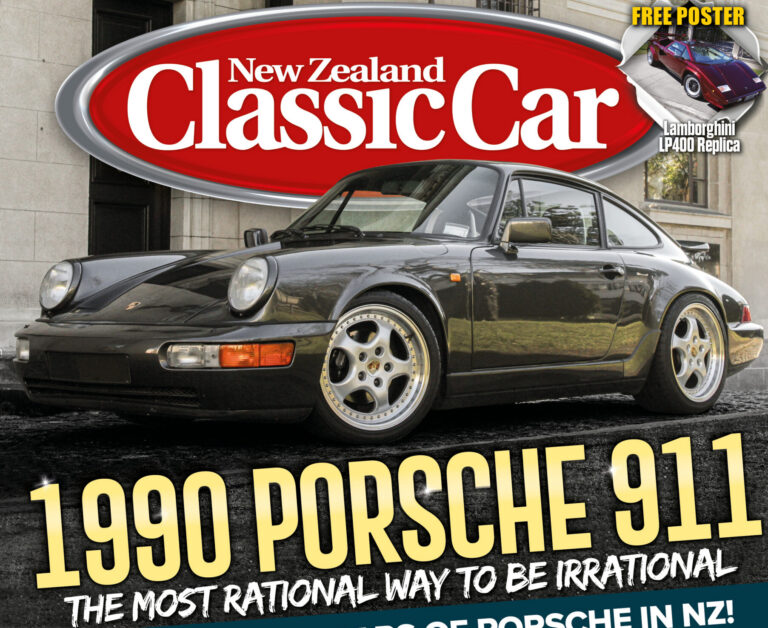
The choice was not straightforward, with multiple stunning entries, and Geoff Long’s immaculate 1990 Porsche 911 (964 Factory designation) took top honours. Fortunately, Geoff had Ethan Hanlon handy to take the accompanying photos while working in his office.
“I’ve got a young employee who is doing work experience in my office at the moment, and he’s a very avid photographer. So, I said, I’ll buy you breakfast and then why don’t we go and take some photos. He found the right spot, and he spent over an hour photographing.”
Originally sold new in Japan, hence the right-hand drive, the Porsche was resident there for four years before being exported to New Zealand, as Geoff recalls.
“I bought it two-and-a-half years ago, but I looked for it for over two years, because it’s just the colour scheme, interior and exterior I was after. The service file that came with it is extensive; I mean, it’s been beautifully looked after, which is what I wanted to continue, as it does get driven. It doesn’t sit in the garage.”