Photo: Graham Hughes
Targa North Island is almost here with scrutineering underway this Thursday, May 15 and the first leg of the journey from Bombay to Whitianga leaving on the morning of Friday, May 16.
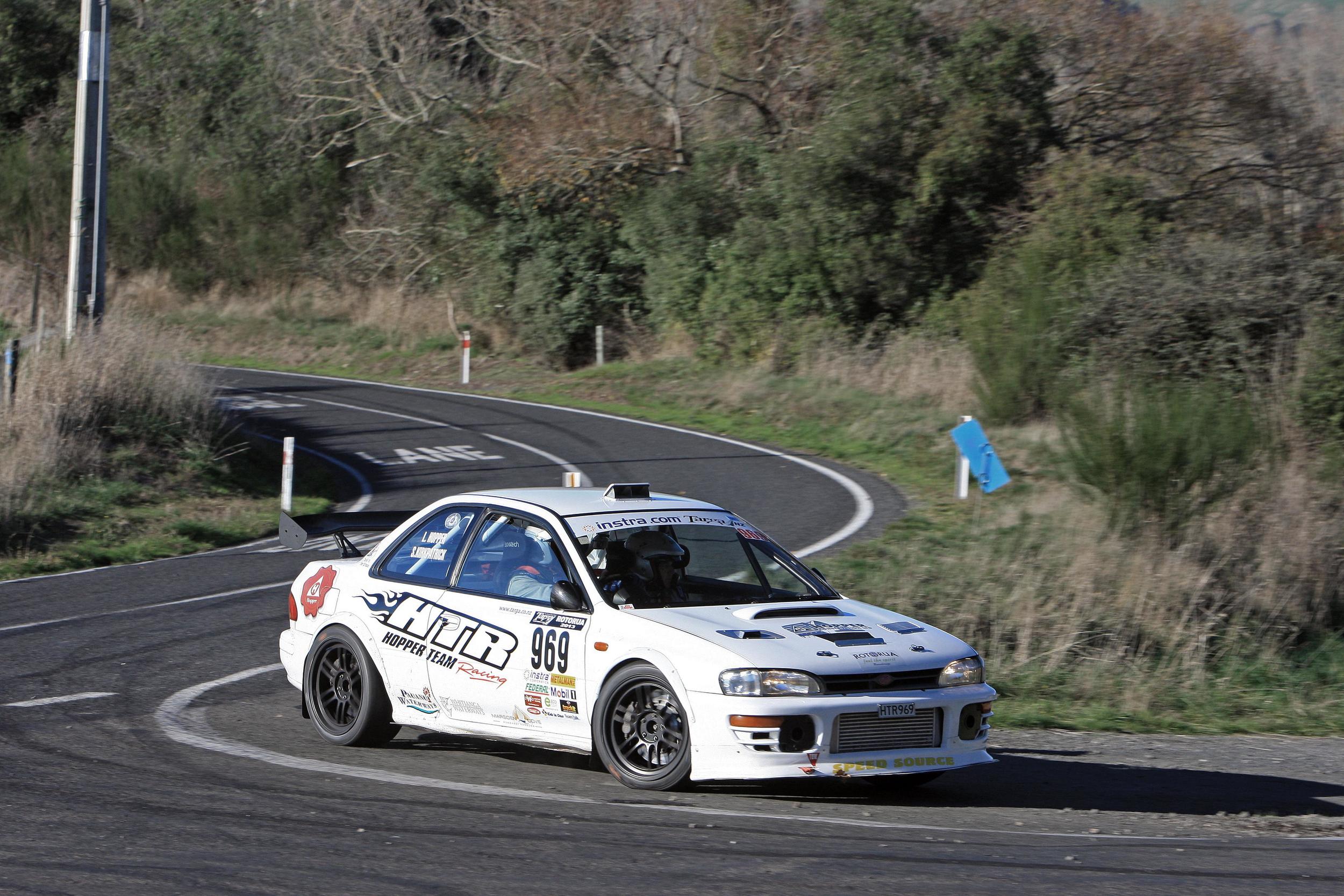
Two-time Targa Rotorua event winner Leigh Hopper and co-driver Simon Kirkpatrick will be heading the 100-strong line-up of competitors and cars for the new Targa North Island rally.
The weekend’s event will travel from Auckland to Whitianga to Rotorua, starting at the Simunovich Olive Estate in the Bombay Hills and ending on Rotorua’s Eat Street (opposite the Village Green) on Sunday.The 74 competition and 26 associated Targa Tour cars will cover 457kms of closed special stages, and 840km of touring distance.
Having enjoyed the extra stage time and challenge of last year’s two-and-a-half-day Targa Rotorua event, Leigh Hopper says he thinks a three-day event is the perfect build-up for the six-day ‘main event’ in the South Island later this year.
“With three days you’ve got the intensity of the shorter sprint events but the strategy in terms of having to pace yourself and keep on top of the car that is important when you are racing over five or six days,” he said.
Being able to read the road is a skill Hopper prides himself in and without the detailed corner-to-corner pace notes that typical gravel events would see, Targa involves a lot more of these road-reading skills to be used. Hooper himself believes this is one of the cornerstones of the ongoing appeal of local Targa events.
Set to take the battle to the lone Hopper/Kirkpatrick Subaru WRX in the pace-setting Instra.com Allcomers 4WD class are the Mitsubishi Evos of Franklin pairing Glenn Inkster and Spencer Winn, and North Shore duo Jason Gill and Mark Robinson.
Reigning Targa New Zealand winners Martin Dippie and Jona Grant from Dunedin are Instra.com Modern 2WD category favourites in Dippie’s Porsche 911 GT3. Last year’s Rotorua class winners, Mark and father Chris Kirik-Burnnand from Wellington are a late scratching due to an engine issue with their BMW M3. Because of this, Metalman Classic 2WD is expected to be a battle between the BMW M3 of Chris Kirk-Burnnand’s brother Barry and co-driver Dave O’Carroll, and the BMW 325i of Auckland pair Rex McDonald and Daniel Price.
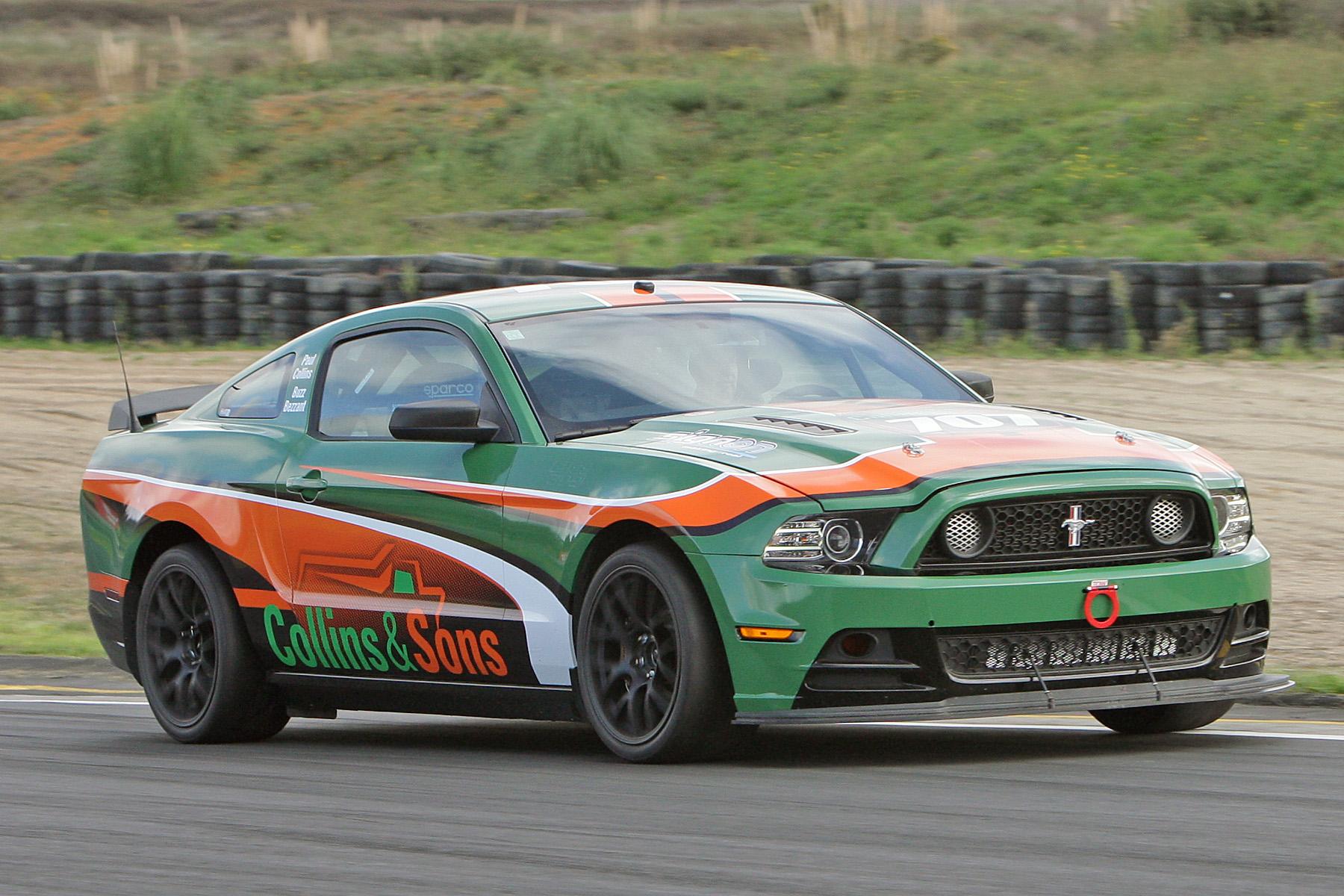
Photo: Graham Hughes
Making their Targa debut in the main event last year in a Nissan 350Z, Cambridge earthmoving contractor Paul Collin’s and co-driver Russell Bezzant will be debuting a brand new car this year — a Ford Mustang Laguna Seca edition. They’ll be debuting this in Instra.com Modern 2WD.
Collins and Bezzant’s car features a full roll cage, bigger Brembo brakes, and a KW suspension upgrade and Collins said of the model: “I saw it on TV beating BMW M3s round Laguna Seca and I just had to have one.”
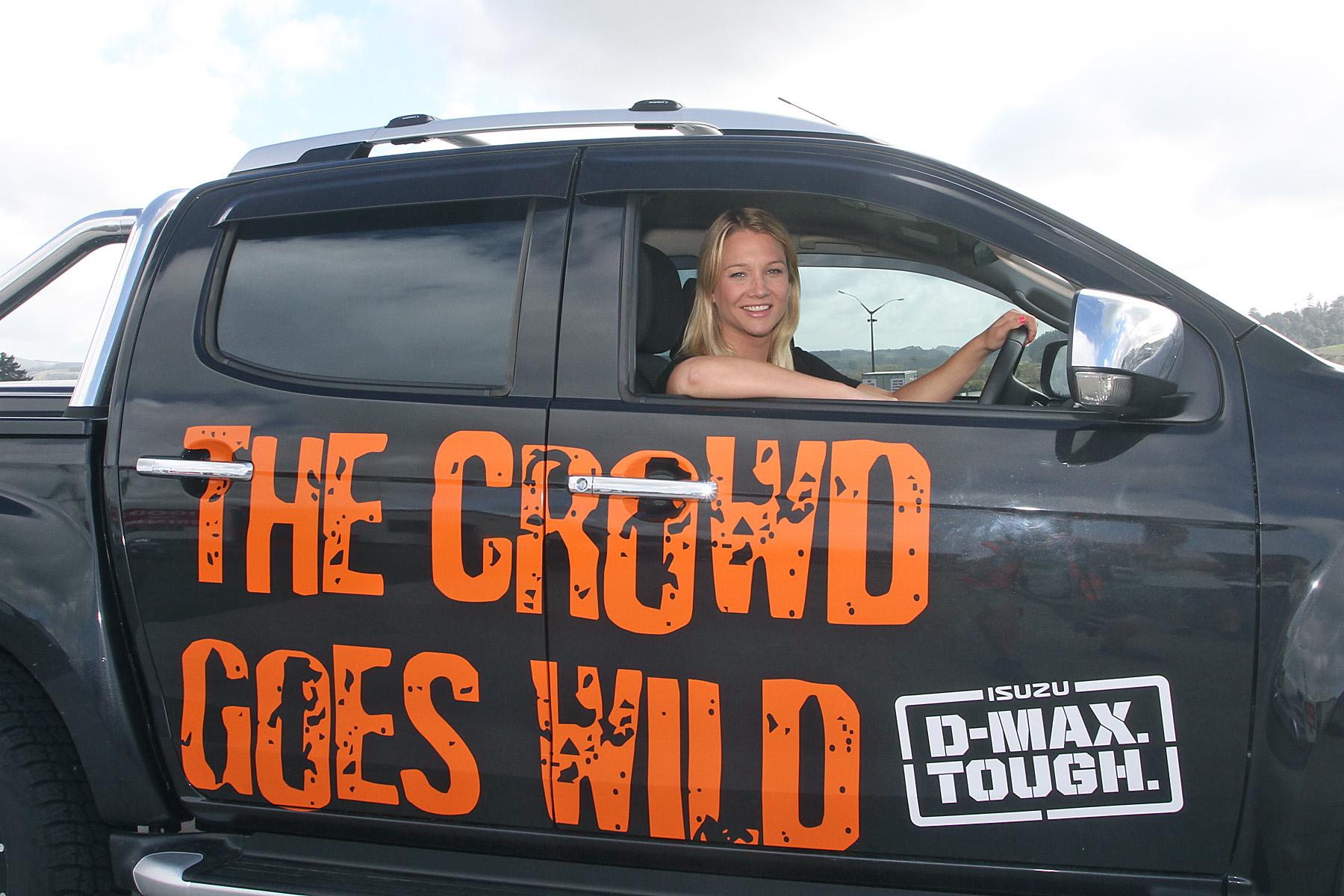
Photo: Graham Hughes
The weekend event will also see the motor sport event debut of TV sports show, The Crowd Goes Wild, reporter/presenters Hayley Holt and Chris Key who will join the concurrent, but non-competitive, Targa Tour in their show’s promo vehicle — an Isuzu D-Max double-cab ute.
Holt says: “This is one of the most exciting things I have done in a long time. I’ve always wanted to do a Targa and though I’d love to do it in a competition car, the Tour is probably the best place for Chris and I to start.”
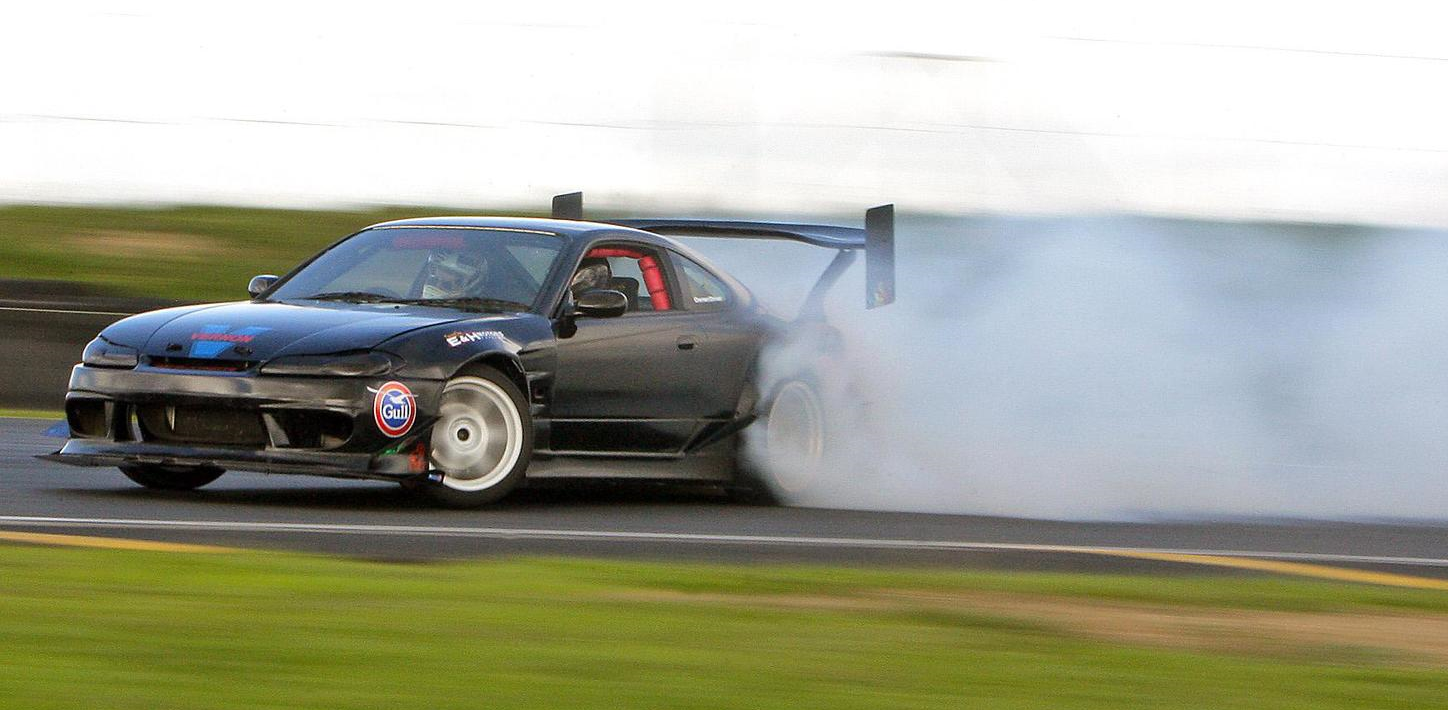
Photo: Graham Hughes
Providing a different perspective on the event’s tight and twisty hill stages is top New Zealand drifter Cam Vernon who impressed competitors, and spectators, on the last Targa Bambina event with his extreme sideways skills.
He’s back this year in his new 6.7-litre, V8-engined Nissan S15 and will drift through four stages: The Coromandel one from just outside Coromandel township to Te Rerenga on Friday, the Pumpkin Hill and Whiritoa stages south of Whitianga on Saturday morning, and the Hamurana stage which skirts the northern side of Lake Rotorua on Sunday.
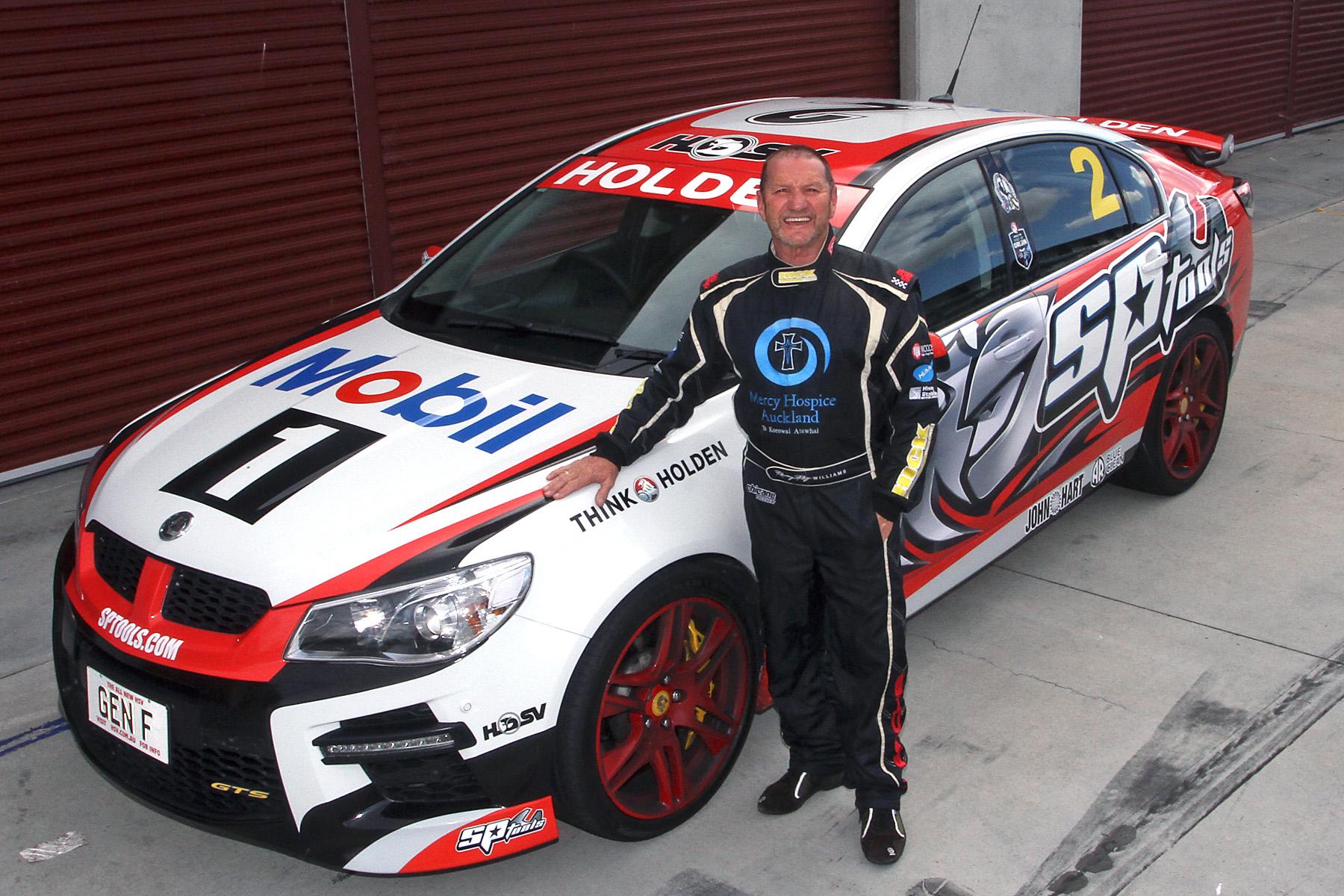
Photo: Graham Hughes
Behind the wheel of the 001 promo car will be Targa ambassador ‘Racing’ Ray Williams. The promo car is a supercharged HSV GTS V8, vinyl-wrapped to look like Garth Tander’s V8 Supercar.
Stage maps and road closure times are also printed in the latest Issue No. 281 of New Zealand Classic Car magazine.