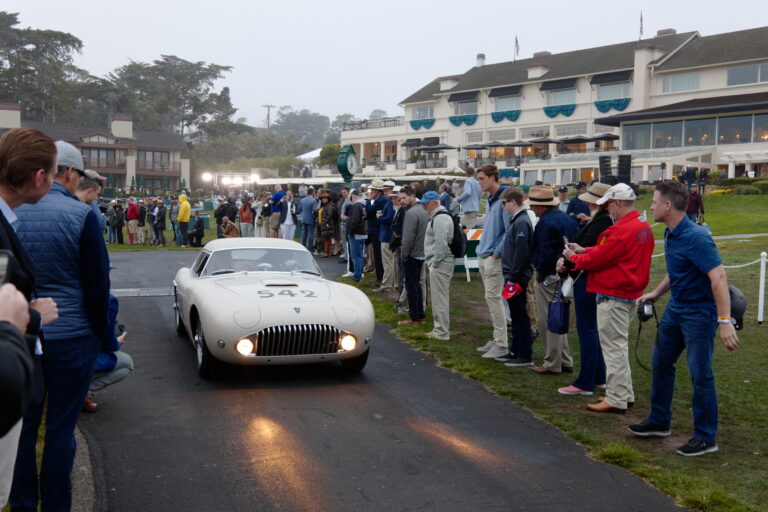
No better place to kick off 2015 than Whangamata

23 January, 2015

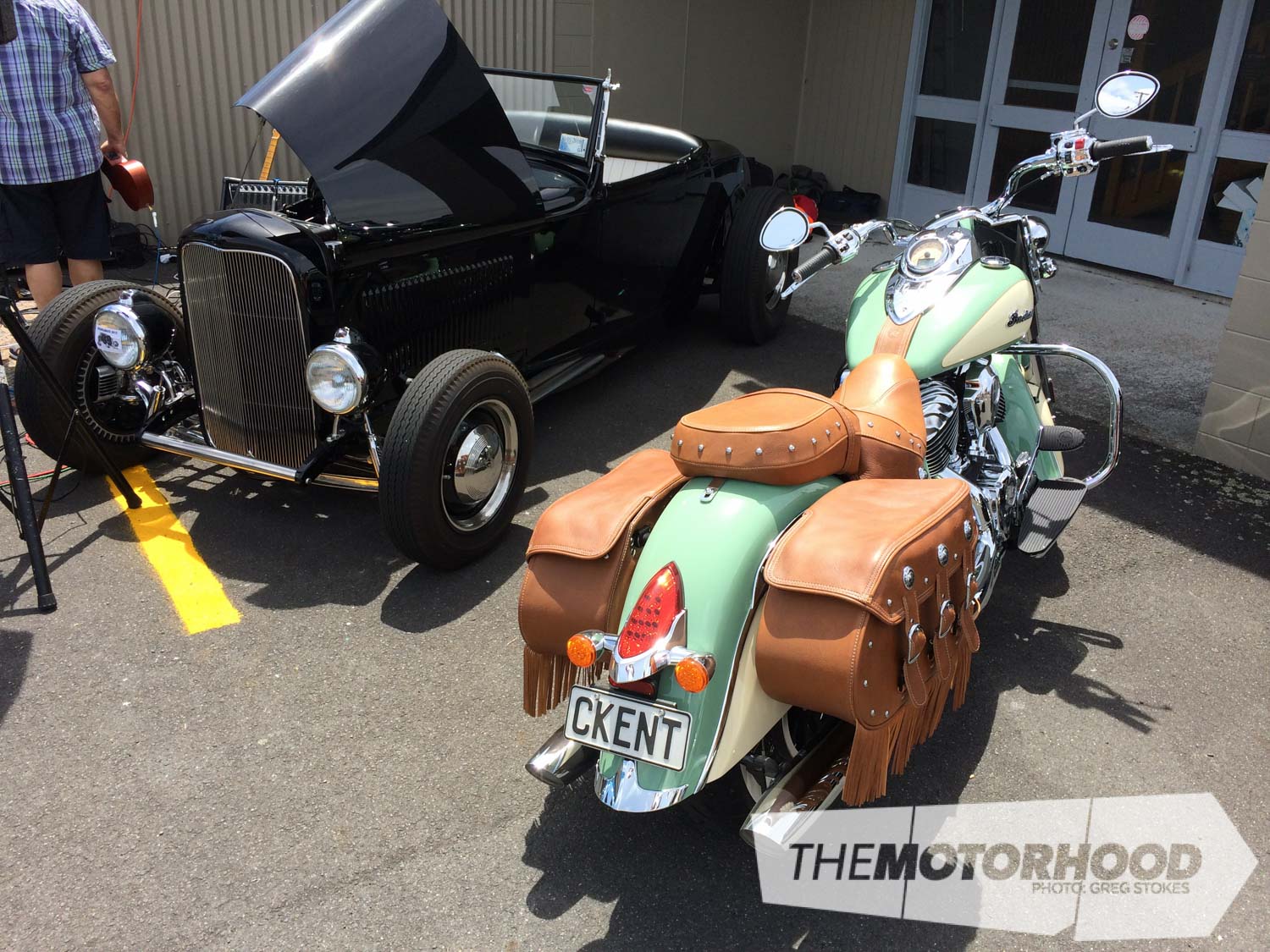
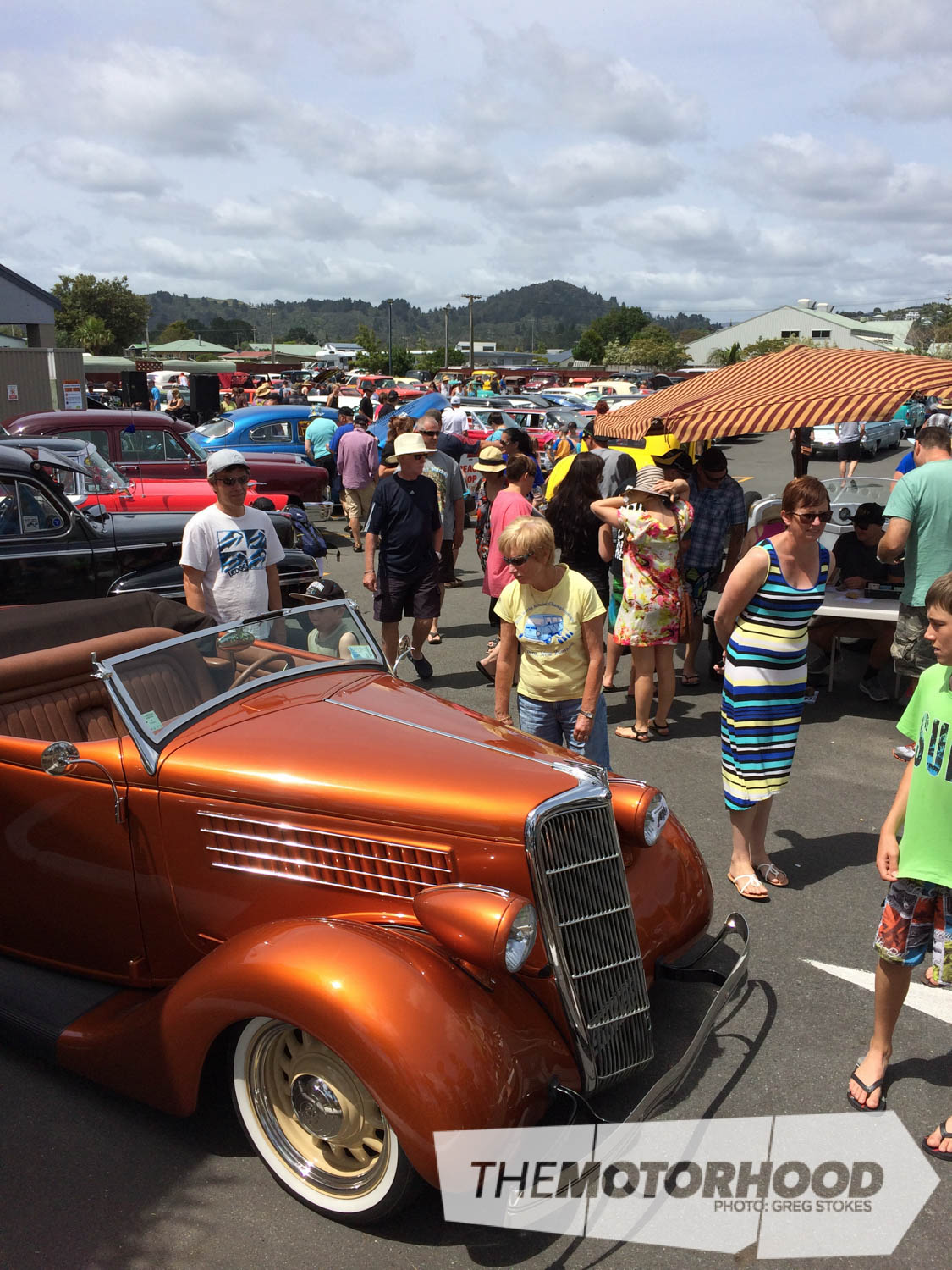
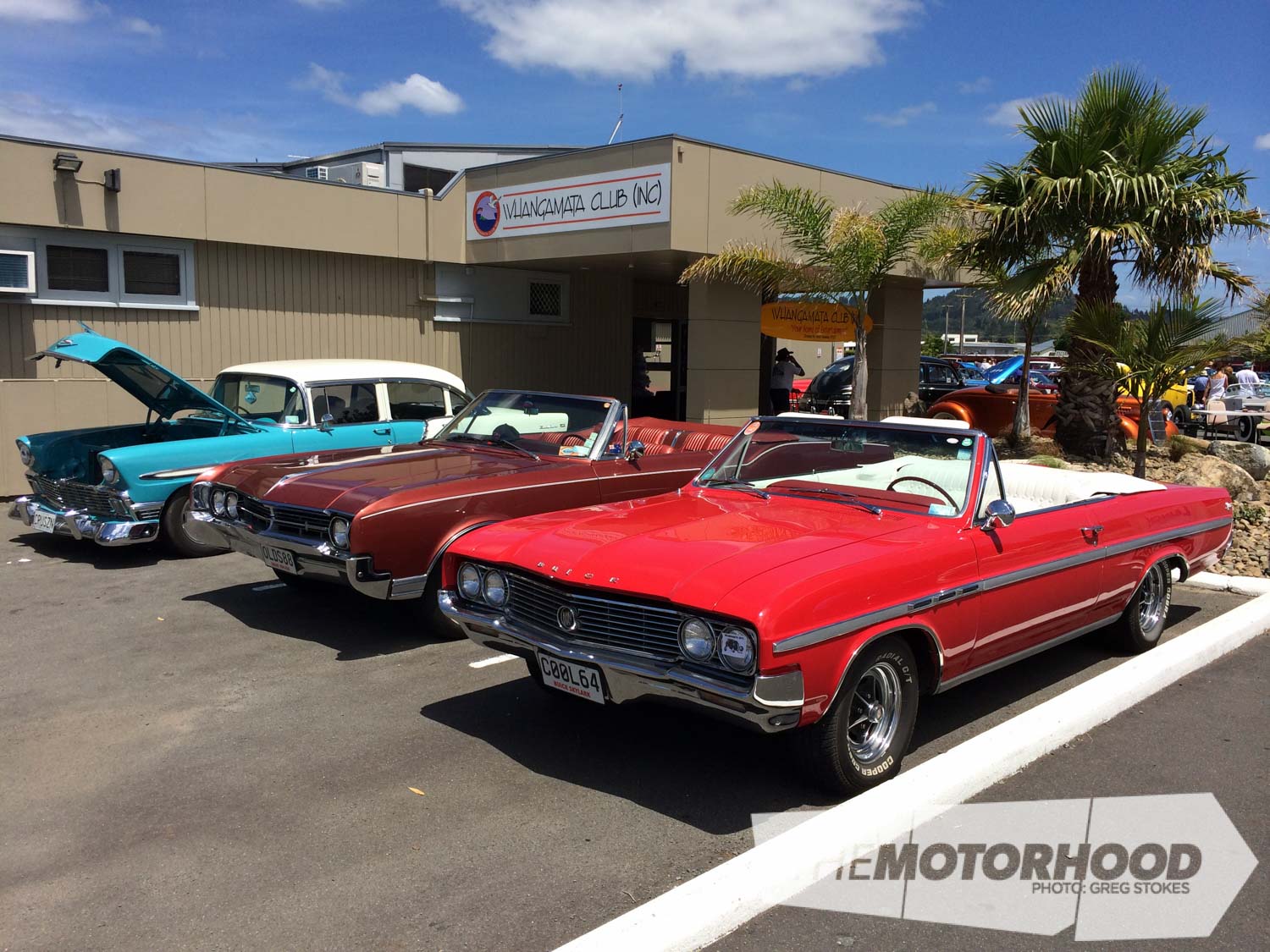
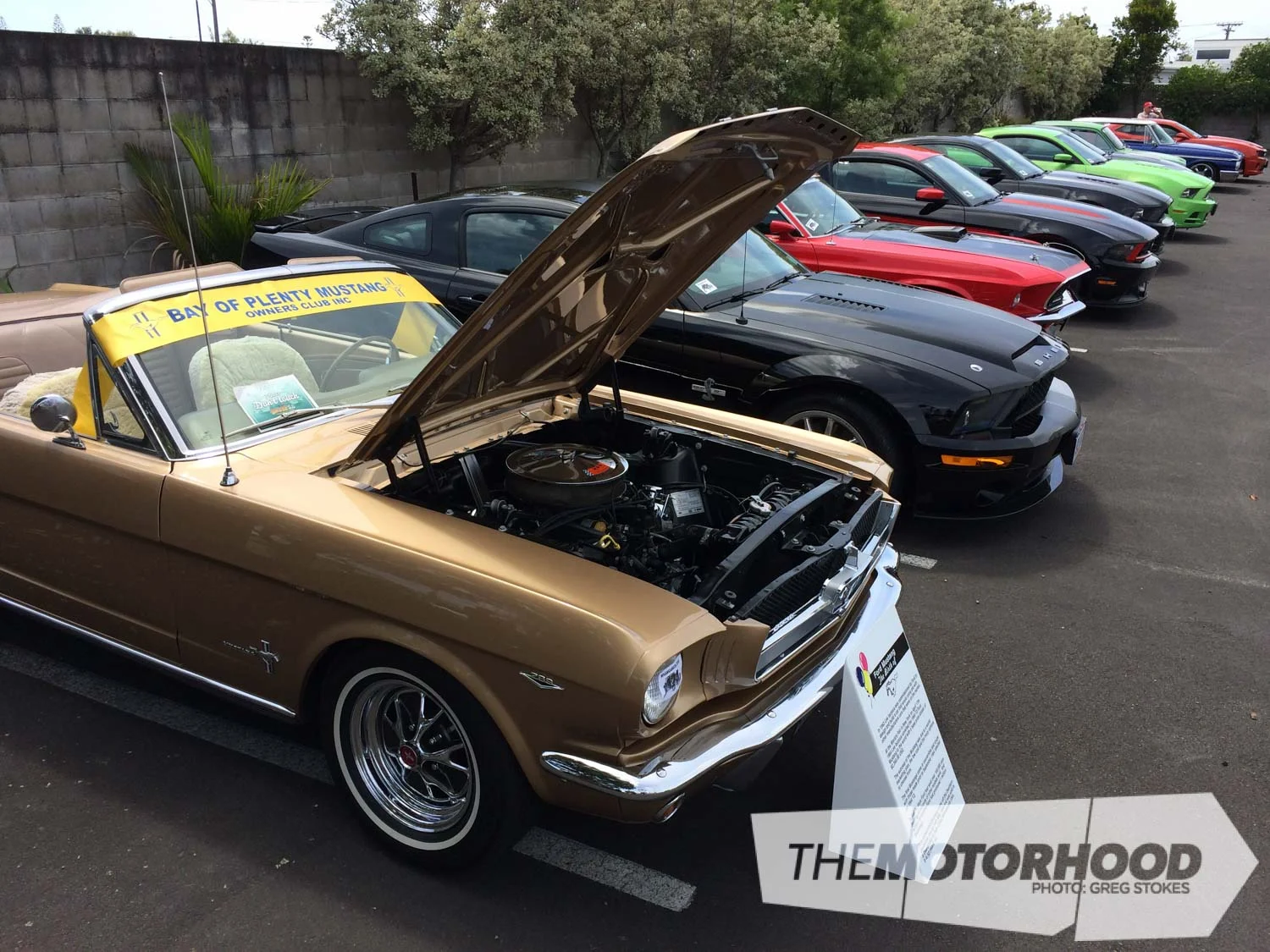
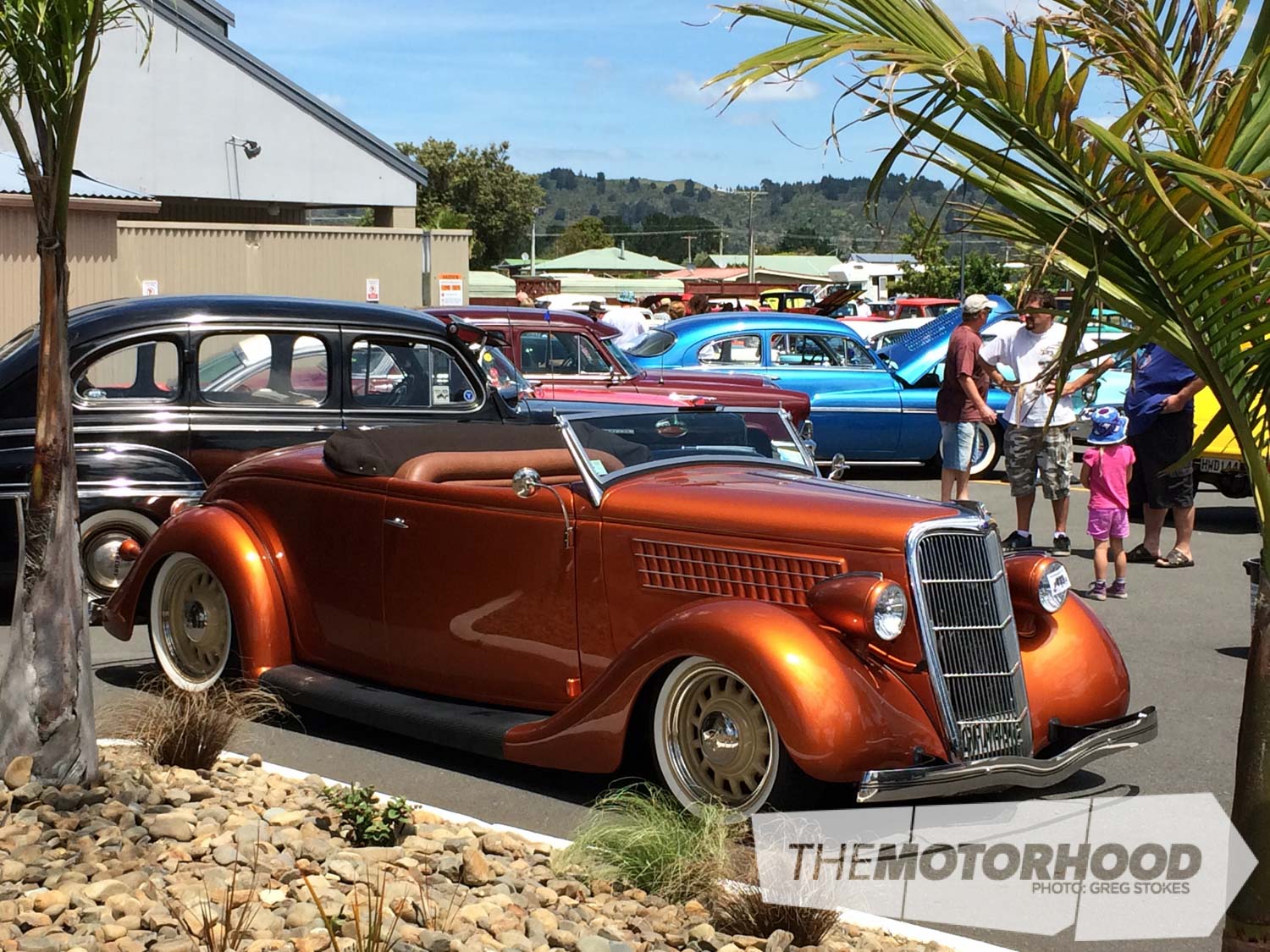
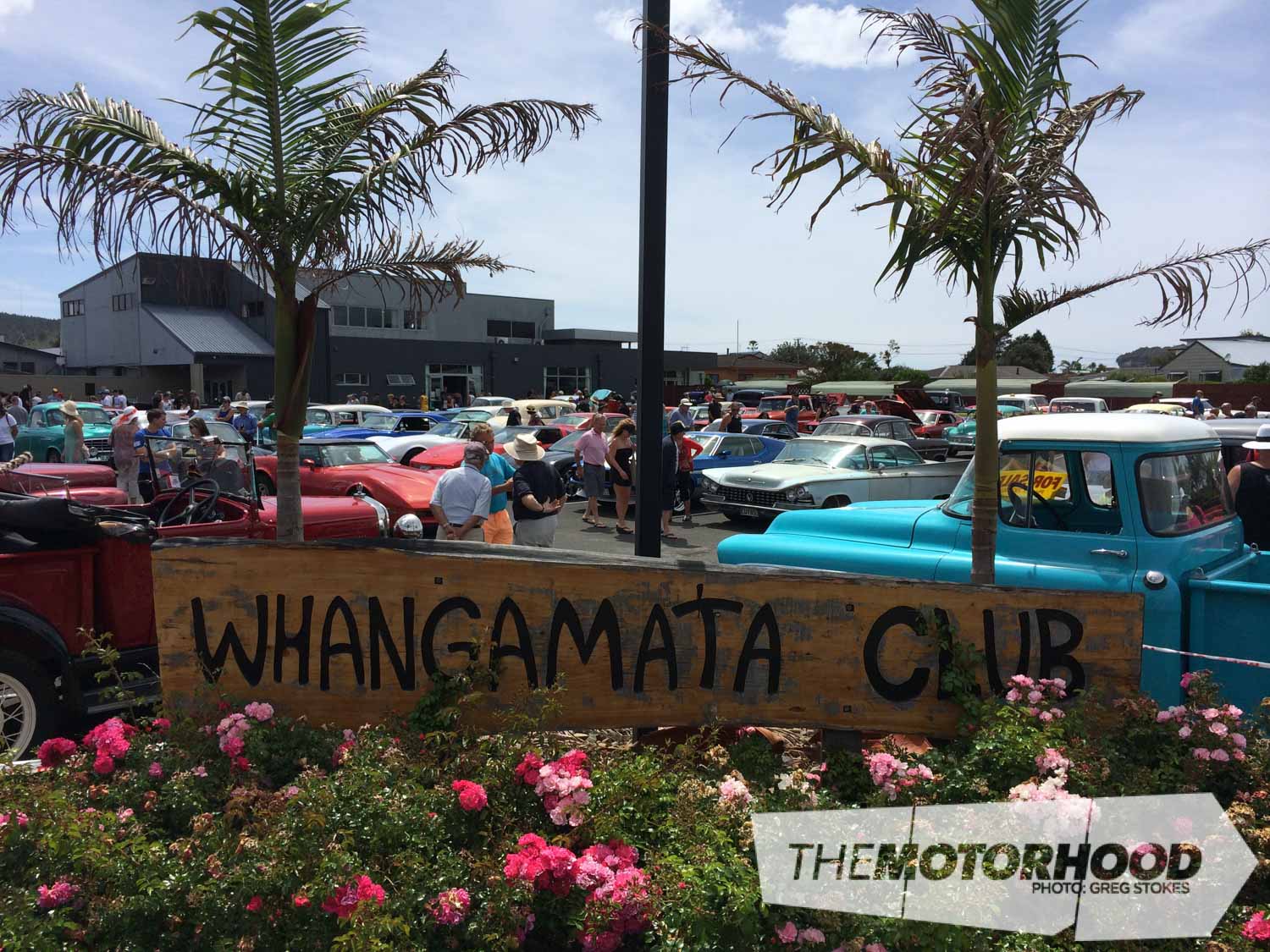
If you ask a gearhead what the best way to see in the New Year is, there is an incredibly high likelihood they’ll tell you there’s nothing better than the annual Whangamata New Year’s Day car show at the Whangamata Club.

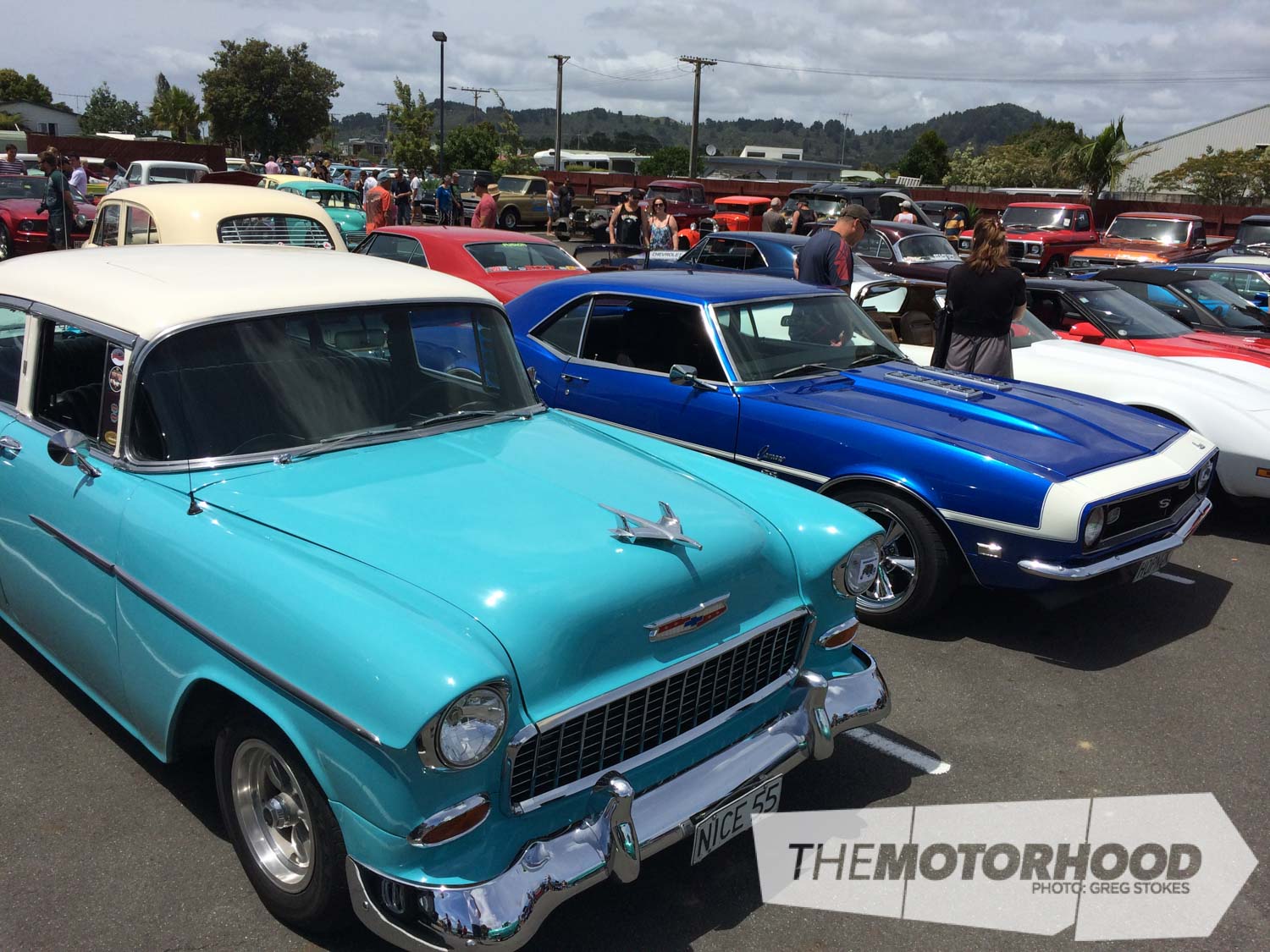
With more than 183 vehicles of both the four-wheel and two-wheel persuasion, as well as the brilliant summer weather, 2015’s show was the largest yet with people travelling from all over New Zealand to attend.
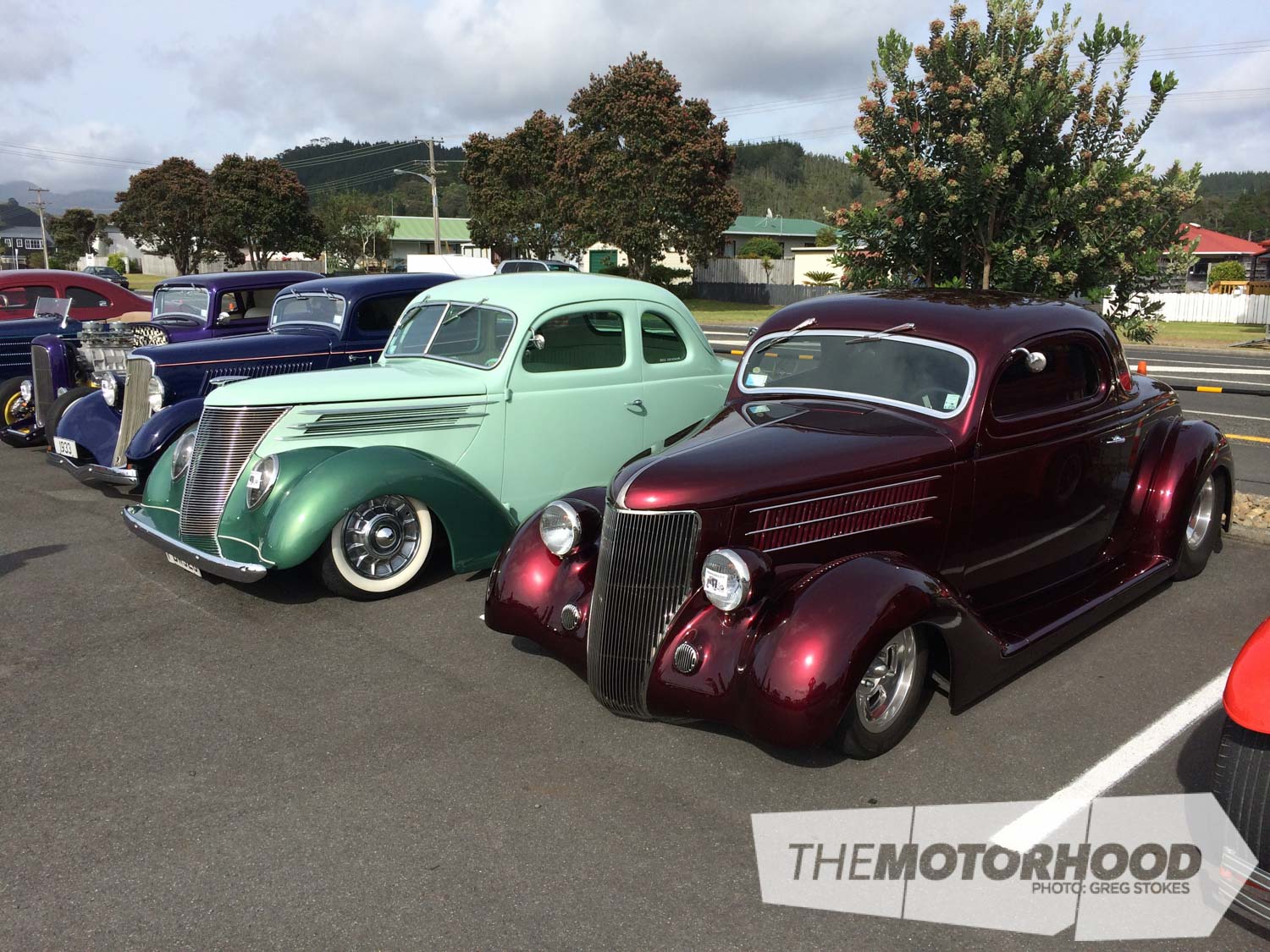
Organizer Noddy Watts reckons, “We sure kicked off 2015 in style raising over $1500 for our local youth group.”

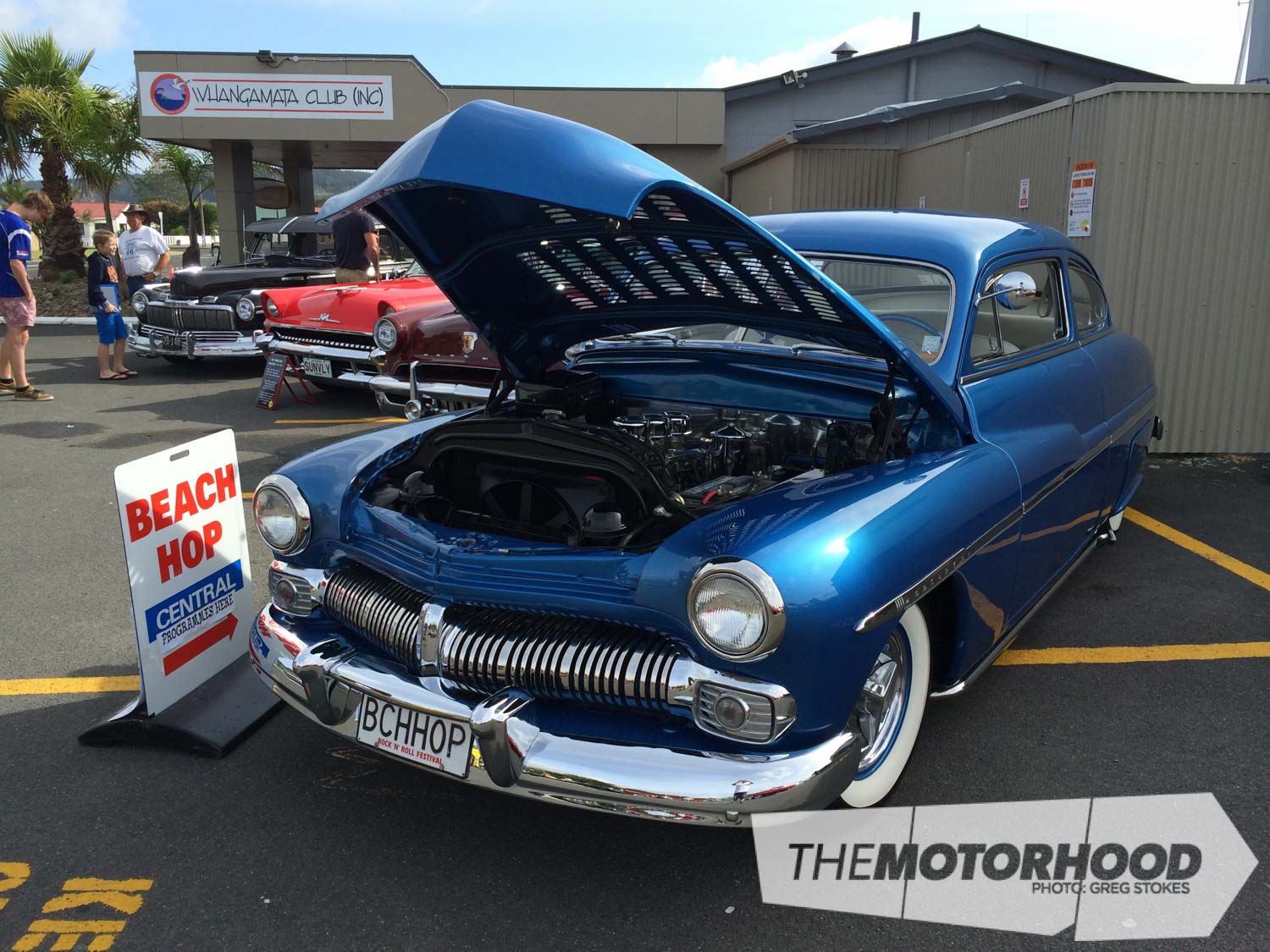
For many this was their first chance to check out this year’s Repco Beach Hop giveaway car — a 1950 Mercury Coupe mild custom, direct from the USA, complete with a hopped-up flathead V8 under the hood.
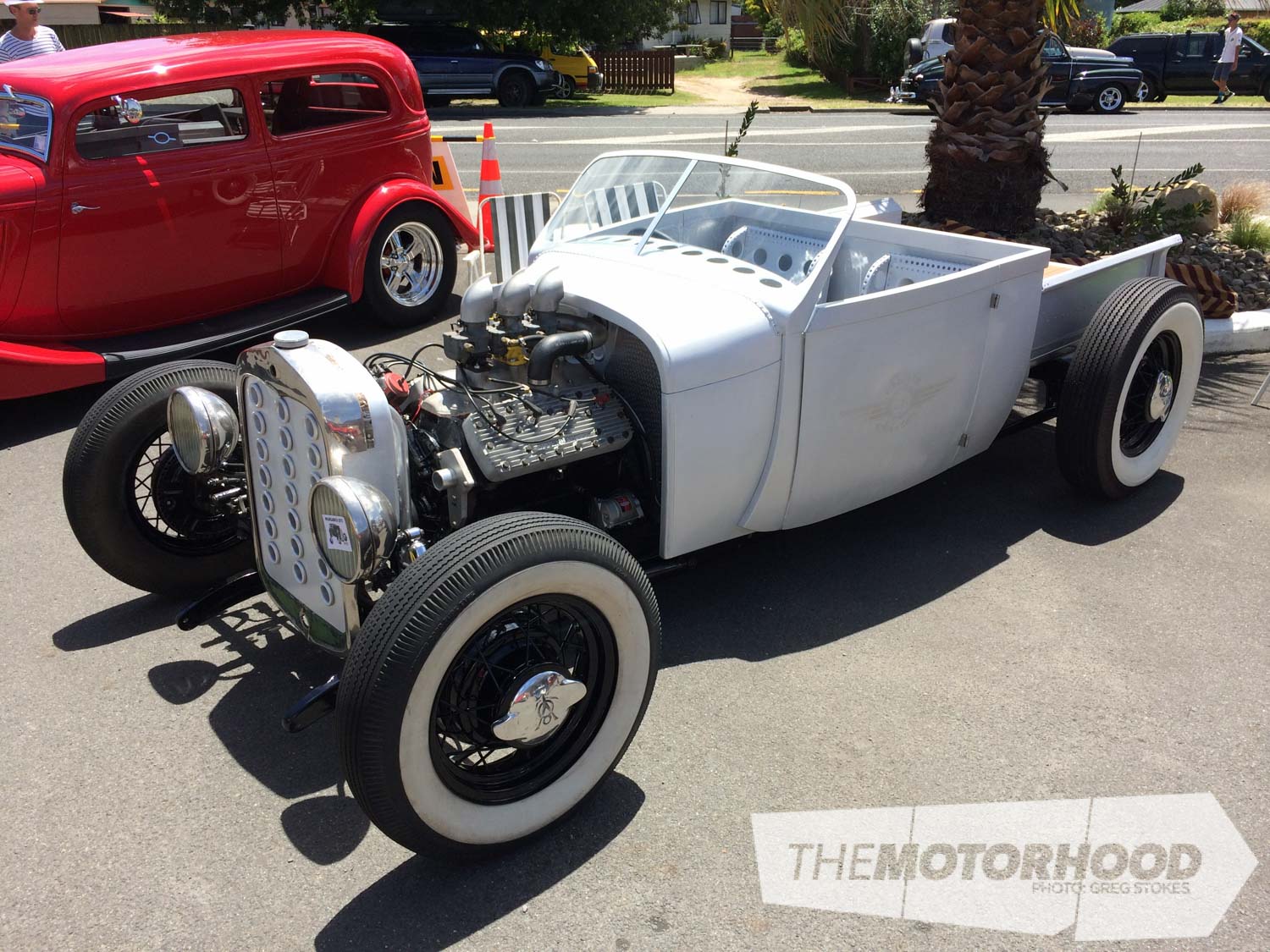
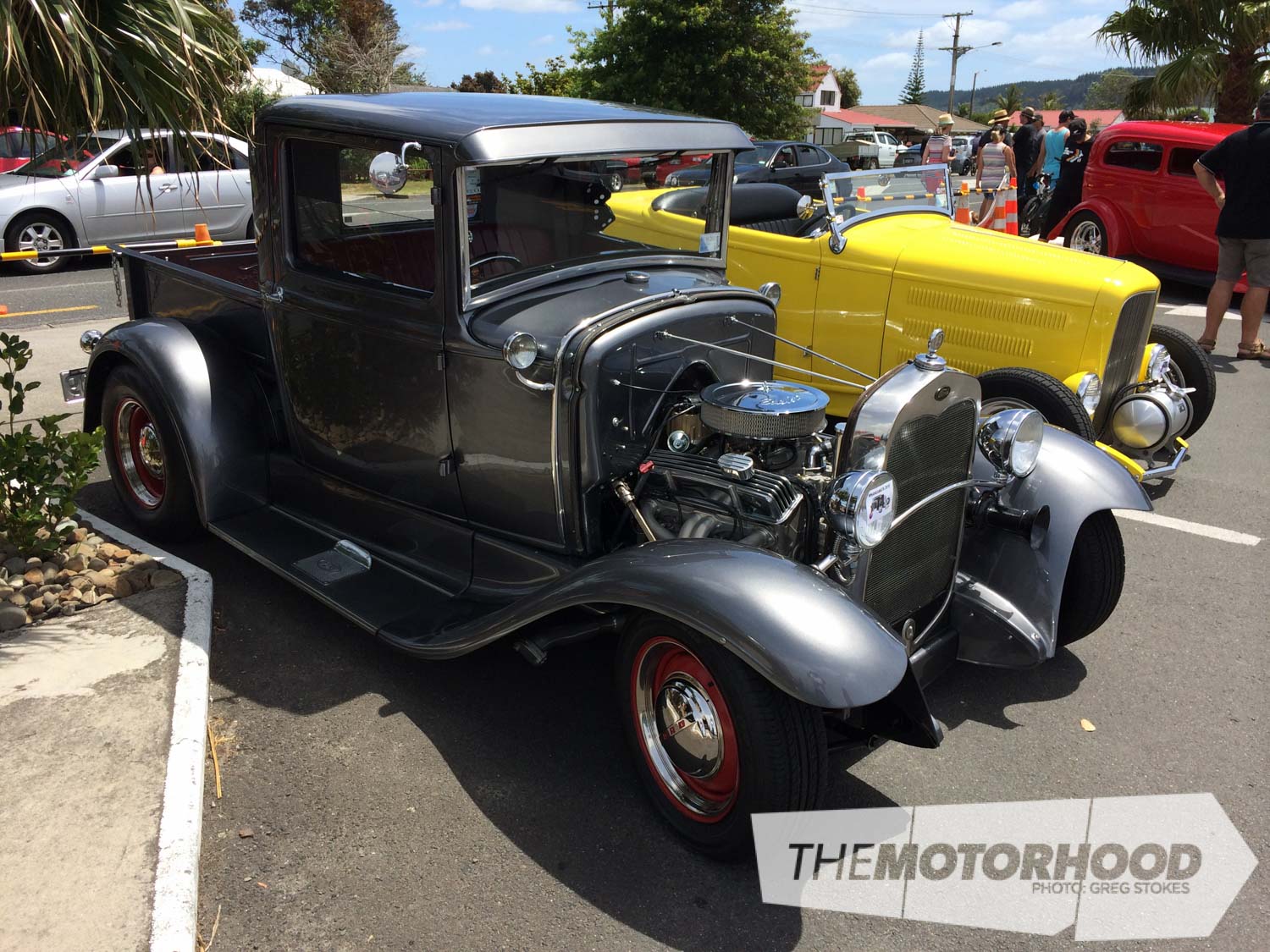
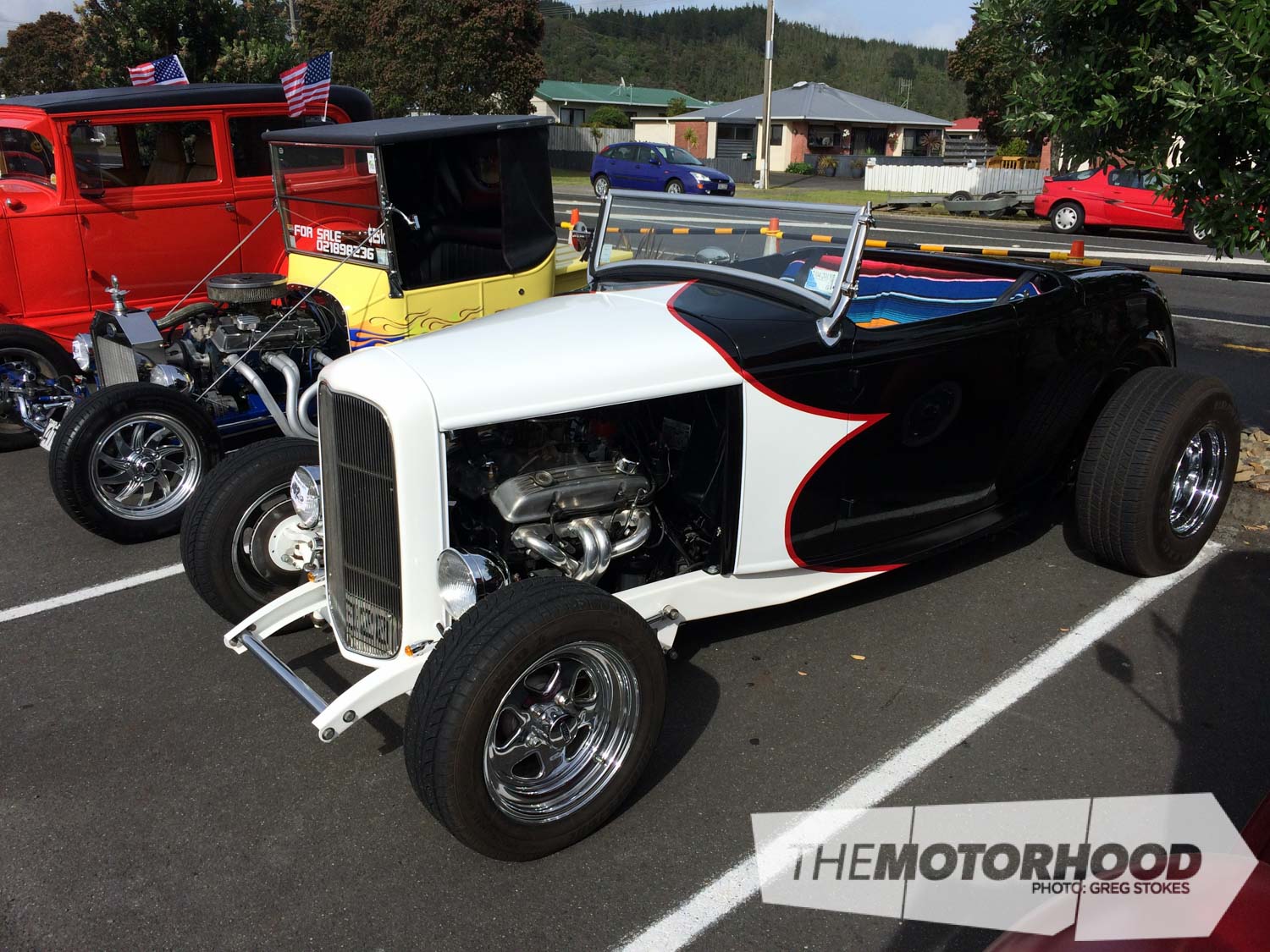
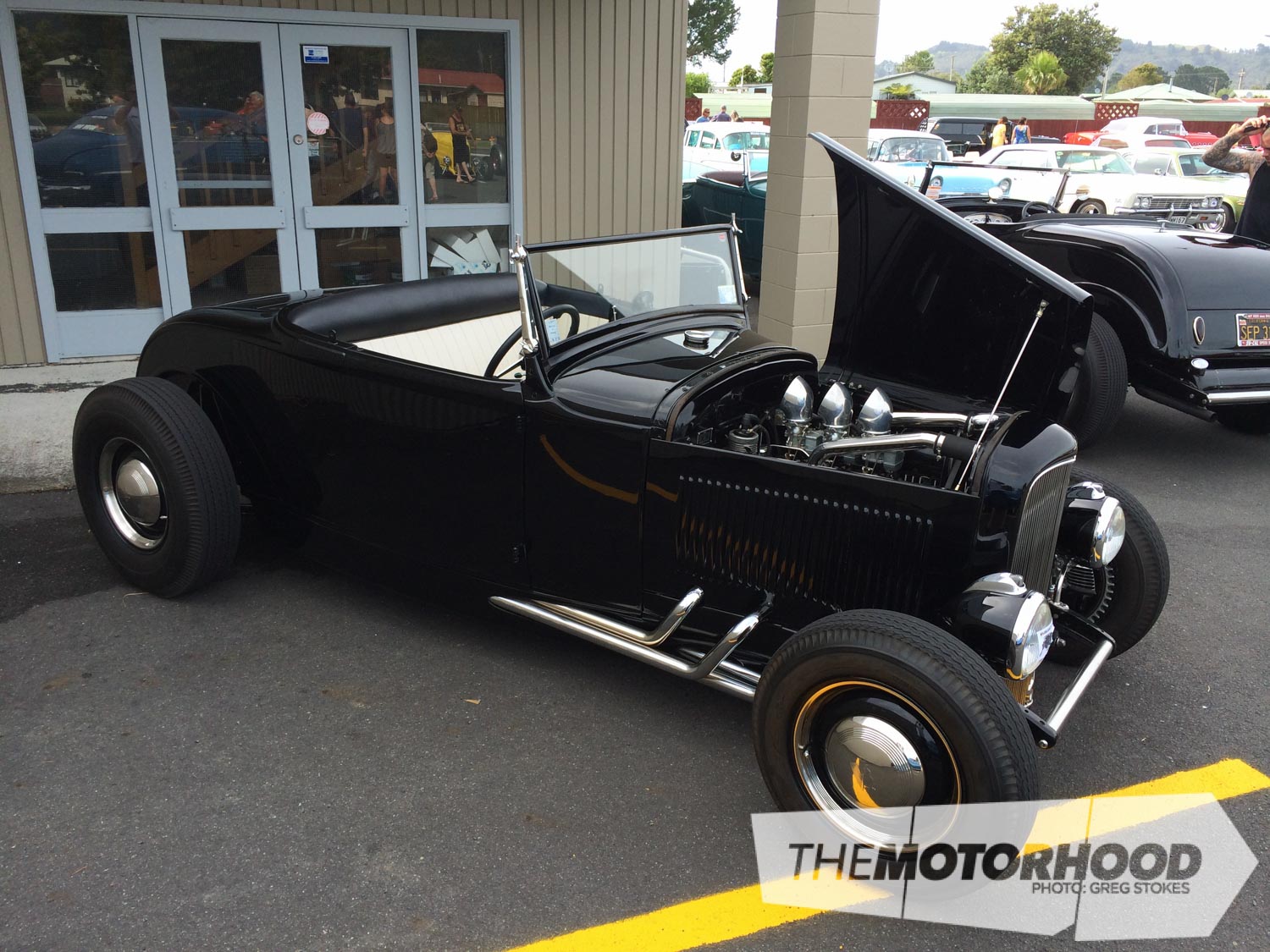
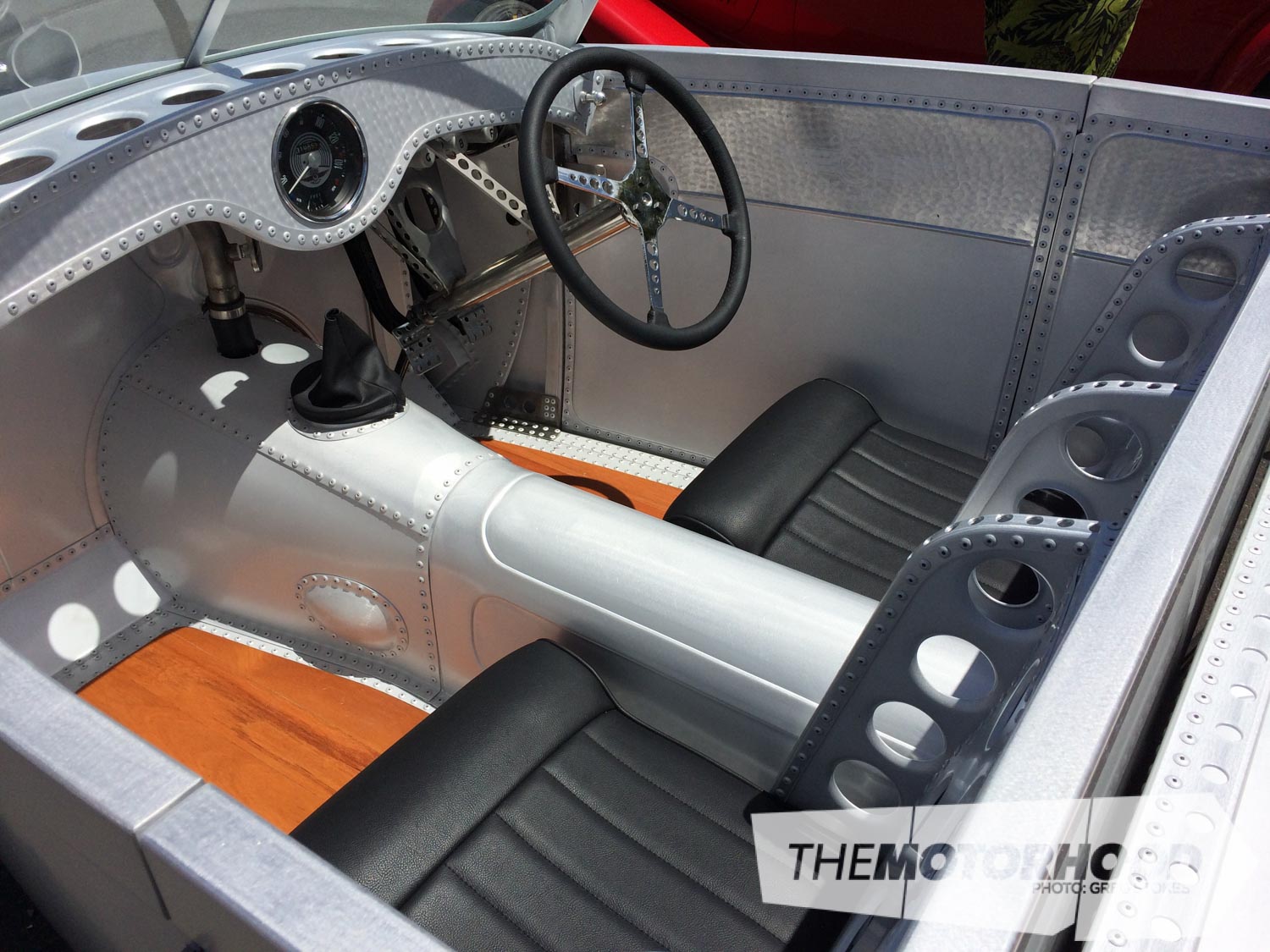
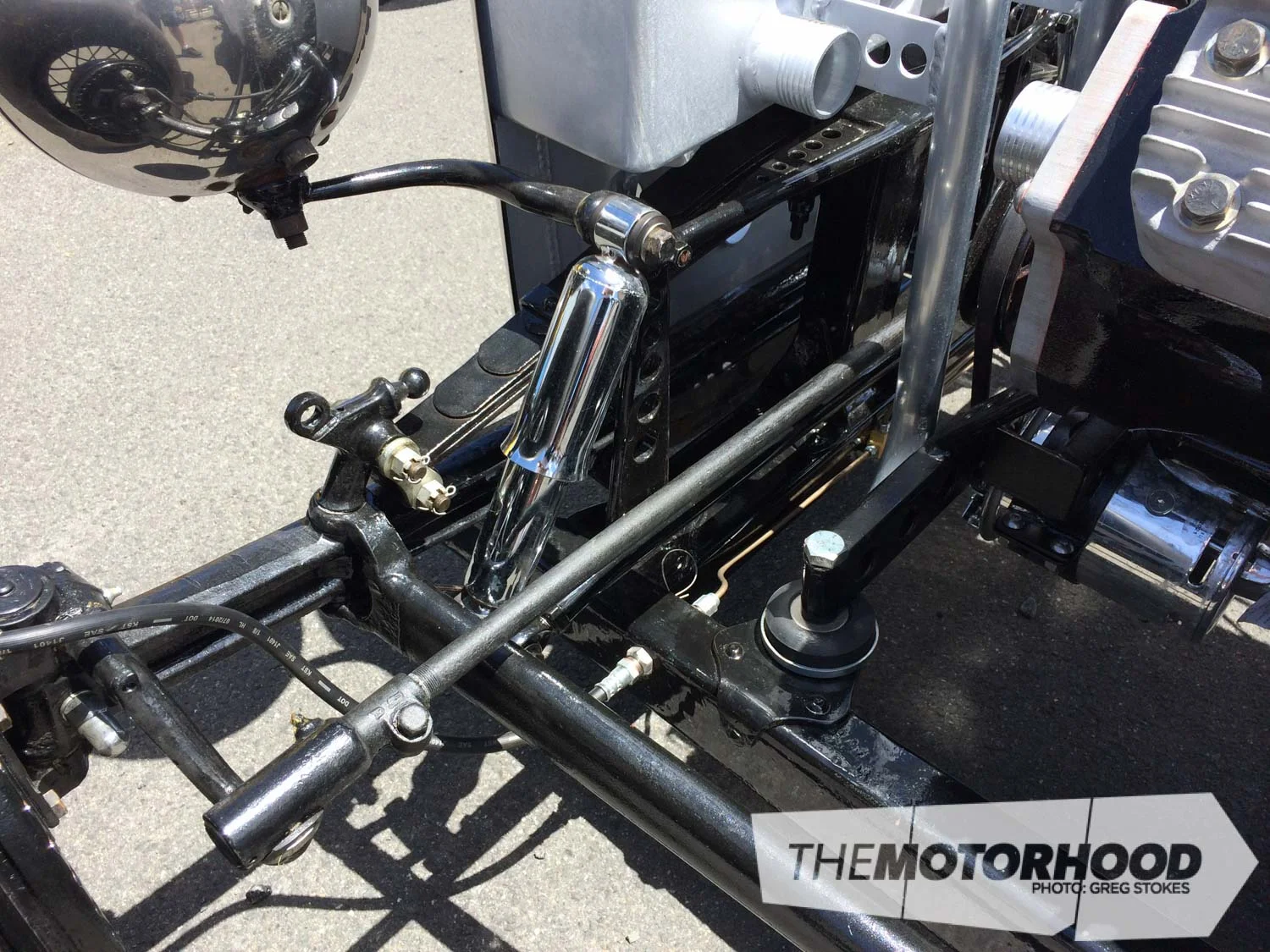
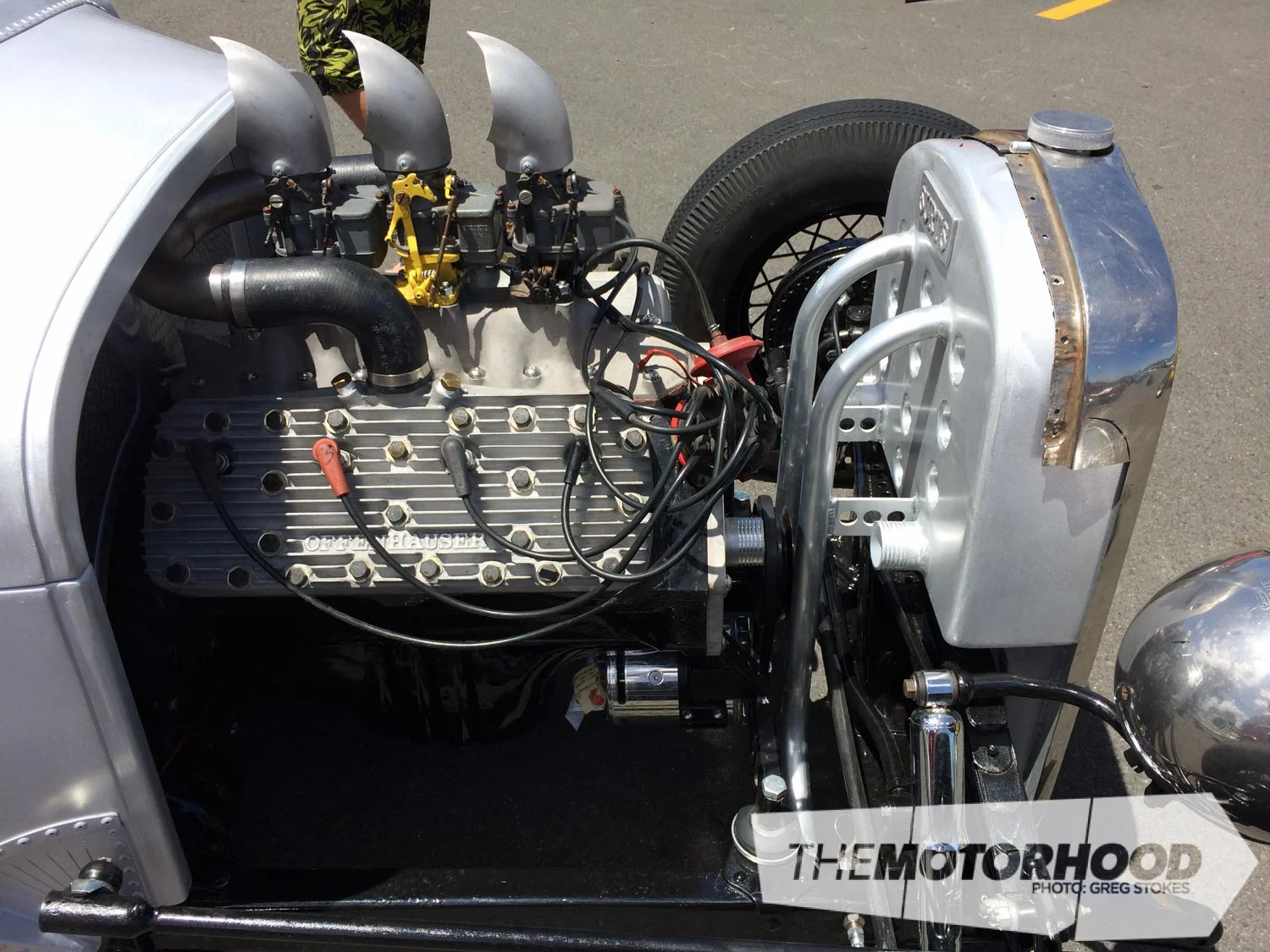
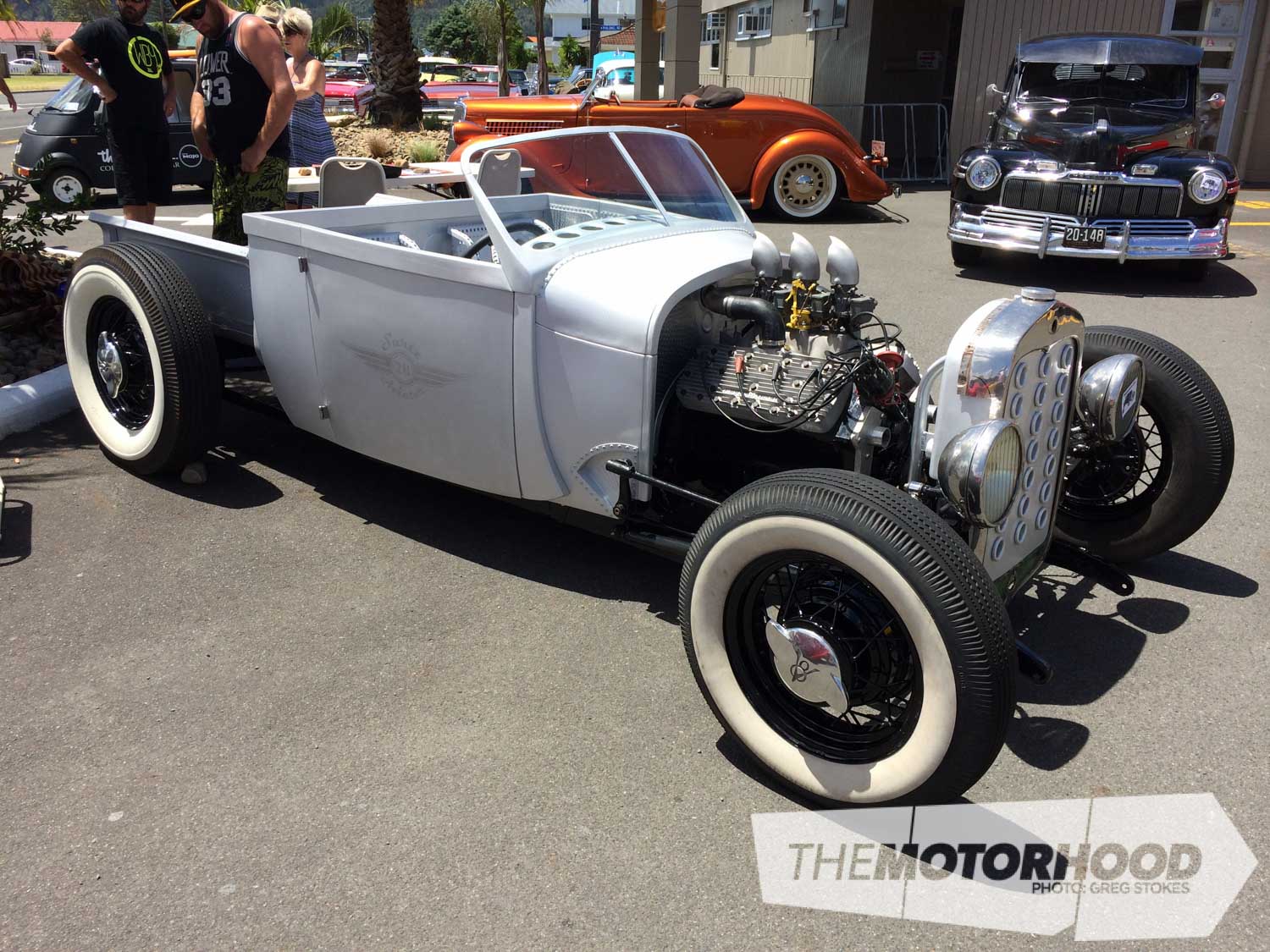
It was also the first public showing of Neil Surtees’ latest from Whakatane. Based on a Model A roadster pickup with an all-aluminium, hand-formed body held together with over 5000 rivets. The tray slides back to reveal the rear-mounted radiators for the Ford flathead V8, and the underslung chassis is innovative; All owner built and oozing coolness.

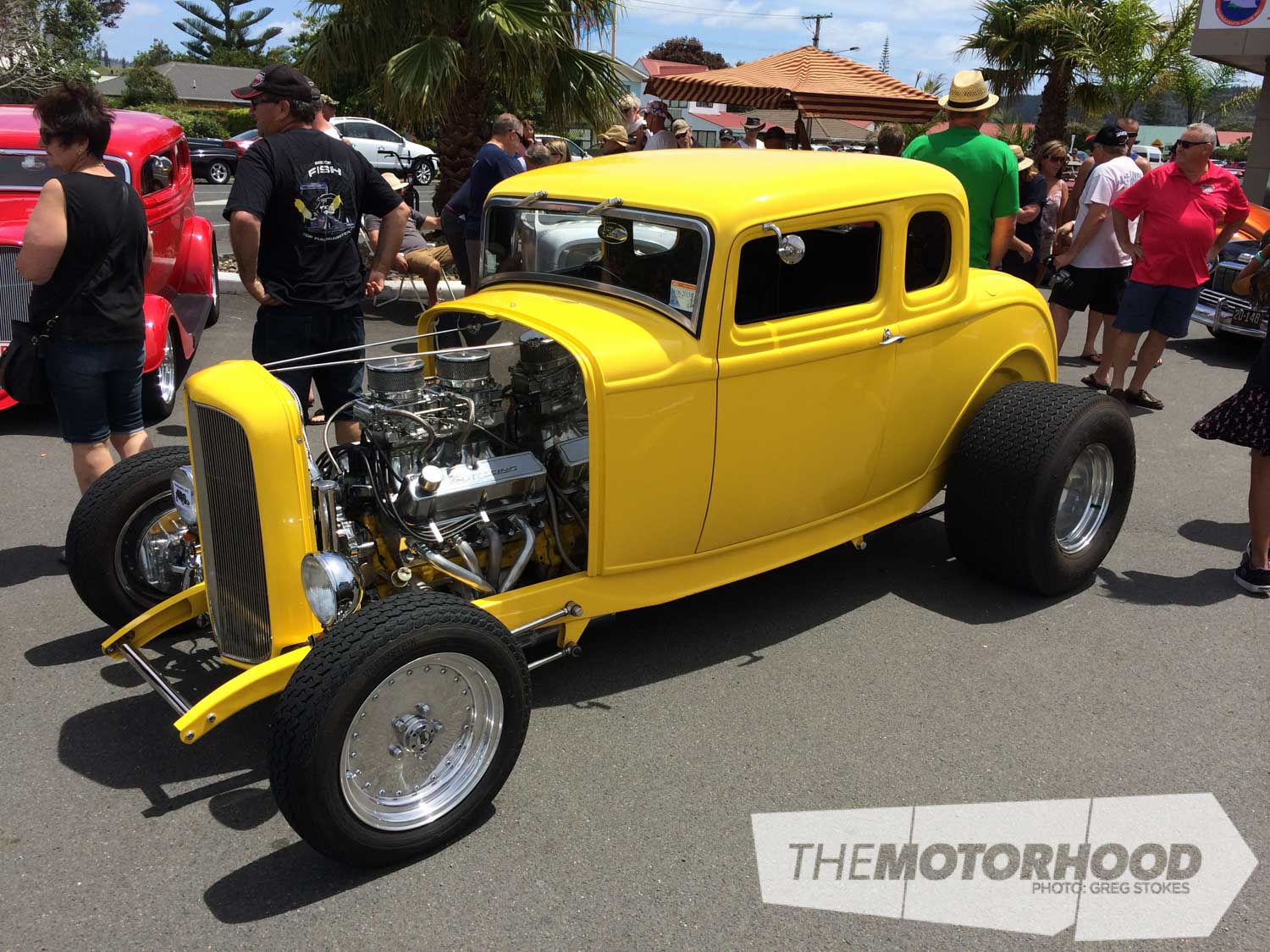
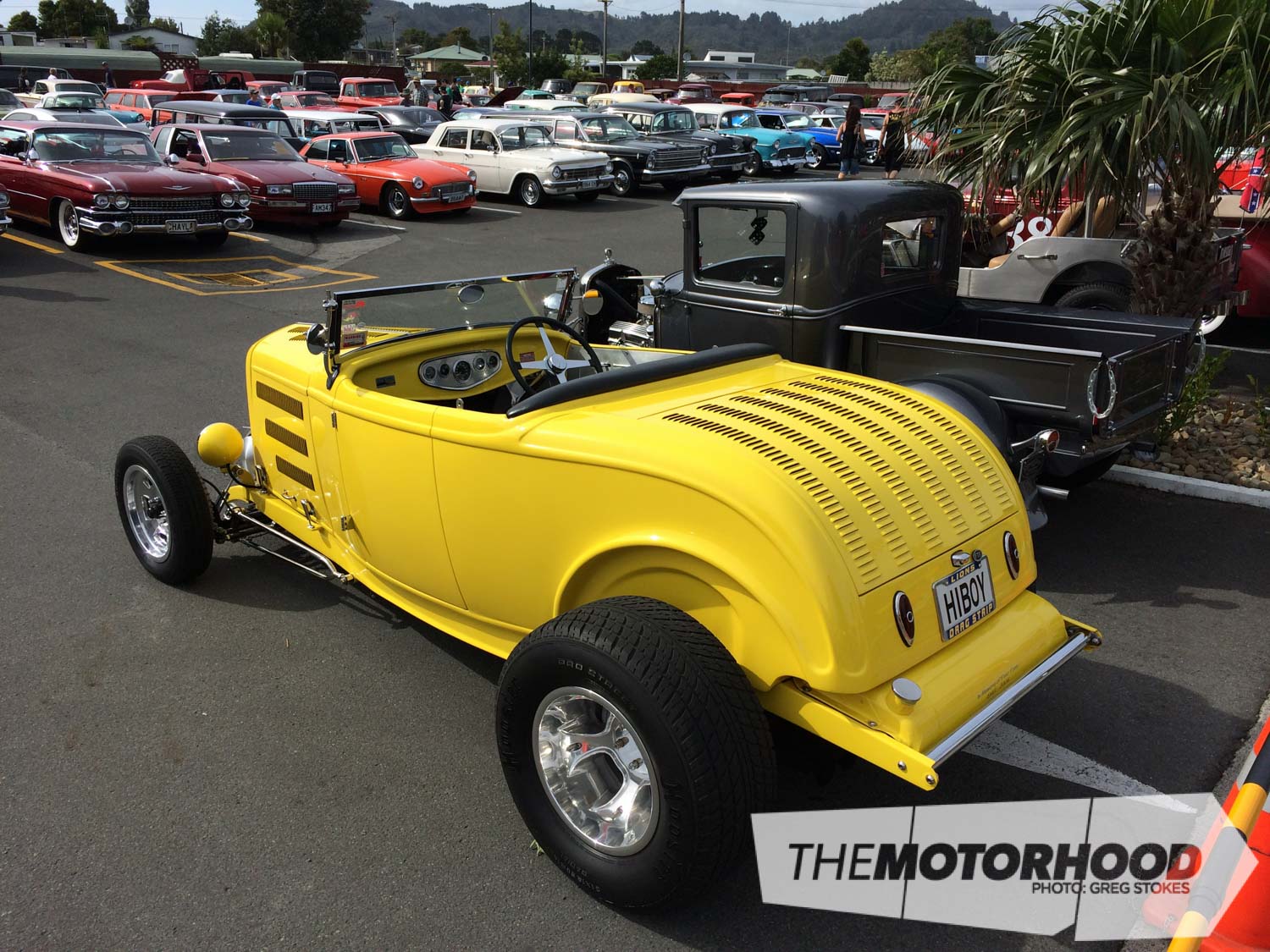
Another new car was the bright yellow ’32 Ford Coupe of Matamata’s Bill Fryer which was cloned after the Mike Poole ’32 Coupe which carved up the quarter mile in the ’80s. Bill is a Beach Hop regular with a blown Ford Y-block-powered T-bucket.

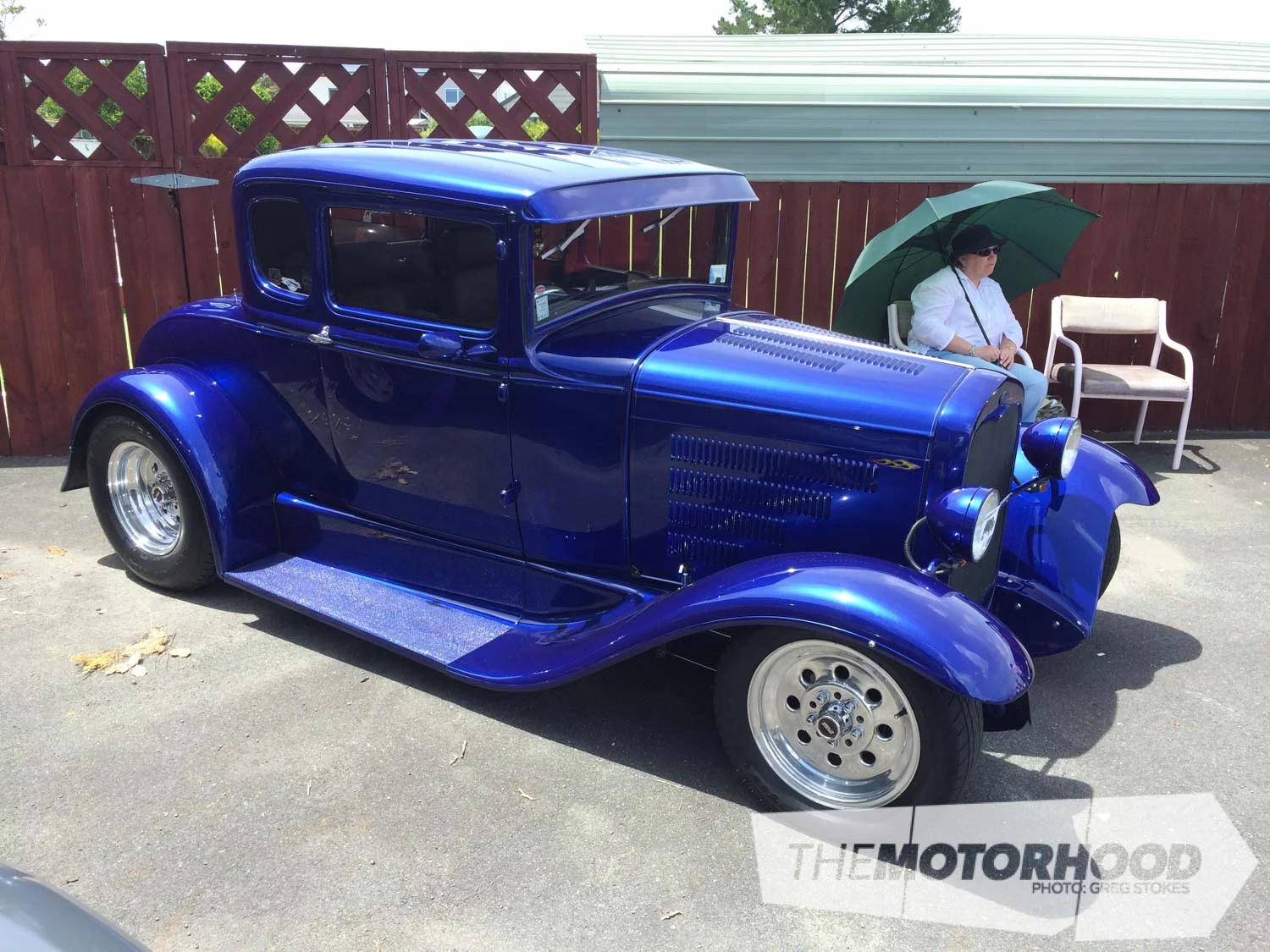
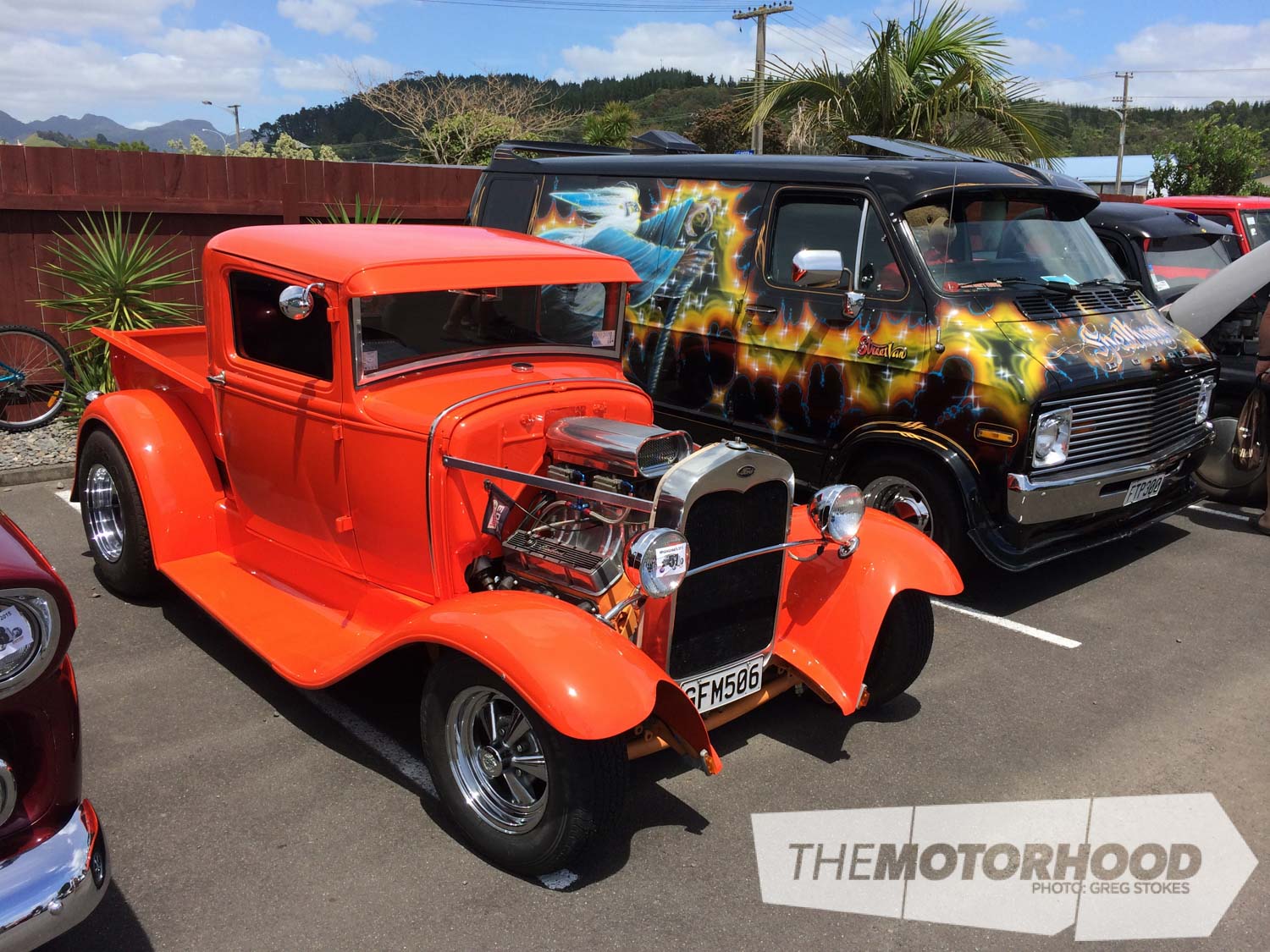
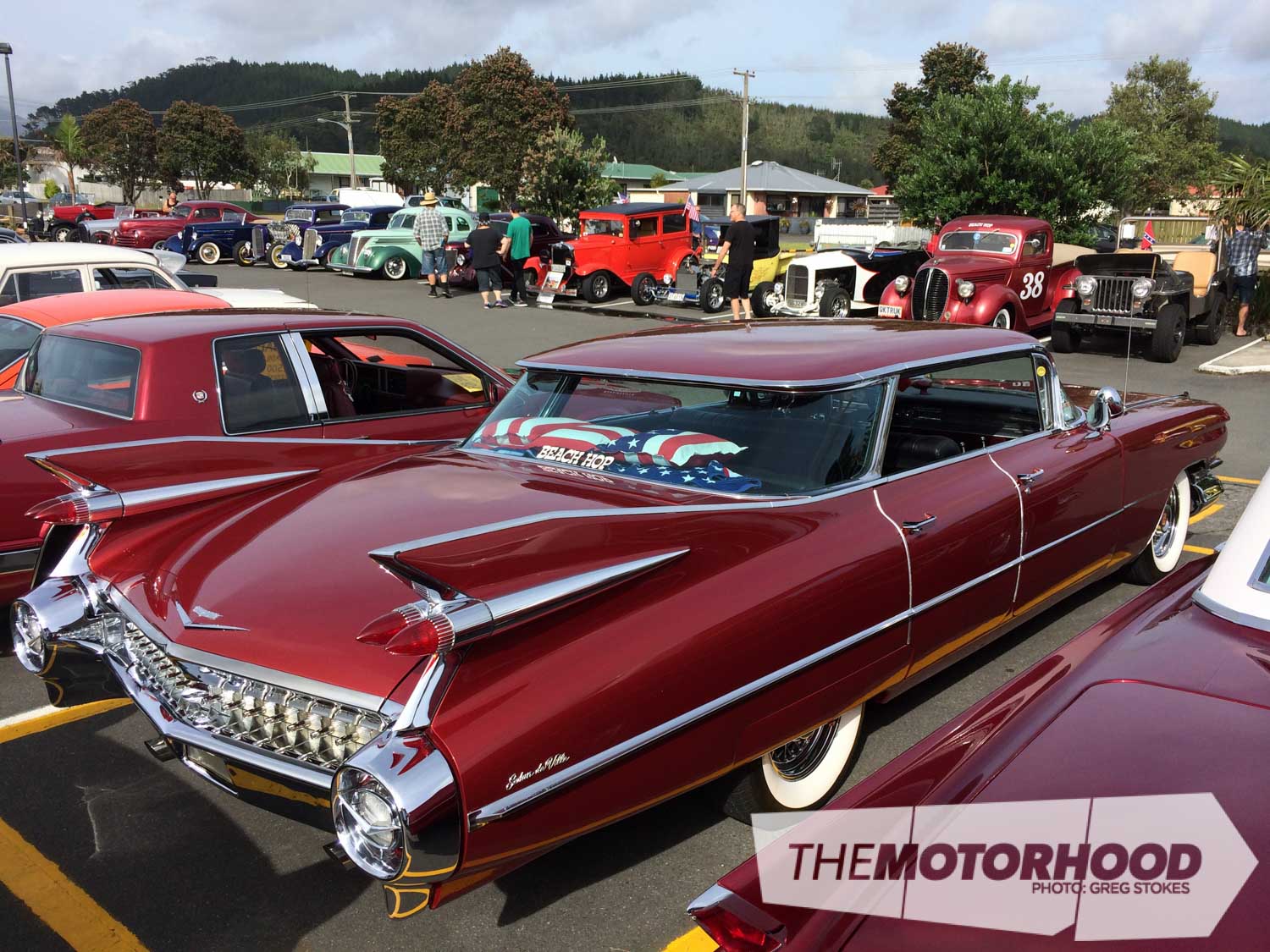
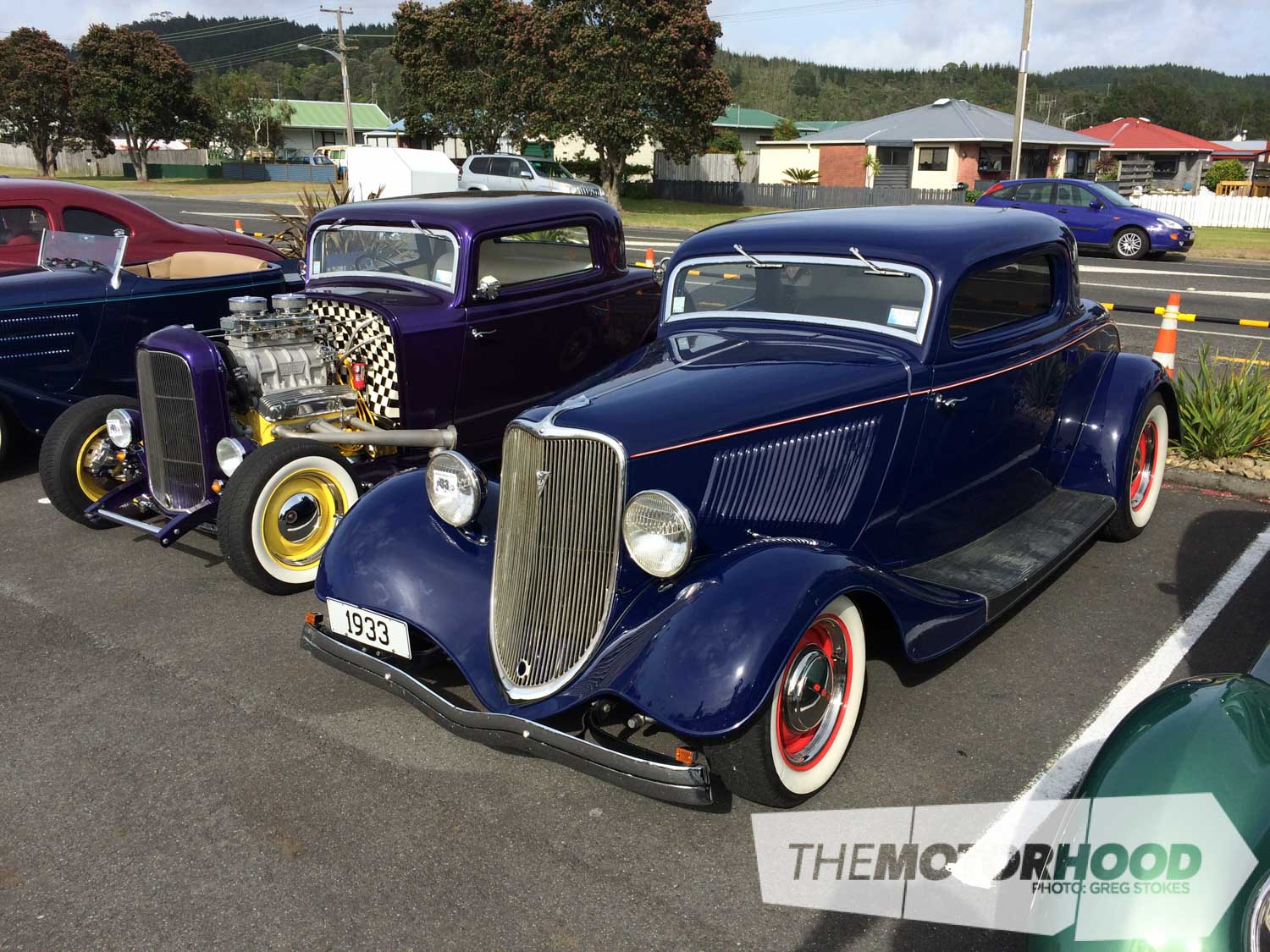
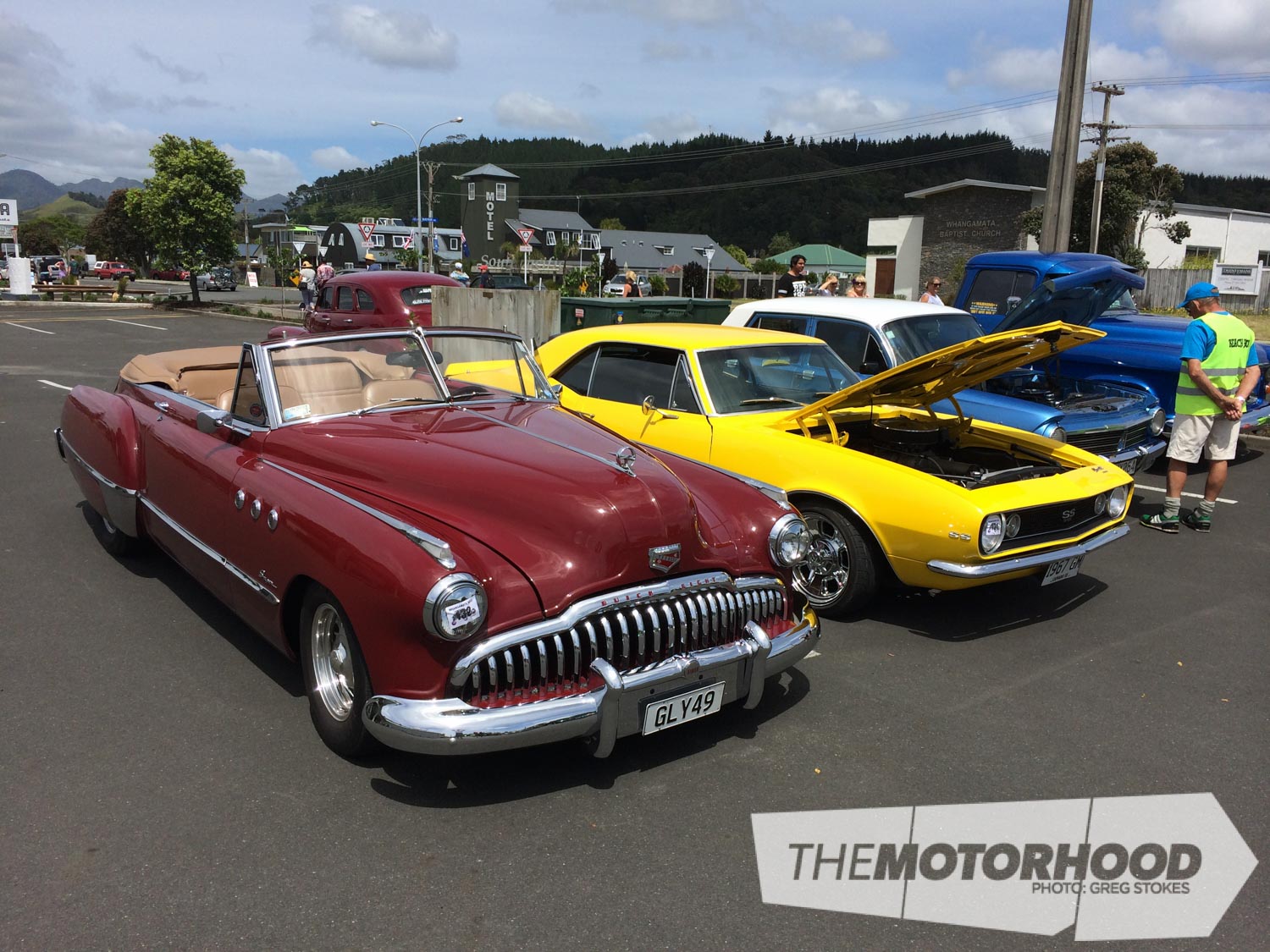
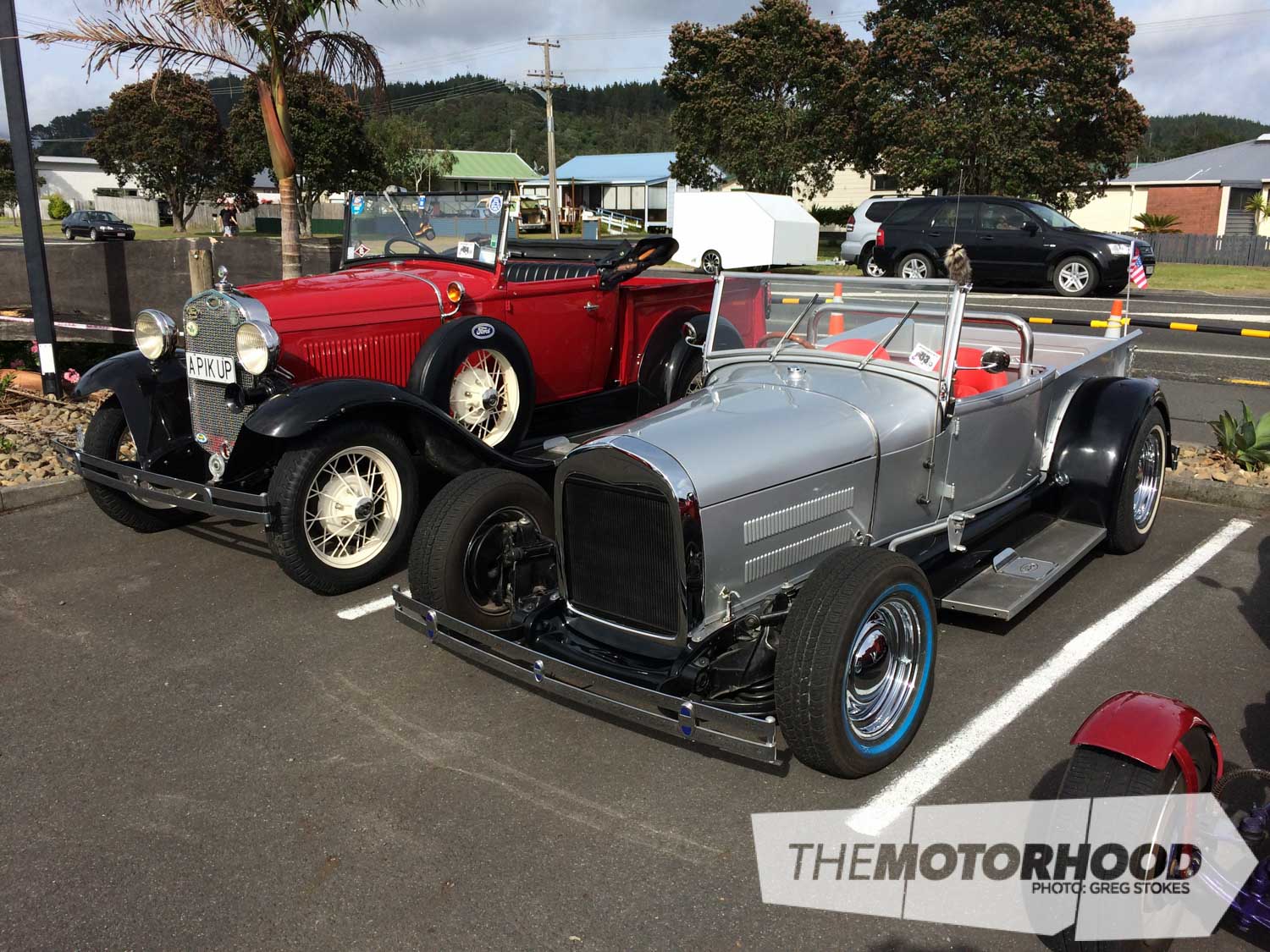
The show attracted a diverse mix of hot rods, customs, classics, muscle cars, street machines, and motorcycles, and the atmosphere was buzzing to the tunes of the Recliner Rockers. Roll on Beach Hop!

Congratulations to the winners:

Best Ford — Peter Kidd, Kapiti Coast, 1955 Mercury Sunvalley
Best Chev — Nigel Brown, Matamata, 1939 Chev Pickup
Best Other — Robbie Metcalfe, Whangamata, 1957 Oldsmobile
Best Hot Rod — Bruce Carter, Riverhead, 1933 Ford
Best Street Machine — Steve Green, Ohaupo, 1963 Holden
Best Nostalgia — Neil Surtees, Whakatane, 1928 Ford Model A
Best Original — David Leask, Morrinsville, Kawasaki
Best Bike — Roger Kemp, Te Kauwhata, Suzuki

The writing on the wall

Deven, a digital content producer in his 20s, says it was the rear-drive Nissan and Toyota drift cars that fired his imagination in his not-so-distant youth and soon had him wanting one of his own. However, like most of us, he had to start in something less glamorous – in his case, a 1997 Mitsubishi Galant. After that, he bought a four-litre V8 1991 Toyota Soarer, a big change from the Mitsubishi.
“It was my daily driver, and it wasn’t that bad to run back when petrol was affordable,” he says.
When he got fed up with filling it up, Deven bought a 1989 Ford Laser sedan, a 1.3-litre five-speed manual, to be his daily driver. It’s in very good condition, bought from a careful older driver, and he still runs it – although he will occasionally also drive the latest in a series of Nissan Laurel sedans. His current one, from 1993, has done the lowest number of kilometres yet, at 183,000. It has the single-cam version of the engine in his Skyline.
“I’ve had four different versions of that car. It was just a car I always liked. It’s really comfortable, quite luxurious. I bought it from a 90-year-old in Hamilton. It’s in mint condition, and everything is standard.”

The actual Formula One

Seeing, in a shed in Hamilton, New Zealand, the Darracq 120 racer that Louis Wagner, also a pioneer aviator, drove to victory in the 1906 Vanderbilt Cup race felt a little like finding a Rembrandt at a garage sale.
For historical significance, I’d say this car ranks with Ray Harroun’s Marmon Wasp, the first Indianapolis 500 winner. Unlike Harroun’s Wasp, which has been lovingly cared for at the Indianapolis Motor Speedway Hall of Fame Museum over the years, this historically pivotal machine wound up half a world away from its home in France and, to most of the motoring world, largely forgotten. Sadly, so is the story of how the car got to Aotearoa in the first place.
More often than not, a racing car that is a few years old is regarded as obsolete and relegated to a shed somewhere. As far as racing drivers and team owners at the cutting edge of the sport are concerned, the cars are virtually worthless at that point. They can’t be driven on the street; at best they can be reconfigured for lower levels of the sport, so few people care about them until their historical significance becomes more apparent.