
Barn-find 1964 Shelby Cobra 289 gets a dusting off

21 January, 2015

It seems that the coveted barn find has been making a resurgence of late, with the huge French haul late last year, and now this. It’s a 1964 Shelby Cobra 289 — one of only 579 produced — and was found, in the condition in which you see it, in a Vermont barn.
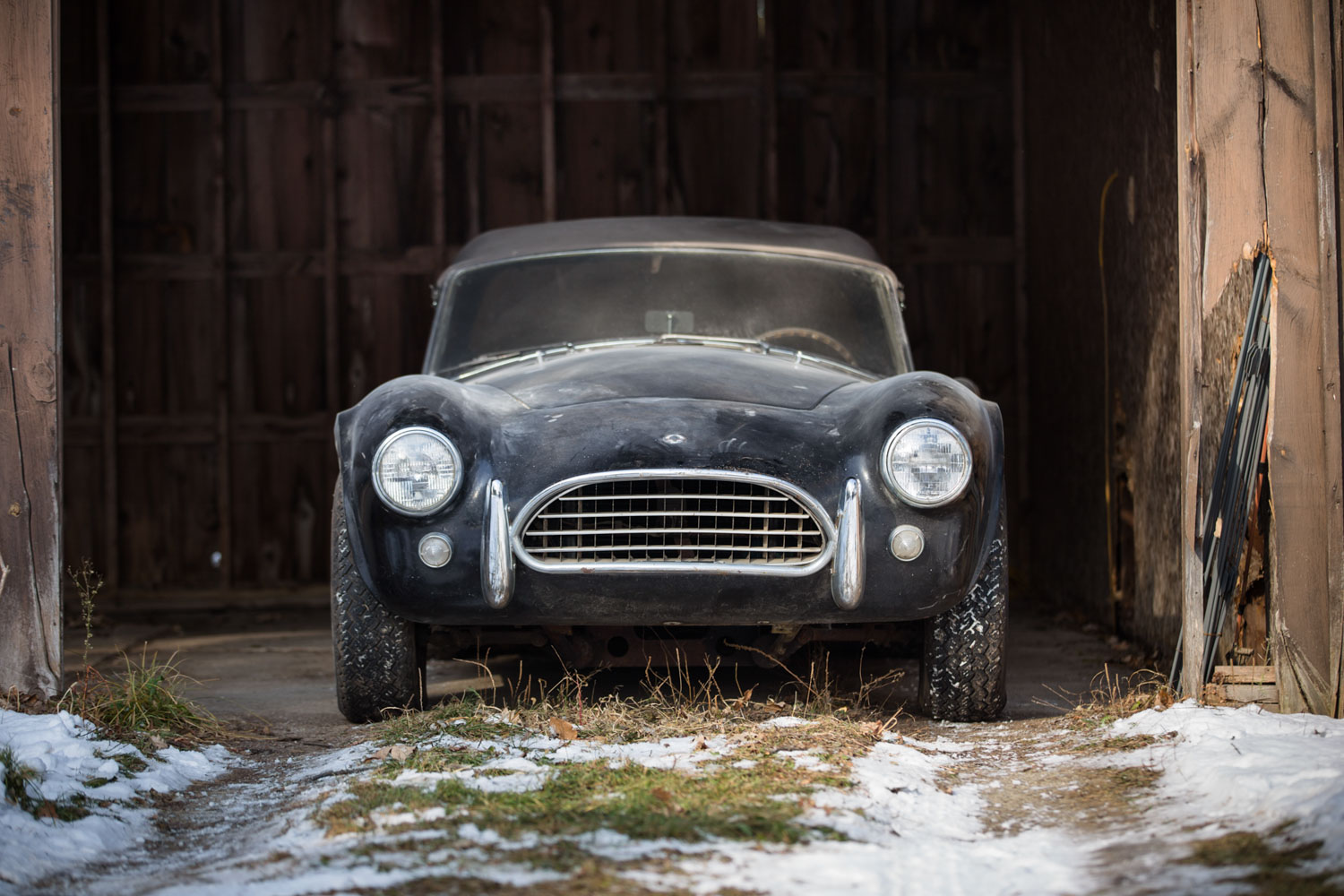
Image copyright and courtesy of Gooding & Company / Mike Maez

Verified as CSX 2436 in the Shelby American World Registry, the Cobra was originally finished in rouge iris with beige upholstery, and was billed to Shelby American on May 14, 1964.
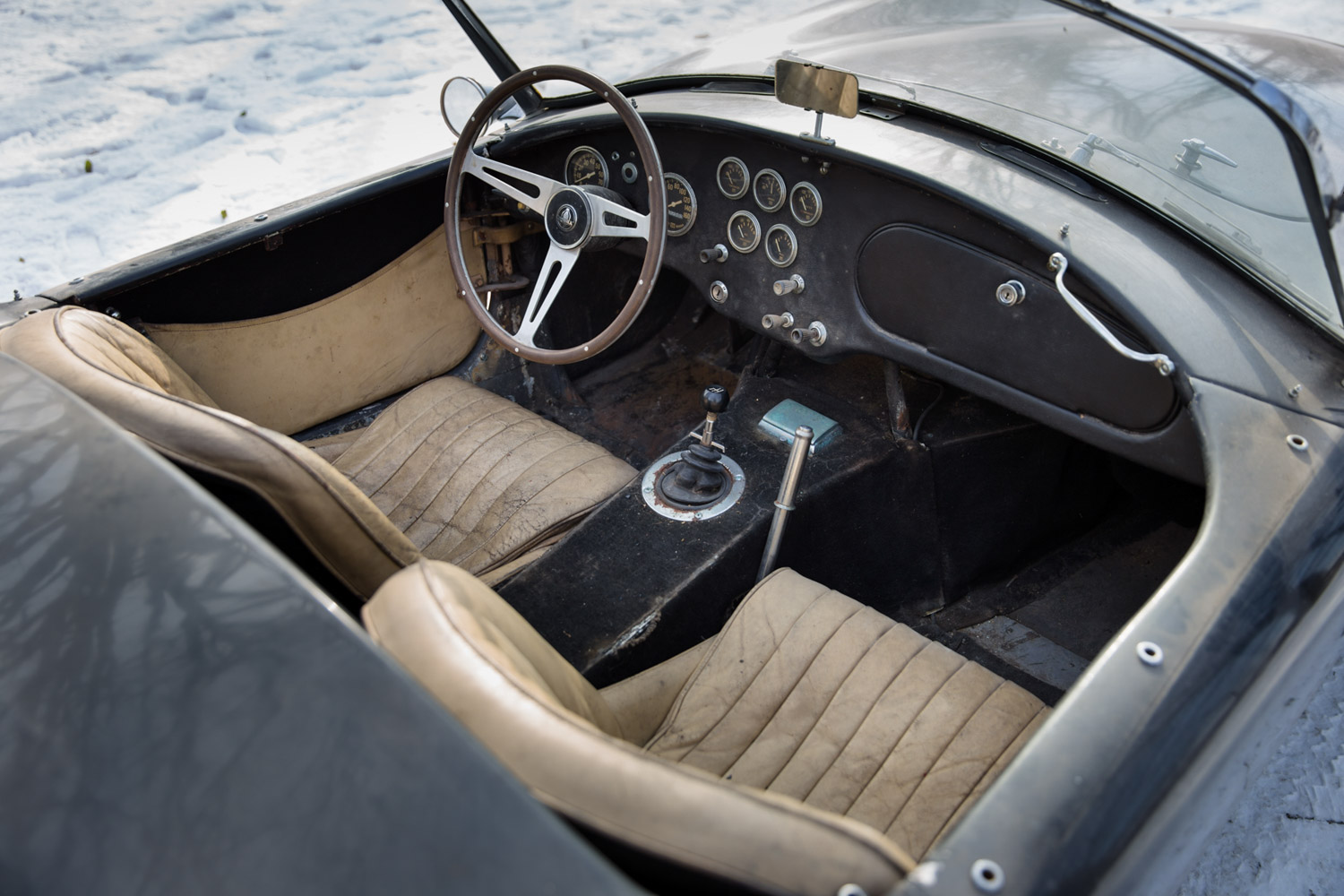
Image copyright and courtesy of Gooding & Company / Mike Maez

Almost perfectly preserved, considering it has been in storage for four decades, the original rouge iris finish is still visible where the black paint covering it has flaked off. The 289ci small block has been serviced and returned to running condition and sits in an unrestored engine bay. The interior is similarly unrestored, and the upshot of the car’s unrestored condition is that it retains almost all of the original factory touches, usually replaced during restoration.
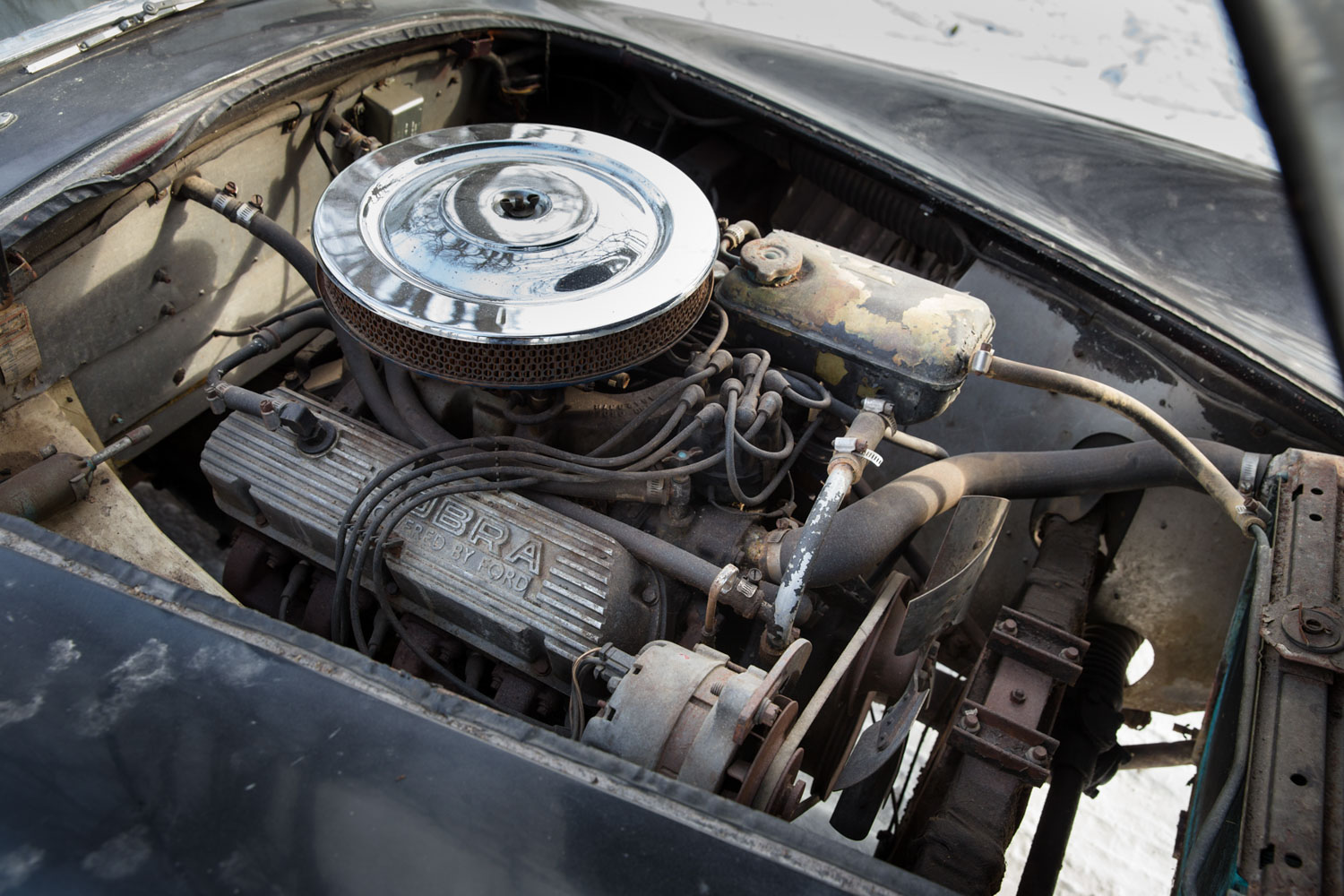
Image copyright and courtesy of Gooding & Company / Mike Maez

Looking to build a car of his own, the AC Ace looked perfect for Carroll Shelby, especially with AC nearing the end of their engine supply from Bristol. Thinking that the attractive and nimble AC Ace could be made into a seriously competitive race car with the addition of a V8, he wrote to Charles Hurlock of AC Cars with this idea. Hurlock was all ears, on the proviso that a suitable V8 engine was available. Shelby found this suitable engine in Ford’s then-new small block V8, and the rest is history. Shelby American produced only 654 small block-powered Cobras, of which 579 came with the 289ci and only 75 with the 260ci.
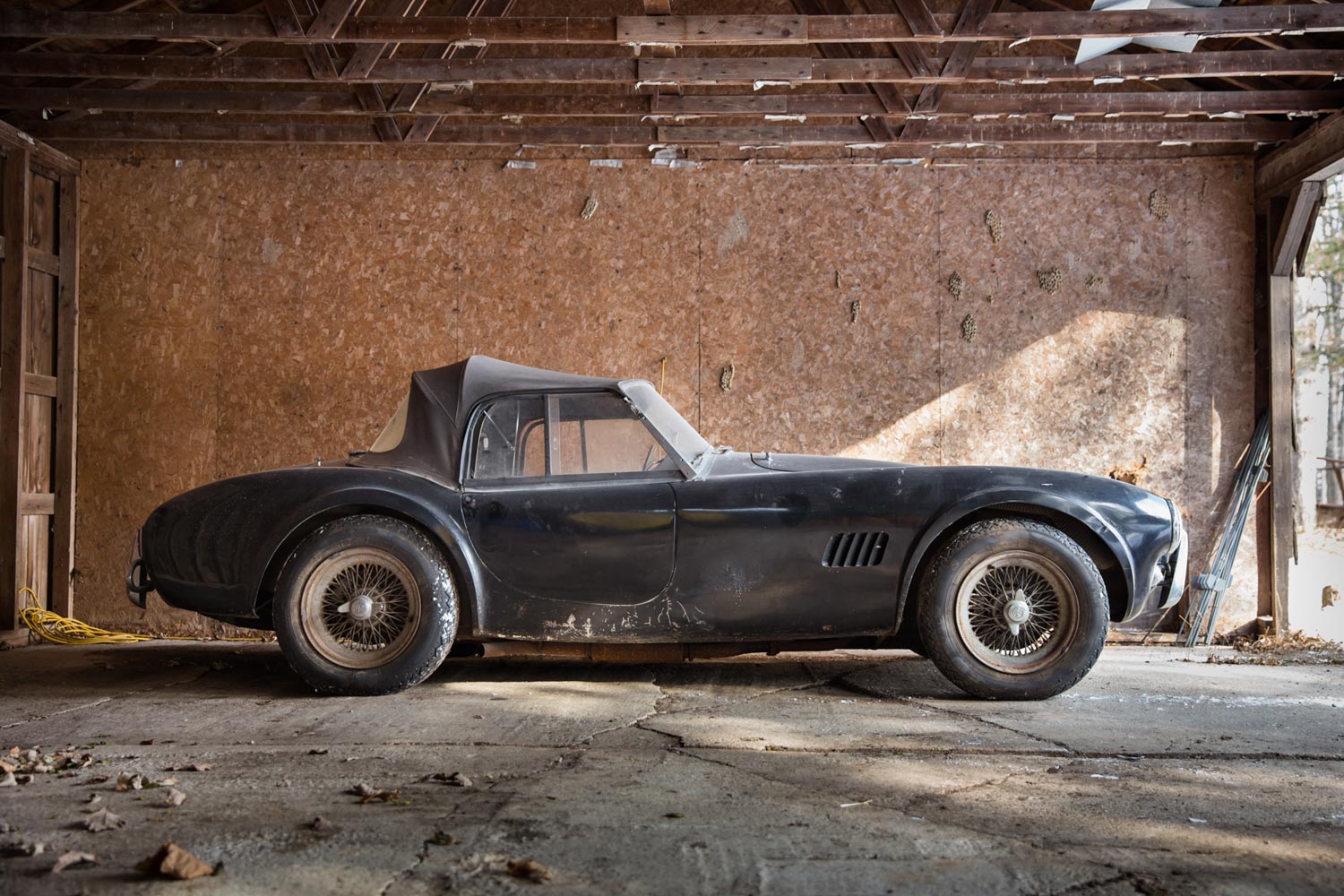
Image copyright and courtesy of Gooding & Company / Mike Maez

With its genuine rarity verified, the Cobra is to be offered for auction in Scottsdale for upwards of $1.4m — better get your bank manager on the phone sooner rather than later!
 

Chrysler’s classy cruiser

I first saw our feature car, a 1970 V8-powered Regal 770 hardtop, towing a trailer carrying the tidy Ford Anglia classic racing saloon in Broadspeed racing colours that has featured in these pages. The coupe is comparatively rare here, which means anyone contemplating purchasing one of these big two-doors is sure to see prices continue to climb. The latter Charger has claimed much of the Aussie Chrysler limelight, but the simpler and classier lines of this car, which appeared dated soon after its introduction, now have a more timeless appeal.
Former owner, Balclutha motor engineer, Mike Verdoner, remembers the car well. He believes it came from Dunedin originally.
“I’m not sure about the car’s history, but I bought it off its owner at Kaitangata. Unusually, it was advertised in the local newspaper, the Clutha Leader, which was a surprise as these usually go for a lot more money on the internet. I had it for quite a few years. It needed a little bit of work to tidy it up, so I had to decide whether to spend the money on it to do it up, which could have been twenty grand. Its value at the time was not like it is now, so I sold it to Ewan. It’s probably now worth three or four times what I sold it for.”

The Pininfarina 230 SL

It’s October 1964, and imagine you’re an automotive journalist covering that year’s Paris Auto Show (Mondial de l’Automobile). As you approach the Pininfarina booth, you come across a car that looks a bit like the Mercedes-Benz 230 SL introduced the previous year at the Geneva Auto Show, a car then arriving at Mercedes-Benz dealerships around the world.
But looking closely, its styling and proportions seem to be a bit different. And it has a fixed roof, unlike the Pagoda-style greenhouse of the removable hardtop seen on the production 230 SL. While today, the styling of the W113, under the supervision of Head of Styling Friedrich Geiger, with lead designers Paul Bracq and Bela Barenyi, is considered a mid-century modern masterpiece, acceptance in-period was not universal. Some critics called out the concave design of its removable roof, which ultimately gave the car its “Pagoda” nickname.