

Weekly Motor Fix: clean Camaro cruiser

12 October, 2015


Every few weeks, we take more of an in-depth look at a car we’ve found — be it at an event, at the racetrack, or on the side of the road — in a feature we call the ‘Weekly Motor Fix’.
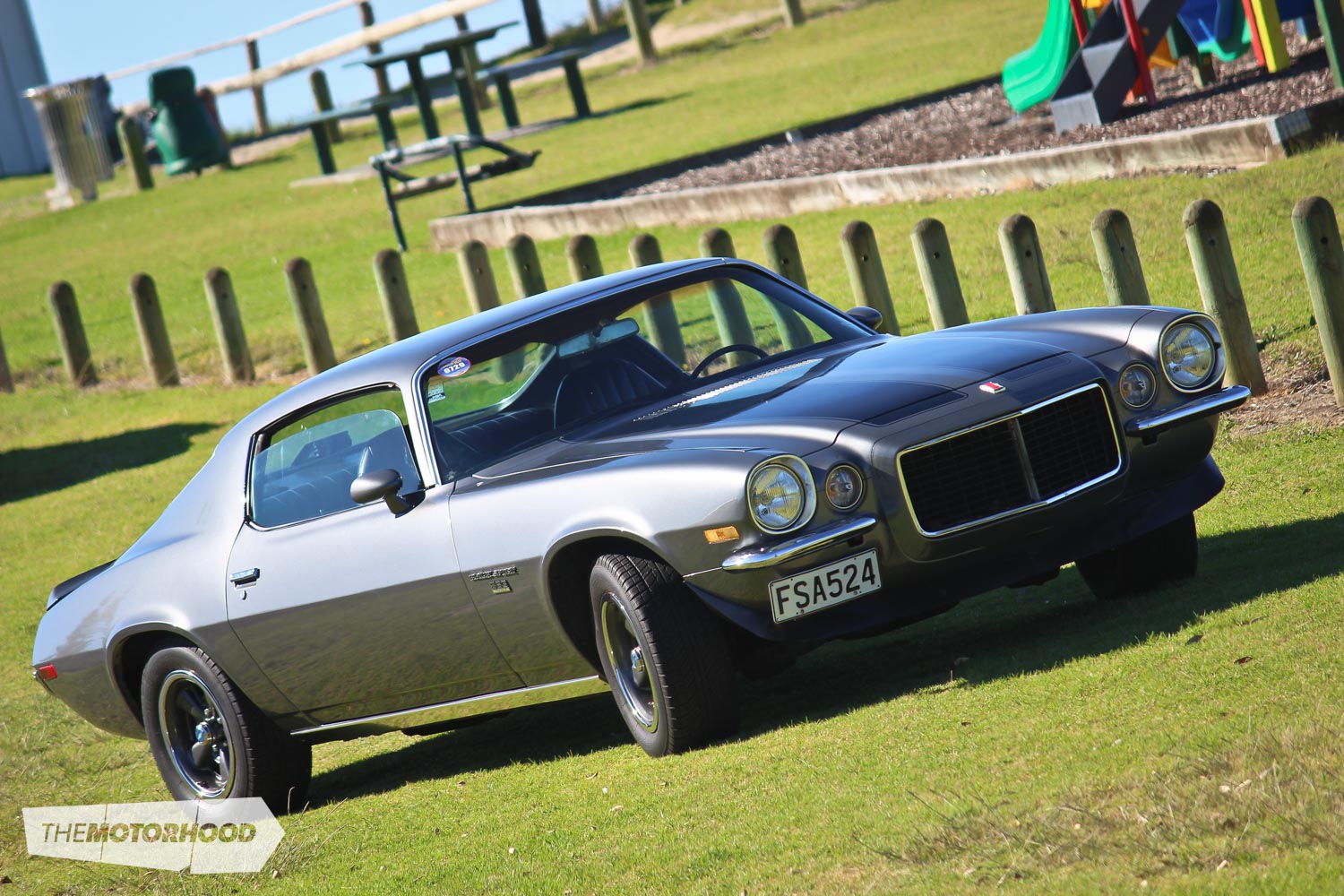
This month we stumbled upon a seriously tidy Camaro built by its owner, complete with a video to match.
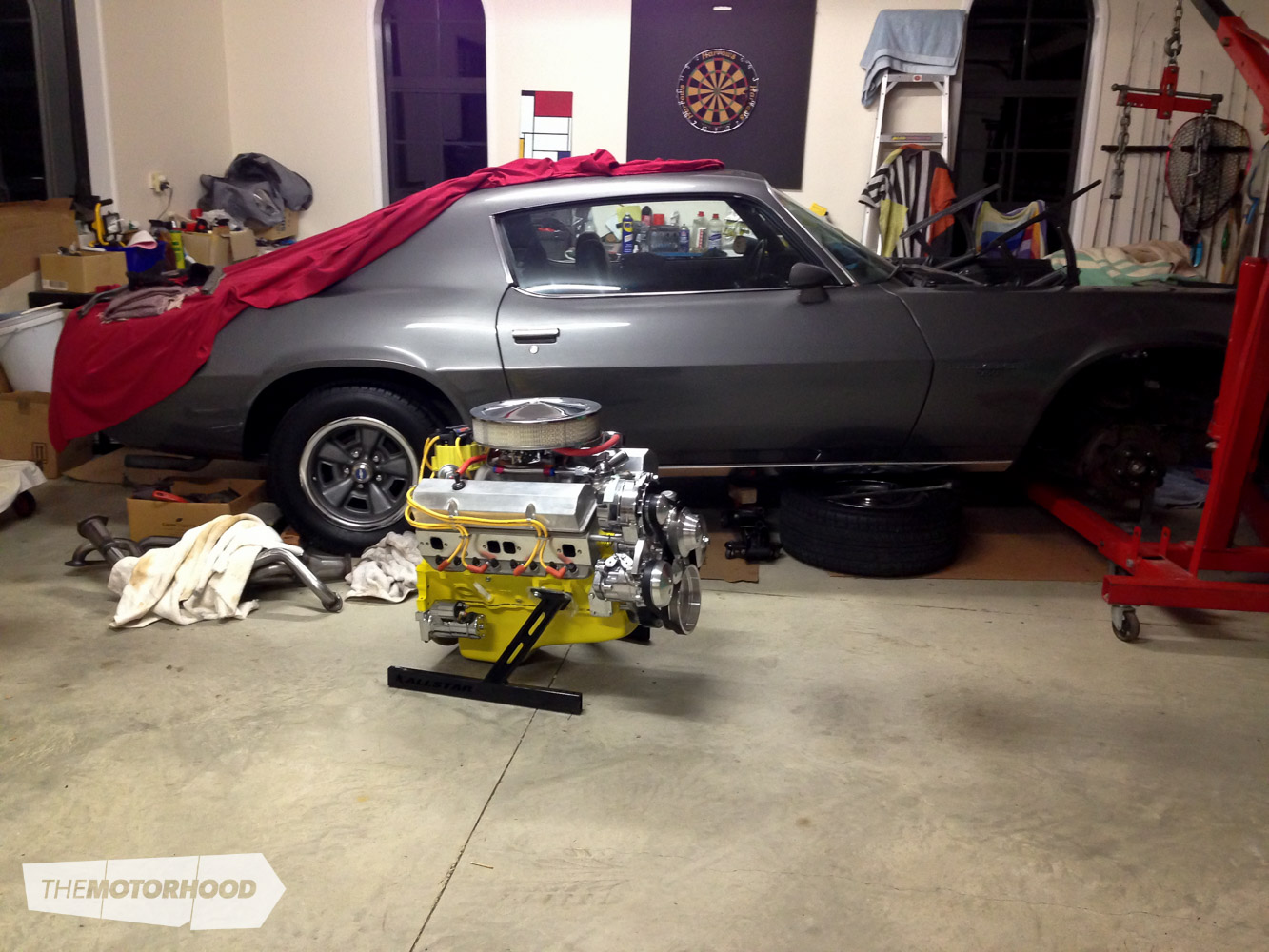
Auckland’s John Crawford and Angela Hassall imported their 1972 Chev Camaro back in 2013, and have recently given it a full overhaul, bringing it back to peak condition. Of course this was never going to be a stock rebuild, with John having the urge to add a bit more power while he was working on it.
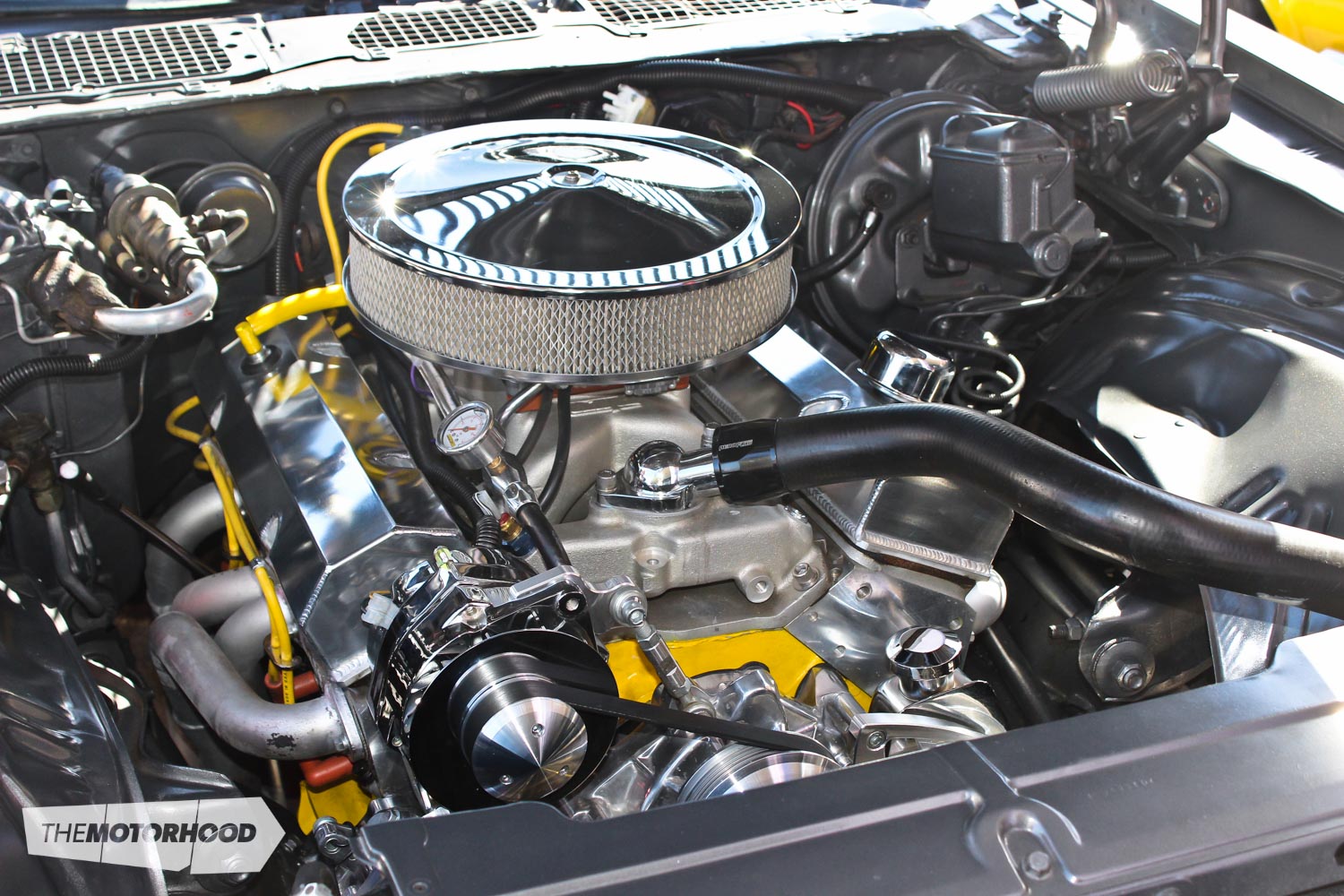
The result of that was getting ‘Stroker John’ aka John Nijssen — a Kiwi living in America — to build up a stroked 383ci small block. While the engine build itself is impressive, it’s the work that John [Crawford] put into the engine bay that really makes it pop. The wiring is now neatly tucked away out of sight and the bay copped a fresh coat of paint at the same time, which adds to the appeal offered by the billet serpentine-belt–drive, bright-yellow block.
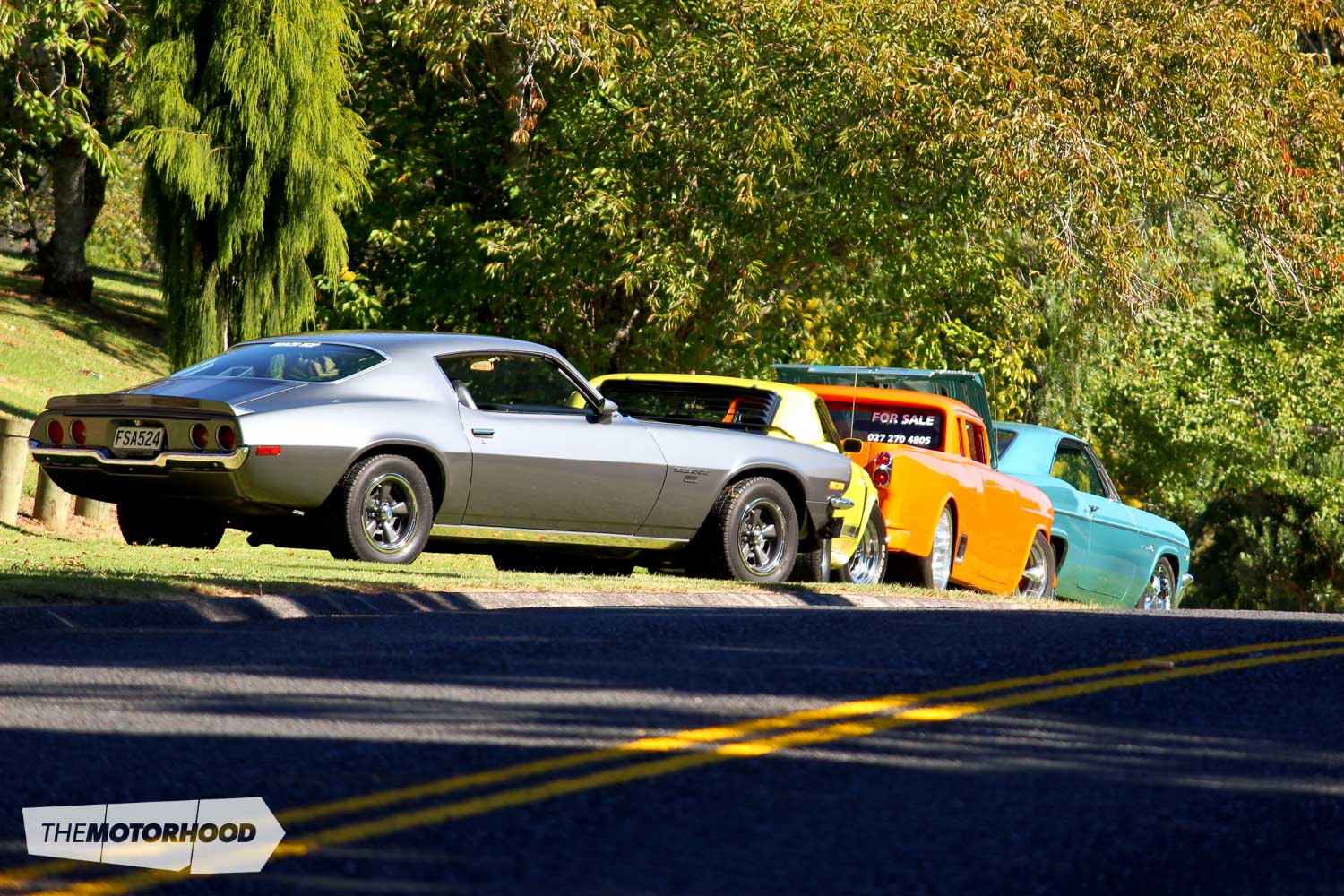
As you’ll hear when you watch the video, which was produced by John’s friend Todd Bradley, the car not only looks the part but sounds great also, and he couldn’t be happier with it.

To match the car’s newfound performance, a Speedtech Pro-Touring front suspension package has been added, along with Viking double-adjustable coilover shocks, to firm up the ride.
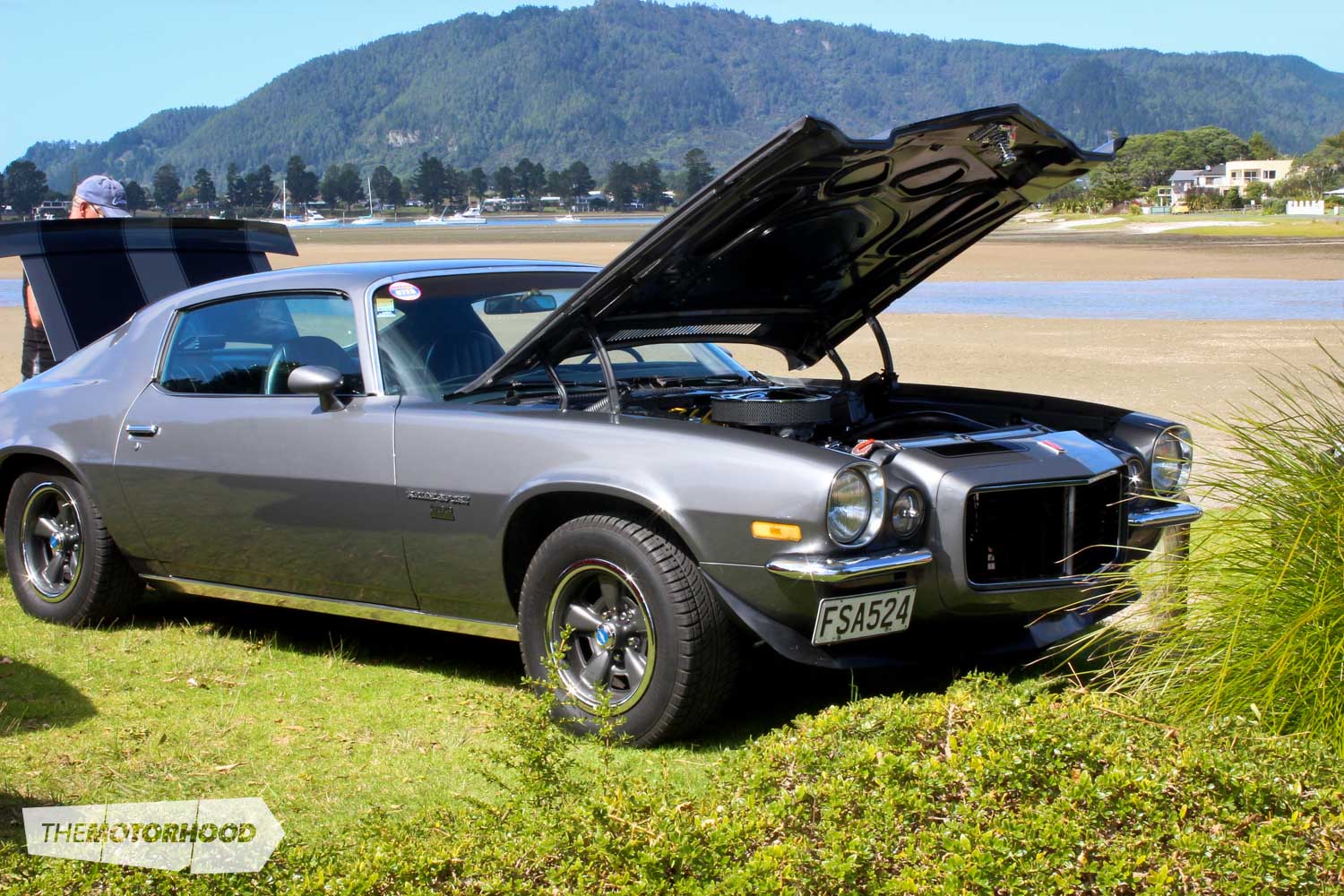
Despite wanting to add modern drivability, John still wanted a classic look so resisted the urge to fit larger or later-model wheels, instead putting his main focus under the hood. The end result is a great look, and one we’d love to see much more of.

Check out the video here:

Coaching from the bench: Casting plastic knobs and rubber parts

Casting rubber items is simple if you have a good original to work with. The item doesn’t have to be perfect. You can use plasticine to smooth out cracks, and you can even make whole prototypes out of low-fire modelling clay available from craft stores if you need to. Prototypes can also be made of wood or metal.
You will need mould dams to contain the liquid urethane moulding solution until it cures. You can build boxes out of strips of wood, but I have found that small plastic boxes and bowls such as those you would use for leftovers in your fridge work well if you spray them with a mould release agent.
Temperature is important to the chemical processes involved, so work in an area that can be maintained at around 20 degrees. You will also need adequate ventilation because the fumes can be dangerous to breathe. And you will want to wear latex gloves to protect your hands.

Fraser Cars – low flying into the fourth decade

With almost three and a half decades under its belt, Fraser Cars is one of New Zealand’s longest-surviving car manufacturers. The company first opened its doors for business in 1988, during the boom time for kit manufacturers. During the ’80s, around 40 different companies were building kits and turnkey cars for this niche market. Of those, only Fraser and Almac Cars (established 1981) are still in business today.
Most of the new kit car companies were killed off in the cradle by the threat of new legislation that never eventuated and definitively by the sudden availability of high-performance Japanese cars when the floodgates to second-hand imports were opened. The now long-retired founder of the company, Neil Fraser, first came across Lotus Seven replicas while racing Lotus Cortinas in the early ’80s. He regularly found himself racing against a little Caterham, a Lotus Seven–styled car built in England. He was very impressed by its simplicity and handling. In 1986 Fraser built his own Lotus Seven–type car, using the knowledge he had gained from several close looks at the Caterham.