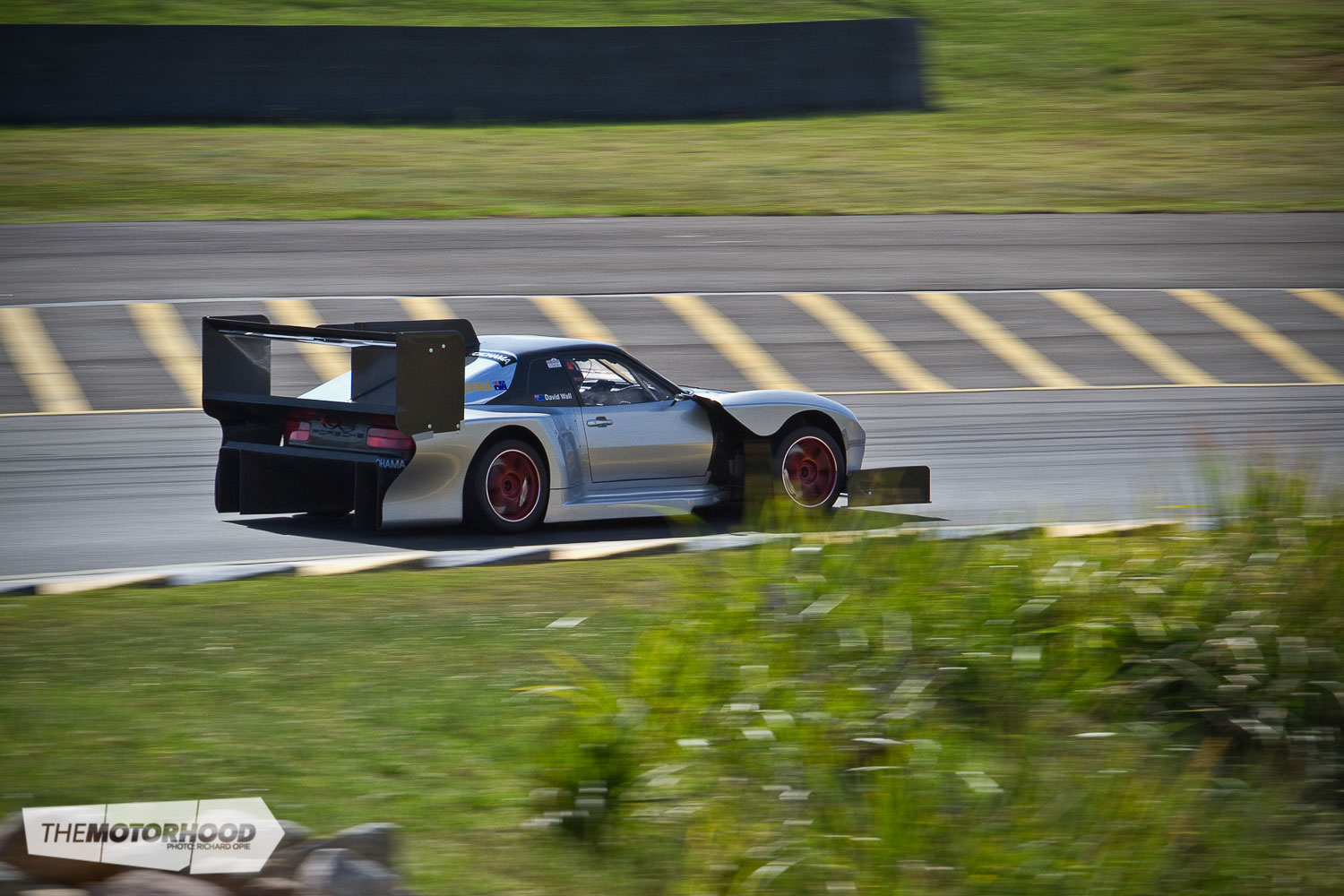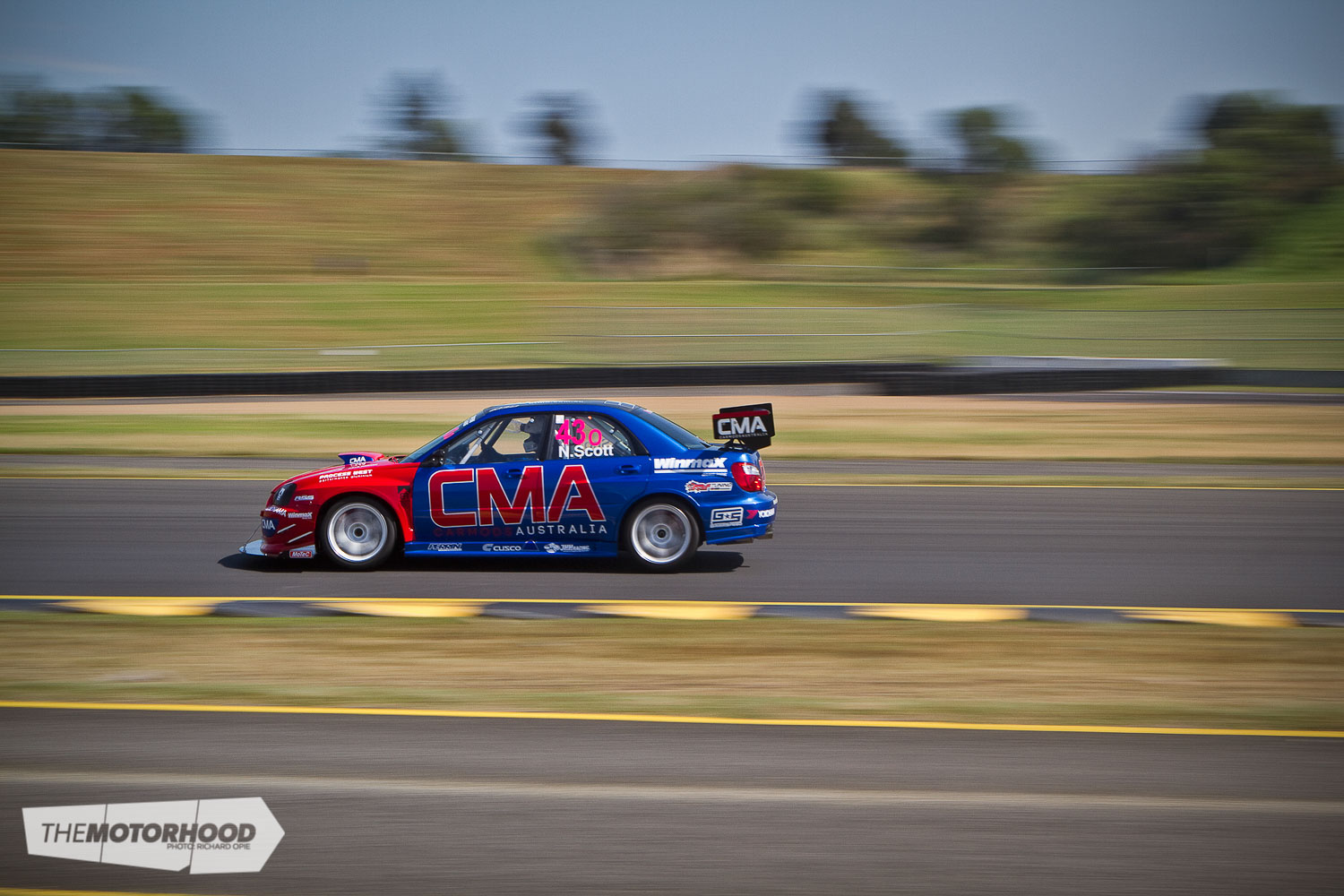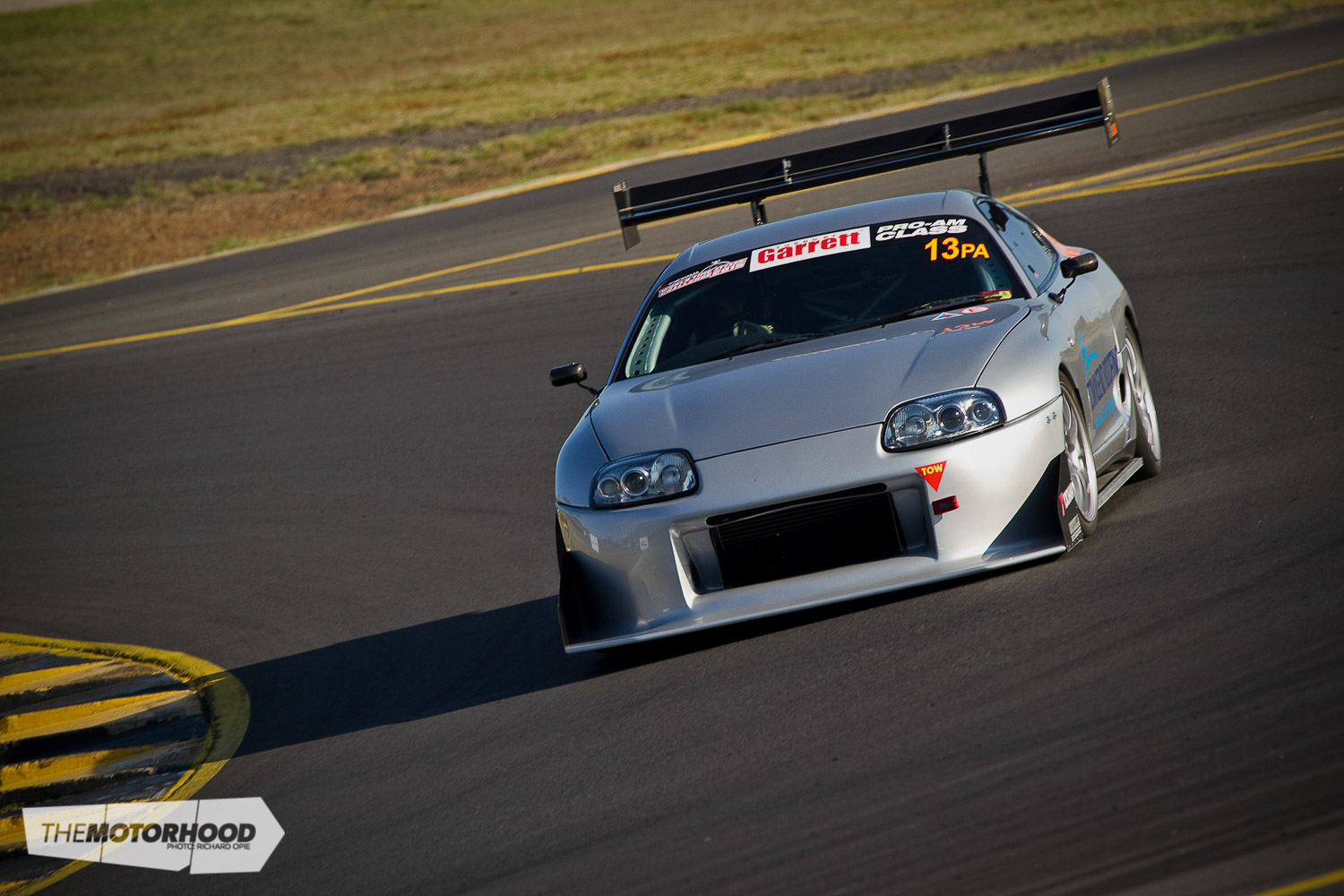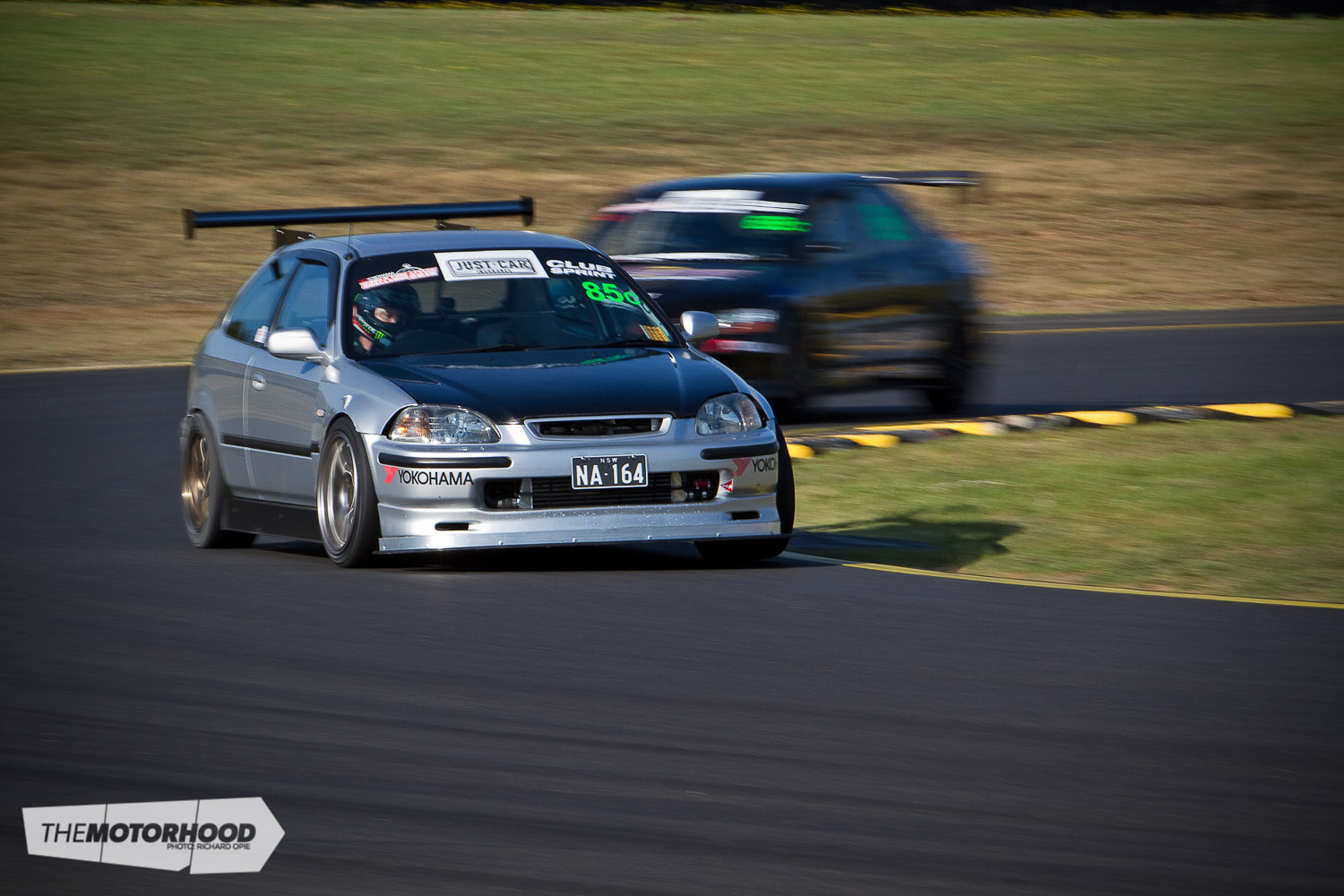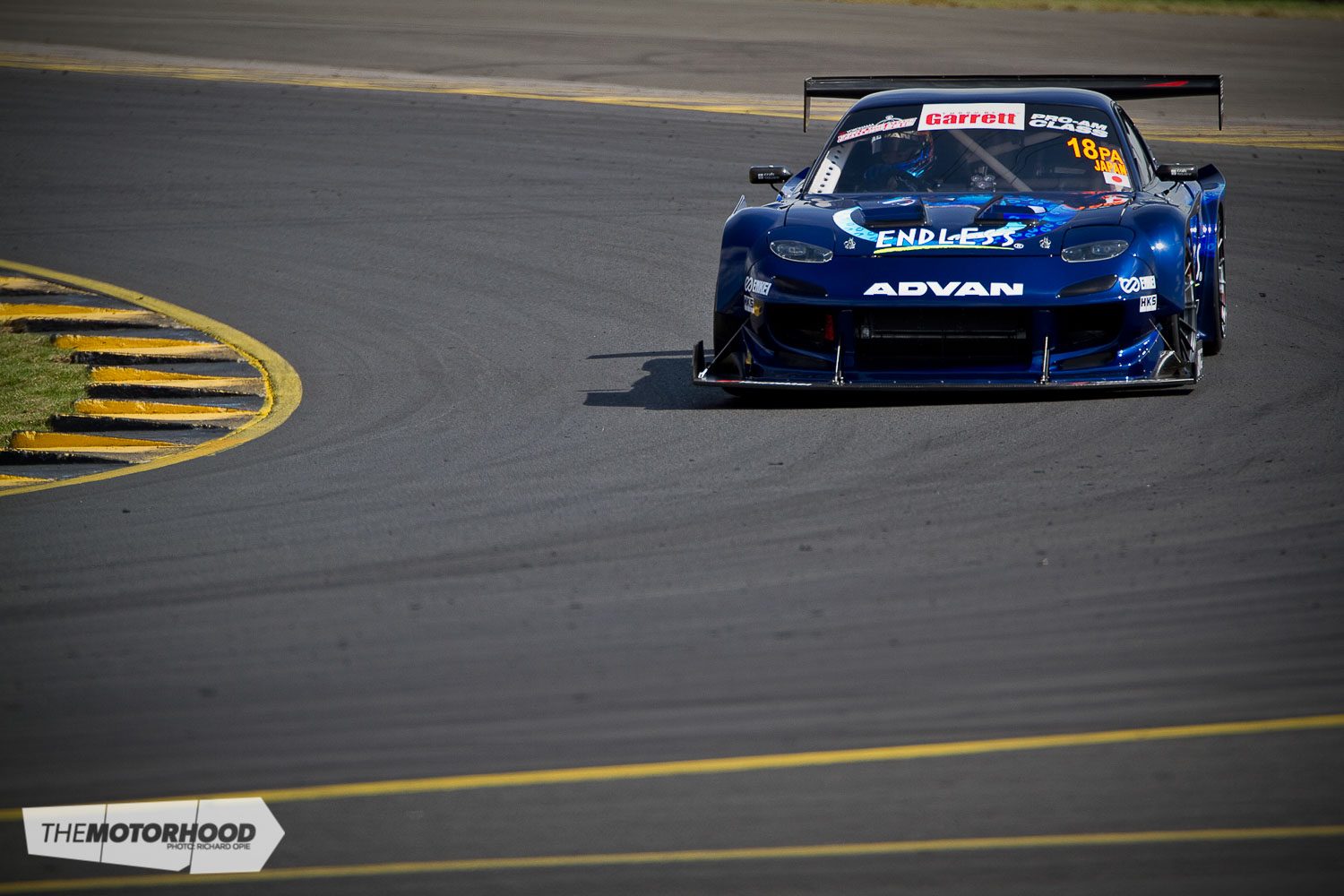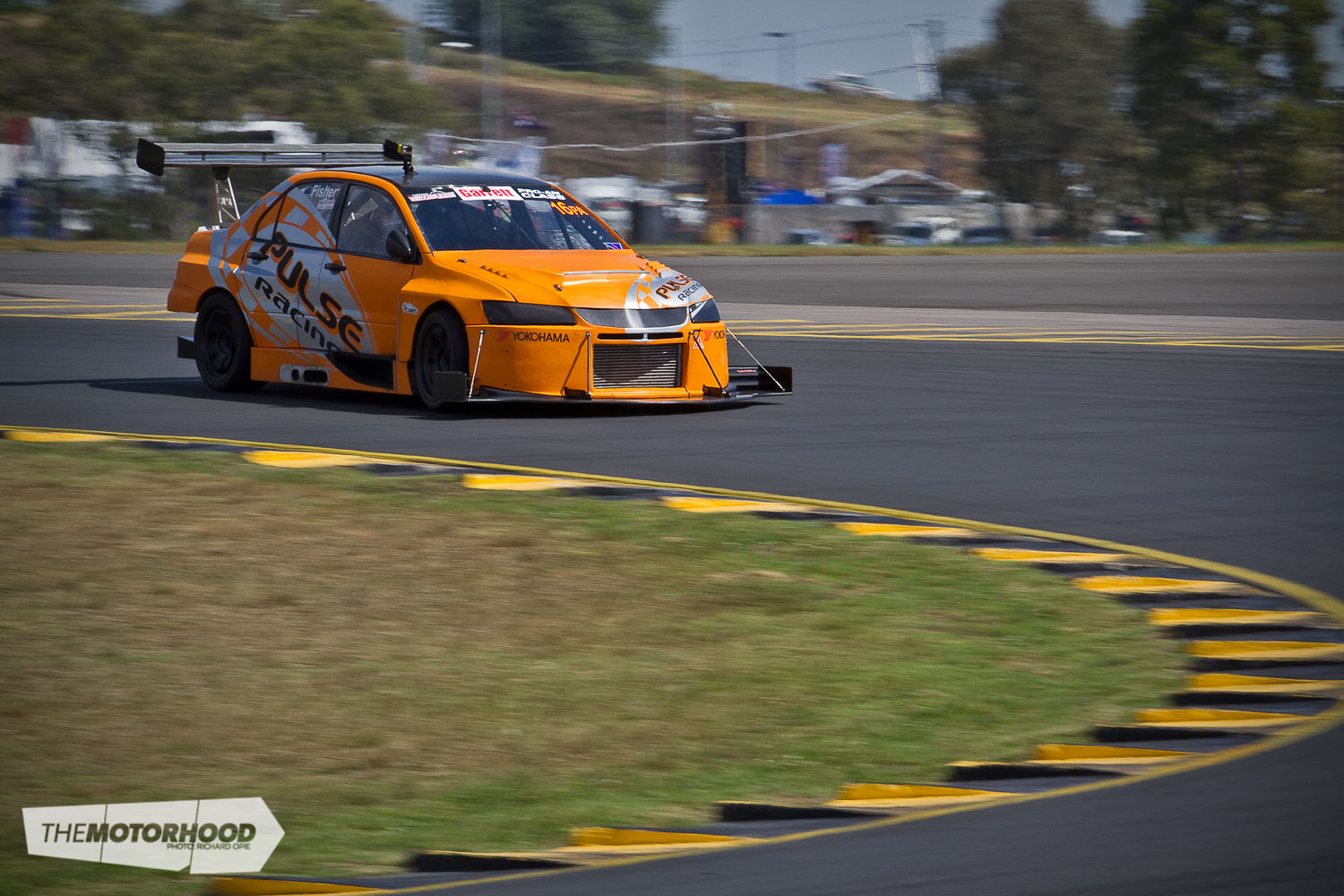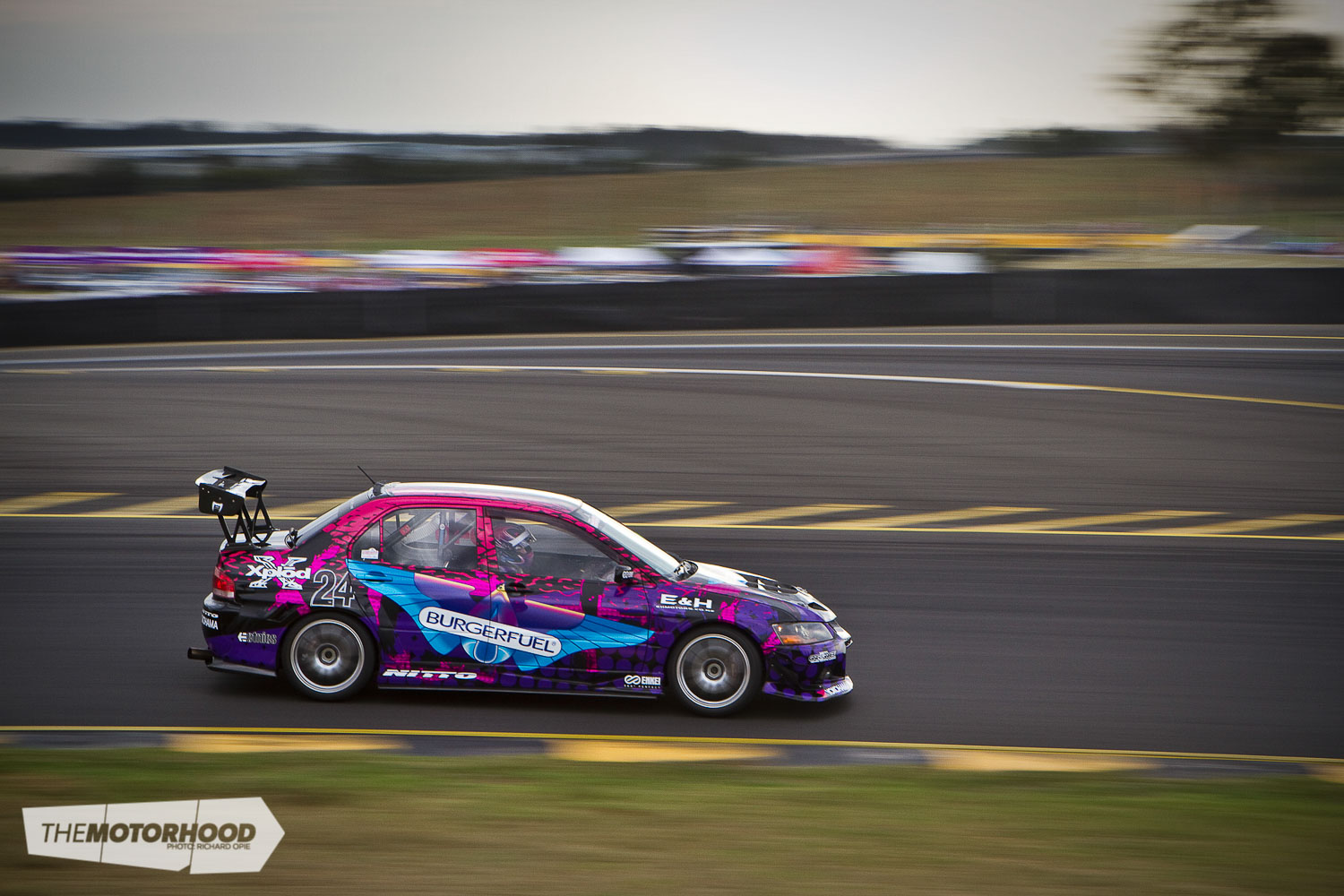
Every year, our talented contributor Richard Opie makes the three-to-four hour flight to Sydney, Australia, to take part in the festivities around the 2015 Yokohama World Time Attack Challenge (WTAC). Although I had to watch it from the comfort of my home this year, we’re grateful for his talent behind his Canon camera and swag of event-capturing glass.
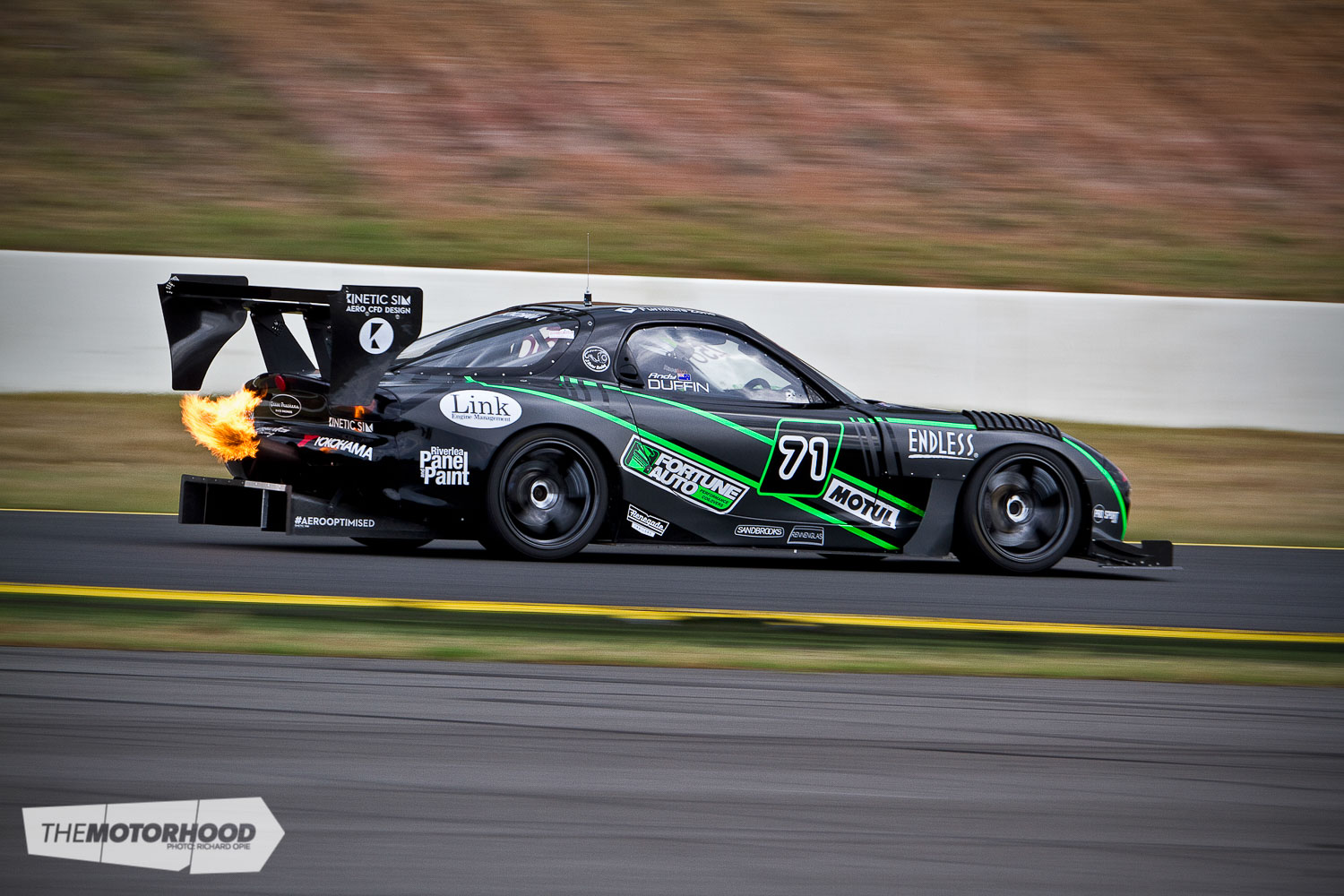
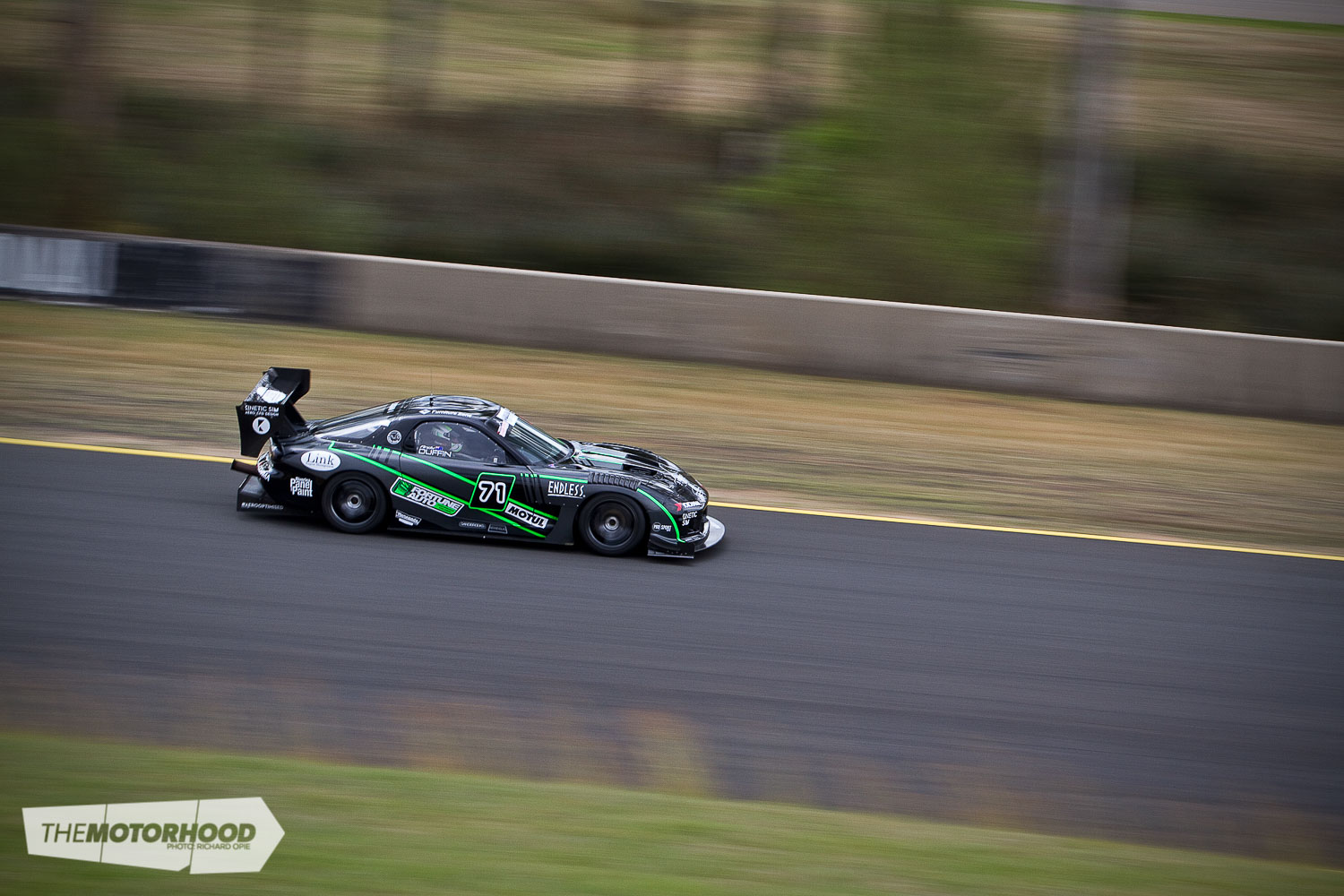
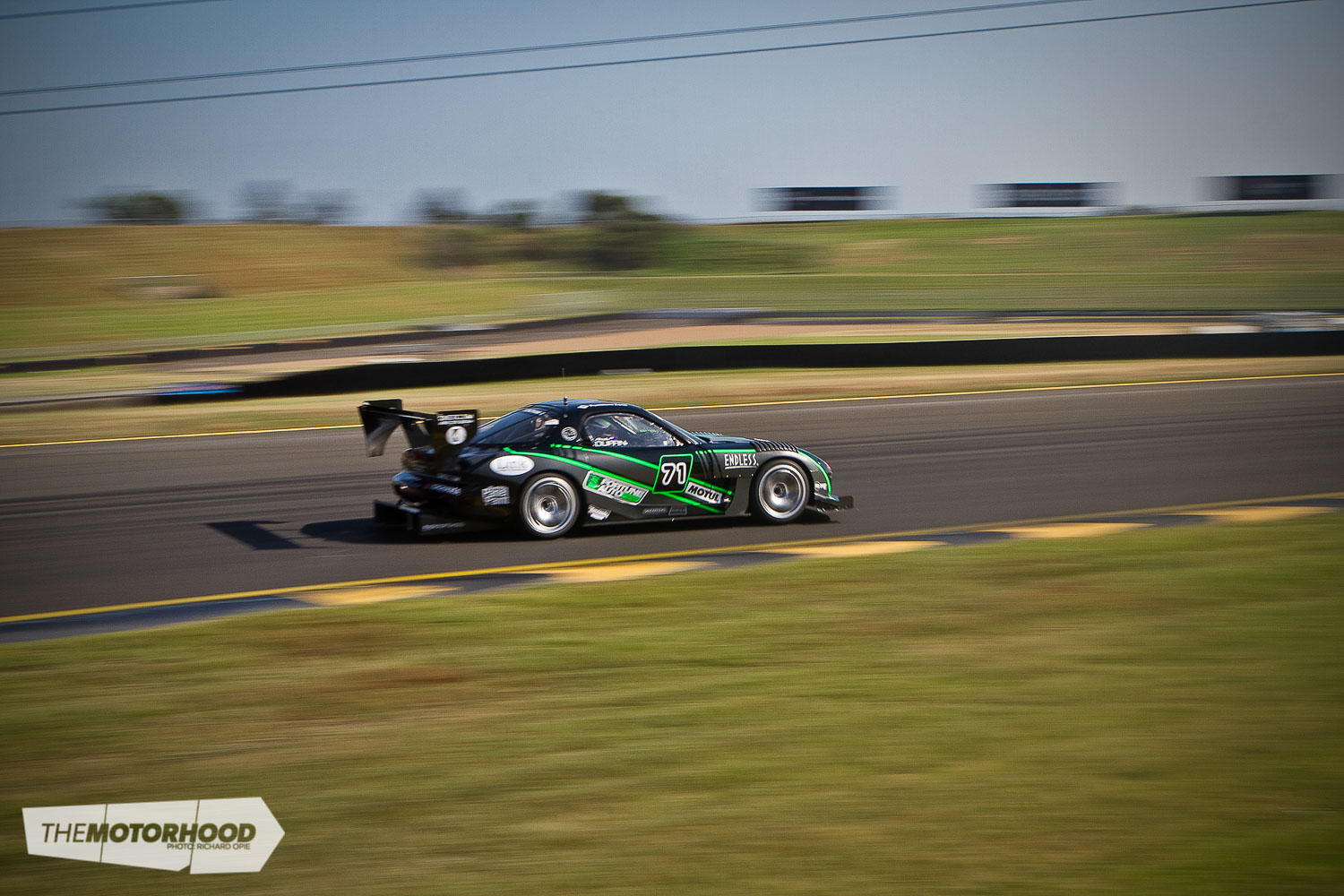
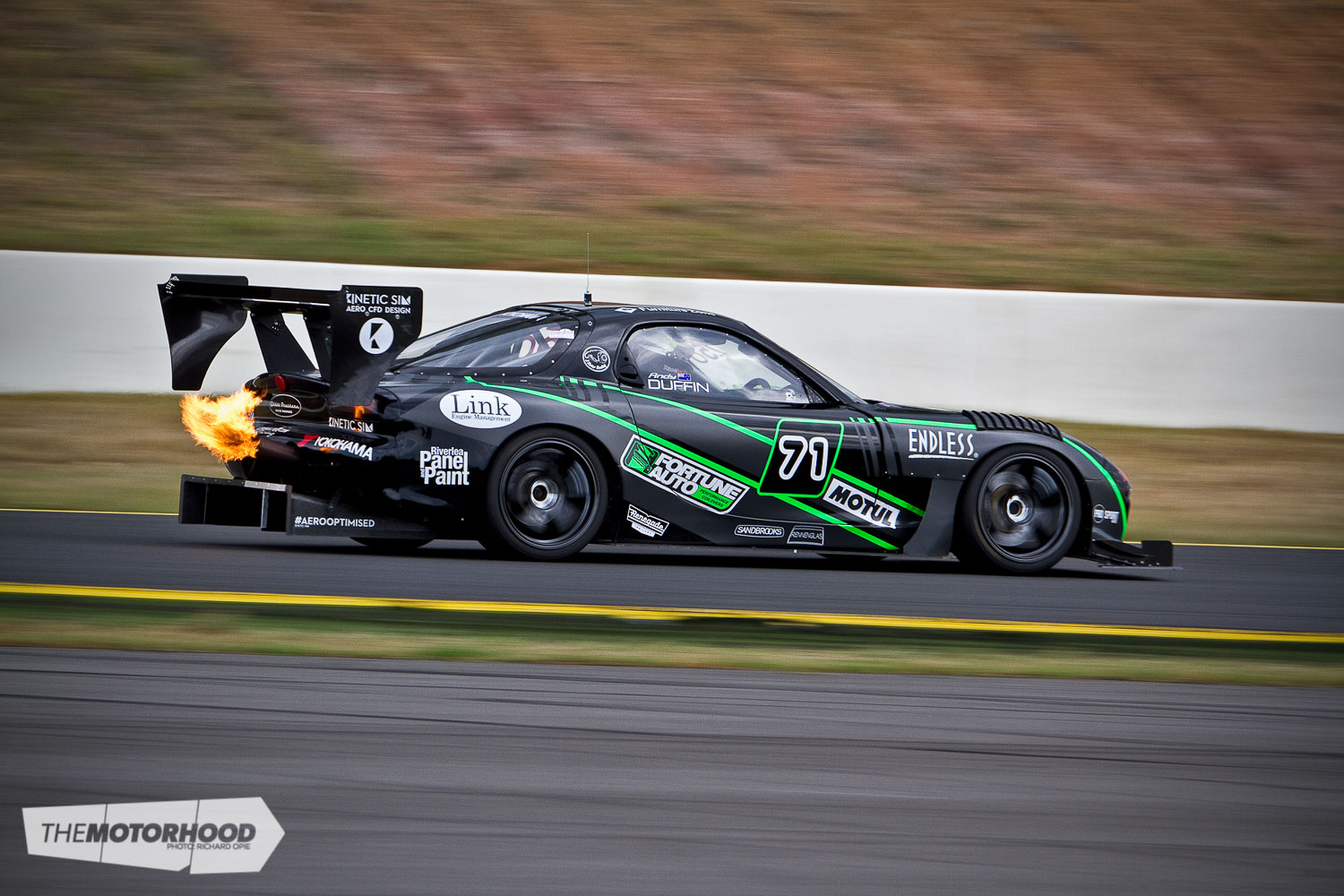
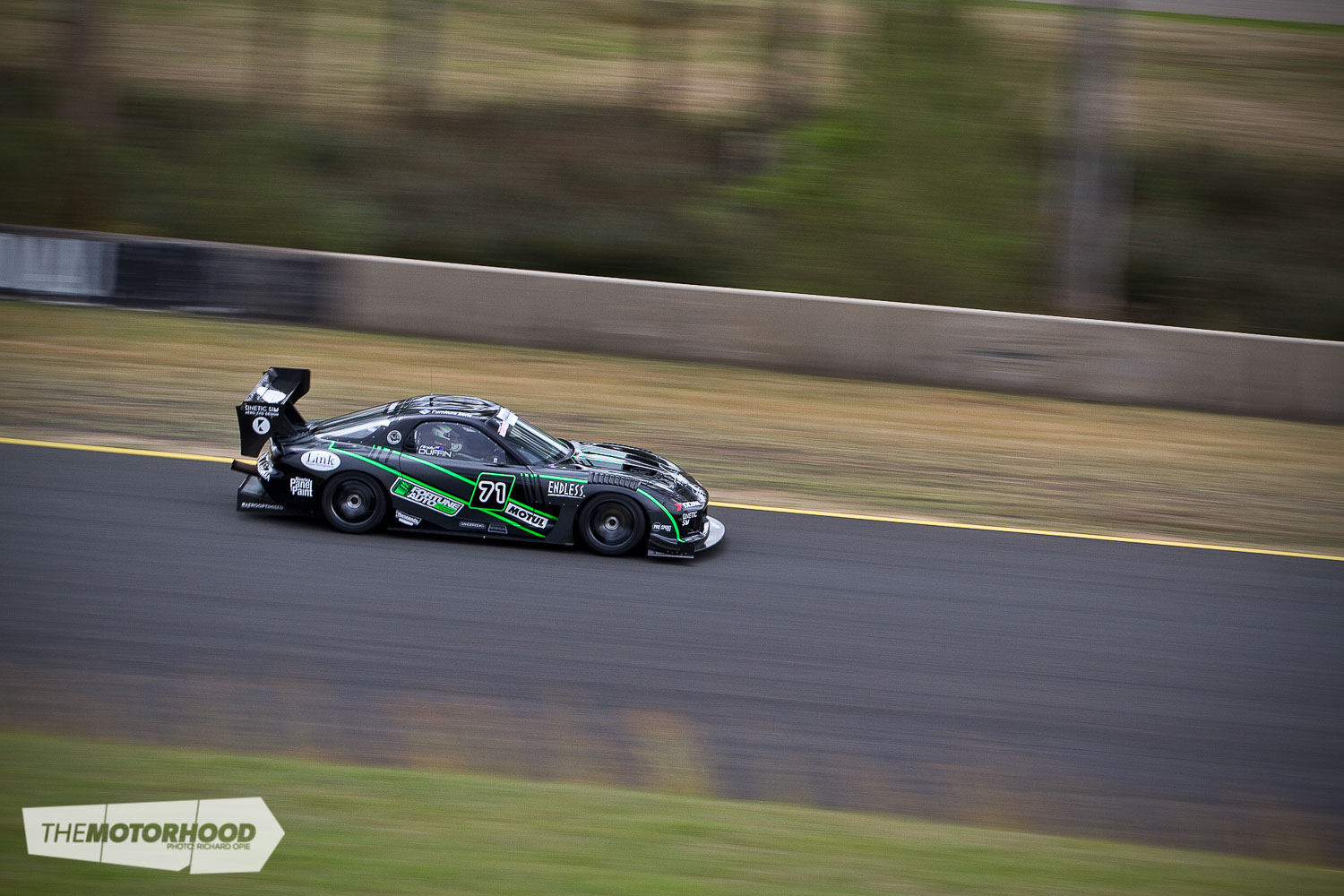
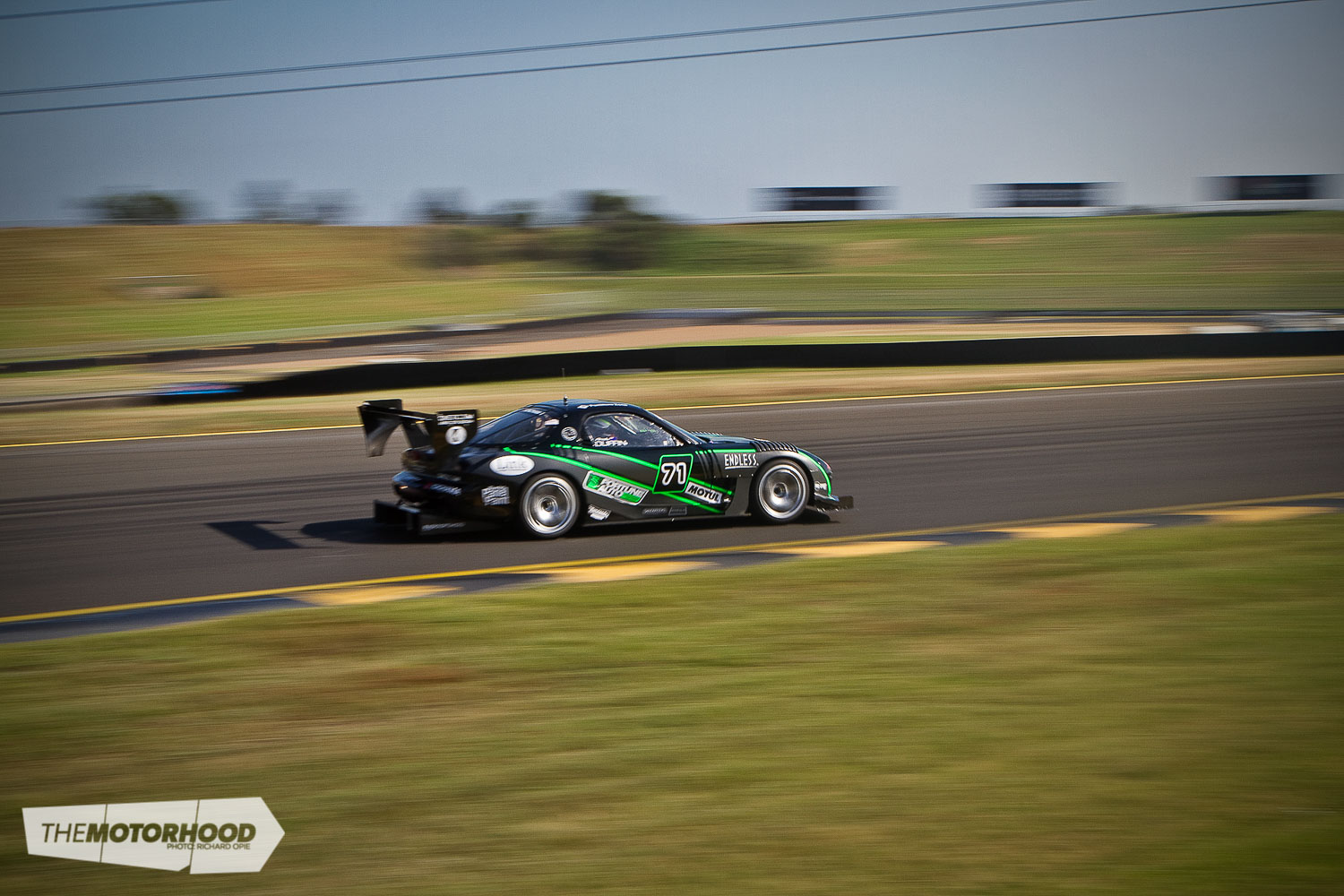
The edges of my leather couch are almost worn to the foam, as the 2015 WTAC was one of the most exciting yet — cars broke, times collapsed, and our Kiwi contestants made their mark on the Australian blacktop. Andy Duffin of Three Rotor Racing impressed the global stage with his three-rotor Mazda RX-7. Although it initially impressed spectators with its sound and beauty, the RX-7 soon proved it have the bite to match, with an impressive 1:32.81 in the final session. No turbos, and no nitrous for this FD; just naturally-aspirated 20B goodness, a talented wheel man, and a spectacular crew. The FD had to be one of the best-presented vehicle out on the tarmac, too; its black hue menacing, with stark neon green livery to draw in prey before its brutal attack — much like a violent deep-sea creature.
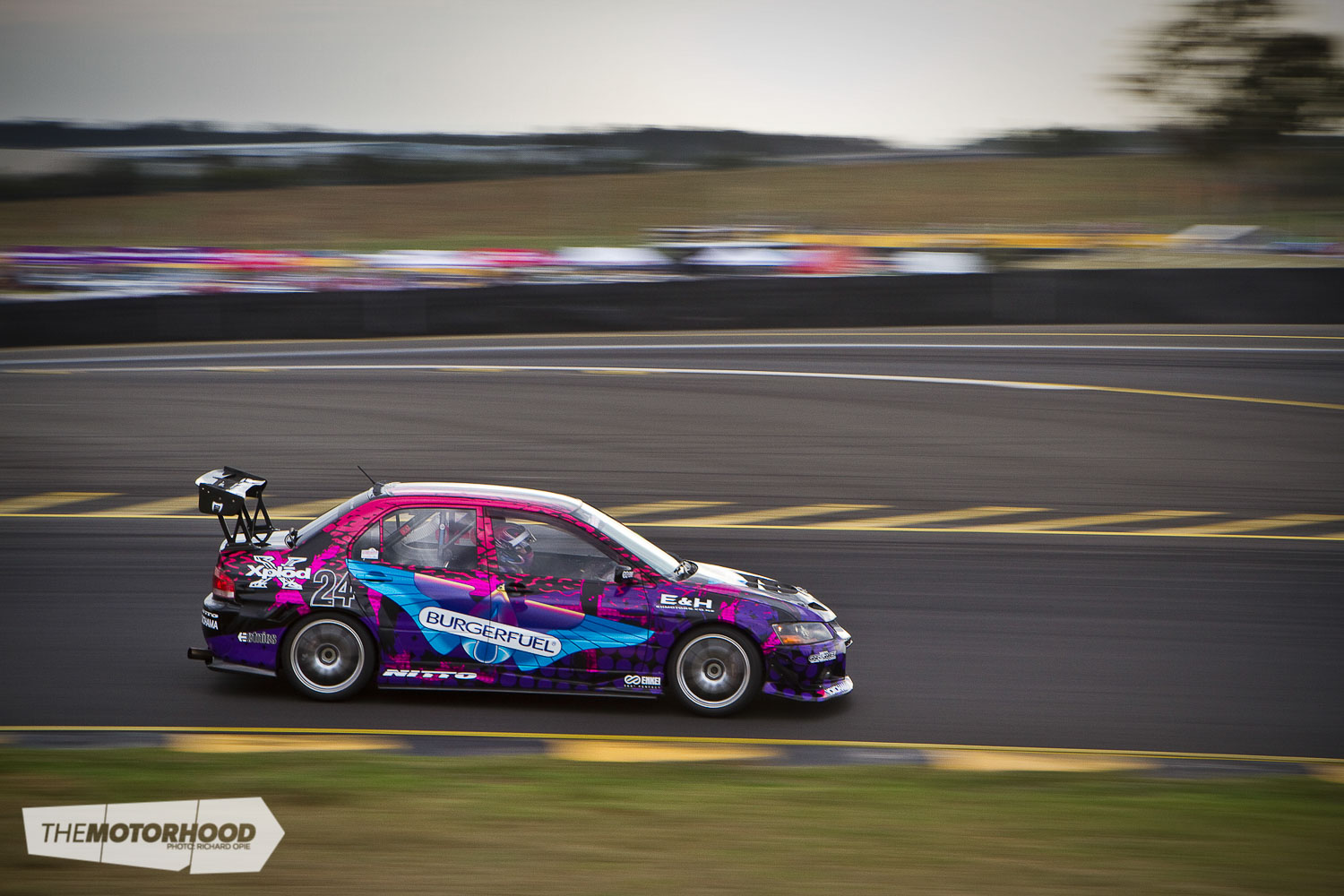
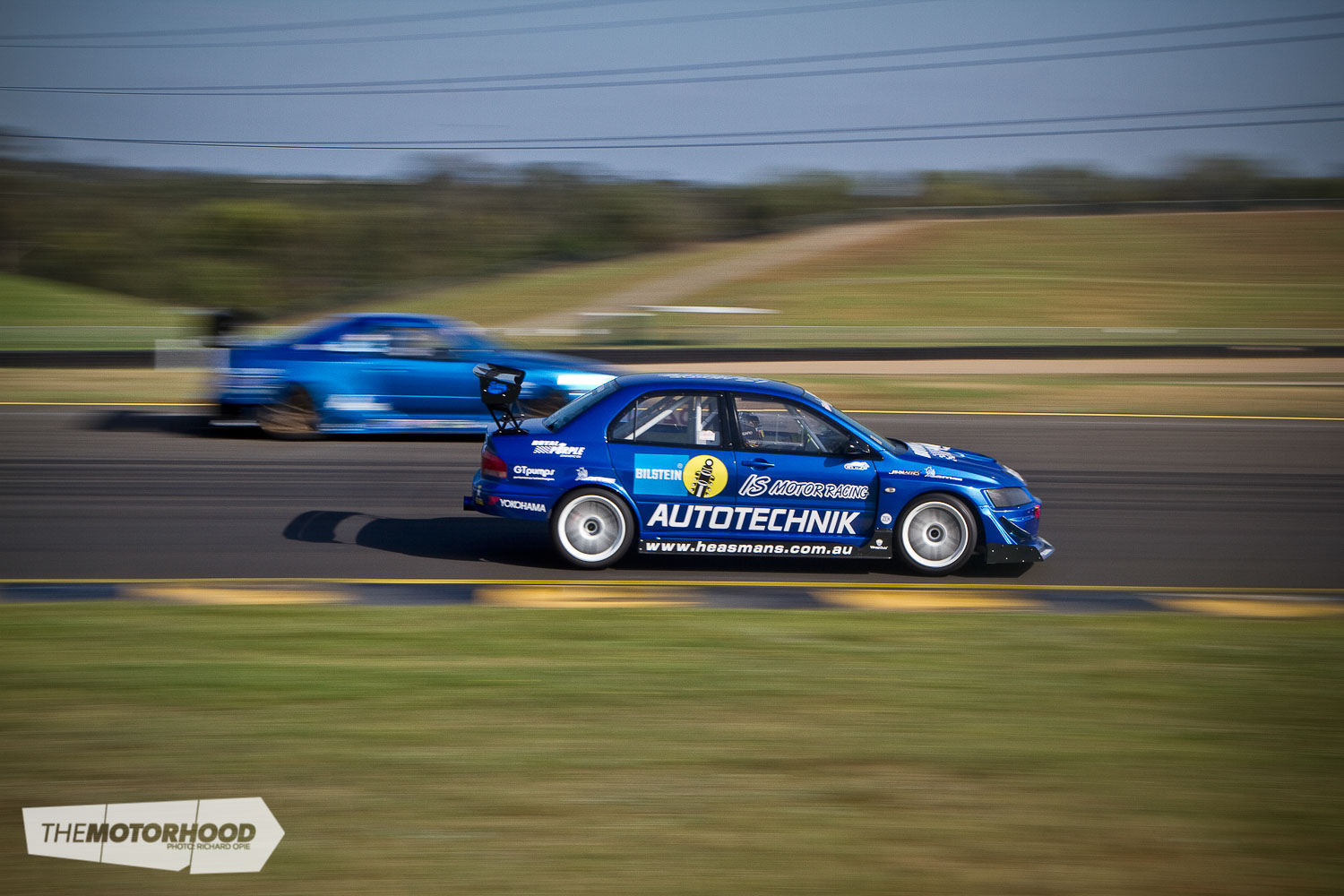
It came as no surprise that local time attack racer Kat Benson was asked to make the trip abroad to contest WTAC. She presents herself, her team, and sponsors extremely well, and it has definitely paid off — an admirable feat that plenty could learn from. From what I saw online through the WTAC livestream and Kat’s various social media outlets, she was having a blast. Her Mitsubishi Lancer Evolution VII was well presented, and sponsors well represented. Although her times weren’t as rapid as Duffin’s, Kat is all the richer from the experience, so hopefully she’ll come out swinging come round two of Prowear NZ Superlap, of which she is already a strong competitor. Several tyre combination changes saw Kat improving on times by as much as three-and-a-half seconds, finishing up with a respectable 1:44.5620.
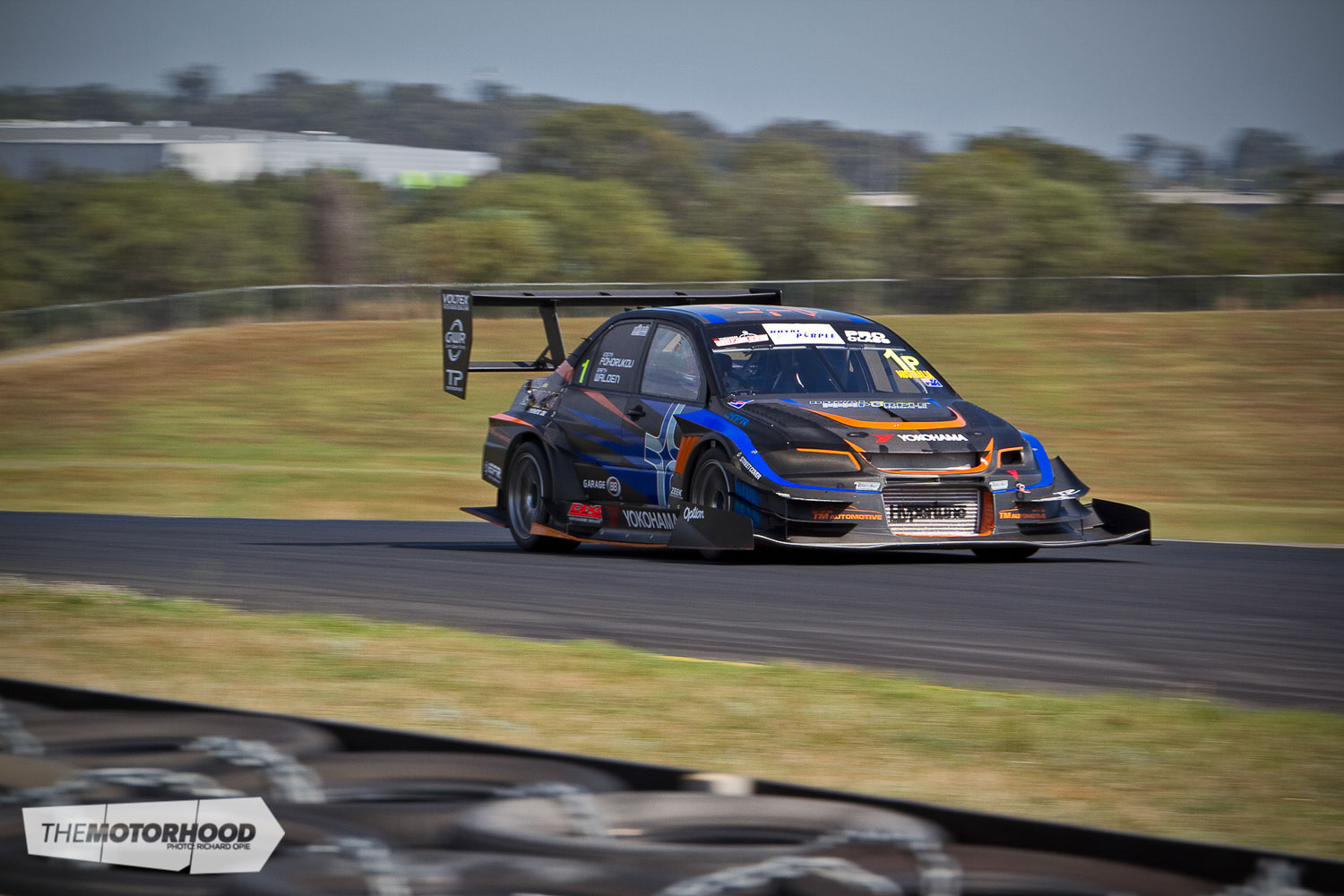
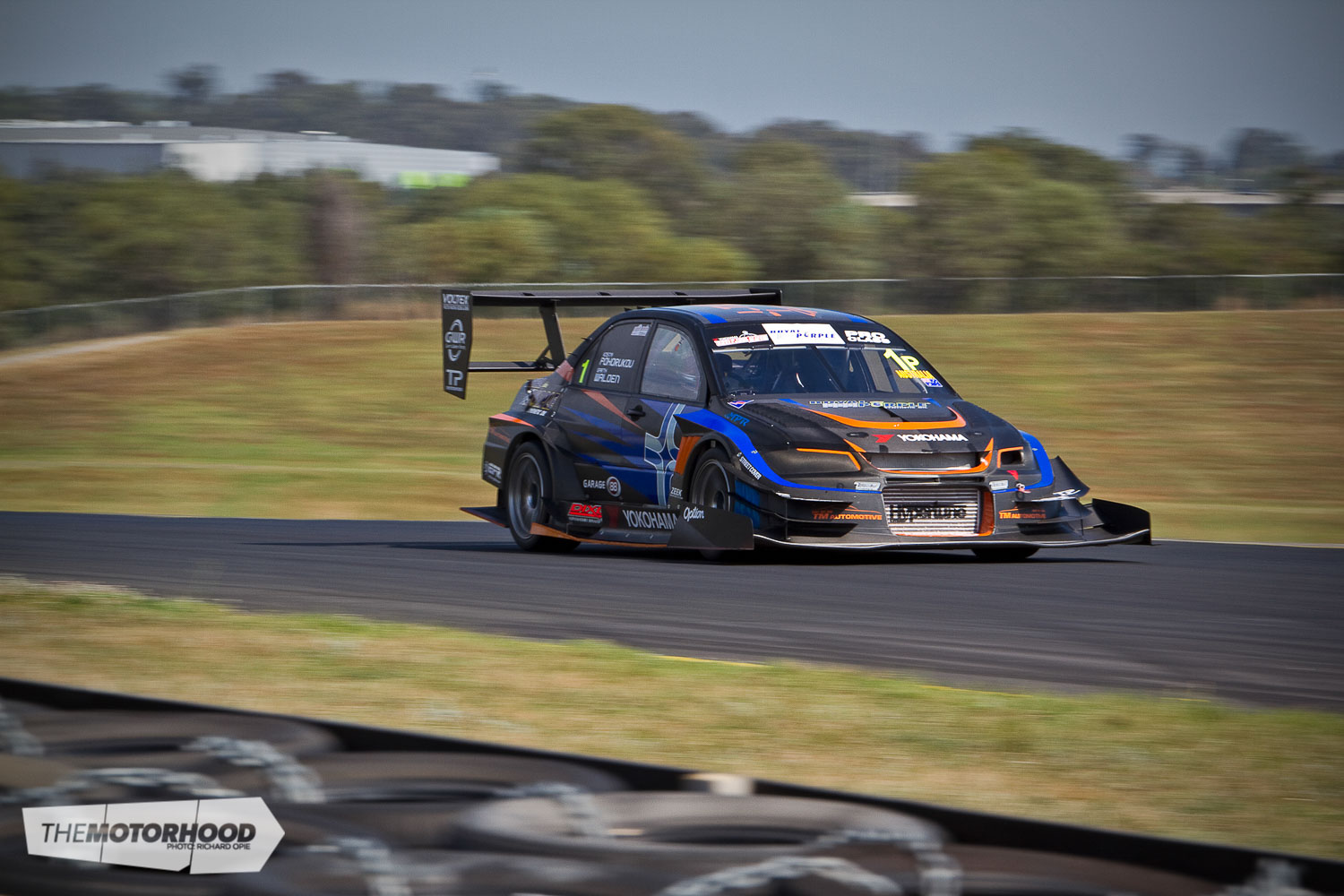
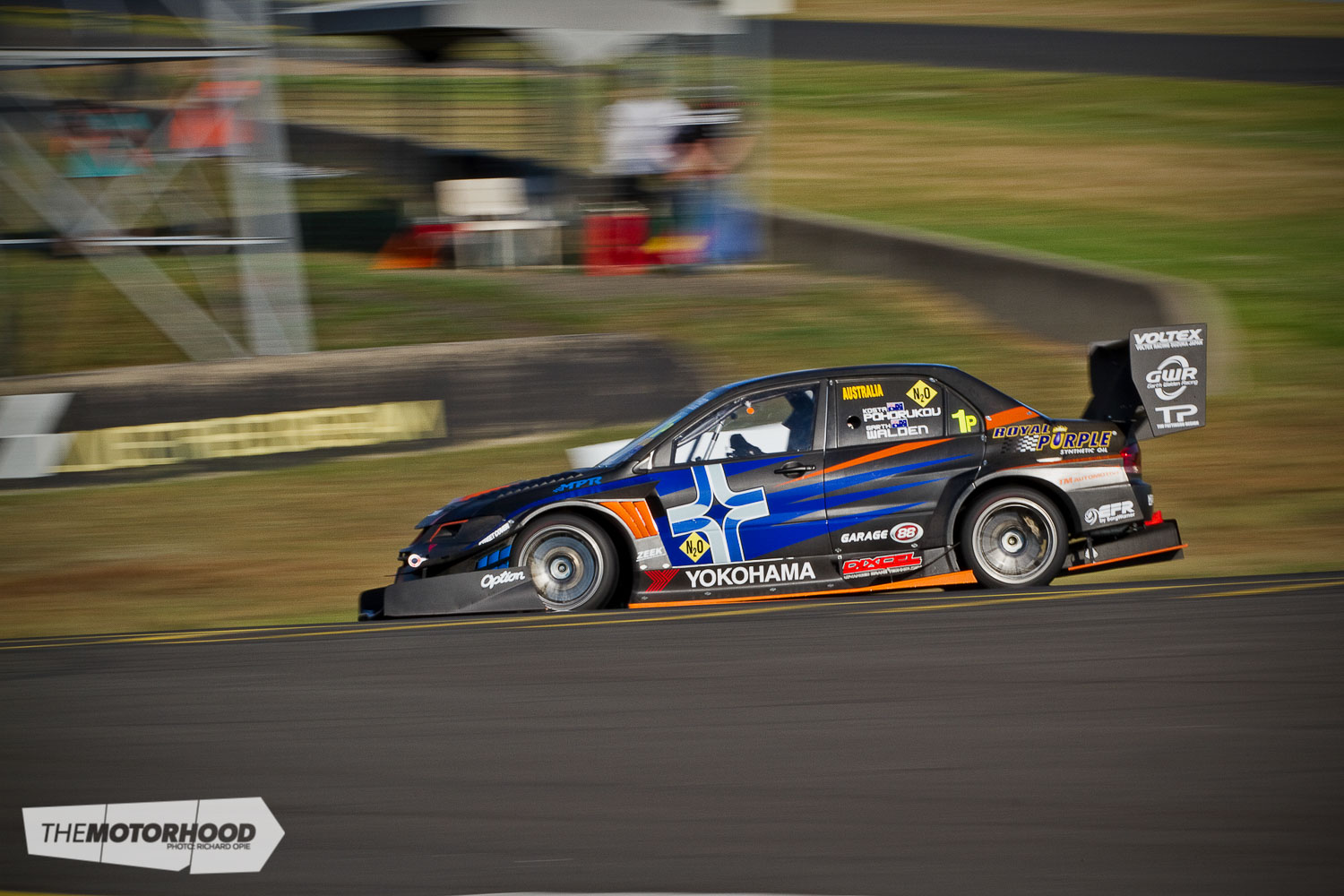
There could only be one winner, however, and that came in the form of all-wheel drive favourite, and last year’s outright winner, Garth Walden in the Tilton Interiors Mitsubishi Lancer Evolution IX, with a fastest time of 1:23.777. The Evo was an animal all weekend, and full credit to Garth for fighting the wheel of the Evo, as it doesn’t look easy. If you watch the in-car footage from any of his laps, you’ll see his left foot hard up against the footrest, in a bid to challenge the various G-forces thrown at him around the circuit. Tilton Interiors have announced that the Evo is now in retirement, although there are whispers of it taking on the world, on their respective home turfs.
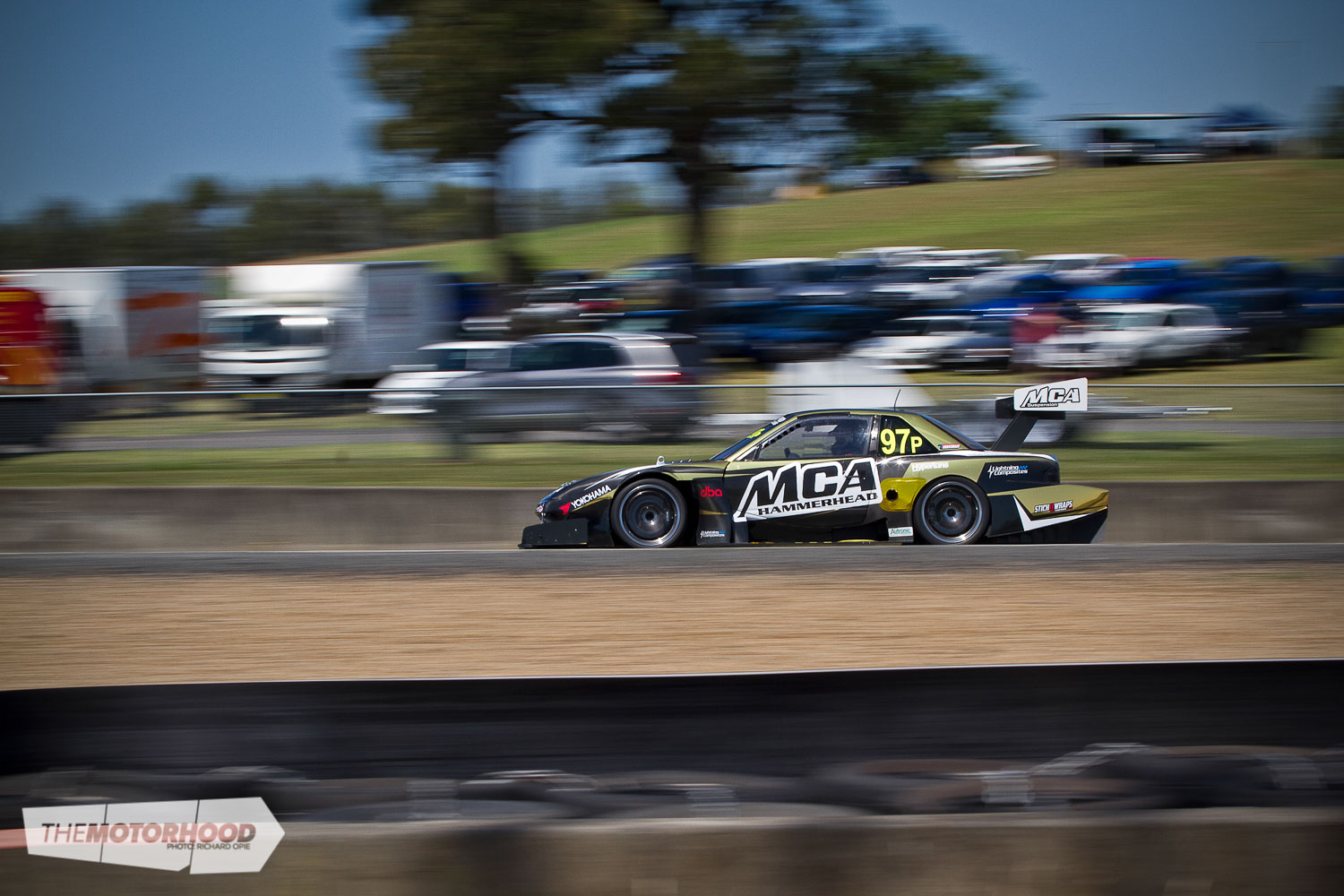
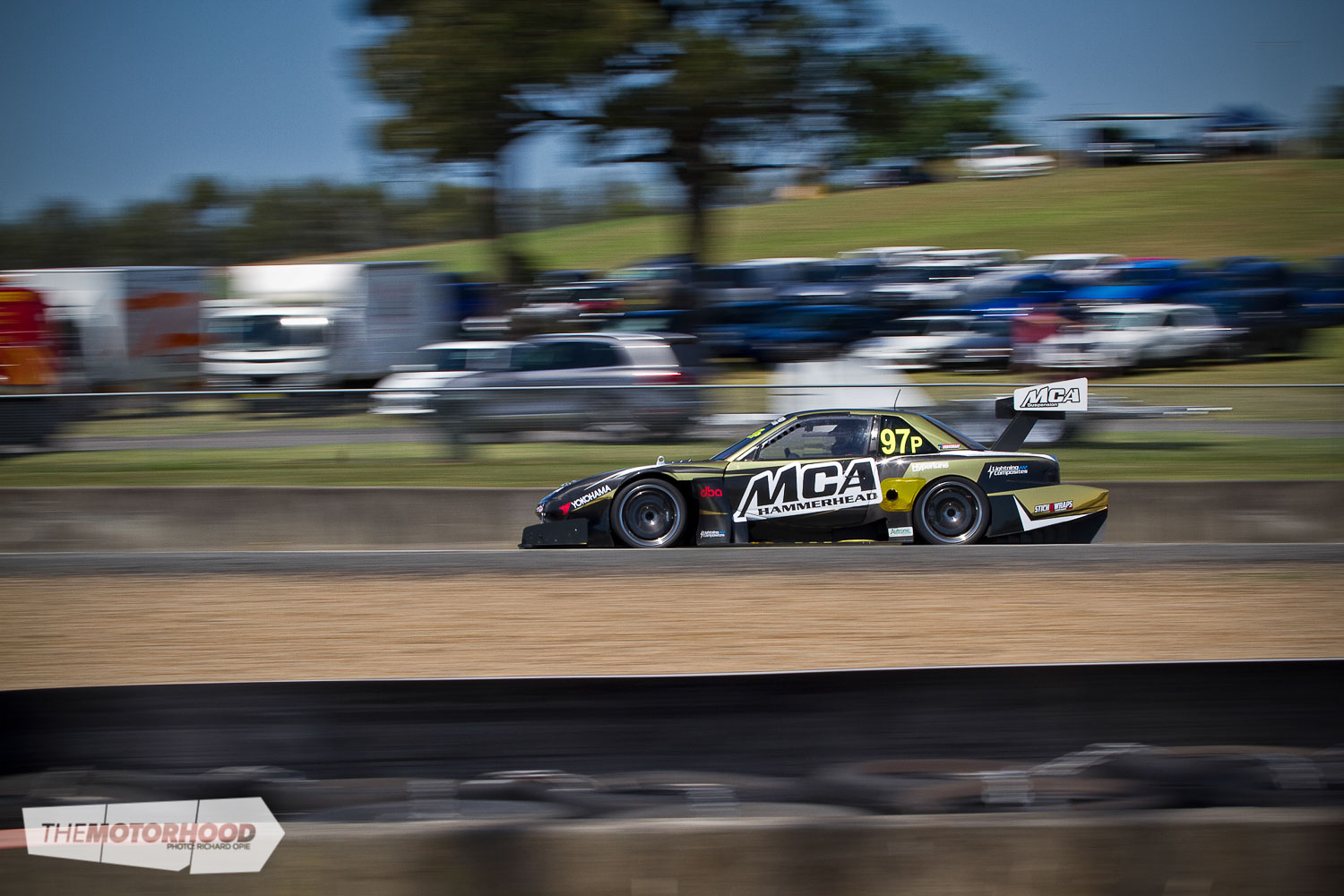
Second place went to Kiwi-born Shane van Gisbergen in the MCA Suspension Nissan Silvia S13. A hard-tuned SR20 and a full-carbon S13 body helped the team to get to the top of the game, but it was Shane that sealed the deal, with talent rarely seen these days. The team’s fastest time during the weekend was a 1:25.371. During Saturday’s final shootout, Shane put on a spectacular show, sliding his way around the circuit, as he knew he wouldn’t be able to better his time in the rainy conditions.
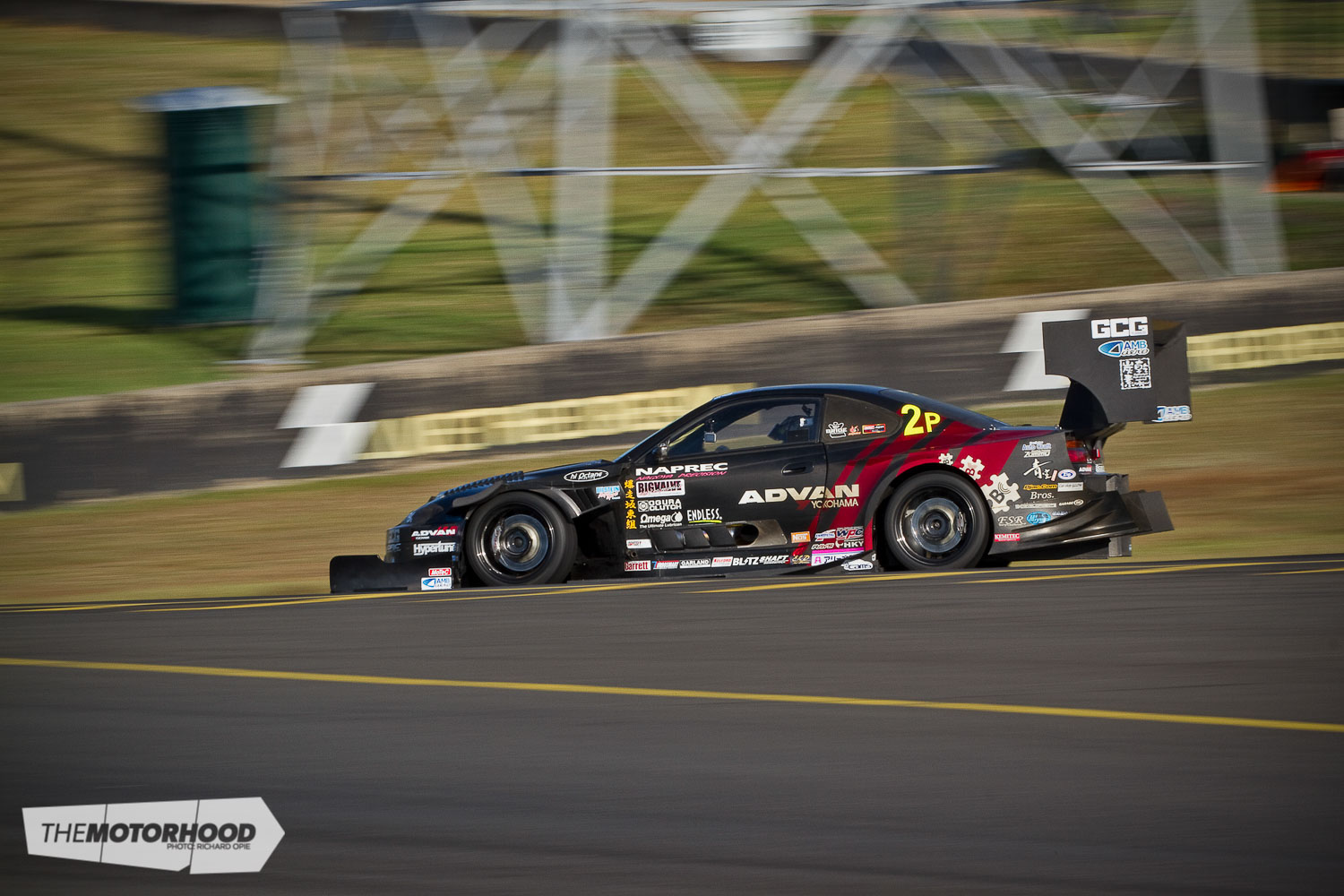
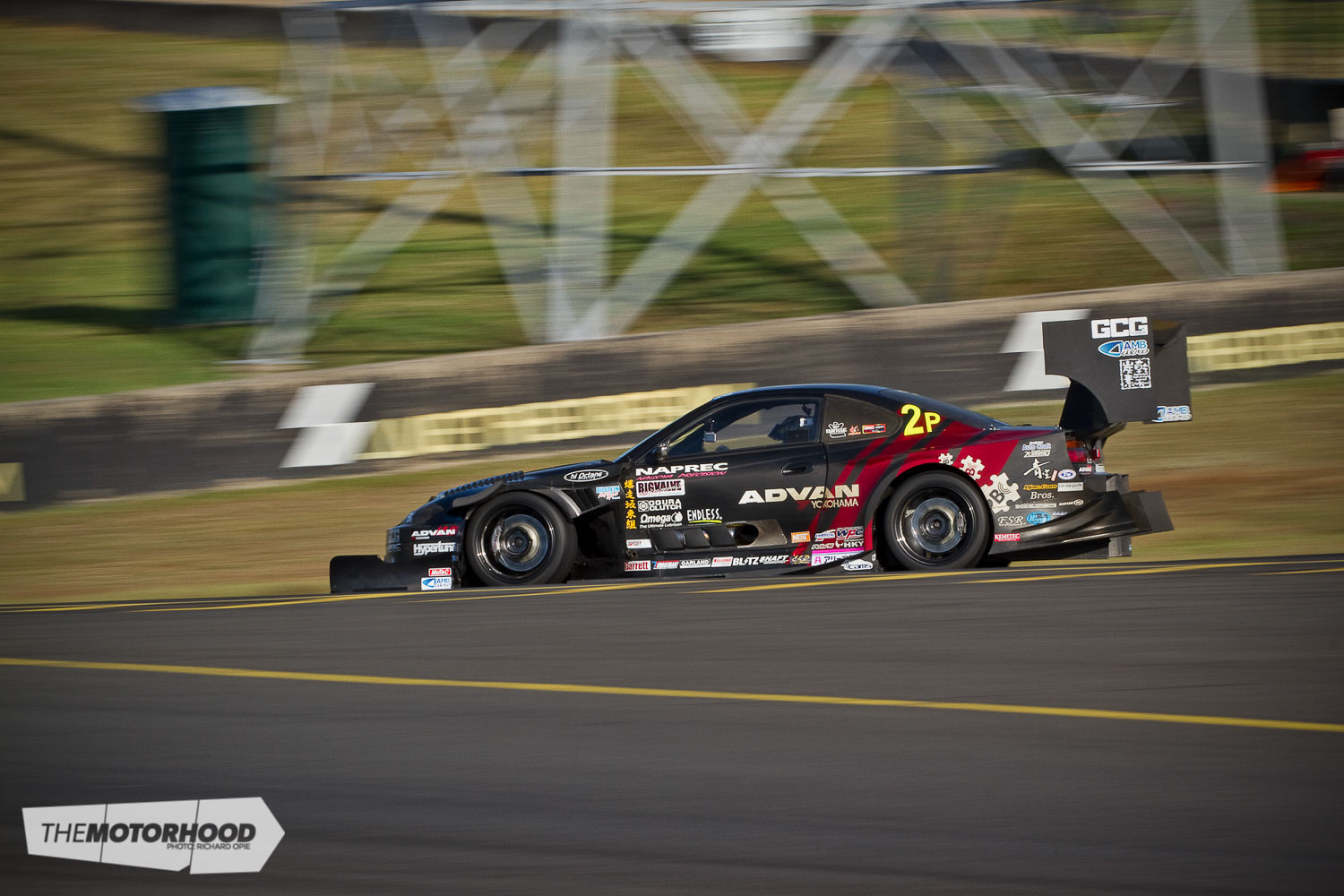
Third place in Pro Open went to Under Suzuki. The commentators mentioned during the livestream that Under Suzuki ran through four engines during the week, with the last SR20 finally calling it quits in the first Pro Open session on Saturday. It was devastating to see this happen to their team, as the work they’ve gone through tops most, and their team truly believed the S15 Silvia had low 1:20s in it. Third place is still an impressive feat, and we have no doubt that we’ll see him back out in force next year.
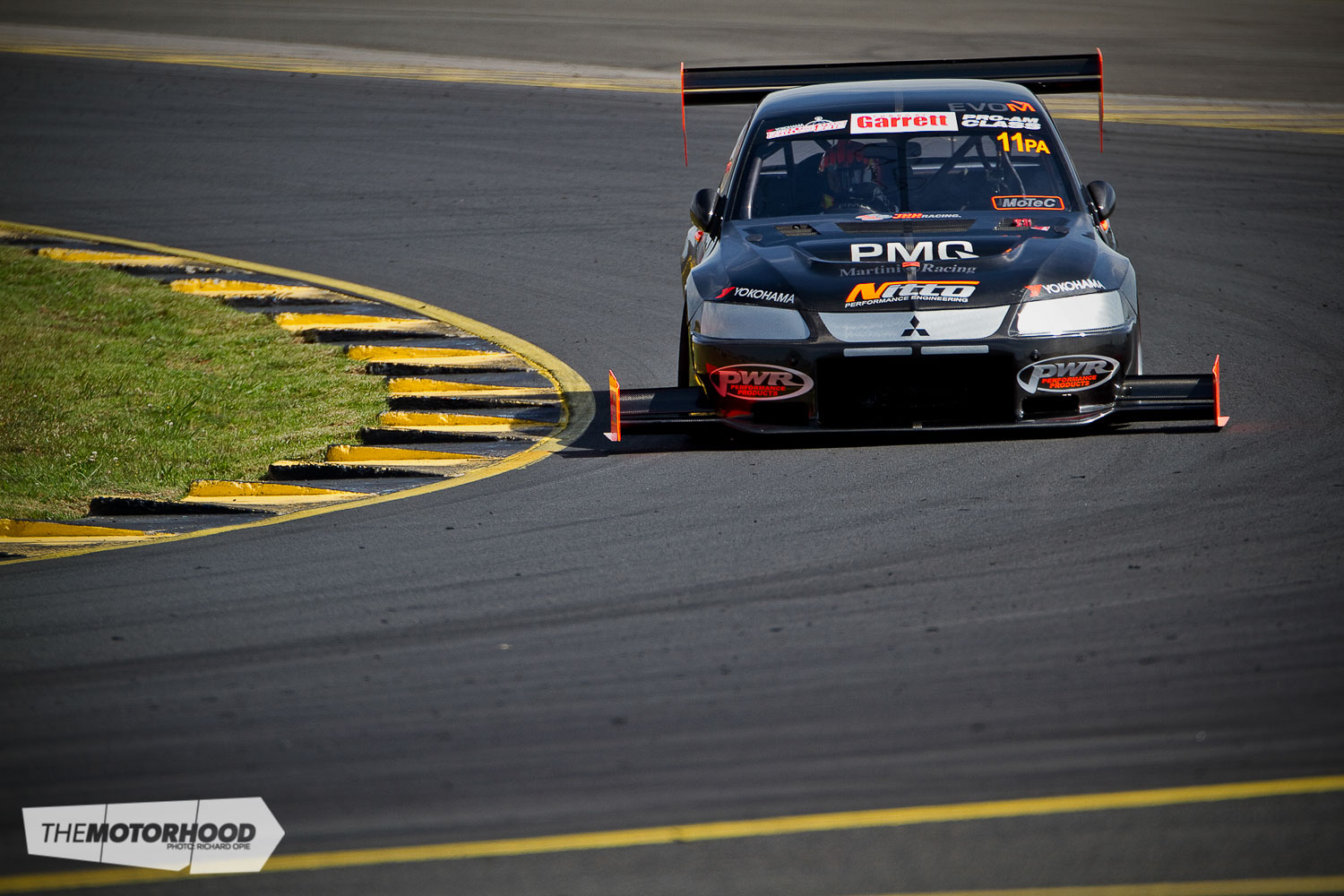
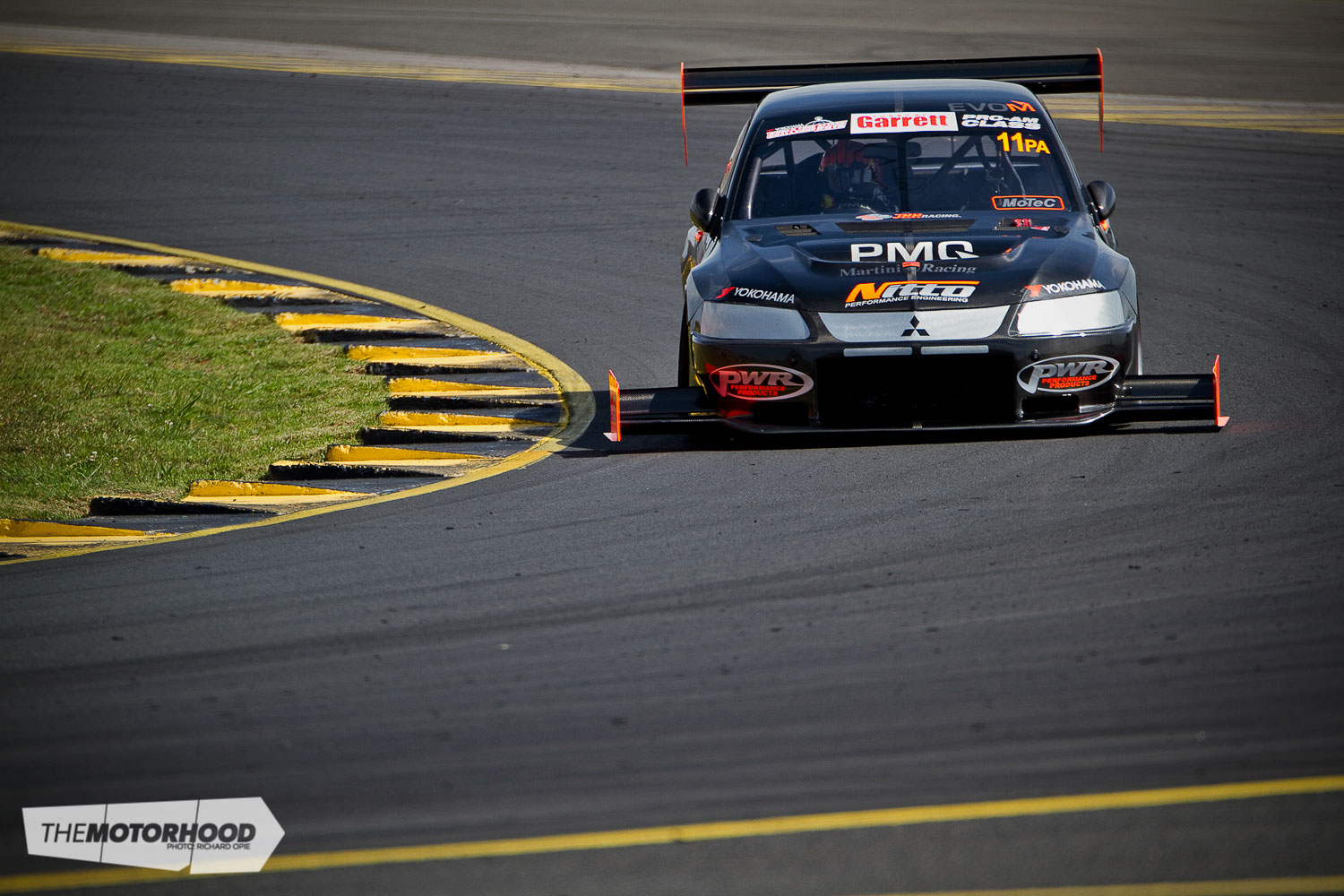
Other impressive feats included the PMQ Racing Mitsubishi Lancer Evolution IX in Pro Am, which managed to dip down low into the 1:25s. snatching a 1:25.757. The sparks this thing produces with its titanium-capped front wing is exciting to watch, to say the least.
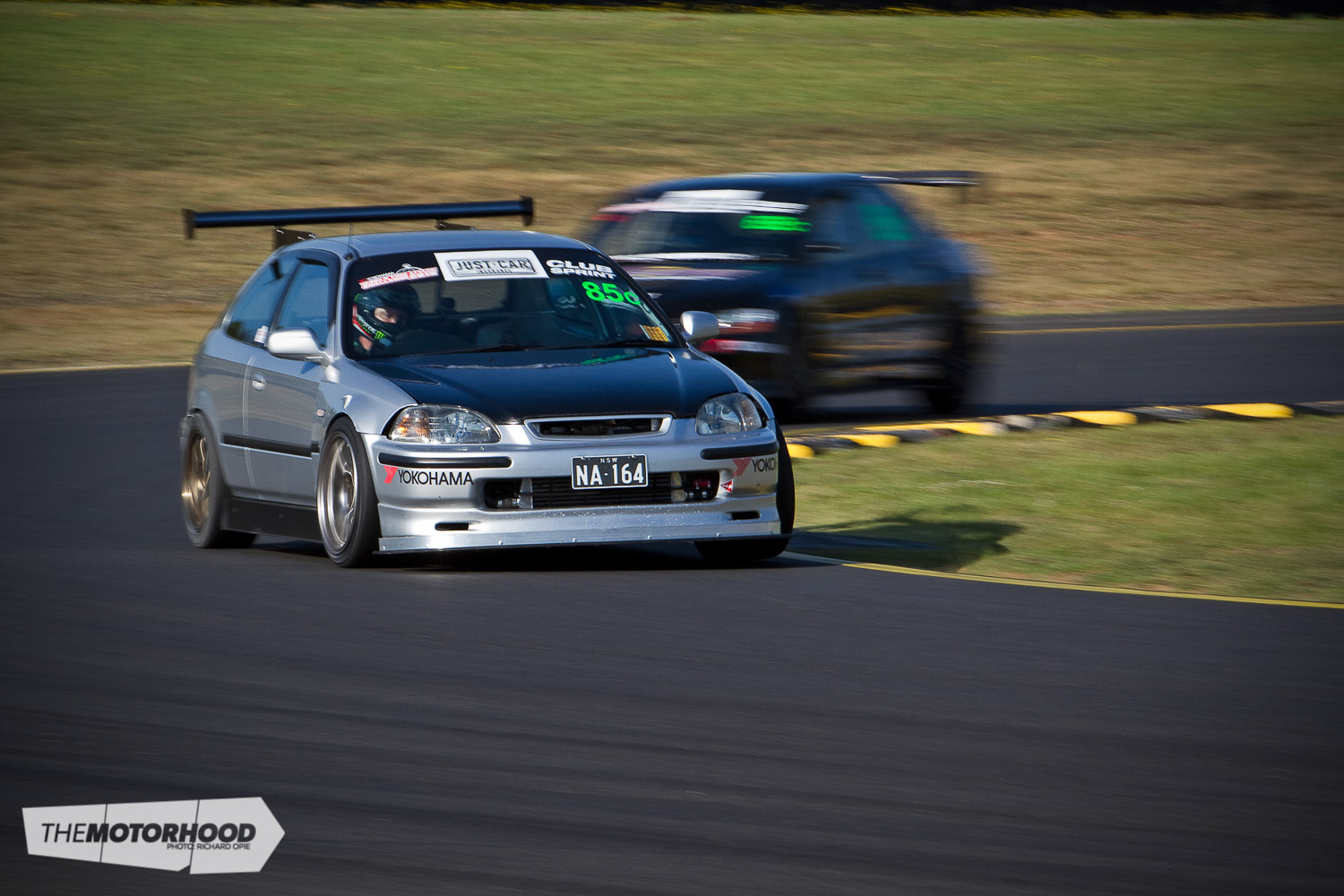
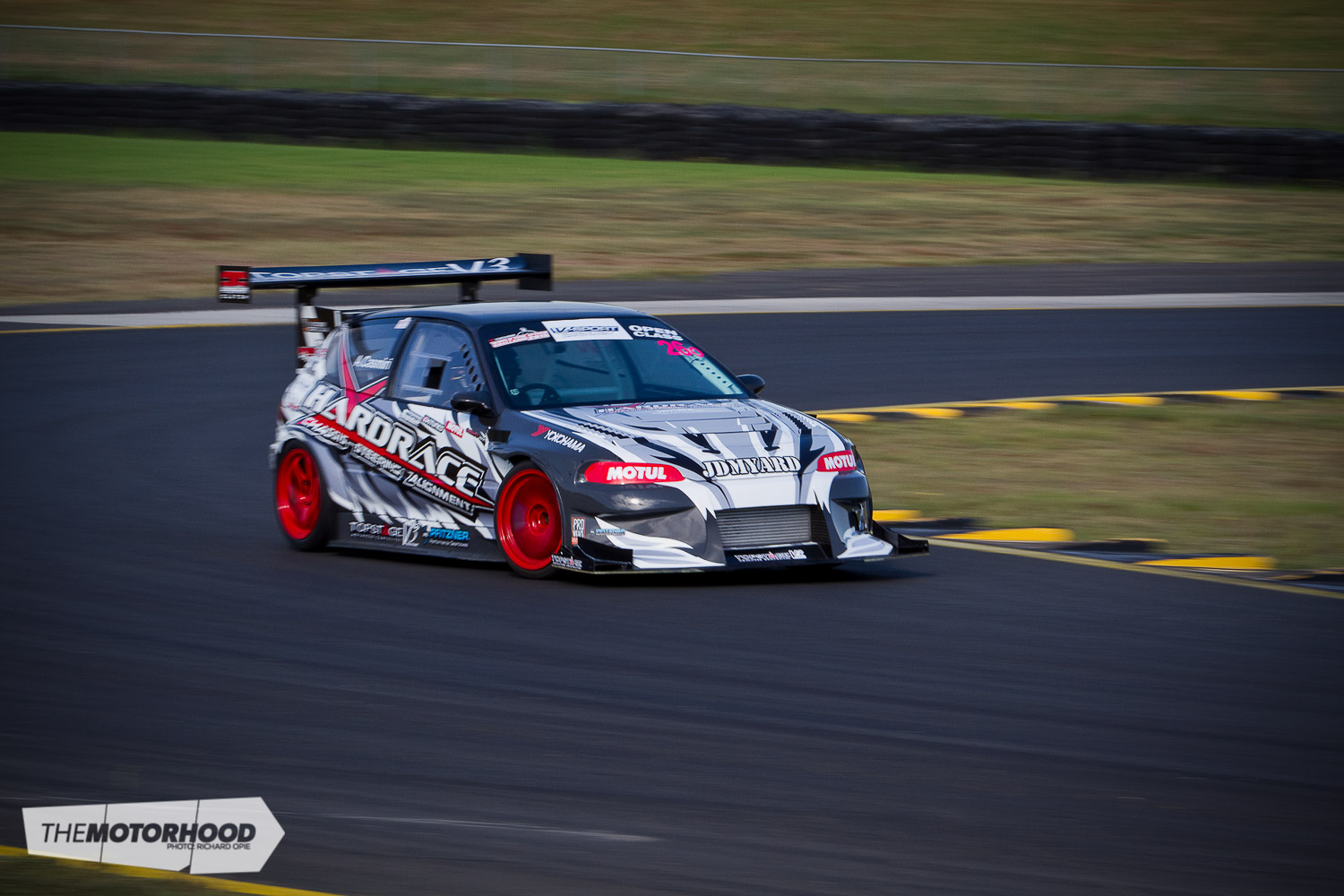
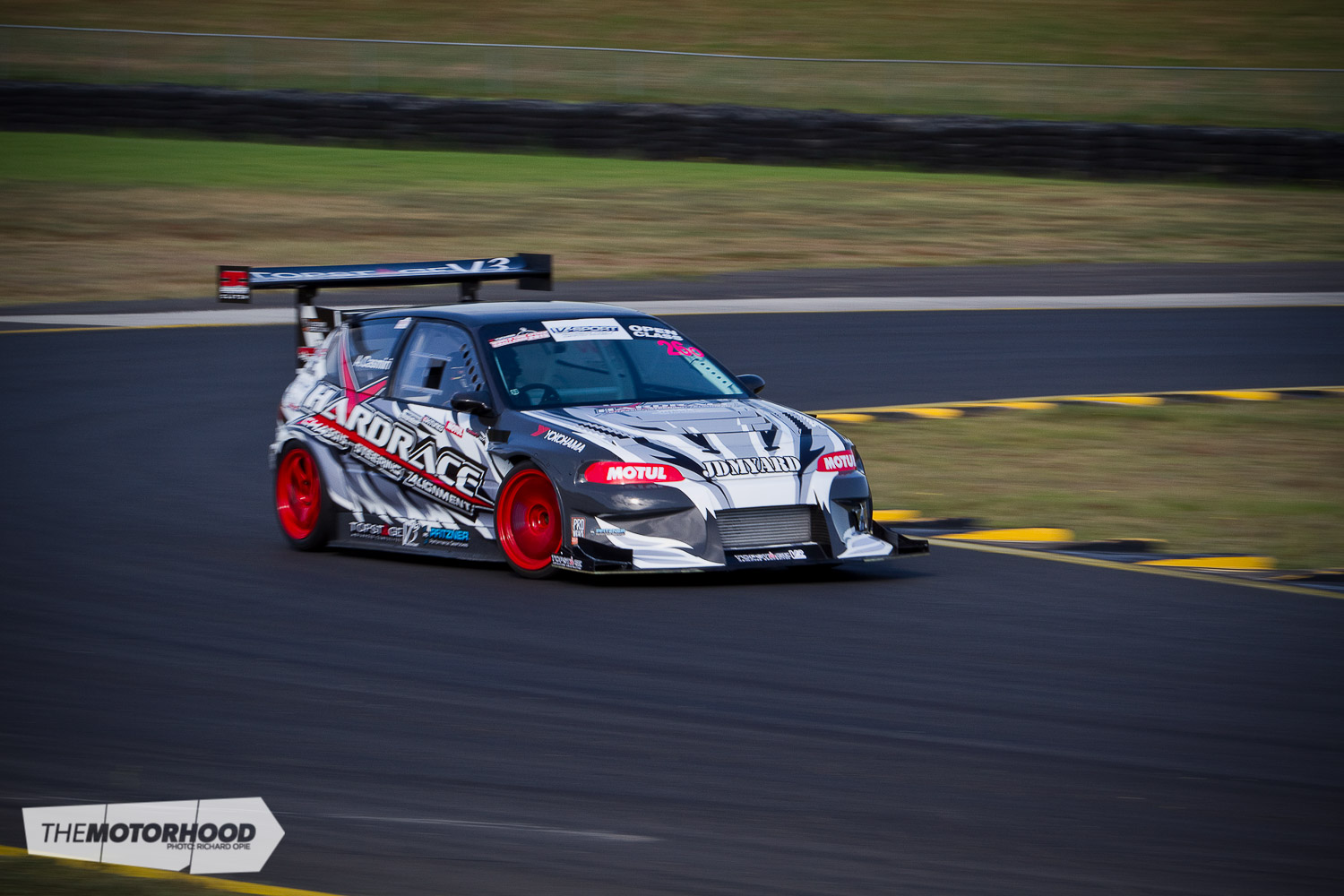
There were three Hondas representing the front-wheel drive H-brand extremely well this year, and there’s no doubt it caused it a bit of upset in the all-wheel drive and rear-wheel drive community. Rob Nguyen’s Pro Am Mighty Mouse 101 Honda CR-X managed to dip into the 1:29s with a 1:29.527; Adam Casmiri’s JDM Yard Honda Civic managed to take out V-Sport Open class with a 1:30.701; and Daniel Meredith from BYP Racing managed to clean up Clubsprint class with a 1:39.447 in his Honda Civic EK. You can be proud, Honda fans, as this is no easy feat.
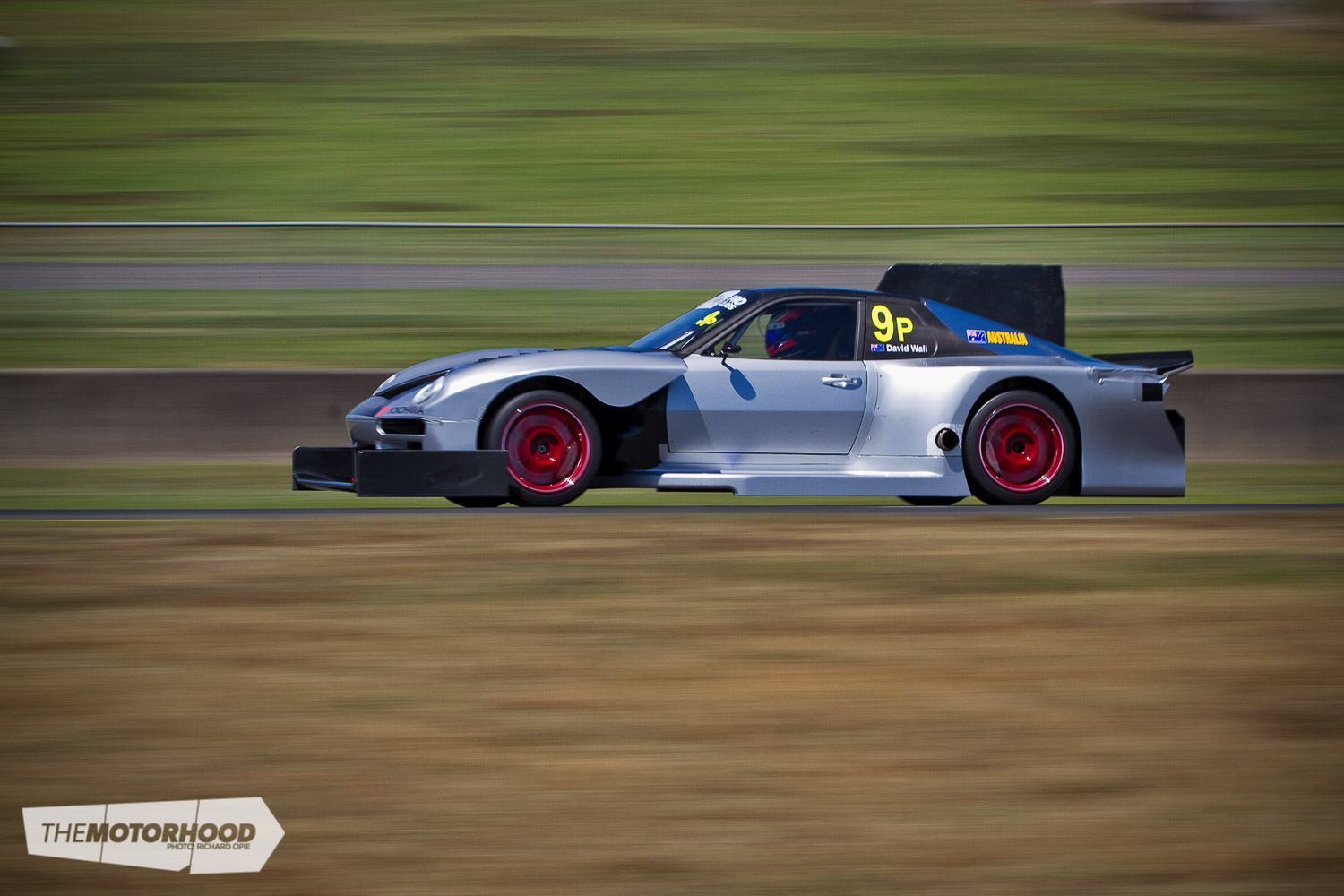
I’m hoping this international spotlight provides a little motivation for our local Prowear NZ Superlap series, as we have our own exciting race tracks on offer here in New Zealand. If more people get involved in New Zealand, there will be more Kiwis quick enough to take on the world in a few years.