Shocking news: electric vehicle event coming to Christchurch

27 October, 2015


A  new electric vehicle event is set to quietly take over the Mike Pero Motorsport Park in Ruapuna in late November. EVolocity is being marketed as a fast-paced, innovative, and exciting motorsport event with an environmental twist — demonstrating electric vehicle performance and efficiency.

The event is the brainchild of the Association for the Promotion of Electric Vehicles (APEV), which aims to promote the use of electric vehicles and also encourage innovation in the future of transport.
“EVolocity is the first-ever day of electric motorsport in New Zealand, and we think that is pretty special. The sector is growing worldwide with technology and innovation taking electric vehicles to thrilling new places — I am sure those who visit EVolocity will see electric vehicles in a whole new light and some may even come away with a new passion,” says Rob McEwen, executive director of APEV.
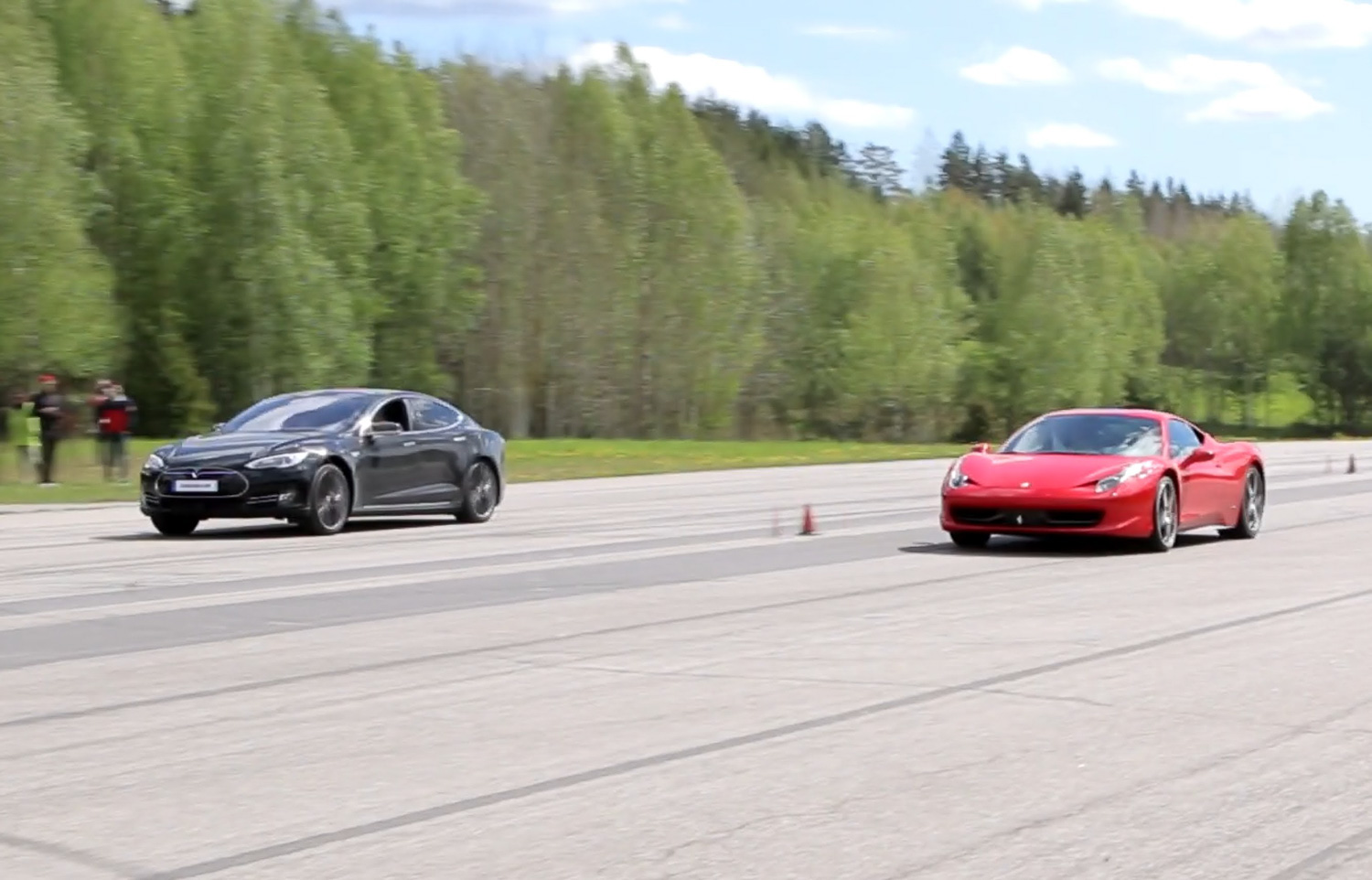
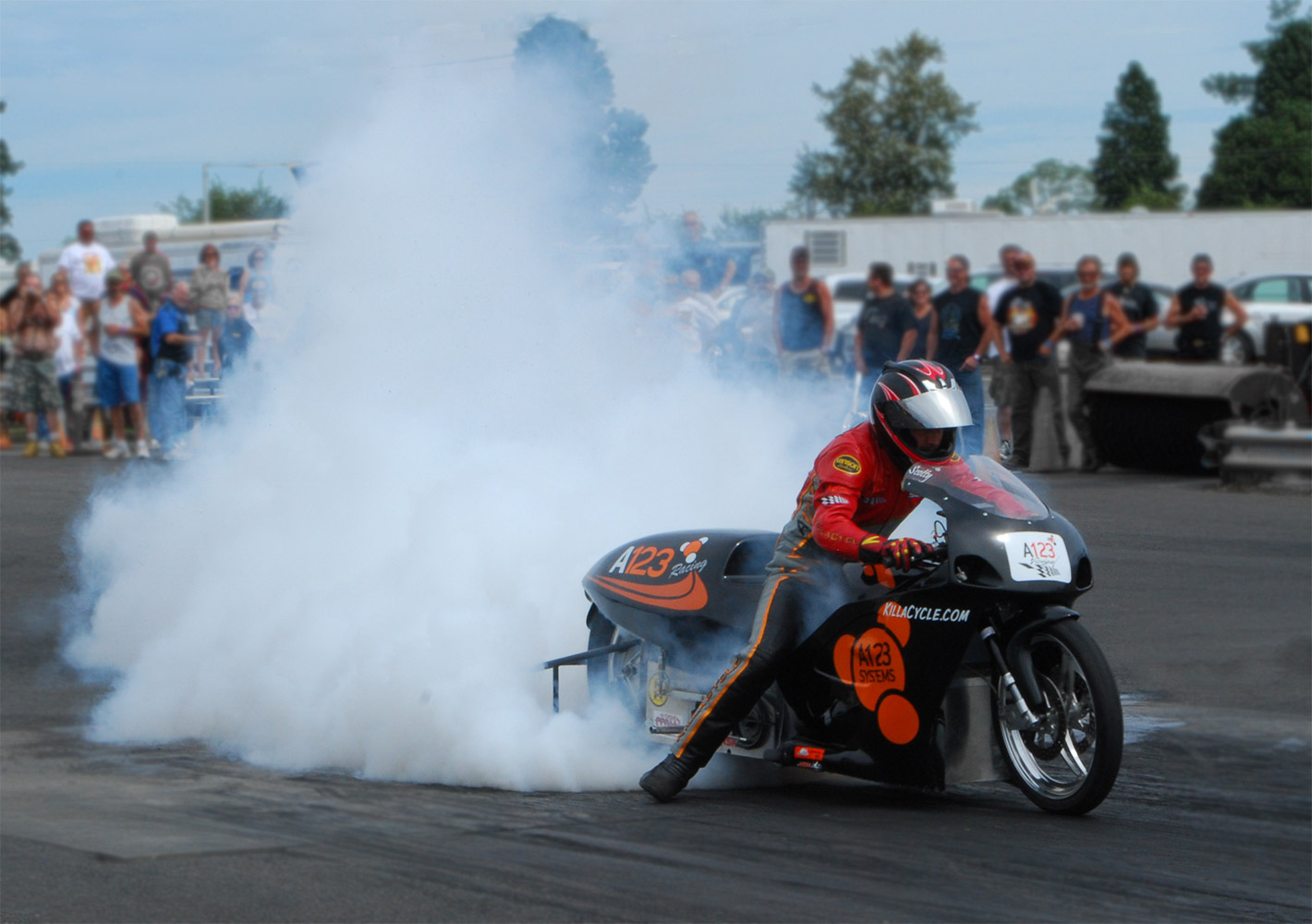
Event highlights are set to include a race between the world’s fastest electric drag motor bike and the fastest fuel-powered drag motor bike in the South Island; a race featuring 16 Canterbury high school teams, who have developed their own custom design and built electric vehicles; a showcase of three world record–holding electric vehicles from the US, plus New Zealand’s first Tesla S; and a race between a Ferrari and a Tesla Roadster.
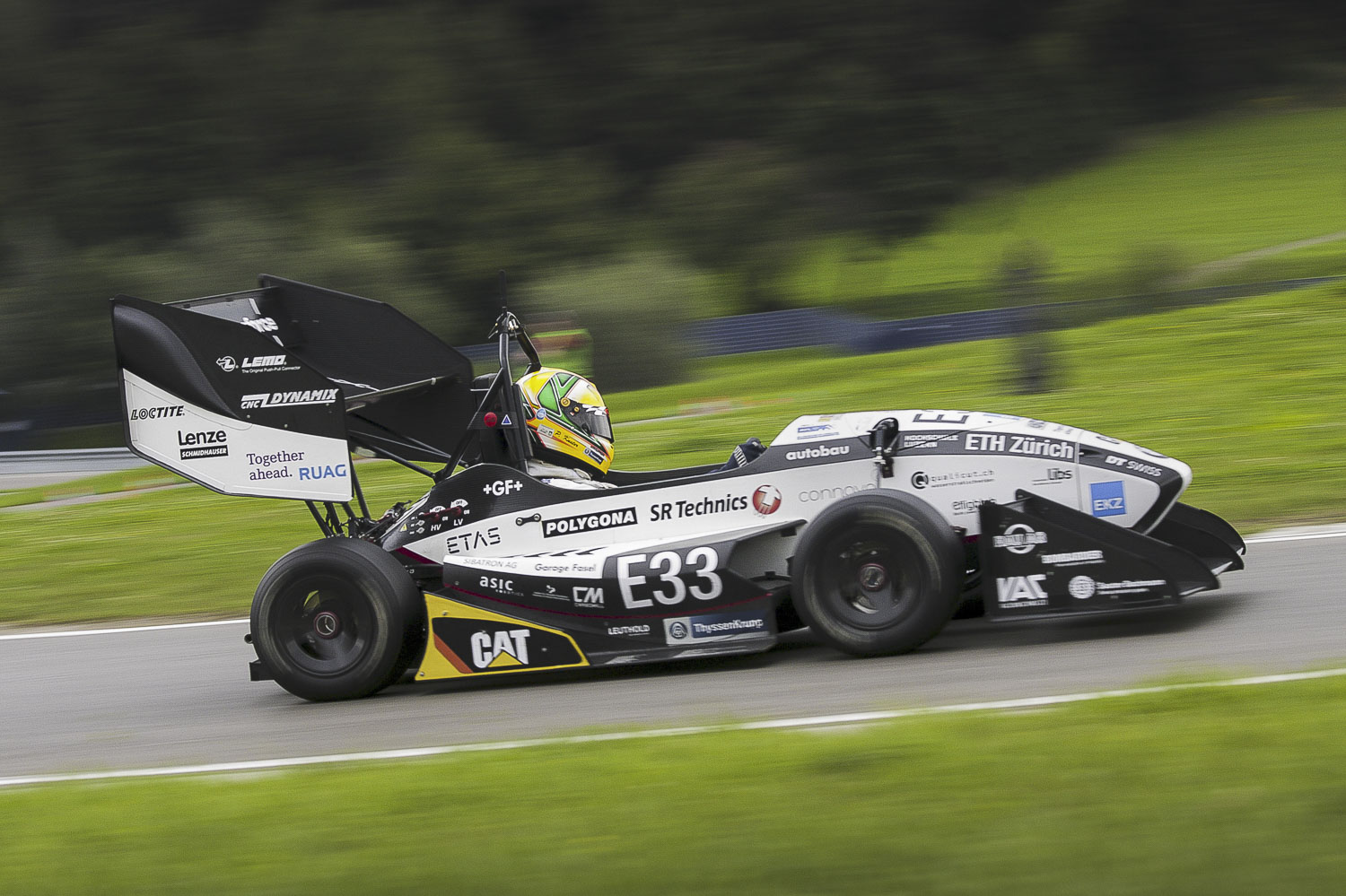
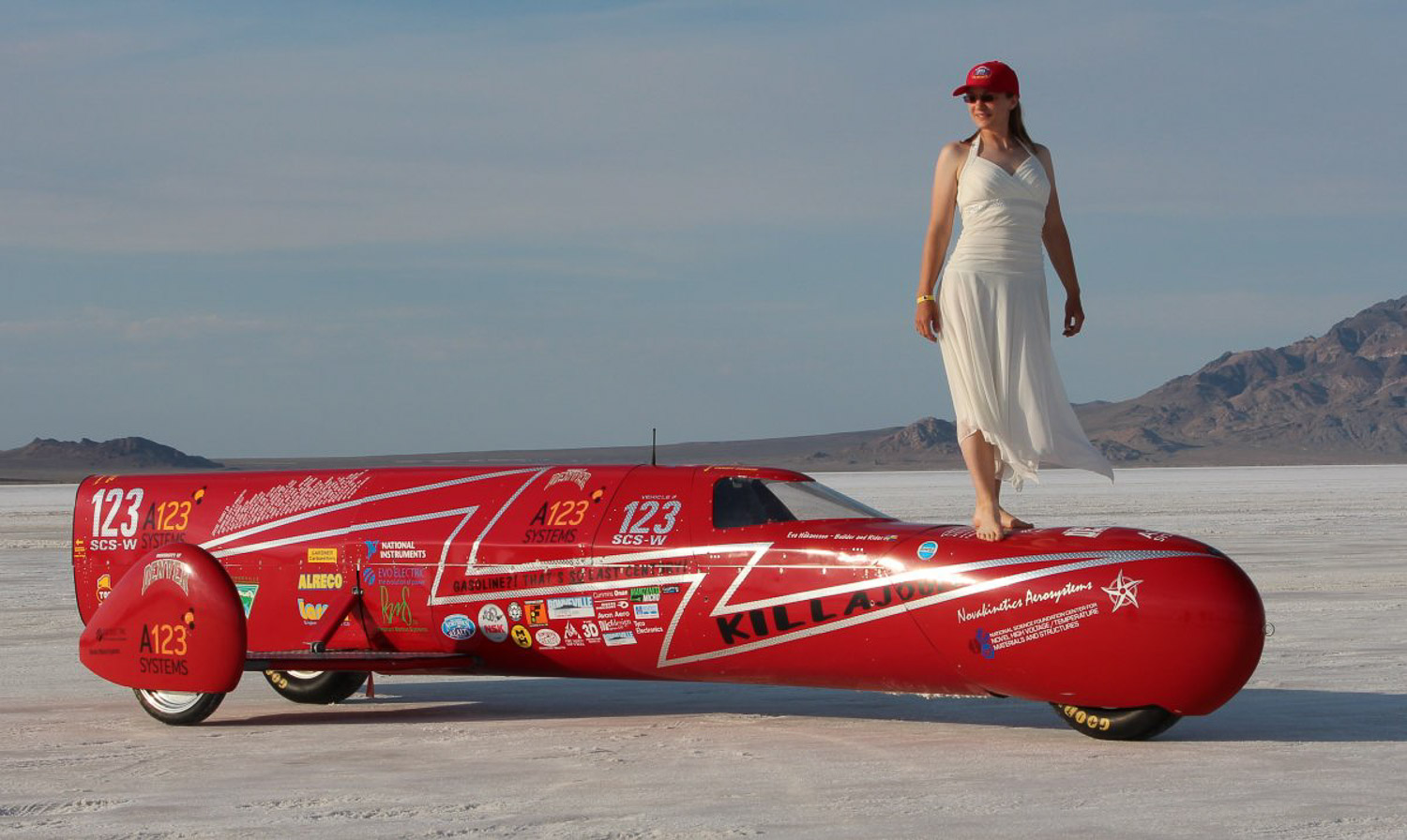
Besides the events themselves, there will be plenty to check out, including the chance to meet Eva Håkansson who holds the title of fastest electric motorcycle in the world (434kph), fastest sidecar motorcycle in the world, and fastest woman on a motorcycle in the world. Kevin Clemens who set 11 world, US National, and US East Coast land-speed records with electric motorcycles built in his Minnesota workshop will also be present.

If you’re keen on heading along, tickets are available through evolocity.co.nz.
Coaching from the bench: Casting plastic knobs and rubber parts

Casting rubber items is simple if you have a good original to work with. The item doesn’t have to be perfect. You can use plasticine to smooth out cracks, and you can even make whole prototypes out of low-fire modelling clay available from craft stores if you need to. Prototypes can also be made of wood or metal.
You will need mould dams to contain the liquid urethane moulding solution until it cures. You can build boxes out of strips of wood, but I have found that small plastic boxes and bowls such as those you would use for leftovers in your fridge work well if you spray them with a mould release agent.
Temperature is important to the chemical processes involved, so work in an area that can be maintained at around 20 degrees. You will also need adequate ventilation because the fumes can be dangerous to breathe. And you will want to wear latex gloves to protect your hands.

Fraser Cars – low flying into the fourth decade

With almost three and a half decades under its belt, Fraser Cars is one of New Zealand’s longest-surviving car manufacturers. The company first opened its doors for business in 1988, during the boom time for kit manufacturers. During the ’80s, around 40 different companies were building kits and turnkey cars for this niche market. Of those, only Fraser and Almac Cars (established 1981) are still in business today.
Most of the new kit car companies were killed off in the cradle by the threat of new legislation that never eventuated and definitively by the sudden availability of high-performance Japanese cars when the floodgates to second-hand imports were opened. The now long-retired founder of the company, Neil Fraser, first came across Lotus Seven replicas while racing Lotus Cortinas in the early ’80s. He regularly found himself racing against a little Caterham, a Lotus Seven–styled car built in England. He was very impressed by its simplicity and handling. In 1986 Fraser built his own Lotus Seven–type car, using the knowledge he had gained from several close looks at the Caterham.