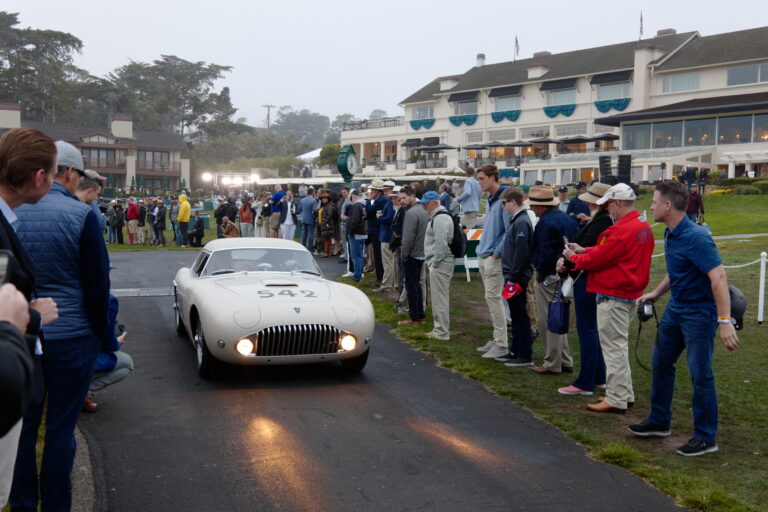
Targa New Zealand: day one pace setters lead the way

27 October, 2015

Still in front at the end of the second gruelling day (Tuesday, October 27) of Targa New Zealand 2015, Glenn Inkster and Spencer Winn (Mitsubishi Evo 8) have an impressive lead over five-time event winner Tony Quinn and co-driver Naomi Tillet (2008 Nissan GT-R) by just four minutes and 36 seconds.

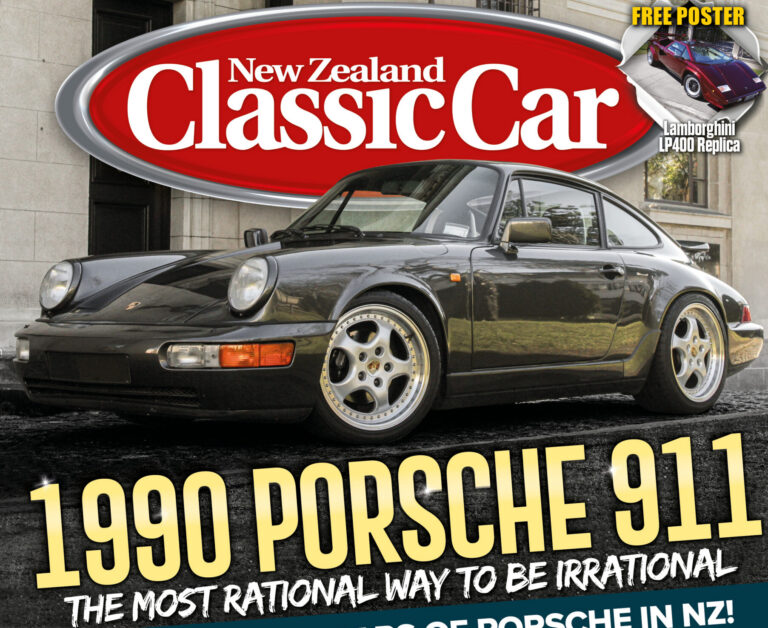
Information on both the main (six-day) 2015 Targa New Zealand and two-day Targa Regional Rally events can be found in the latest copy of (November 2015) New Zealand Classic Car magazine.

Results:

Andrew Simms Allcomers 4WD

  1. Glenn Inkster / Spencer Winn (2003 Mitsubishi Lancer Evo 8) 01:32:57
  2. Tony Quinn / Naomi Tillett (2008 Nissan GTR) 01:36:21
  3. Brian Green / Fleur Pedersen (Mitsubishi Lancer Evo X) 1:42:06
  4. David Rogers / Aidan Kelly (2009 Mitsubishi Lancer Evo X) 01:43:52
  5. Matthew Wales / Mitchell Osborne (2006 Mitsubishi Evolution 9) 01:46:17
  6. Graeme Wong / Kim Blatchley (1998 Subaru Impreza Type R) 01:48:15

Metalaman Classic 2WD

  1. Mark Kirk-Burnnand / Chris Kirk-Burnnand (1987 BMW M3) 01:40:49
  2. Bevan Claridge / Campbell Tannock (1992 Holden Commodore) 01:41:00
  3. Bruce Farley / Glen Warner (1986 BMW 325 325) 01:42:44
  4. Ashton Wood / Chris Lancaster (1976 Ford Escort RS1800) 01:45:38
  5. Keith Callinan / Mary Anne Callinan (1977 Ford Escort) 01:45:46
  6. Barry Kirk-Burnannd / Dave Ocarroll (1989 BMW M3) 01:46:54

Instra.com Modern 2WD

  1. Clark Proctor / Sue O’Neill (1973 Escort MK1) 01:39:36
  2. Martin Dippie / Jona Grant (2007 Porsche GT3 RS) 01:39:43
  3. Robert Darrington / David Abetz (2002 BMW M3) 01:41:45
  4. Grant Aitken / Caroline Cullimore (2013 Toyota 86 RC) 01:41:50
  5. Steven Kirk-Burnnand / Mick Hay (1994 BMW 318ti) 01:42:23
  6. Chris Lewis / Kieran Anstis (2013 Toyota TR86) 01:42:46
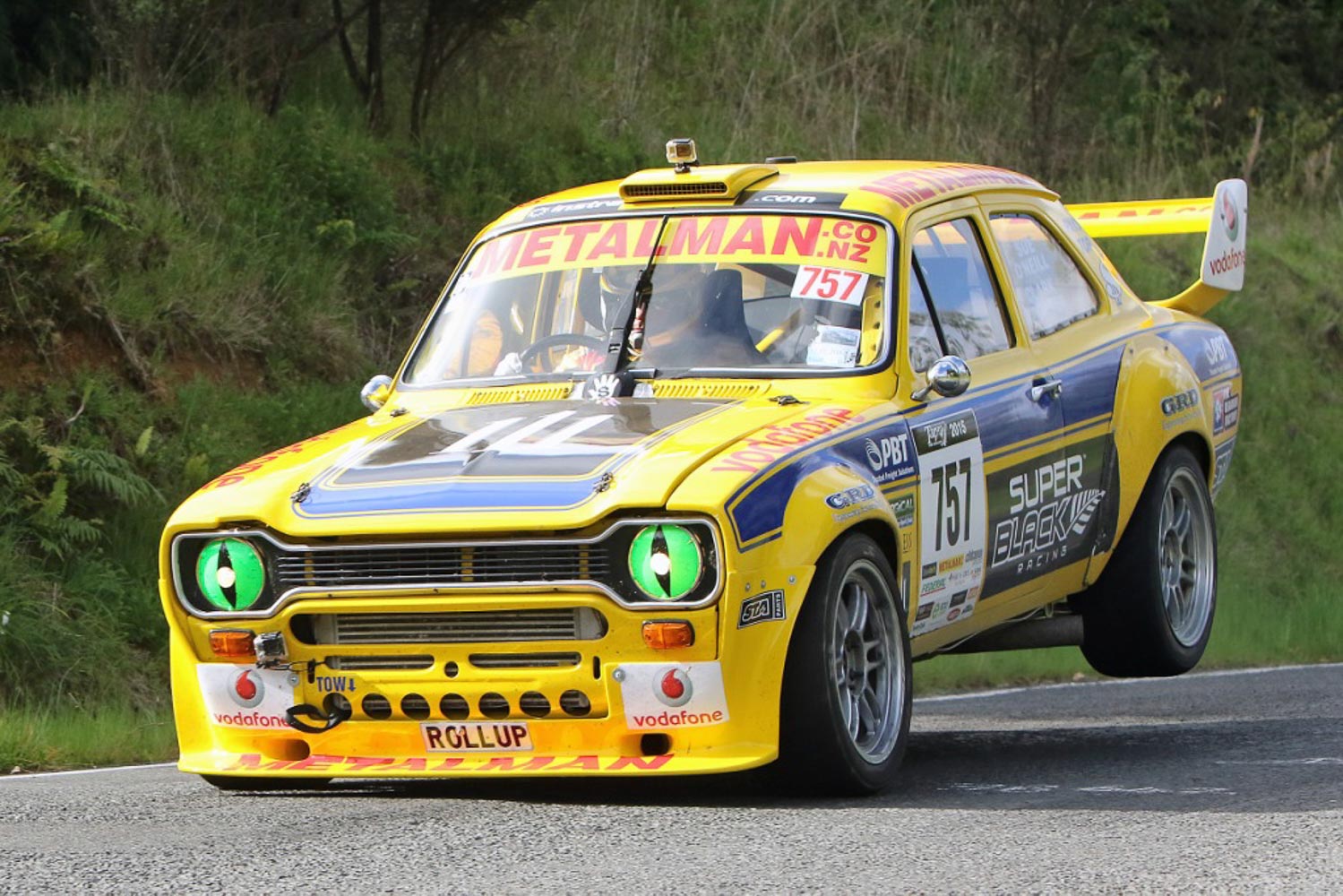
Also retaining their class lead in Instra.com Modern 2WD were Clark Proctor and Sue O’Neill (Ford Escort/Nissan V6)
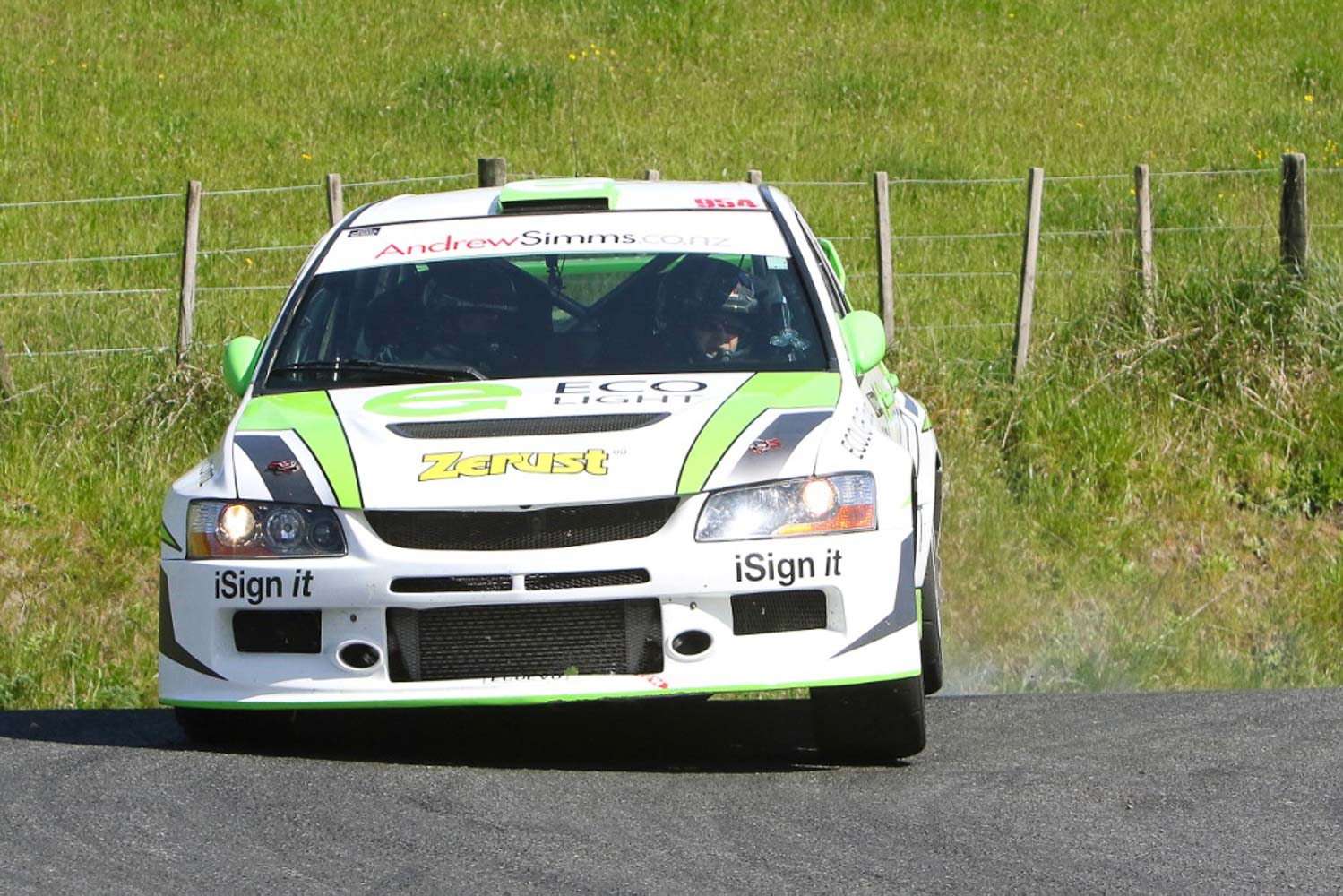
Defending Targa New Zealand title-holders Glenn Inkster and Spencer Winn extended their lead in the 2015 Targa New Zealand event from Auckland to Palmerston North
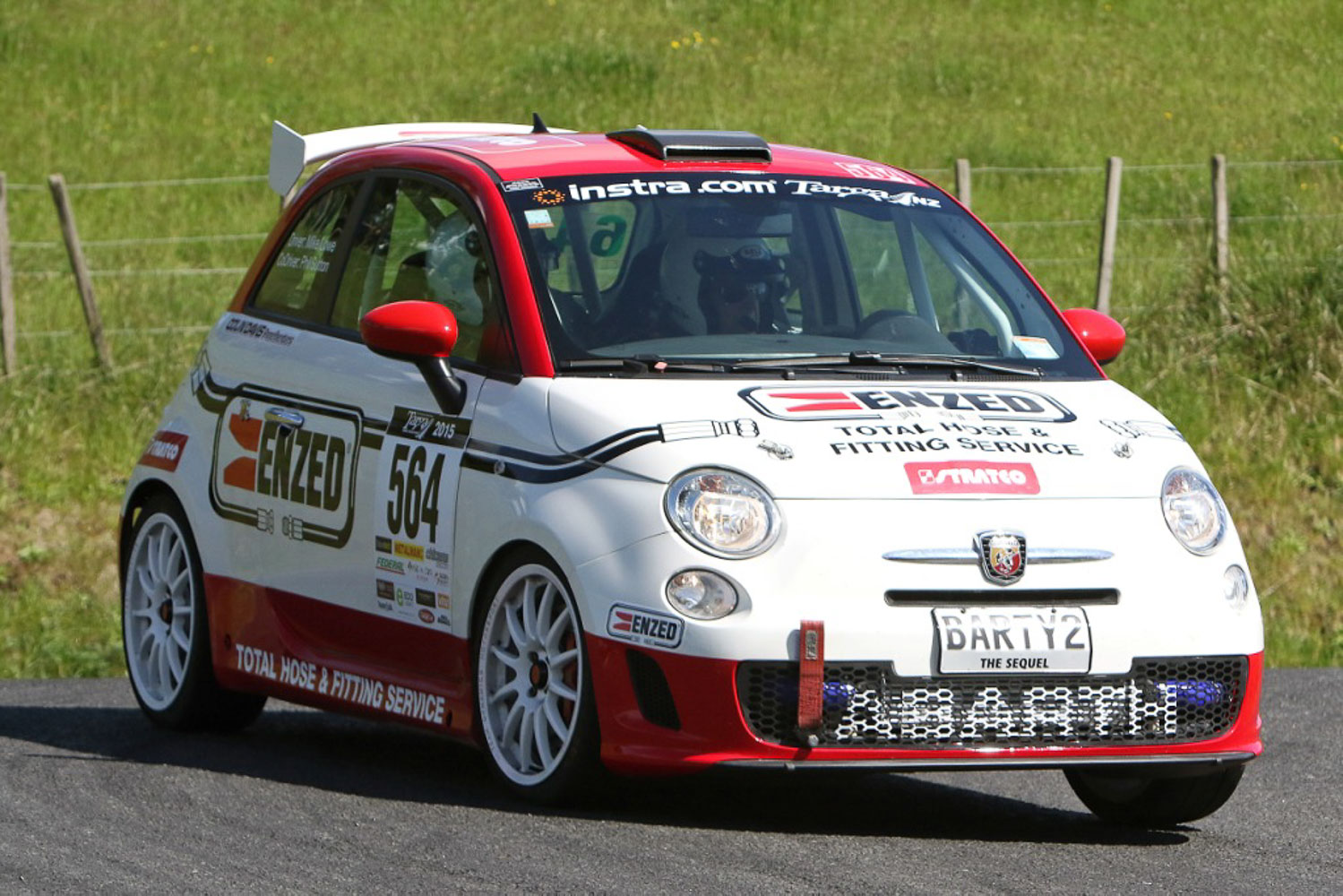
Meanwhile, getting the feel for their new car was Mike Lowe and co-driver Philip Sutton in the Enzed Abarth

Image credit: Fast Company / ProShotz
Coaching from the bench: Casting plastic knobs and rubber parts

Casting rubber items is simple if you have a good original to work with. The item doesn’t have to be perfect. You can use plasticine to smooth out cracks, and you can even make whole prototypes out of low-fire modelling clay available from craft stores if you need to. Prototypes can also be made of wood or metal.
You will need mould dams to contain the liquid urethane moulding solution until it cures. You can build boxes out of strips of wood, but I have found that small plastic boxes and bowls such as those you would use for leftovers in your fridge work well if you spray them with a mould release agent.
Temperature is important to the chemical processes involved, so work in an area that can be maintained at around 20 degrees. You will also need adequate ventilation because the fumes can be dangerous to breathe. And you will want to wear latex gloves to protect your hands.

Fraser Cars – low flying into the fourth decade

With almost three and a half decades under its belt, Fraser Cars is one of New Zealand’s longest-surviving car manufacturers. The company first opened its doors for business in 1988, during the boom time for kit manufacturers. During the ’80s, around 40 different companies were building kits and turnkey cars for this niche market. Of those, only Fraser and Almac Cars (established 1981) are still in business today.
Most of the new kit car companies were killed off in the cradle by the threat of new legislation that never eventuated and definitively by the sudden availability of high-performance Japanese cars when the floodgates to second-hand imports were opened. The now long-retired founder of the company, Neil Fraser, first came across Lotus Seven replicas while racing Lotus Cortinas in the early ’80s. He regularly found himself racing against a little Caterham, a Lotus Seven–styled car built in England. He was very impressed by its simplicity and handling. In 1986 Fraser built his own Lotus Seven–type car, using the knowledge he had gained from several close looks at the Caterham.