Sad news came across our desk today that New Zealand rugby icon Jonah Lomu passed away at the age of 40. While almost every Kiwi over the age of ten years old will know his name due to his rugby prowess and spin-off marketing contracts, there was another side to the ‘Big Man’.
What’s not known by most is how much of a car guy he was, and for those of us who know him personally, that’s what we’ll remember him for the most.
Like many growing up in South Auckland, Lomu’s dream was for big audio systems, and as his fame and finances grew, that’s an area he spent plenty of time working on. Starting as a privateer, he soon grabbed the attention of New Zealand audio brand Fusion, and became the global marketing face for it. This saw his Nissan Patrol soon become the loudest SPL vehicle in the country, and an even more ambitious Ford Transit van project embarked on.
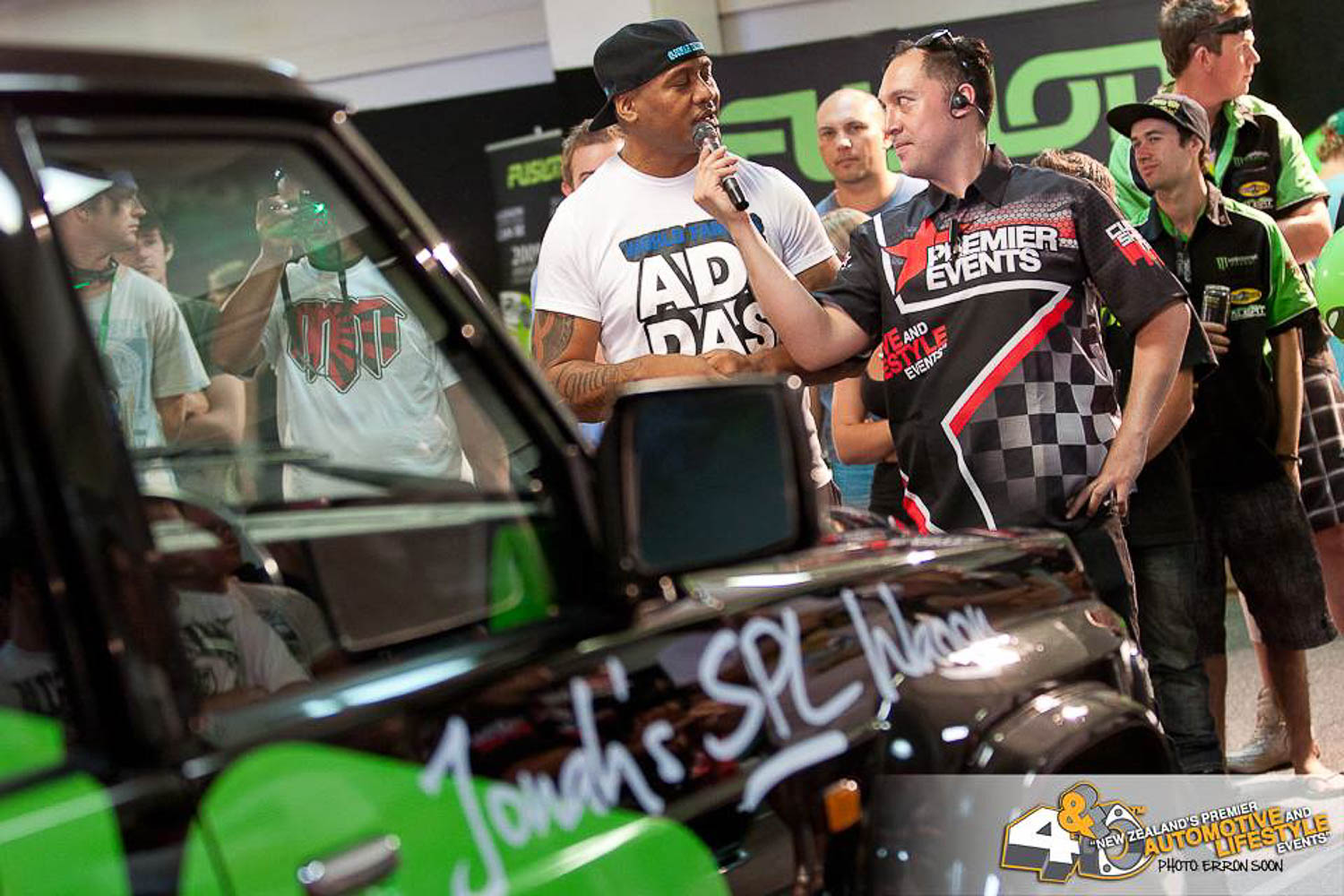
Like most others though, he was also a fan of horsepower, and, as such, always had something impressive in the garage. Back in the late ’90s when I personally spent quite a bit of time with him, he had the latest, at the time, HSV, of which everyone was generally blown away by its ‘massive 20-inch wheels’ and impressive audio set-up. The irony was, he’d chuck the keys to anyone, and I remember being told many a time to take it out and skid it up …
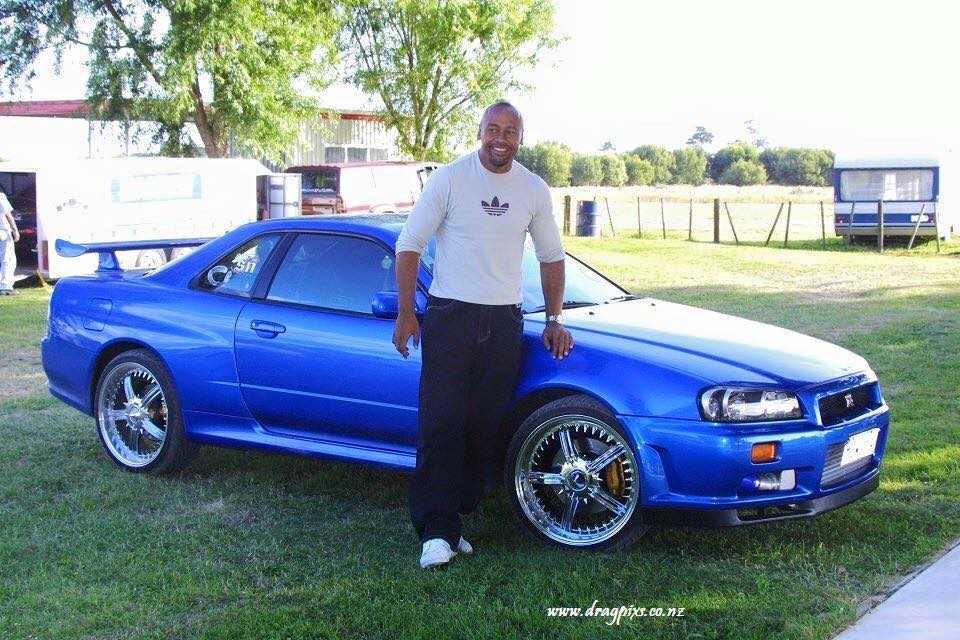
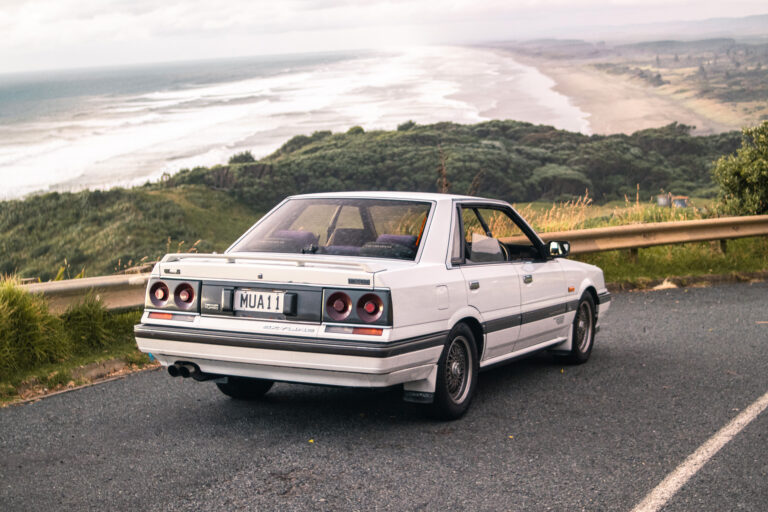
When the R34 Nissan GT-R was released in 1999, Jonah was one of the few who could afford one, and soon became well known for it. Over the years the car gained more and more power, but was soon seen more in the hands of his good friend and tuner Arnie, while Lomu drove other cars. Included in those was a more subtle R32 GT-R, and a way less subtle Lamborghini, and even a Hummer at times.
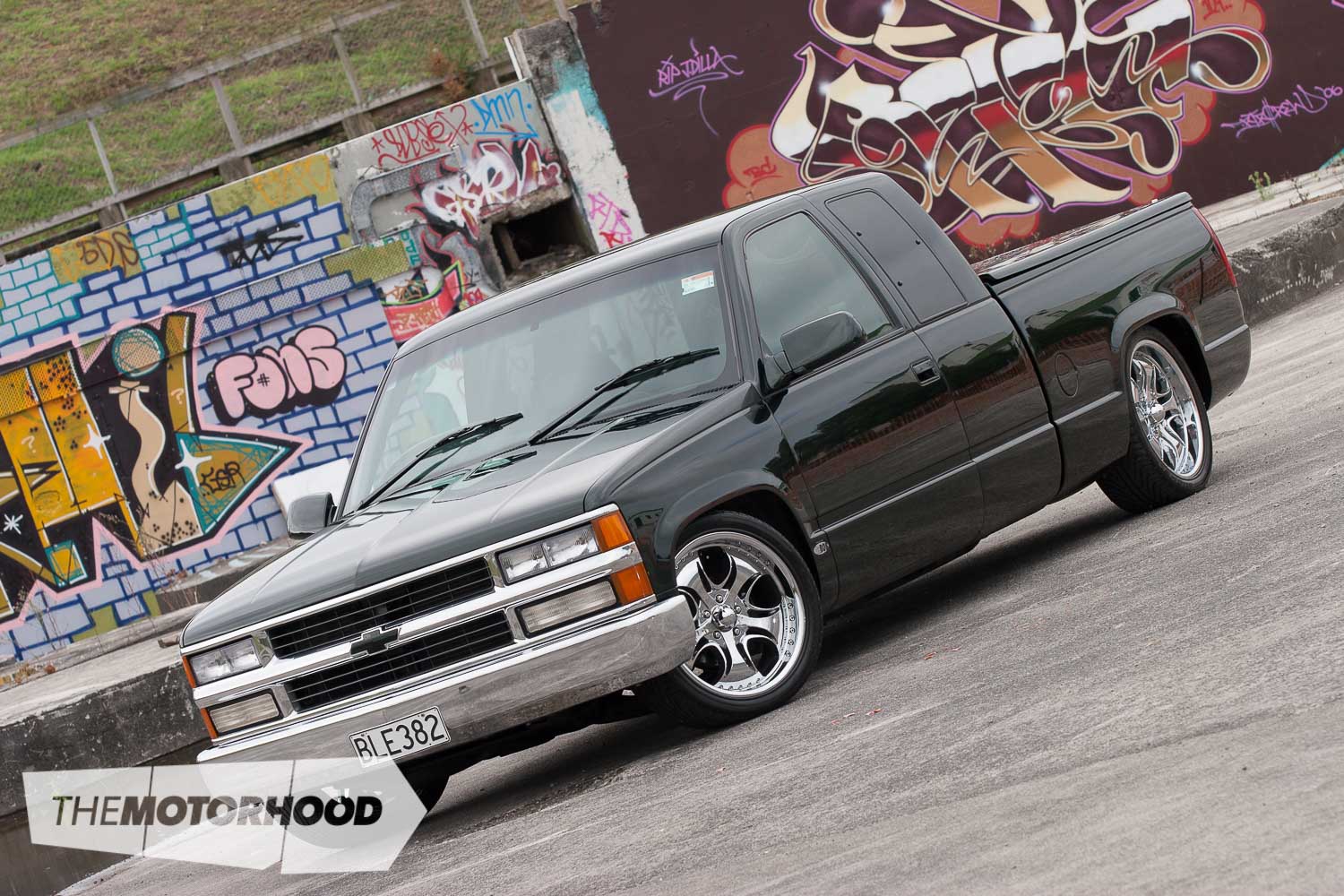


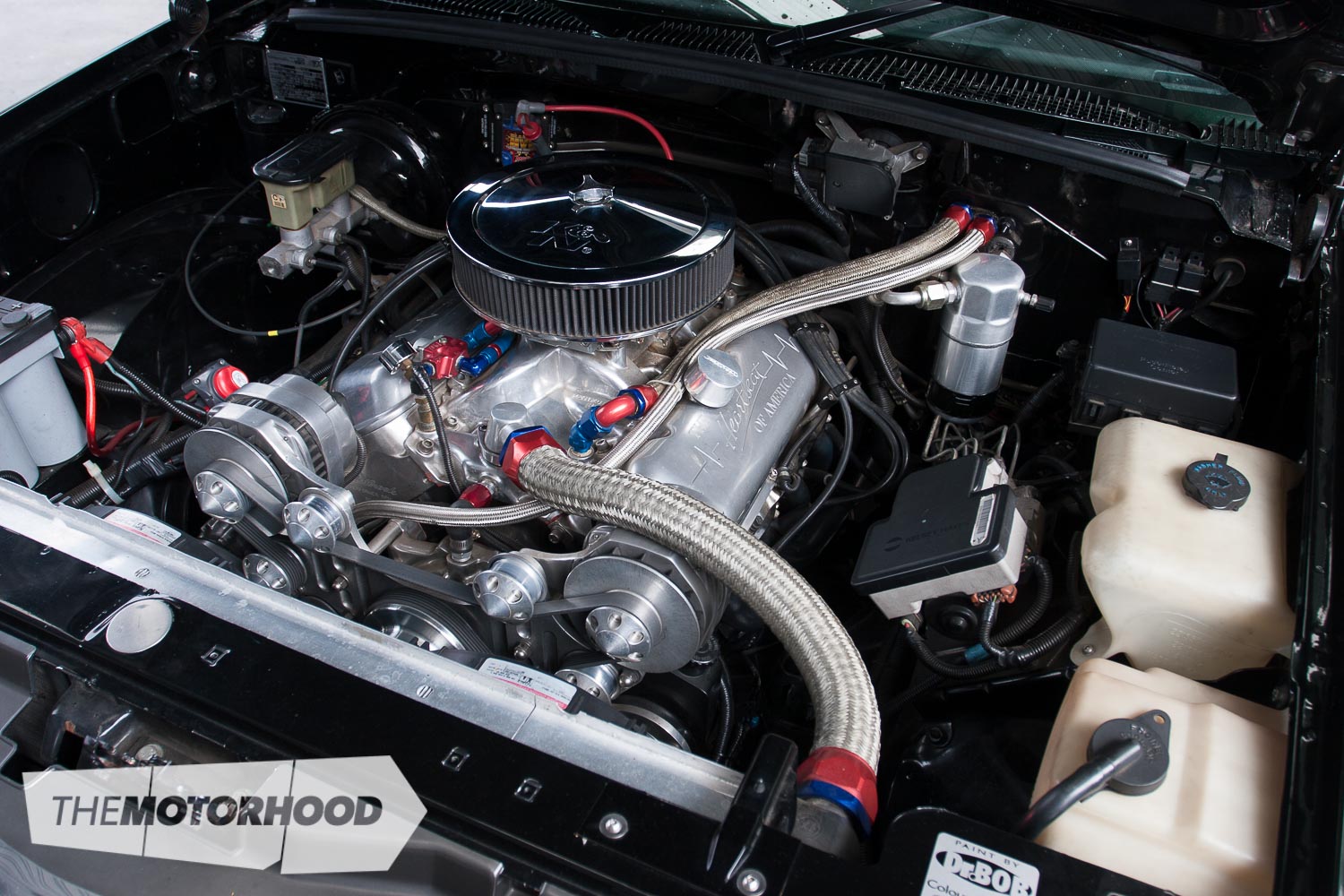
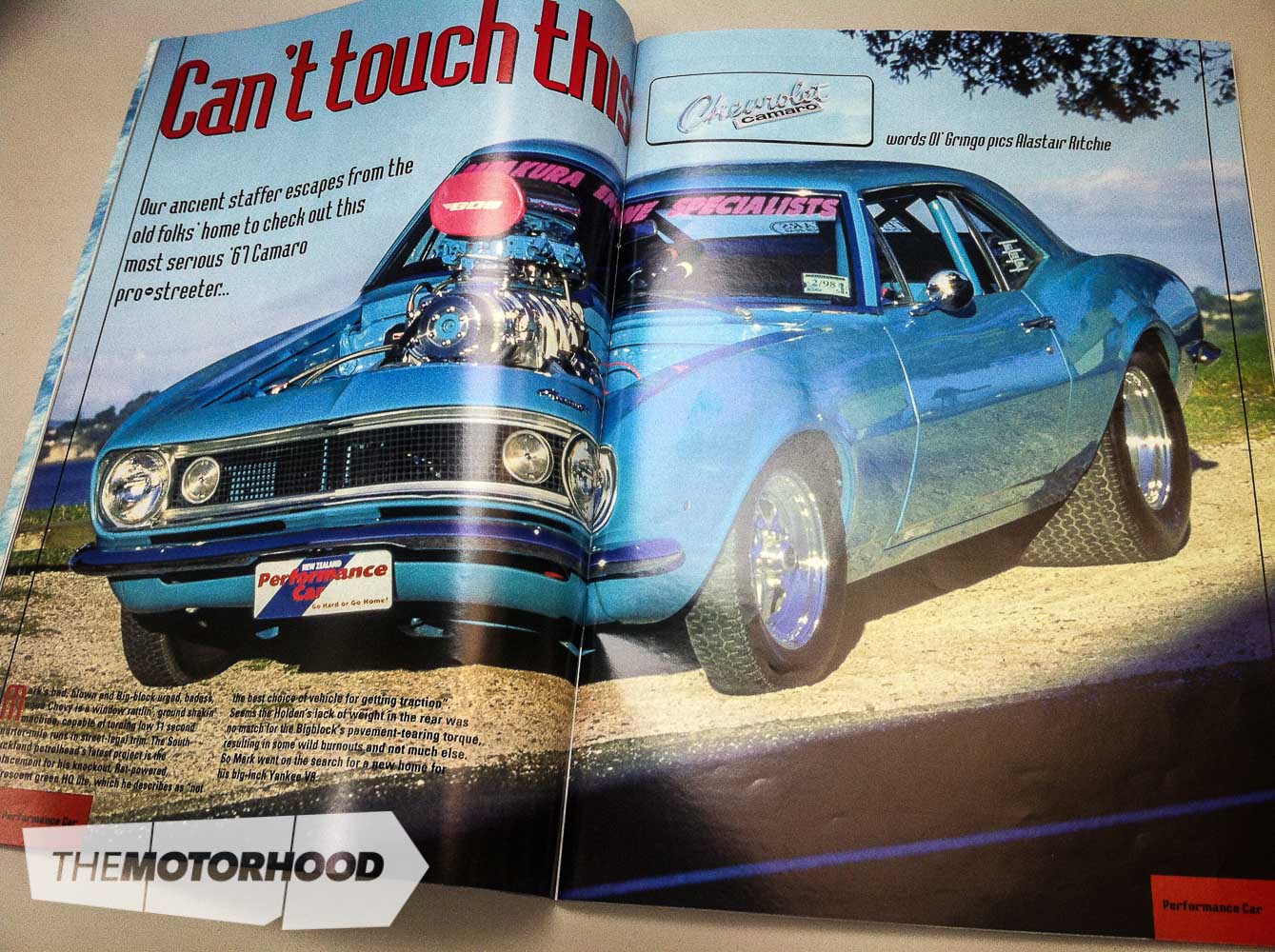
One of his dreams was always to own a true muscle car though, and to tick that box he purchased Mark Bardsley’s old tubbed and blown Camaro street car, owning it for a few years before selling it on. That wasn’t the only Chev in the collection though, as he also had one of the tidiest Chev pickups you’ll ever lay eyes on. We featured that way back in Issue No. 13 of NZV8.
Over the years, while his health suffered, his love of cars never faded, even if his ability to get out and have fun like he used to decreased.
Our thoughts go out to his wife Nadine and his family at this time. We know, however, a good friend of his and fellow car guy who passed away a decade ago last month, Antony ‘Ant’ Little, will be looking forward to catching up once more.
RIP Jonah.