data-animation-override>
“For a small country, we’ve got not only an amazing number of cars, but also an amazing amount of things we can do with them. In part two, we look at some of our country’s best roads to drive.If you think we’ve missed anything out, make sure to let us know — email [email protected].”
In part one of this feature, we looked at places to visit. If you missed it, you can give it a read here. The full feature was also published in NZV8 Issue No. 102.
Roads to drive
1. Woodcocks Road — Warkworth
Heading from the Kaipara Coast to Warkworth, Woodcocks Road offers a mix of challenging corners and short straights. Keep your eyes on the road at all times, though, as this one requires concentration.
2. Manukau Heads Road — Awhitu Peninsula
From Waiuku, take Awhitu Road then left into Kemp Road, which eventually turns into Manukau Heads Road. At the end of the flowing 40km journey through farmland, you’ll find the Manukau Heads Lighthouse and a great lookout over the sea, and back over Manukau Harbour towards Auckland City. Pack a picnic lunch, as there’s not a lot up there.
3. Tahuna Road — Tahuna
Tahuna Road from Ohinewai (just north of Huntly), through to SH27 near Tahuna is a great alternative route when heading from Auckland to Matamata and beyond. It offers plenty of nice flowing turns with a few gradient changes, not to mention a whole lot less traffic.
4. East Coast Road — Waitakaruru
Following the coastline on the western side of the Firth of Thames, East Coast Road offers long, flat straights as well as a tight twisty section heading into Kawakawa Bay. A great alternative route when heading to Auckland from Thames, as it’s best enjoyed heading north.
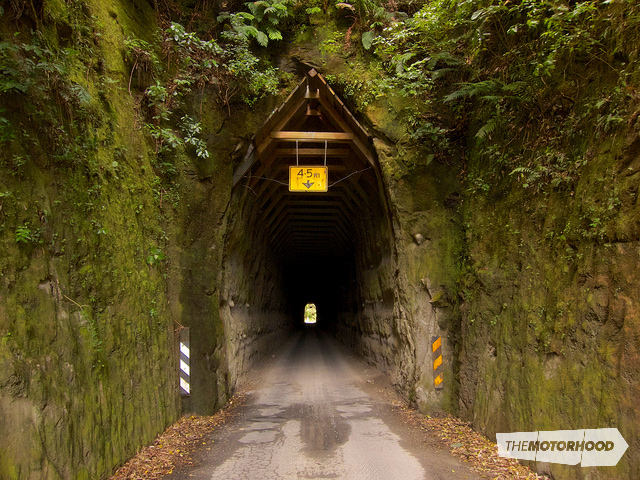
5. Forgotten World Highway — Whangamomona
Built on colonial bridle paths, the Forgotten World Highway is remote and mysterious to the extreme. The 155km adventure begins in Stratford and ends in Taumarunui, and it’s a bit up and down — a classic New Zealand understatement to describe a road that hugs the rugged contours of the land to provide a natural roller coaster experience. Make sure to stop off at the world famous Whangamomona Hotel for a meal on the way. Best enjoyed in a car that handles well, as there are a whole lot of corners.
6. SH4 — Wanganui
SH4 from Wanganui to Raetihi is 80-odd kilometres of twists and turns. Heavy traffic may slow your progress, but the road and scenery makes it all worthwhile.
7. Paekakariki Hill Road — Pauatahanui
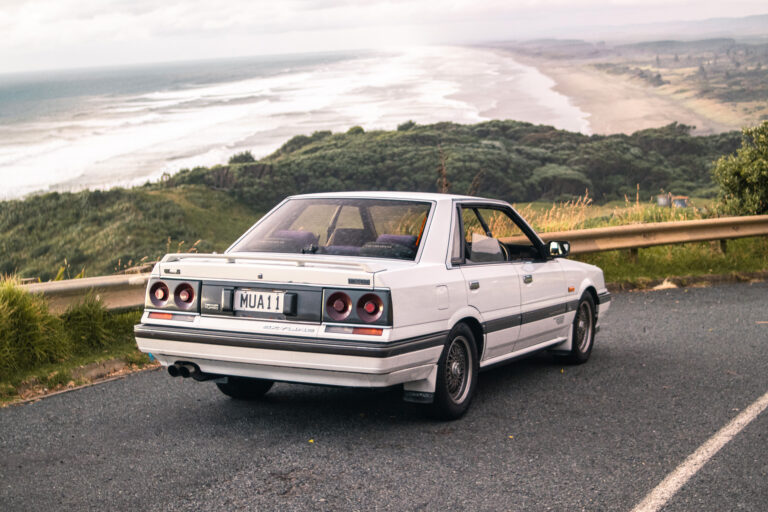
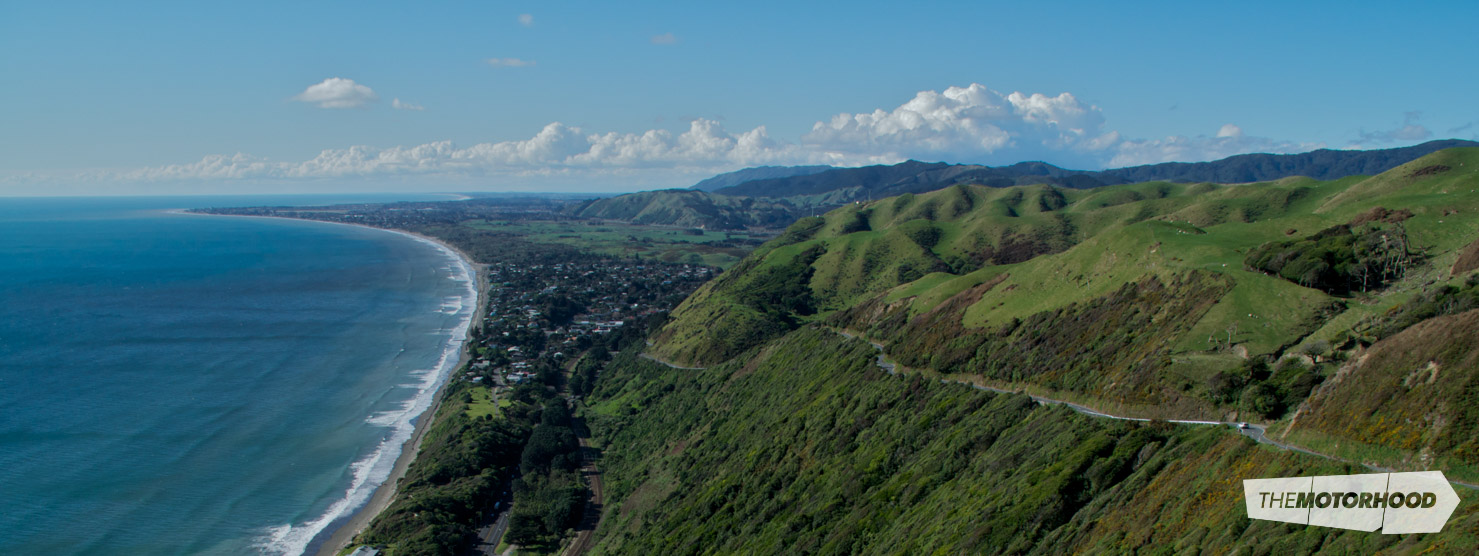
Connecting Paekakariki with Pauatahanui, Paekakariki Hill Road is a favourite with the locals and a great scenic alternative to SH1. It’s a mix of tight and twisty corners, and has a steep gradient on the Paekakariki side. The lookout at the top offers great views of Kapiti Island, the Kapiti Coast and the Tasman Sea. Best enjoyed heading north.
8. Rimutaka Hill Road — Upper Hutt
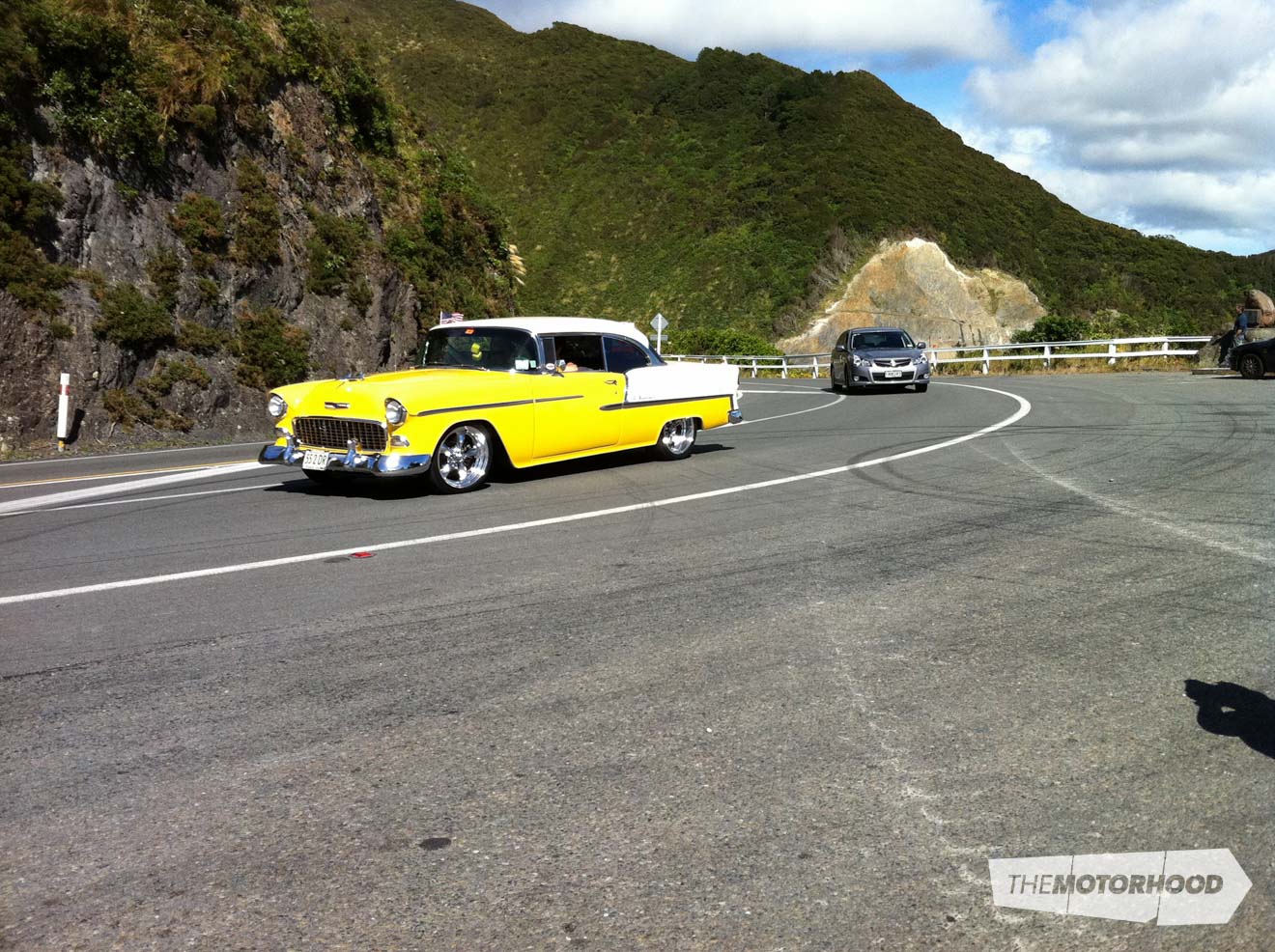
The winding Rimutaka Hill Road is steep and twisty on the Wairarapa side of the 555m summit, and slightly more open on the Hutt side. Cut into the hillside, there are cliffs on either side of the road with minimal barriers. Watch out for loose rocks on the road, and make sure you’ve got good brakes.
9. Drive the West Coast — South Island
Mile after mile of road with minimal traffic; everyone should drive the West Coast at some stage, be it in a high performance vehicle that eats up the flowing corners, or a big old cruiser that you just enjoy the journey in. Allow plenty of time for scenic photographs, and don’t forget to keep the gas tank full, as servos can be few and far between. In particular, enjoy the Coast Road between Westport and Hokitika. Following the coastline, and including a single lane bridge that’s shared with trains, there’s a great mix of tight, steep, and straight road. Make sure you take a break at the HoneyPot Café at the Kumara Junction and taste the local honey.
10. Christchurch to Akaroa Road — Akaroa
Long, flowing straights, a tight and twisty section with great views, plus a fantastic range of cafes, make this a great lunch excursion from Christchurch. Don’t forget to stop for some photos along the way.
11. Milford Sound Highway — Milford Sound
Lakeside, riverside, and mountainside, the road from Te Anau to Milford is 118km of flat straights and steep, tight curves. If you were to fall off the road, it could be a long time before anyone found you, so drive safe in the winter months when there may be ice on the road. The scenery at the end makes it all worthwhile, but don’t forget, you’ve got to head back out the same way you came in, so don’t enjoy the pub at Milford too much.
12. The Crown Range — Queenstown
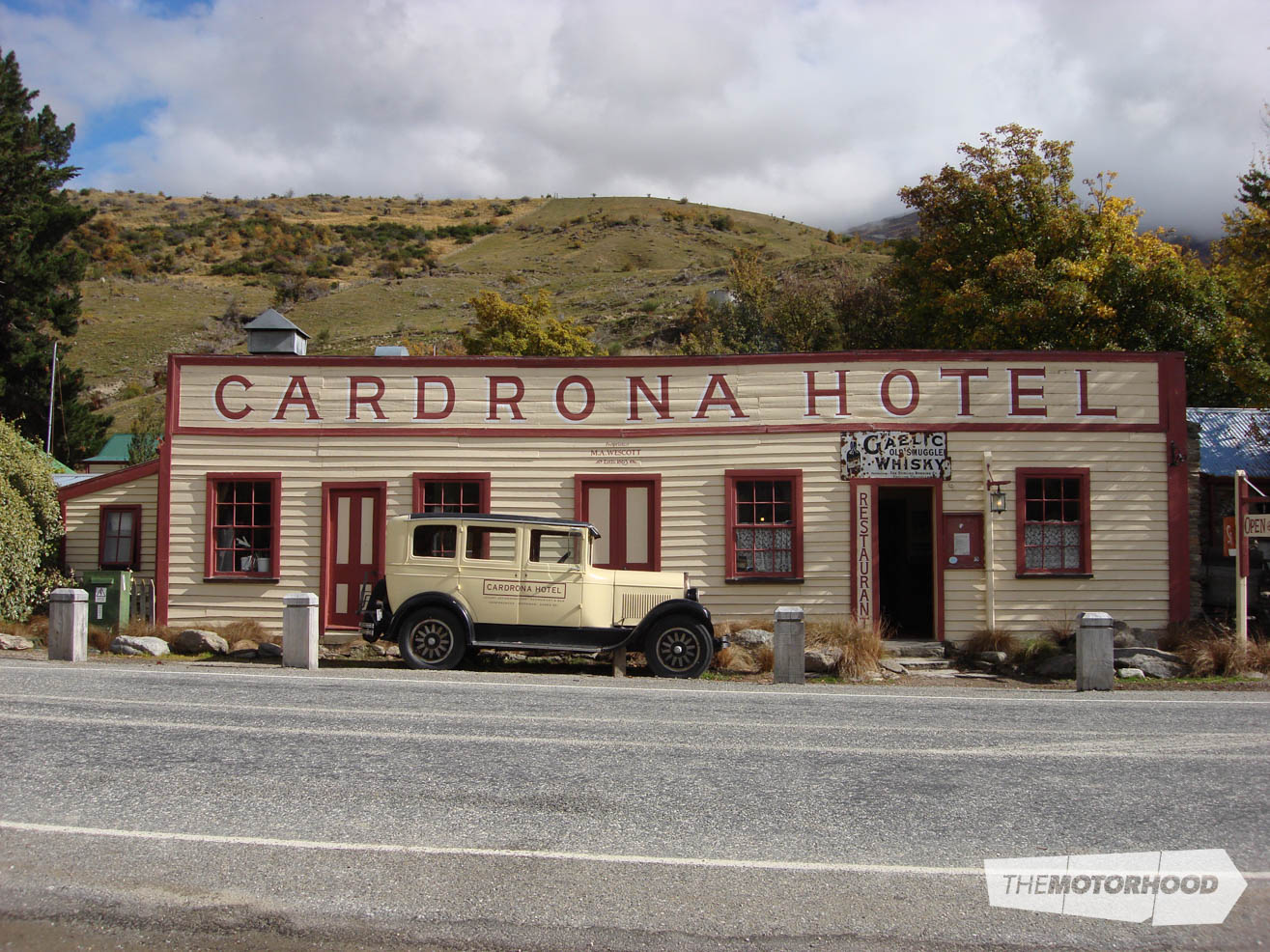
It’s the highest main road in New Zealand, climbing steeply to allow a great view of Queenstown before descending towards Wanaka. The Cardrona Hotel is always worth stopping off at along the way. While impressive when snow-covered, summer makes for the best driving.
You can check out part one or part three of the 75 things every Kiwi car person should do before they die by selecting your path below:
This article was originally published in NZV8 Issue No. 102. You can pick up a print copy or a digital copy of the magazine below: