
Get an ex-Moss C-Type in your garage

19 November, 2015


In 2016, specialist auction house Bonhams will return to Monaco to  present an exclusive sale of 40 exceptional cars in a sale timed to coincide with the Grand Prix de Moncao Historique 2016.

The highlight of the sale — scheduled to take place on May 13, 2016 — will undoubtedly be XKC 011 — the works 1952 Jaguar C-Type once raced by Stirling Moss.
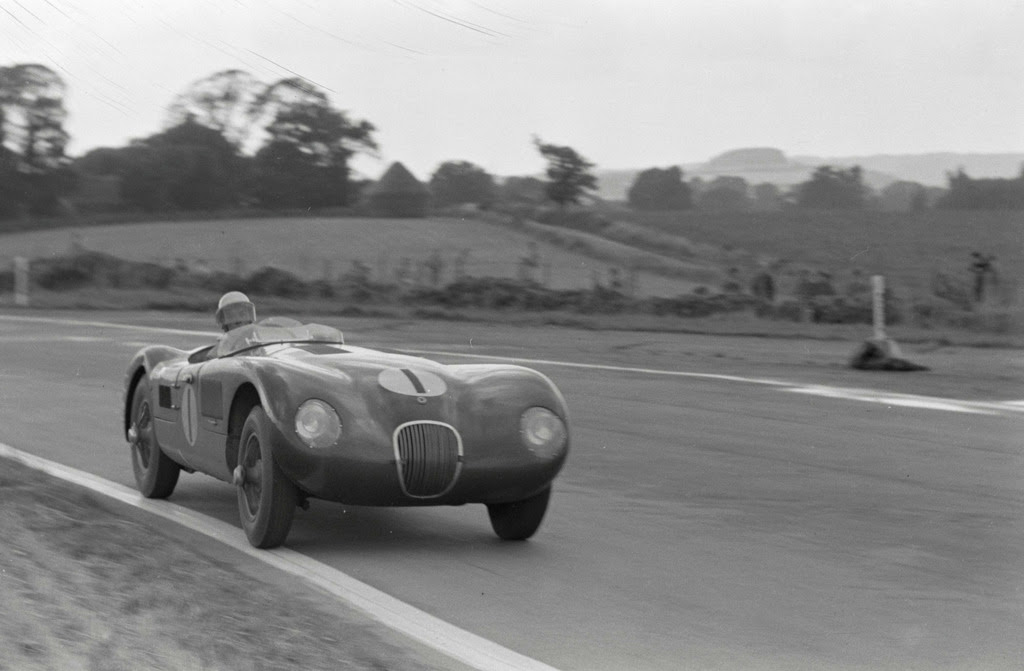
Built new for Jaguar’s racing team early in 1952, this C-Type had its on-track debut at Silverstone and was driven by Peter Walker. Fitted with special long-nose/long-tail aerodynamic bodywork, the car was then entered for the 24 Hours of Le Mans race, but even with a driving team of Stirling Moss and Peter Walker, the Jaguar failed to finish.
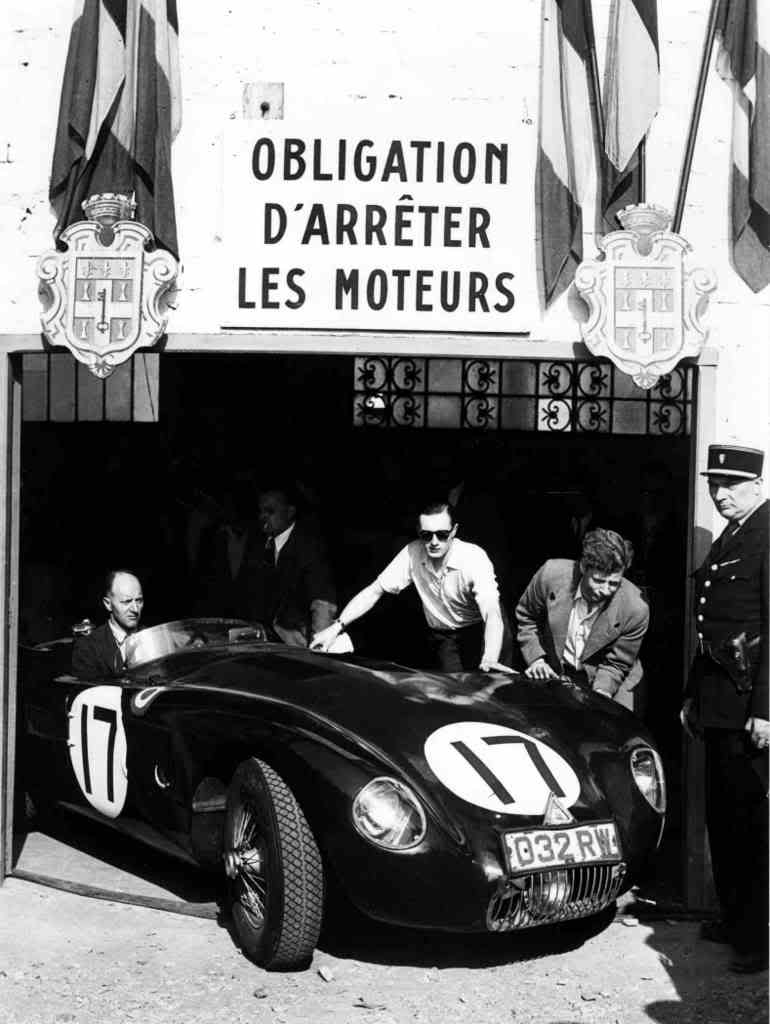
Subsequently reverting to standard-body form, XKC 011 would make racing appearances at the 1952 Goodwood Nine Hours race, and set FTDs at Shelsley Walsh and Prescott hill climbs. In 1953, Moss took on the Mille Miglia in the C-Type, while Tommy Wisdom used it for that year’s Targa Florio. The Jaguar was later loaned to the Belgian race team Ecurie Francorchamps. and finally sold on. In later years, XKC 011 would become one of the best-known C-Types on the British club and, later, classic racing scene.
Breakfast of champions – Brink

Some older readers may recall the amusing late 60s advertisement for a breakfast drink using World Champion racing driver Graham Hill which was made while he was out here competing in the Tasman Series.
“Drink Brink” was the phrase, subtly altered by Graham’s characteristic lisp into “Dwink Bwinkl” which drew a grin or two.
Southland Mini racing enthusiast Howard Kingsford-Smith has preserved a little bit of Mini racing history when he re-created the “Brink Mini” some 25 years ago.
“I bought what remained of the original car and made a replica I suppose or look-a-like of the original Brink Mini from Cathy Henderson about 25 years ago,” Howard explained.

The motor car as an art form

We have certainly come a long way since the exhibition entitled 8 Automobiles, shown at the Museum of Modern Art in New York in the autumn of 1951, the first exhibition concerned with the aesthetics of motor car design.
It was here that the often-used term ‘rolling sculpture’ was coined by curator Philip C Johnson, director of the department of architecture and design, when he said, “An automobile is a familiar 20th century artefact, and is no less worthy of being judged for its visual appeal than a building or a chair. Automobiles are hollow, rolling sculptures, and their design refinements are fascinating. We have selected cars whose details and basic design suggest that automobiles, besides being America’s most useful objects, could be a source of visual experience more enjoyable than they now are.”