data-animation-override>
“Ashley travels to Rangiora to check out the classic cars for sale at a ‘boutique’ dealership with a difference”
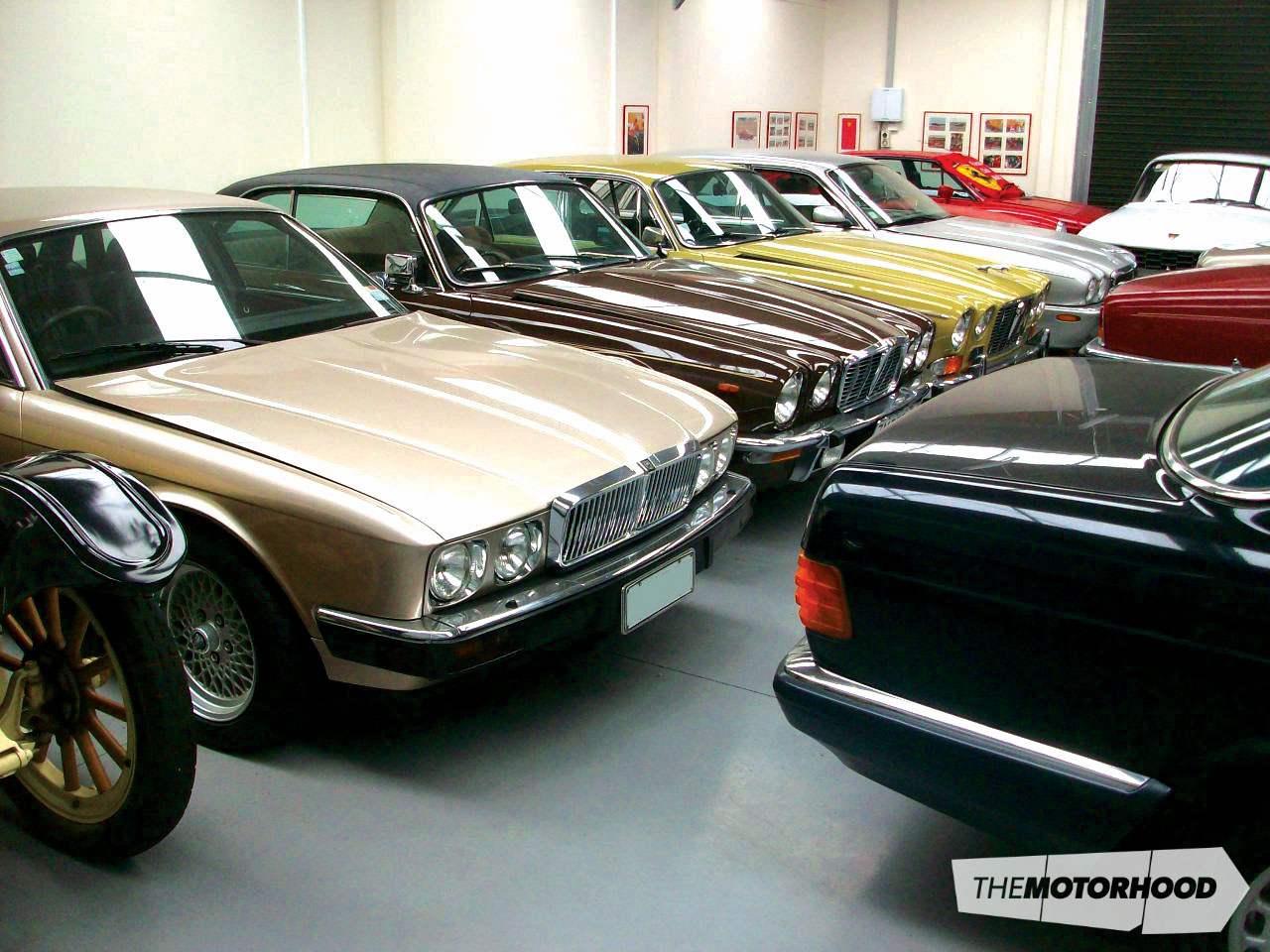
With 2.5 million cars for four million people, including children, New Zealand’s car ownership rate is one of the world’s highest — and this is reflected in the simple fact that we make only about two per cent of our journeys by bus and fewer than one per cent by rail. It seems that Kiwis prefer to hit the road in their own cars.
Allied to that, it’s little wonder that New Zealand’s South Island has always been regarded as the place to find good, honest, rust-free classic cars. Unlike the much wetter and warmer north, down south the climate is markedly less humid, and, even during the winter months, roads don’t need to be salted. As a result, South Island cars rust very slowly.
The classic car lifestyle
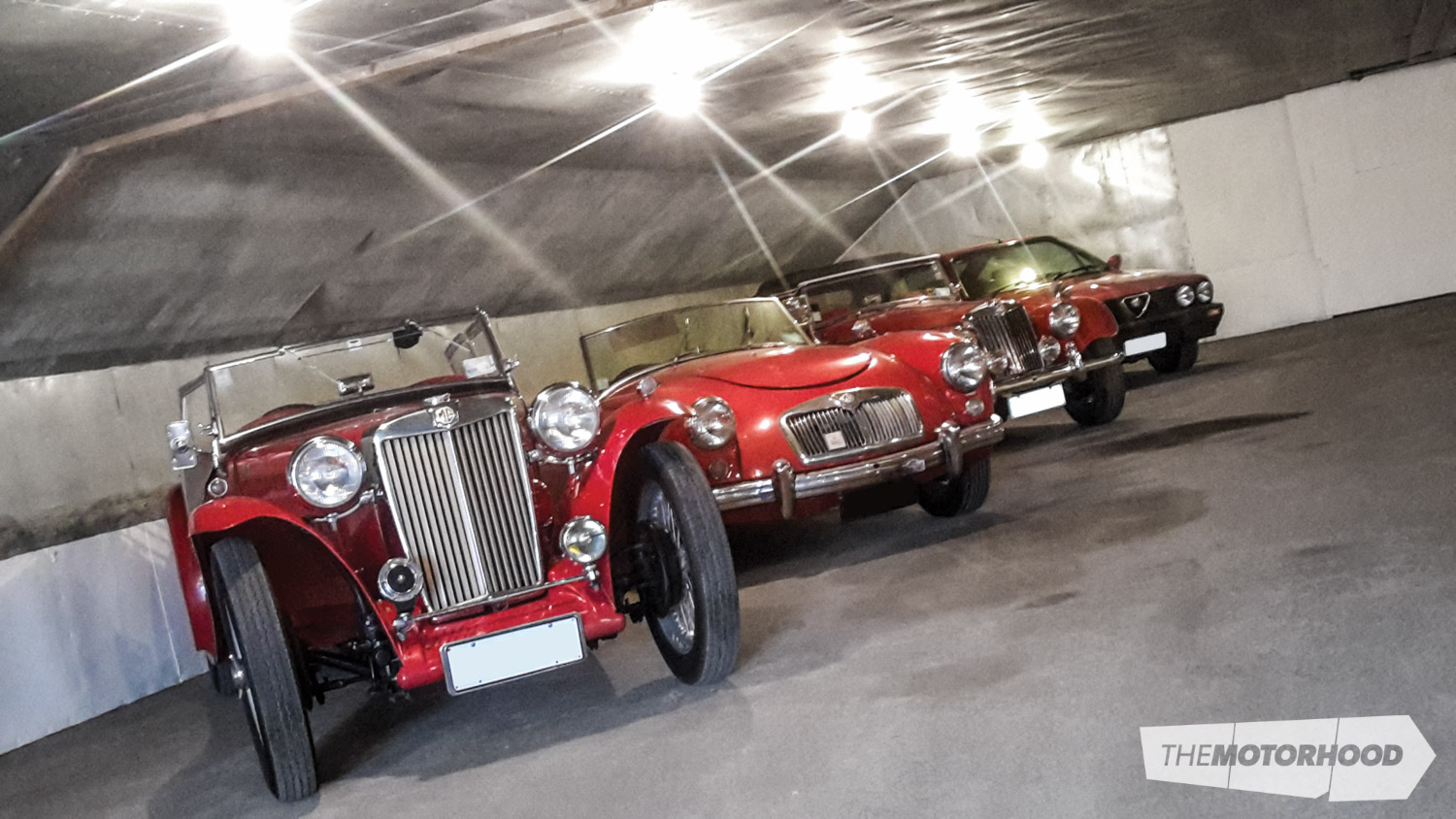
Operating from the North Canterbury region, Waimak Classic Cars has built a business out of specializing in the provision of only the very best, locally sourced, classic cars for its clients. It has been buying, preserving, and collecting mainly British, European, with a touch of American classic cars for a number of years.
The company is well regarded, both nationally and internationally, for its extensive selection of high-quality classic cars — evidenced by the endless testimonials the company has accumulated over the years. Waimak Classic Cars was established with the aim of preserving classic and vintage vehicles, and, as such, is not a car yard dealership but a small group of enthusiasts catering to and looking out for other enthusiasts within the industry.
During a recent visit, we were able to check out a wide range of the best examples of classic and vintage vehicles available in New Zealand. The philosophy at Waimak Classic Cars is quite simple — they sell mint-to-concours vehicles only.

The enviable reputation the company has earned within this industry is due its main objective — ensuring the preservation of these very special cars — and that is why the team is always prepared to go the extra mile to make sure ‘their’ cars are sold to good homes.
All the classic cars for sale are professionally presented with photographs, videos, detailed history, and information, and, with an ever-growing international following, Waimak Classic Cars is proud to declare that none of the vehicles that pass through its expert hands is ever sold for less than its true worth.
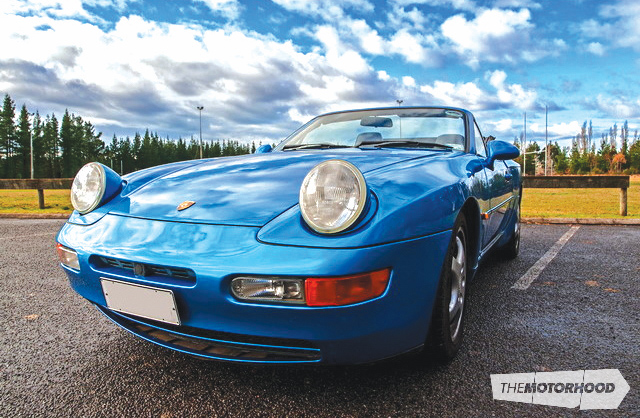
It’s clearly evident that these enthusiasts are passionate about what they do and are always looking for interesting cars and automobilia to add to their extensive collection. If you take pride in owning a classic vehicle, they take pride in its continued upkeep and preservation.
Waimak Classic Cars also offers a specialized venue catering for classic and vintage vehicles, at which such vehicles are promoted as alternative investments to stocks and real estate — as tangible assets that one can see, admire, and enjoy.
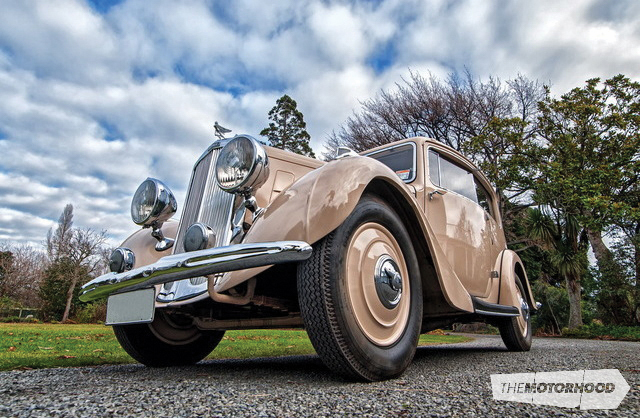
With contacts extending throughout New Zealand, Australia, the UK, Europe, Asia, the US, and other countries, Waimak Classic Cars has become a respected brand name within classic and vintage classic car circles. For many prospective buyers, it has become ‘the’ place at which the best classic car examples in New Zealand are to be found.
This is because Waimak Classic Cars is not just about selling cars; it also seeks to inform, entertain, and inspire its community of aficionados and purists, as well as piquing the interest of those who have been missing out.
data-animation-override>
“Waimak Classic Cars:
PO Box 373, Rangiora 7440, North Canterbury, New Zealand
Email: [email protected]
Phone: 03 310 6485 / 027 499 0020
Website: waimakclassiccars.co.nz
Viewing is strictly by appointment
Services include: Purchace, finance, inspections, valuations, setttlement of deceased estate.”
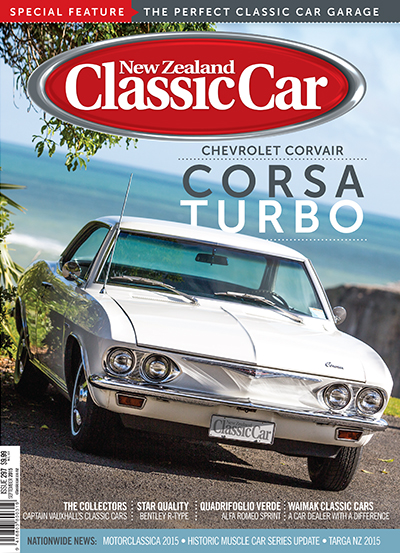
This article was originally published in New Zealand Classic Car Issue No. 297. You can pick up a print copy or a digital copy of the magazine below: