Bay of Plenty Vintage Car Club Annual Car Show and Swap Meet

8 December, 2015

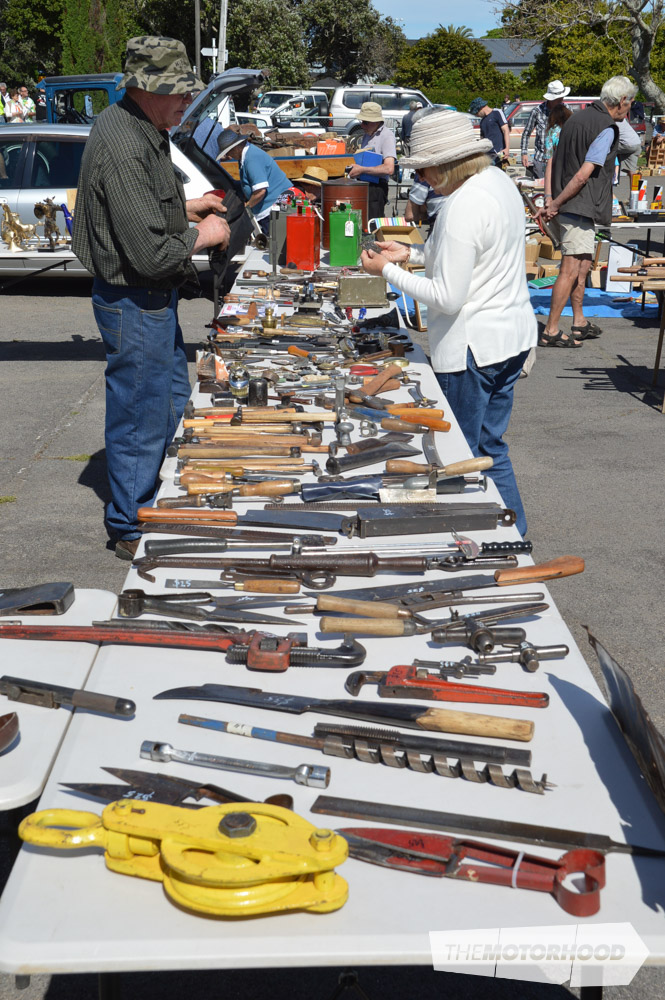
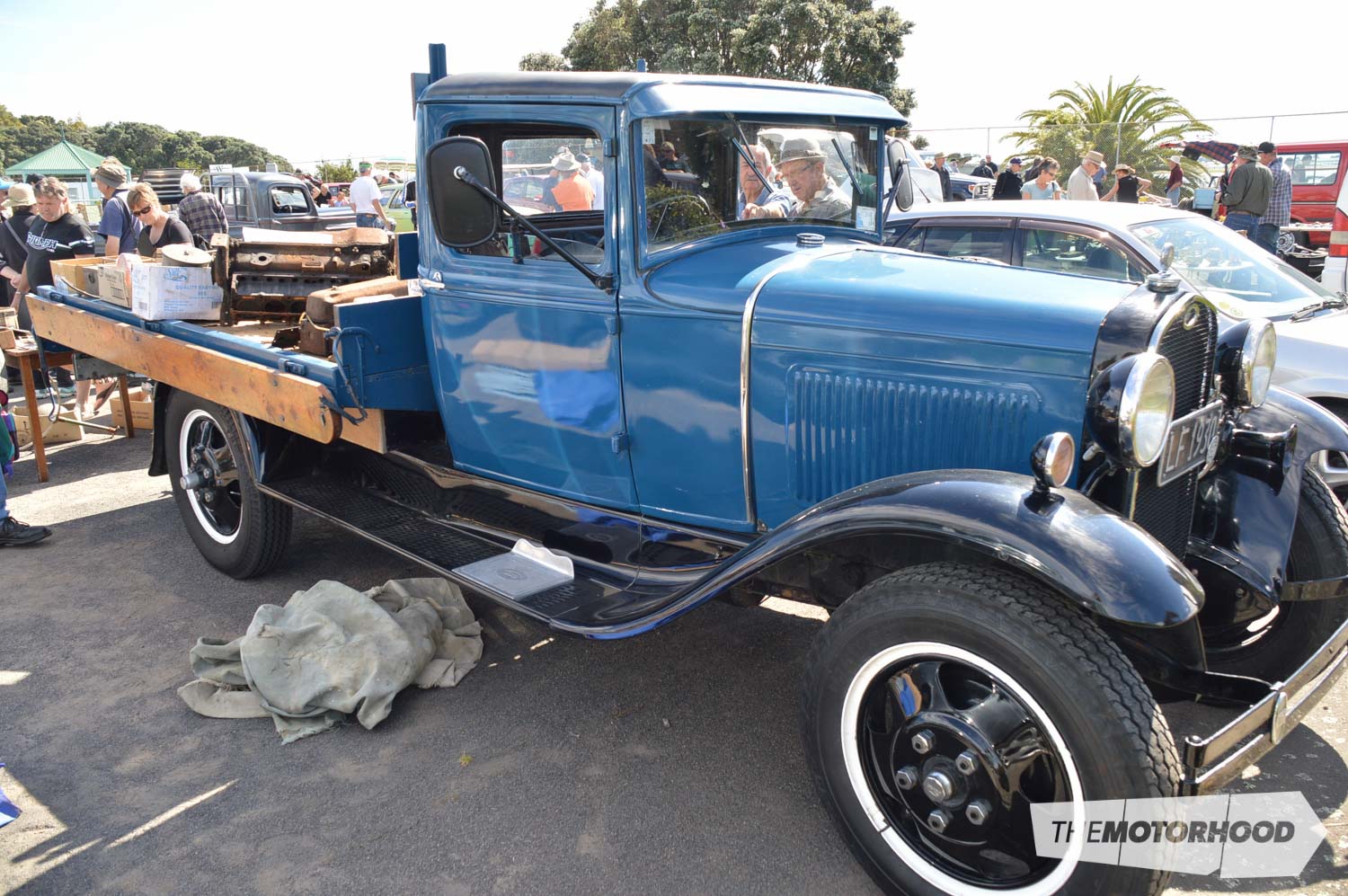
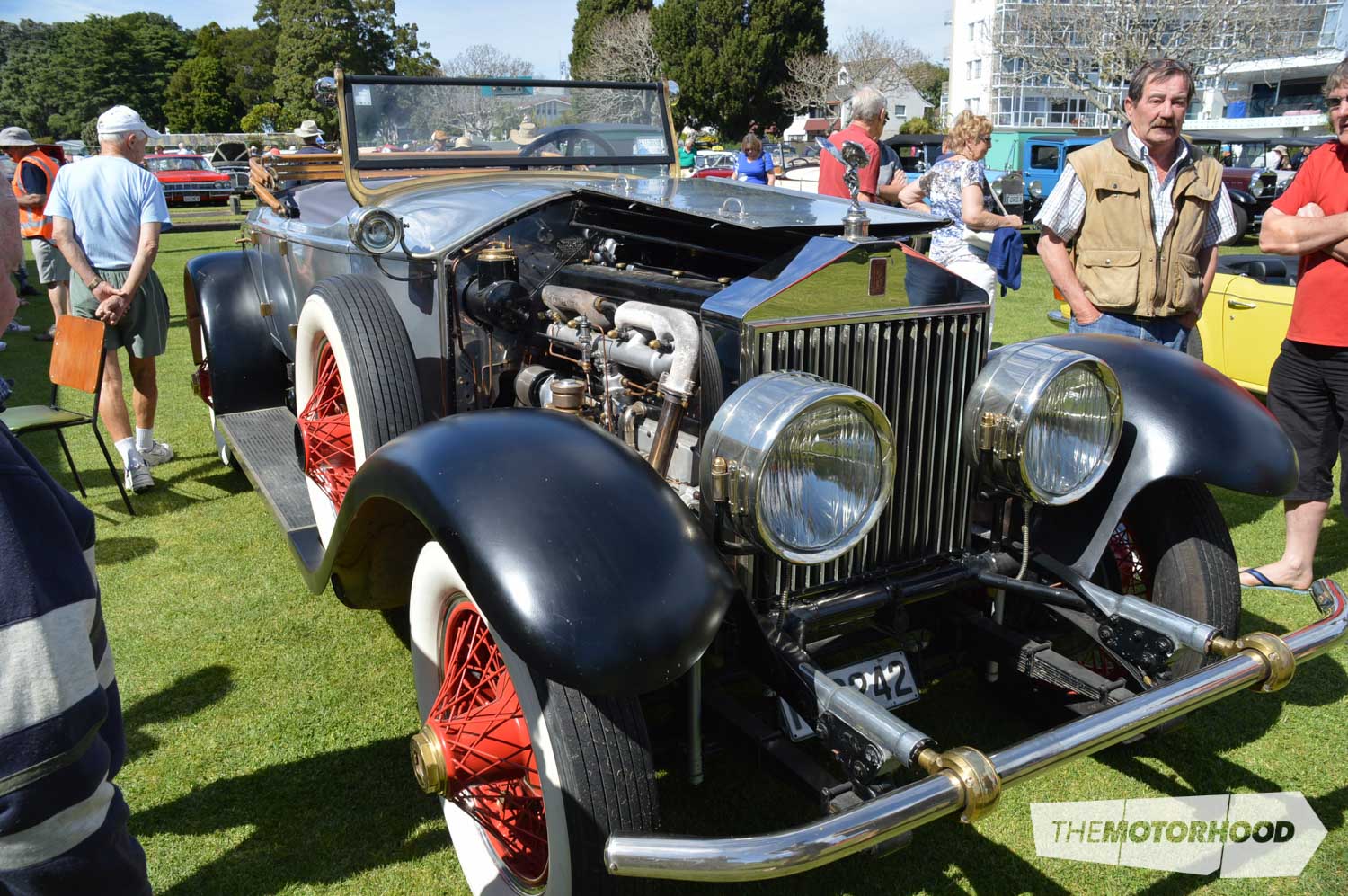
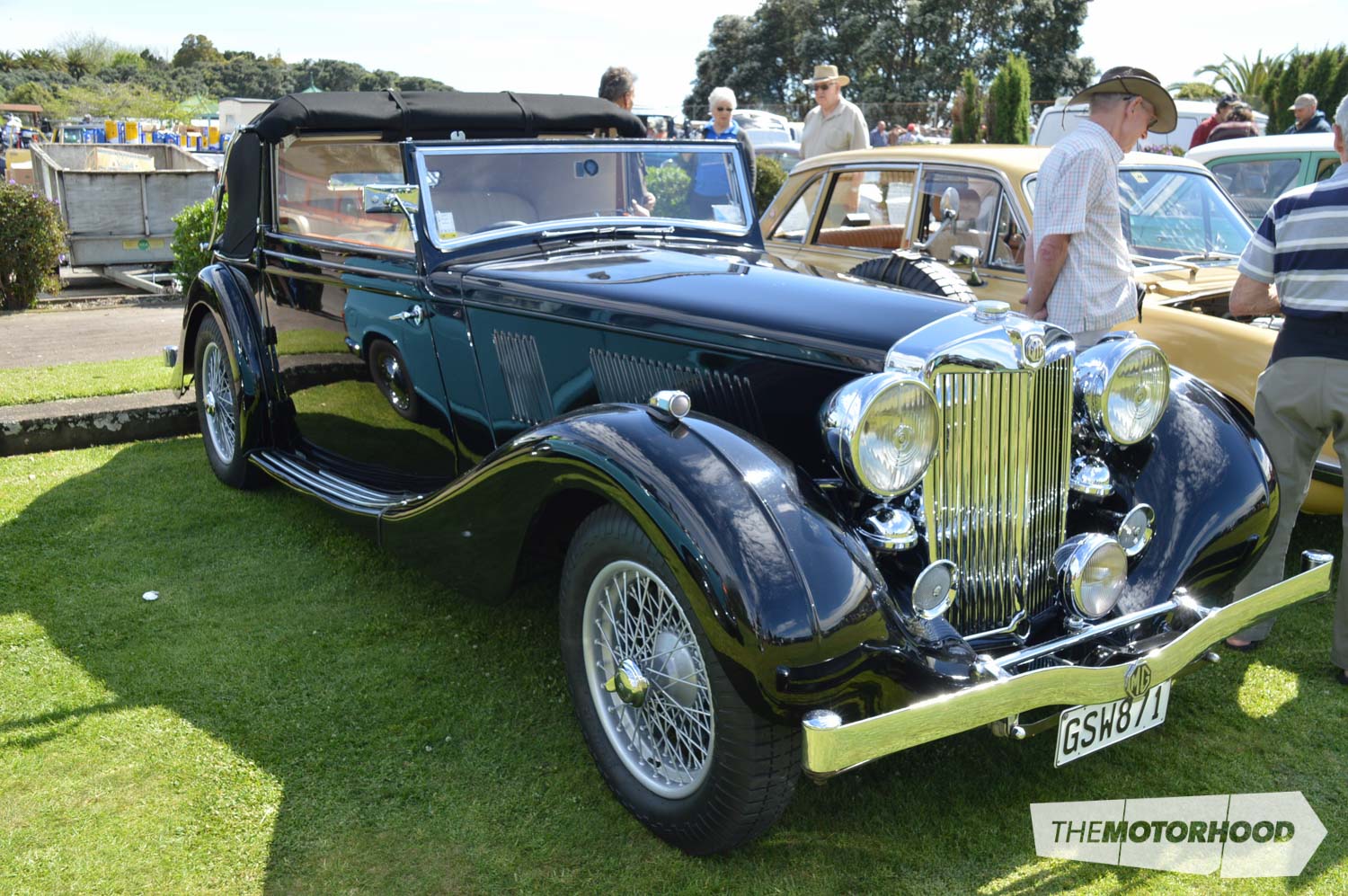
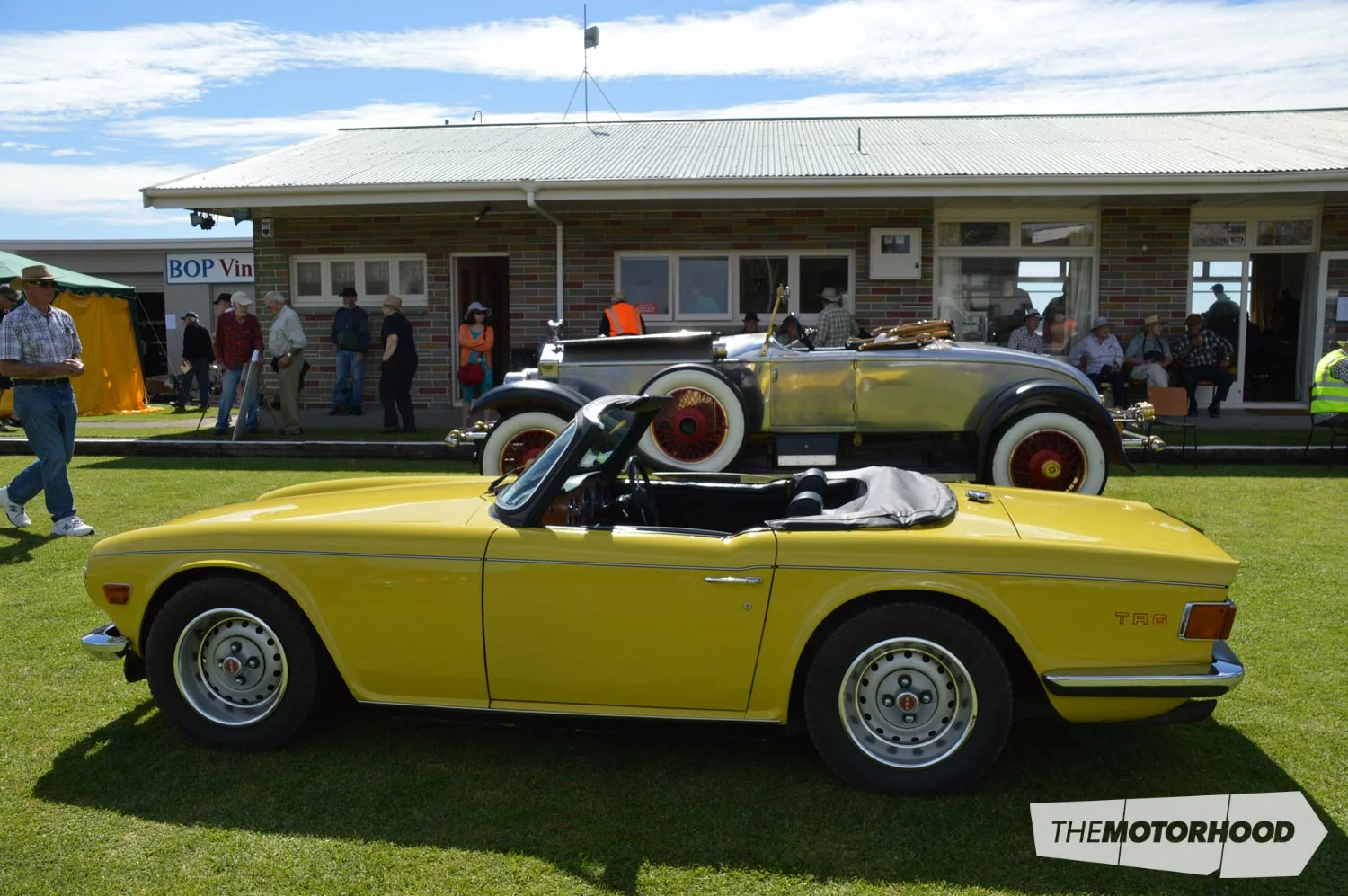
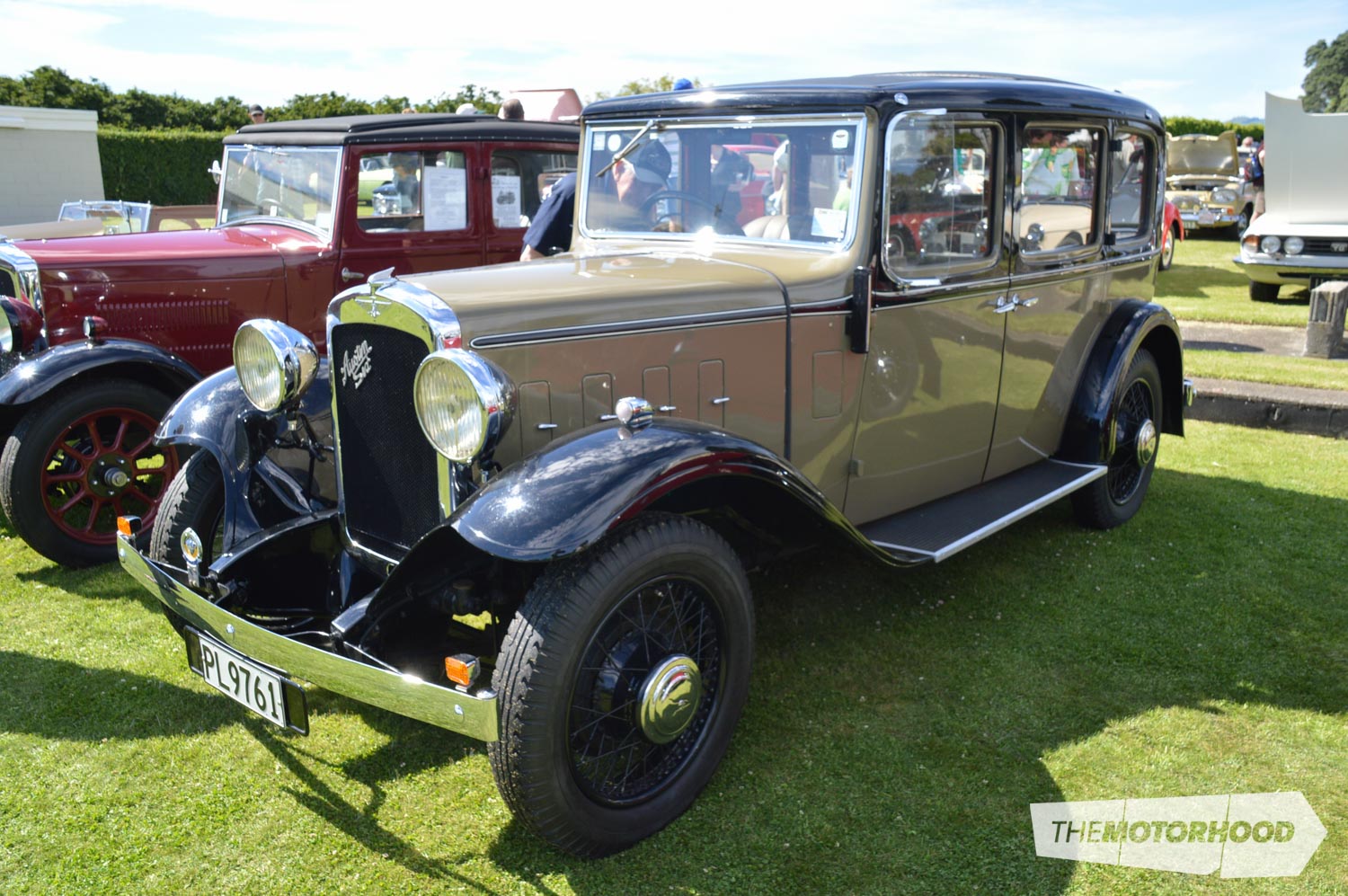
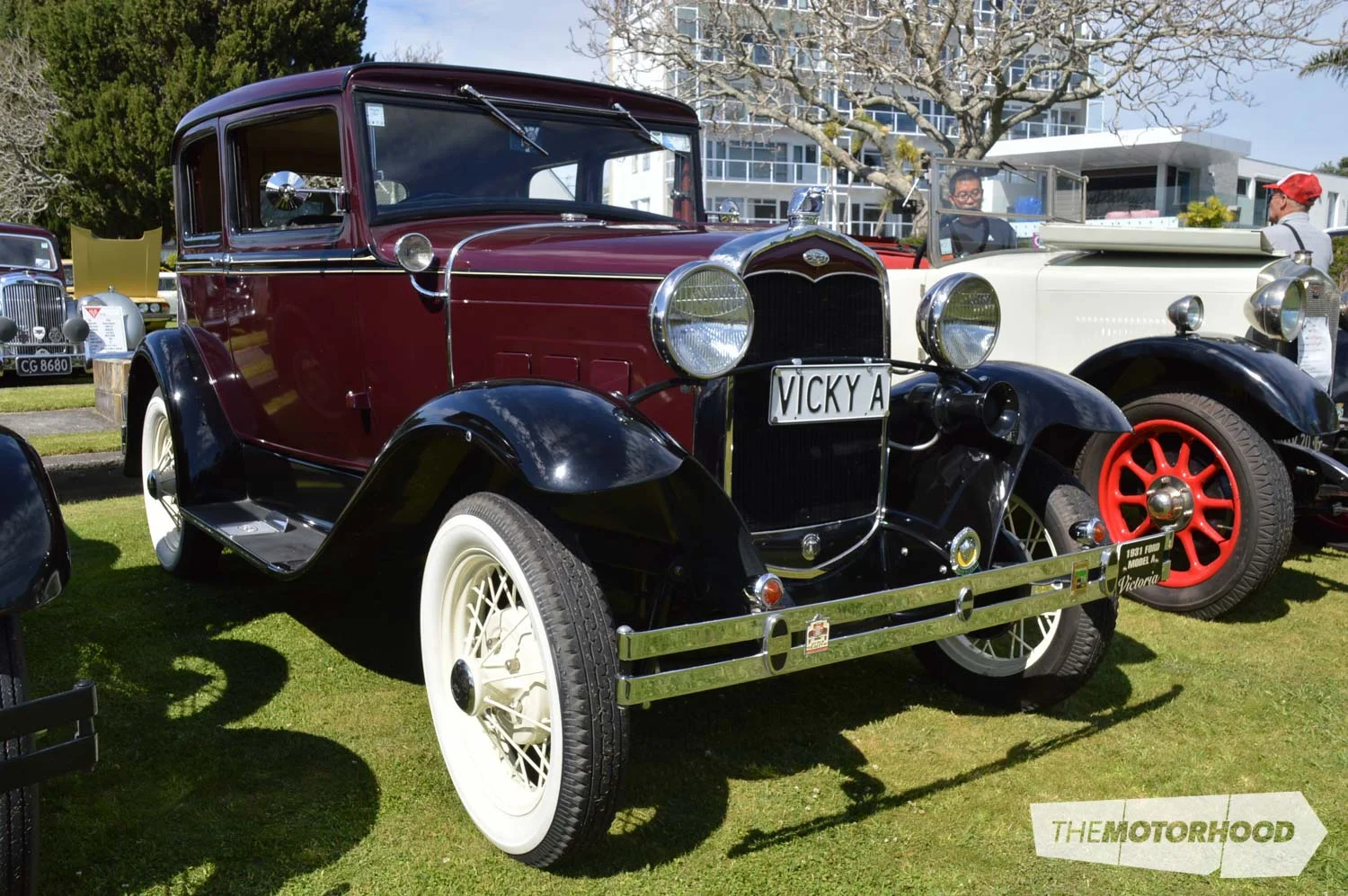
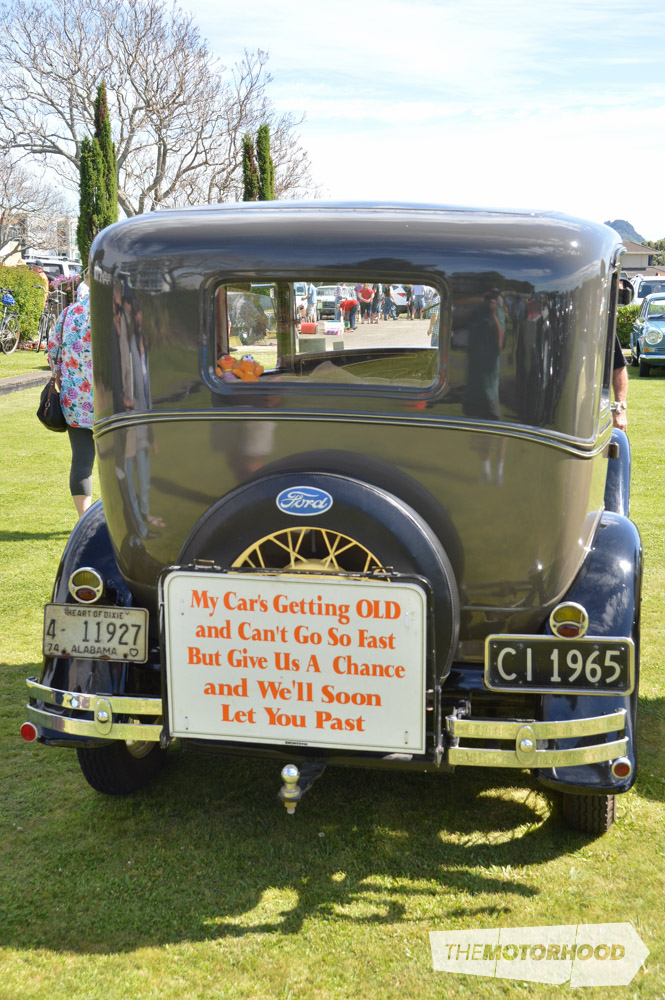
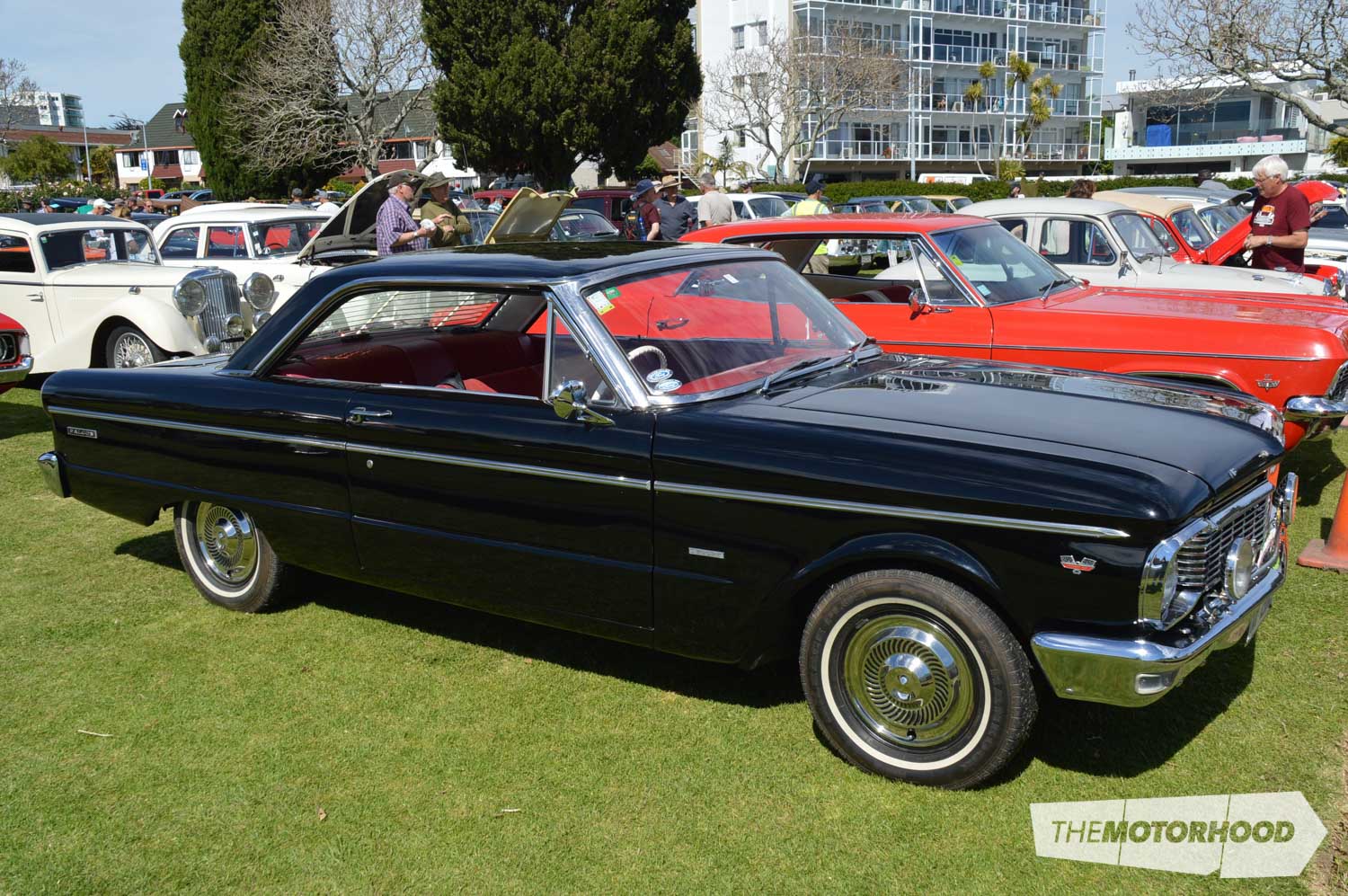
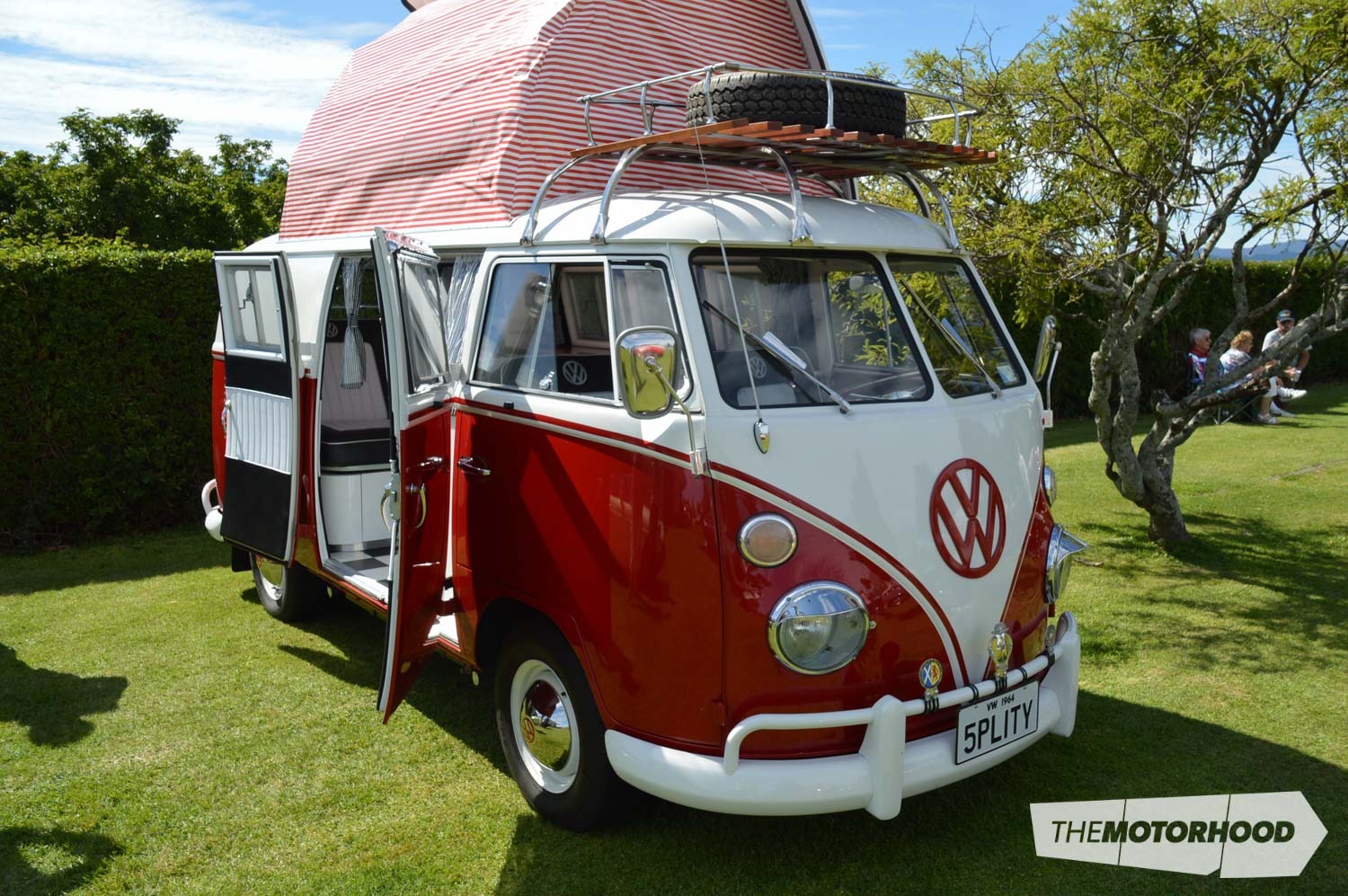
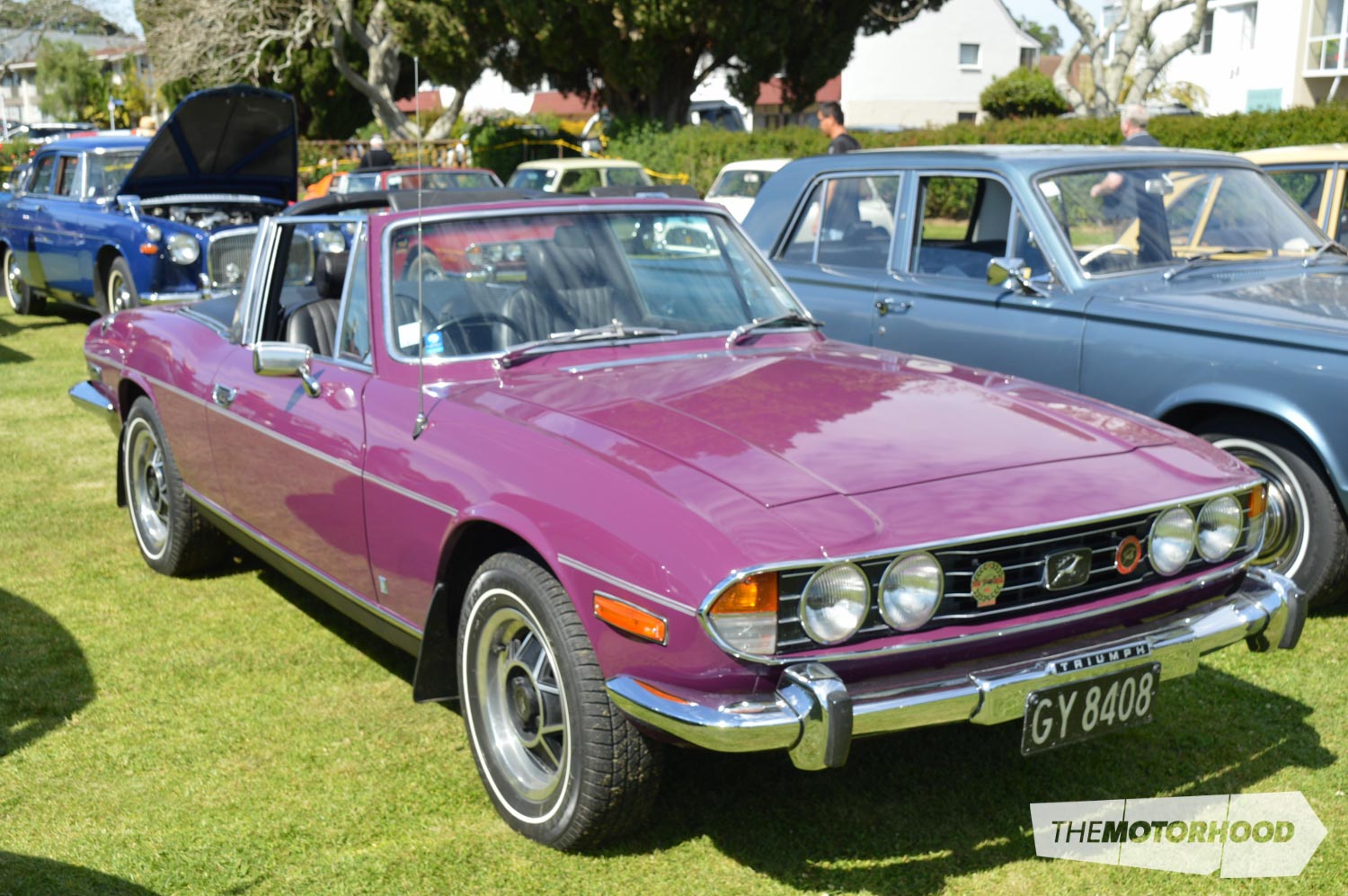
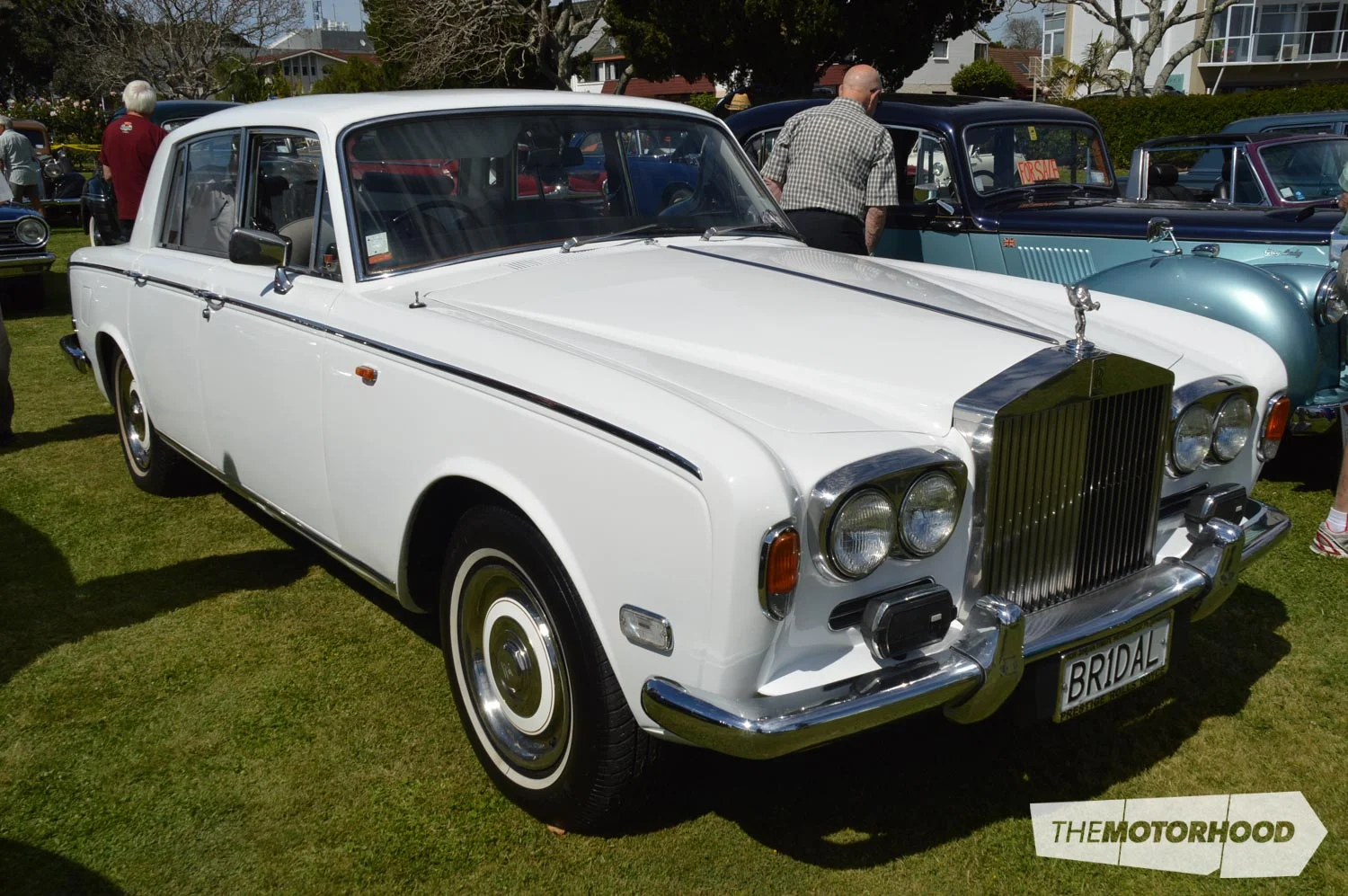
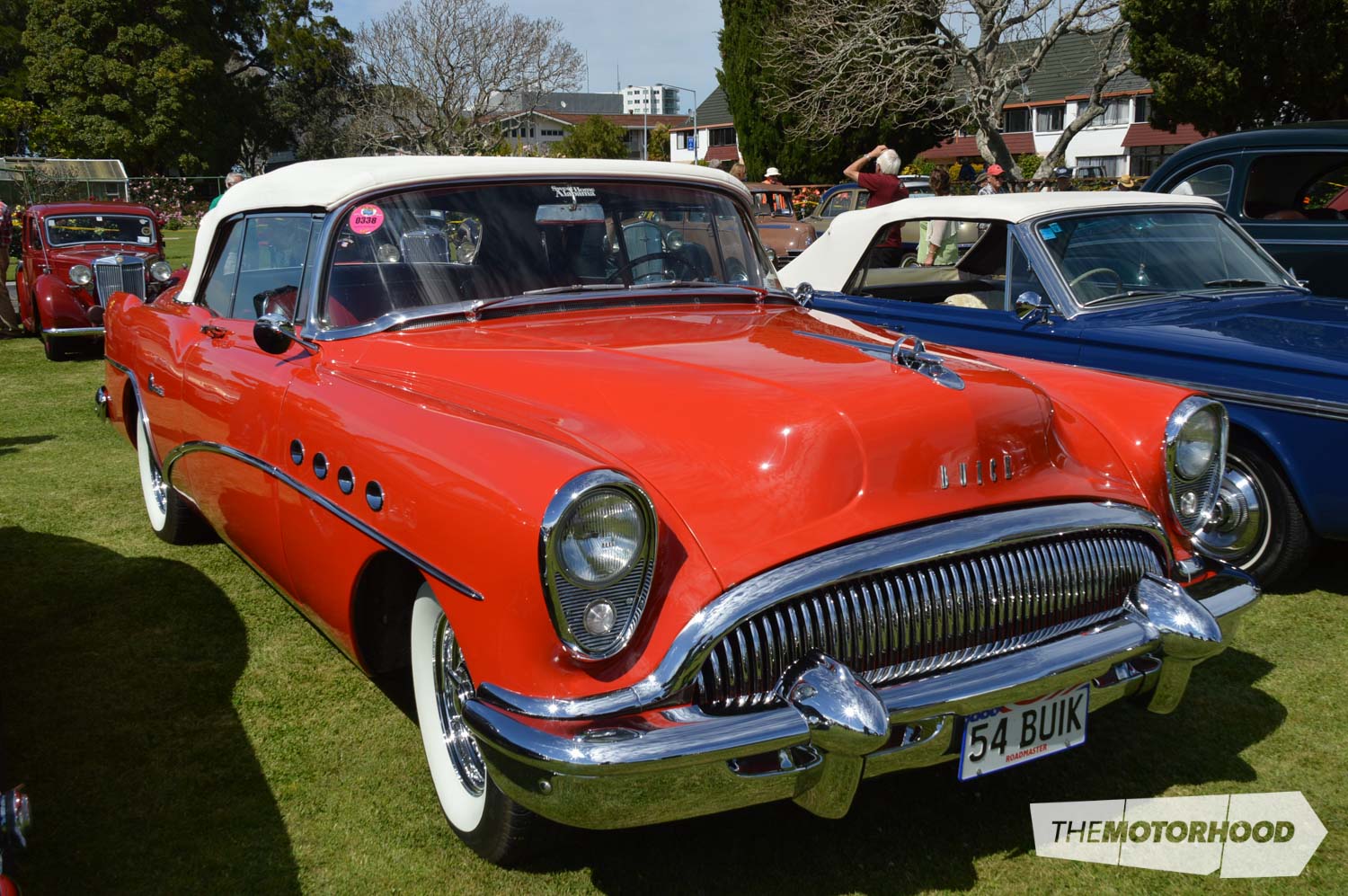
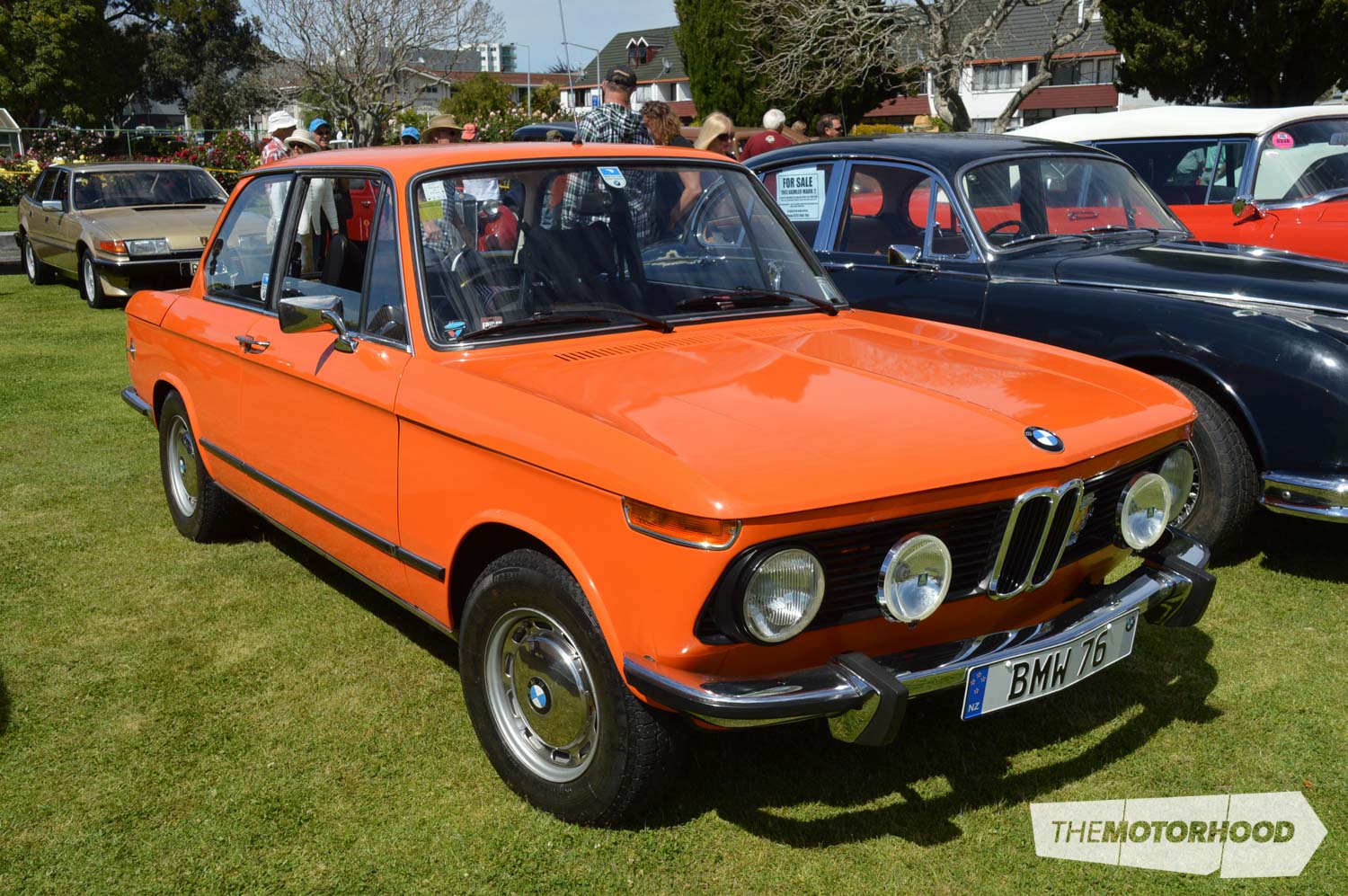
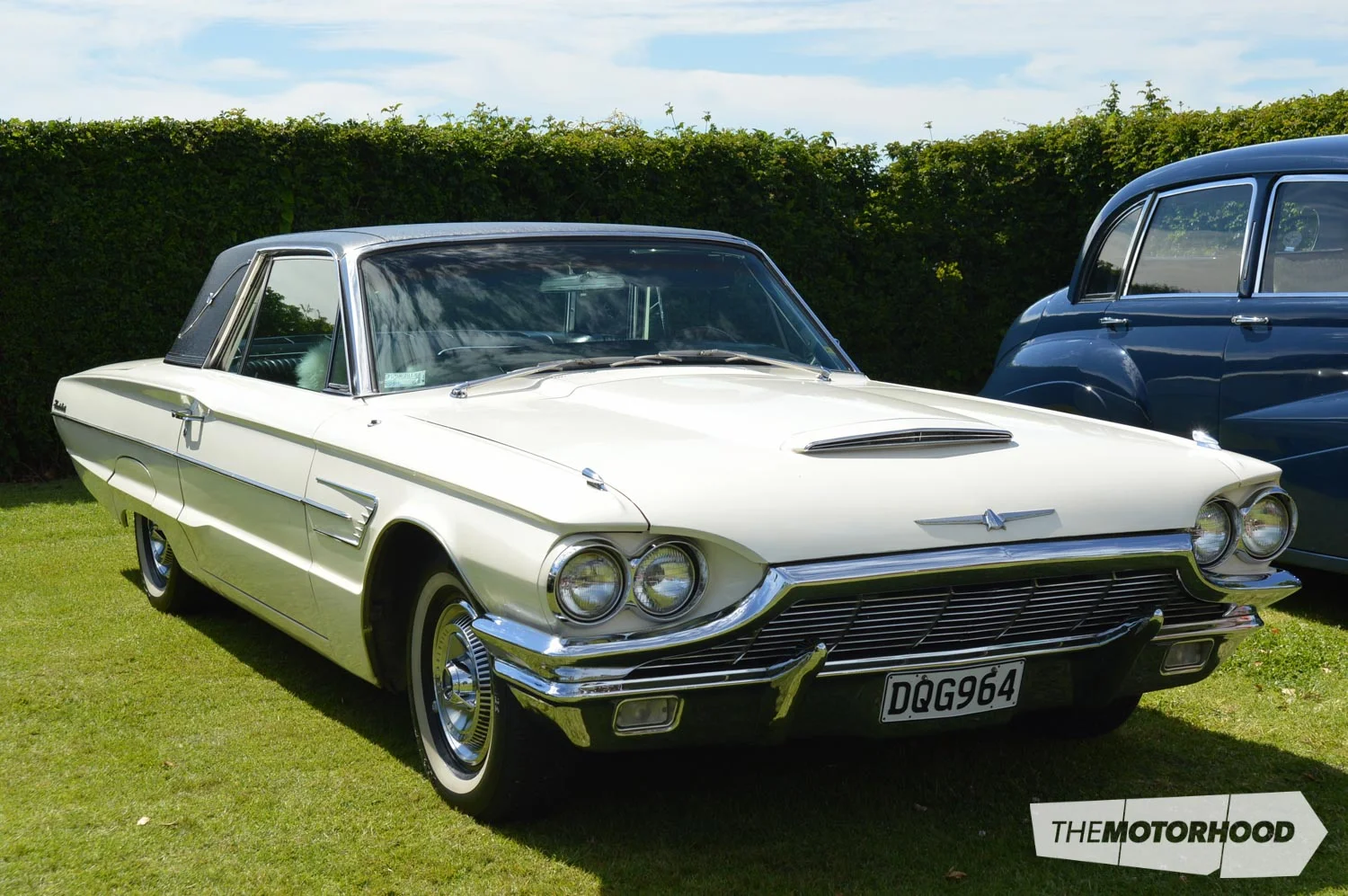
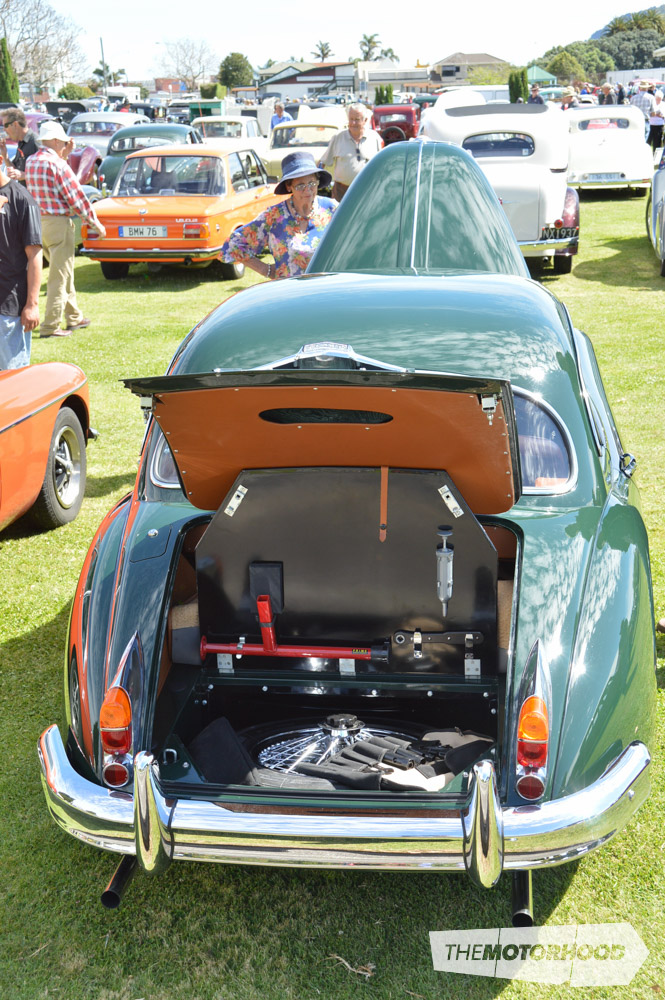
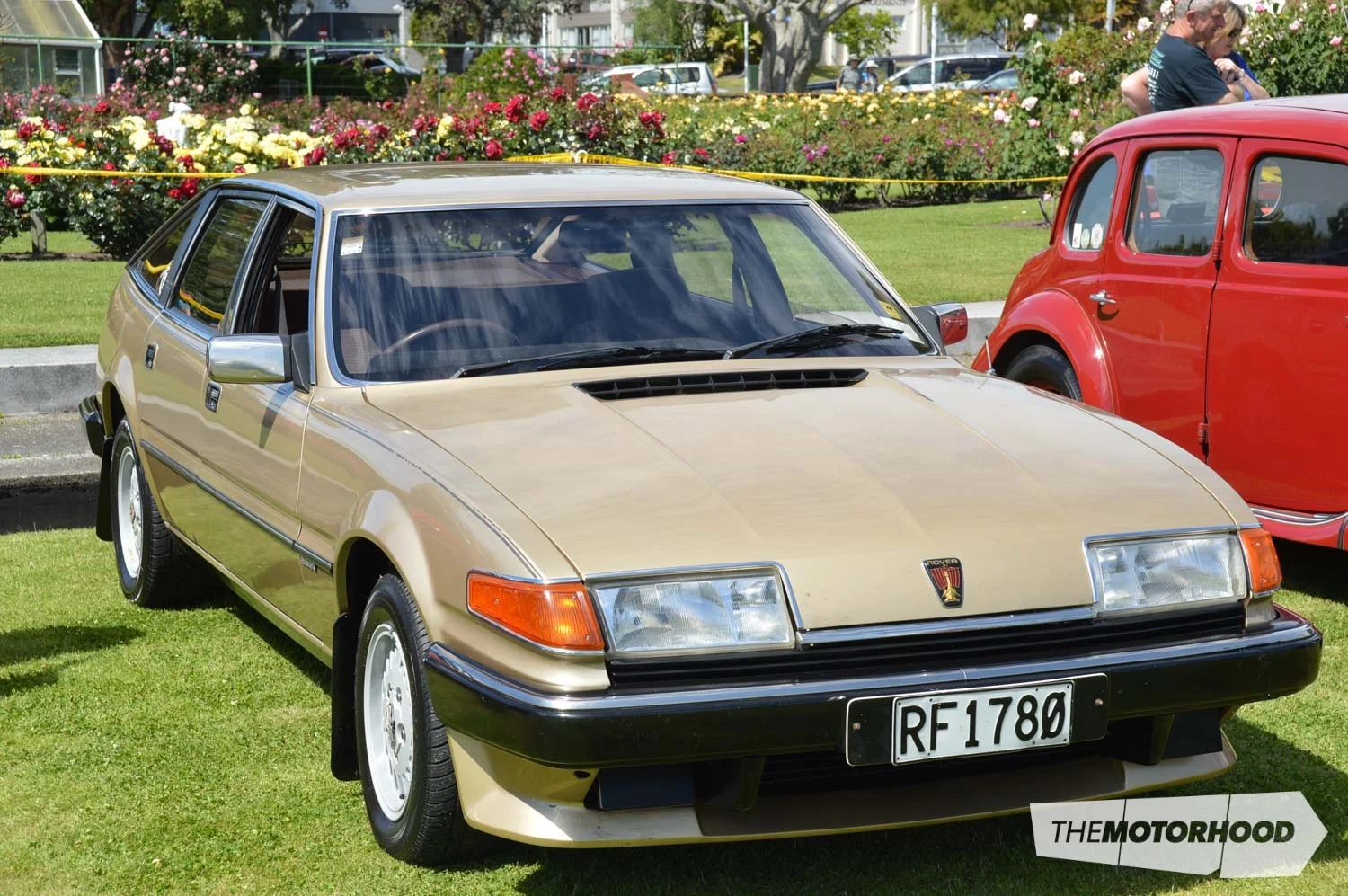
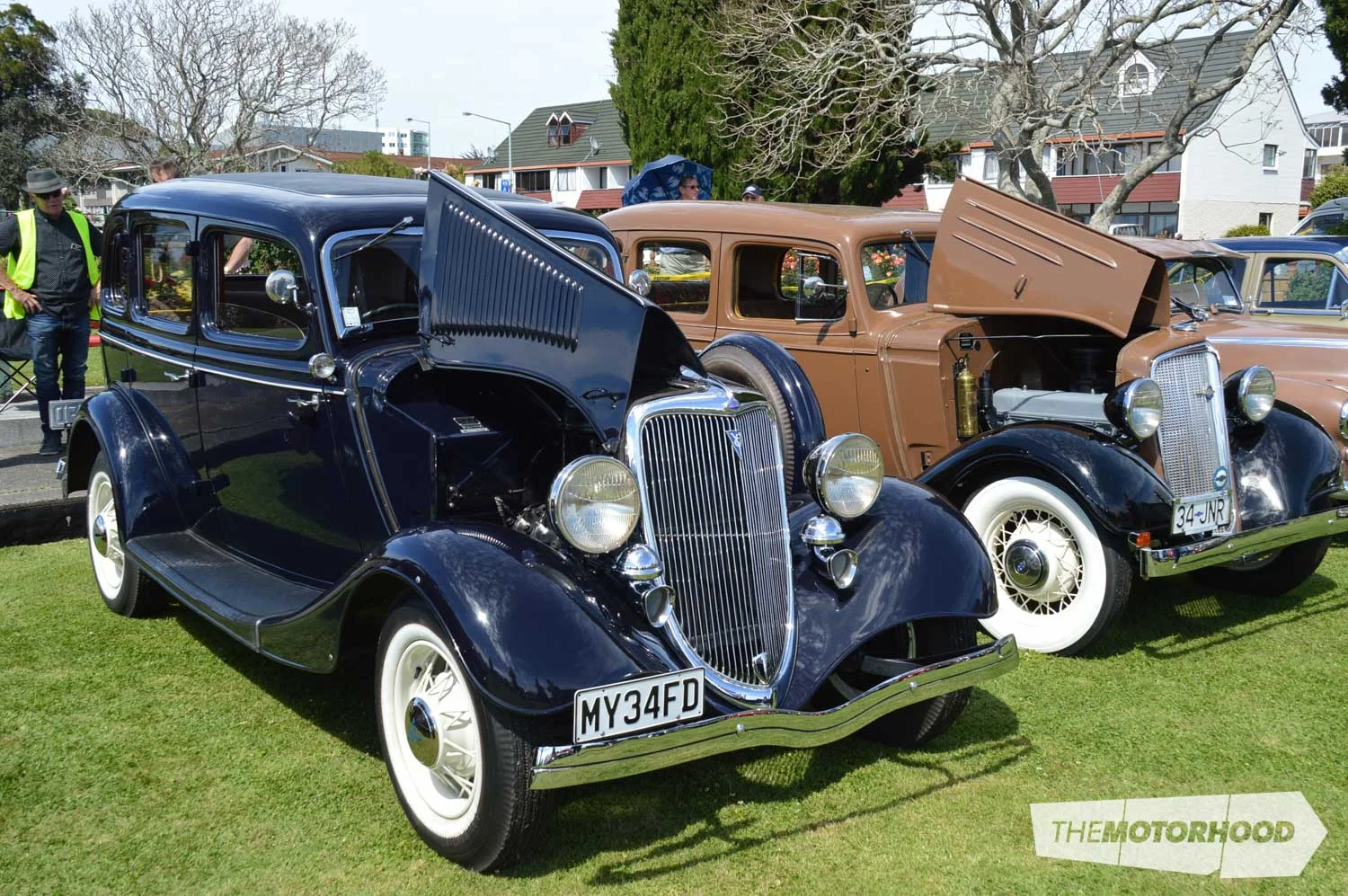
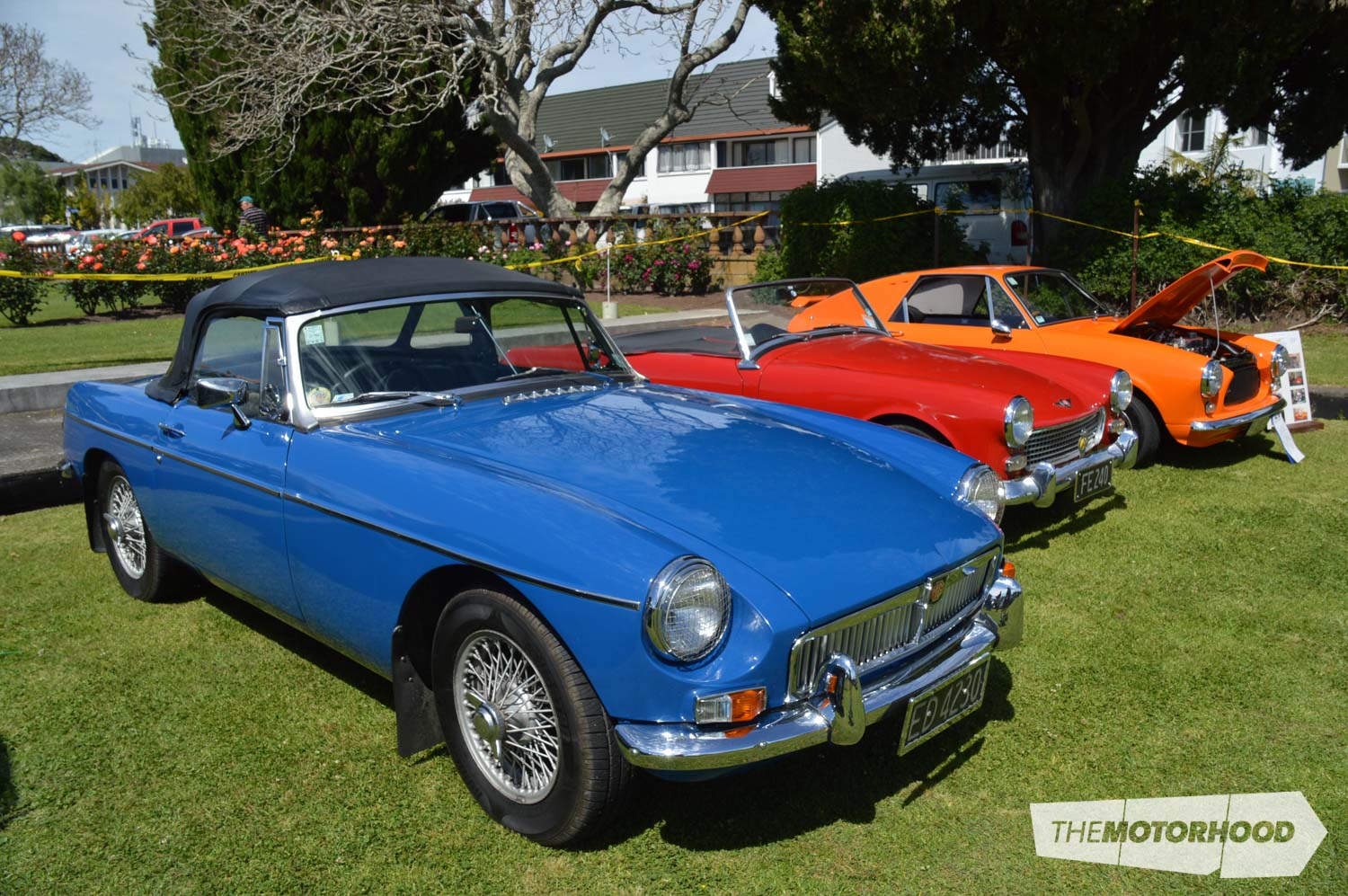
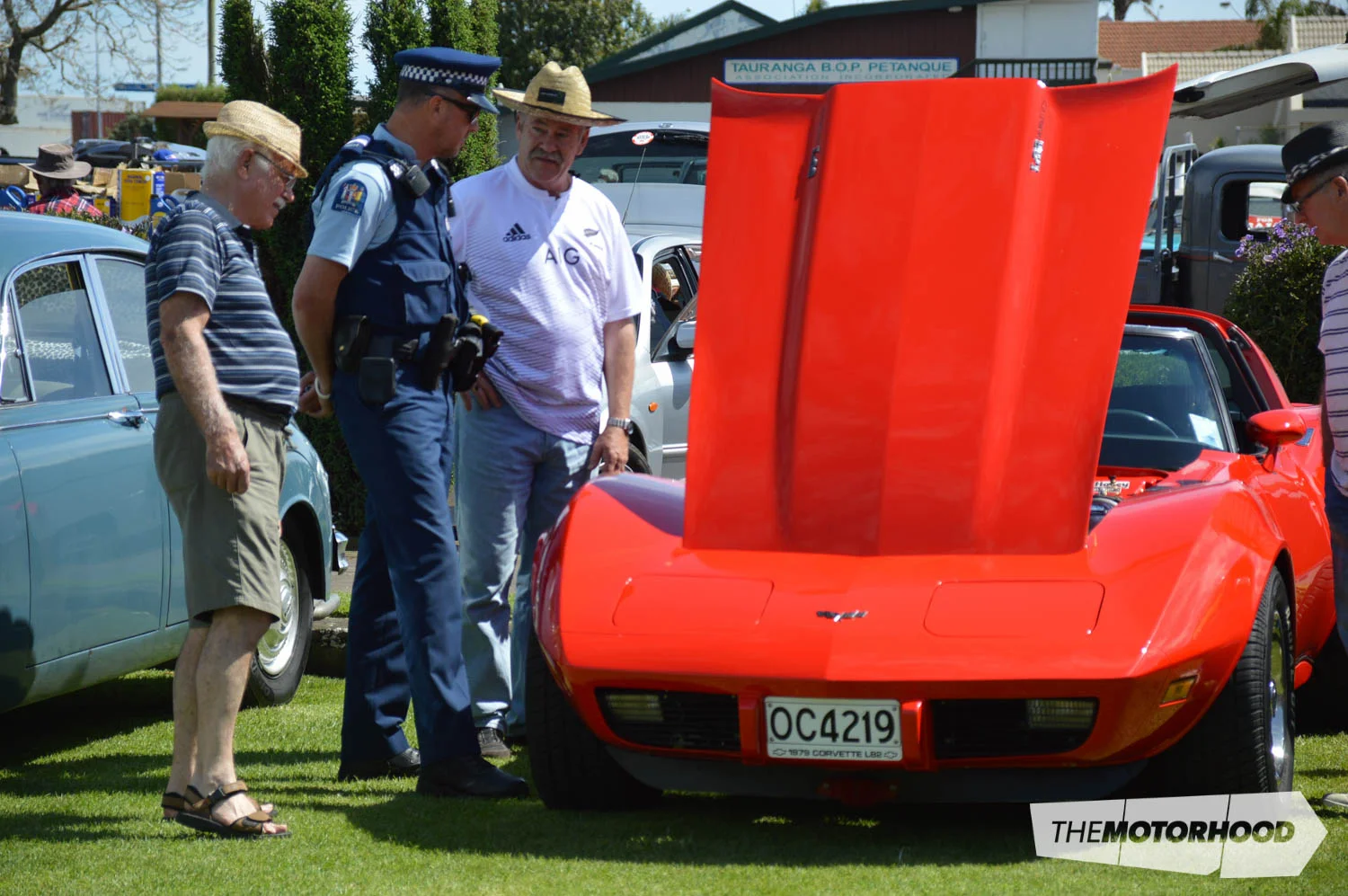
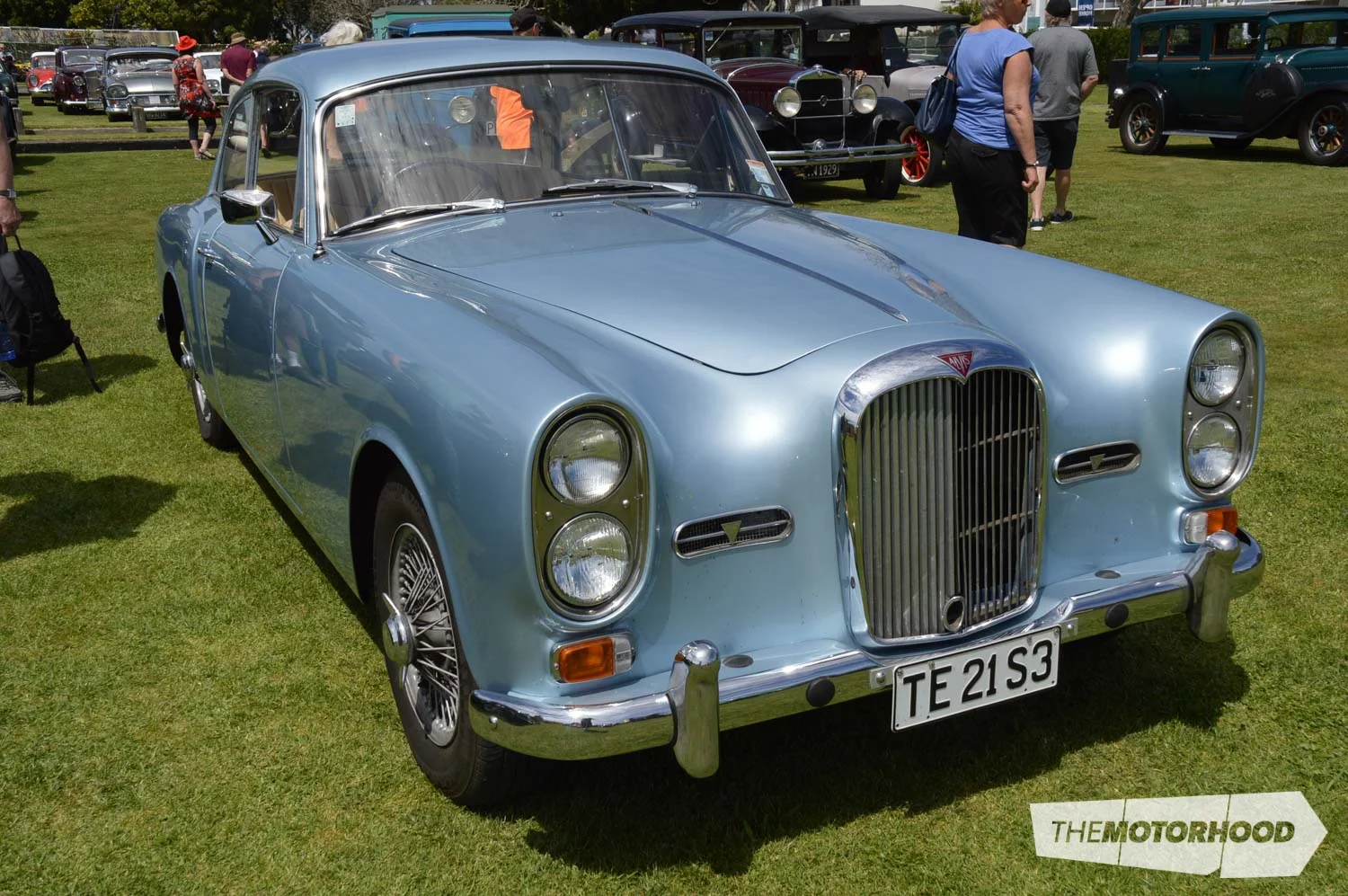
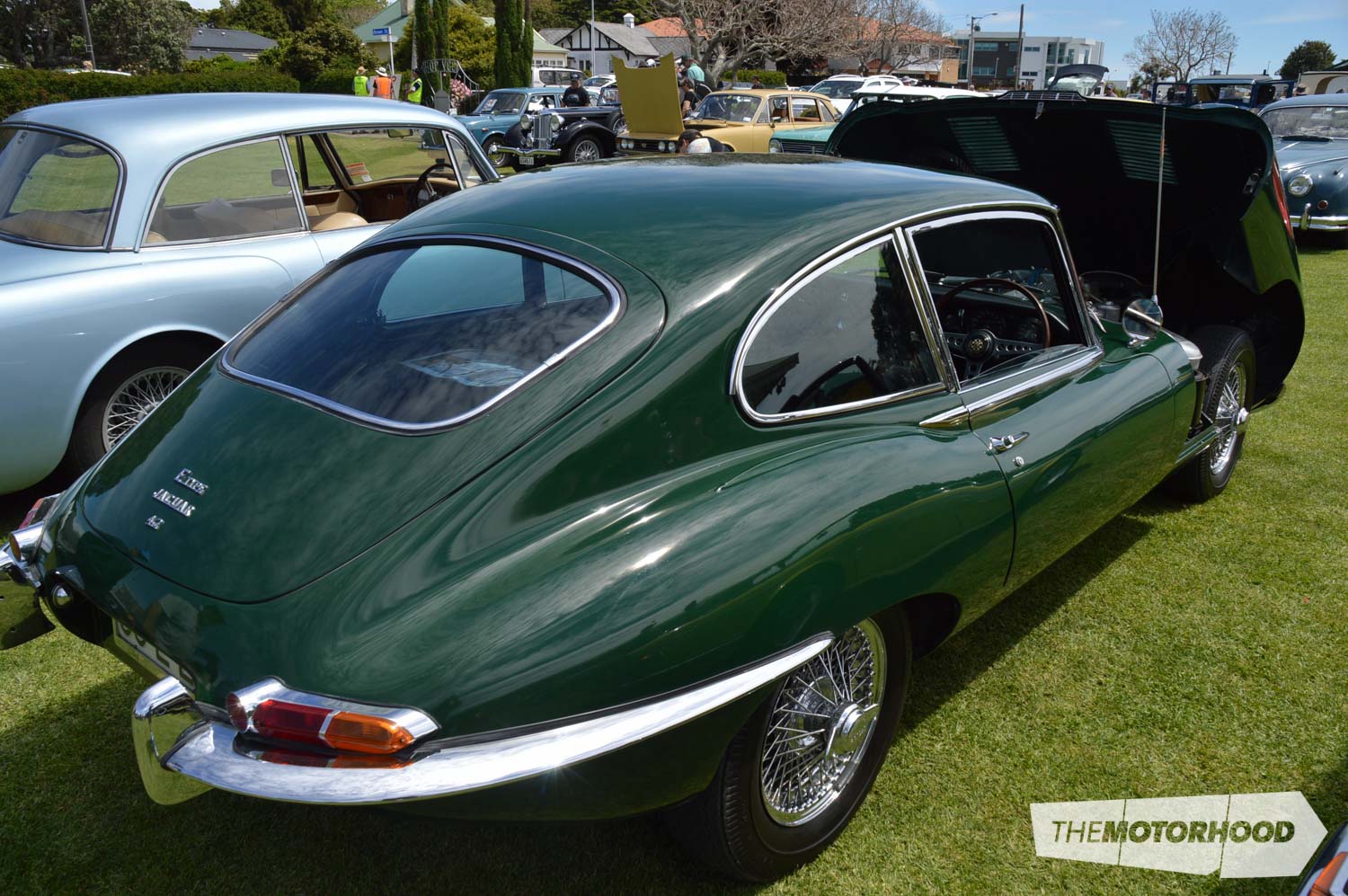
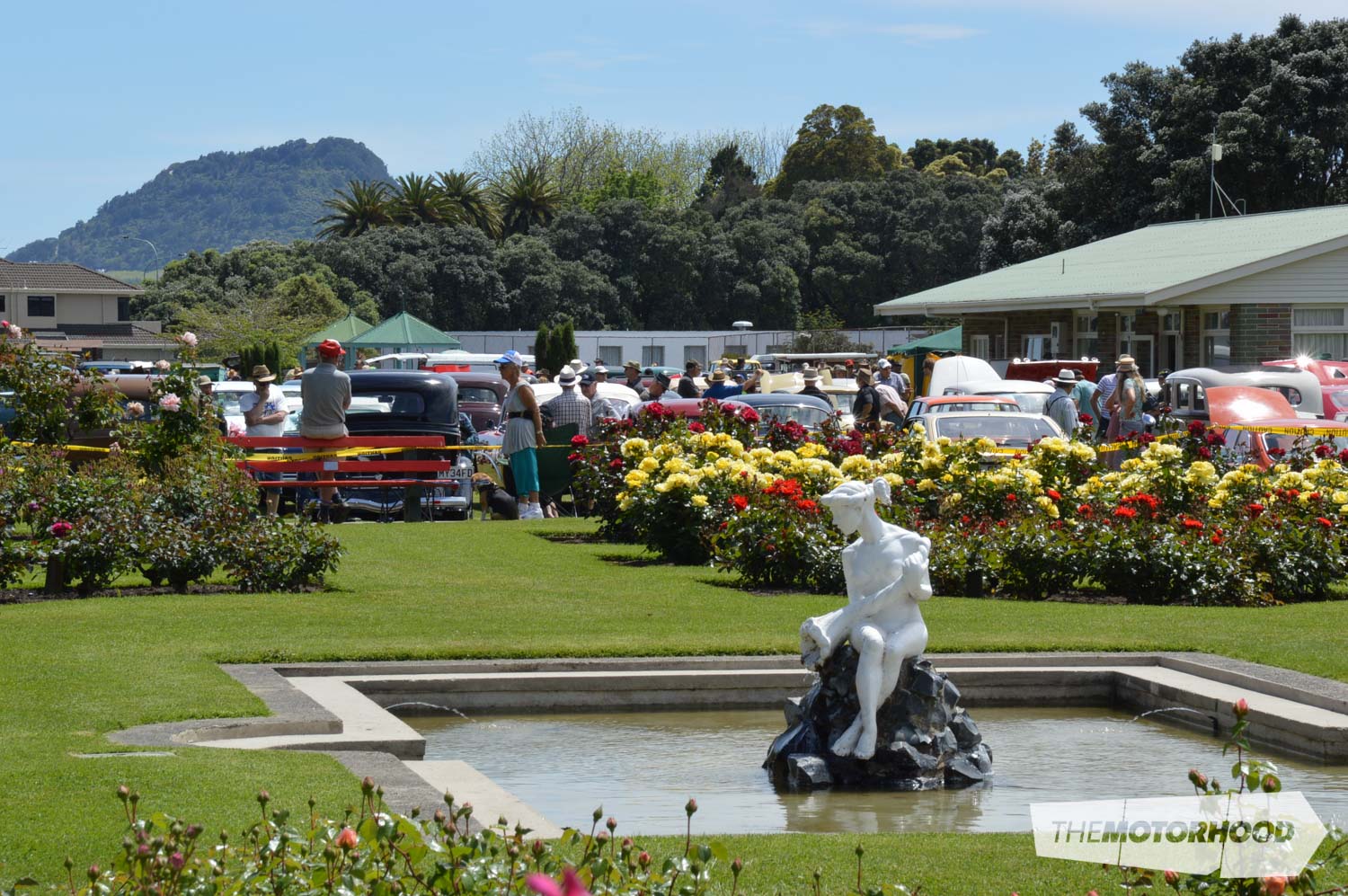
Held on Sunday, November 8 at the Bay of Plenty Vintage Car Club’s Cliff Road HQ, overlooking the upper reaches of Tauranga Harbour, this annual show has now become a popular fixture with the local classic car scene.

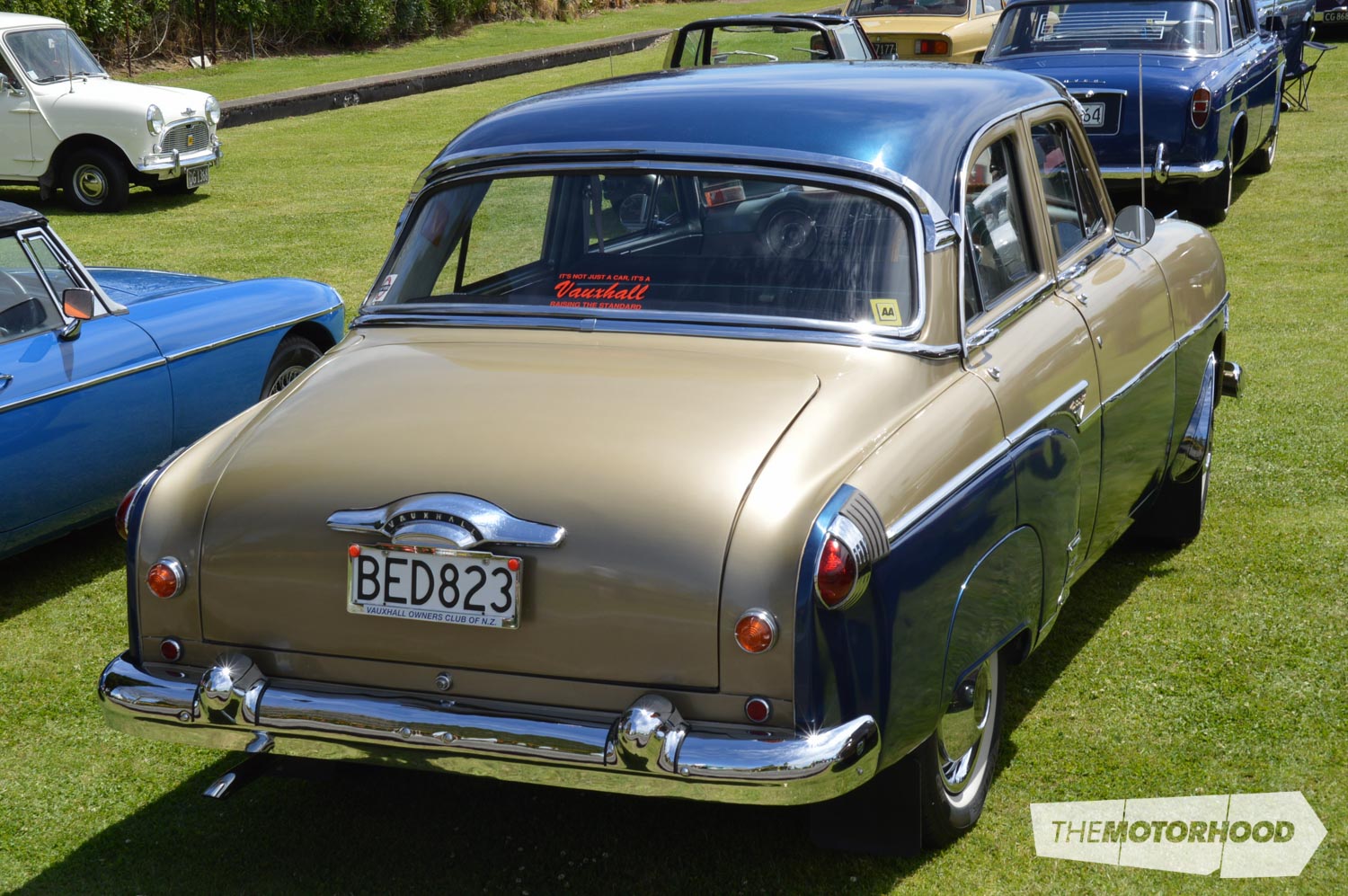
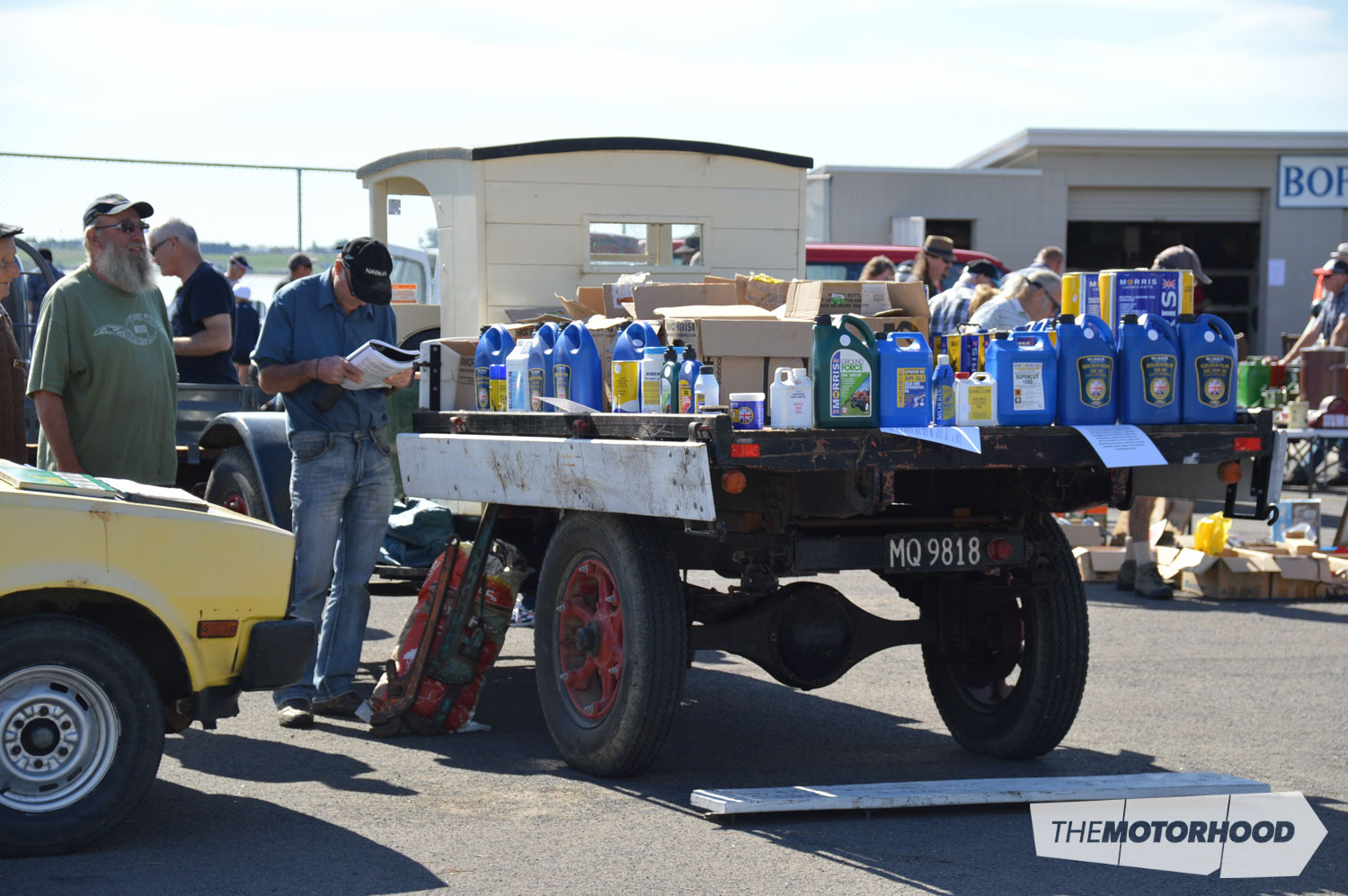
With around 70 classic motorbikes, cars, and trucks on show, plus an interesting swap meet, all surrounded by local rose gardens, this is one event visitors to the region should definitely add to their diary.

With the sight and sound of classic vehicles, the smell and the beauty of the roses, the taste of sweet and savoury in the tearoom — the show’s organizers once again should be well satisfied with their efforts, and if asked they would be able to say that everything had come up roses.

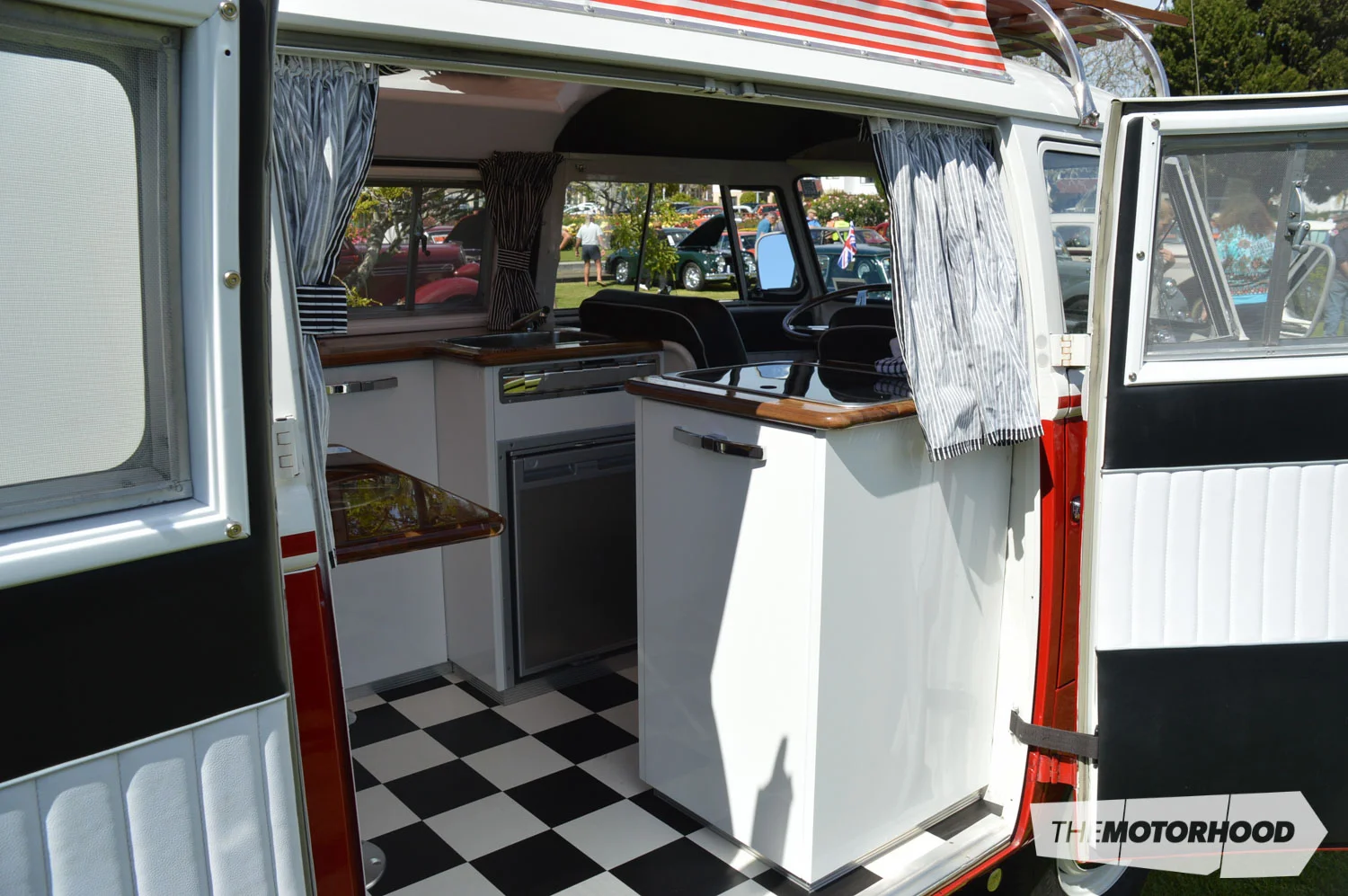
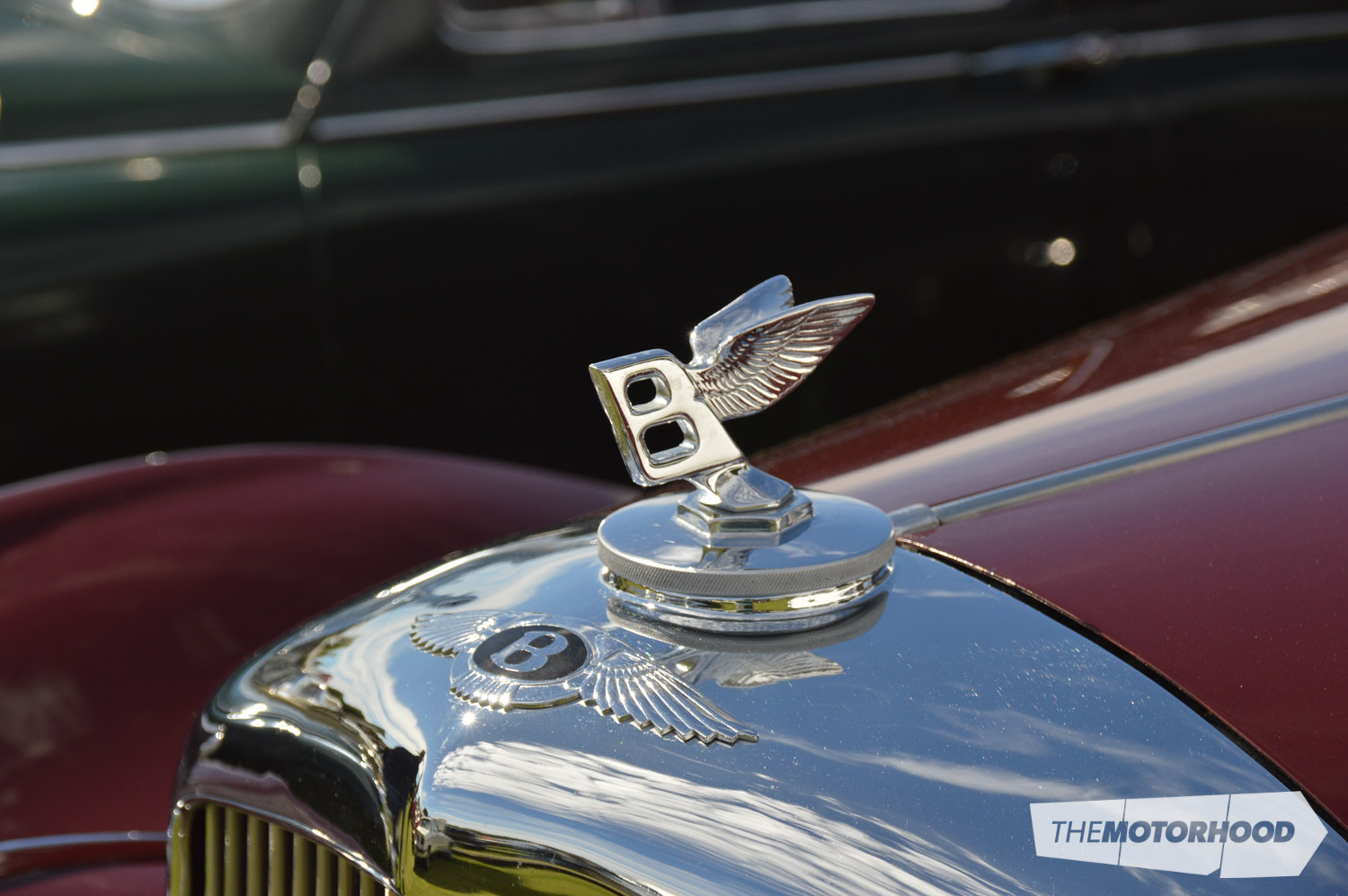
You can see a gallery of the event below:
For a full event report, pick up a copy of the January 2016 edition of New Zealand Classic Car magazine from Monday, December 14.
The butterfly effect

The man on the mountain bike pedalled over, taking it all in. Gazing in wonderment at this small Japanese coupe with butterfly doors, he said, “Wow, I have never seen one of these before. What is it?” When I told him it was a Toyota, he nearly fell off his bike.
The Toyota Sera is unique amongst ’90s Japanese coupes. The Sera, which is Italian for ‘evening’, can trace its roots back to Toyota’s AXV-II concept car. Launched as part of a trio of Toyota concept cars at the 1987 Tokyo Motor Show, it shared its underpinnings with the P70 Toyota Starlet. The similarities ended there, thanks to the AXV-II’s low-slung and rounded coupe styling with butterfly doors. These doors were held upright by gas struts when fully open. Glass covered the upper section of the doors and the rear hatchback.
These features, much to everyone’s surprise, were carried over to the production Sera in 1990. Toyota marketed the Sera, which means ‘will be’ in Spanish and ‘princess’ in Hebrew, as a funky alternative to the much-loved MR2.

Racing Mazdas

Both Rod Millen and Ron Kendall were rotary racing kings, emanating from the North Shore of Auckland, where I grew up. And the ultimate rotary techno guru was Bill Shiells, who developed the engine into a rocket ship while working out of Gulf Mazda in Takapuna from 1969, and later in his own business, Rotorsport. He began to extract some phenomenal horsepower from the enigmatic rotary engine. Bill was one of the first to race the Mazda RX-2 Coupe in 1971 and achieved immediate success, causing others to sit up and take notice, particularly the North Shore’s racing elite. They included Robbie Francevic, Rod Millen, Ron Kendall, John Woolf, John Le Feuvre, and Rex Findlay.