December is a relatively quiet month in the American classic-car community, particularly this year with much of the country in the grips of a record cold winter, and auctions and collector events few and far between. But it is an excellent time to reflect on the year just past and polish the crystal ball for predictions regarding the coming 12 months. As always there are those who predict a ‘bubble burst’ as prices continue to rise across every segment of the classic-car world; but today’s typical buyer is a hugely knowledgeable and passionate enthusiast. The current market is also largely driven by the love of a particular automobile and is far less precarious than one that is driven by trend, rumour, and greed.
In analyzing the results of the major US auction houses in 2014, it is the very top end of the market that has seen the largest increase. In defining ‘top end’ it is important to remember that these are not ordinary classic or collector cars, or even most models within the exotic category, such as Ferrari. These are the rarest, most desirable, and impeccably restored or maintained examples of any marque or genre.
The best and most highly documented examples of these cars often seem to command sums where price is no object when uber-wealthy collectors compete to add them to their impressive stables. Ferrari, as has been the case for many years, leads this pack and includes the world record-breaking sale of a 1962–’63 GTO at US$38,115,000 in August, in first place.
Actually all of the top-10 auction sales in 2014 involved a Ferrari, and over the past 12 months auction prices for the finest Ferraris have risen a staggering 43 per cent. At only slightly lower dollar figures, the same pattern holds true for the rarest and most desirable models within many marques including Porsches, Shelby Cobras and Italian exotics.
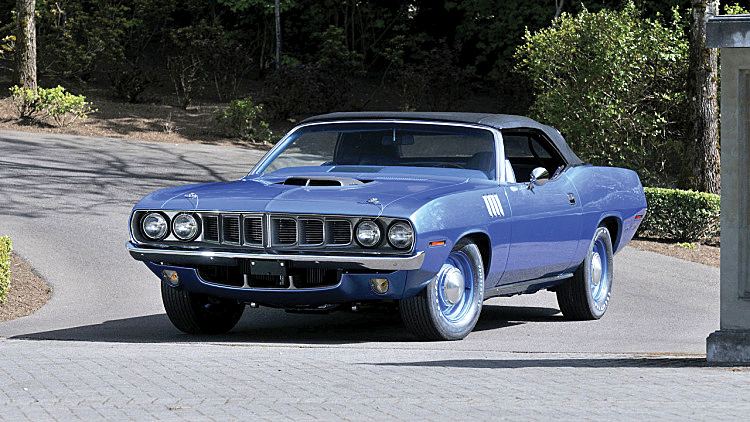
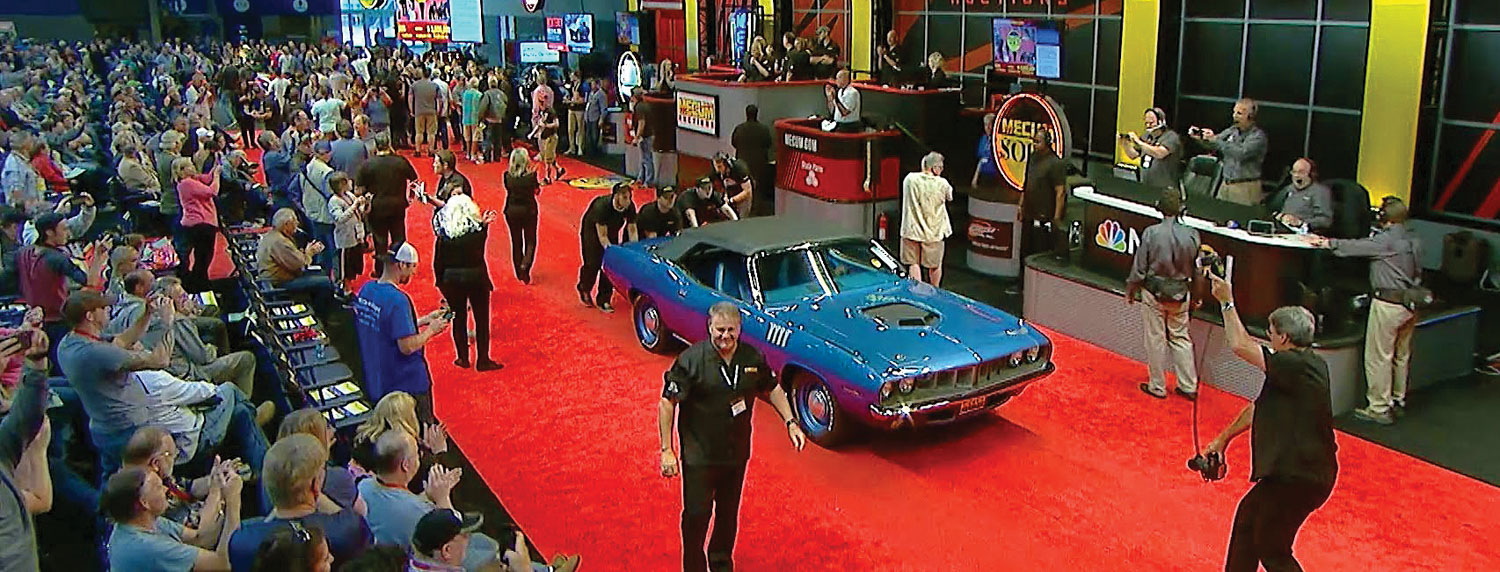
The best, most unique, and most powerful examples of American muscle cars from the mid 1960s to 1971 also experienced tremendous price growth over the past year, with auction increases of 38 per cent over the 12-month period. More than a few jaws dropped in Seattle last June when the only surviving numbers-matching four-speed convertible 1971 Hemi Cuda hammered at US$3.5M for a new Mopar world record. Increasingly, the Corvette stratosphere, which was largely the domain of rare C1s and C2s, now includes the rarest of 1968–’71 C3s, as price tags for these previously underrated cars soared to well over US$1M in 2014 .
Back in the ‘real’ world where most of us reside, prices have continued to rise, albeit at much more reasonable rates. British cars have enjoyed a very good year at auction almost across the board, with Austin-Healeys, Jaguar XKs and E-Types and Sunbeam Tigers up front, with increases at an average of 10 per cent over 2013.
A quick start to 2015
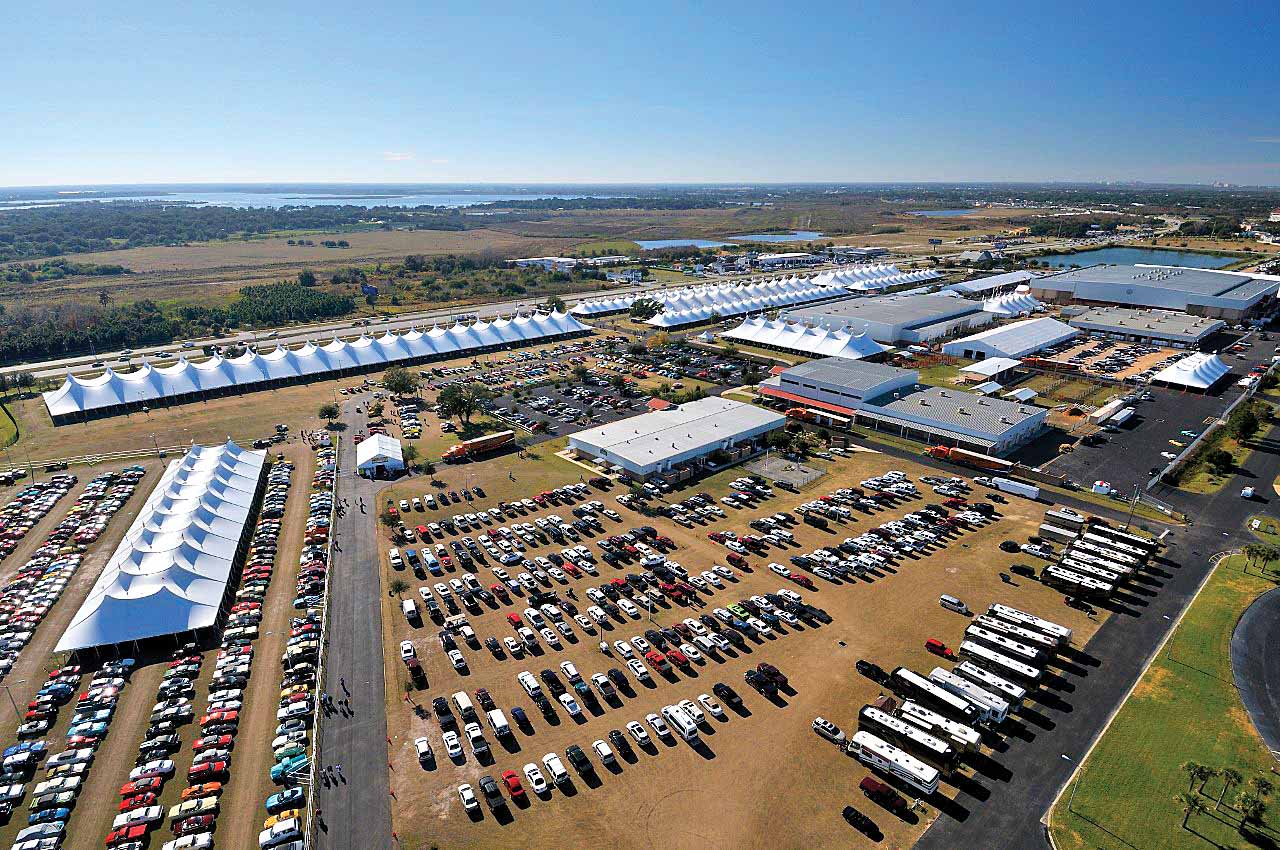
This year started with a bang, with over 10 major auctions and many minor ones across the nation in January alone. The wealthy desert enclave of Scottsdale, Arizona, is host to five of these mega auctions, with Barrett-Jackson’s sale on January 10–18 leading the way for the other major houses of Russo and Steele, Bonhams, RM Auctions and Gooding and Co. Between these five houses 2014 Scottsdale sales exceeded US$249M, and expectations were for even greater results in 2015.
In short, the year is off to a very nice start here in the American collector-car world, with much to look forward to in the coming months. I am off to see what further bargains Mecum holds, and hopefully to secure a few including a truly lovely Ferrari Dino for a client and perhaps something far less extravagant for myself!
Upcoming events:
- March 13: Gooding & Co. Amelia Island, Amelia Island, Florida (very high end, goodco.com)
- March 21–22: DE Foeller Classic Car Auction, Palmetto, Florida (over 300cars, defoellersales.net)
- March 27–29: Auctions America Ft. Lauderdale, Ft. Lauderdale, Florida (over 500 cars, auctionsamerica.com)
- April 9–12: Mecum Houston, Houston, Texas (over 1000 cars, mecum.com)
- April 17–19: Barrett-Jackson, Palm Beach, Florida (barrett-jackson.com)
- April 22–26: Carlisle Spring Autofest, Carlisle, Pennsylvania (over 2000 cars for sale in ‘car corral’)
- May 7–9: Auctions America Auburn, Auburn, Indiana (over 400 cars, auctionsamerica.com)