I have a little disclaimer to make before I get started. This post is not about driving the car, nor is it about reviewing it. It’s more a story of the shoot and how it all comes together to achieve something like this. I’m one of the photographers/videographers here at Parkside Media and The Motorhood and I have been shooting for around four years. I’m no car reviewer — I’m more obsessed with photography than the subjects. With that in mind, I’m here to discuss what I do and how the show has come together.
I’m becoming increasingly captivated with shooting things in certain manners or ways. I was always obsessed with perfection, but it’s become harder to achieve my ideal atmosphere when constantly shooting cars for a publication. Unlike shooting for myself or a for client, the planning is quite minimal and often everything’s done on the fly. It’s definitely challenged me and my knowledge at times but it’s also given birth to some great ideas, and horrible ones at the same time. It doesn’t help that I’m always a bit of a planning freak too.
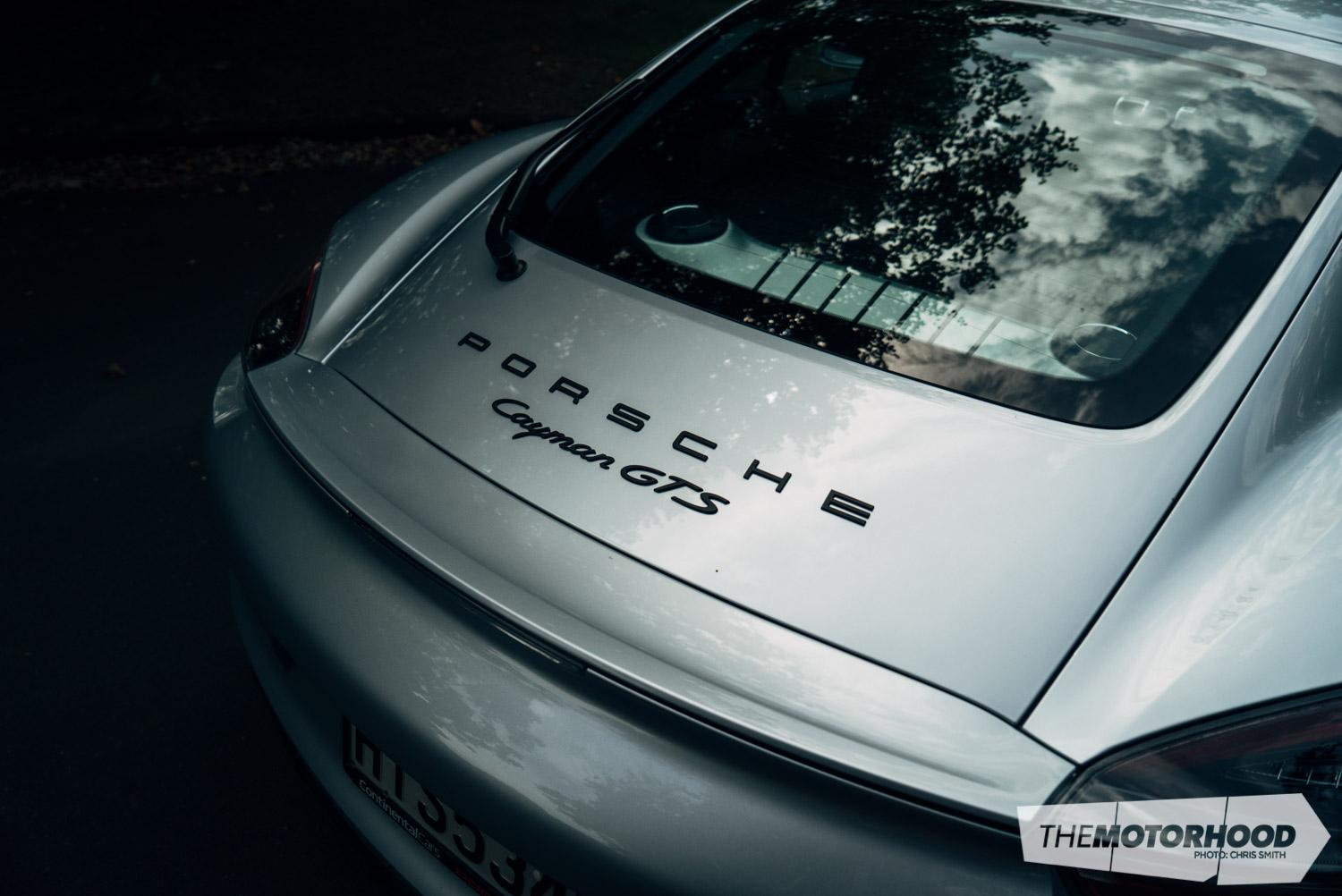
People seem to forget that it is a job. I am out here to work and my work is photography. It just so happens that it involves cars along the way — photos come first, however. In the time I’ve been shooting cars I’ve learnt how to make the most of a situation and capture the scene. Working in a private suburb, the Porsche Cayman was shot with a regal, expensive feel in mind; something that captures the exquisite elegance of a Porsche.
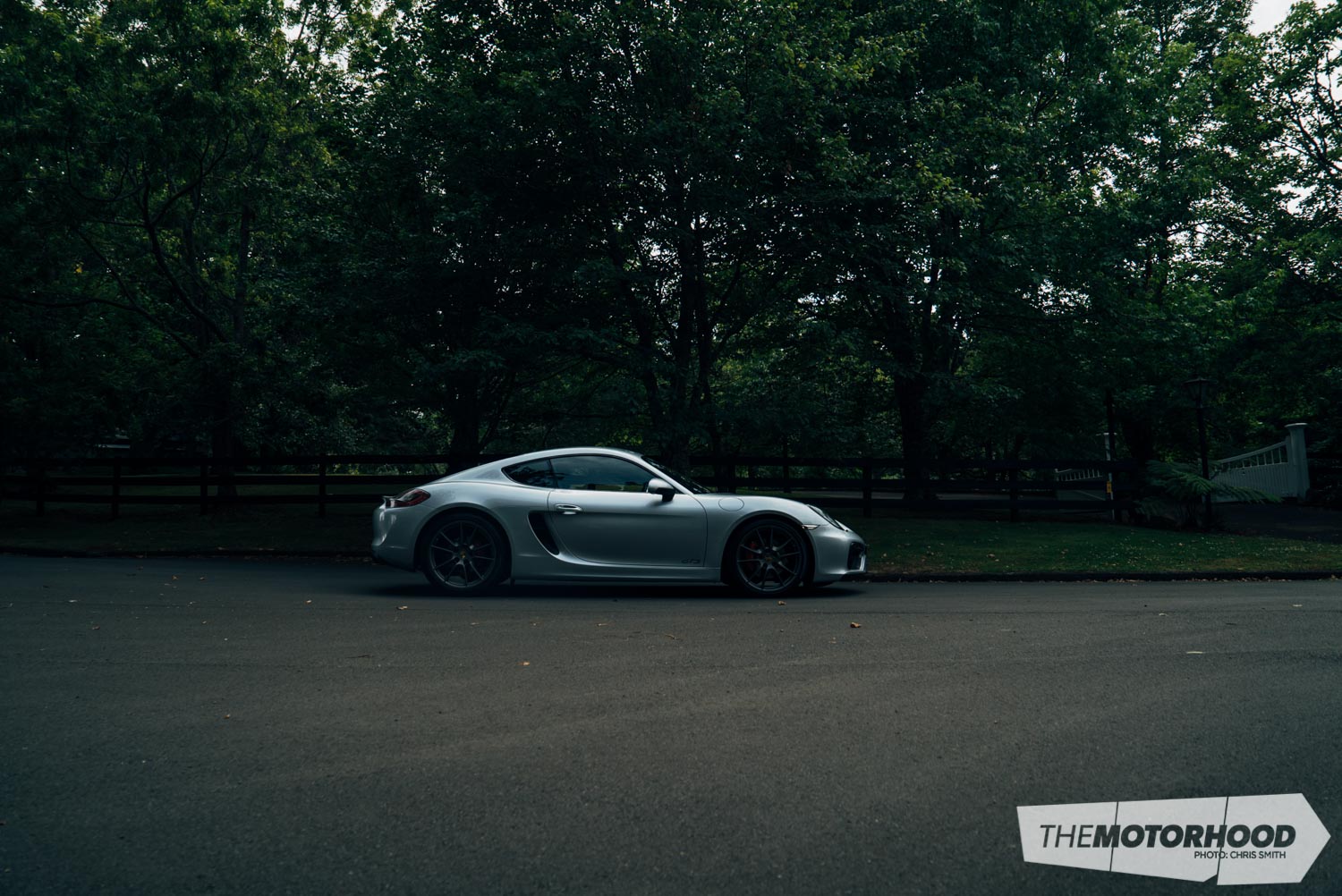
I shot this car out in the country at a location that I have always wanted to use. I drove past it nearly every day for a few years and it made me wonder if it was possible to get a car there and do a shoot. The circumstances came together and the shoot was booked to go ahead. I packed my gear, using a Sony A7S and a Canon 7D, and set out to shoot a series of portraits of the new Porsche.
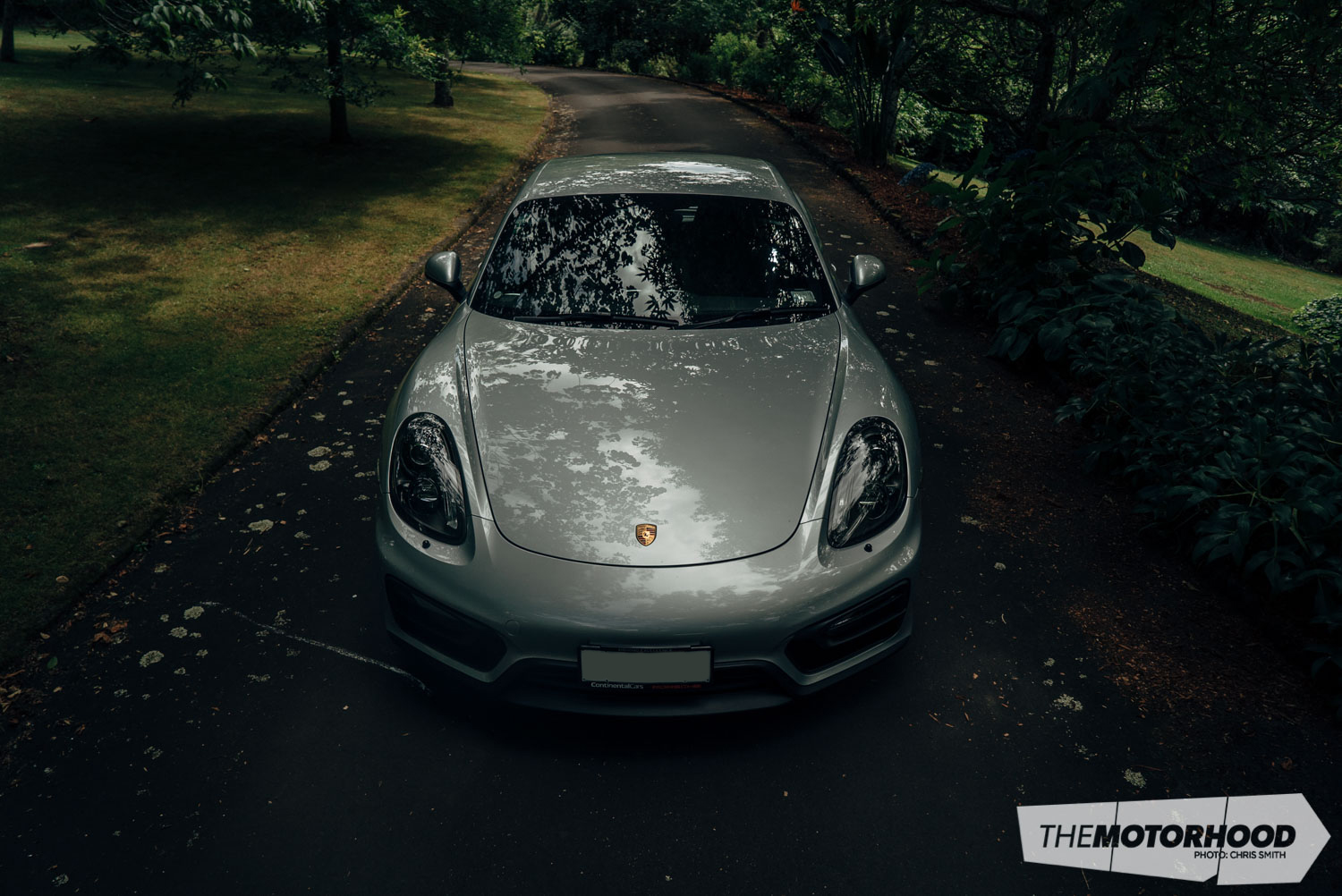
Some people will not agree with the Cayman. The Cayman is a new take on the classic Porsche 911 styling and, if anything, it’s one of the only new variations in many years. The Boxer came out but was regarded as a more feminine car, and the Cayman is still trying to find its feet. This model does come with a new design, new engineering, and a revised thought process. It is truly a modernized, new take on the classic Porsche design aesthetic.
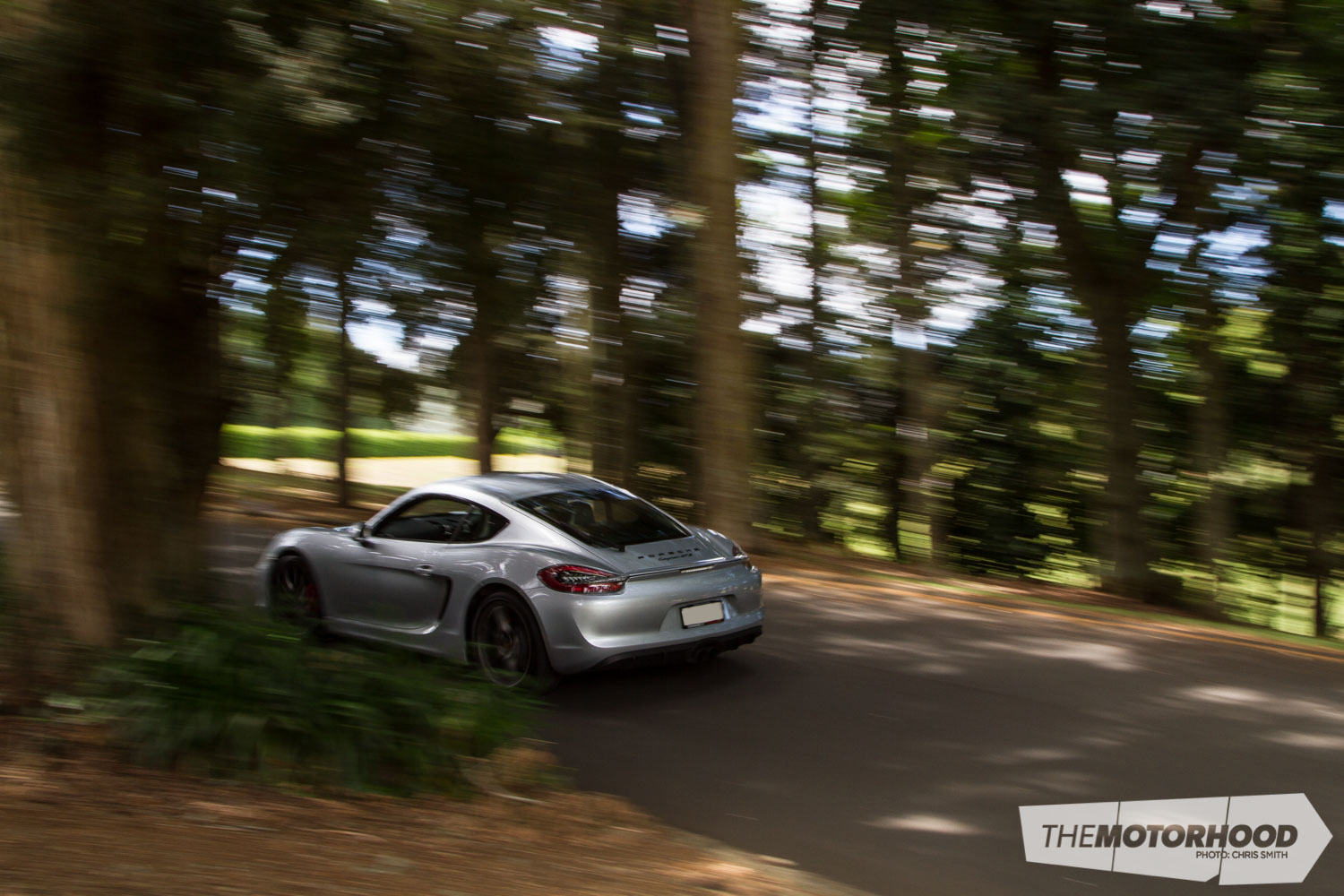
If anything, I wonder how the Cayman will survive, and what impact it will have on the Porsche brand in the years to come. I feel that the move is bold and courageous and will only reinforce Porsche as a heritage motoring icon. With the likes of the recently released Cayman GT4, it’s hard not to appreciate the work put into the car.
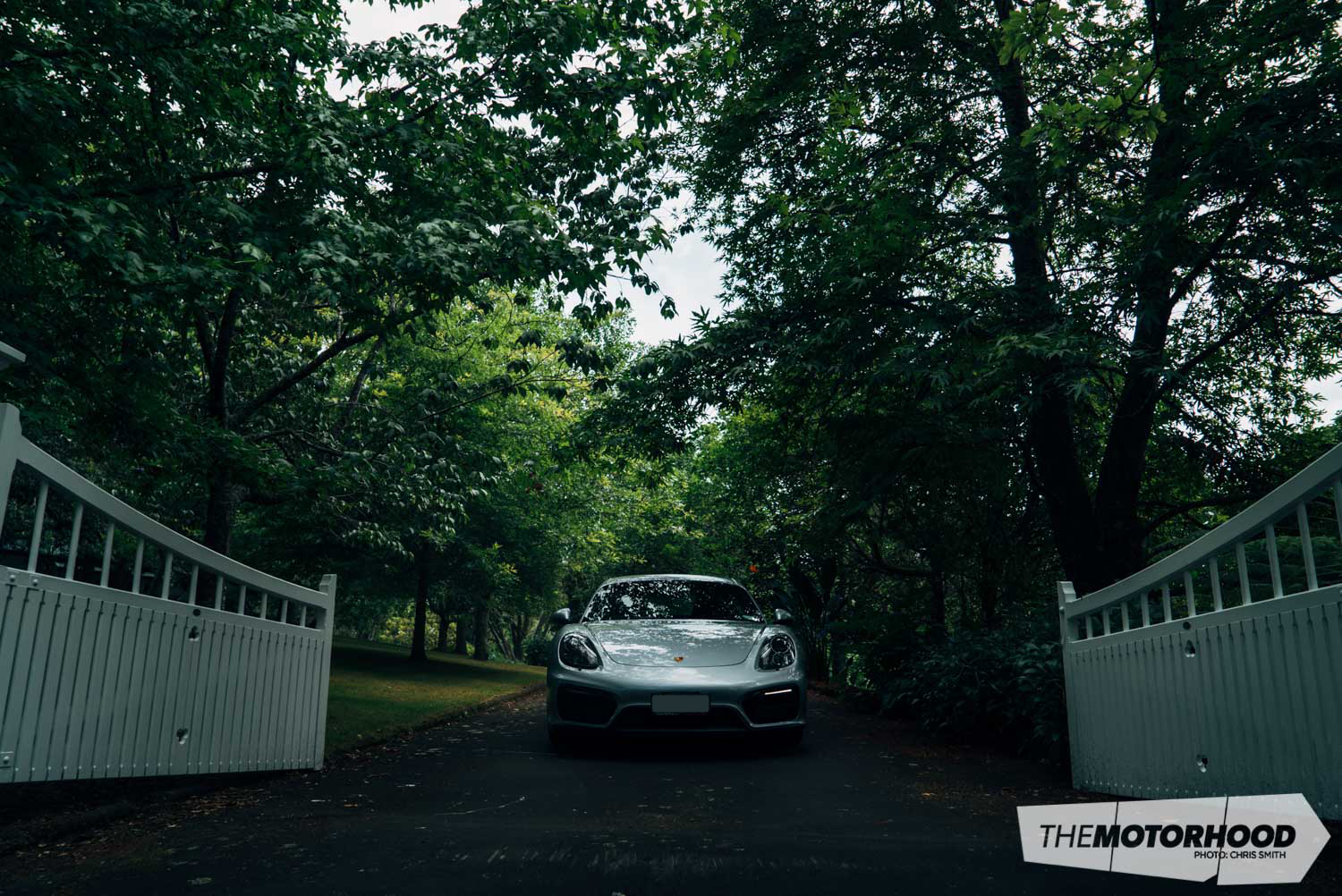
As shown in the shoot however, it’s easily a daily driver as much as it is a race car. With a few simple flicks of various dials and switches, the car can be transformed from a Honda Accord to a Porsche GT3 RS in mere seconds. It’s a daily race car — the car that people have been asking for, but only few have received. With that in mind, I feel the car will make a significant impact on the outlook of Porsche.
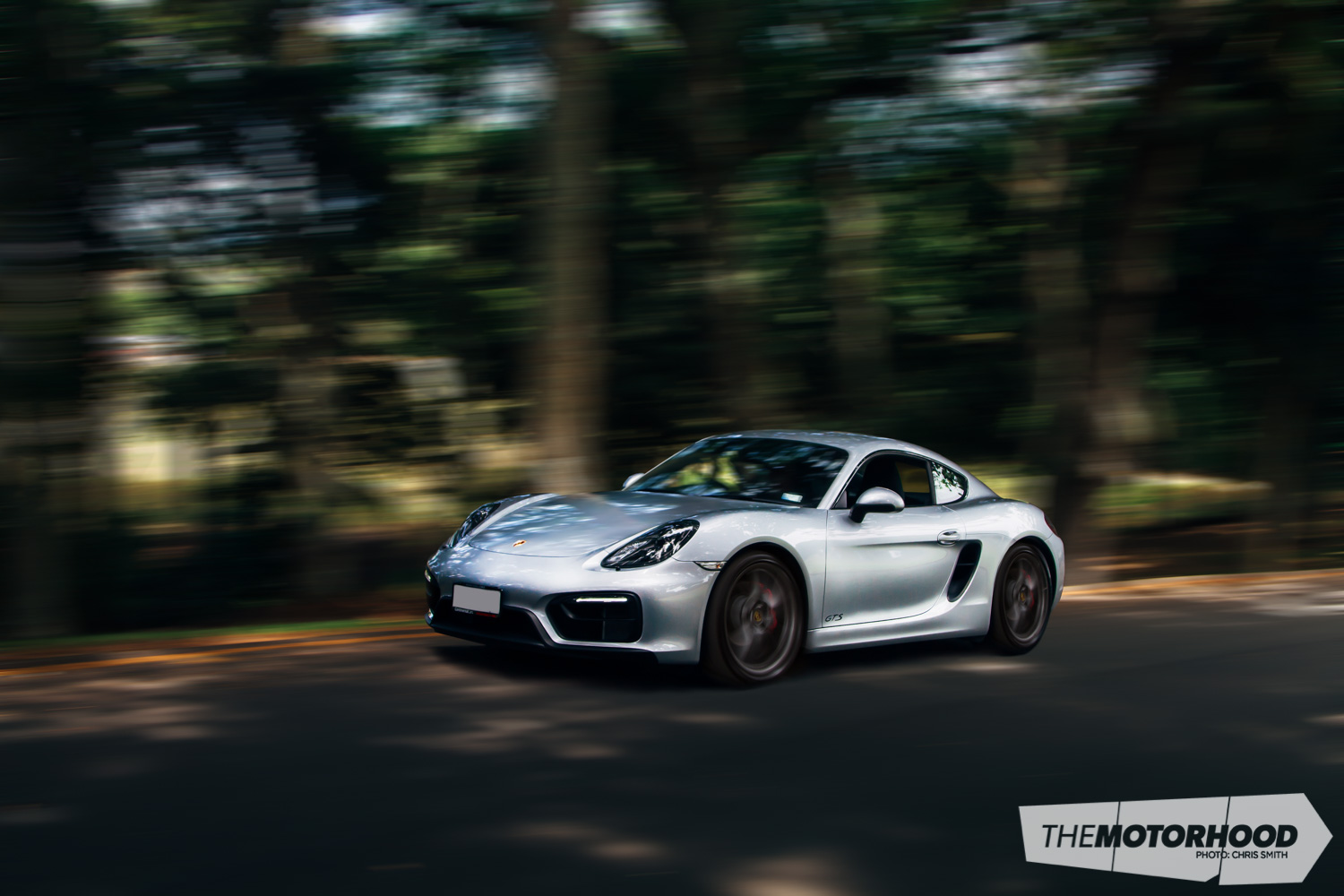
The name ‘911’ is synonymous with Porsche. Many will consume on the basis of having a 911 and being able to become a part of a history, which unlike the Cayman, the 911 does allow for. It’s hard to truly say where to from here but I think the Cayman is a step in the right direction and a car that needs to be shown more often. However, with the Lotus Evora 400 coming out, which vehicle is going to take the crown in this small sector of motoring?
Although it may be a higher model than the one I’m featuring, the strength of the design comes through in the video and is most definitely worth watching.