It’s been two years since the meet started. If anything it’s like the older guy’s version of the young’un’s hard park. With the event being held in a car park, it could be suggested that Caffeine and Classics takes some inspiration from the American ‘Coffee and Cars’ concept. The car park at Smales Farm on Auckland’s North Shore plays host and becomes packed with classic cars and lined with a few coffee stands. Walking around the car park you find everything from Morris Minors to BMW CSLs. It’s a wide variety that brings the owners and the fans back once a month. This time, on Sunday, February 22, it was the meet’s second anniversary, and with that came big expectations of population. With an estimation of around 700–800 cars the meet was gigantic and is crowned the biggest monthly meet in New Zealand. What a title.
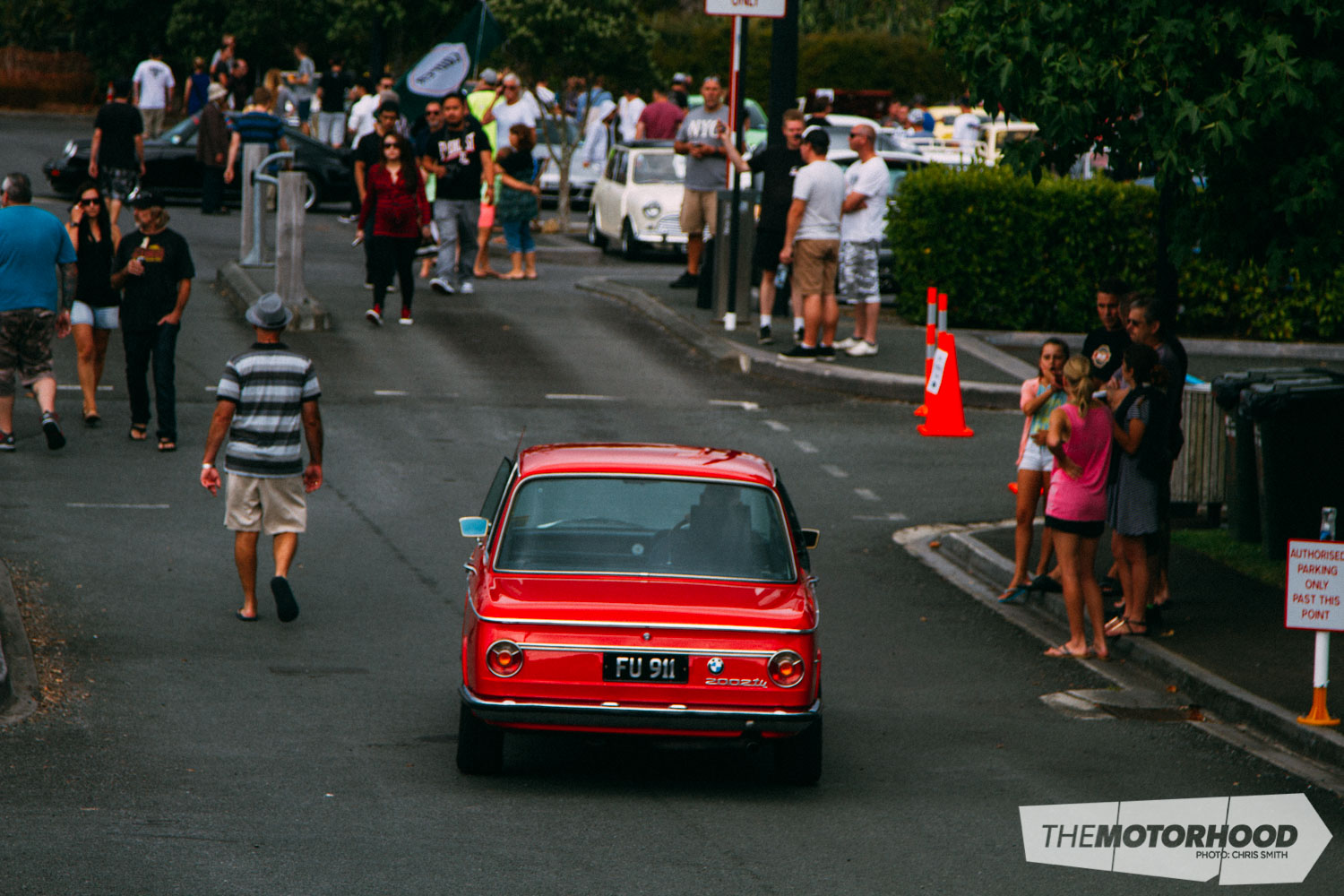
It’s a bit like a shopping mall during the build-up to Christmas. Finding a park is bad enough, but instead of going shopping, you’re staying in the car park observing all of the amazing cars.
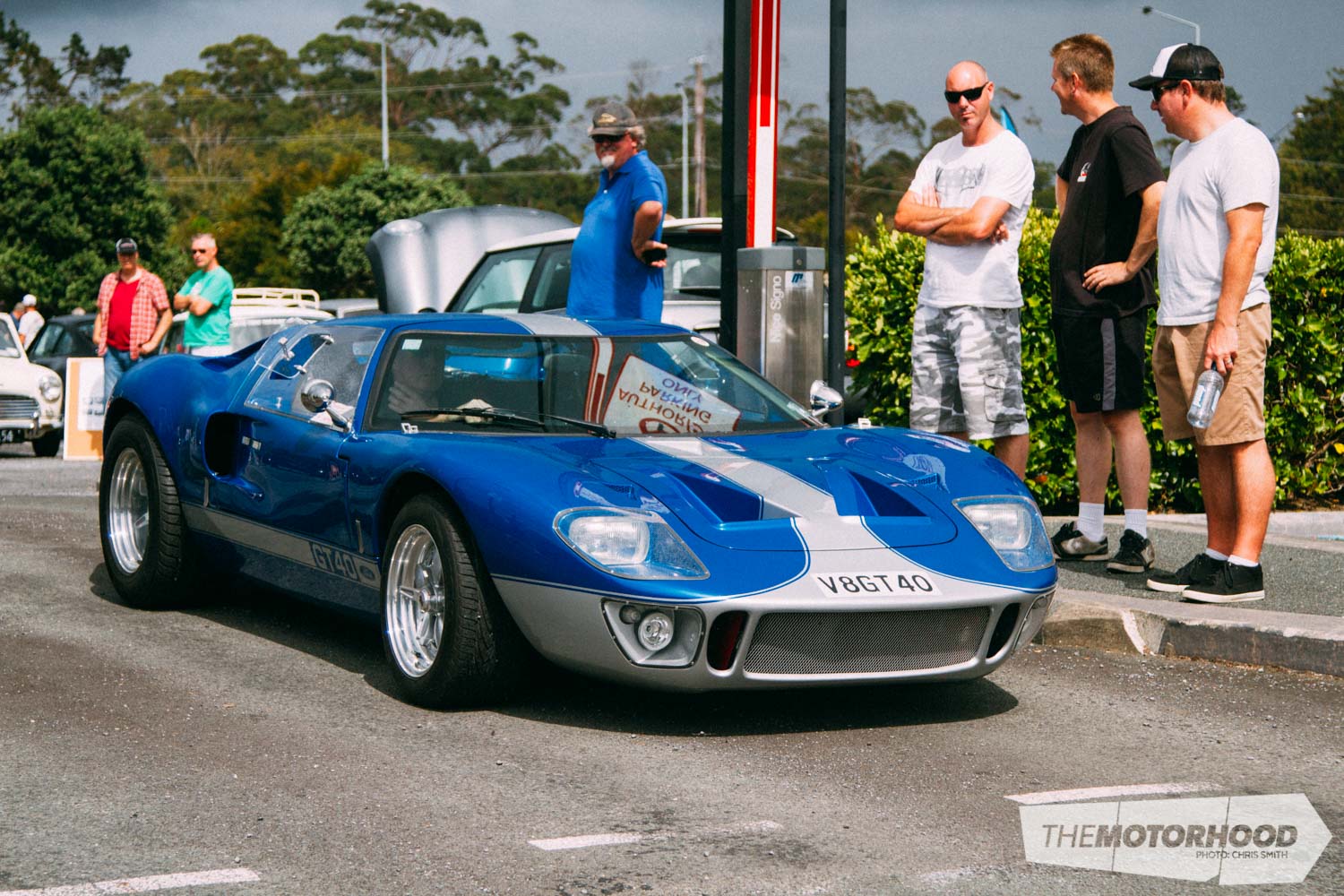
As a spectator the event has plenty of parking. In fact more than enough to hold a few thousand cars, including spectators. With people showing up in a GT40 or a BMW 2002, the event gets a variety of participants with the same passion in mind.
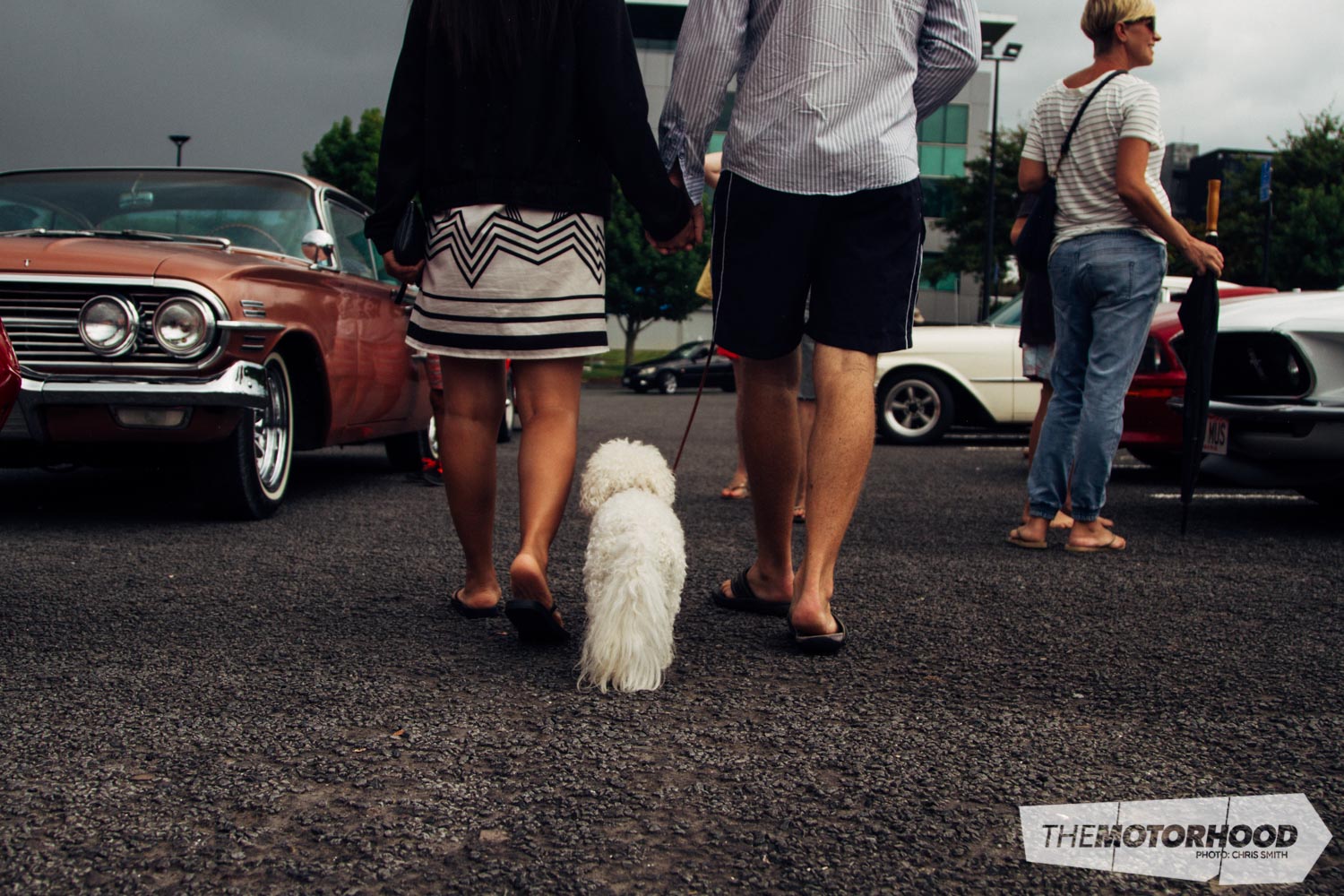
Caffeine and Classics is about as much of a family excursion as it is a group of enthusiasts. It’s more than a casual walk in a park, but at the same time has similar resemblances. It really illustrates the number of people out there who love their cars, and that this passion is not going anywhere soon.
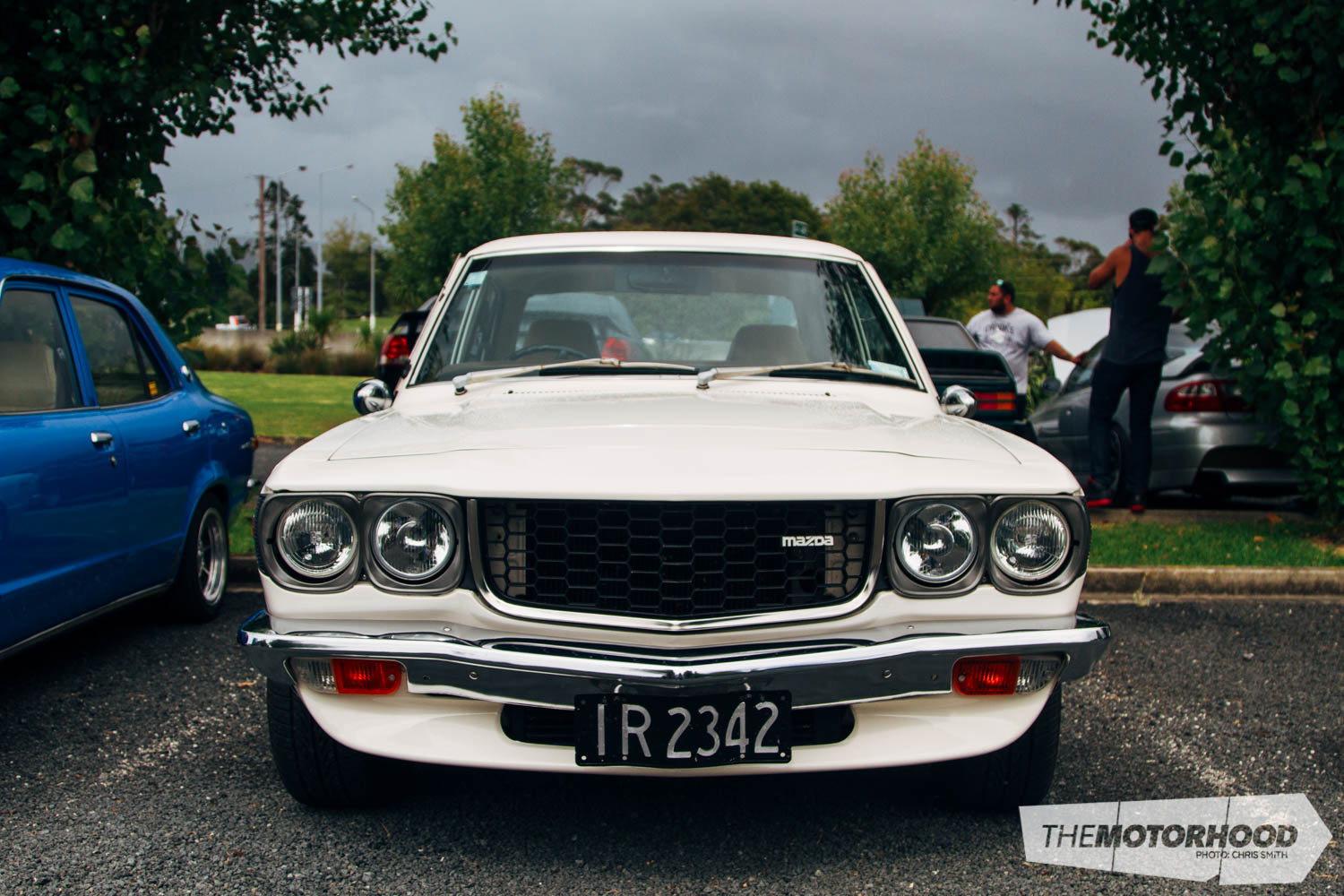
I guess there’s a difference between this event and others like it, where anyone with a classic car is allowed to roll up. So we’re not getting a selection of V8s, we’re getting everything. Including this immaculate RX-3.
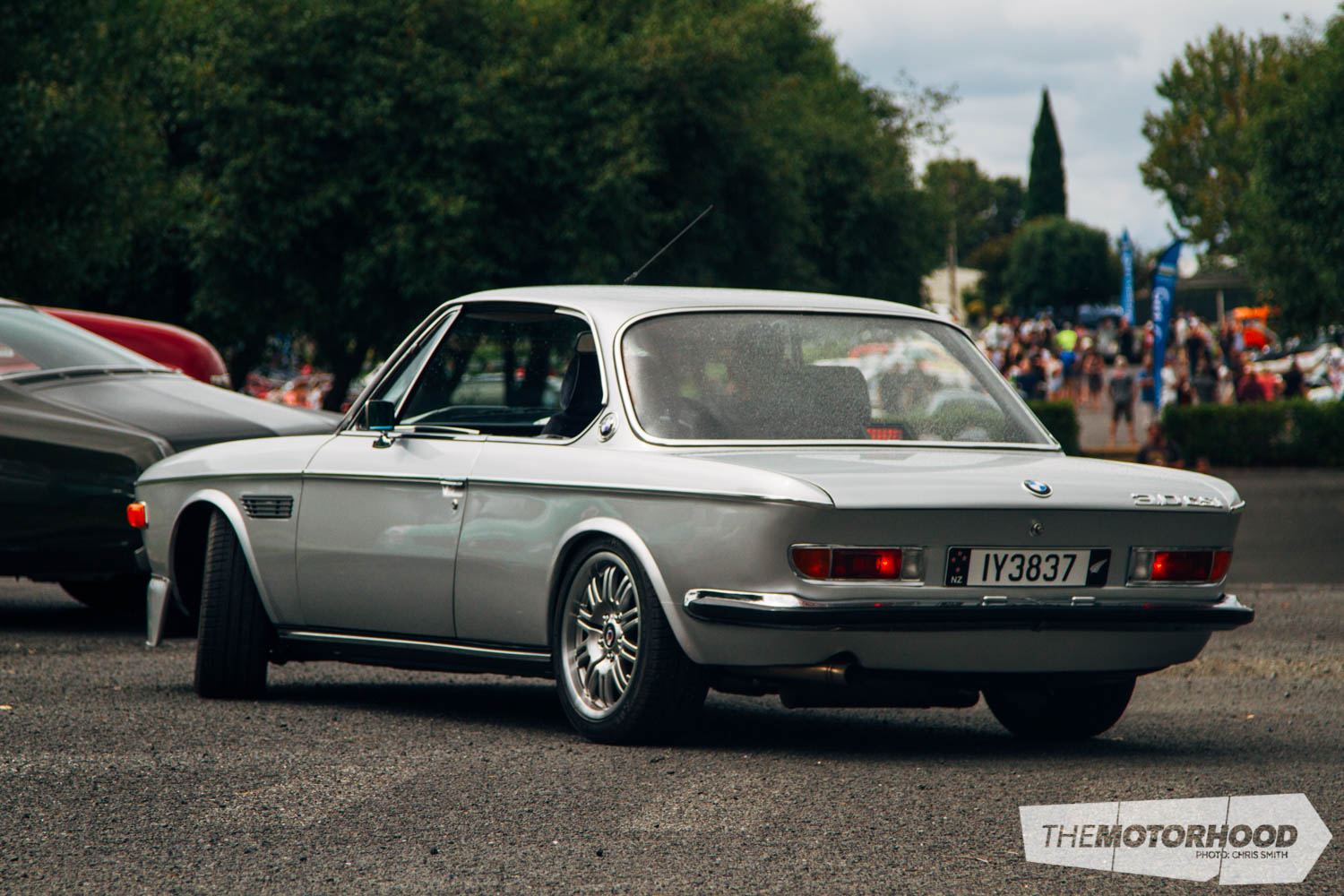
I came down to the event after a friend posted on good old Facebook that they’d be attending. I decided, as it’s a 15-minute drive from where I was staying, that I might as well pop down and have a gander. Only a few weeks ago I was at the Ellerslie Intermarque Concours d’Elegance where this very BMW 3.0CSL was sitting next to an i8 BMW, that had been recently released.
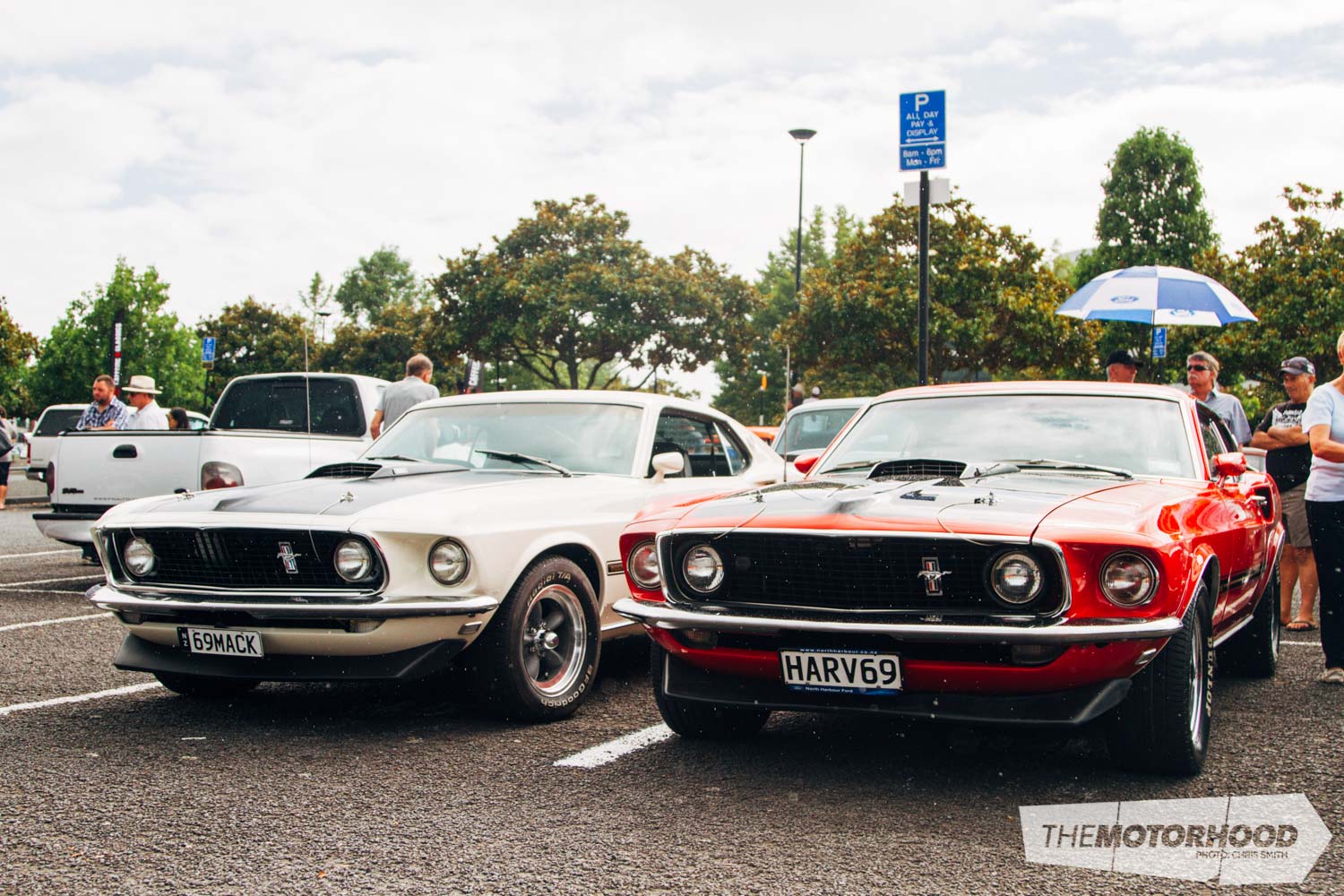
Support for the classic Mustang was proudly on display with the car club having many members in attendance.
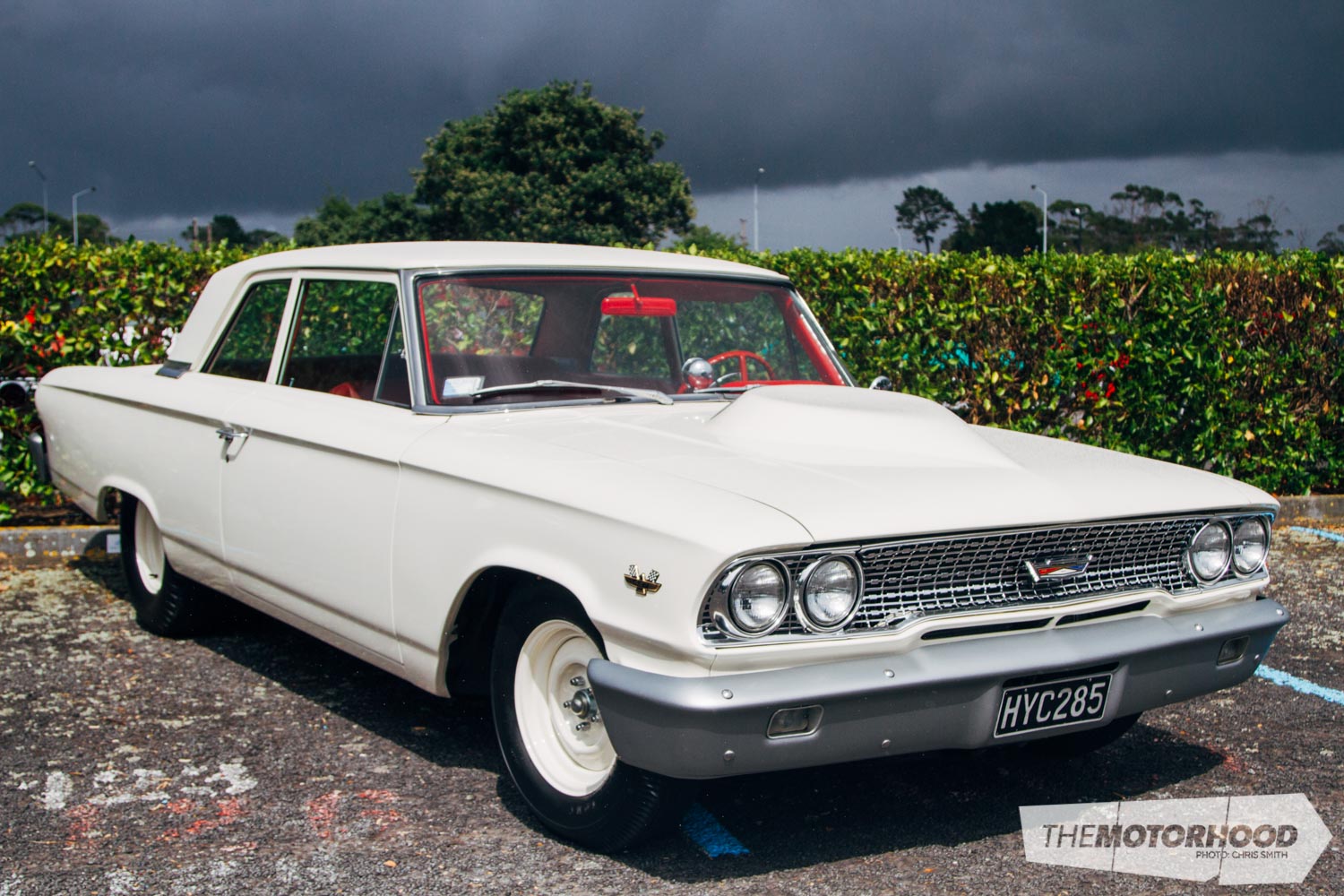
This 1963 Ford Galaxie had its full drag trim still on it with the classic hood bulge and Firestone rear drag slicks. No doubt it would be a handful in a straight line!
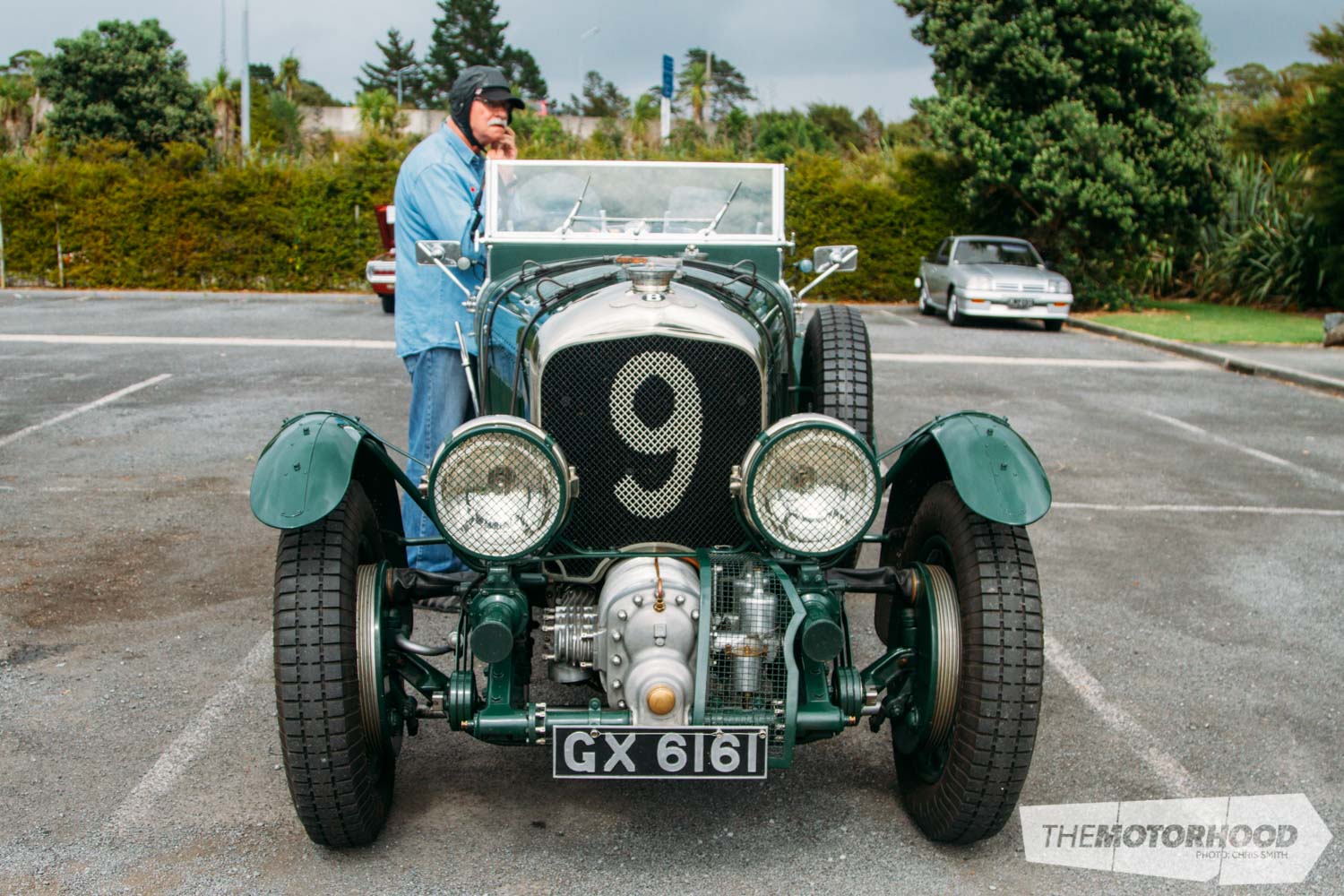
I highly doubt that you could show up to a local car meet and see a 1931 Bentley 4.5L supercharged casually parked up. It amazes me and makes me so happy when I see cars like this in attendance at a car meet like this, on the road, and being driven. Some see the 4.5L model as the car equivalent to that of a Spitfire, even without having won a Le Mans race. A huge history for a huge car — it’s remarkable to see it turn up to the meet.
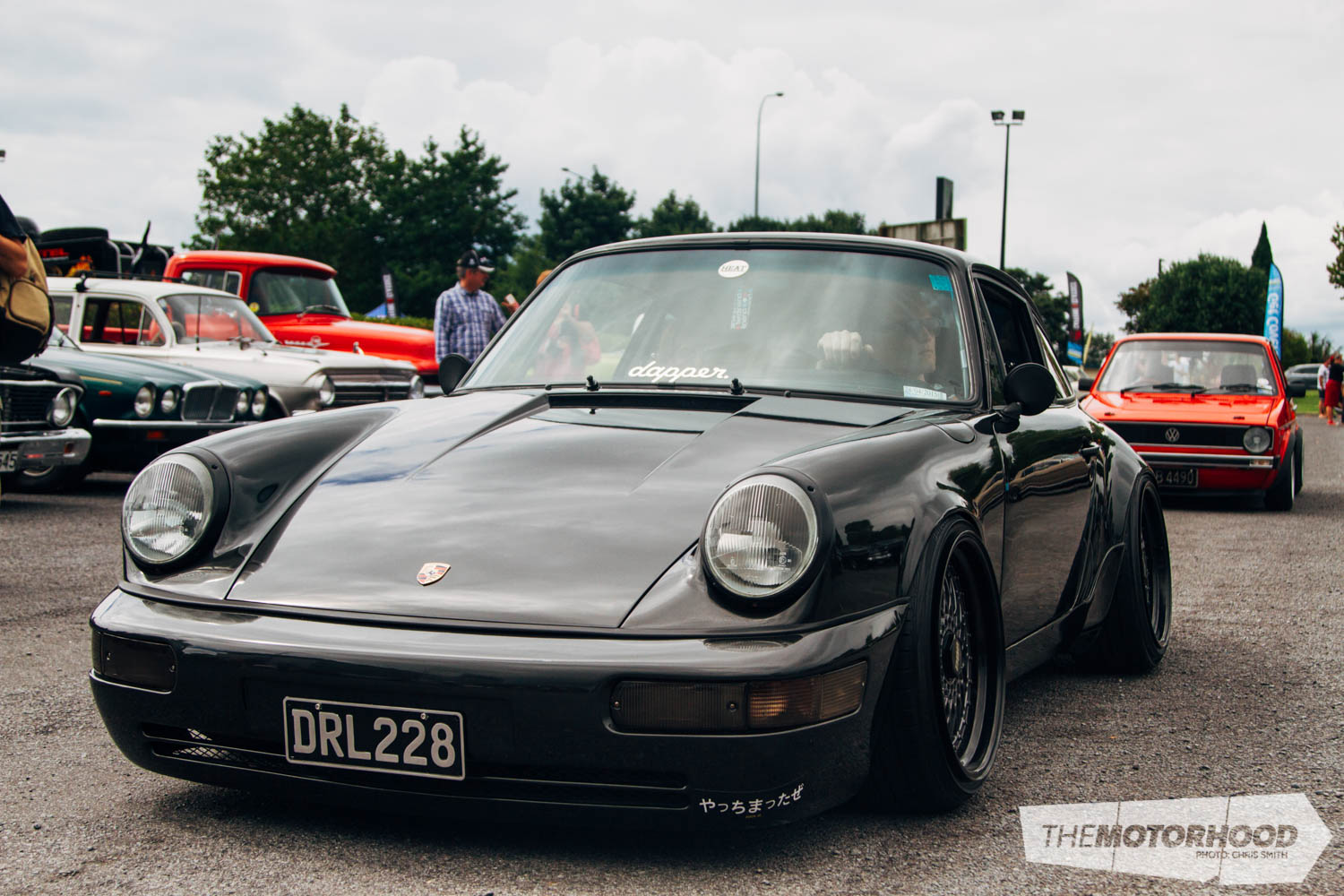
For the more younger, modified generation, Matt Gibson’s Porsche 911 SC fits the bill well and truly. As a previous feature car of NZ Performance Car, the car has a long history and has been fully restored and revitalized for Matt’s use, including the giant BBS wheels and race seats.
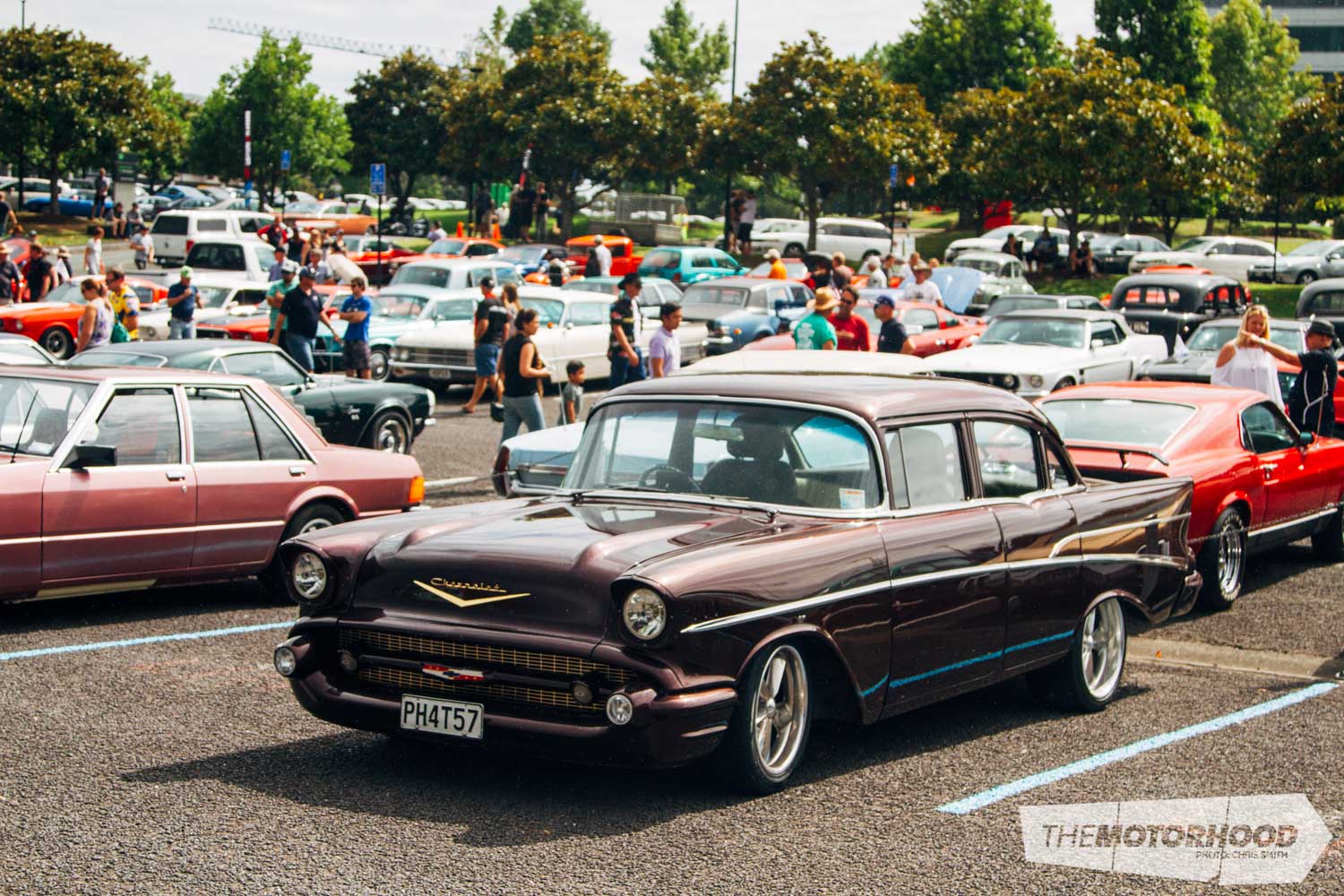
From this end of the shot you can make out what appears to be the majority of the cars. However in this shot you can only make out a select few from the American crowd compared to that of the other nations and their brands. The Mustang car club took up most of the area whilst other American rides filed the parks in-between.
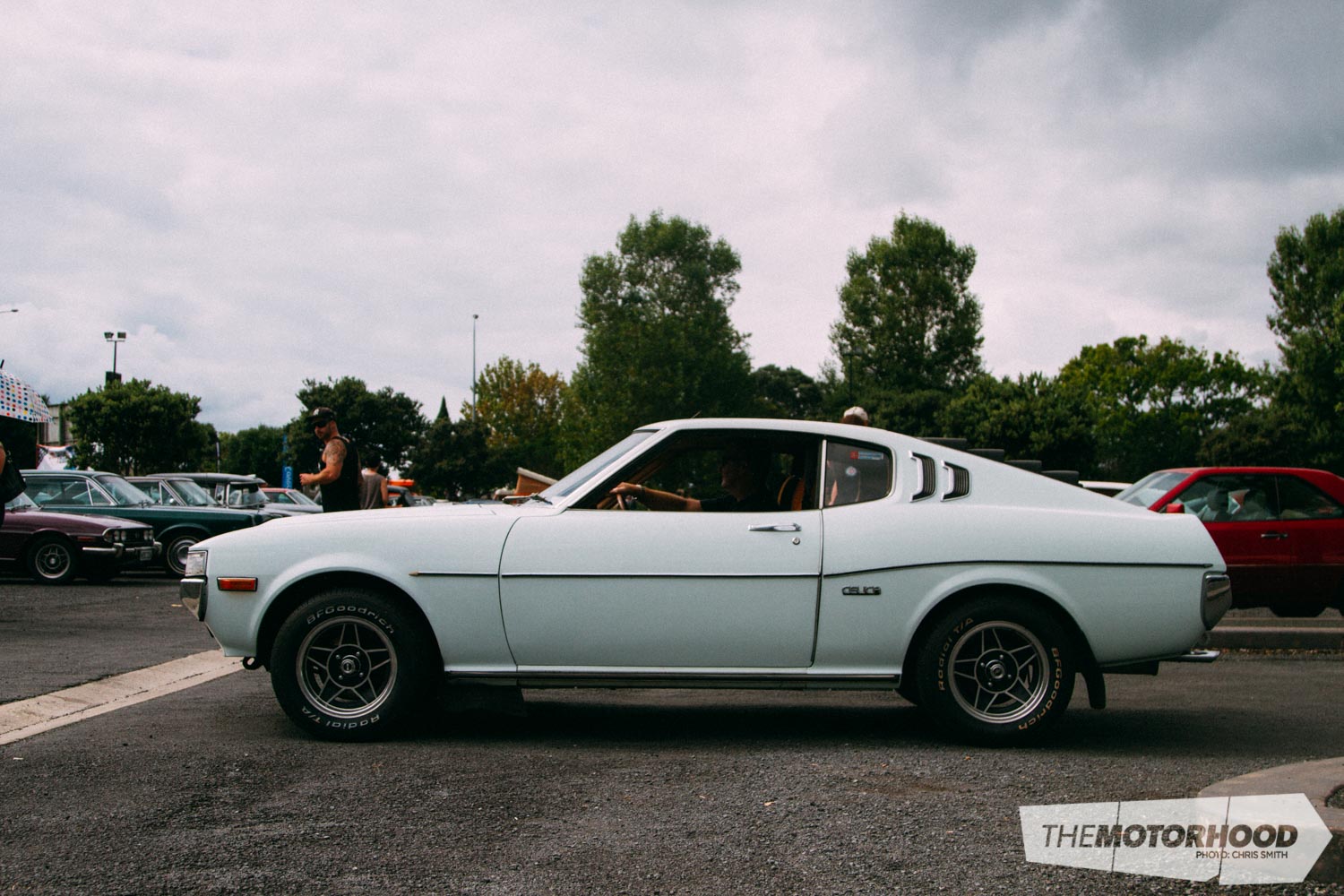
Becoming more and more of a classic by the day, the Celica is one of Toyota’s more recognizable classic designs. With some inspiration clearly taken from American muscle cars of a similar era, it’s no wonder the car was popular, and still a favourite to this day.
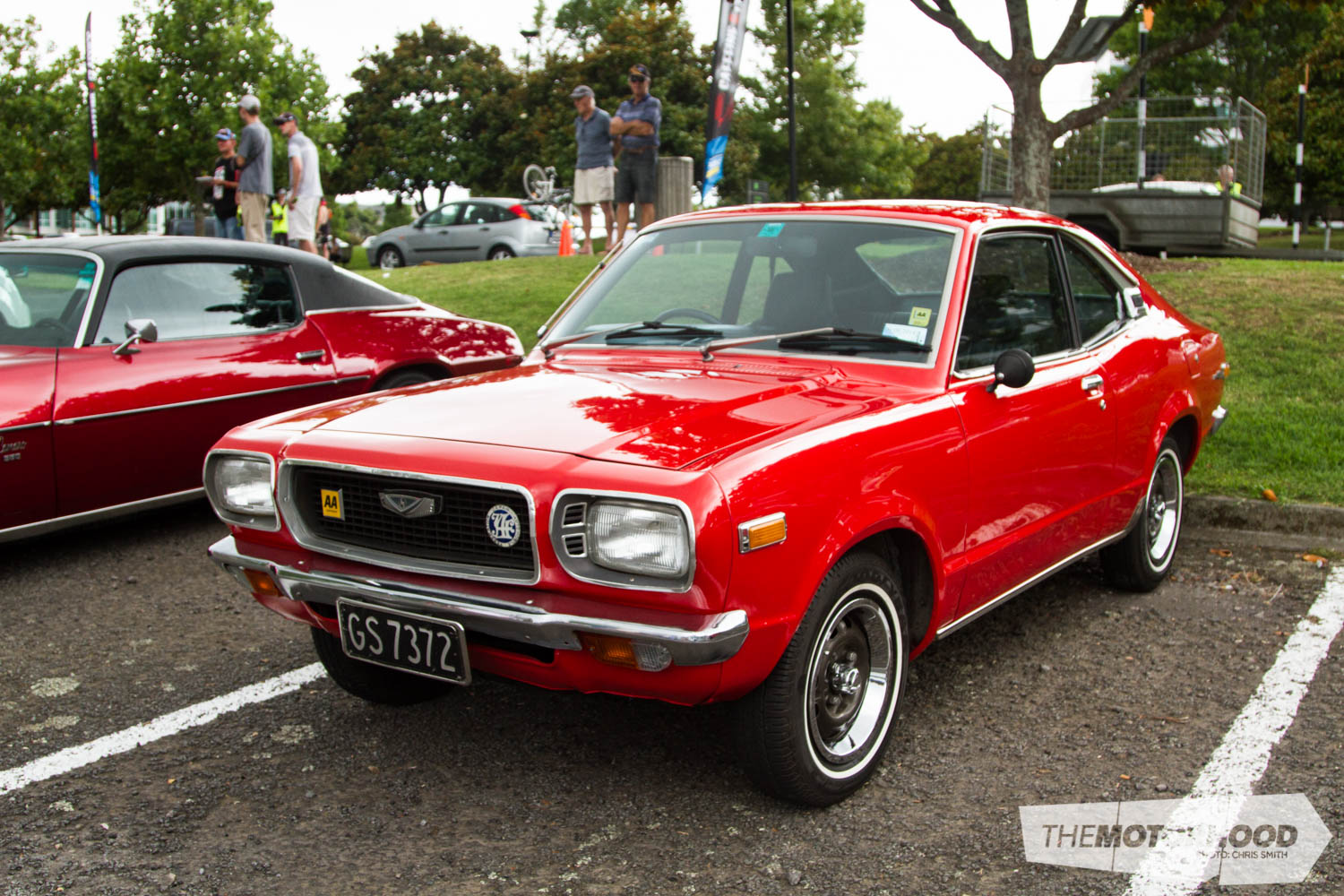
The 808 is in a very similar situation, coming back as a classic and being restored to the original state, while others modify the cars to crazy extents. This one opted for the clean restoration route.
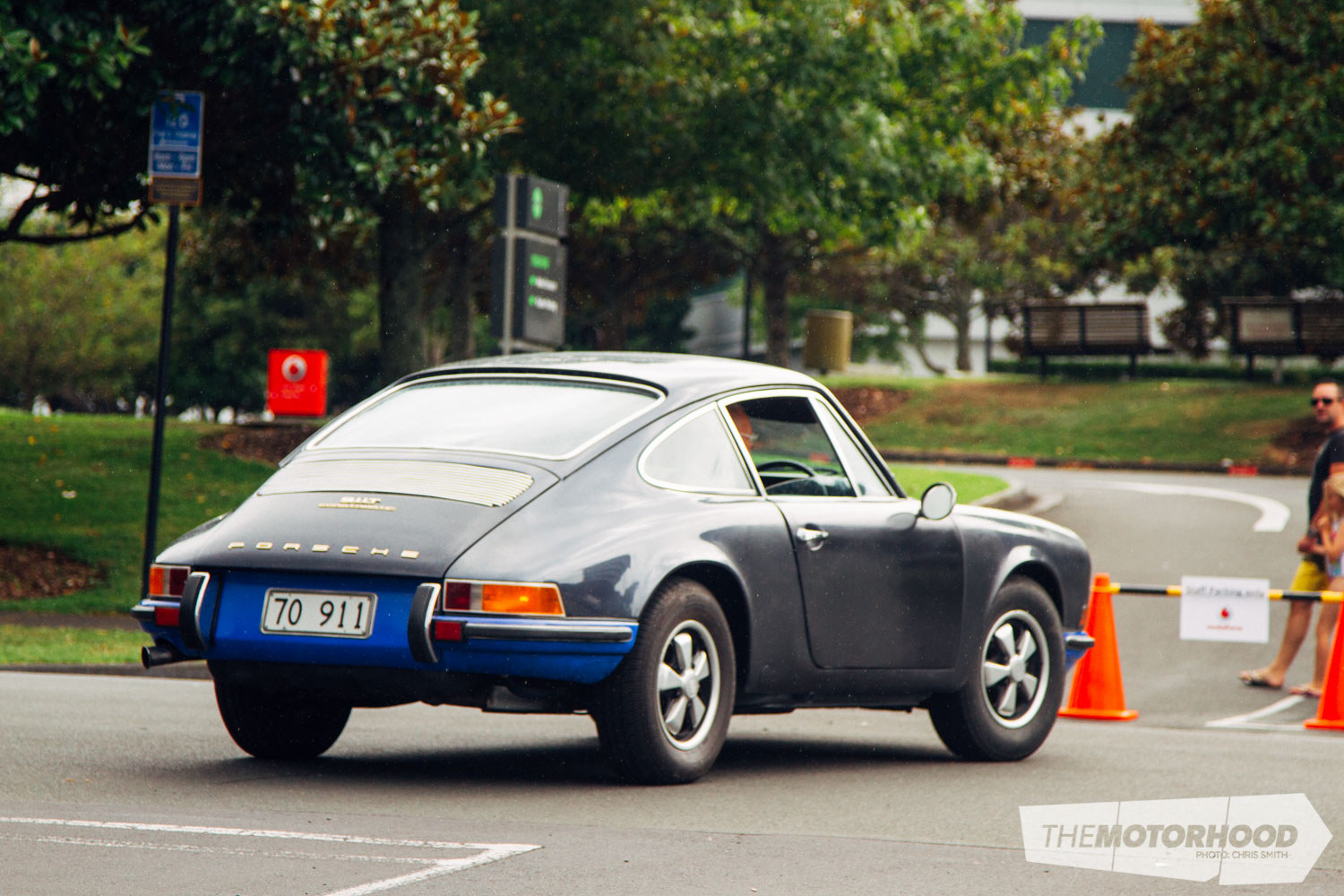
Speaking of clean restorations, I reckon by the time the owner’s done with it, this 911 will be cleaned up looking better than ever.
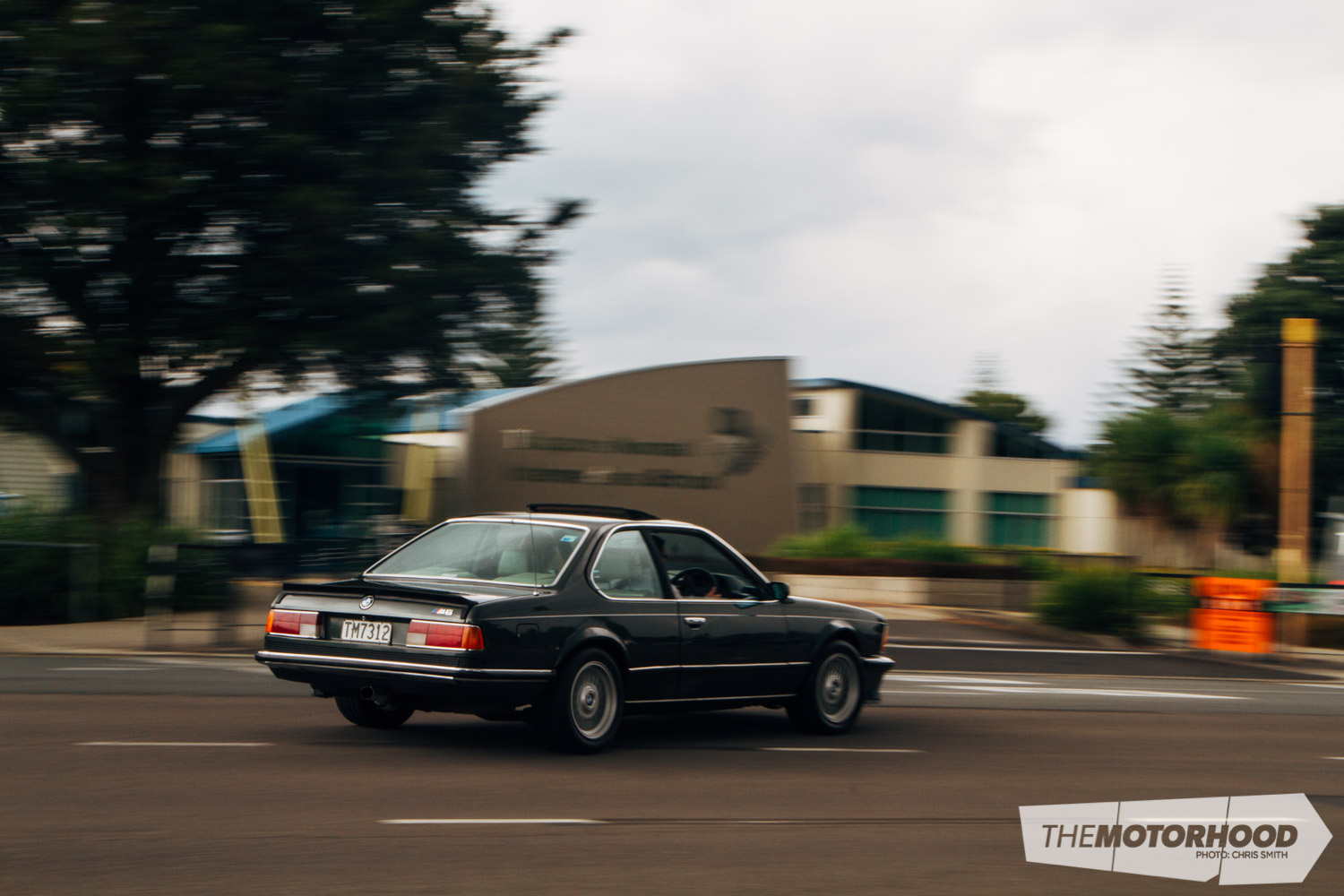
The 635 is a BMW loved by enthusiasts and wanted by many. This model sported the M badge along with a set of BBS wheels and additional lip kits. A lovely example.
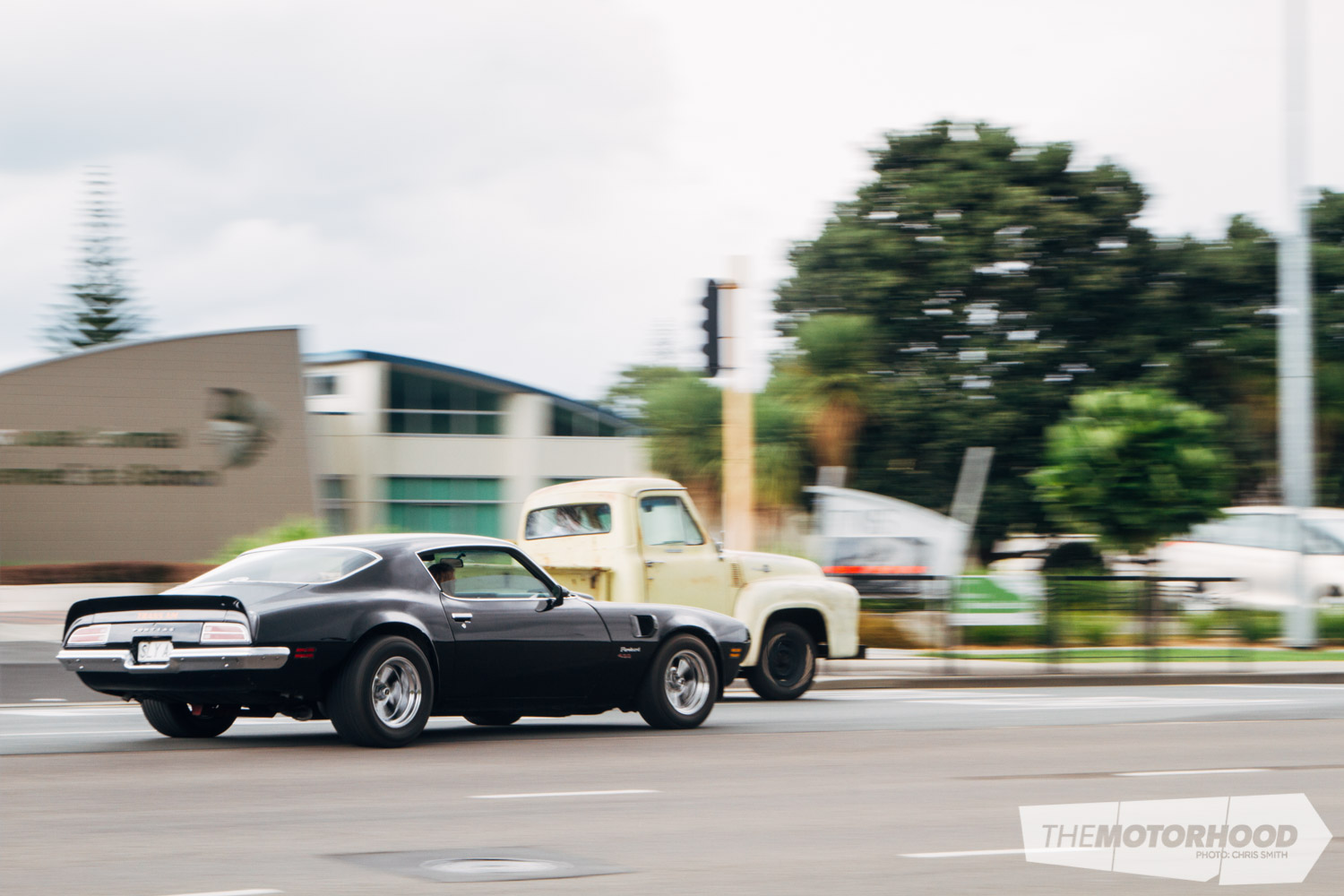
Resembling something out of an American street race, it was fun to see all of the participants leaving the car park, and giving their car a little thrash around the corner.
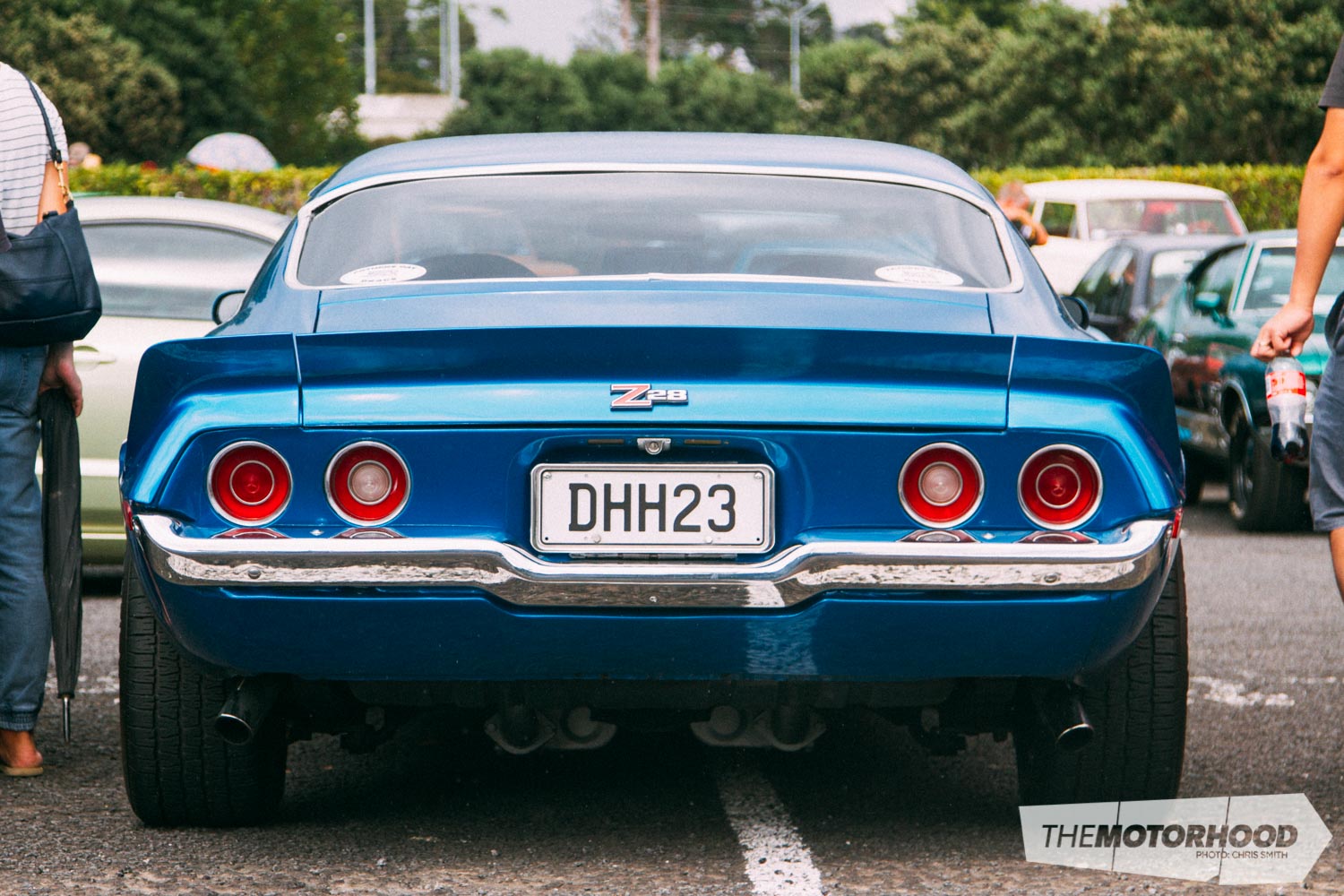
I’ll end with an end. Caffeine and Classics meets are held on the last Sunday of every month at Smales Farm on Auckland’s North Shore from 10am. Get along one Sunday morning — it’s worth making the time for.