While we’re gearing up to make the trip down to Leadfoot Festival in Hahei for the weekend of February 6–8, 2015, we understand not everyone has the time or budget to make the trip to Leadfoot Ranch. Lucky for those not attending the event, Rod Millen and the Leadfoot team have arranged a special live stream for you to enjoy the action from the comfort of your own home for as low as USD$20 — and we’ve got it right here for you to watch:
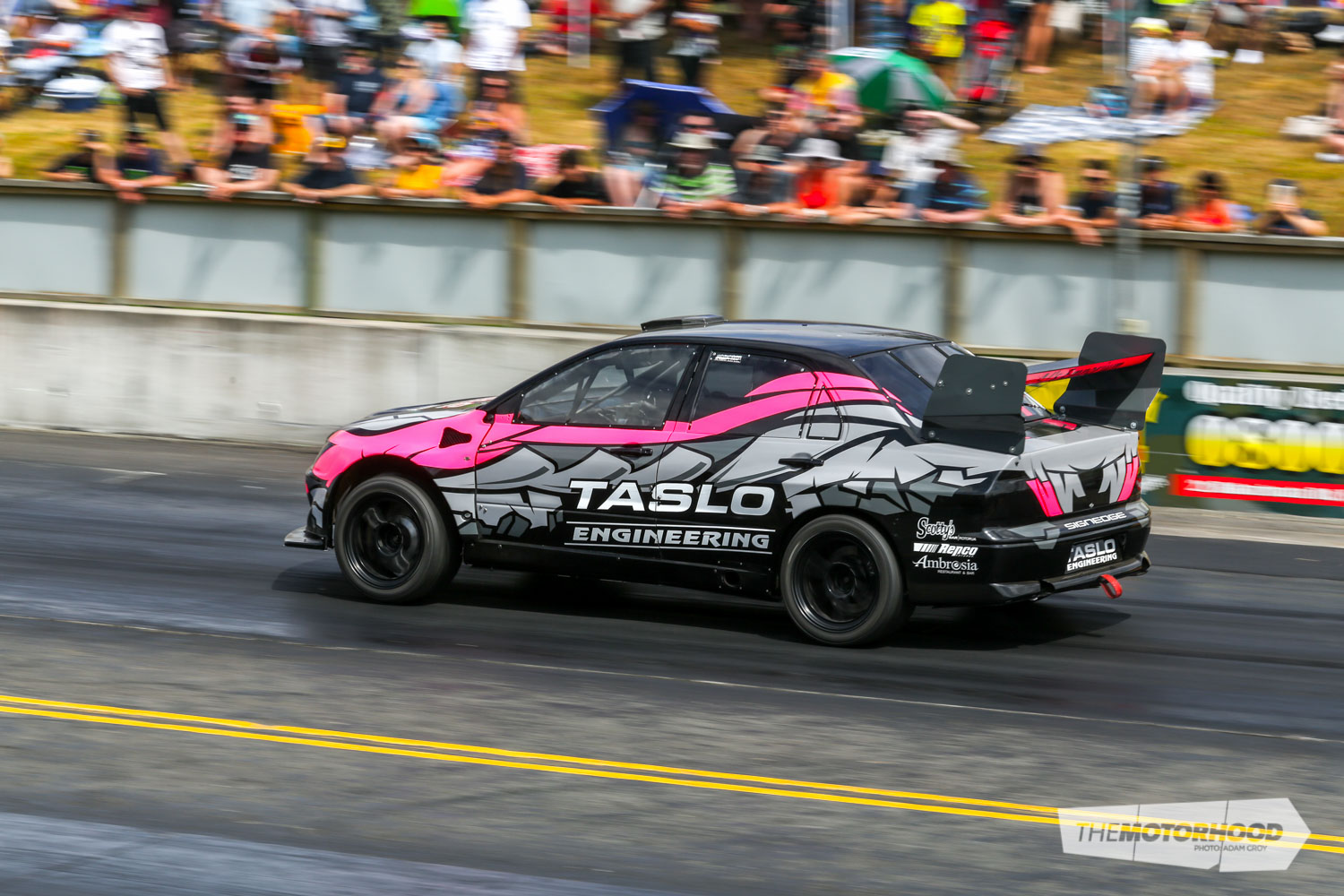
Although the festival is perceived as having mostly vintage and classic racers from the golden era, there will be plenty of up and comers to keep us turbocharged petrolheads enthused. For starters, Sloan Cox will be contesting the driveway in his Mitsubishi Evo VIII, which is built on a custom tube frame and sports a 600kW+ 4G63 mated to a Hollinger six-speed sequential gearbox. The centre diff ratios have also been changed which should suit the driveway perfectly allowing for an extremely competitive package and one to look out for.
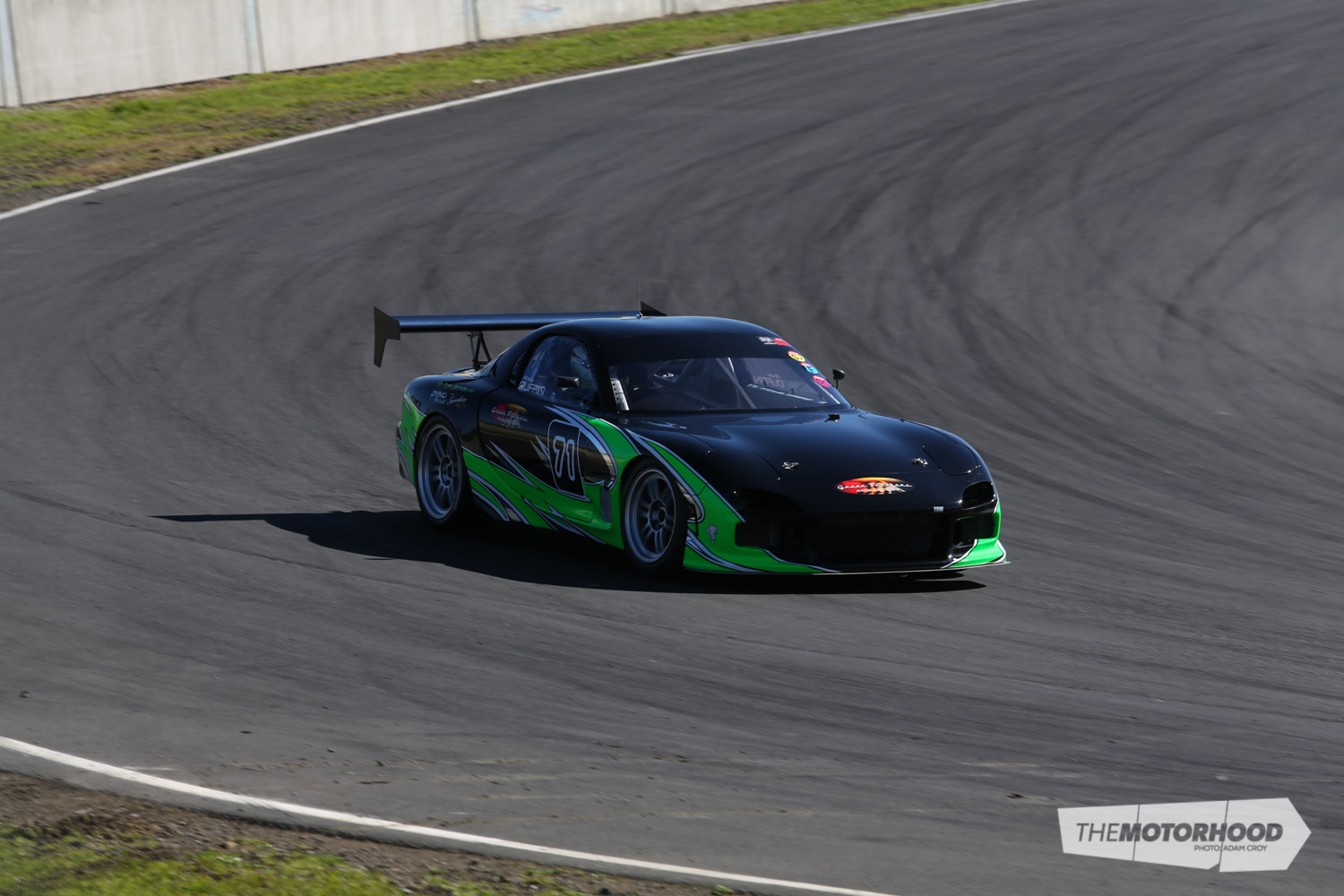
Three times Pro7 (RX-7) champion and SS2000 champion Andy Duffin will be bringing along his 20B-powered Mazda RX-7 FD, which was on the cover of Issue No. 214 of NZ Performance Car. With a measly 1000kg of weight, a wild 10,000rpm 20B engine, an Elite Racing six-speed sequential gearbox, and some serious driving talent, Andy Duffin should be able to pilot the RX-7 at a competitive rate during the festival.
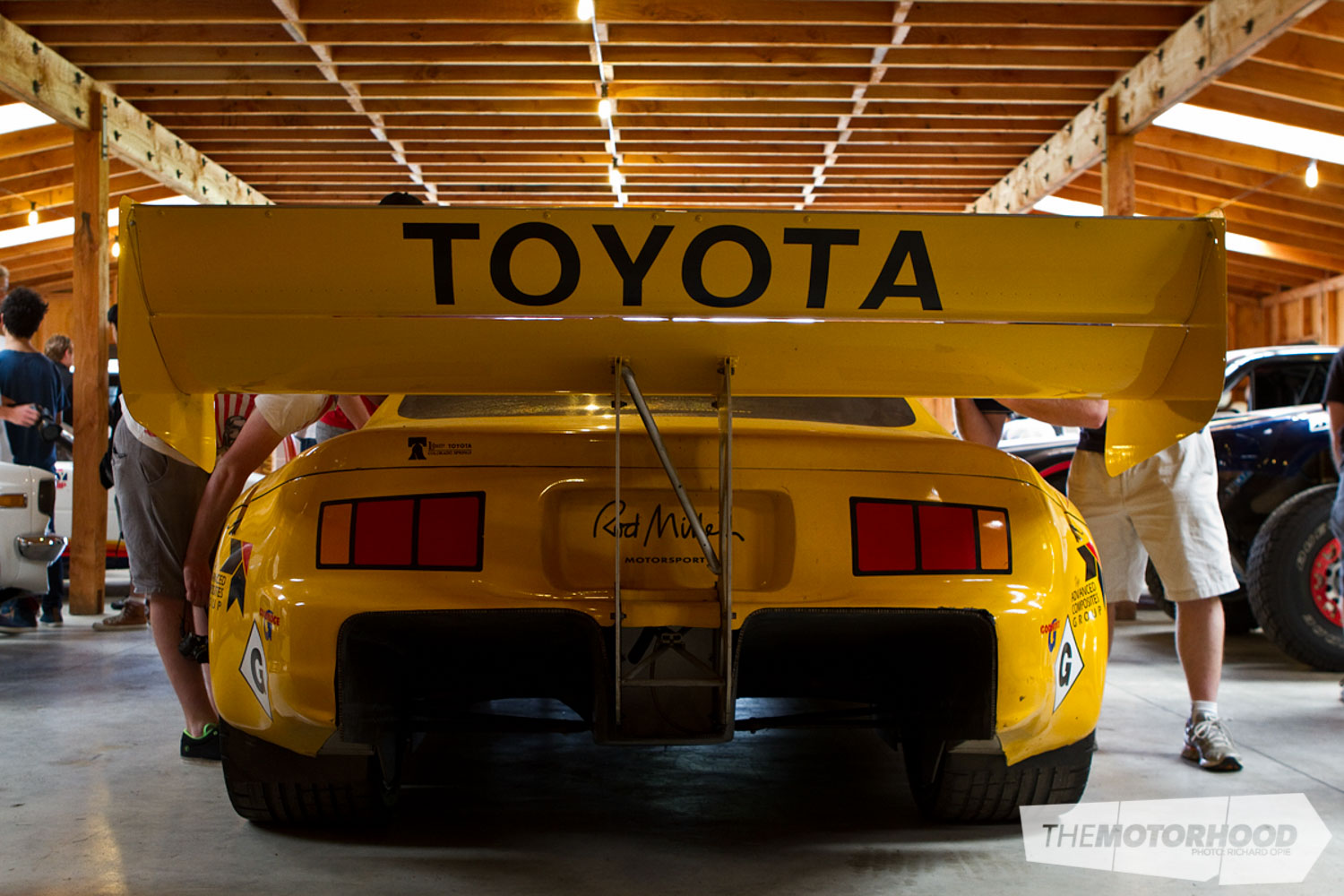
Host Rod Millen will be contesting three vehicles during the festival, first of which is his Toyota Celica, which he used to break the famous Pikes Peak hill-climb record back in 1994.The Celica is powered by a 671kW (899hp) four-cylinder engine and runs a staggering 45psi of boost. It’s not just the engine that makes it go fast however, the body is made from carbon and the aero is still impressive even by today’s standards. The second is his 2000 Toyota Tundra off-road truck, which was designed and built for competition to support the launch of the vehicle at the time. An extremely light and nimble vehicle, this should be exciting to watch. Rod’s third car that we’ll get to see is his 1973 Mazda RX-3, which he used to win the New Zealand Rally 1975–1977 — a great piece of history.
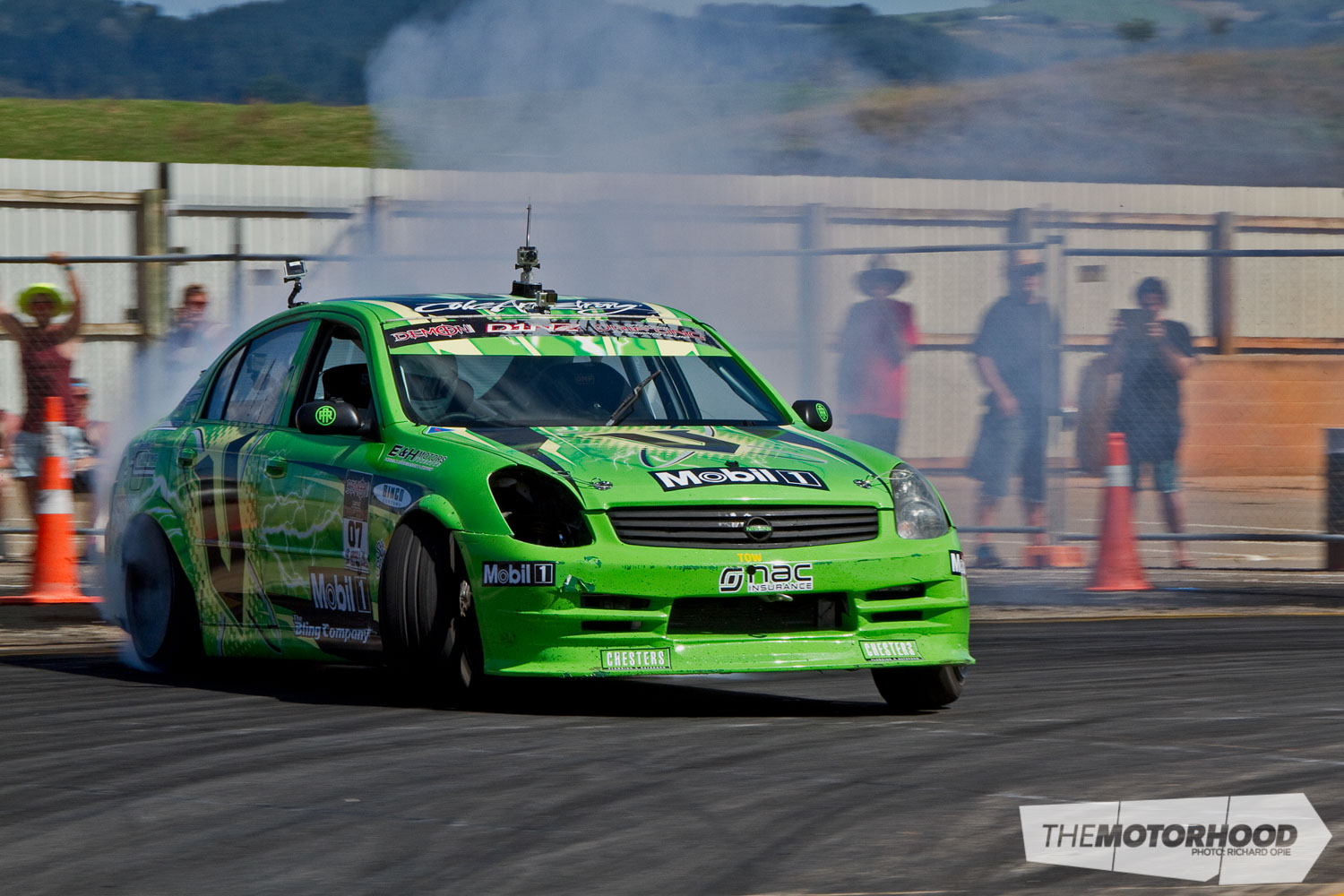
A swag of competitive drifters will be in attendance including several of New Zealand’s best. ‘Mad Mike’ Whiddett will be bringing along MADBUL, Cole Armstrong will be bringing the Nissan 250GT, ‘Fanga Dan’ Woolhouse in his Holden Commodore VE, Curt Whittaker in his Nissan Skyline R34, Shane Allen in his Ford Falcon, and Jodie Verhulst in her 1993 Toyota Supra.