Flashback to Leadfoot Festival

22 March, 2015

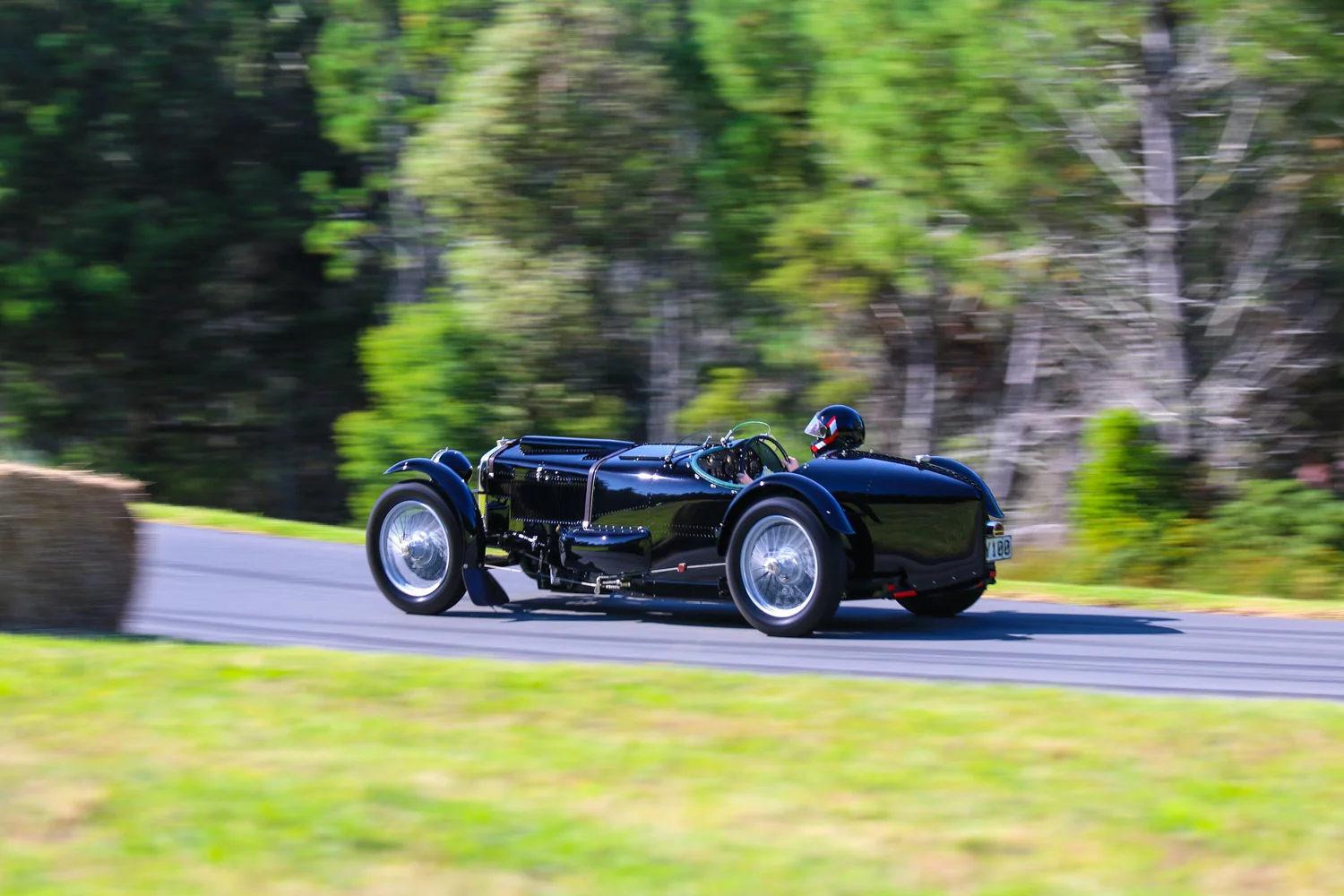
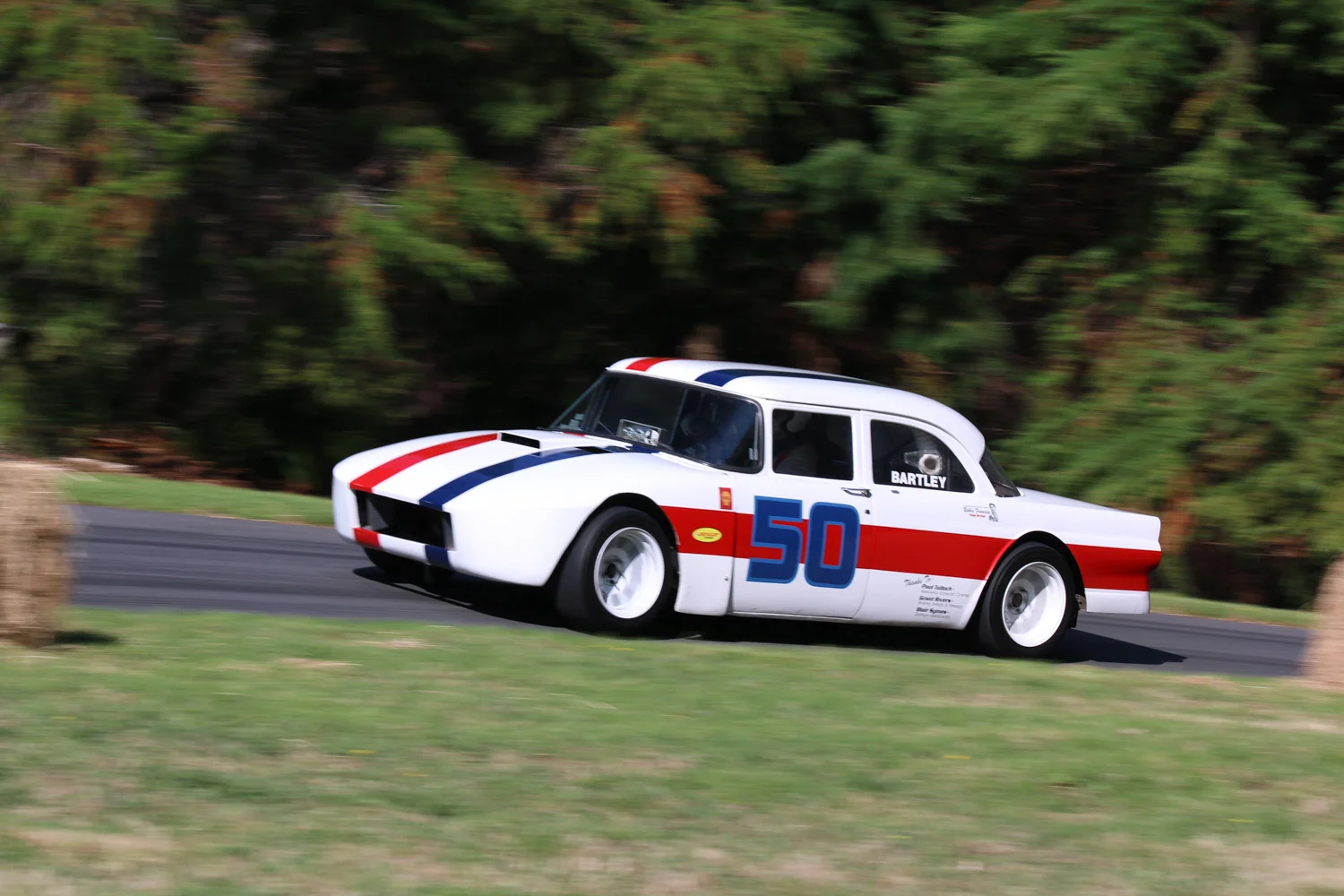
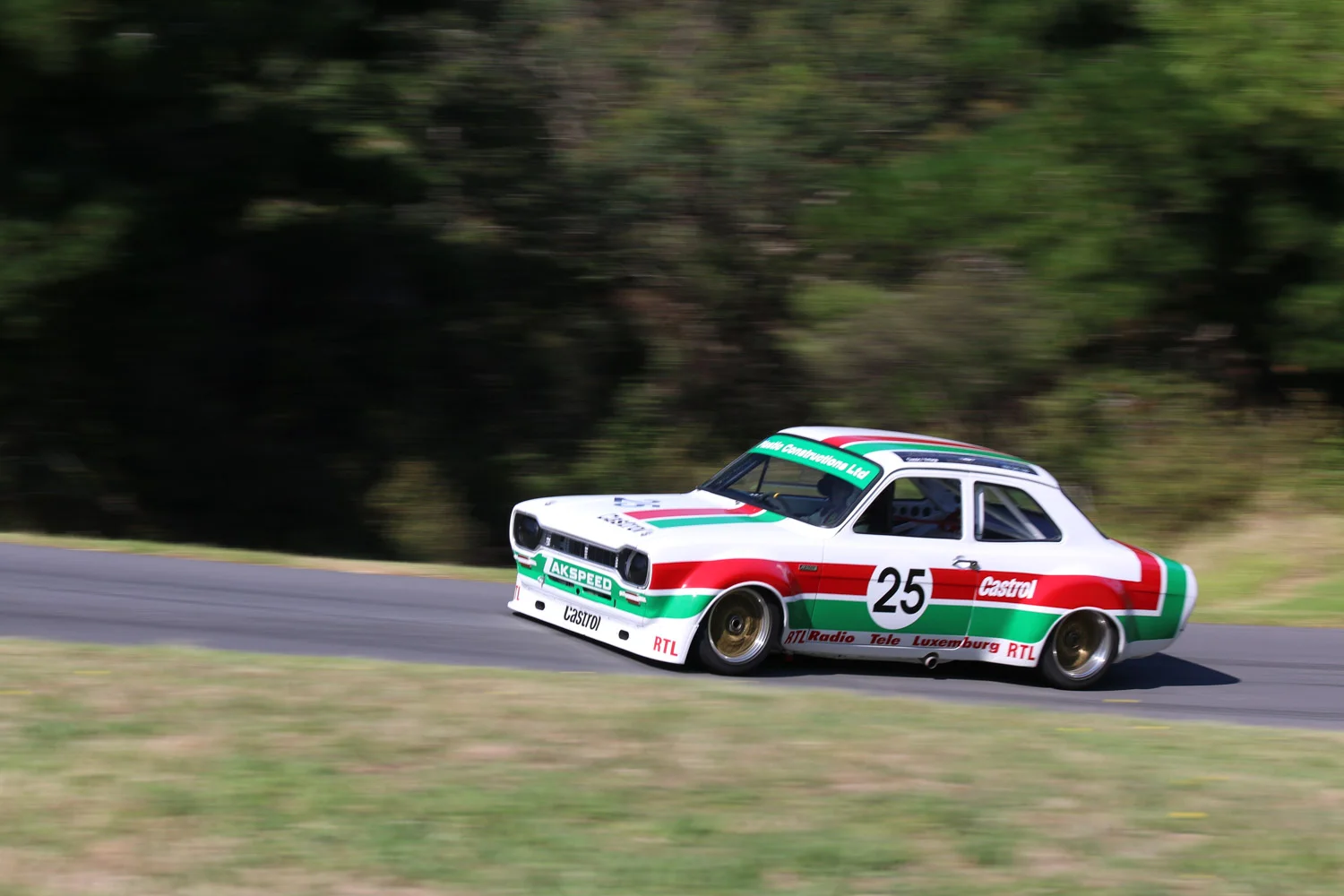
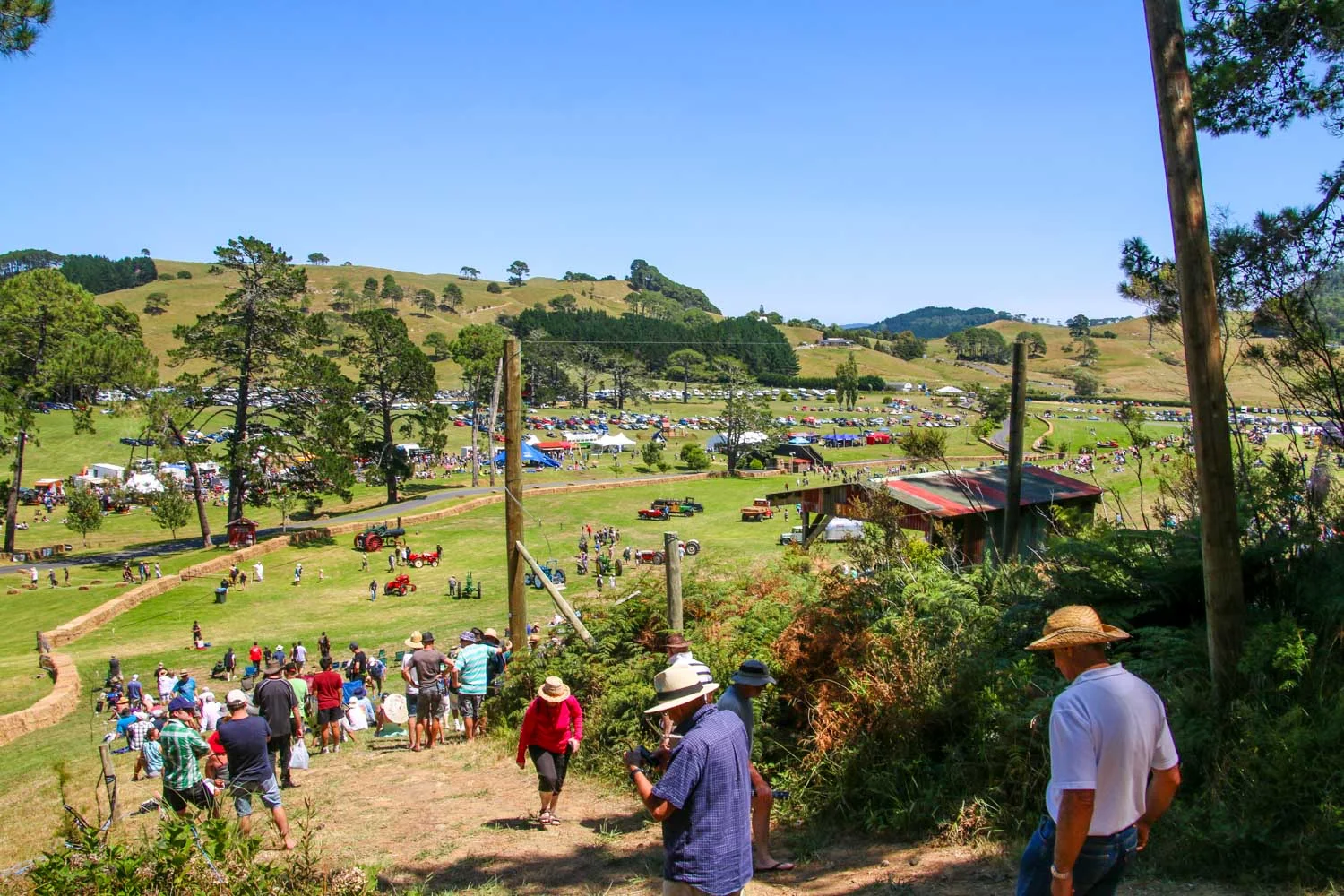
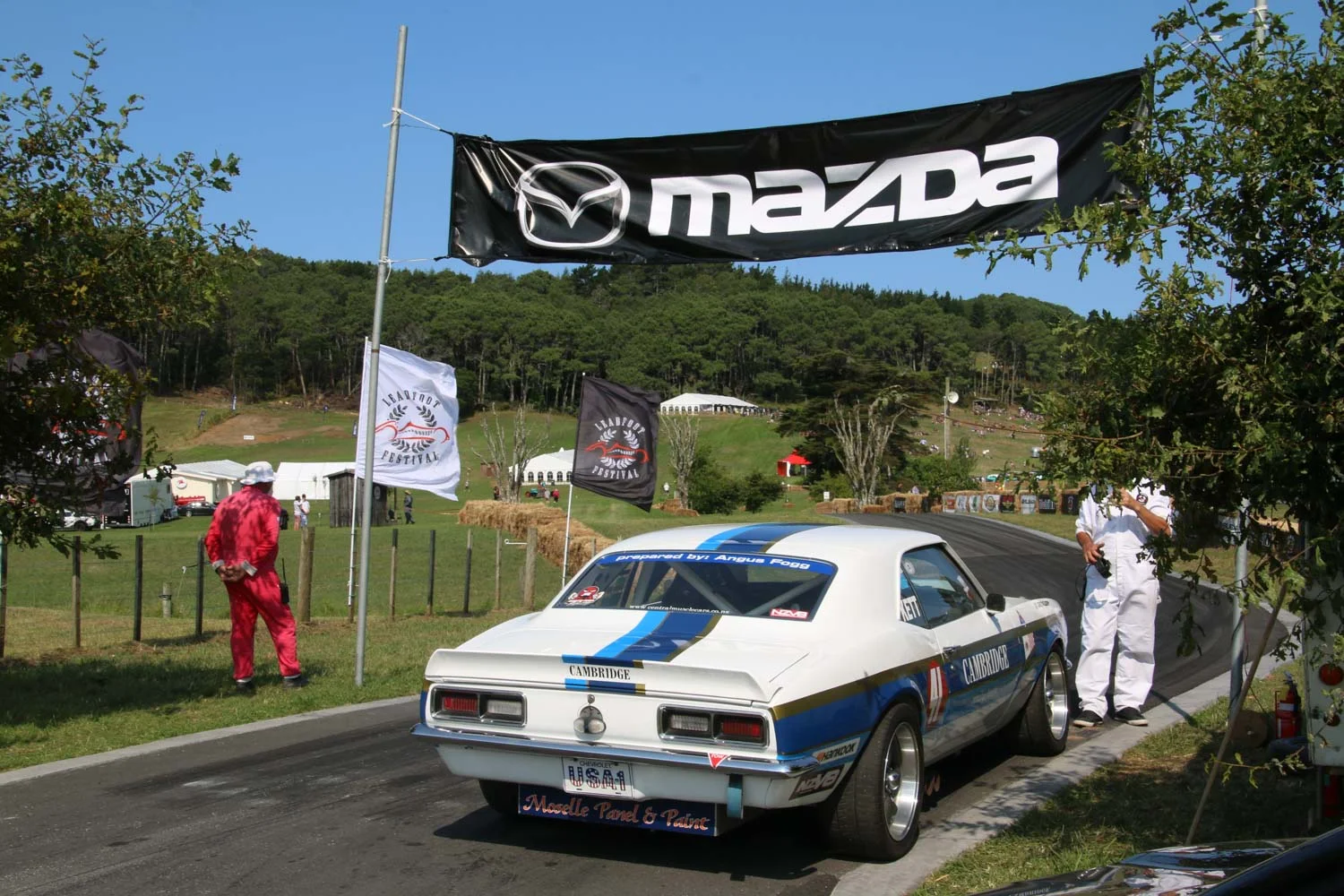
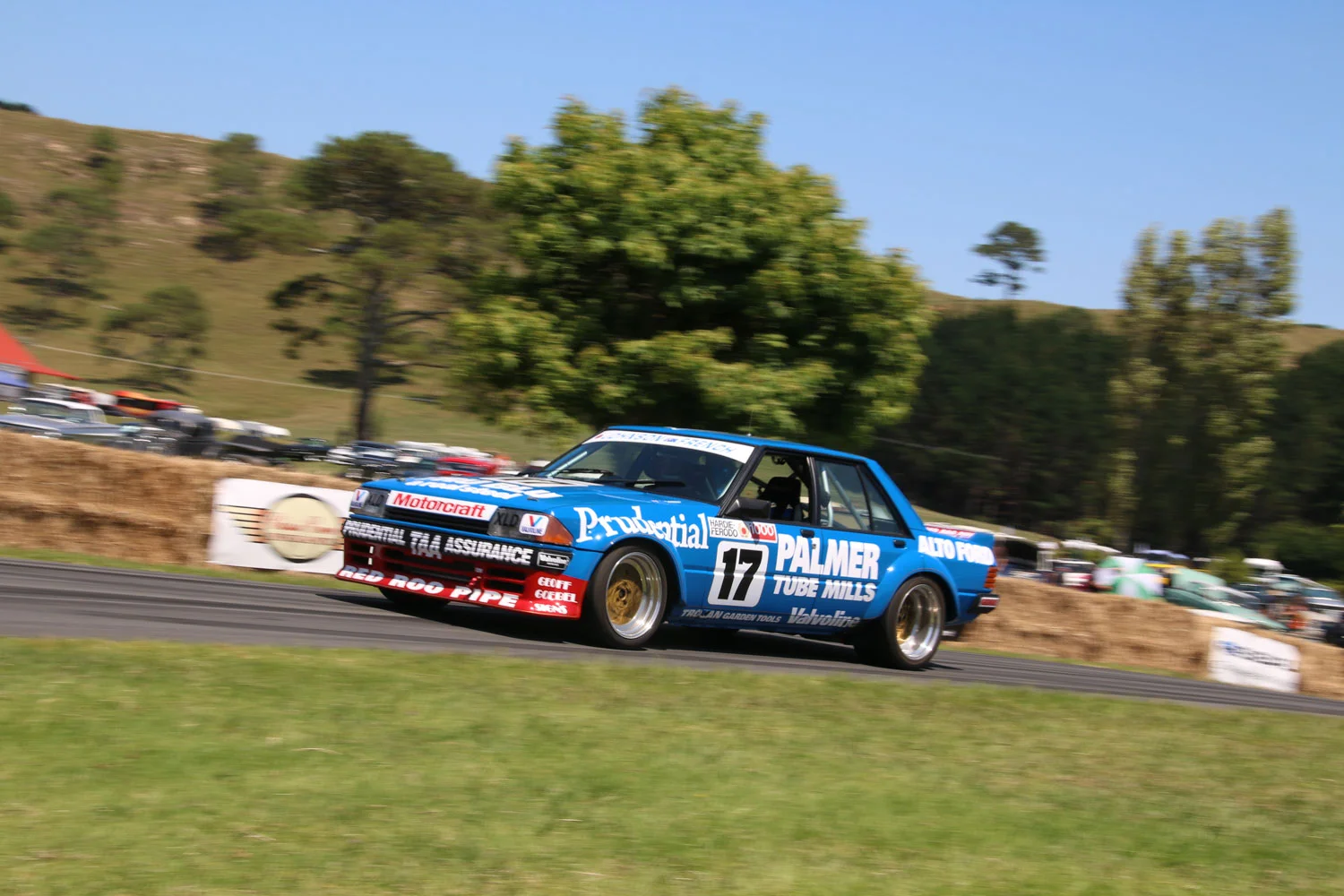
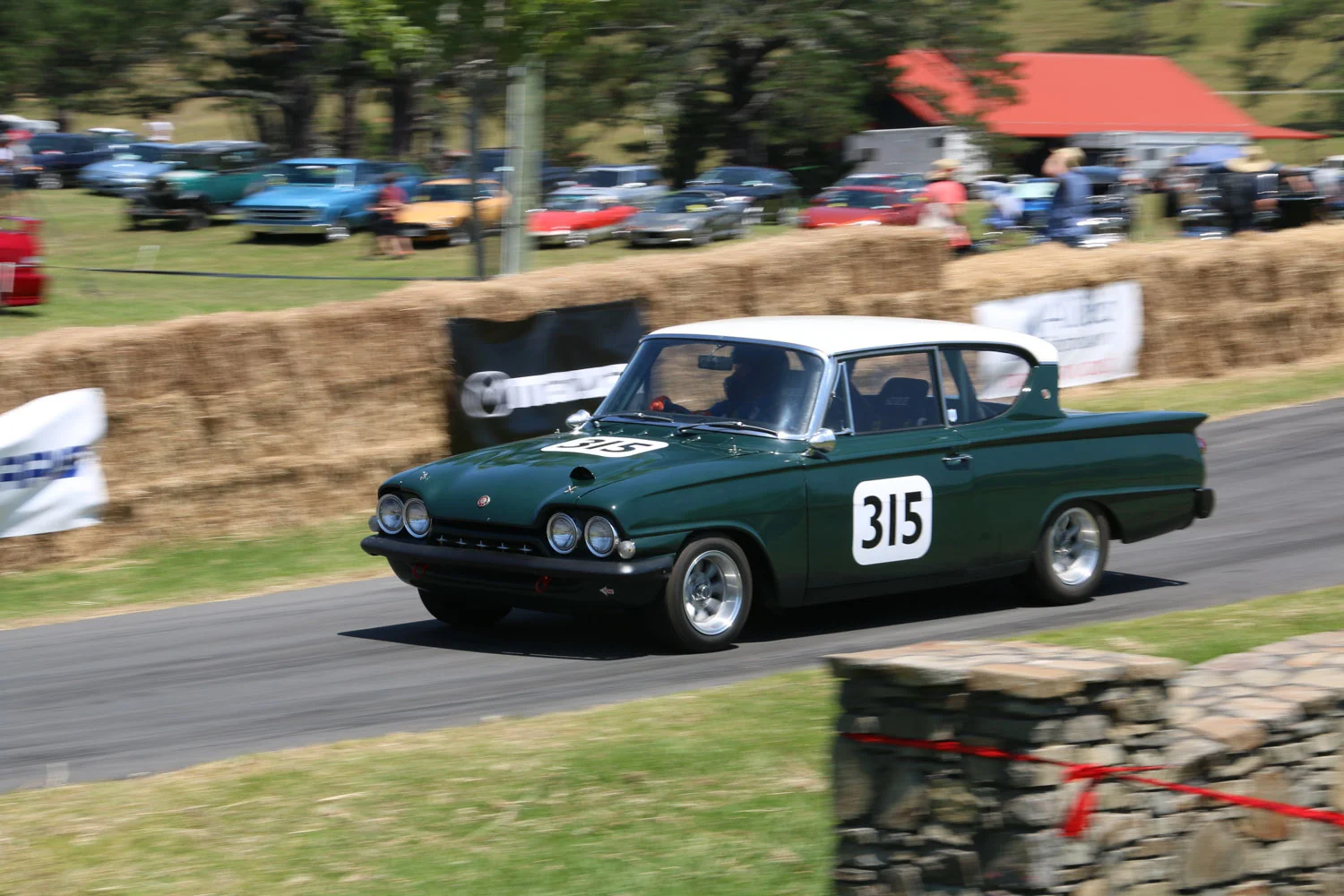
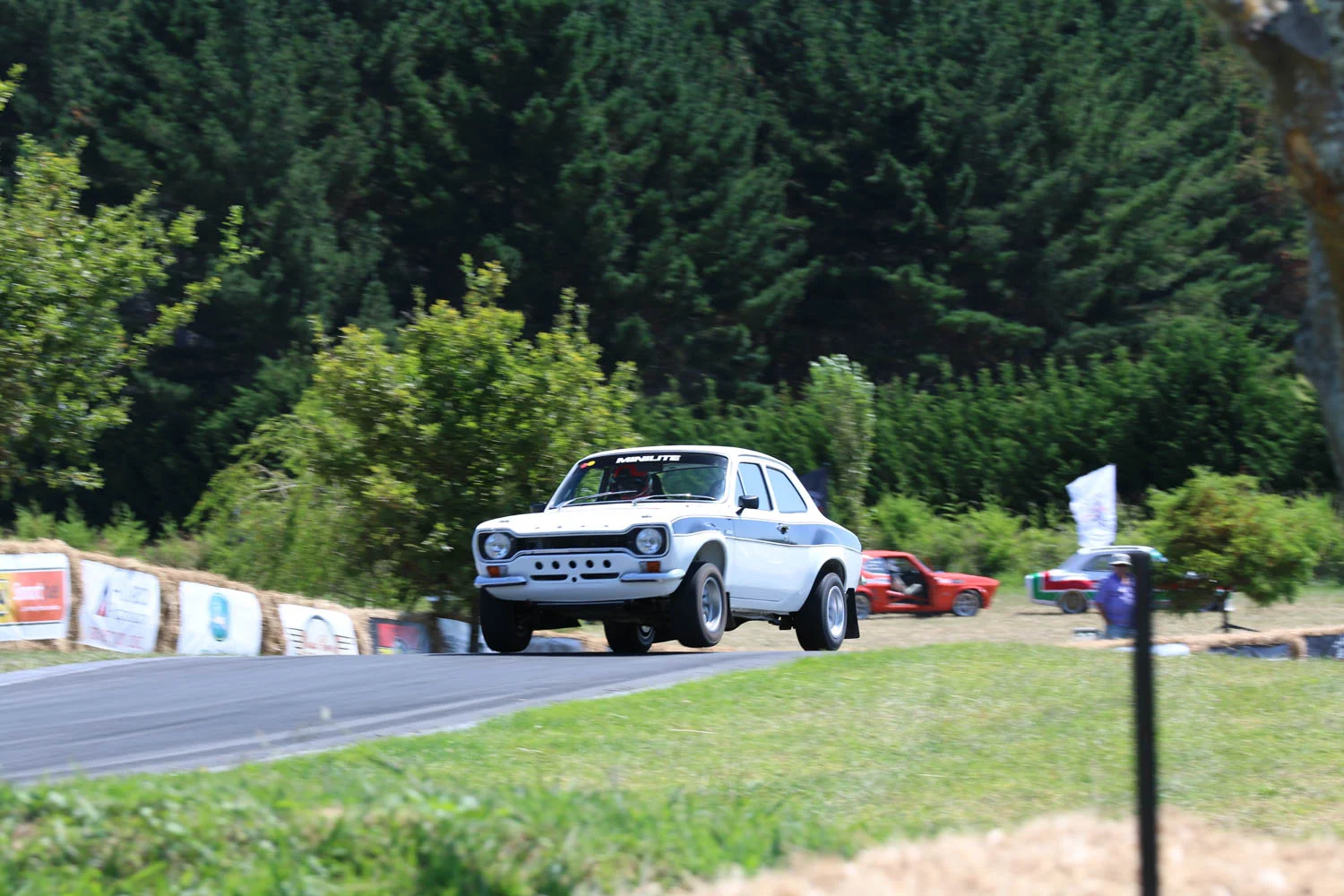
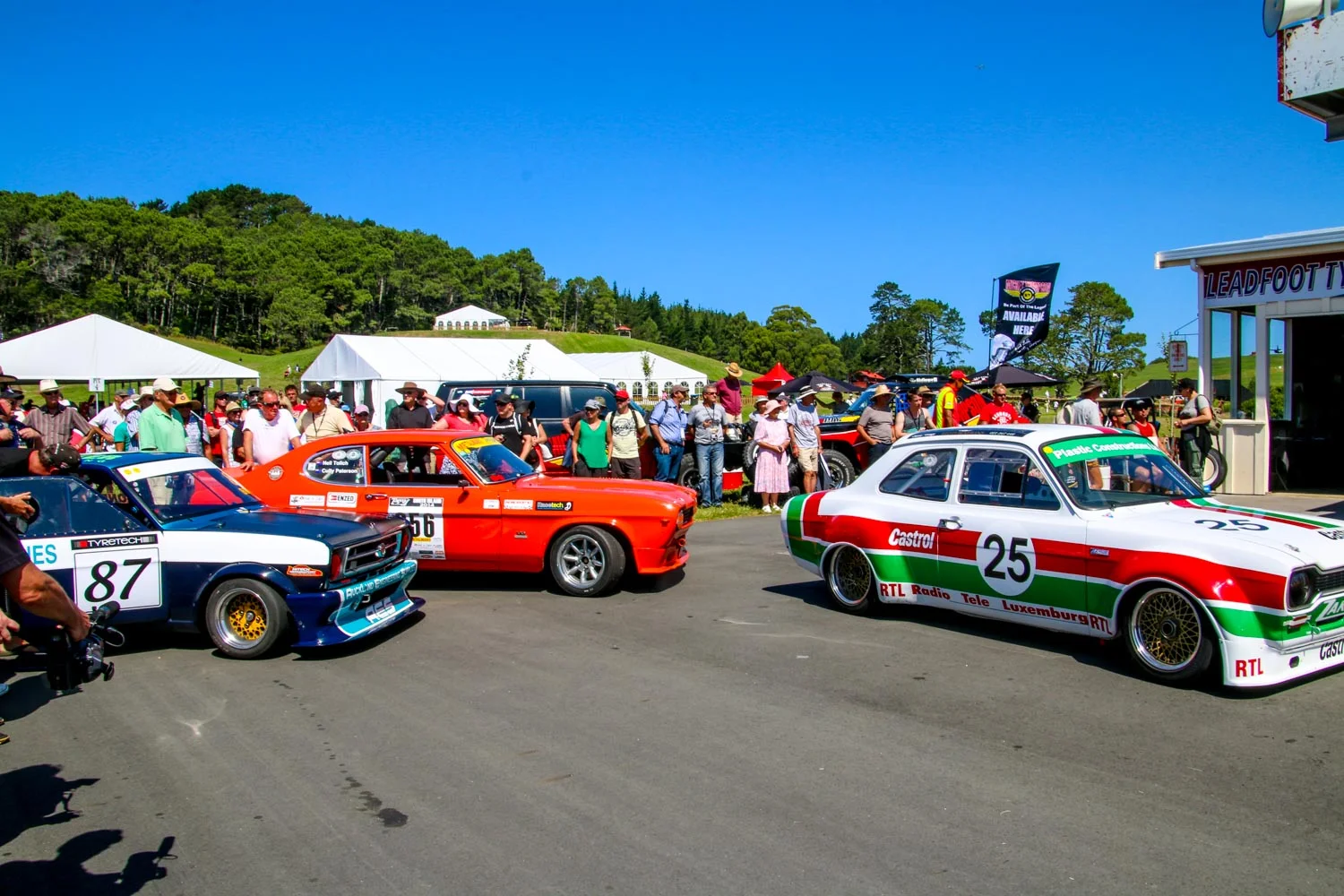
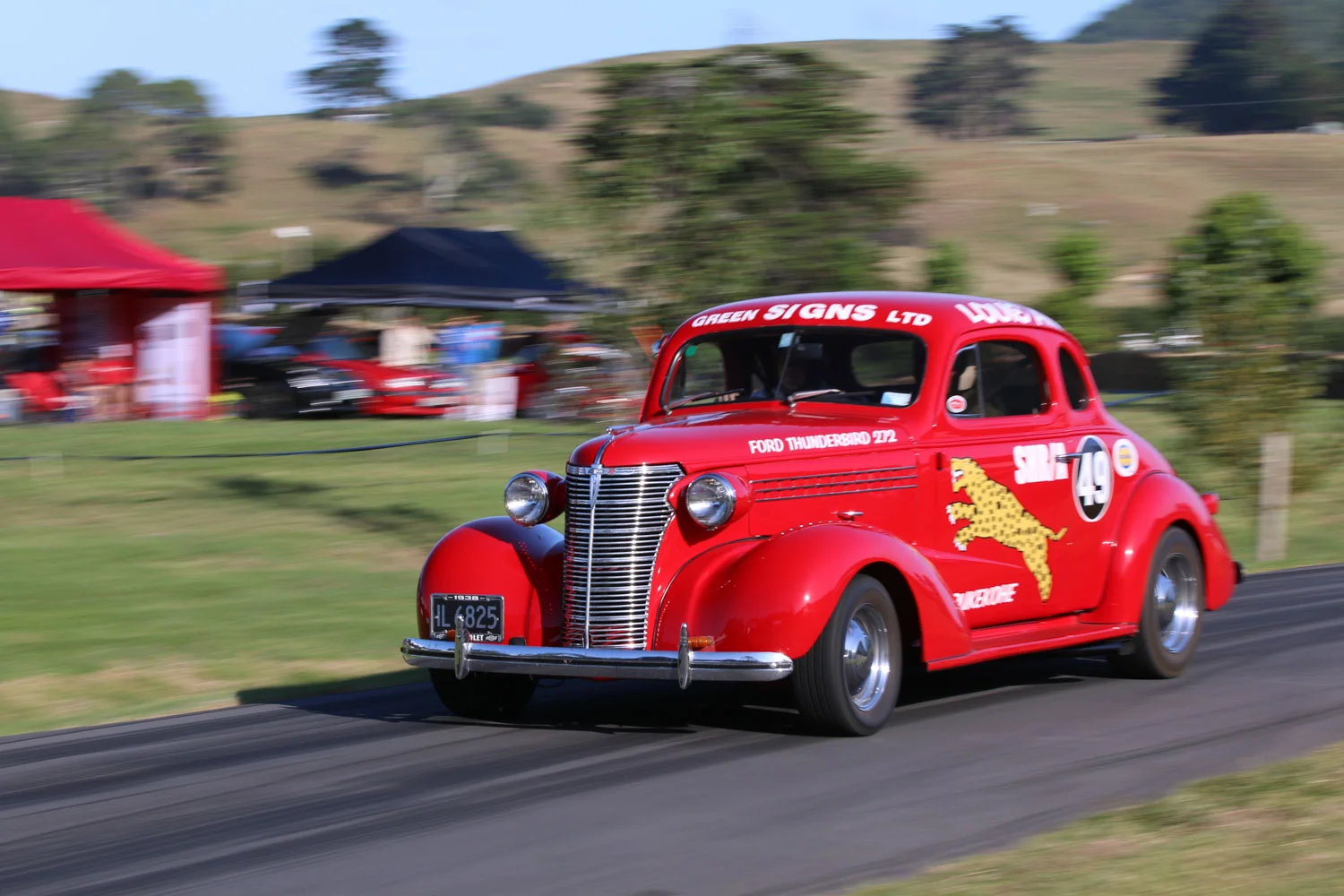
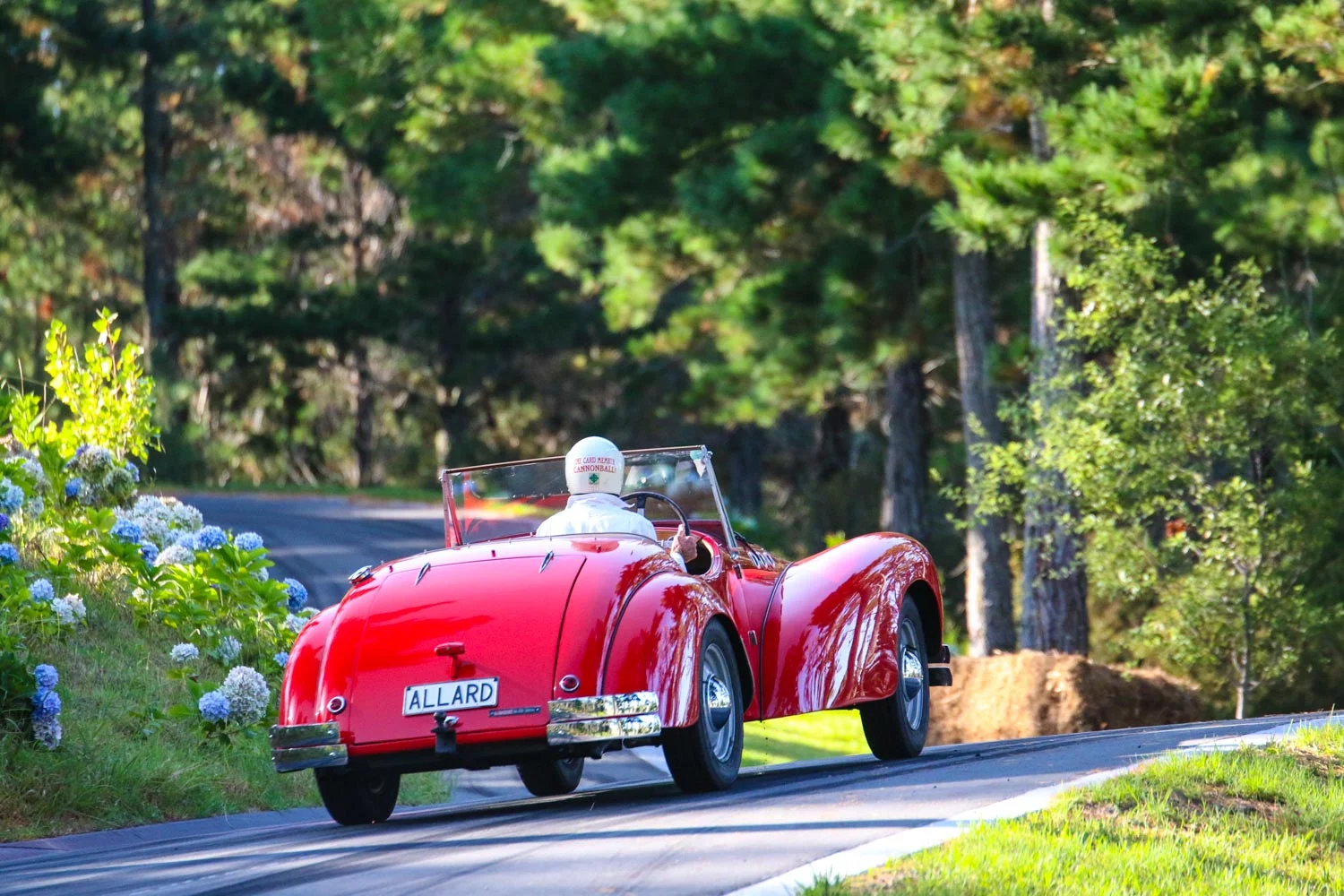
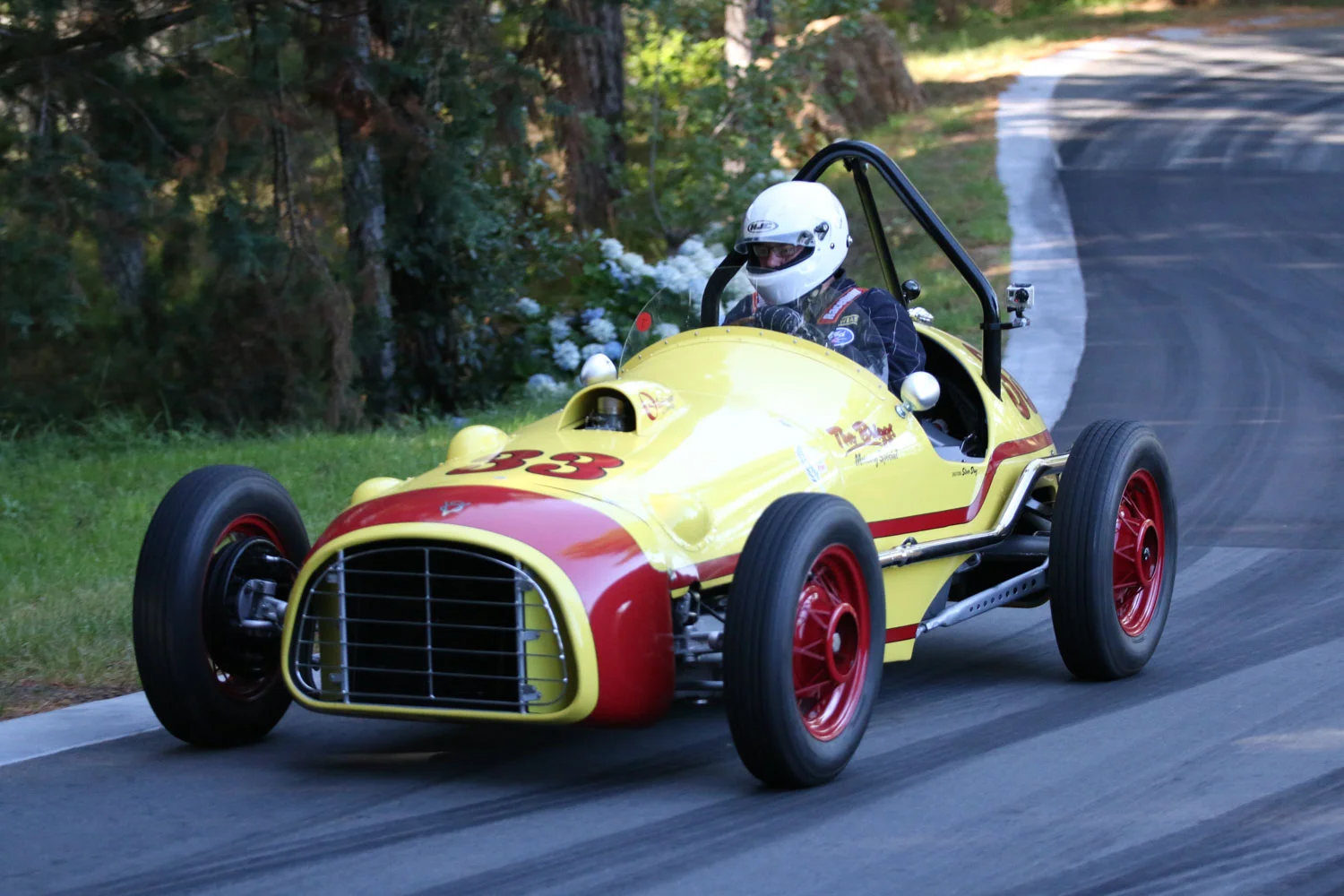
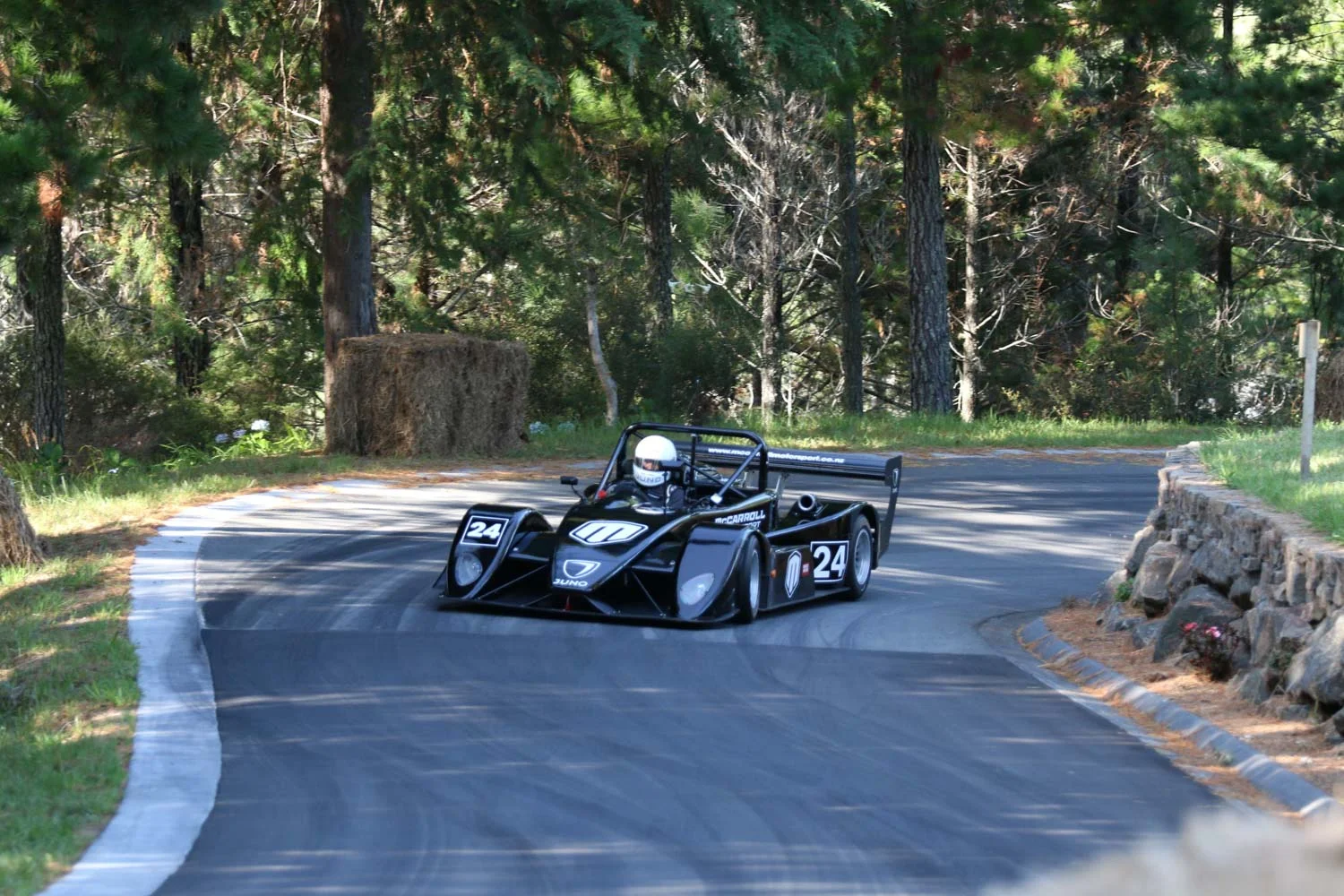
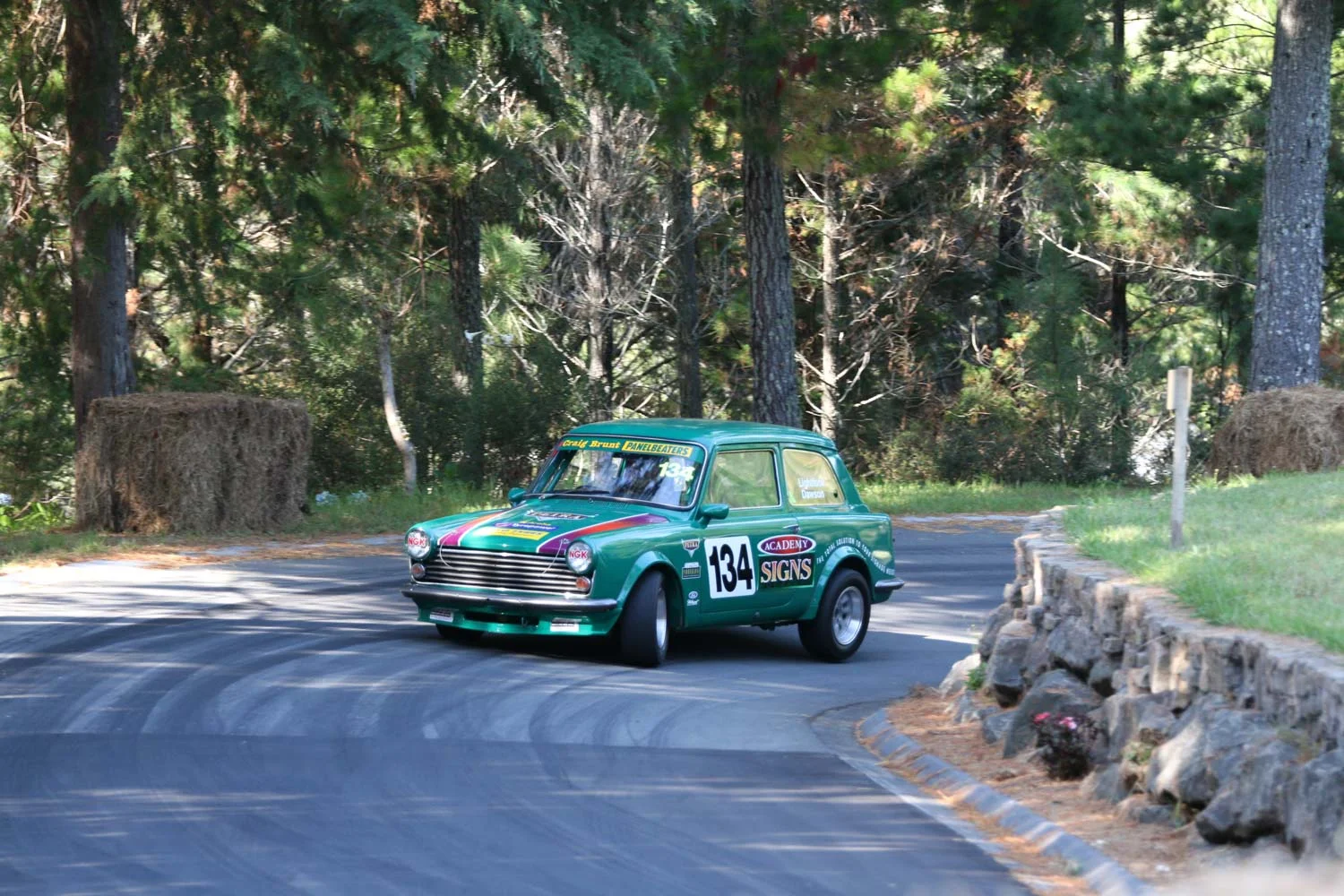
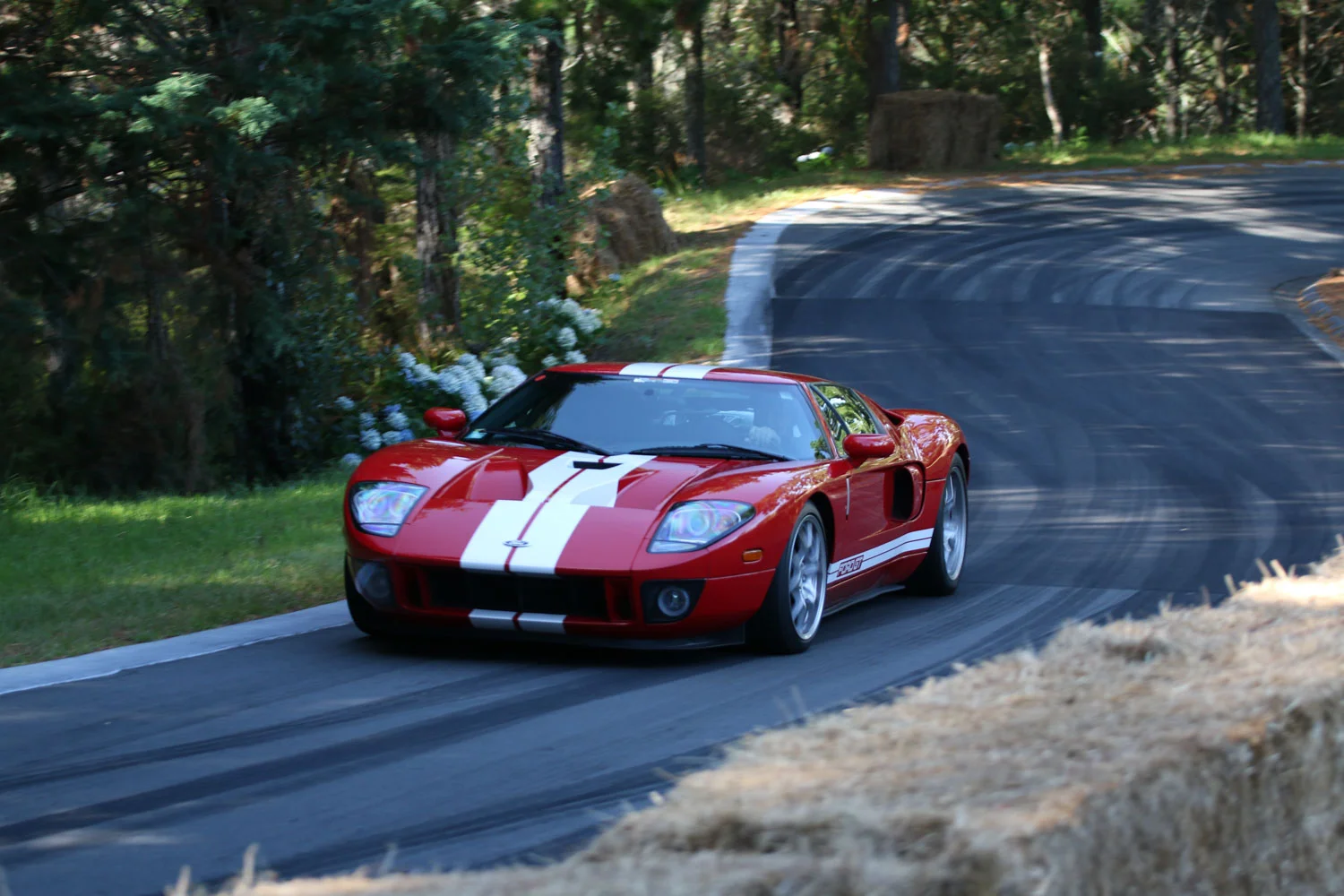
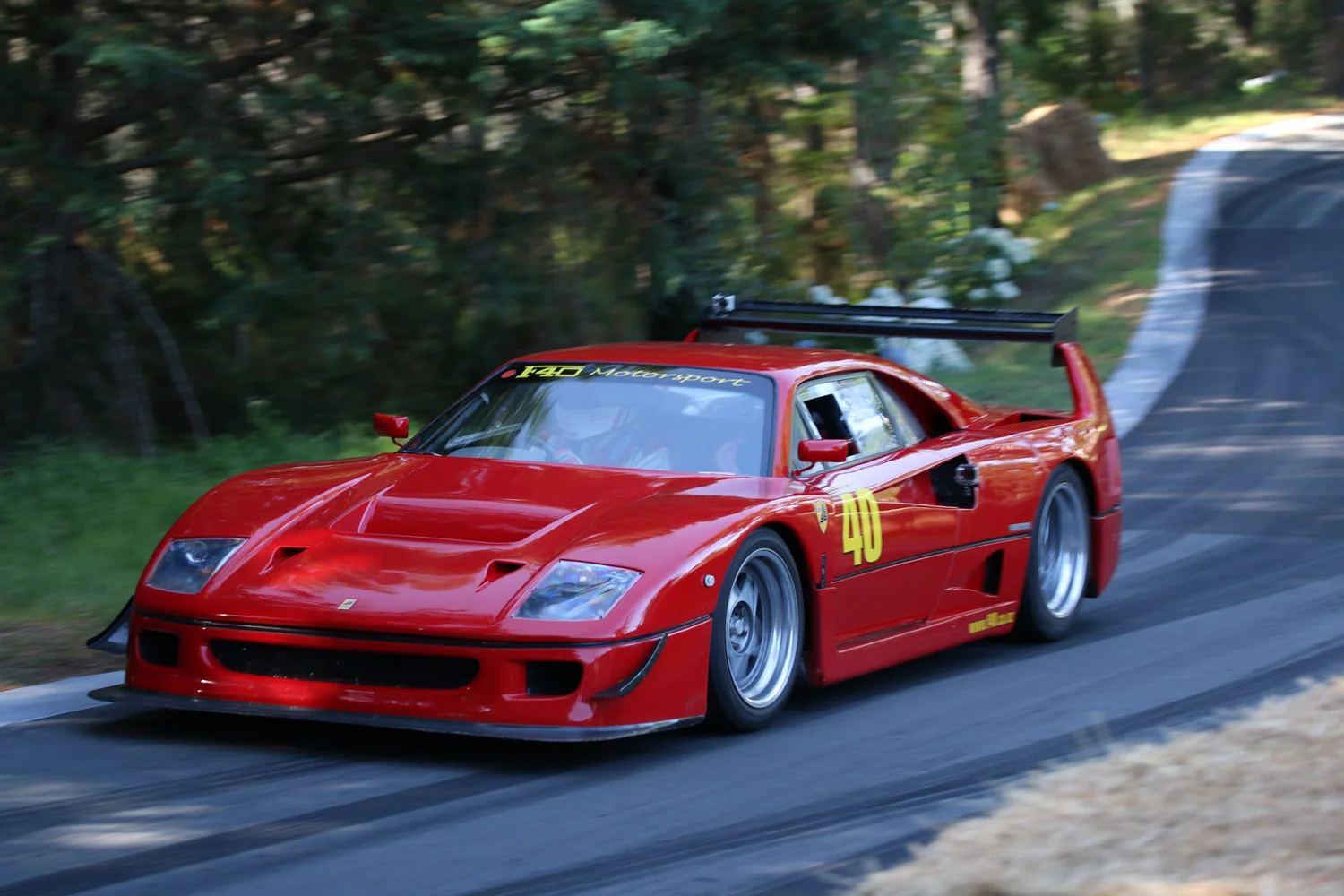
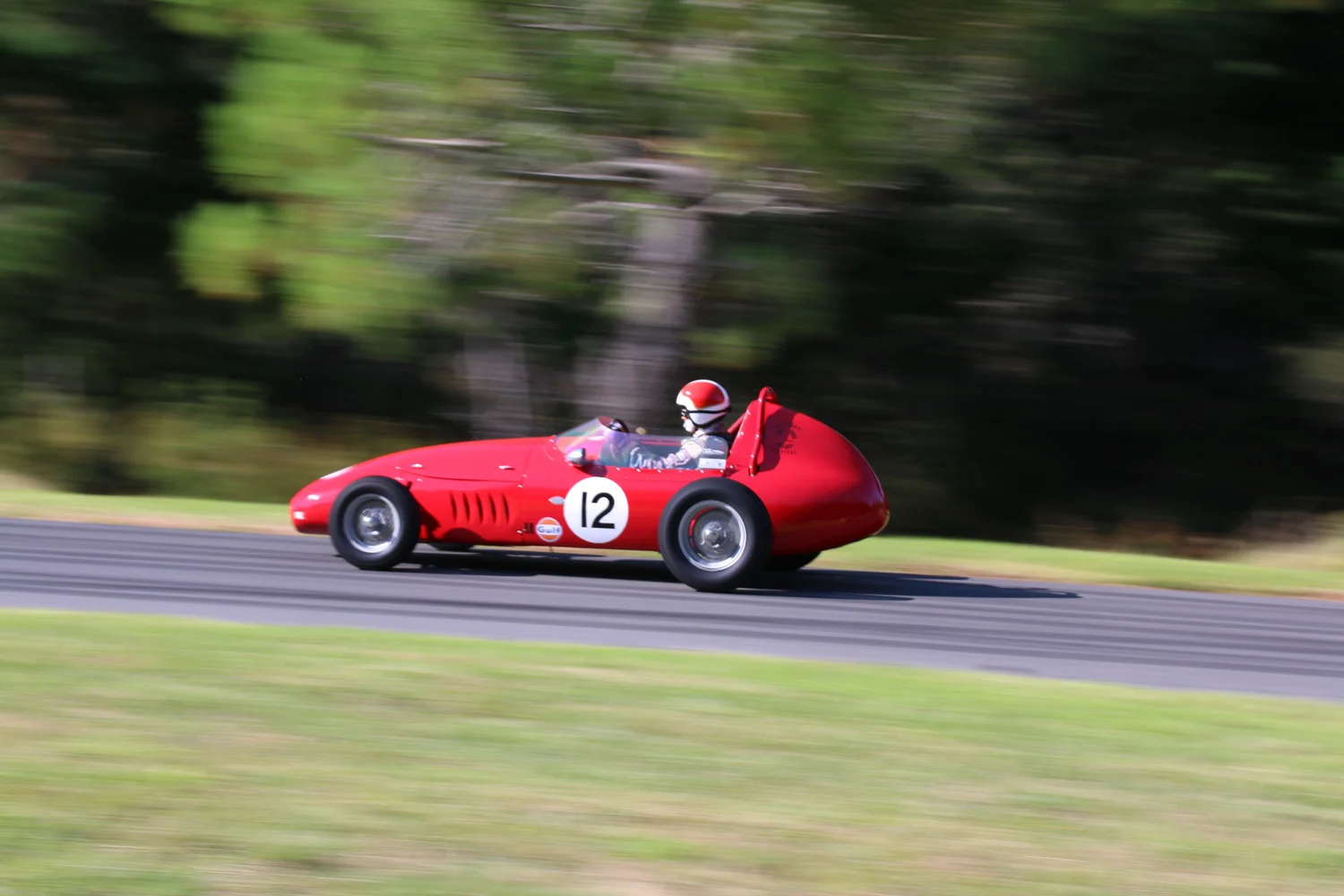
Set in the idyllic countryside of Hahei is Rod Millen’s farm — the aptly named Leadfoot Ranch. Every two years, Rod opens it up for the Leadfoot Festival. This is the North Island’s version of Pikes Peak International Hill Climb, and action takes place up the ranch’s 1.6km tarmac driveway, starting from the gate, where it is relatively flat farmland, making its winding way up into the pine trees through a series of tight hairpins.

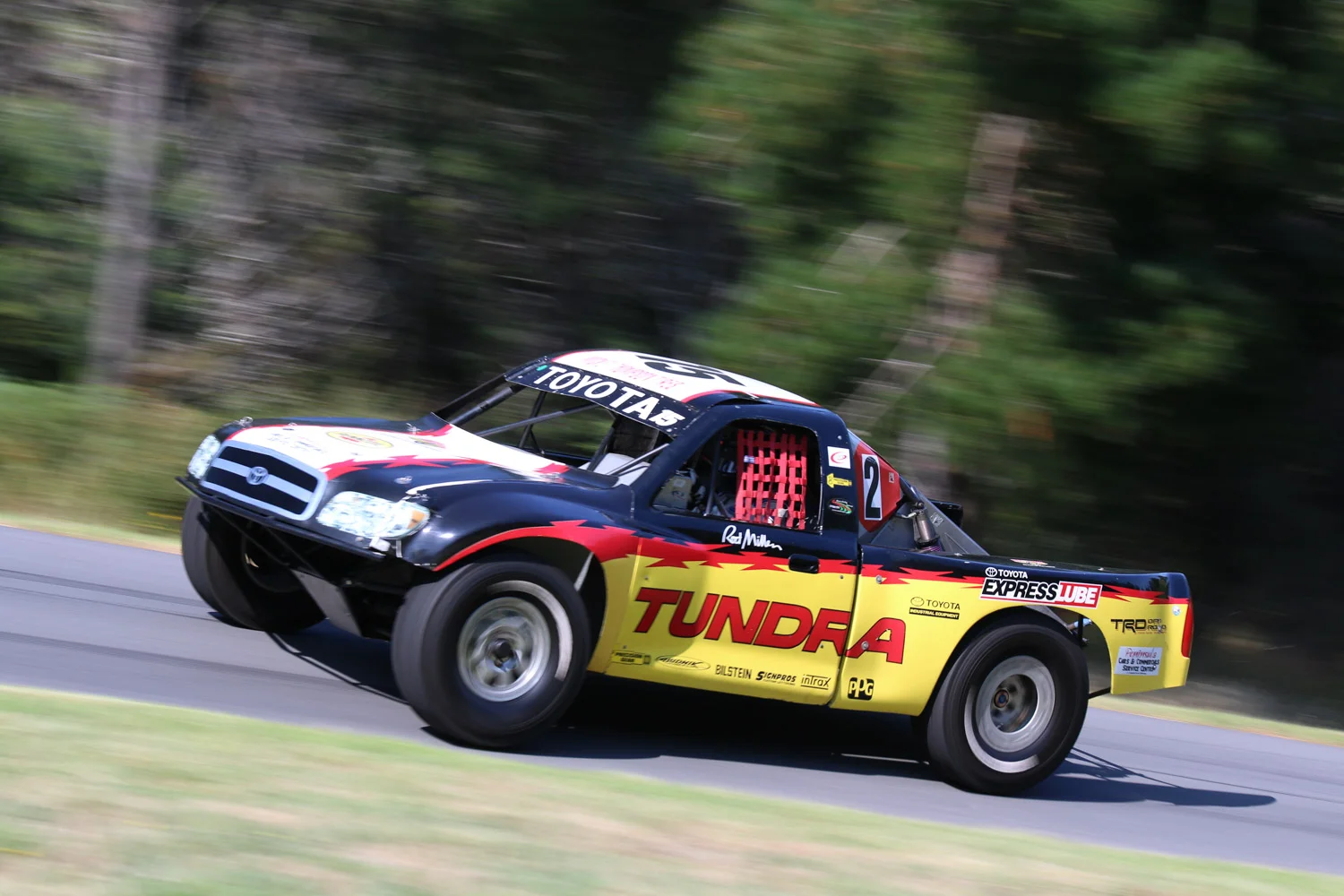
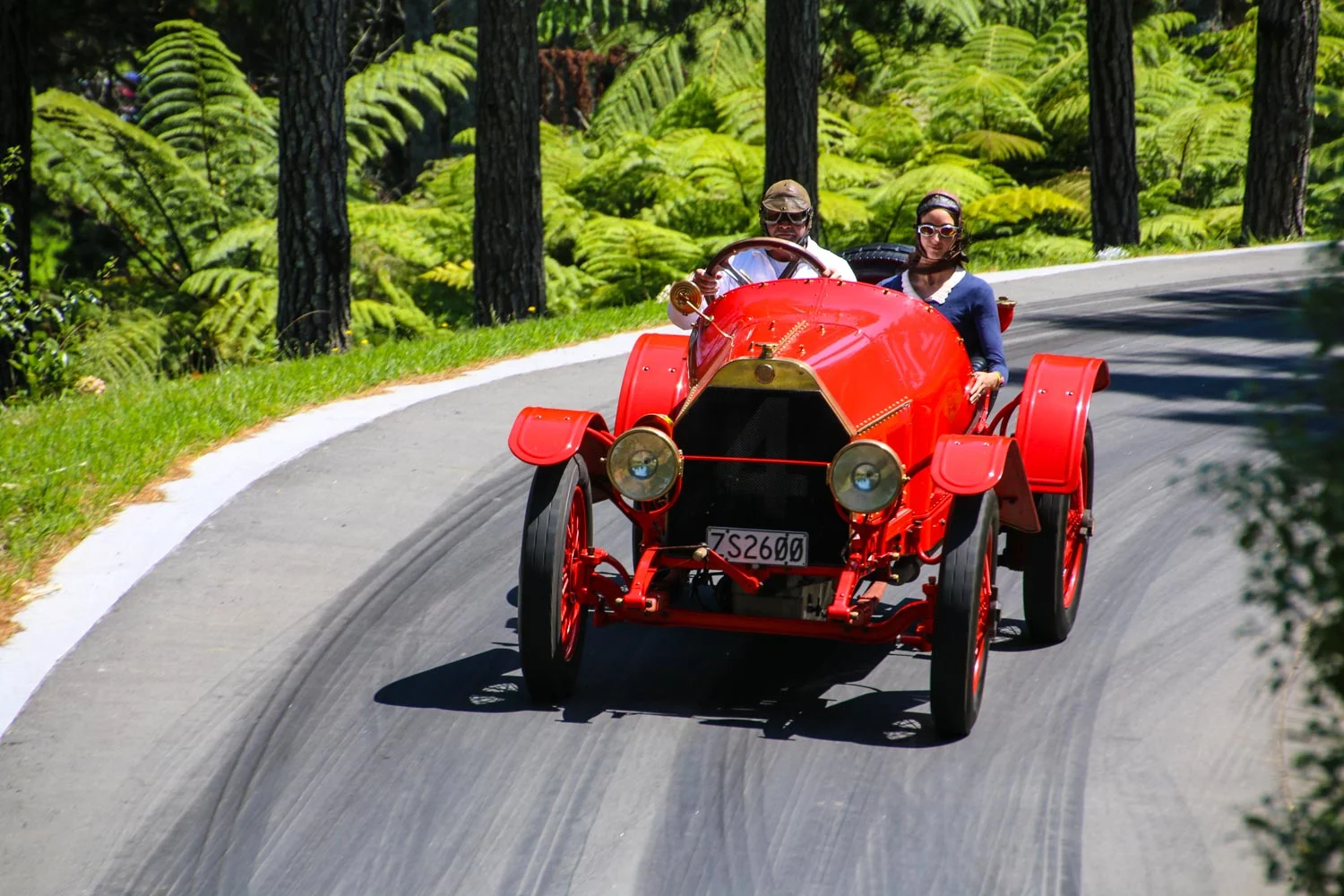
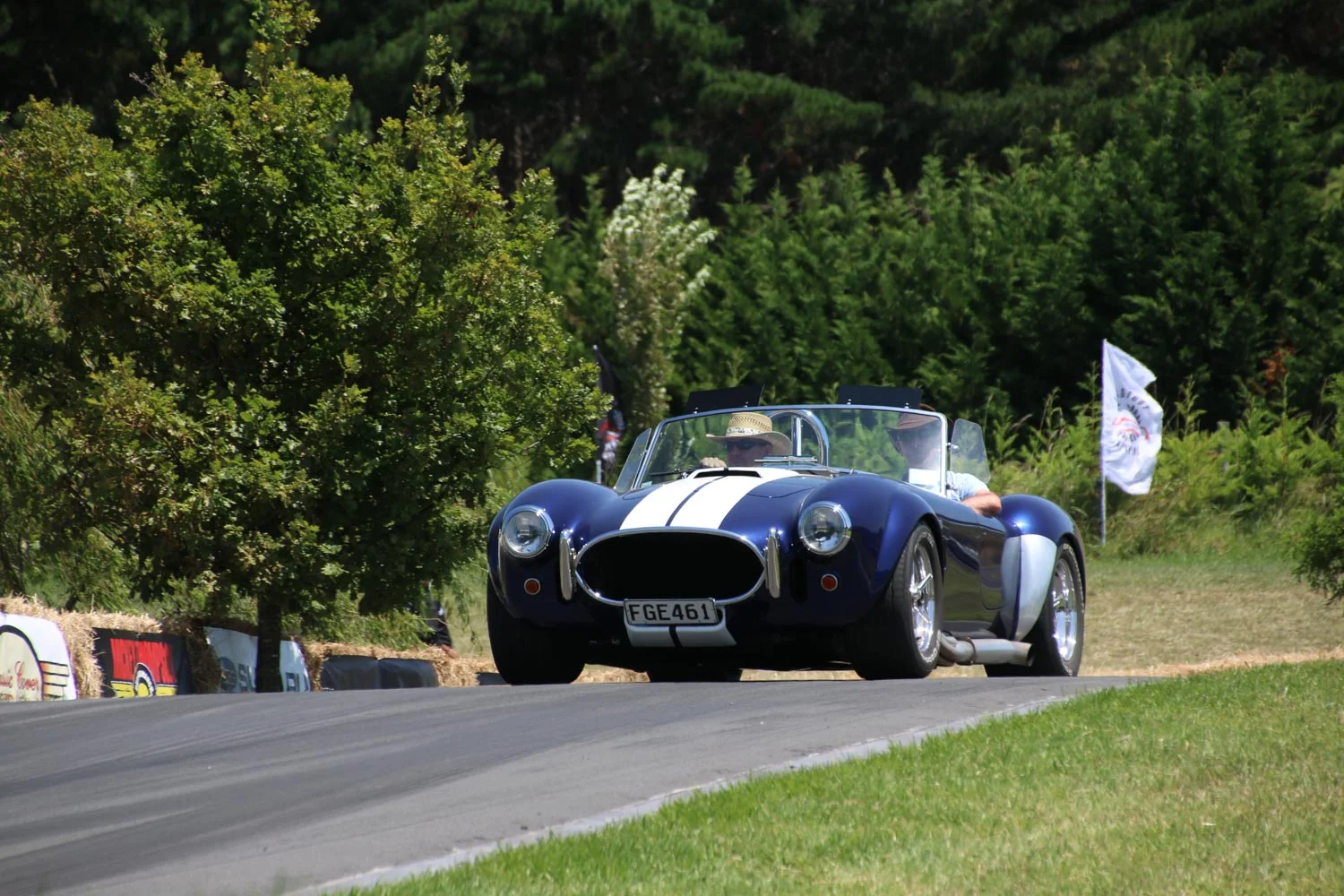
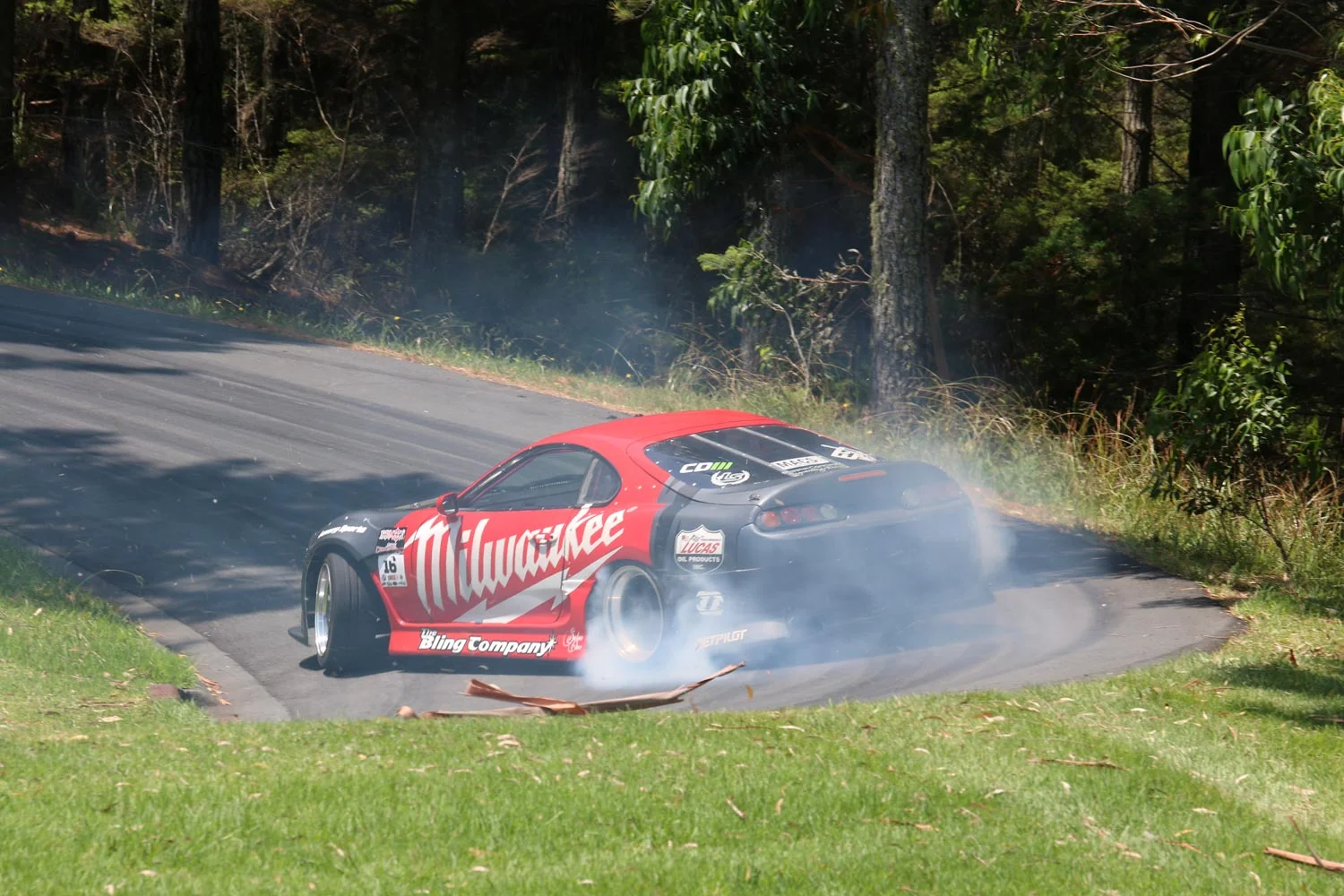
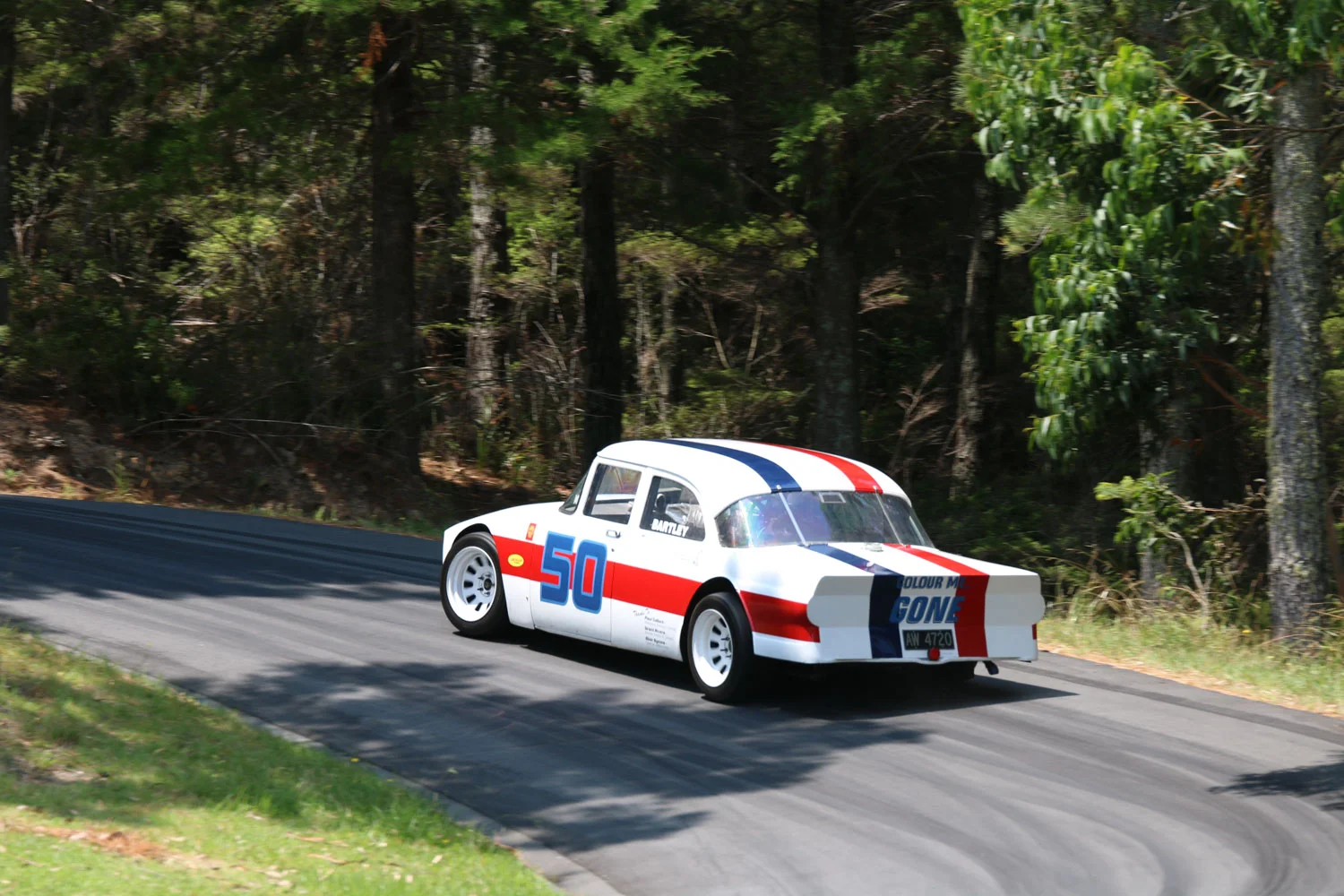
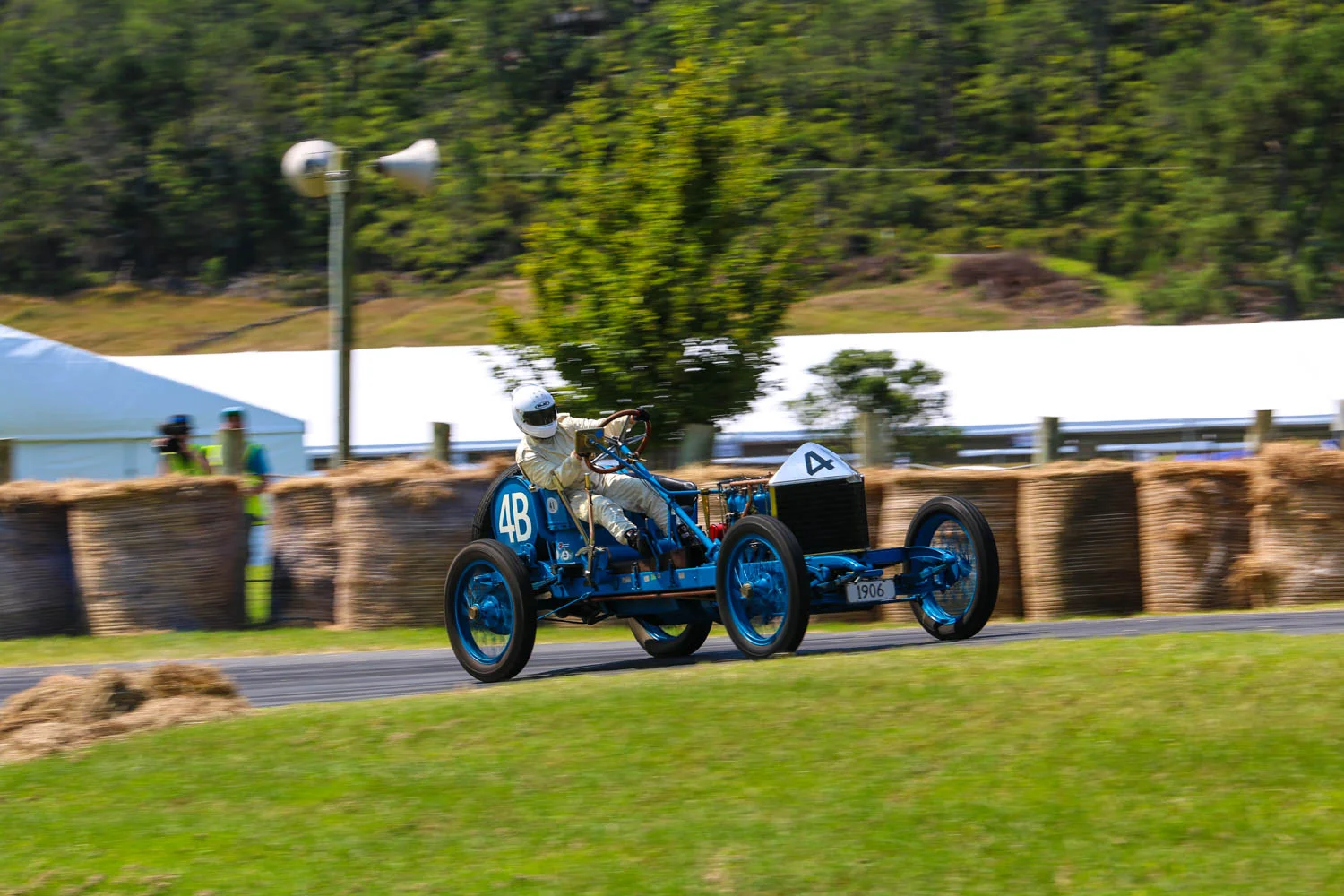
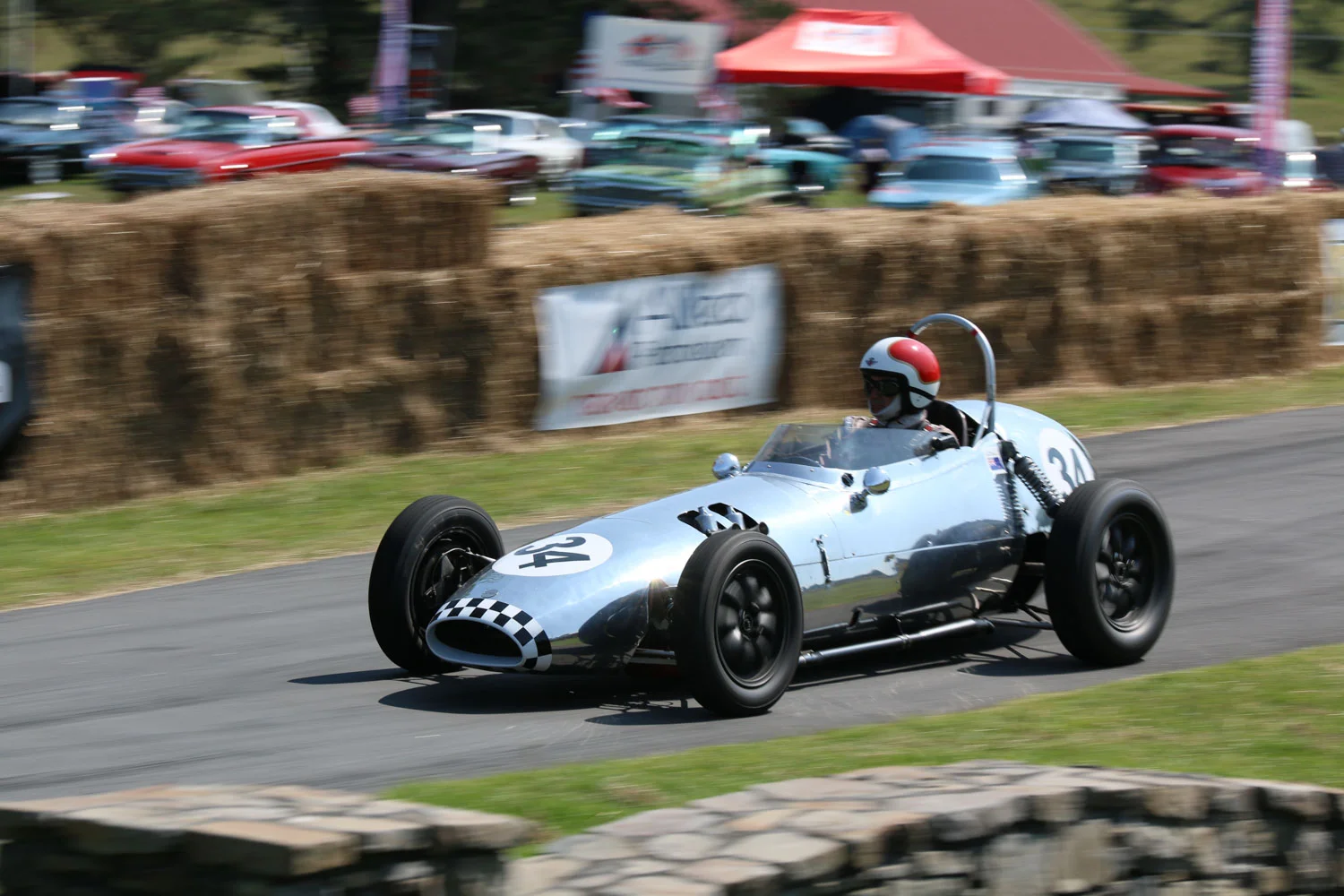
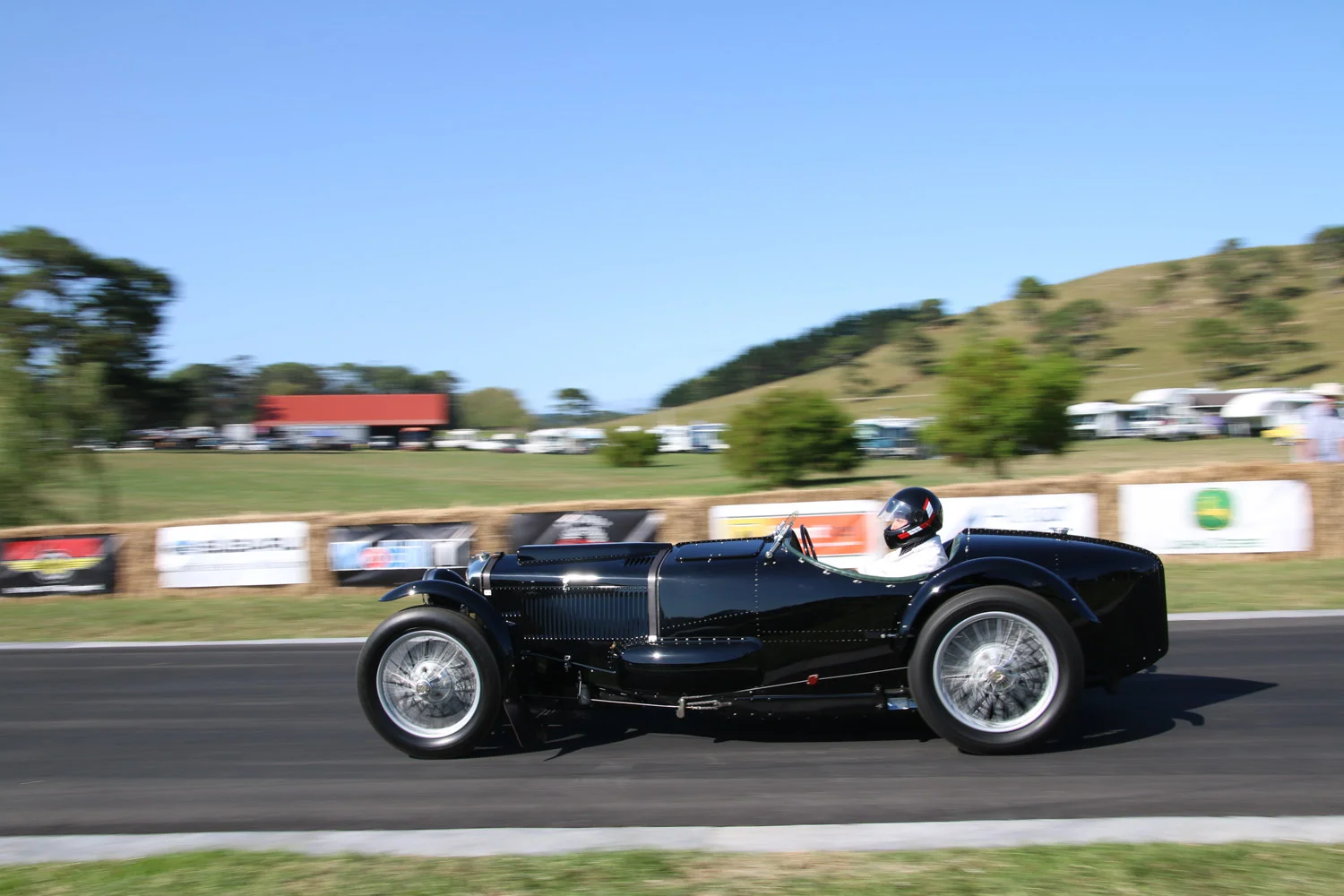
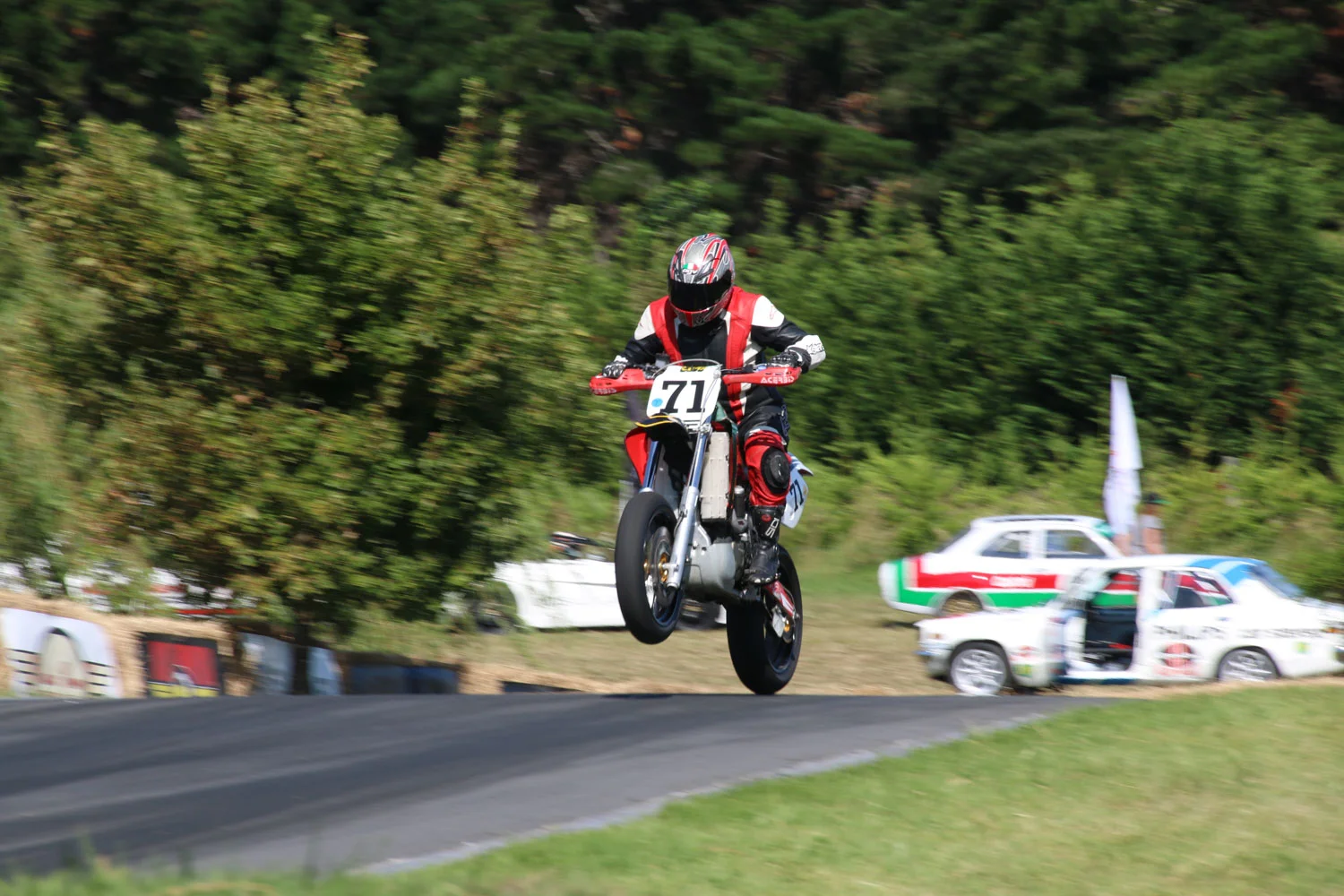
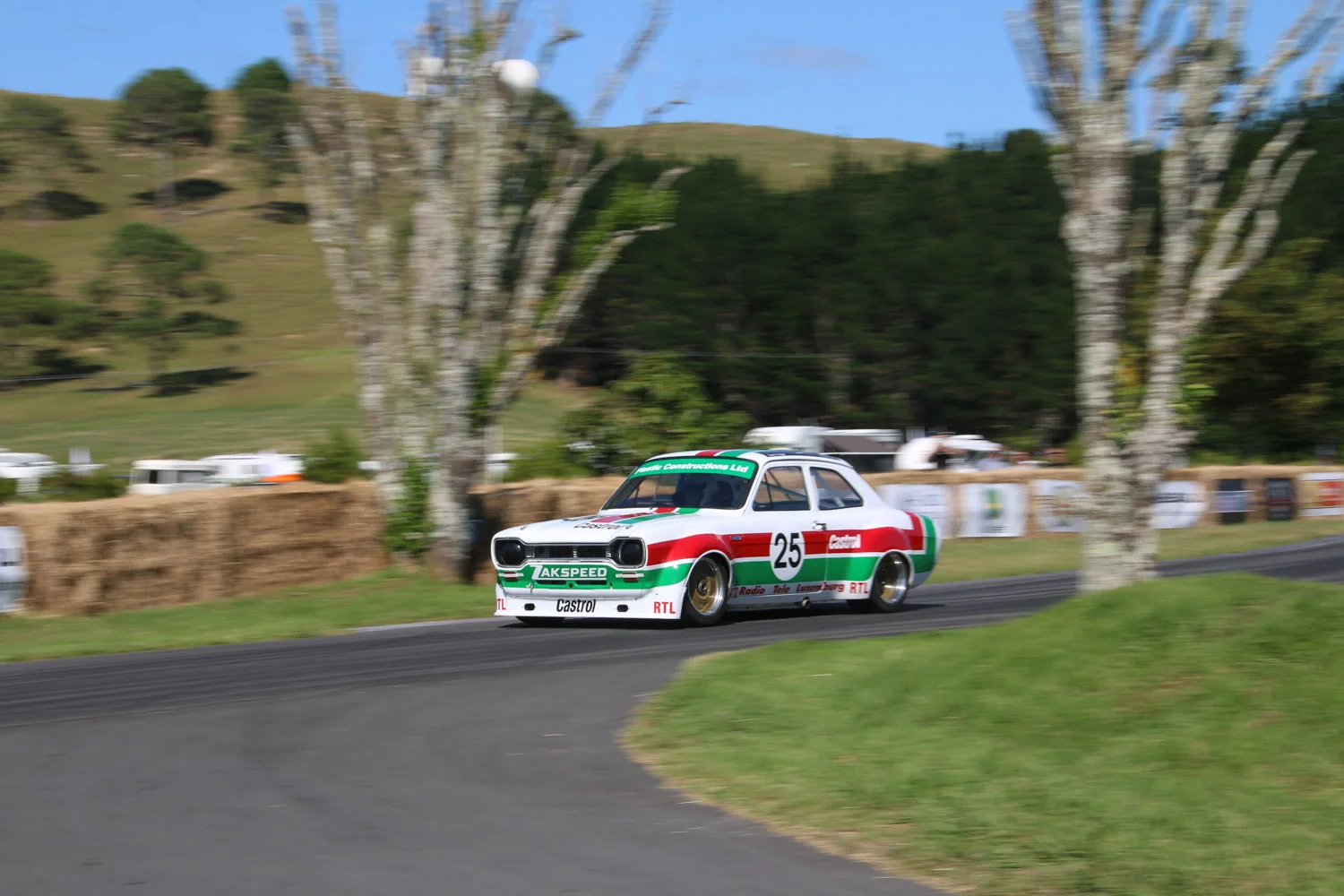
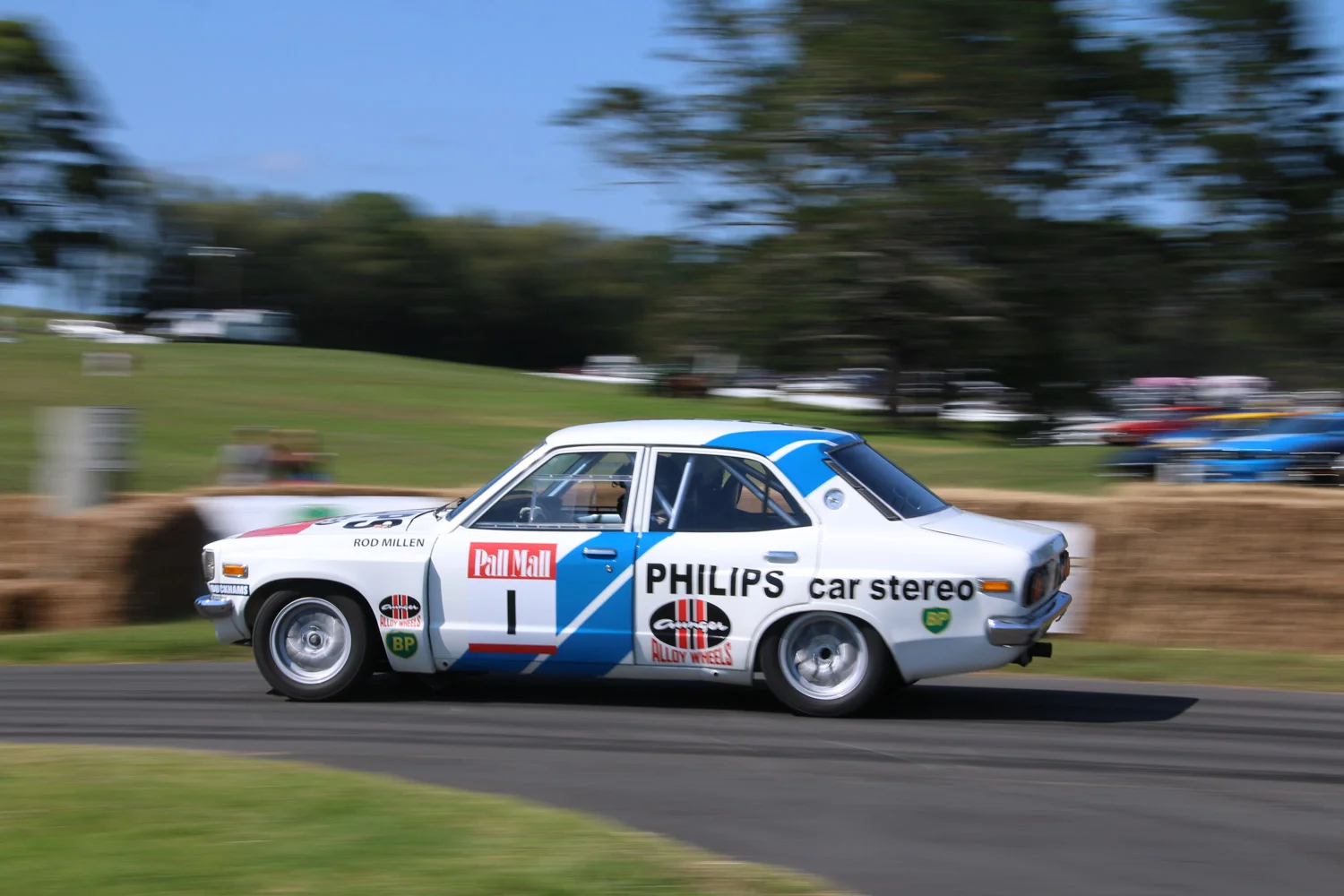
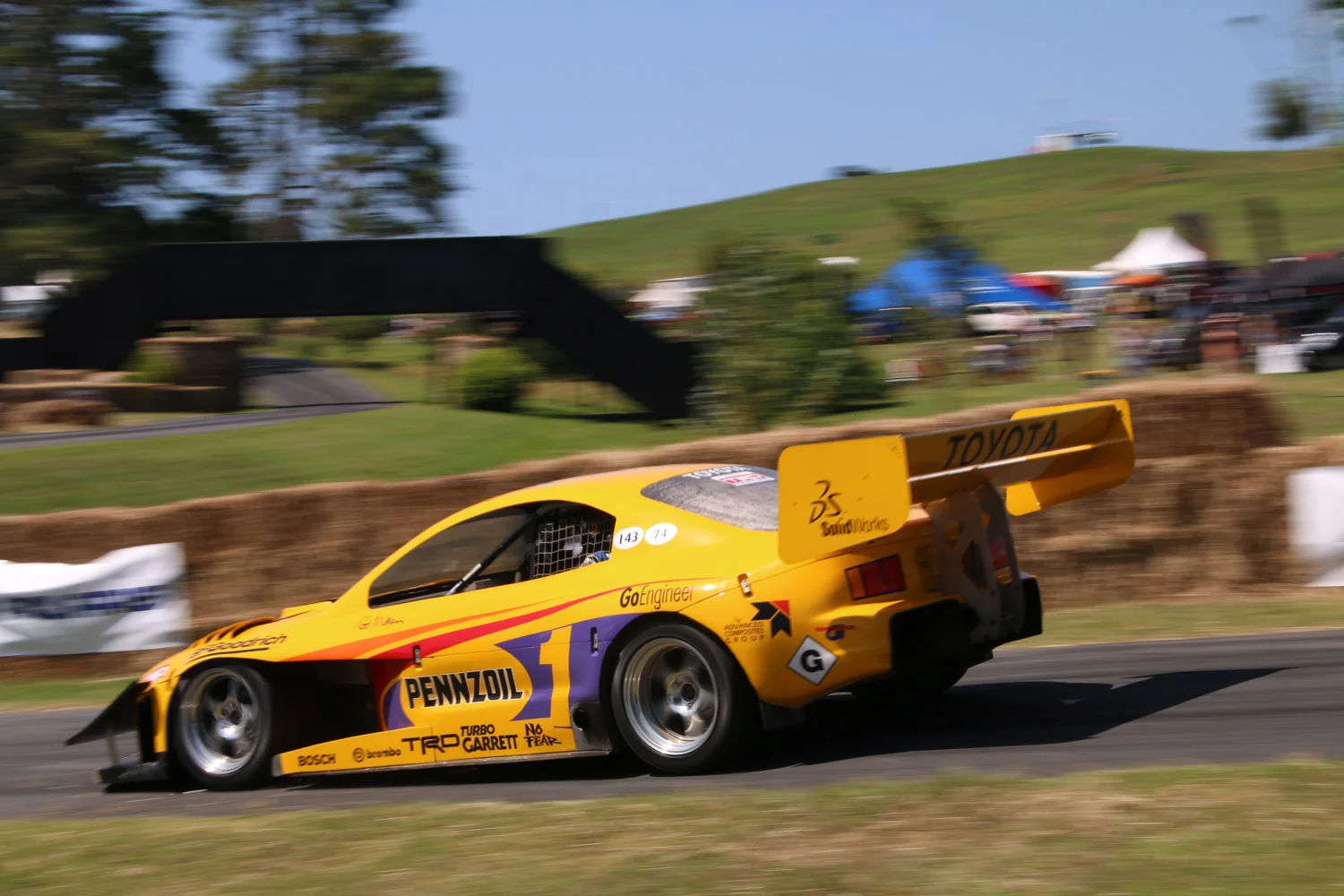
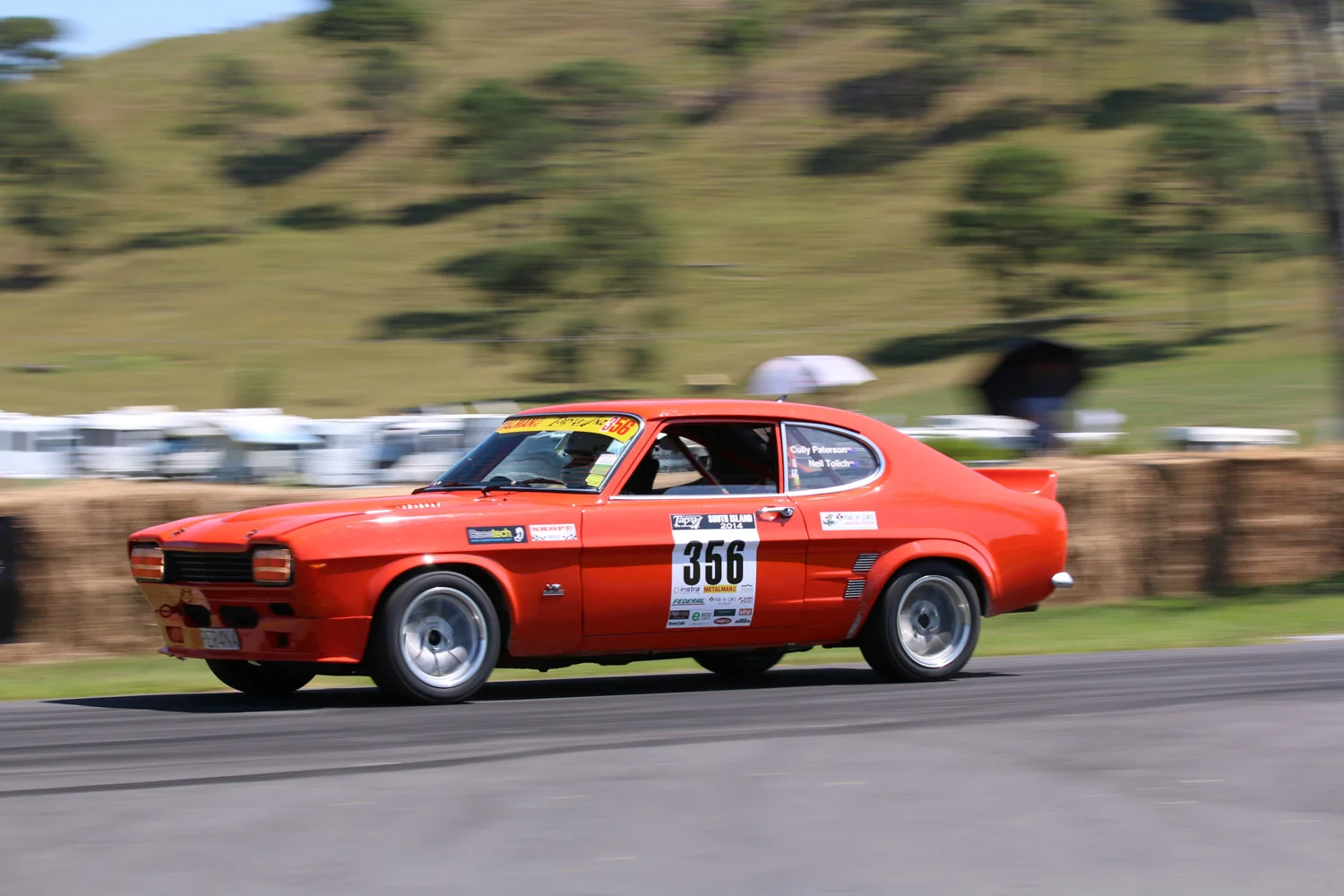
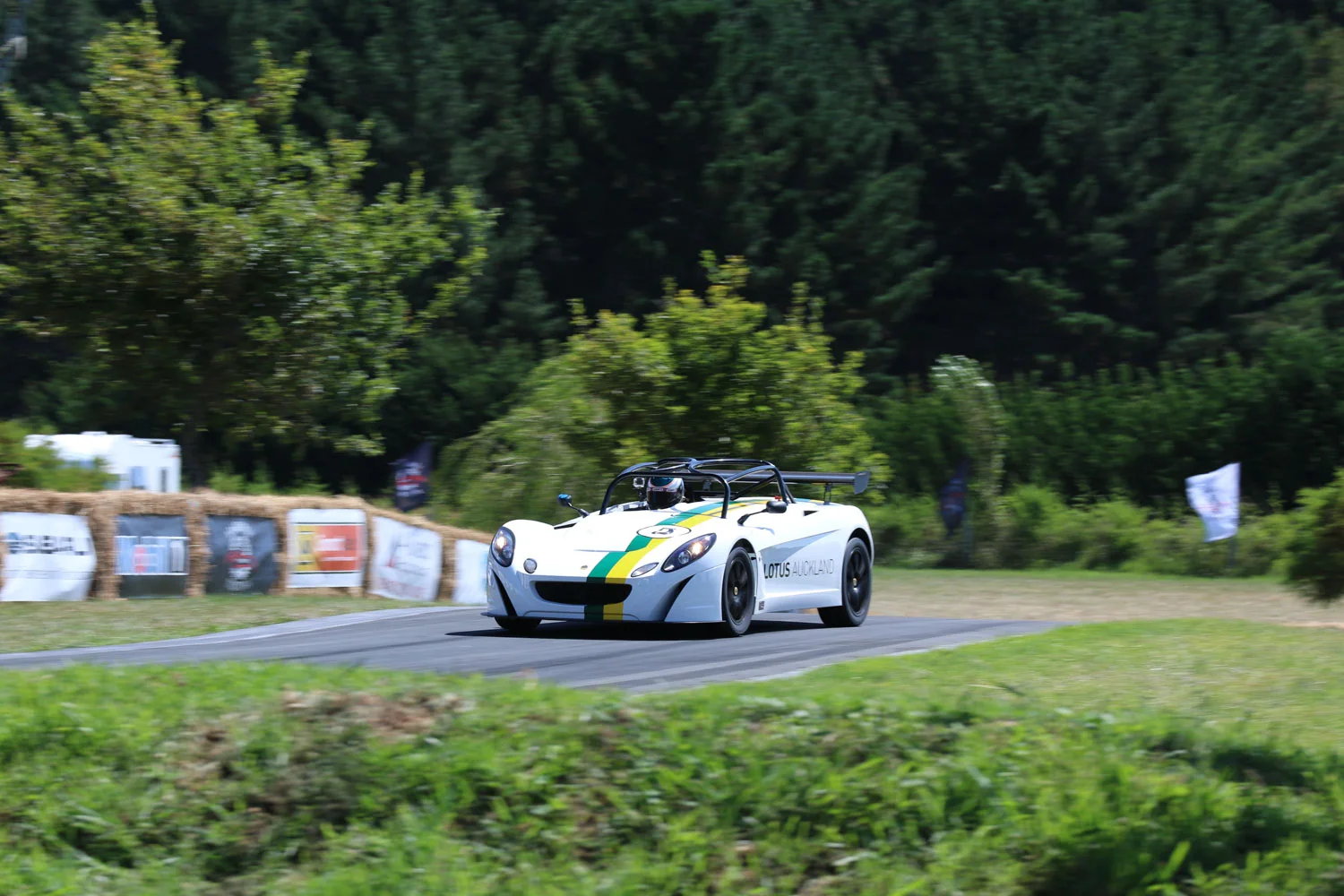
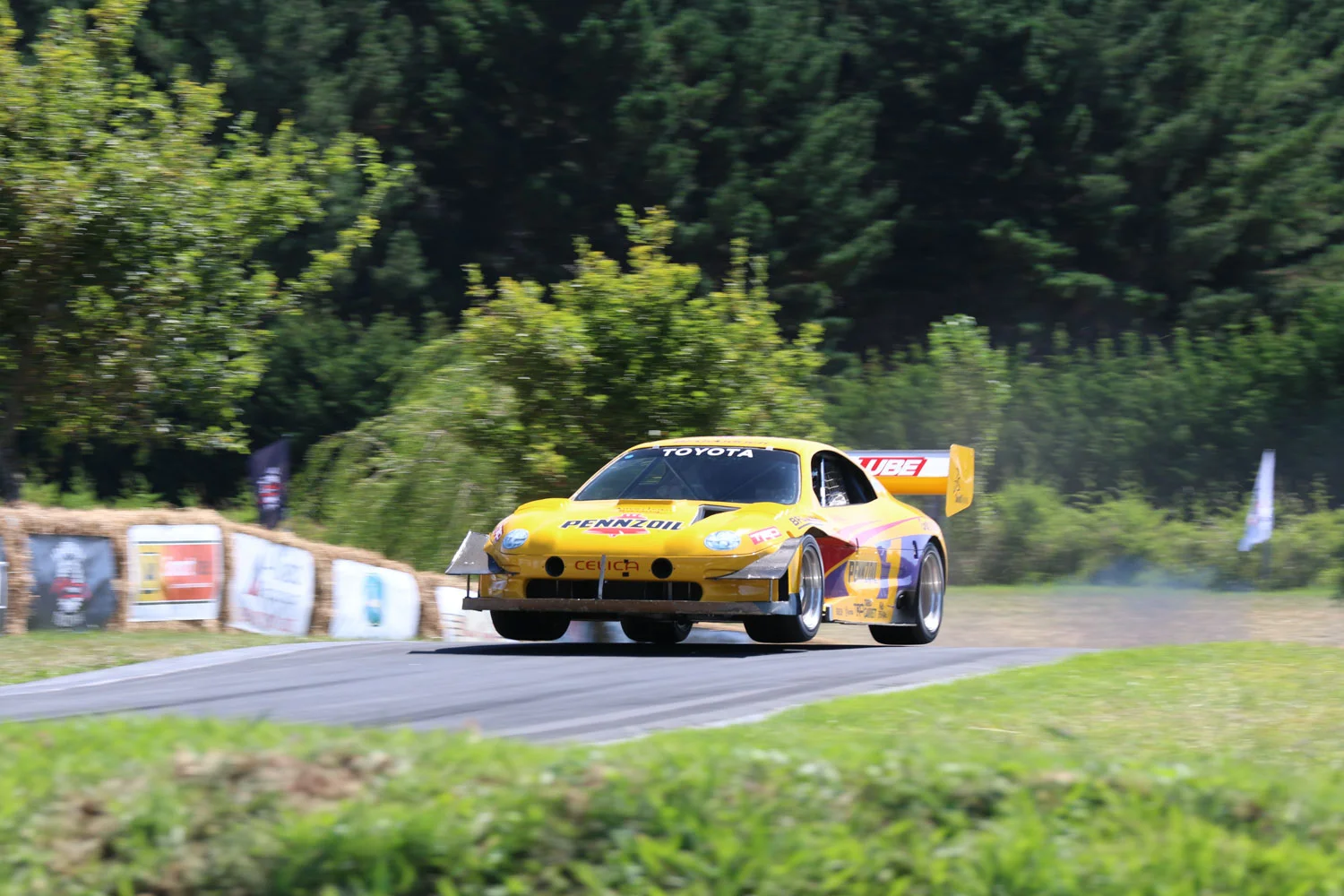
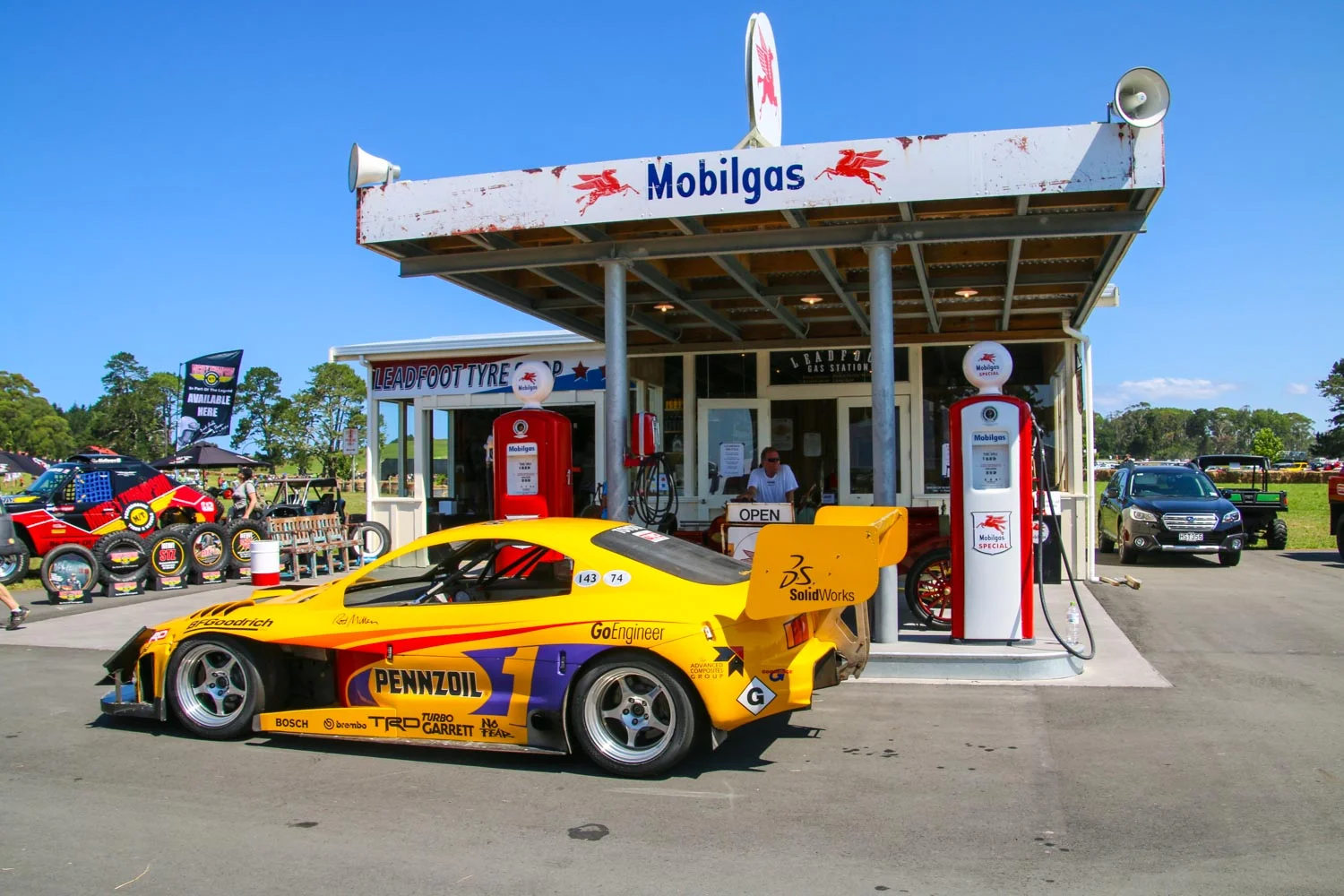
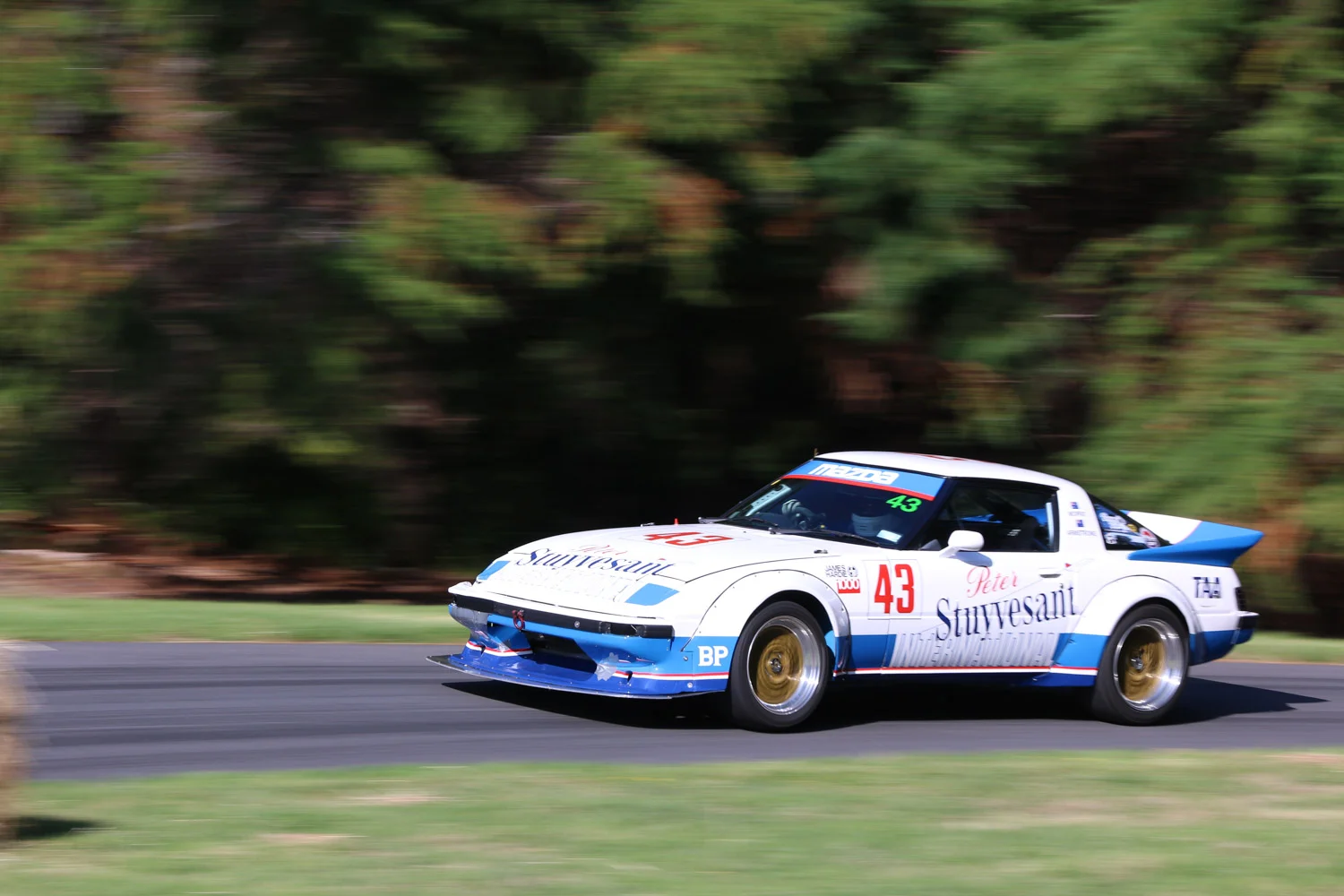
Several different classes of cars were invited to attend by Rod Millen — including rallying, open-wheelers, 4x4s, sports cars, karts, motorcycles, and what appeared to be a crowd-favourite; drift cars. In attendance were drivers such as Richard Mason, ‘Mad Mike’ Whiddett (a renowned drifter), Anne Thomson in her 1906 Darracq, and, of course, Rod Millen himself. Rod, in fact, raced three of his cars over the weekend — a Mazda RX-3, the Toyota Celica, which he raced at Pikes Peak, and the Toyota Tundra, which his MillenWorks Racing was contracted to build for the Championship Off-Road Racing series.

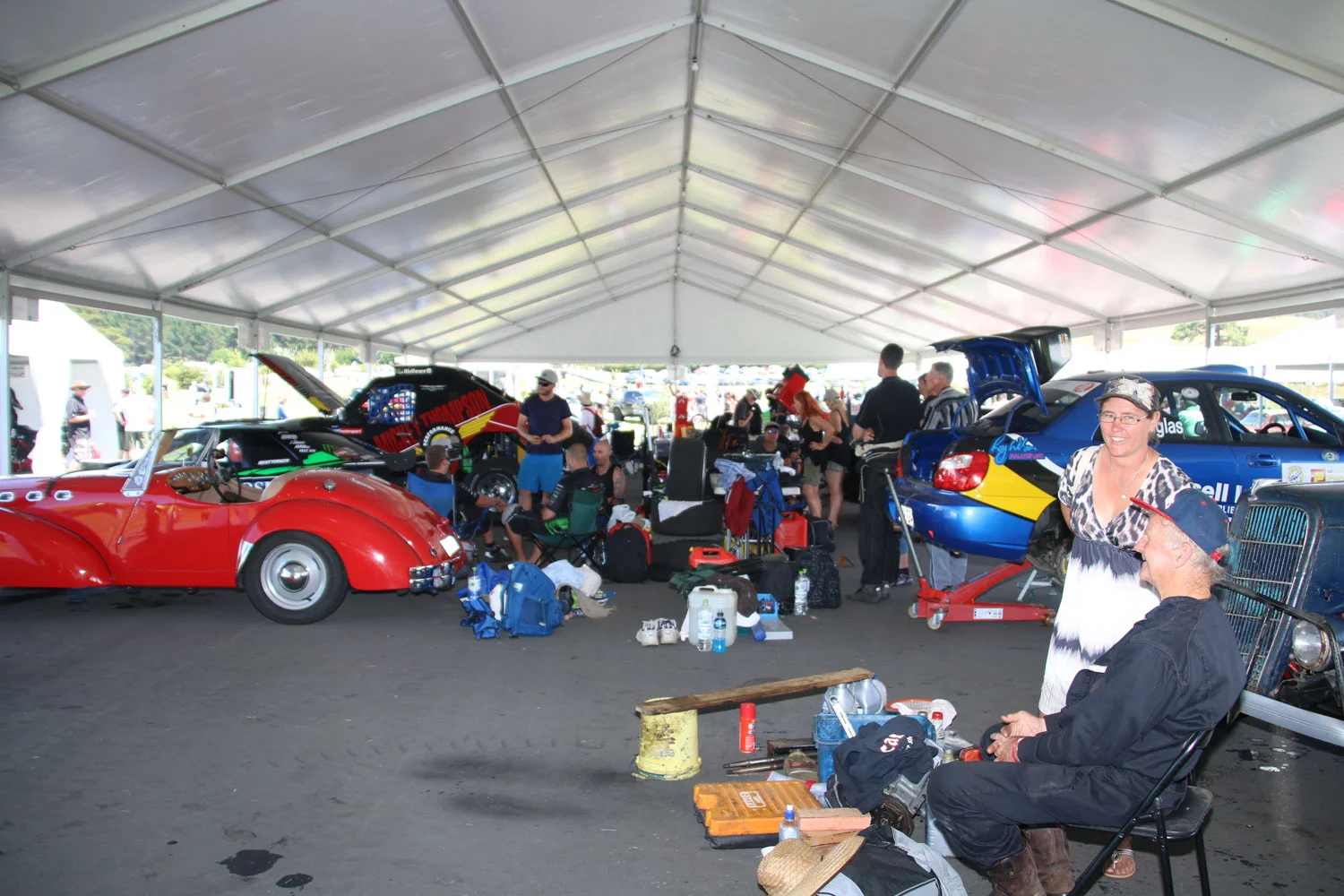
The Leadfoot Festival is held over three days, with the Friday being a non-competitive day, allowing the entrants to set up their cars and familiarize themselves with the course. This day of full-on practice made for a hairy moment for many, and lots of hay-bale destruction.

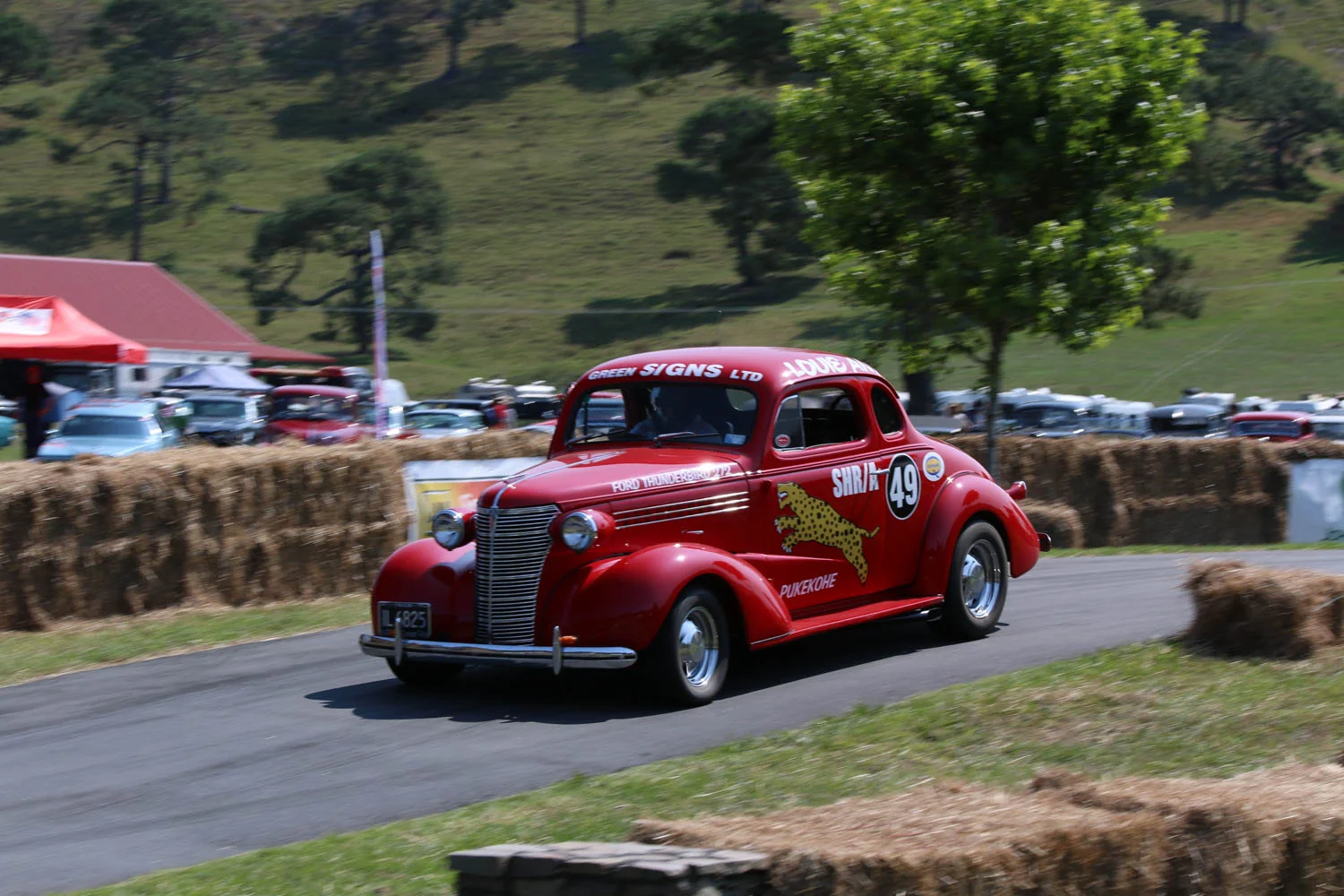
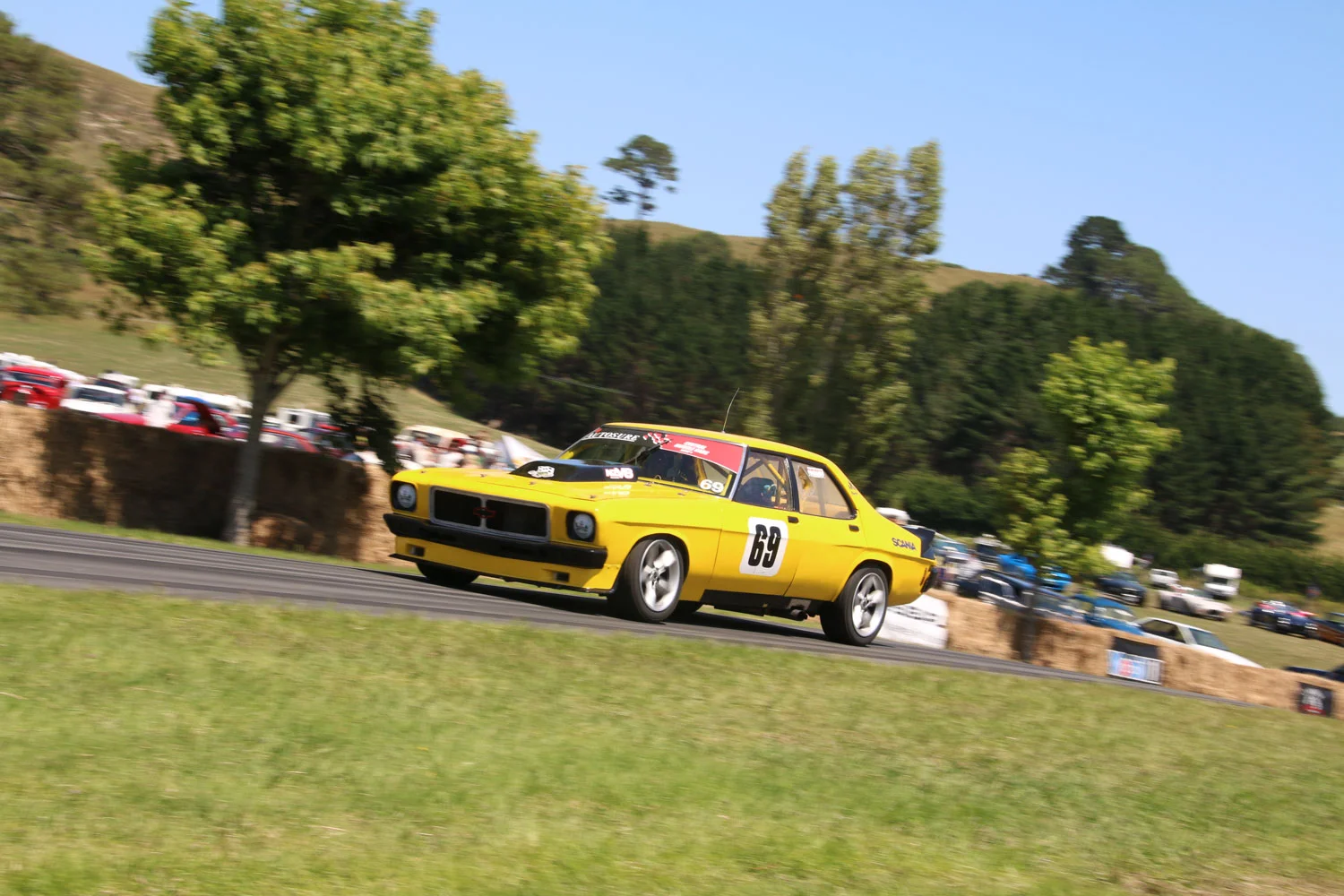
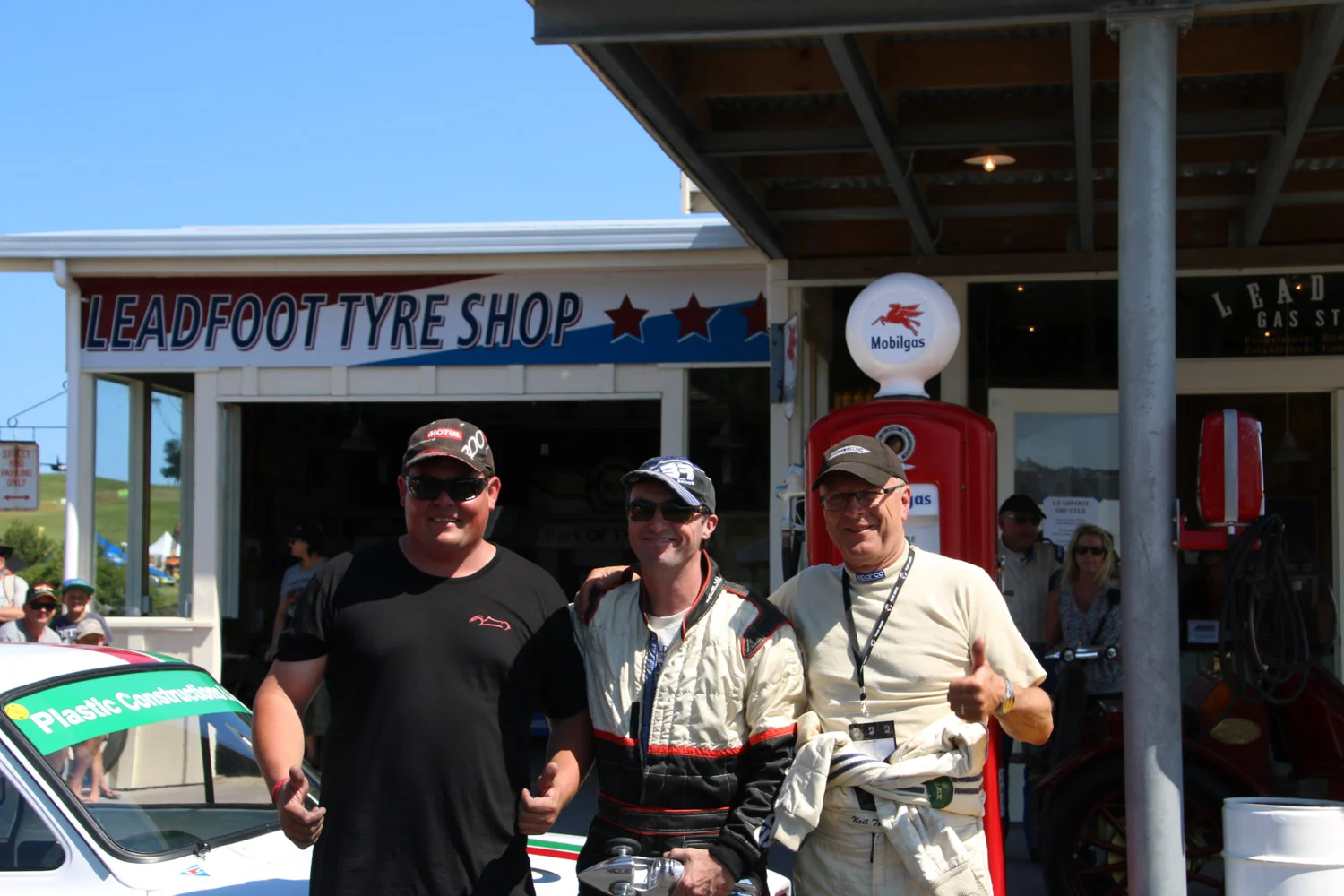
We’ve put together a gallery of images, shot by Steve Ritchie Photography, to take us back to the latest Leadfoot Festival held over February 6–8, 2015. Check it out below:
Chrysler’s classy cruiser

I first saw our feature car, a 1970 V8-powered Regal 770 hardtop, towing a trailer carrying the tidy Ford Anglia classic racing saloon in Broadspeed racing colours that has featured in these pages. The coupe is comparatively rare here, which means anyone contemplating purchasing one of these big two-doors is sure to see prices continue to climb. The latter Charger has claimed much of the Aussie Chrysler limelight, but the simpler and classier lines of this car, which appeared dated soon after its introduction, now have a more timeless appeal.
Former owner, Balclutha motor engineer, Mike Verdoner, remembers the car well. He believes it came from Dunedin originally.
“I’m not sure about the car’s history, but I bought it off its owner at Kaitangata. Unusually, it was advertised in the local newspaper, the Clutha Leader, which was a surprise as these usually go for a lot more money on the internet. I had it for quite a few years. It needed a little bit of work to tidy it up, so I had to decide whether to spend the money on it to do it up, which could have been twenty grand. Its value at the time was not like it is now, so I sold it to Ewan. It’s probably now worth three or four times what I sold it for.”

The Pininfarina 230 SL

It’s October 1964, and imagine you’re an automotive journalist covering that year’s Paris Auto Show (Mondial de l’Automobile). As you approach the Pininfarina booth, you come across a car that looks a bit like the Mercedes-Benz 230 SL introduced the previous year at the Geneva Auto Show, a car then arriving at Mercedes-Benz dealerships around the world.
But looking closely, its styling and proportions seem to be a bit different. And it has a fixed roof, unlike the Pagoda-style greenhouse of the removable hardtop seen on the production 230 SL. While today, the styling of the W113, under the supervision of Head of Styling Friedrich Geiger, with lead designers Paul Bracq and Bela Barenyi, is considered a mid-century modern masterpiece, acceptance in-period was not universal. Some critics called out the concave design of its removable roof, which ultimately gave the car its “Pagoda” nickname.