Not even a year since rewriting history and becoming New Zealand’s quickest and fastest female, Karen Hay’s quest for speed is still strong.
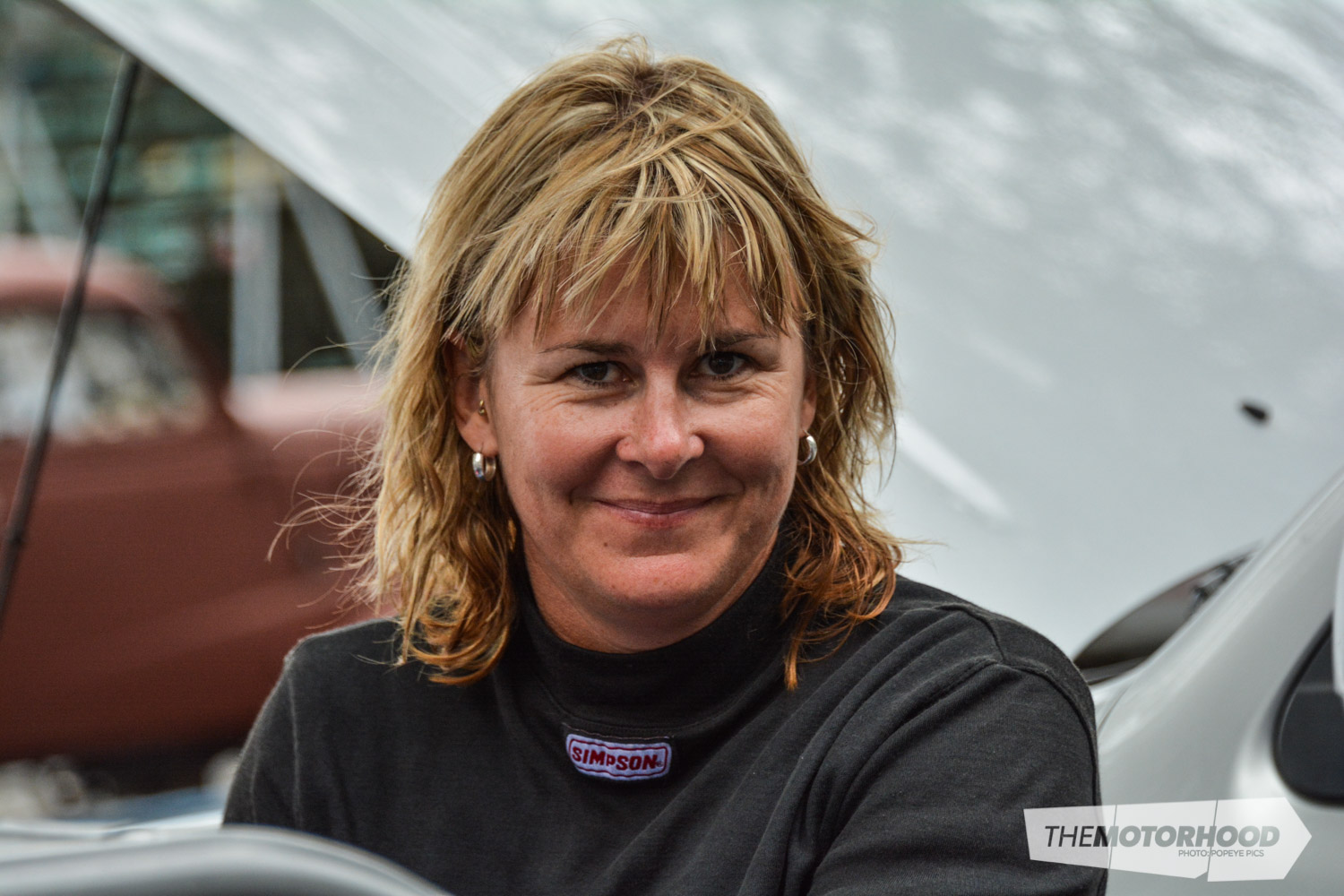
At the recent IHRA NZ Drag Racing Nationals, held at Meremere Dragway on March 14–15, she won the National title for the second year in a row in the Competition class.
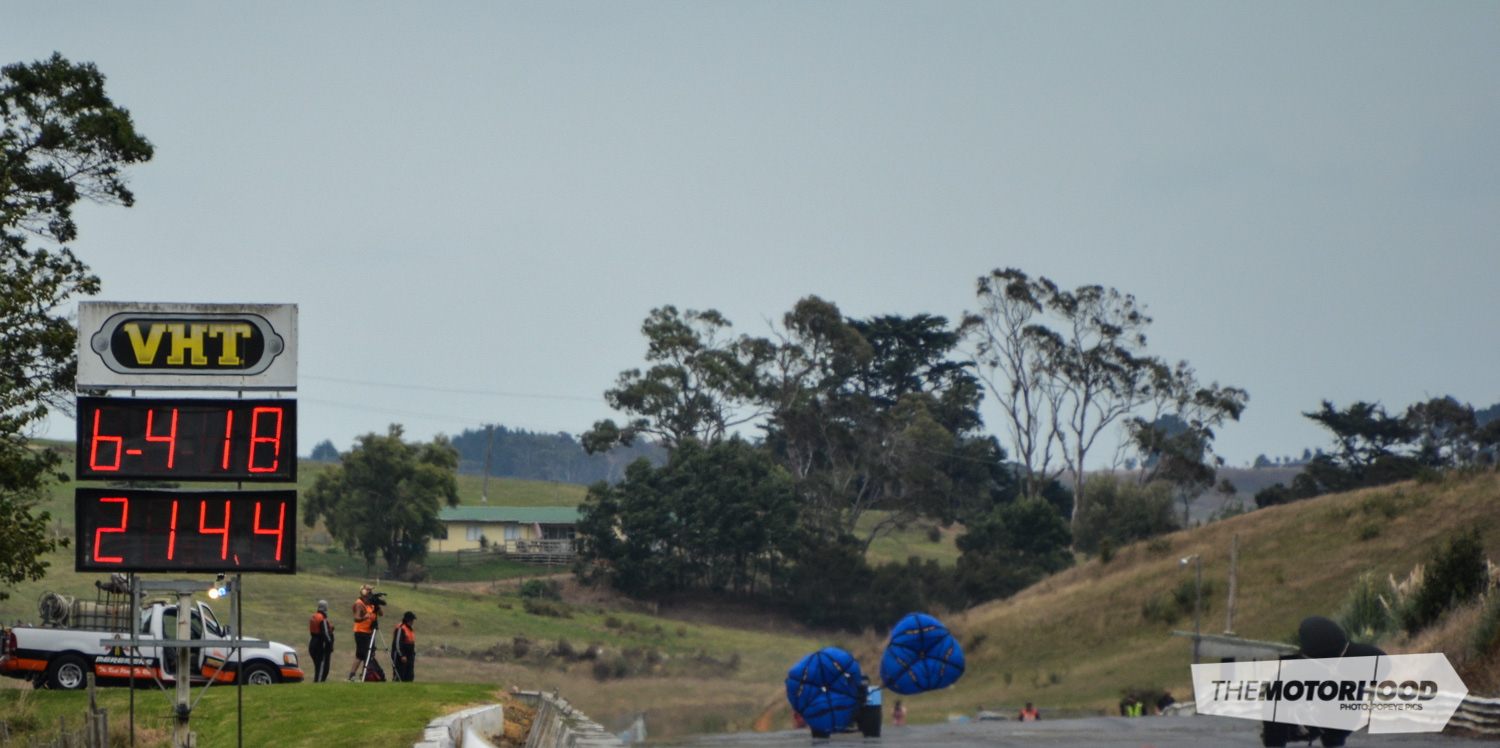
She also set a new AA/Altered record as well as achieving a personal best of 6.41 seconds at 214mph over the quarter-mile. Her purpose-built 1927 Ford Model T roadster is powered by a twin-turbocharged 482ci big block Chev engine, and is the quickest and fastest Warren Brogie–built Model T roadster in the world.
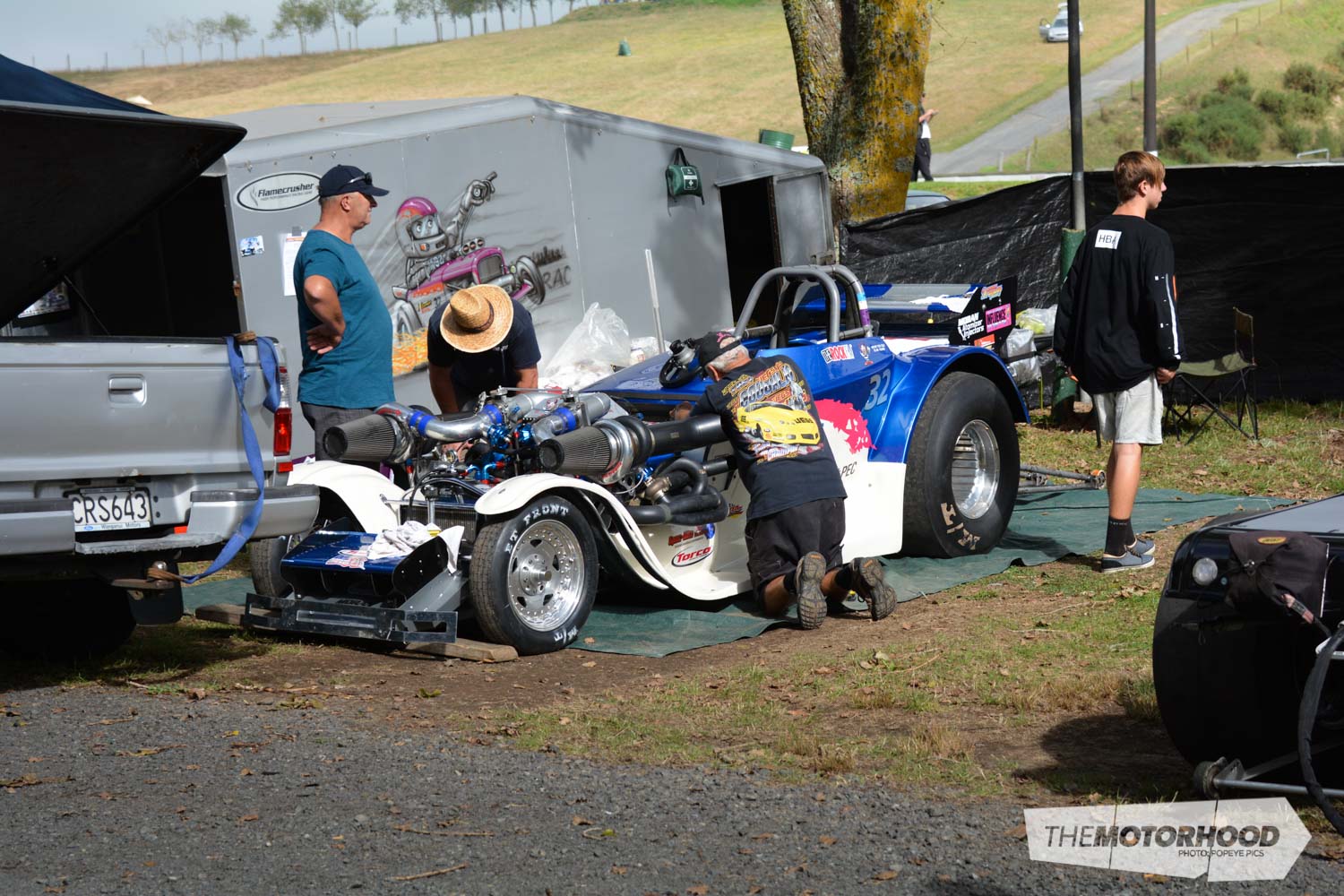
“It was touch and go with the team if we would make the Nationals this year as some damage was done when I ran my 6.59 pass on January 31. The crew chief (Karen’s dad Lindsay) pulled out all the stops for the Nationals — the biggest meeting of the year,” says Karen.
All of that dedication and commitment paid off when Karen ran a 6.47 at 210mph, placing herself as number-one qualifier for the Competition class.
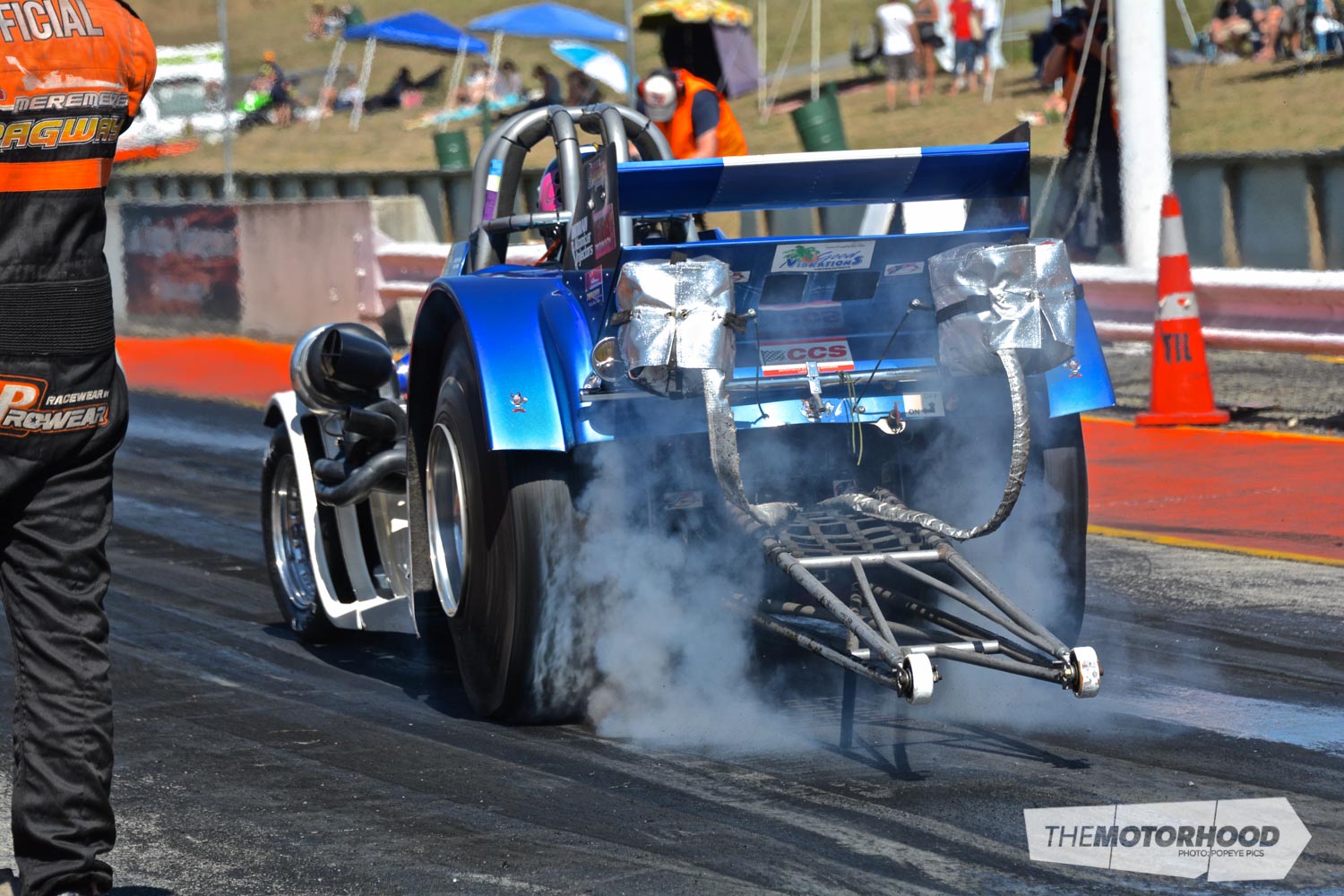
“I had achieved a team goal,” she says.The next run was the National championship winning pass of 6.46 at 210mph.
The season hadn’t started well, but the Nationals sure made up for it. Karen says a huge thank you goes to the Meremere Dragway team for the well-prepped track and smooth running of the 2015 Nationals.
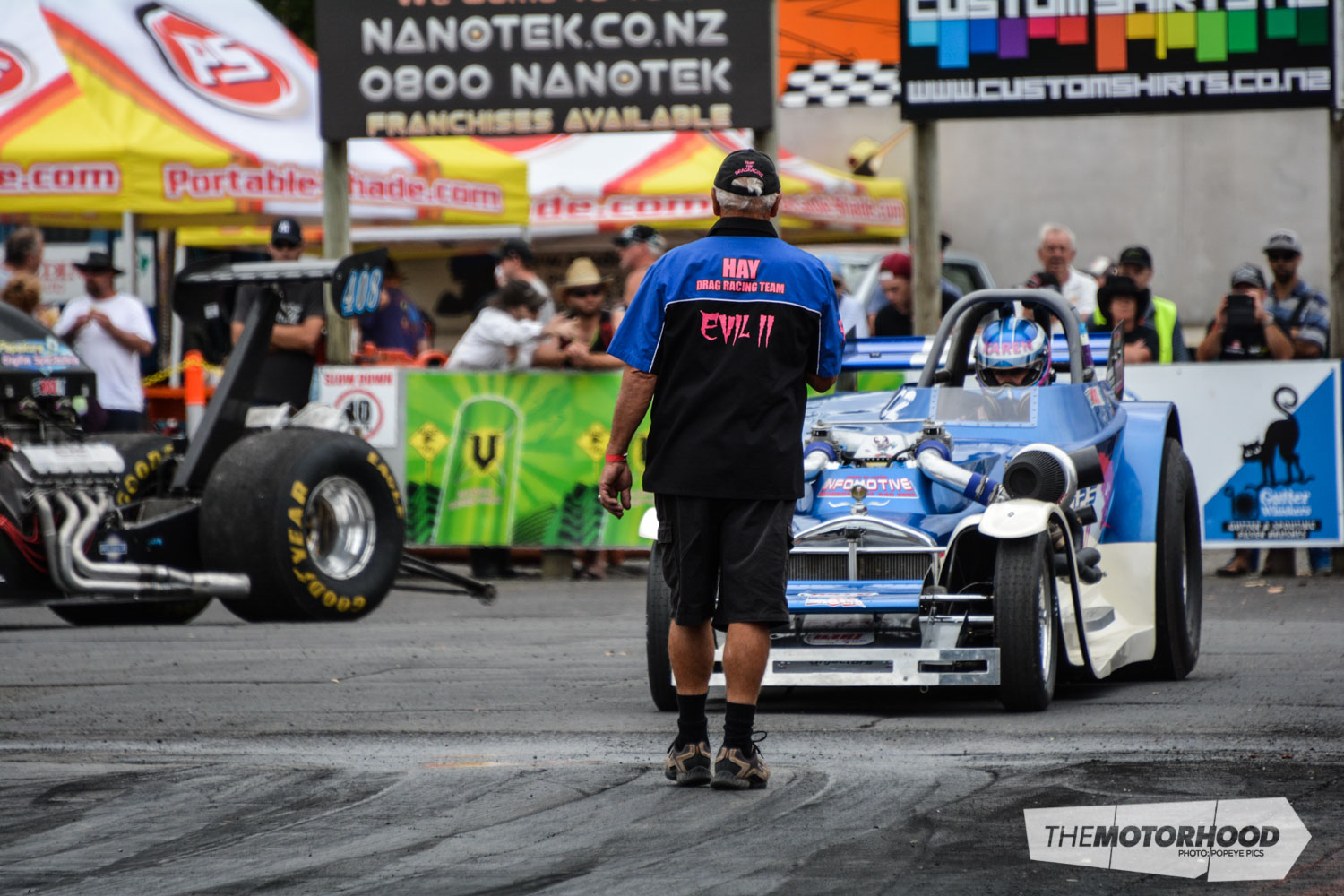
“To my team — no matter how small or big the job is, on the day you all contribute to the success. I’d like to thank our tuner Jason Cutelli. As always he works on two cars at each meet. Running between two teams with different needs, etc. This weekend we won the Nats and his other car he works on, RIPS Racing, broke a world record. Jason is awesome. He respects my input and always tells me what he’s done. He takes the time out to explain what changes have been made and how it could affect my runs which I really appreciate.
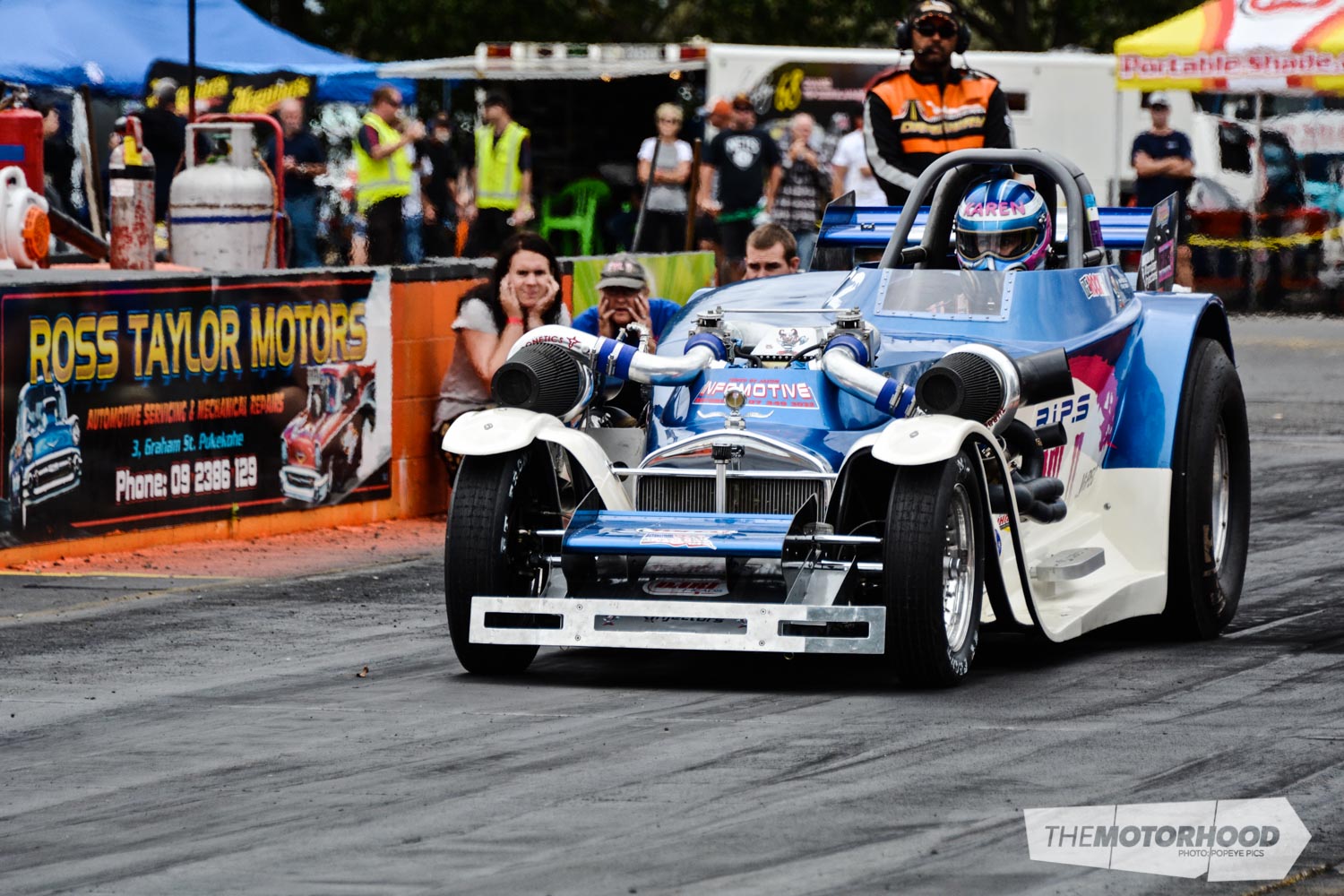
“To my crew chief Lindsay, and my mum Shona — wow, what can a daughter say? Thank you will never be enough. The rush I get from driving a car like Evil II is unexplainable. I’ve been given an opportunity to do my passion, and life can’t get much better than that.”
Hay Family Racing would like to thank their competitors, track workers, race fans, and the following who have helped directly with the car: RIPS Racing, Infomotive, Spec Rite Torque Convertors, Segedins of Dominion Road, Moran Motorsports, Chuck Mann, Bill Brinsden, and Link Engine Management.