
They say that the best time to buy a convertible is during the colder, wetter months — most buyers are looking for something cozier, increasing the chances of you picking up a rag-top bargain
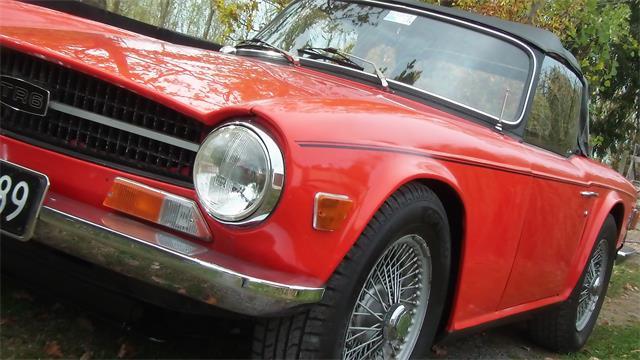
How about Triumph’s TR6? For many, the last of the traditional TRs before the controversial, wedge-shaped TR7 turned up. A real hair-chested British sports car, the TR6 comes with a beefy six-cylinder motor, a four-speed manual transmission with overdrive, and a well-appointed cockpit — and with plenty of specialists out there, owning and maintaining one of these charismatic sports cars should be a pleasure.
Down in Canterbury we found this smart-looking 1971 TR6 in Pimento Red with a black interior. It looks like plenty of work has been done on this good-looking Triumph, and it boasts a new soft-top and is fitted with wire wheels — a rare option on these cars.


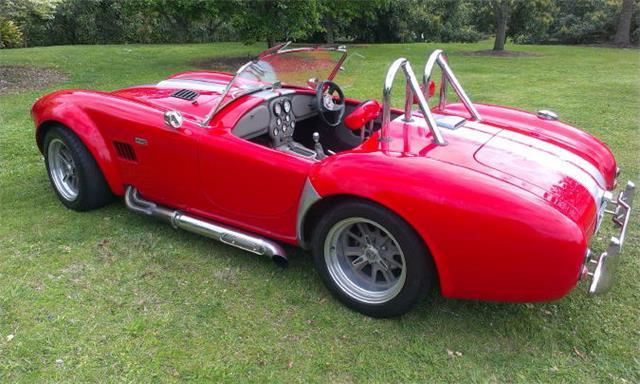
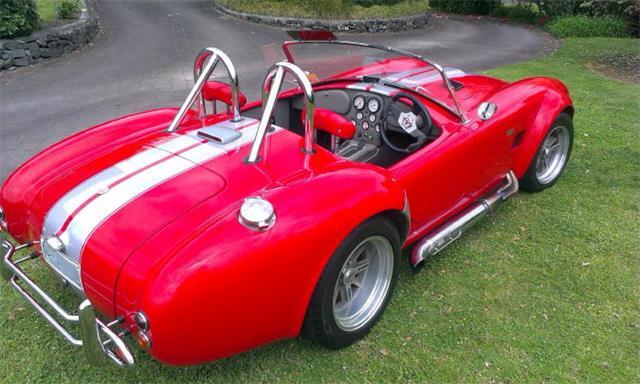
Want loads of grunt at your disposal? If you really want to burn up some rubber, you really can’t go wrong with something like an AC Cobra. Of course, genuine cars are a tad expensive these days — but there are plenty of replicas around. We spotted this Kiwi Race Cars–built AC Cobra 427SC — it looks the bee’s knees despite the fact that, rather than the more usual Ford V8, this example has been fitted with a 383ci Chevrolet. With 460bhp on tap you just know that this Cobra will be a barrel of fun out on the road or racetrack. And, just in case you didn’t know, Kiwi Race Cars are a New Zealand firm based in Wellington.


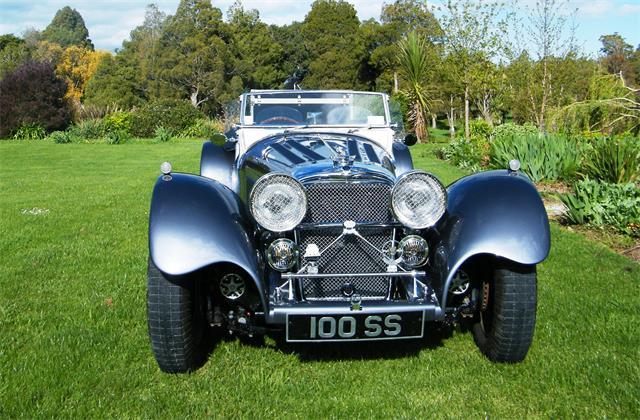
If style is your thing, there’s not much that can compete with a ’30s classic sports car. However, unless you’re a skilled home mechanic running a pre-war car, they can be a bit of a mission. A good alternative would be to go for a car with all the style, but featuring more modern running gear. If that’s the path you choose then you’ll be taken with this gorgeous 2007-built Suffolk Jaguar SS100 — a handsome recreation of the renowned 1938 SS100. Powered by a 4.2-litre Jaguar XK engine you can be assured of good performance, with confident on-road abilities provided by all-independent suspension and servo-assisted disc brakes. Style, of course, is paramount — so wire wheels, Connolly leather upholstery, and deep pile Wilton carpets are all on the menu.


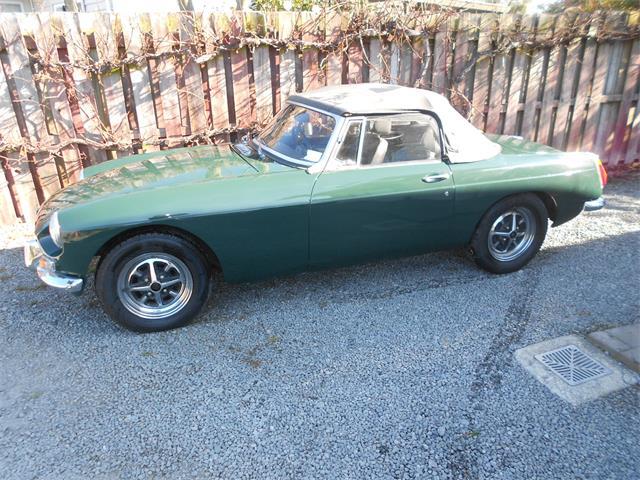
For those looking for a genuinely classic British roadster, you really can’t go past the MGB — reliable, good-looking, and supported by a massive worldwide network of clubs and specialists, you can’t wrong with one of these Abingdon-built classics. We looked around and found this great-looking 1972 MGB for you — its been subjected to loads of work, including a fresh 1798cc engine and differential, plus it has just been repainted. As a bonus, this car is one of the sought-after chrome-bumper models — get in quick!


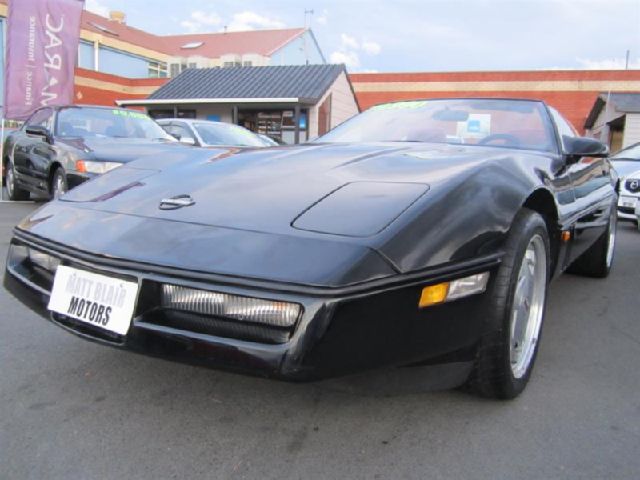
If you want a sports car that really turns heads, and you have a penchant for V8-powered US rag-top cruisers, we found this bargain-priced C4 Chevrolet Corvette down in Christchurch. Looking mean in black, you’ll either love or hate this car’s bright-red interior — we think it looks the biz! Low mileage as well!


