Porsche nail 17th Le Mans victory

15 June, 2015

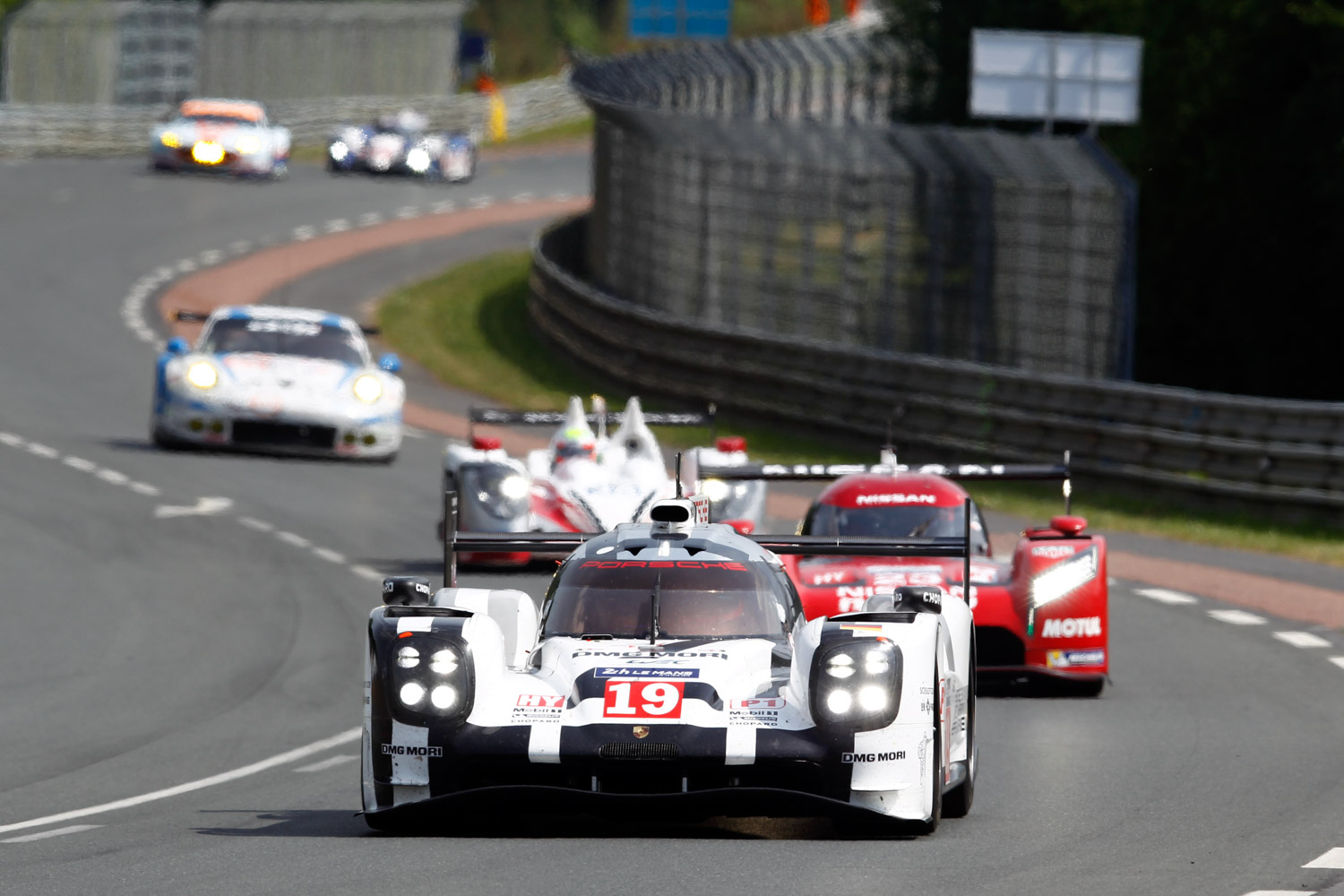
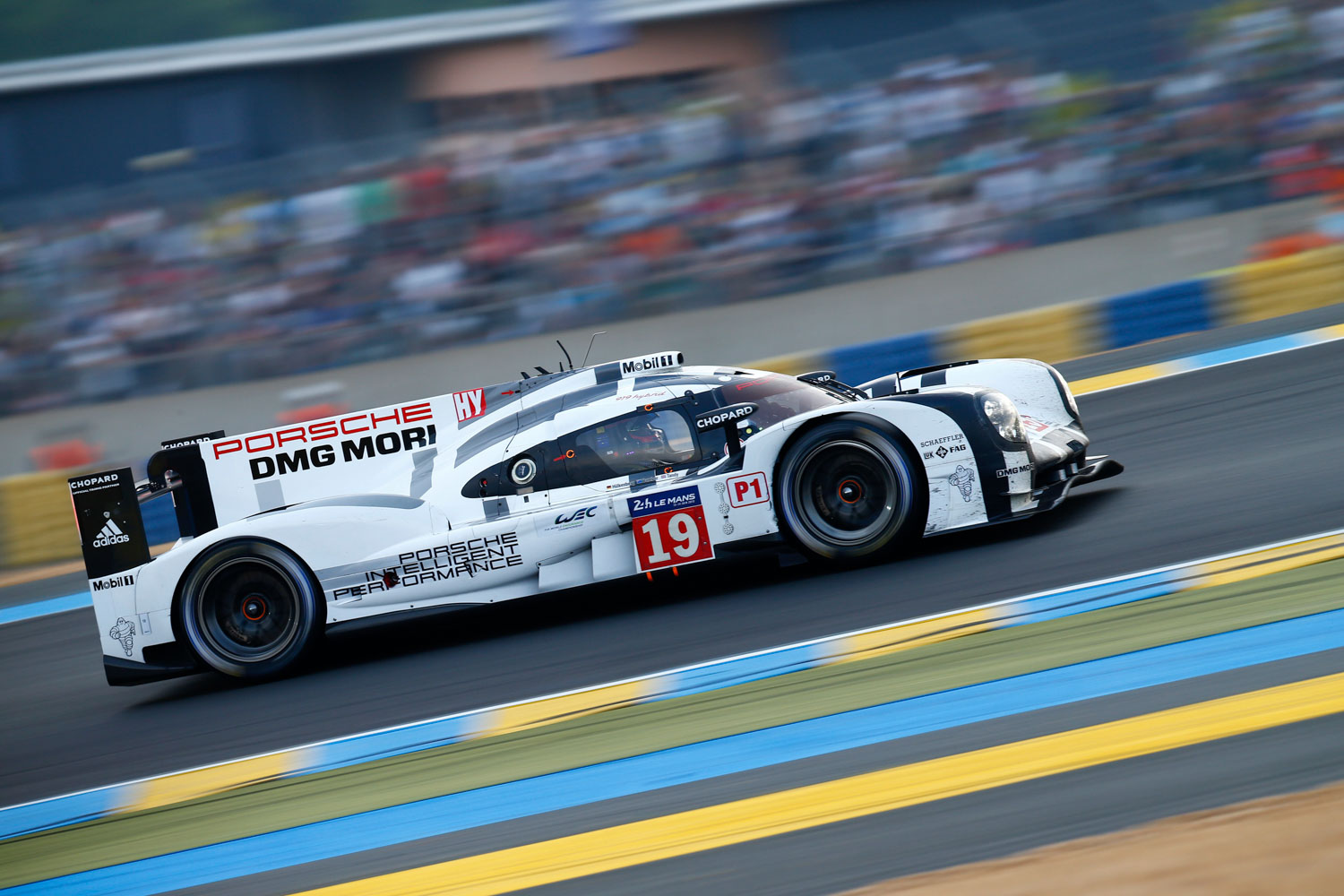
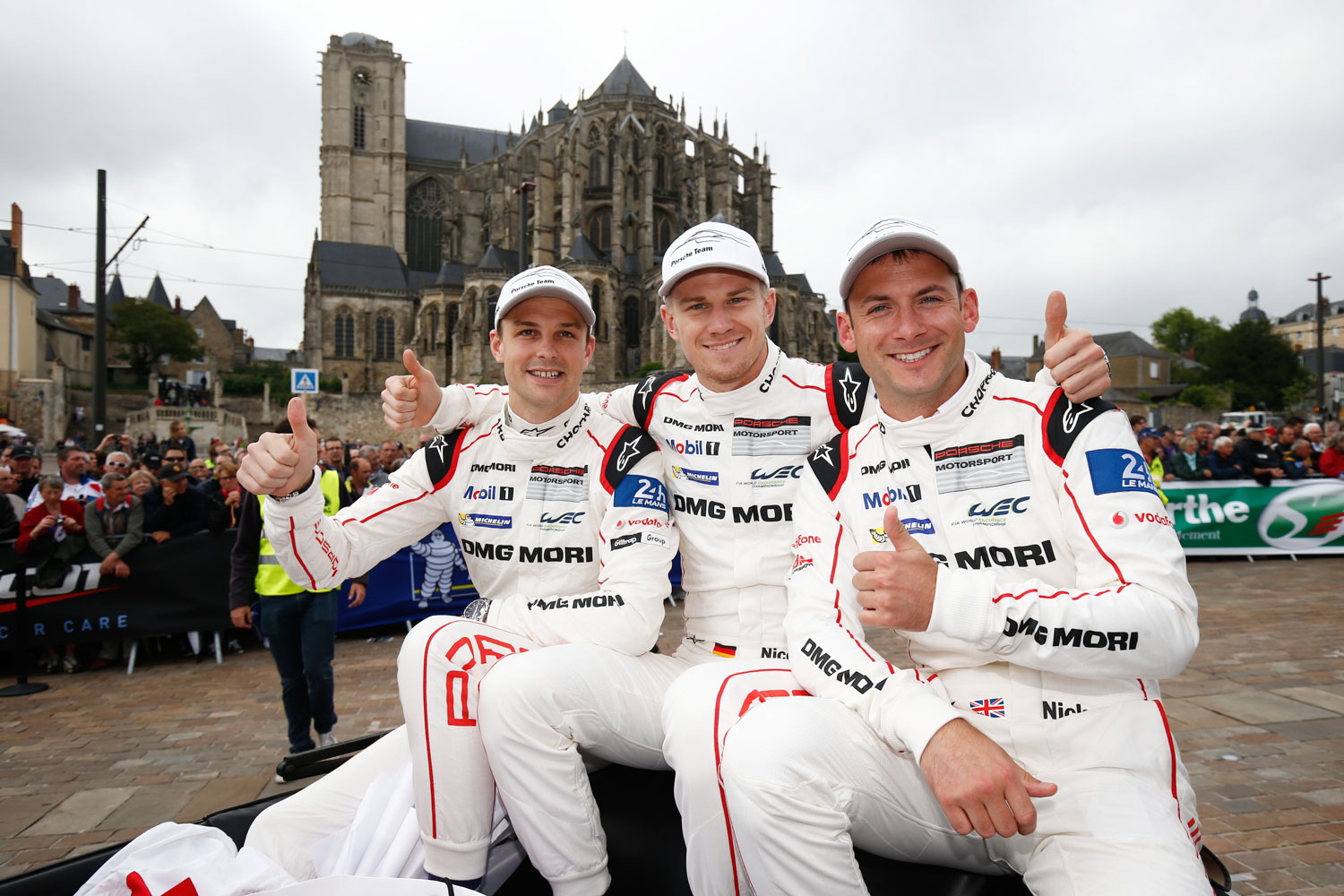
Following the spectacle that was the 24 Hours of Le Mans over June 13–14, the Porsche team has come out on top once again — the marque’s 17th victory at the event. What makes this event even more special is the fact that some of New Zealand’s very own racing talent helped to make it happen.

Kiwi Earl Bamber, along with Nico Hülkenberg and Nick Tandy, raced the Porsche 919 Hybrid to take the title exactly 45 years to the day after Porsche’s first victory at La Sarthe.

Kiwi young-gun Brendon Hartley also enjoyed a podium finish, along with teammates Timo Bernhard and Mark Webber, rounding off Porsche’s 1–2 podium effort.

We’ll have coverage of Le Mans in our upcoming issue of New Zealand Classic Car, so keep an eye out.
More to the point

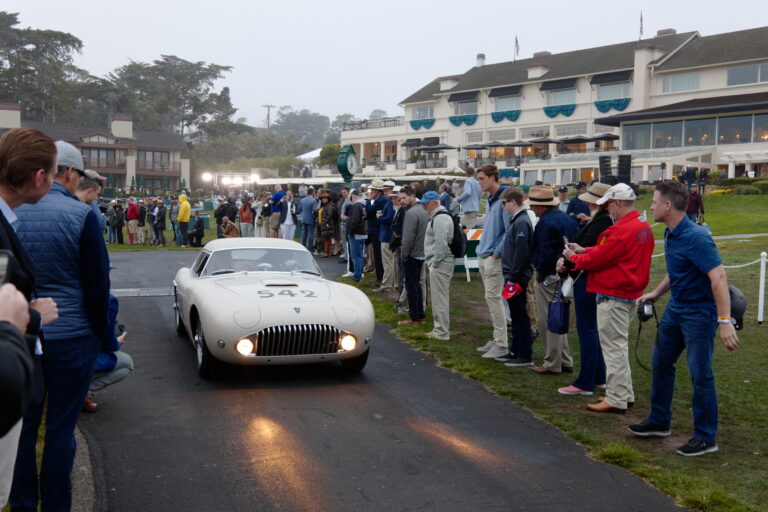
This Daimler SP252 is so rare, few people know it exists. It’s one of a kind. It’s the only surviving, in fact the only SP252 ever completed; the would-be successor to the SP250 Daimler Dart. It is also the last sports car to have been designed by Jaguar’s legendary founder, Sir William Lyons.
Perhaps one of the original Dart’s biggest problems was it’s somewhat-divisive looks. It certainly went well enough to win fans, although Sir William wasn’t among them. It crushed the opposition in the Bathurst six-hour race, finishing five laps ahead of anyone else, and it was snapped up by police forces in Britain, Australia, and New Zealand, as it was the fastest thing on the road.
So you’d think a stunning new body with the magic Lyons touch would have been a surefire success. Why this car never made it into production is still something of a mystery, as the official explanations barely stack up.

Polishing to perfection

The secret to a show-stopping finish is colour sanding, no matter which paint system you use. Even a good painter, no matter how experienced or talented — like my mate Bruce Haye, CEO at Ace Panel and Paint in Whitianga — can’t shoot to a perfect mirror finish. To get that level of perfection, you need to colour sand.
It used to be called ‘rubbing out’ or ‘cutting’, and it was done with pastes that came in cans. They worked — sort of — but the compounds really just rounded off imperfections instead of eliminating them, and they removed a lot of paint in the process. But now your new finish can be made flawless, thanks to microfine sandpapers that come in 1000, 1500, 2000, and even 2500 grit ranges, and Farecla G3 polish — available from automotive paint suppliers.