Classic beauties to run the Le Mitiche Sport a Bassano tour

2 June, 2015

The 21st edition of Le Mitiche Sport a Bassano is sure set to be one of the globe’s finest classic motoring events of the year. Held over June 19–21, Le Mitiche Sport a Bassano is a tour open to sports and competition cars built before 1959, covering ground over the spectacular Northern Italy.
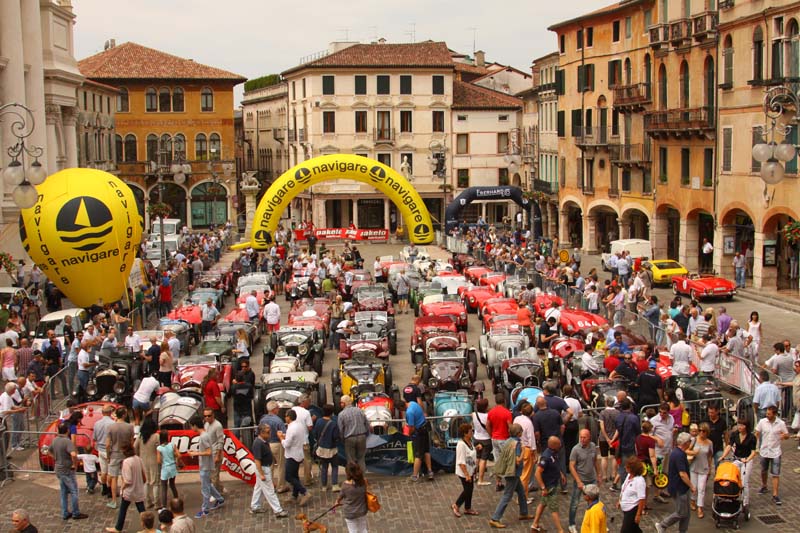
The rally commences on June 19, near Bassano del Grappa, winding its way north through the Passo Manghen and Passo Lavazé, finishing the day at Bolzano.
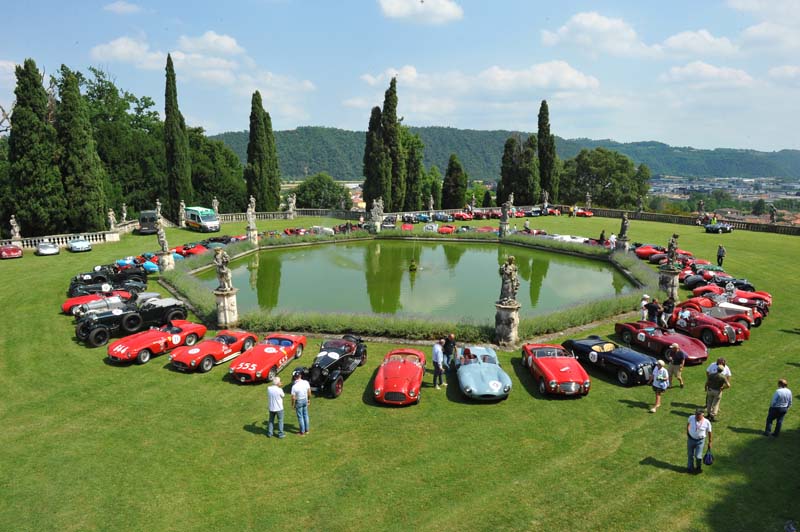
The second day, June 20, faces an even more legendary challenge — including the Passo Mendola, Passo delle Palade, and the Passo dello Stelvio (yes, the mythical Stelvio Pass), before closing the day in Trento.

The grand finale, on June 21, climbs Passo Vezzena, due for Asiago, before heading due south for Bassano, to finish at Marostica.
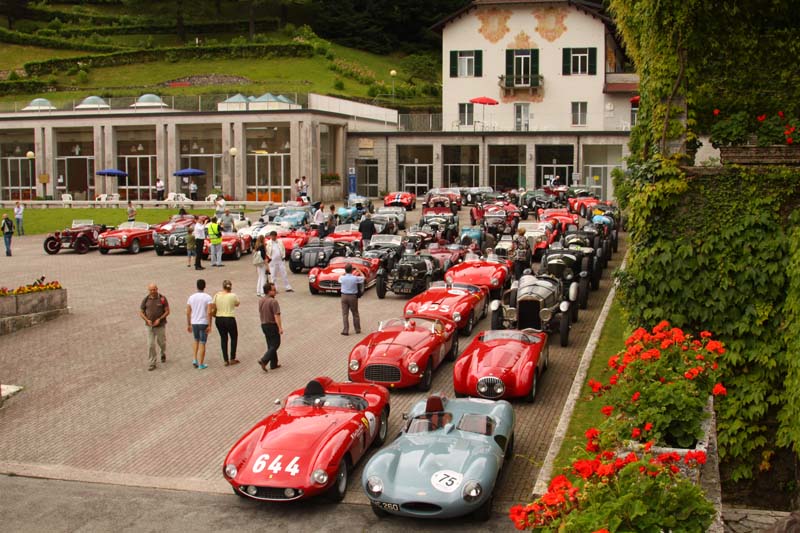
The spectacular backdrop will be one thing, but such an event is as much about the cars, too. Le Mitiche Sport a Bassano will not disappoint in this respect — almost 90 entrants from across the globe, covering as many as 24 vehicle marques, have been confirmed for entry.
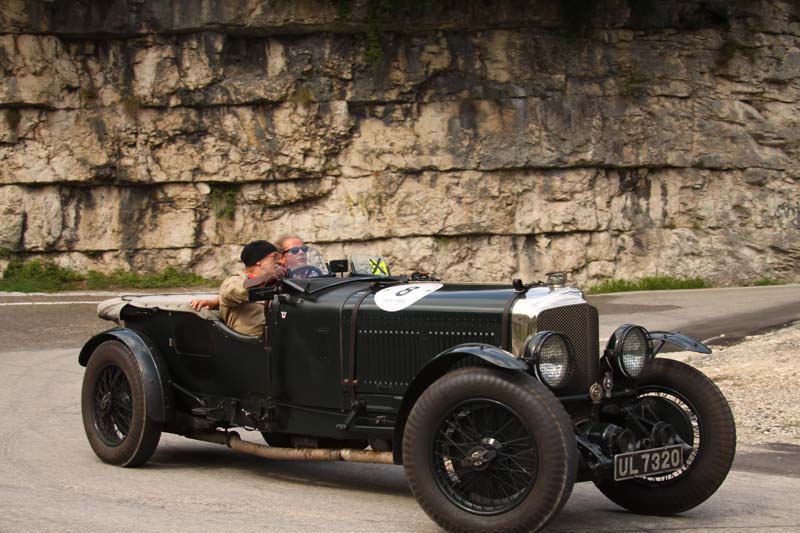
Bentley is one of the better represented marques here, with the line-up including the incredible 1931 Bentley 8 Litre, and the legendary Bentley 4.5 Litre Blower.
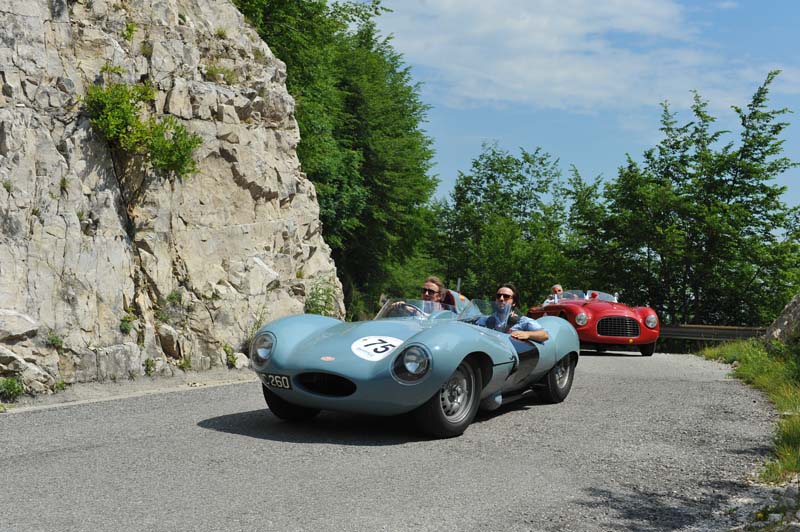
The British firepower is to be backed up by eight Jaguars, including this incredible 1955 Jaguar D Type, owned by Ben Cussons, President of the Royal Automobile Club.
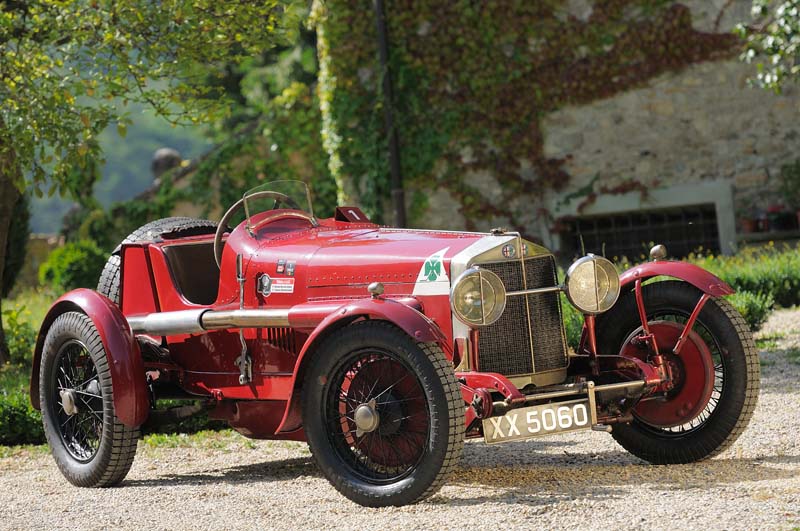
Of course, such an event could never be devoid of Italian-racing pedigree, and one of this year’s stars is suitably fitting. The beautiful 1924 Alfa Romeo RL Targa Florio is one of only four built, and placed second at the 1924 Targa Florio. Nine decades later, it will be driven by Giulio Masetti.

For a cinematic overview of the unparallelled automotive, and Northern Italian, beauty, watch this short teaser video — it is truly worth it.
Coaching from the bench: Casting plastic knobs and rubber parts

Casting rubber items is simple if you have a good original to work with. The item doesn’t have to be perfect. You can use plasticine to smooth out cracks, and you can even make whole prototypes out of low-fire modelling clay available from craft stores if you need to. Prototypes can also be made of wood or metal.
You will need mould dams to contain the liquid urethane moulding solution until it cures. You can build boxes out of strips of wood, but I have found that small plastic boxes and bowls such as those you would use for leftovers in your fridge work well if you spray them with a mould release agent.
Temperature is important to the chemical processes involved, so work in an area that can be maintained at around 20 degrees. You will also need adequate ventilation because the fumes can be dangerous to breathe. And you will want to wear latex gloves to protect your hands.

Fraser Cars – low flying into the fourth decade

With almost three and a half decades under its belt, Fraser Cars is one of New Zealand’s longest-surviving car manufacturers. The company first opened its doors for business in 1988, during the boom time for kit manufacturers. During the ’80s, around 40 different companies were building kits and turnkey cars for this niche market. Of those, only Fraser and Almac Cars (established 1981) are still in business today.
Most of the new kit car companies were killed off in the cradle by the threat of new legislation that never eventuated and definitively by the sudden availability of high-performance Japanese cars when the floodgates to second-hand imports were opened. The now long-retired founder of the company, Neil Fraser, first came across Lotus Seven replicas while racing Lotus Cortinas in the early ’80s. He regularly found himself racing against a little Caterham, a Lotus Seven–styled car built in England. He was very impressed by its simplicity and handling. In 1986 Fraser built his own Lotus Seven–type car, using the knowledge he had gained from several close looks at the Caterham.