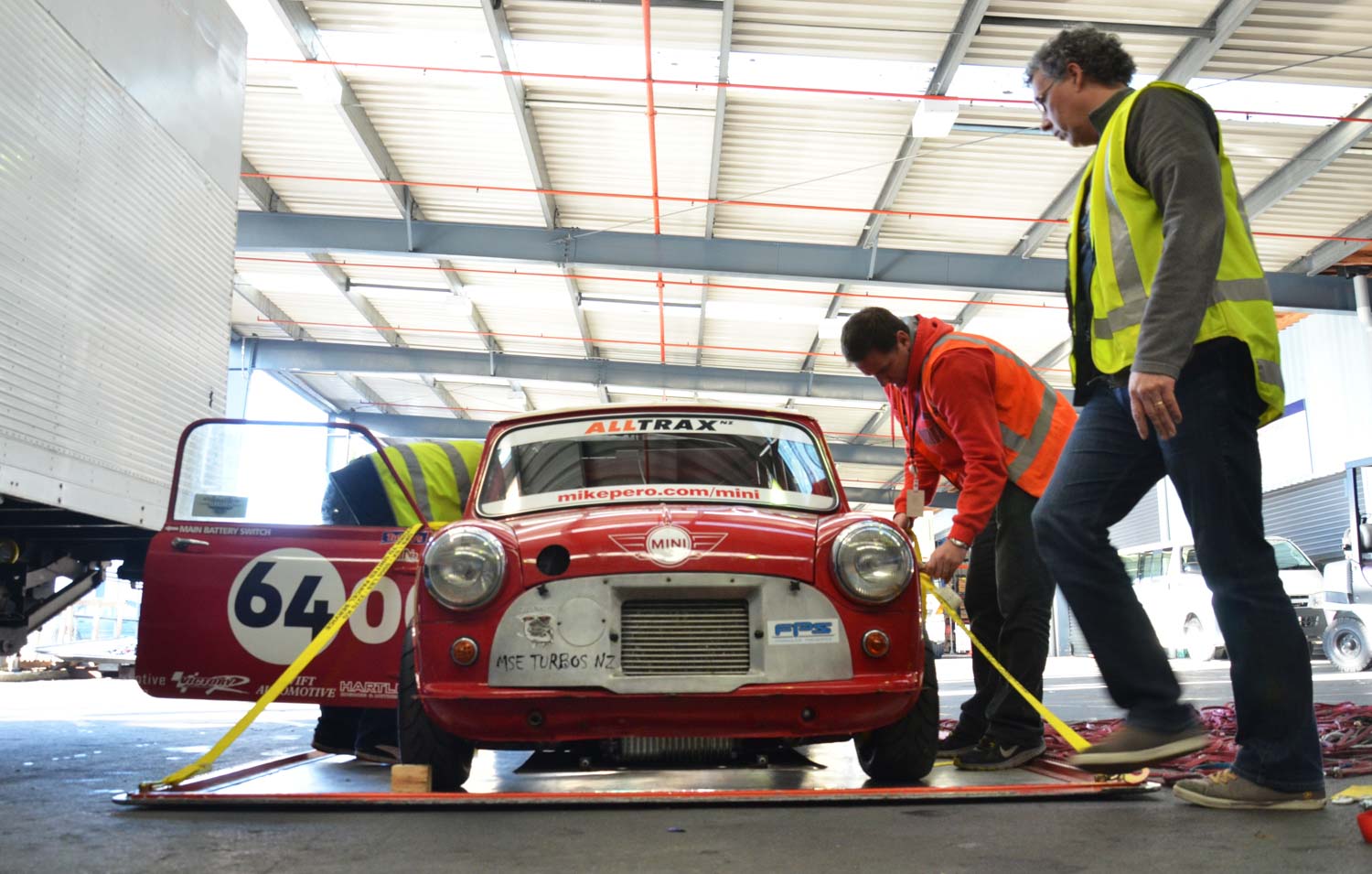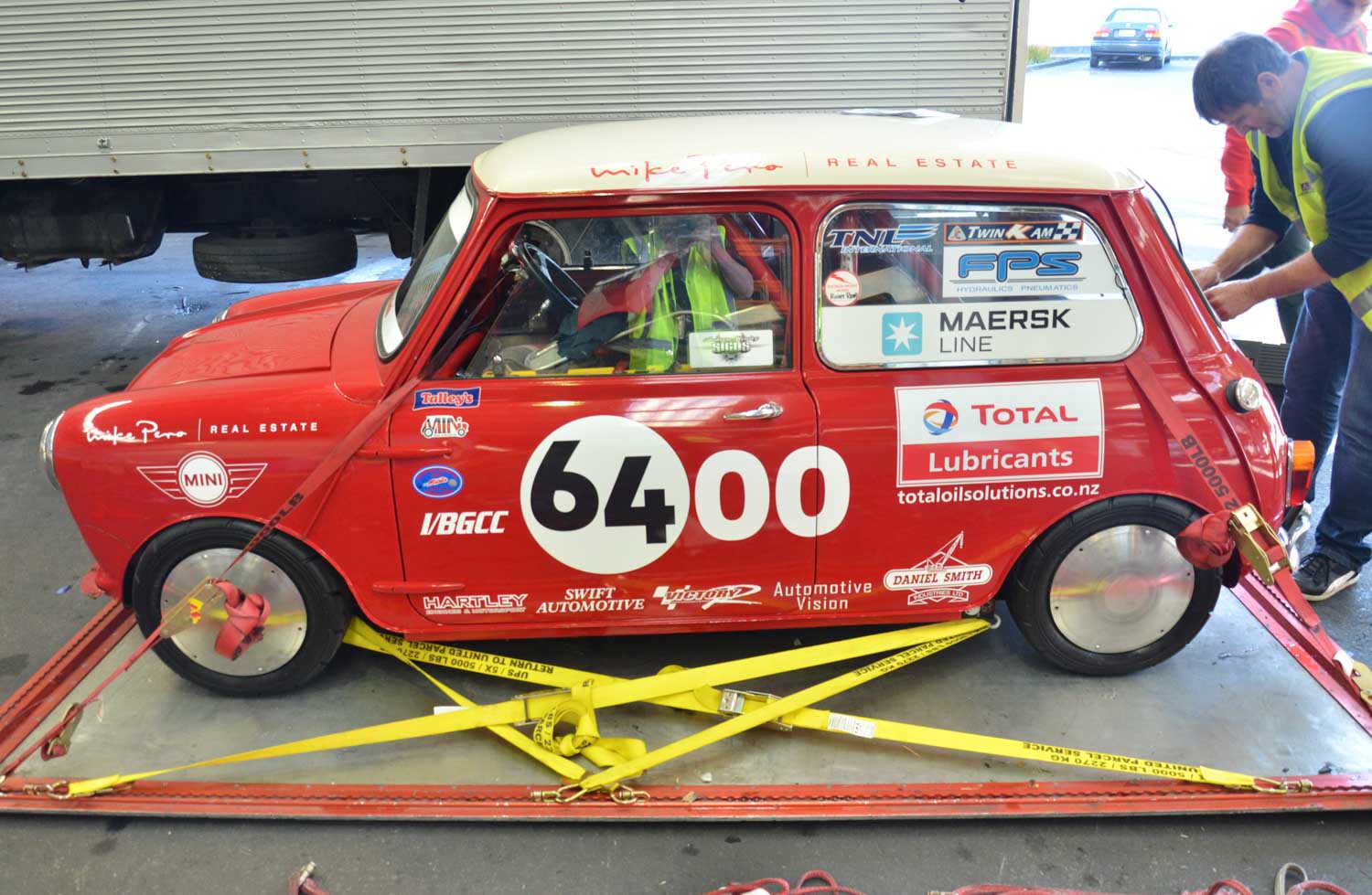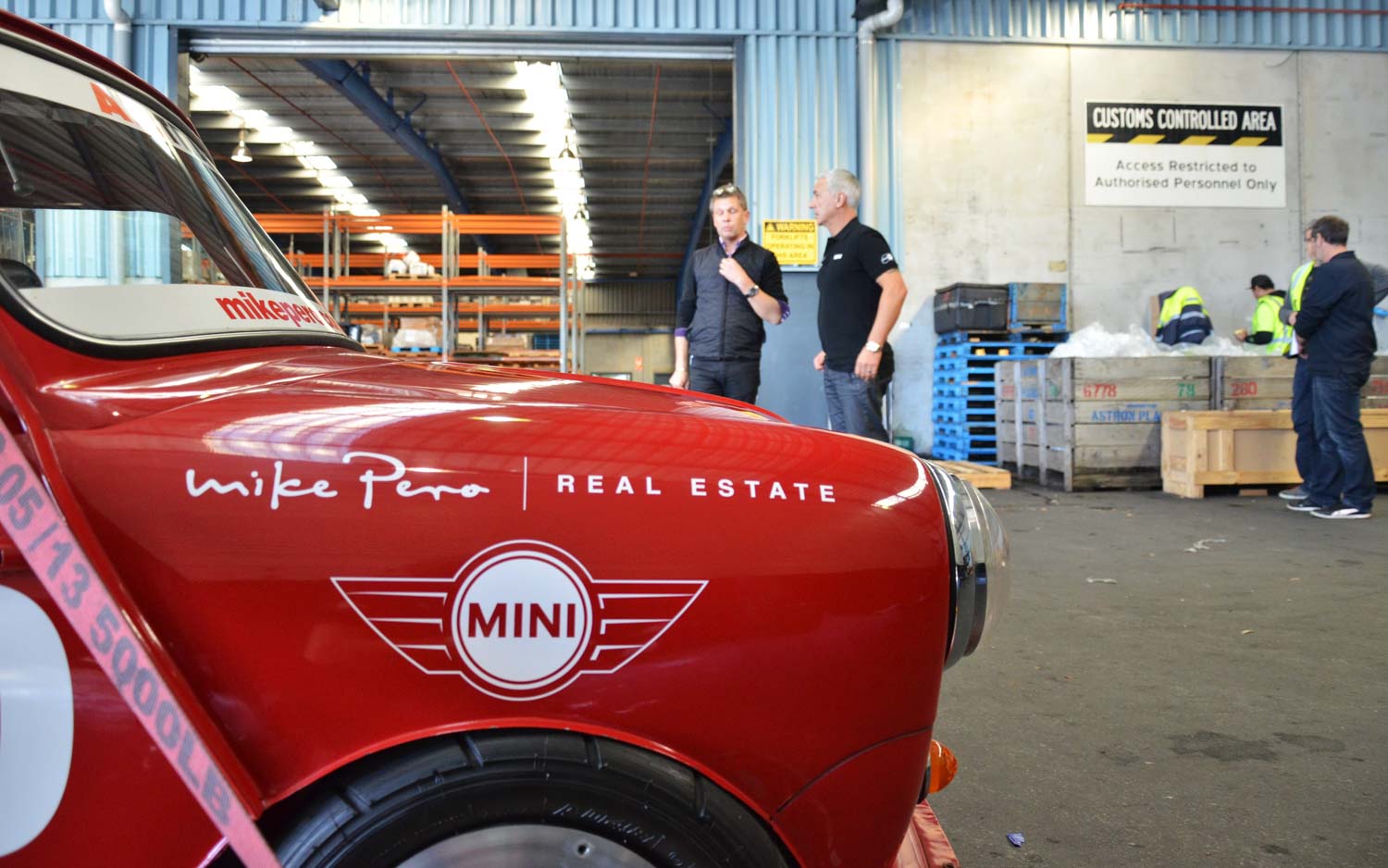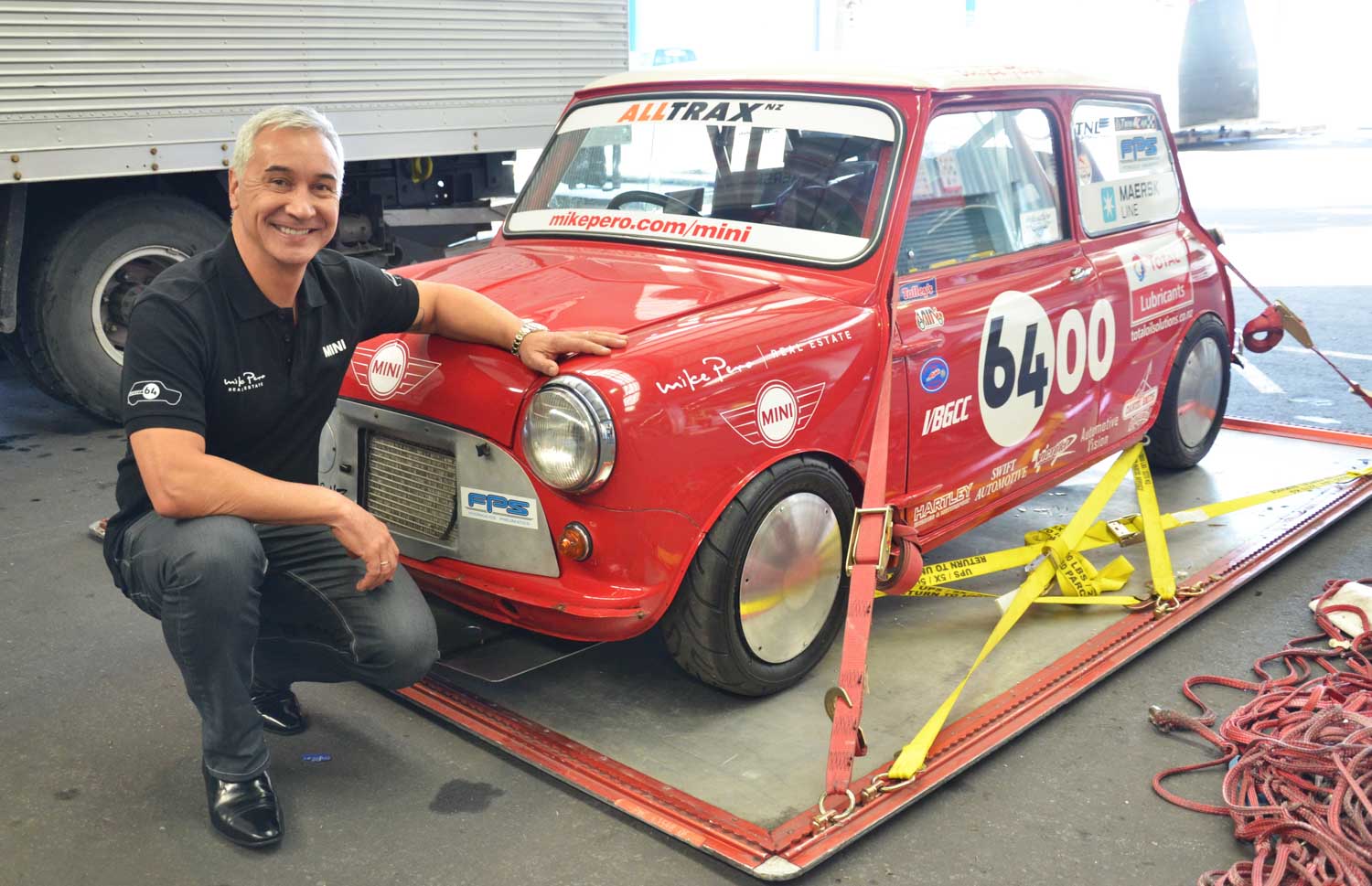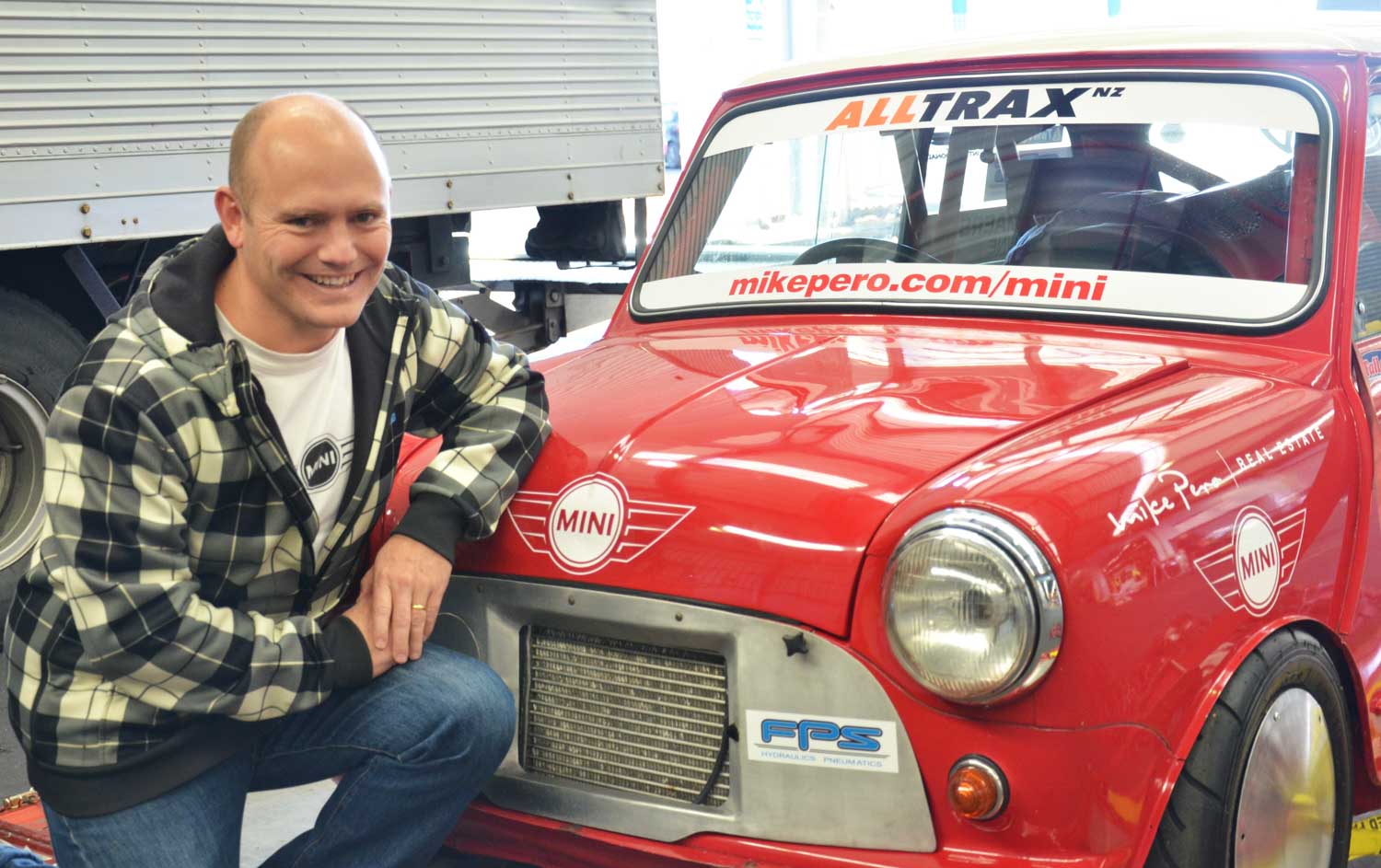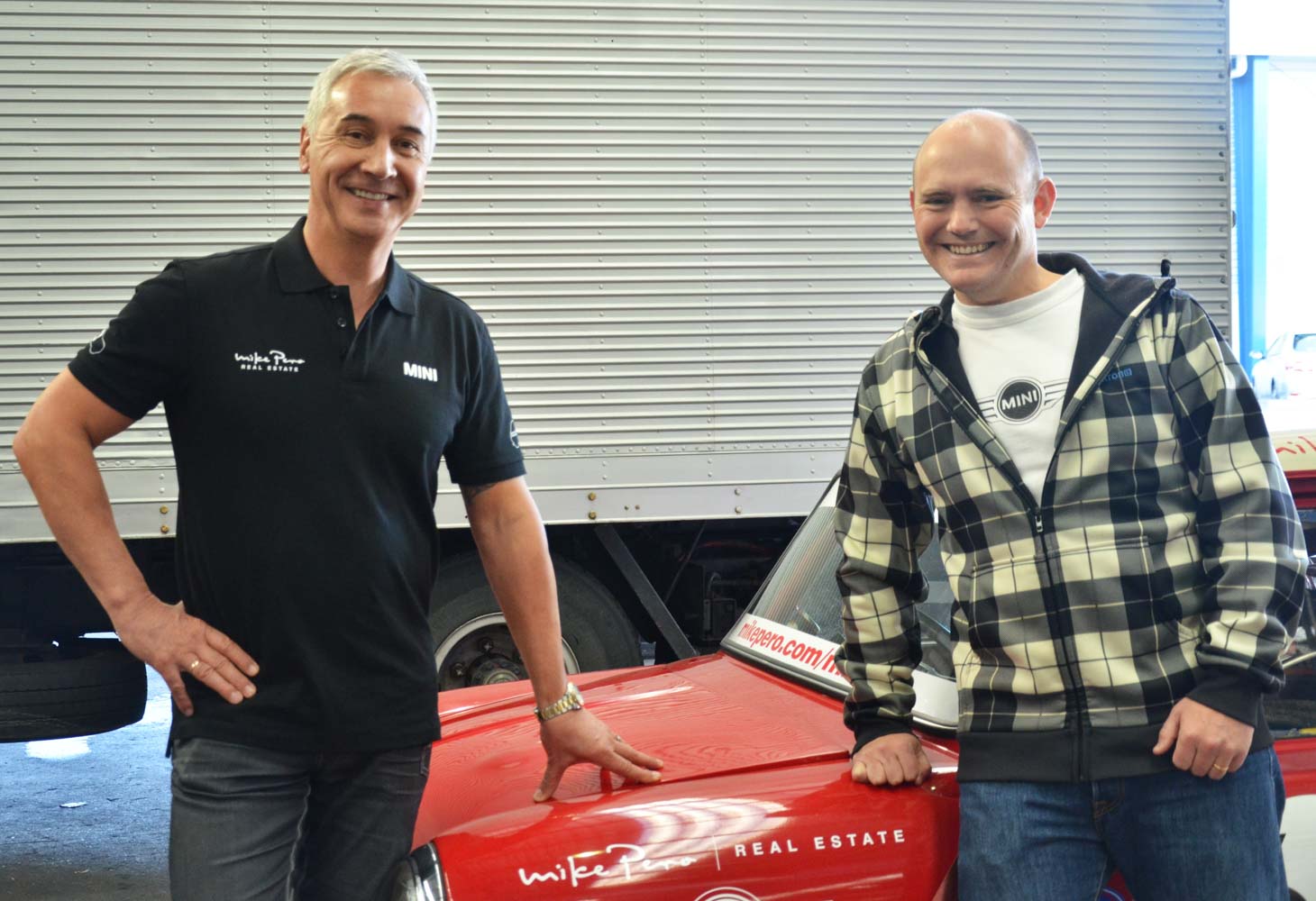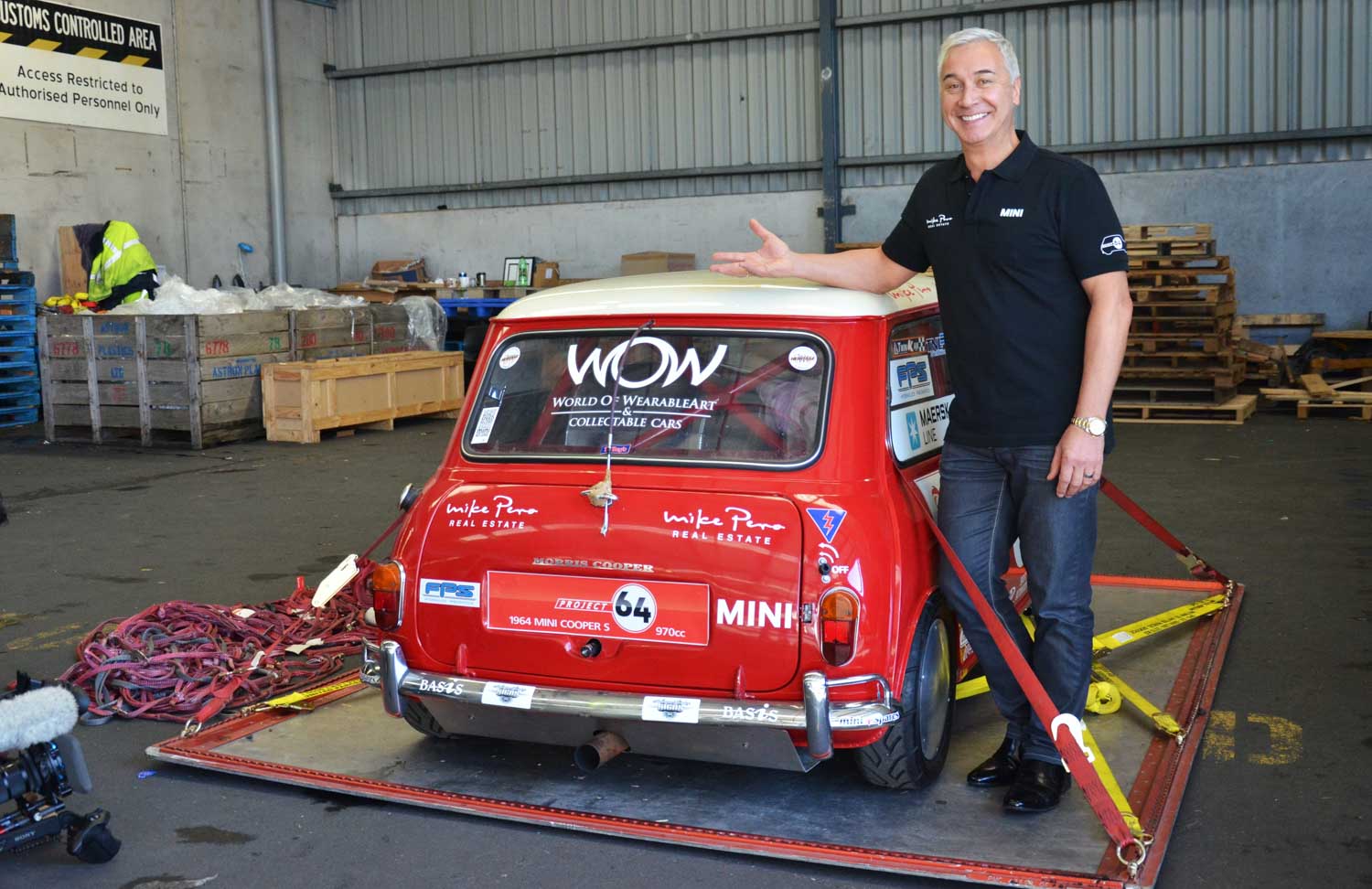
The New Zealand–built Project ’64 — the world’s fastest Mini Cooper S — will be out to improve on its own world speed record of 235.9kph at the illustrious Bonneville Salt Flats in August, as part of the annual Bonneville Speed Week event in Utah. This has been enabled, in part, by the sponsorship of entrepreneur and former race driver Mike Pero. Pero joins Mini as part of the growing list of companies throwing their support behind the ambitious project.
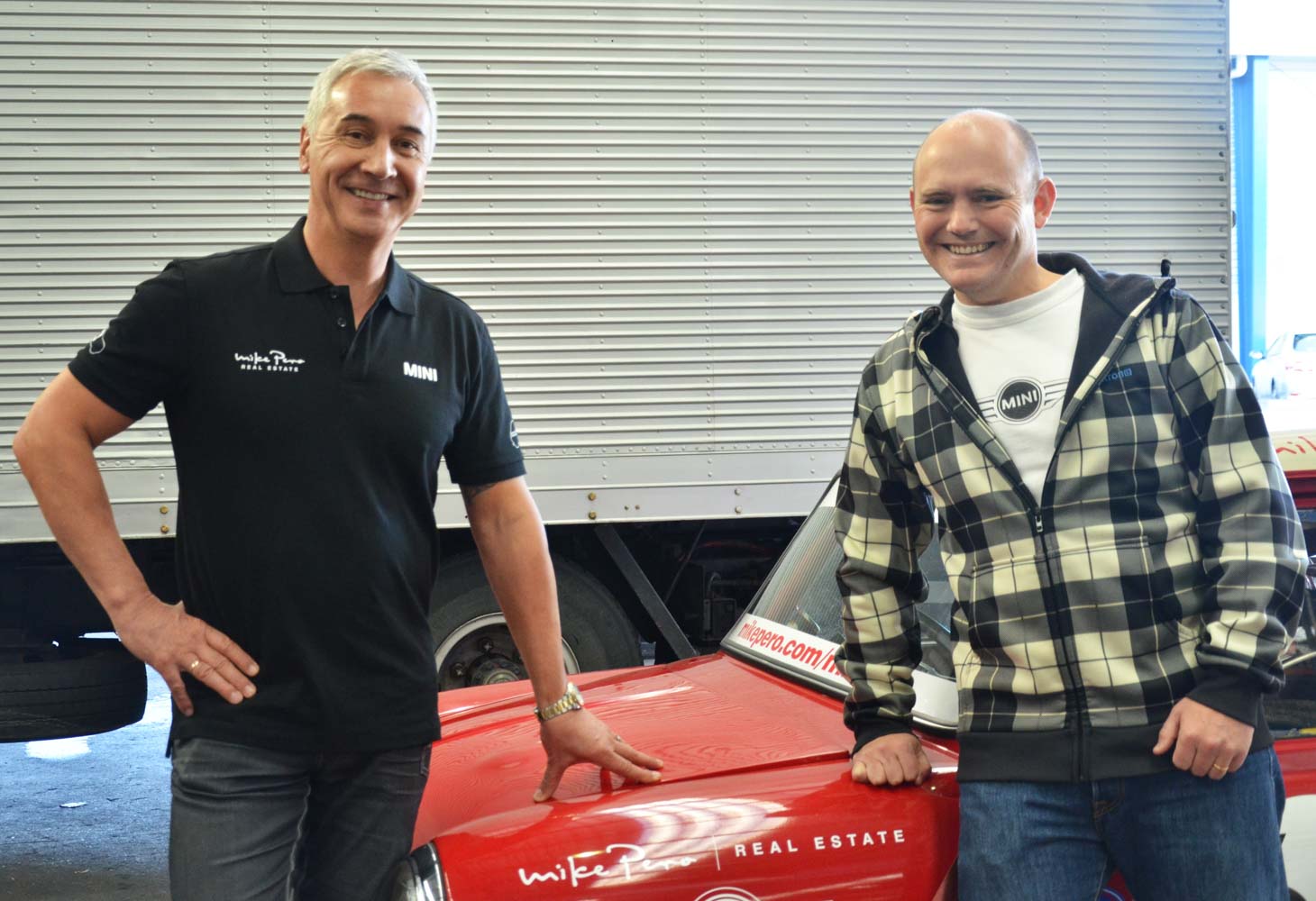
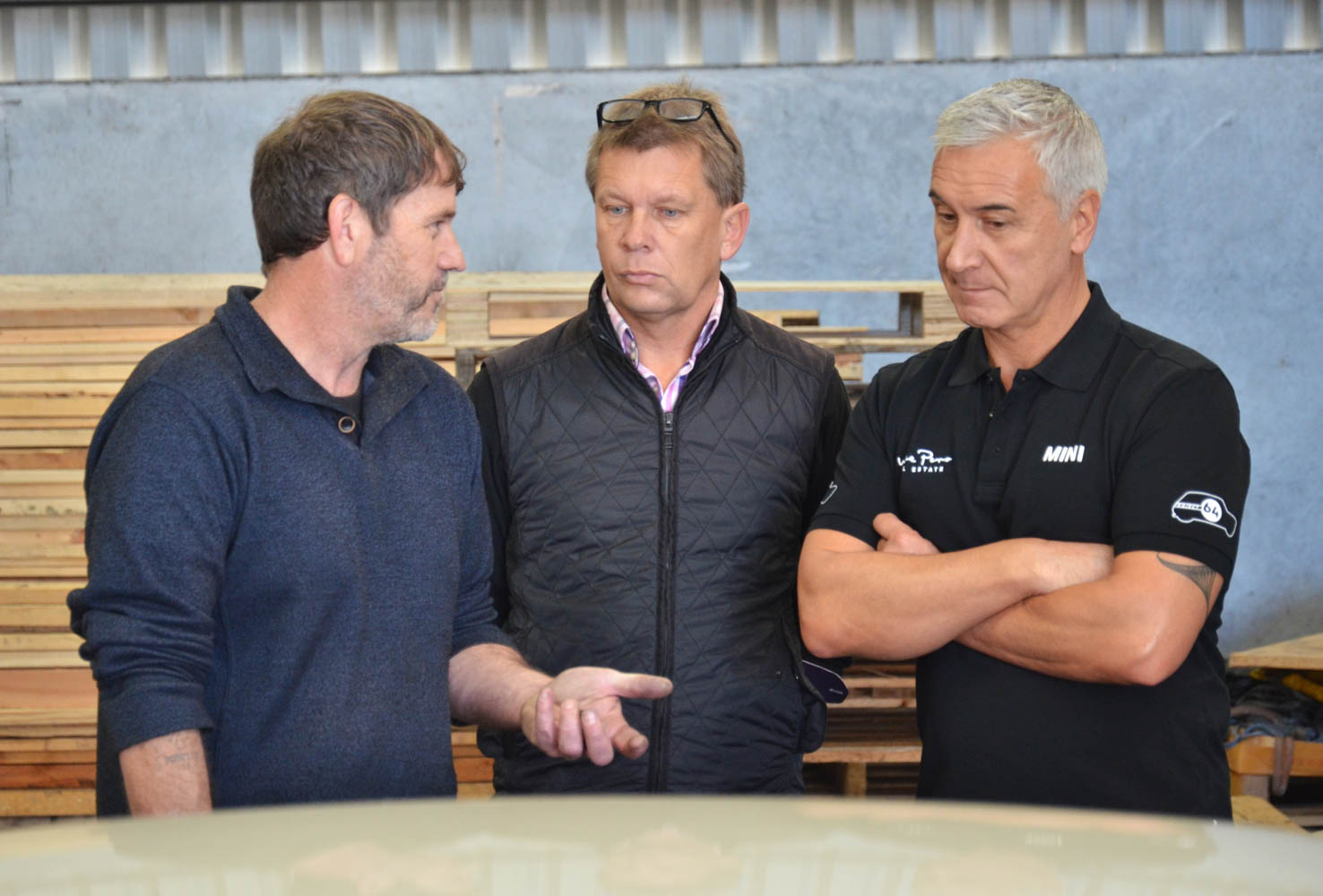
Guy Griffith, the team’s co-founder, says, “We really appreciate the support from Mike Pero and Mini. These two sponsors will allow us to achieve our goal to film the story of this very unlikely machine doing remarkable things.”
Even though he is well known for his real estate business, Mike Pero is no stranger to motorsport and motorcycles. He currently holds the New Zealand land-speed record for a 350cc motorcycle, set in 1979. He’s also a former competitor in the NZV8 and V8 ute championships. His real estate and mortgage brands have also sponsored several other race cars, including Greg Murphy and Richard Moore’s entries in the NZ SuperTourer series.
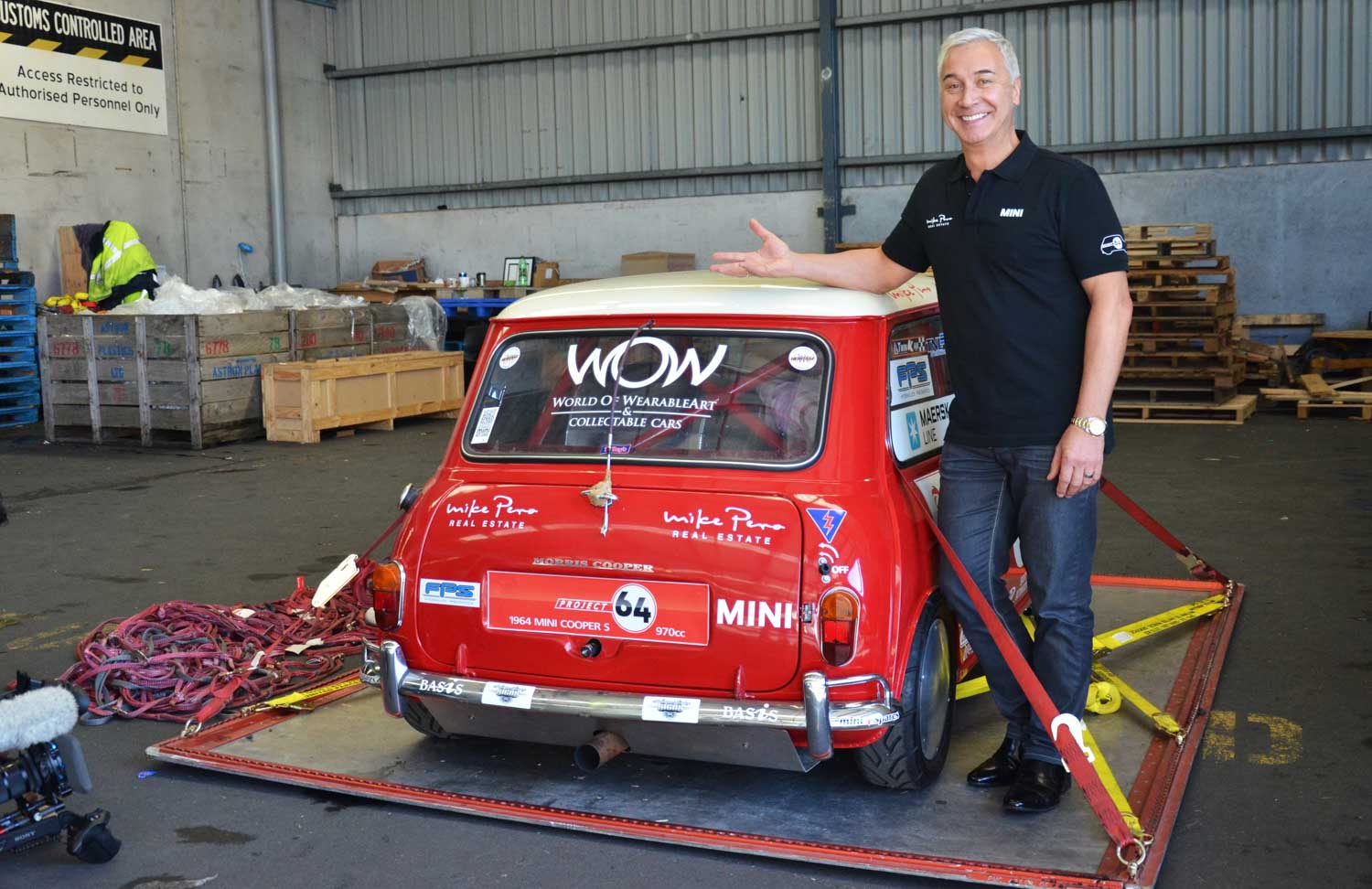
“We’re very proud to be part of this project. I think it’s a ‘Kiwi thing’ wanting to break speed barriers on equipment that’s built right here down under … I believe these guys have every chance of setting a new world record,” says Mike Pero.
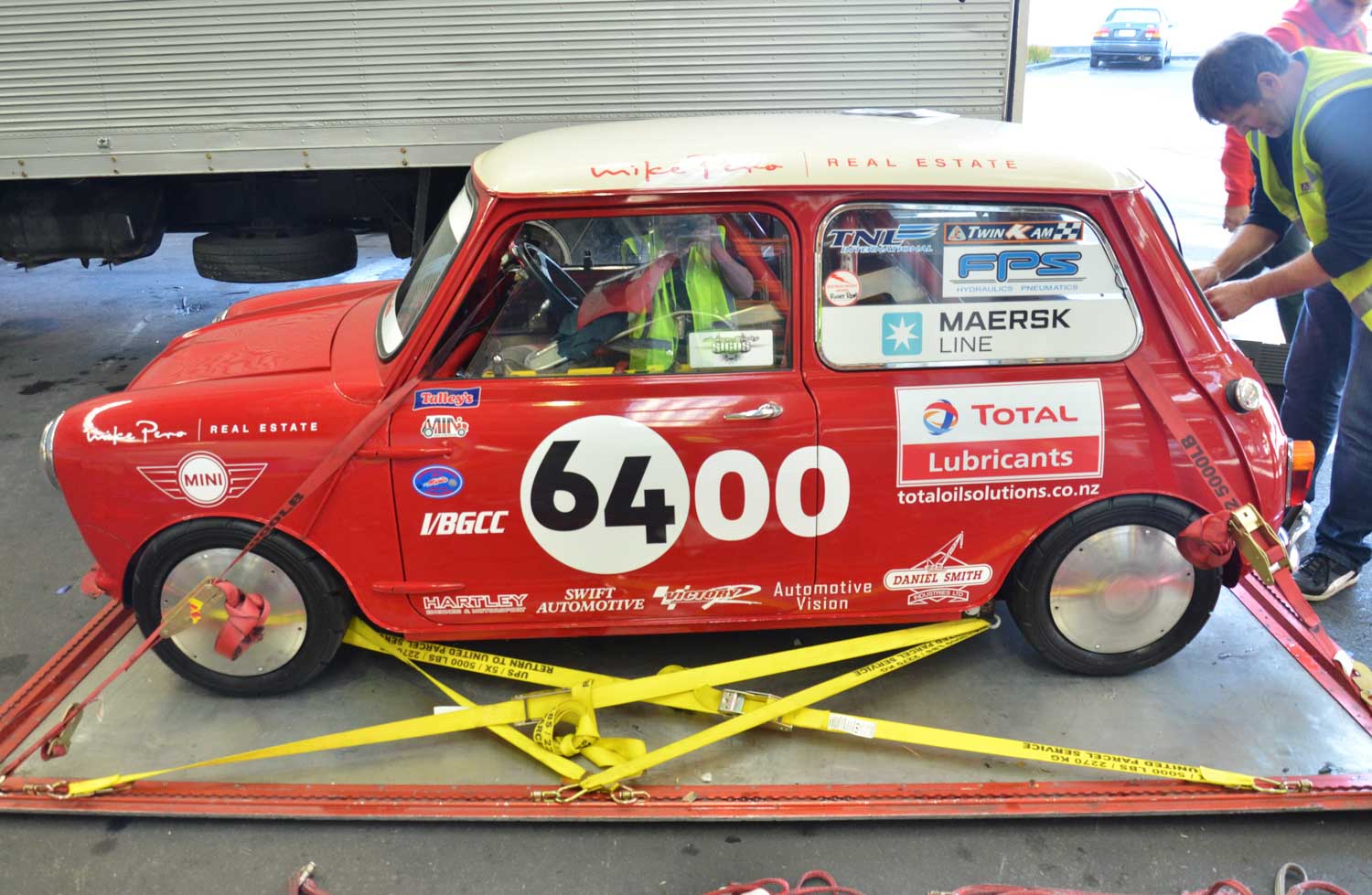
Based on a formerly humble 1964 Cooper S, the red rocket is no longer just another Mini. Built by the small Project 64 squad in Nelson, the 350hp Mini features an endless smorgasbord of modifications, including a turbocharger and BMW K1200 motorcycle head to support its highly tuned race engine. Four-bolt–main bearing caps, Specialist Components con rods, Ross forged pistons, a specially developed Heritage Garage/Marine Crankshafts crankshaft, intercooled IHI turbo, Hi-Lo adjustable suspension, and some subtle external aerodynamic aids are also included in the Mini’s mods.
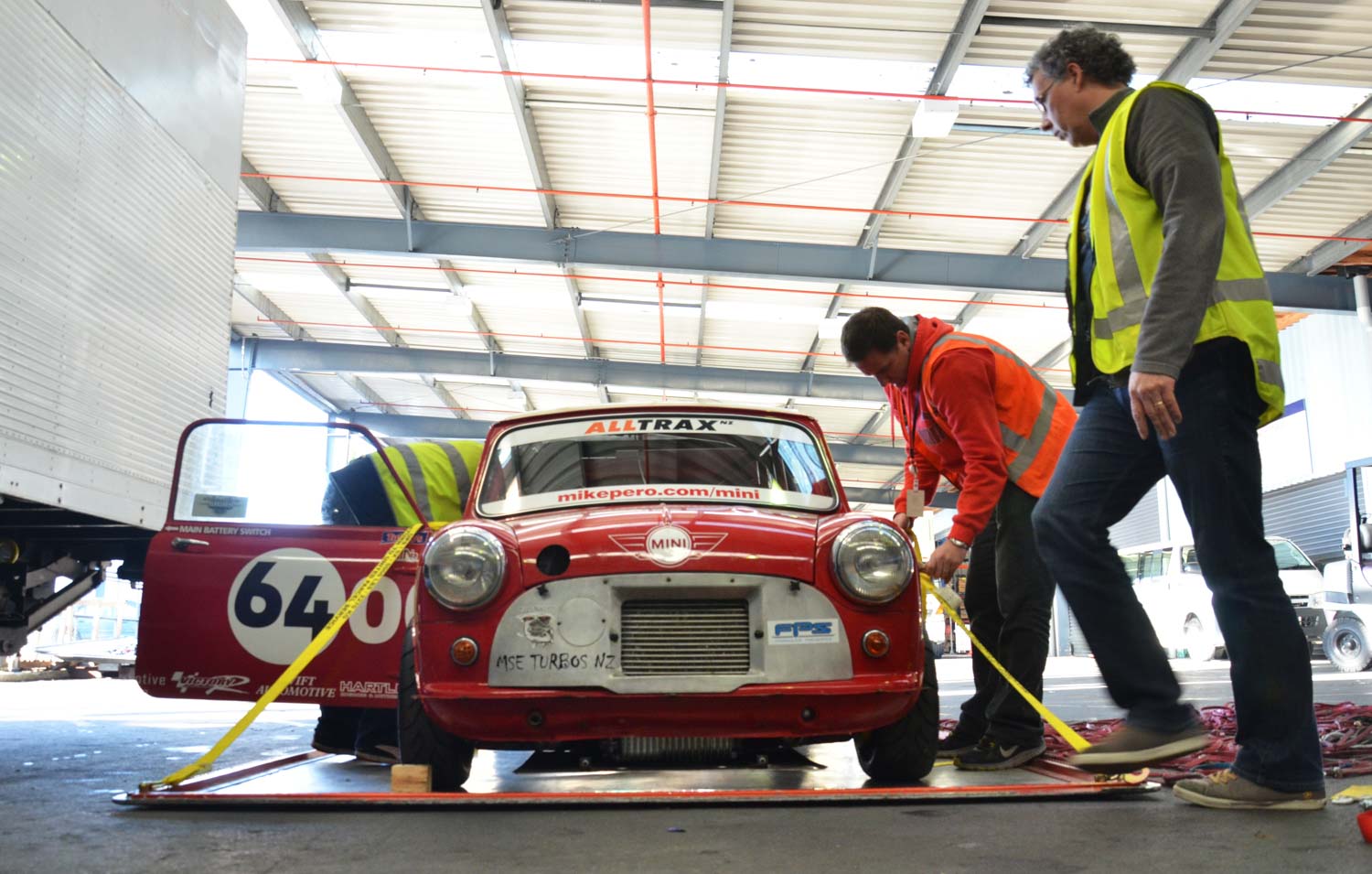
This will be the second time the Mini has visited Bonneville, having last toured in 2012. Operating on a shoestring, the group managed to set an impressive top speed of 235.9kph, beating the previous record in its class at the time by 40kph. For their 2015 effort, the team will be hoping to hit 281kph (175mph), edging even closer to the hallowed 300kph marker.
Check out part one of the team’s ‘Road to Bonneville’ web series below:
The continued efforts of the Project 64 team are reminiscent of Burt Munro’s famed motorcycle Bonneville land-speed world record he set in 1967, which went on to be immortalized in the film The World’s Fastest Indian in 2005.
The event itself is scheduled to kick off on August 8–14. A camera crew will be following the team’s efforts for a documentary scheduled to air on New Zealand screens in September.