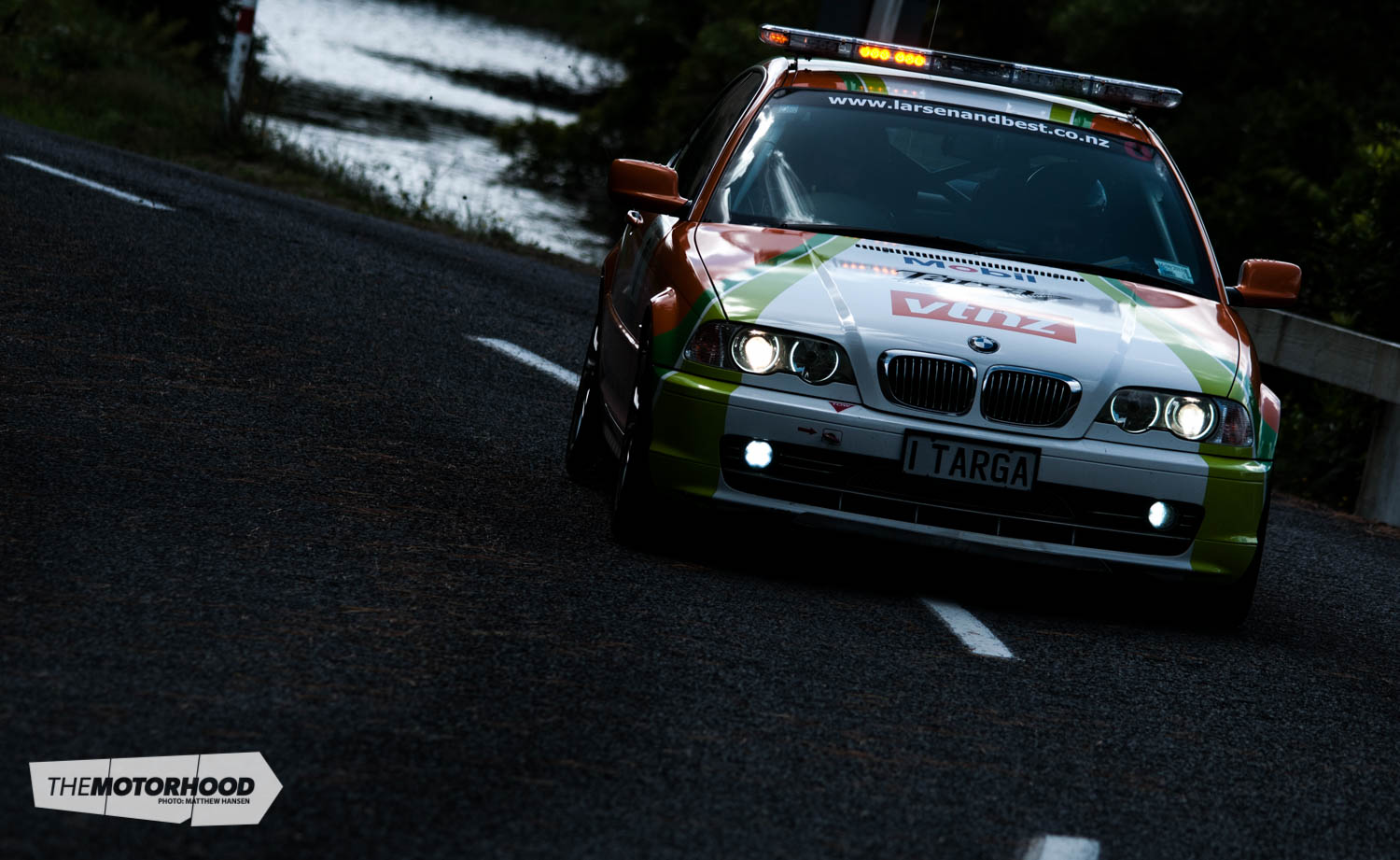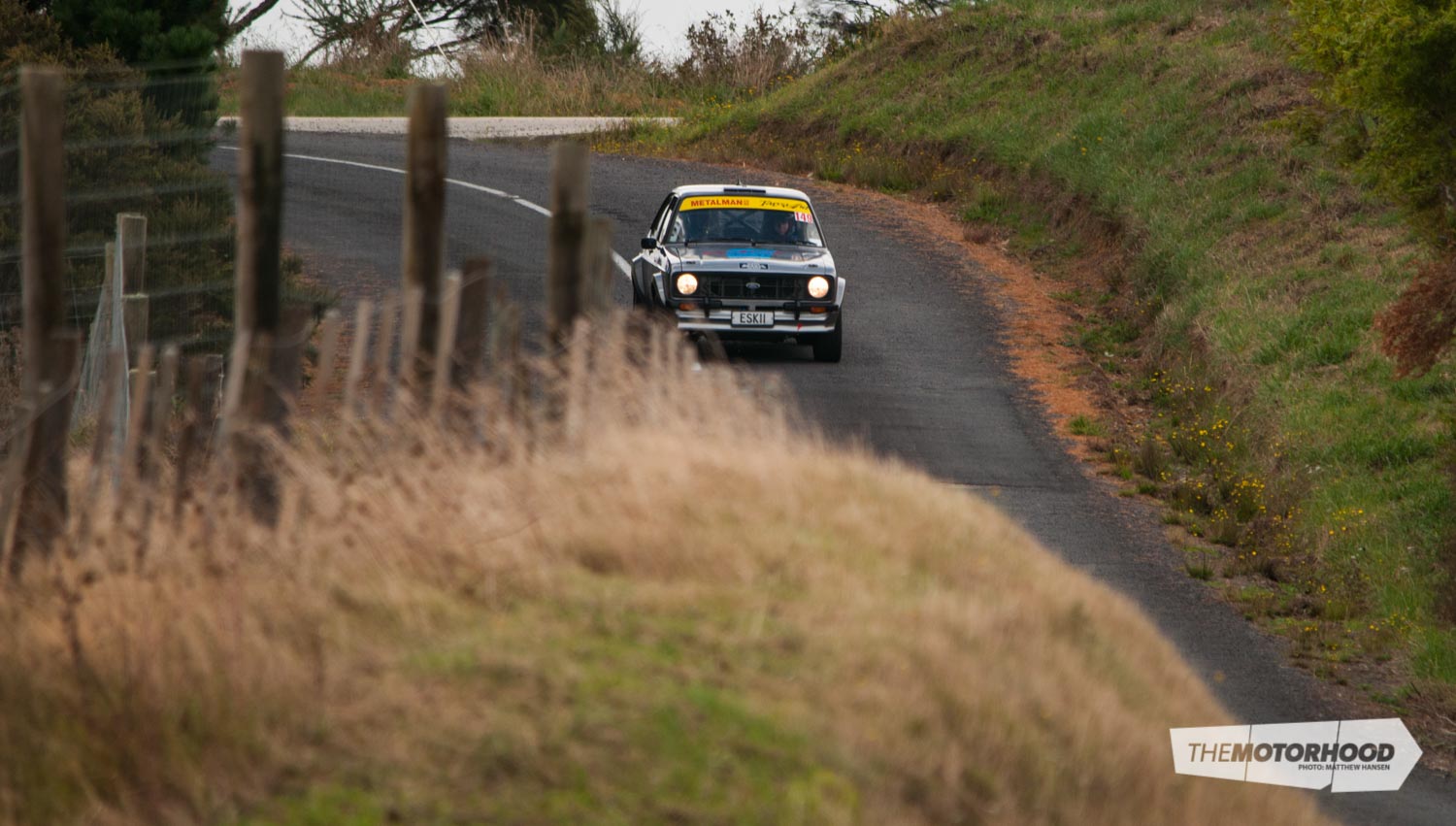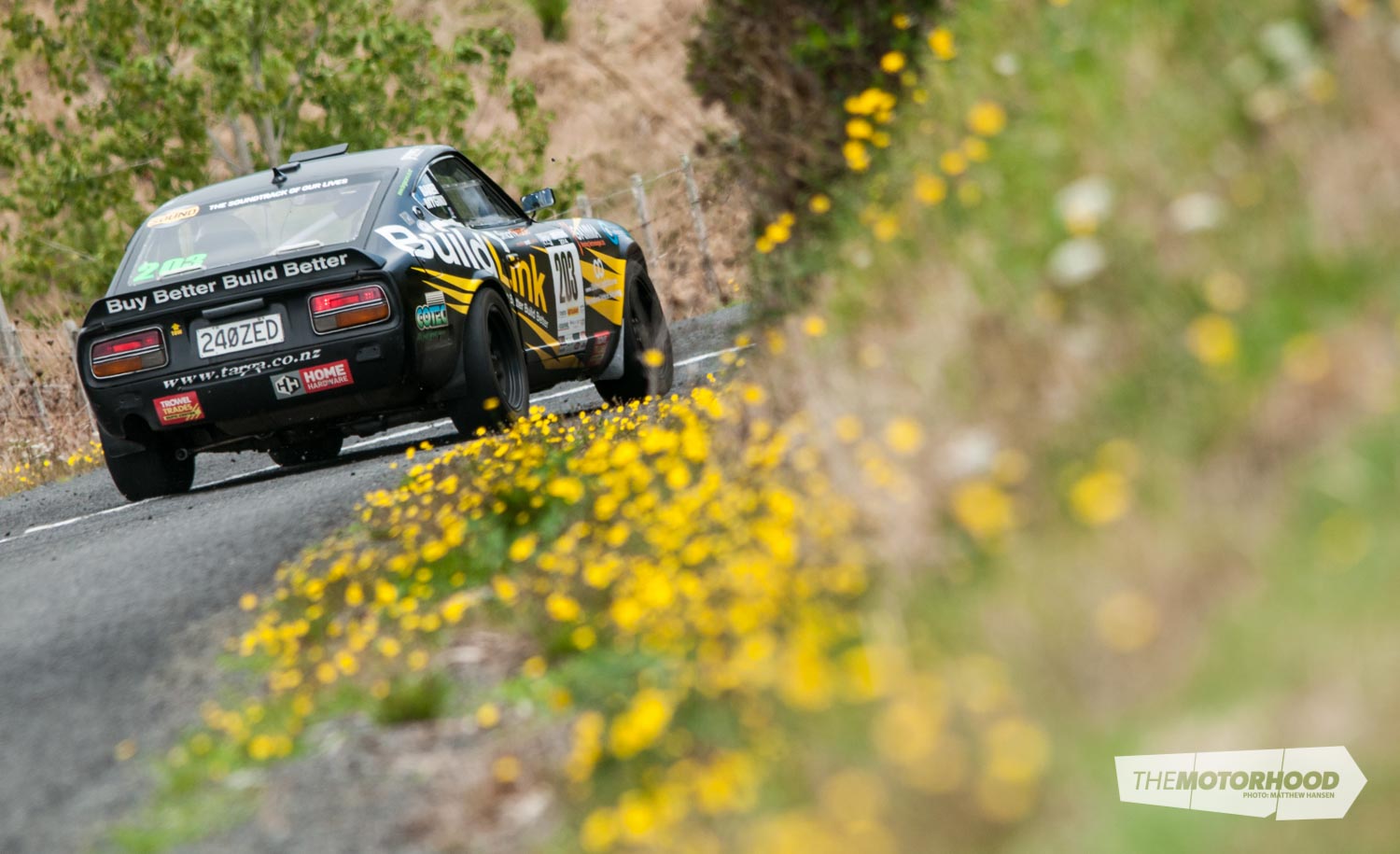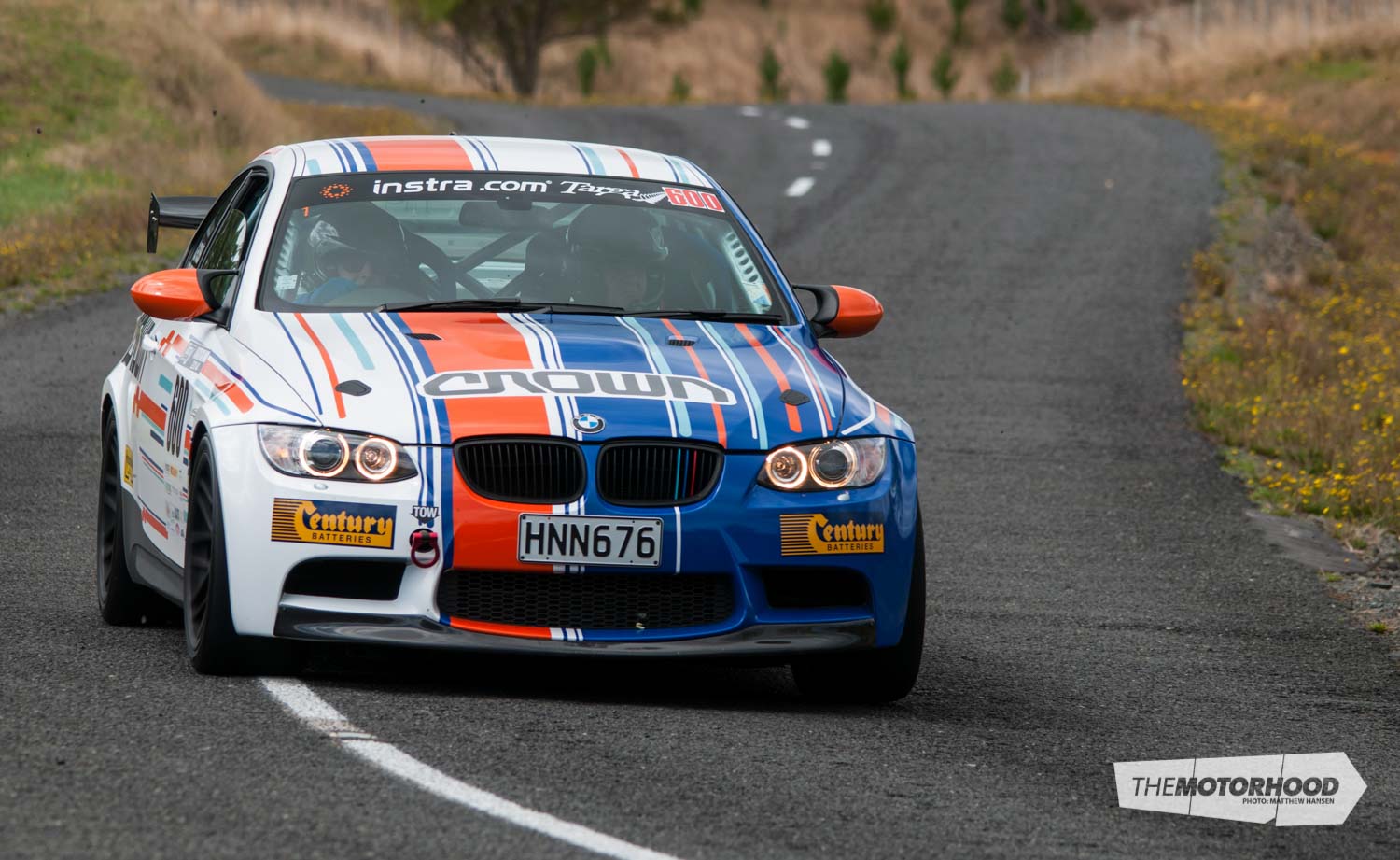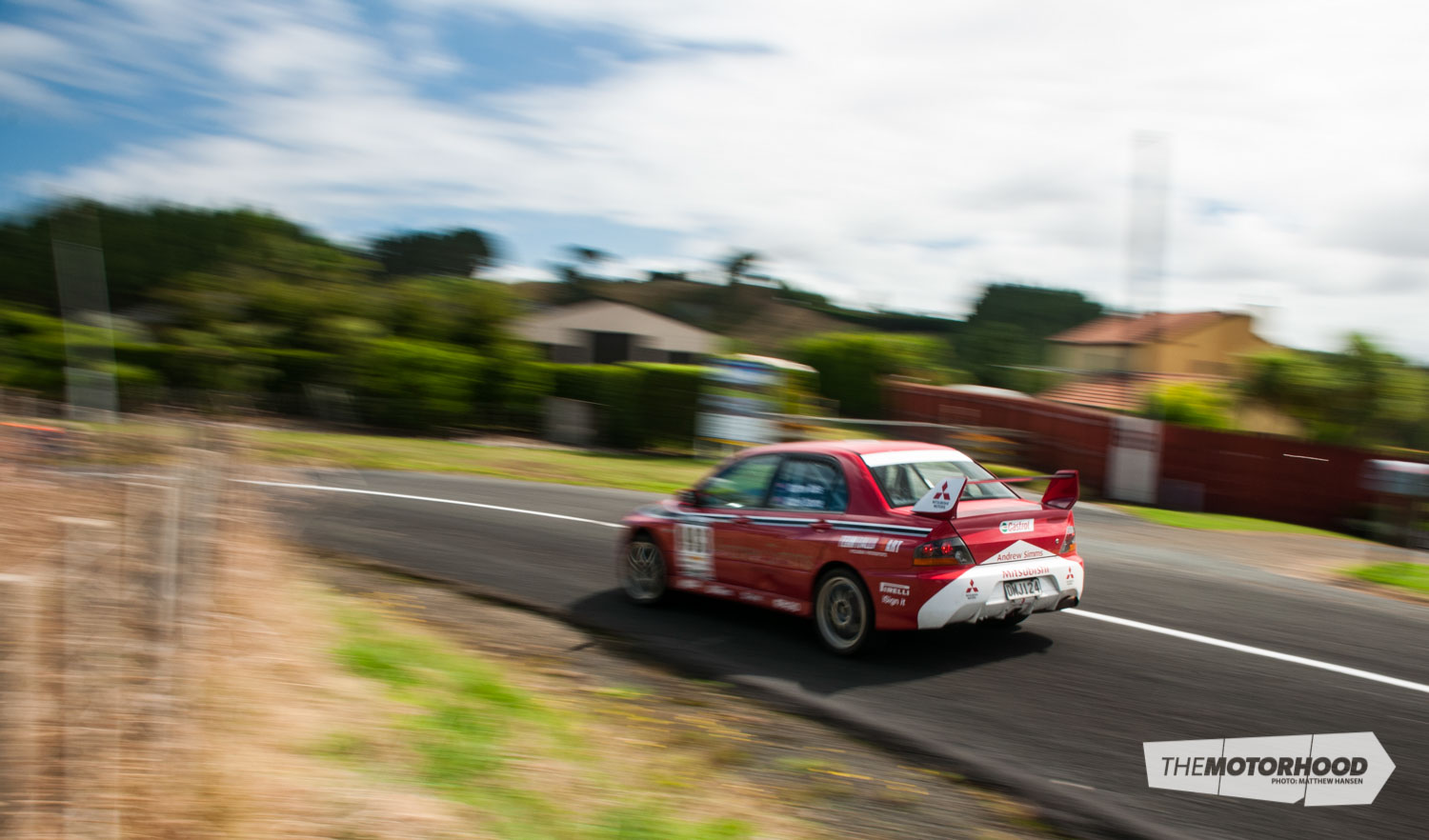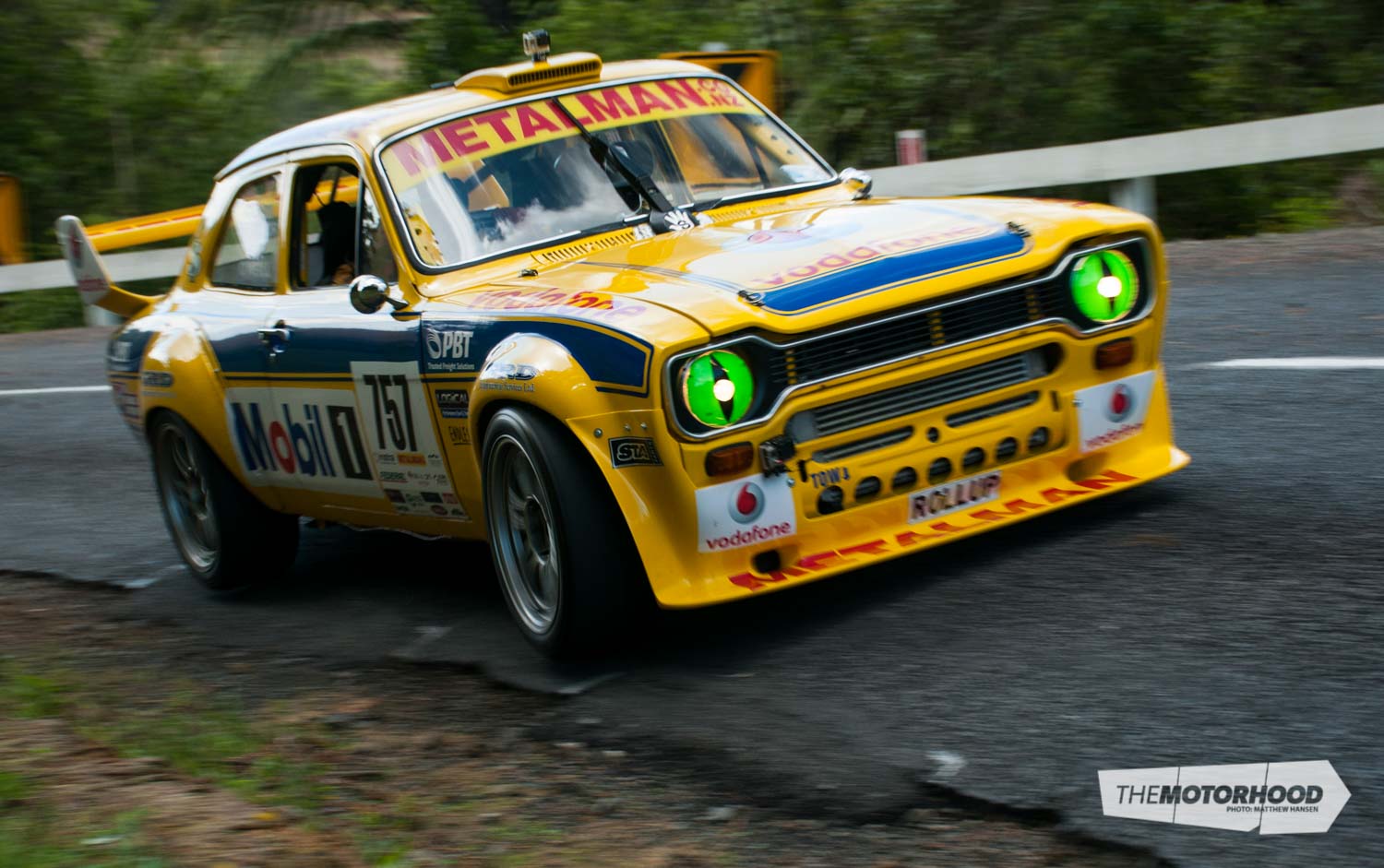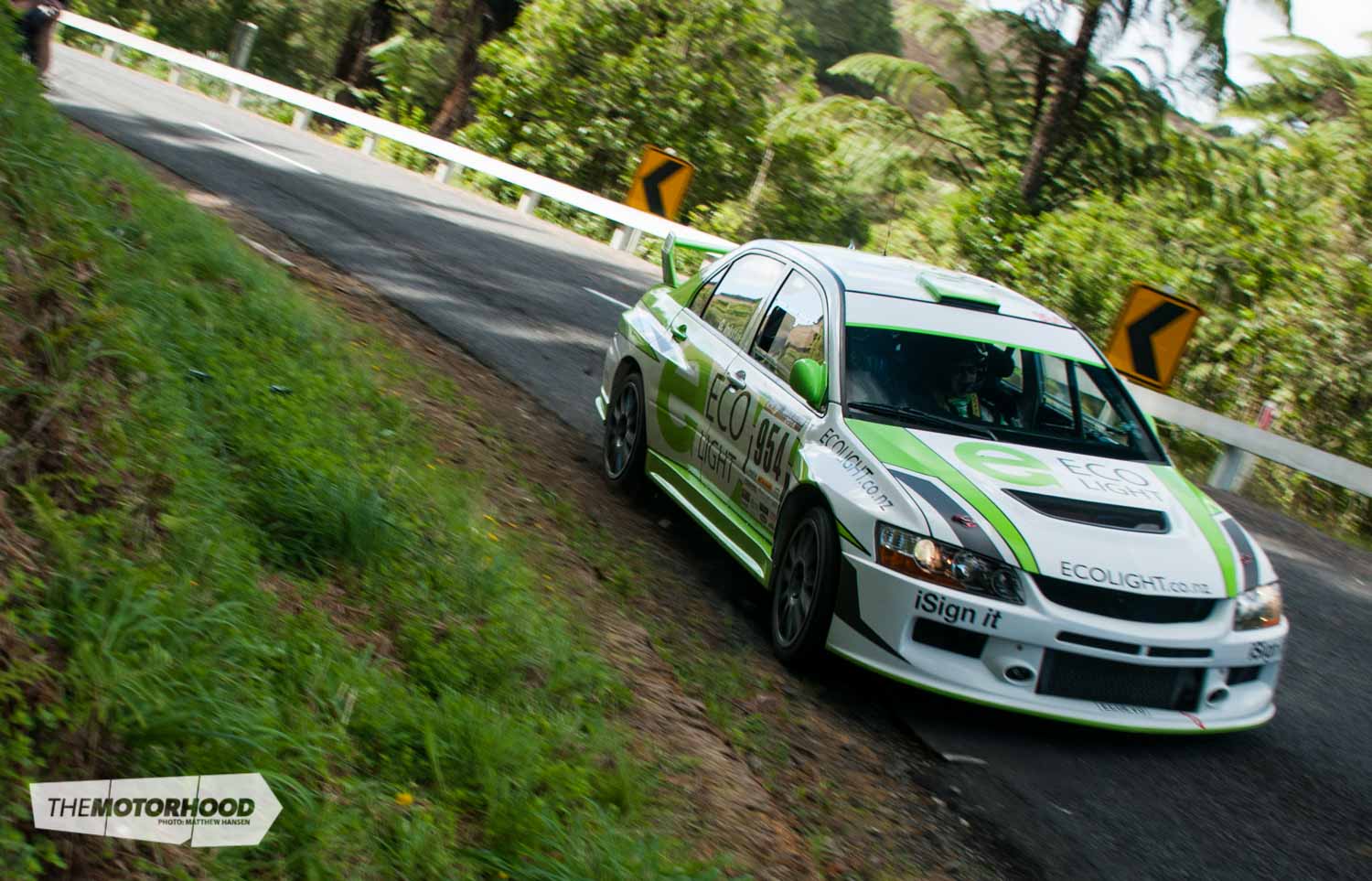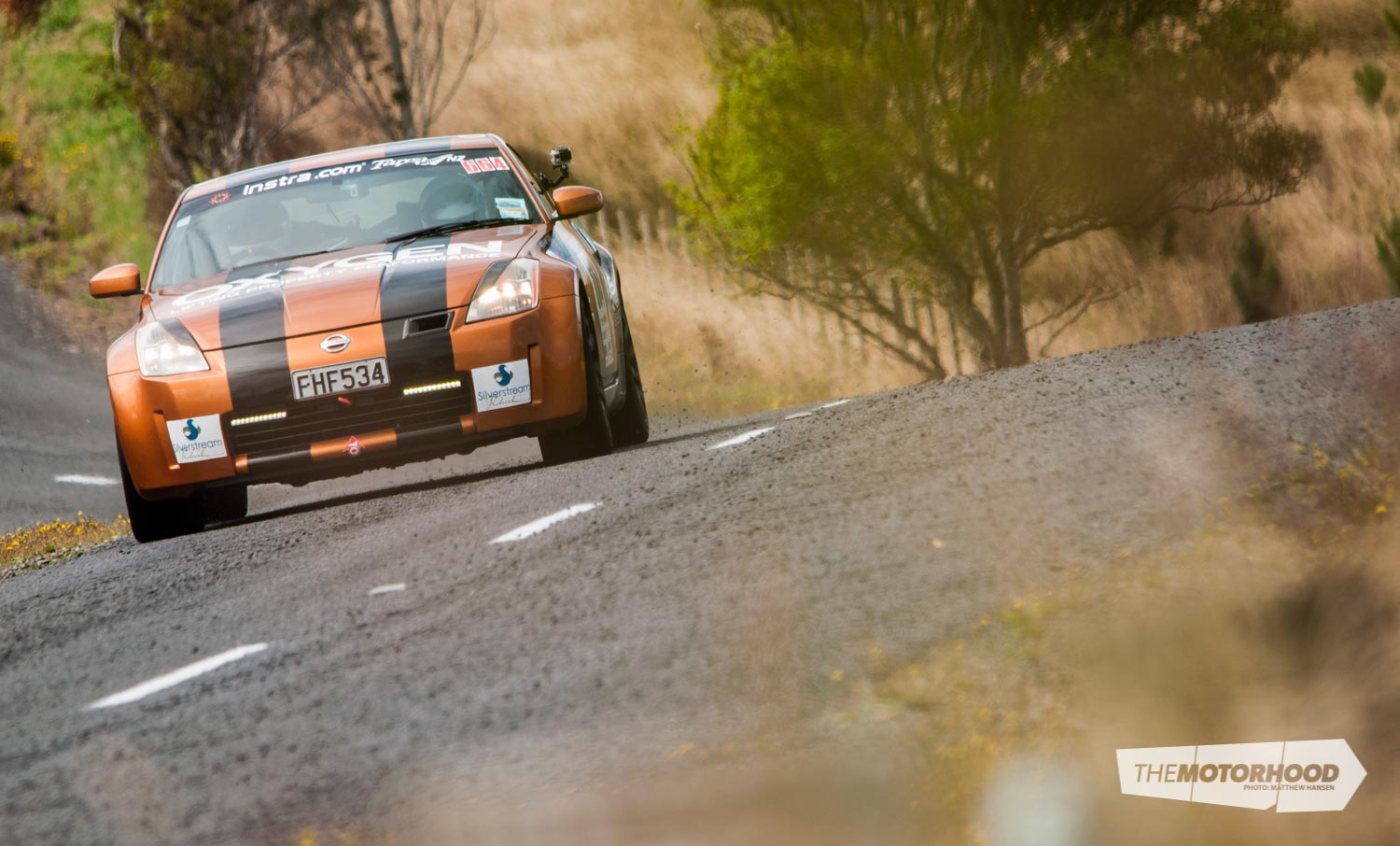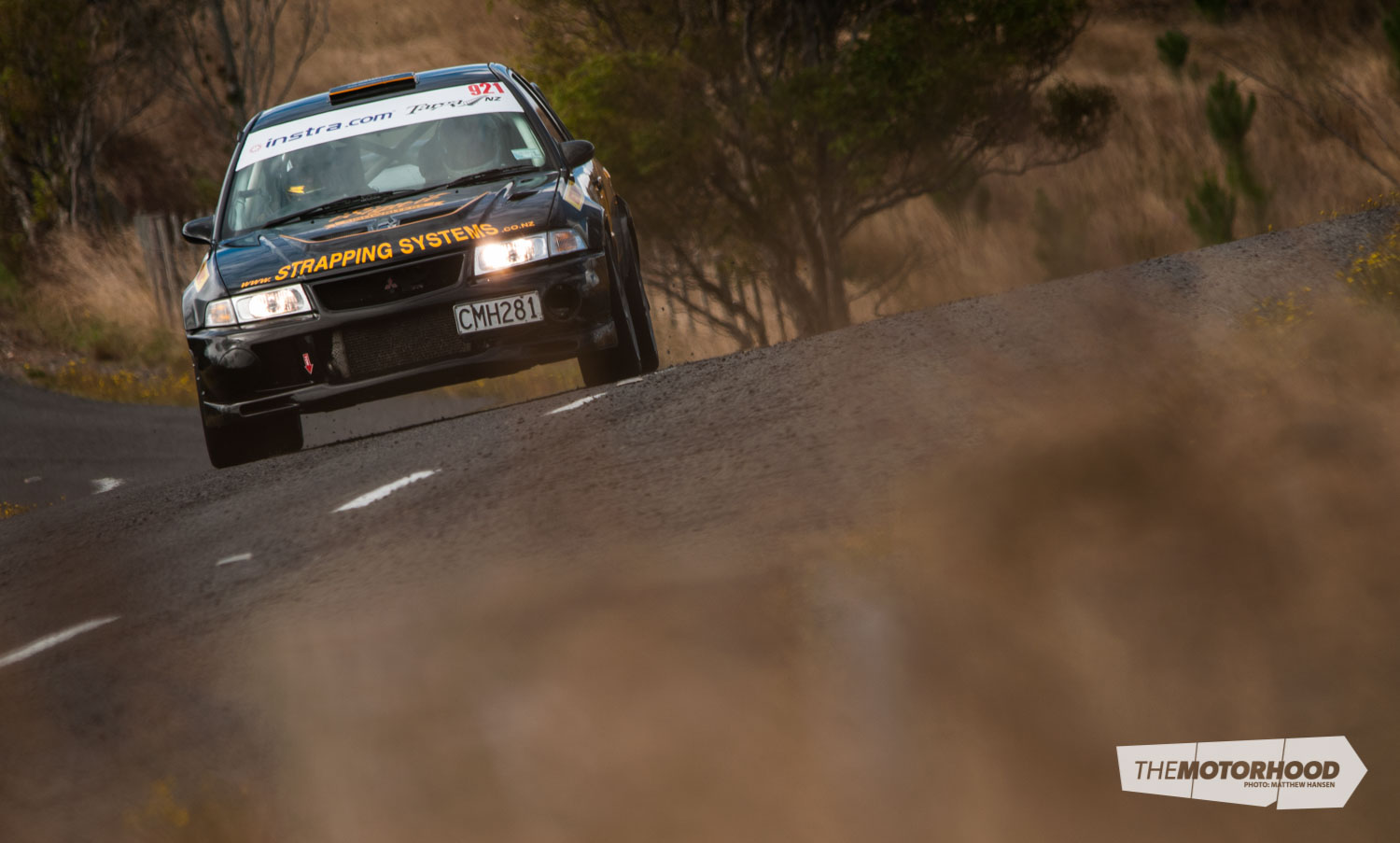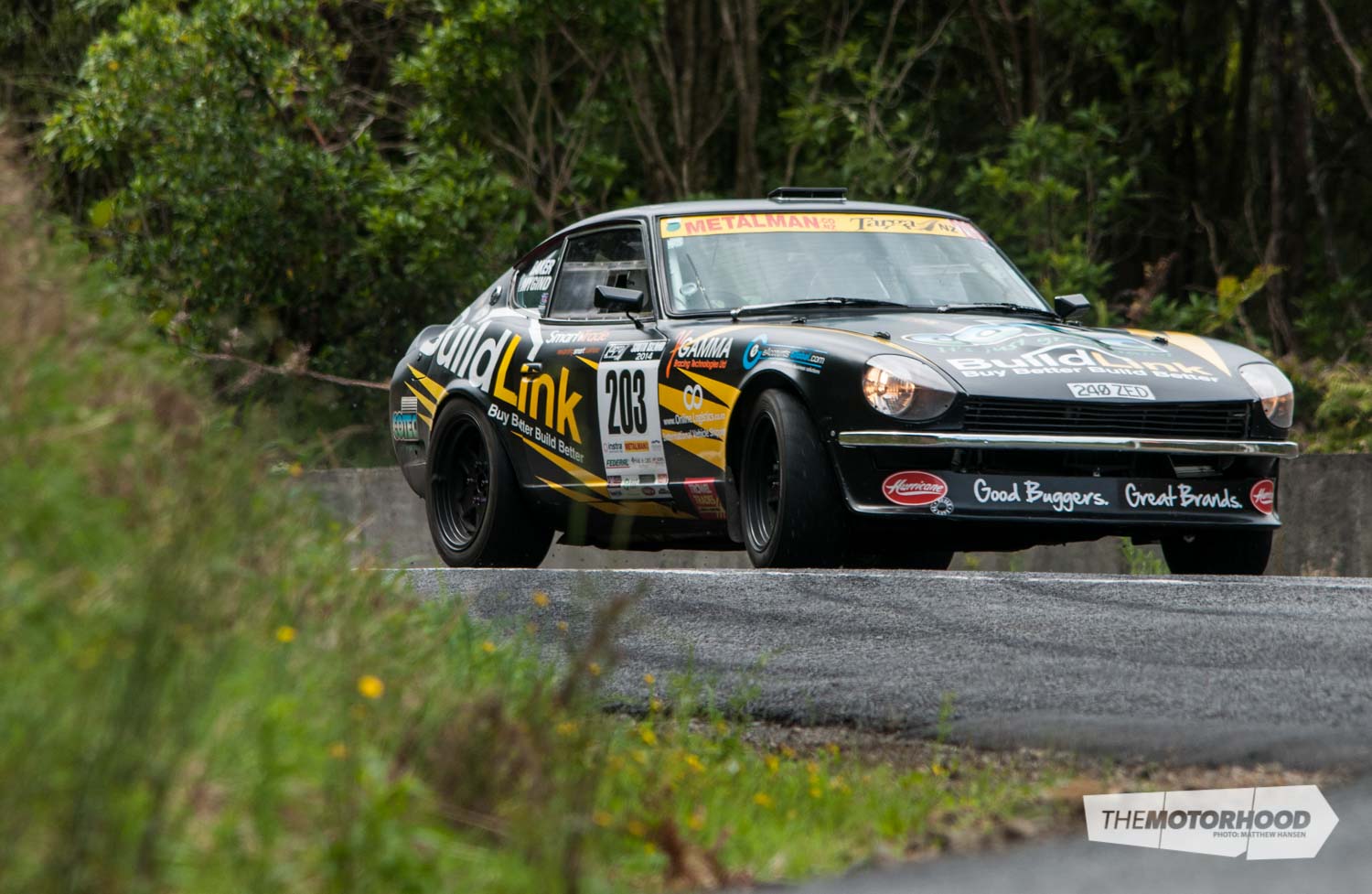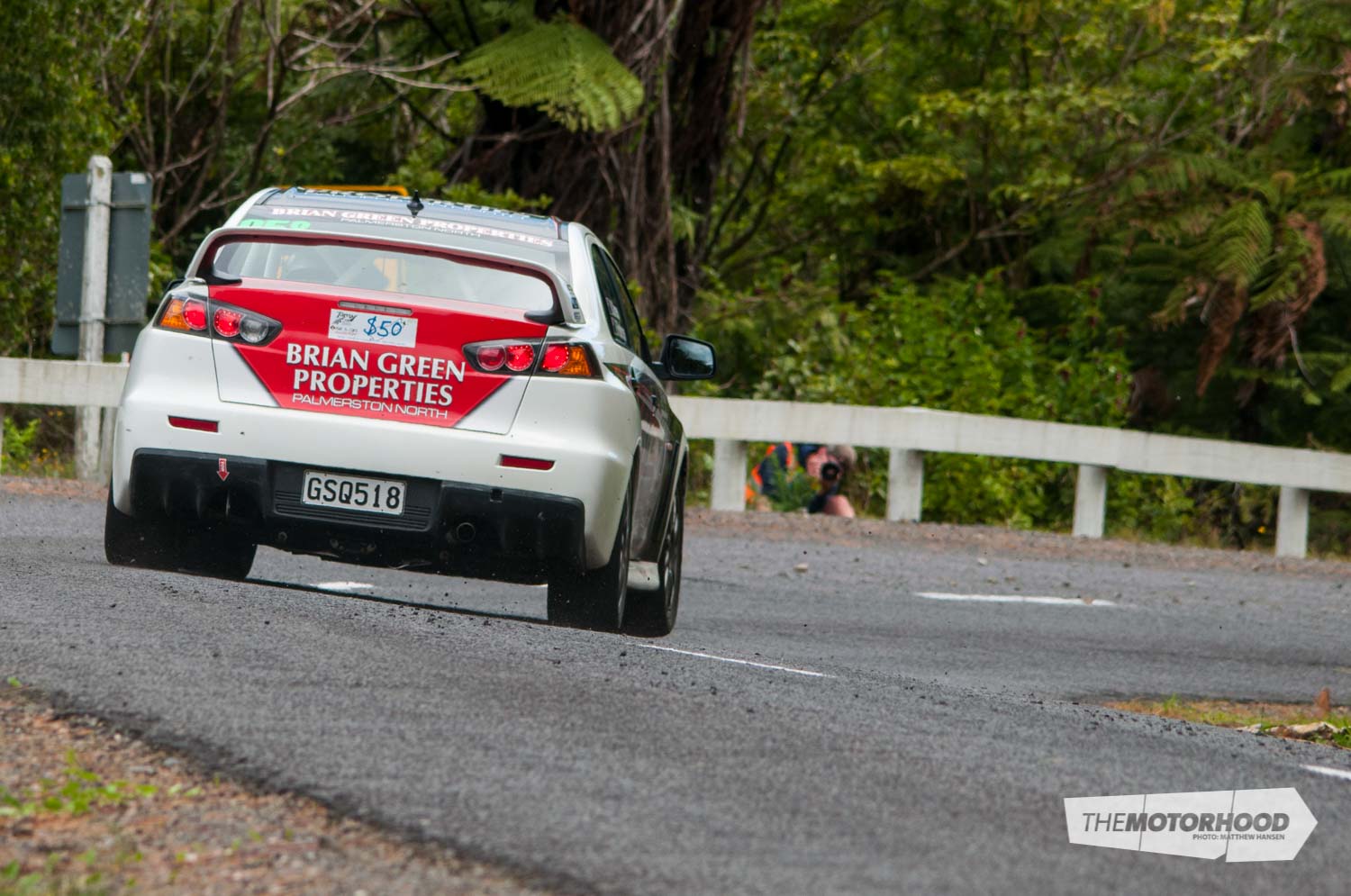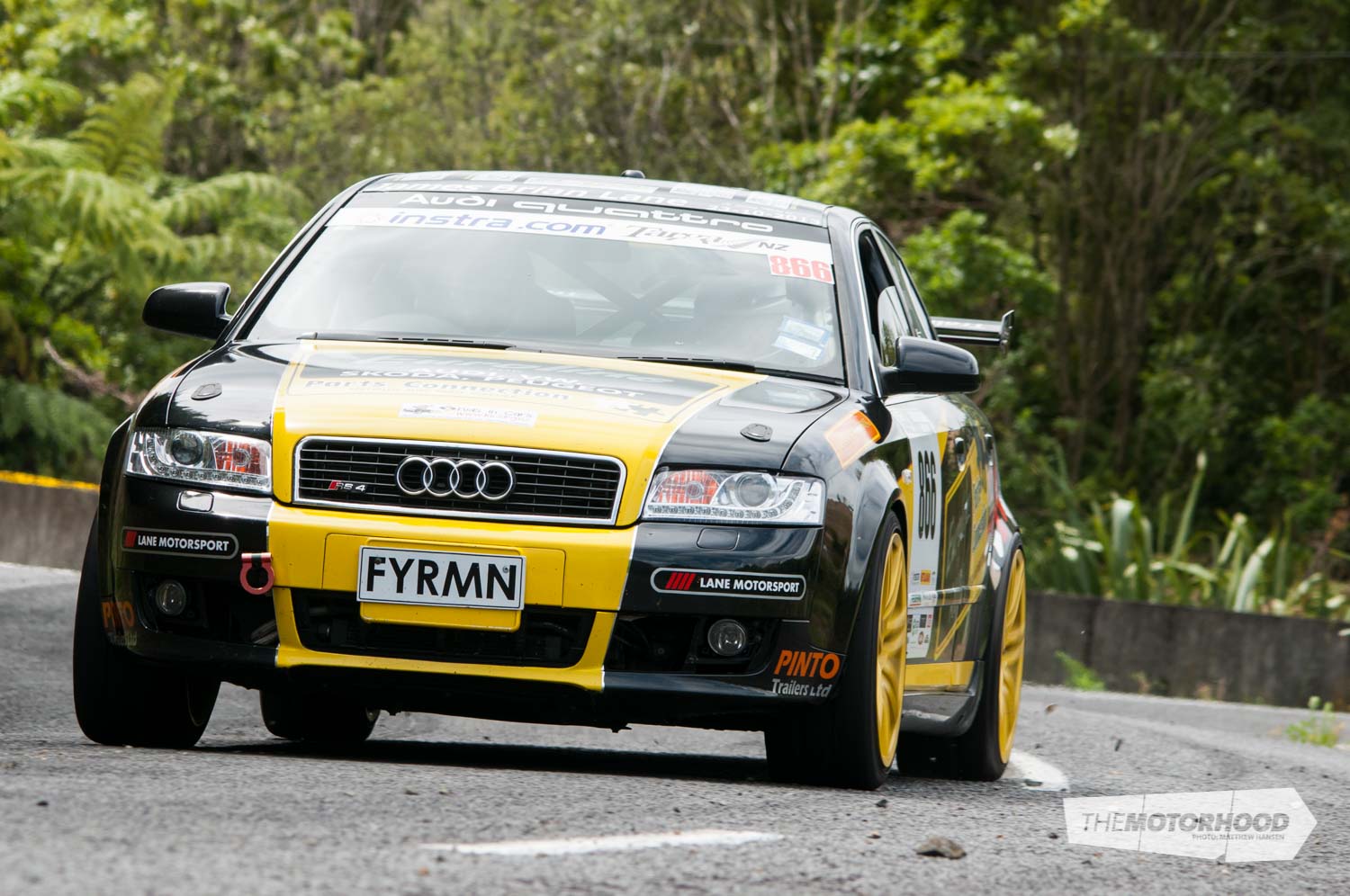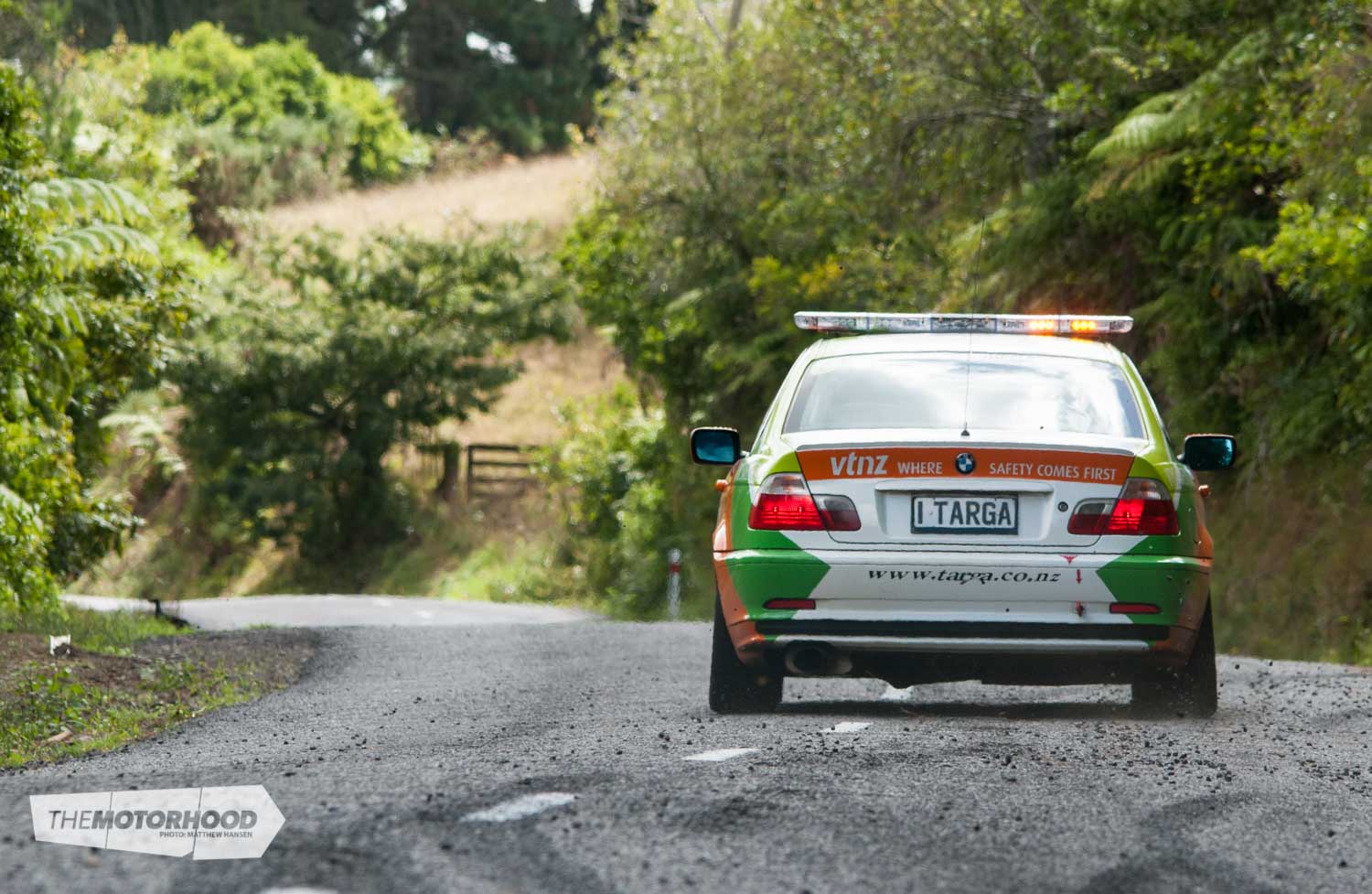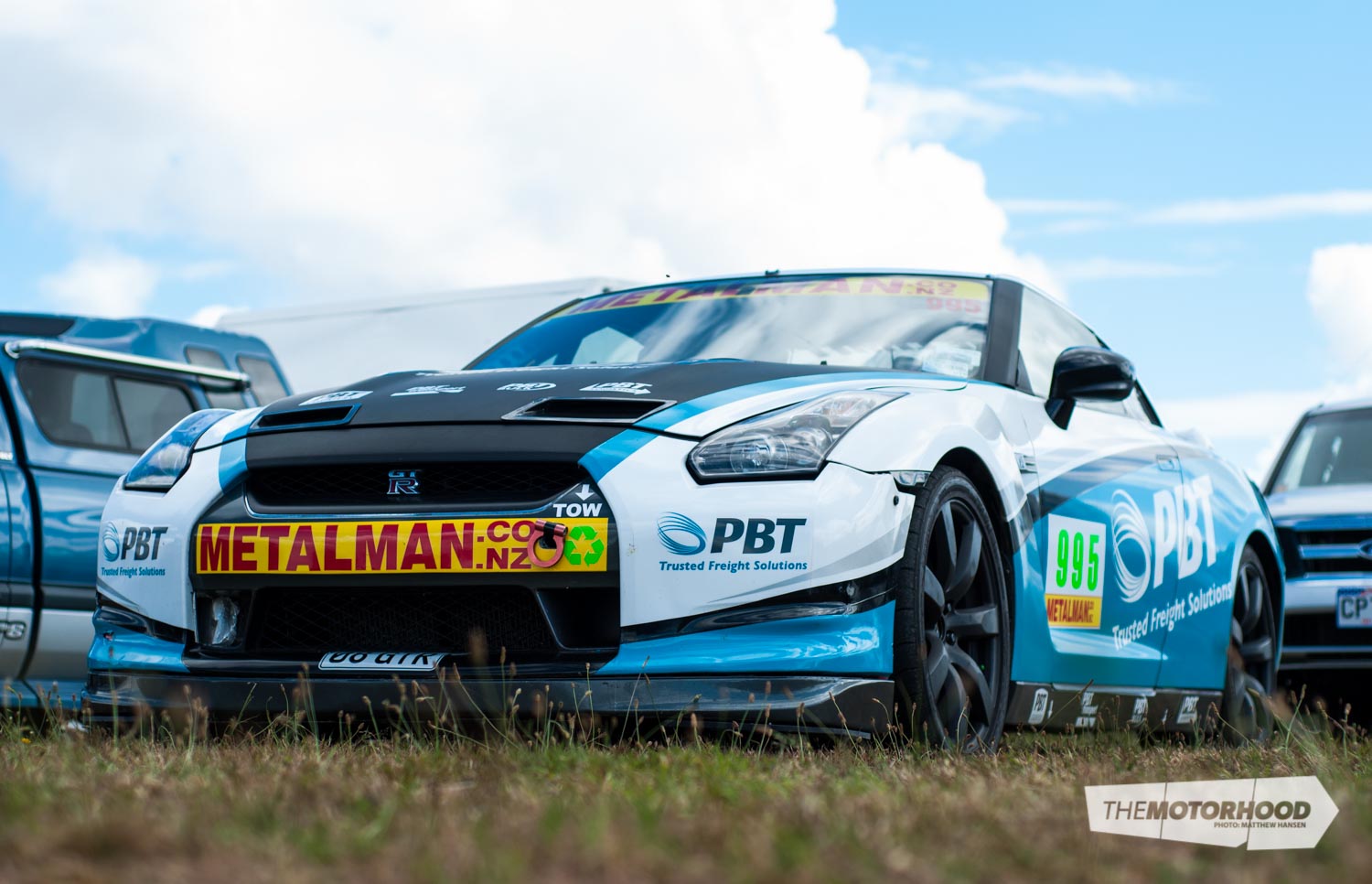
Targa New Zealand’s 2015 season is set to end with one of their biggest bangs to date, in the form of a 1000km, six-day marathon between Auckland and Palmerston North. This will comprise of 35 closed special stages, making it one of the longest events of its kind in the world.
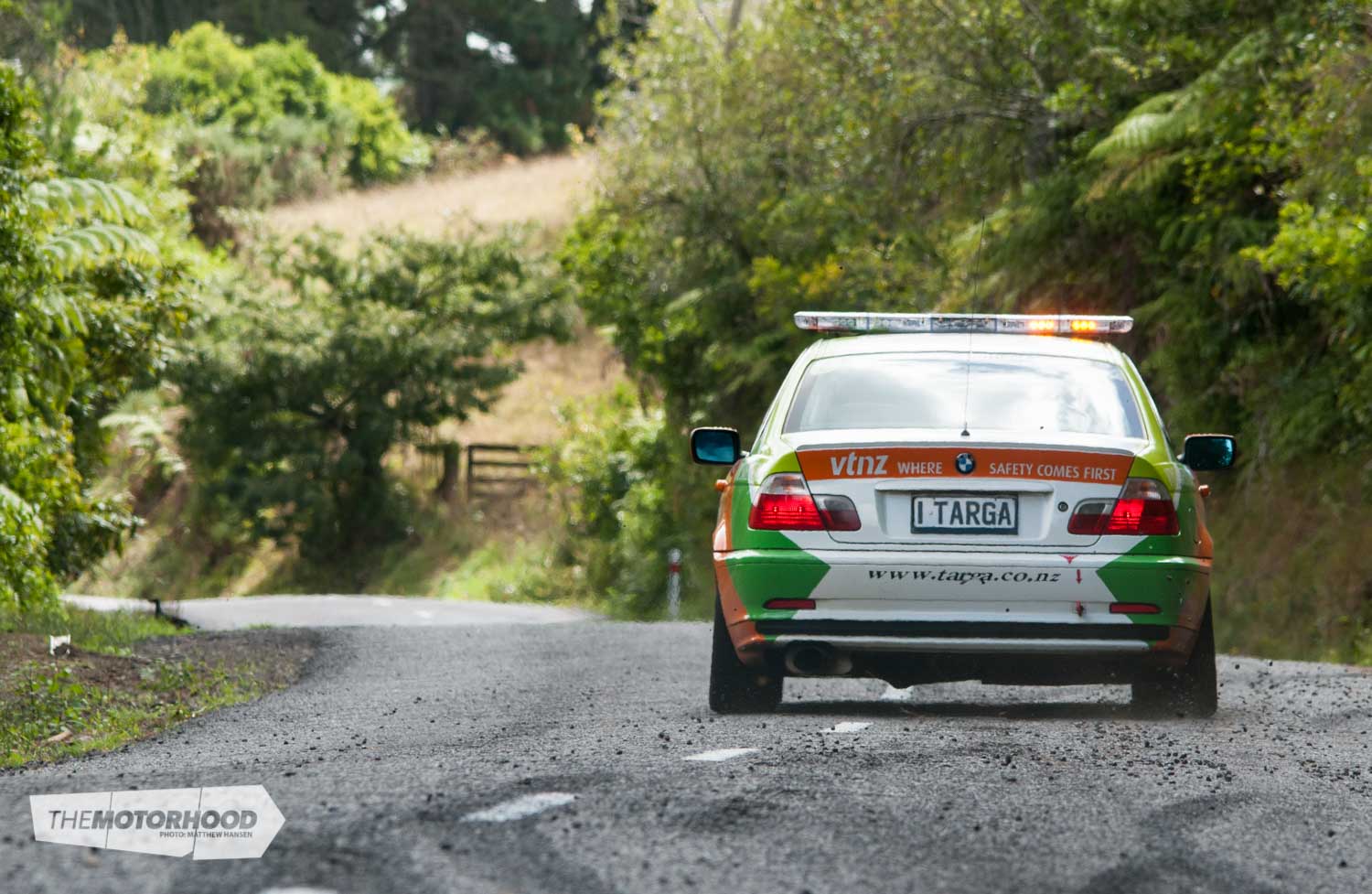
It’s the second time in consecutive years that Targa have done something special for their season final, with the 2014 Targa calendar ending with their first journey to the South Island as part of their 20th anniversary celebrations. While the length may seem gruelling, Event Director Peter Martin says that the revised length comes as a response to competitor feedback. The result of which has the potential to be a memorable event.
“What we’re doing, in effect, is celebrating our return to the North Island, to the event’s roots if you like, by taking some of the best and most popular stages from previous events and putting them together in one. It’s going to be mega,” Martin explains.
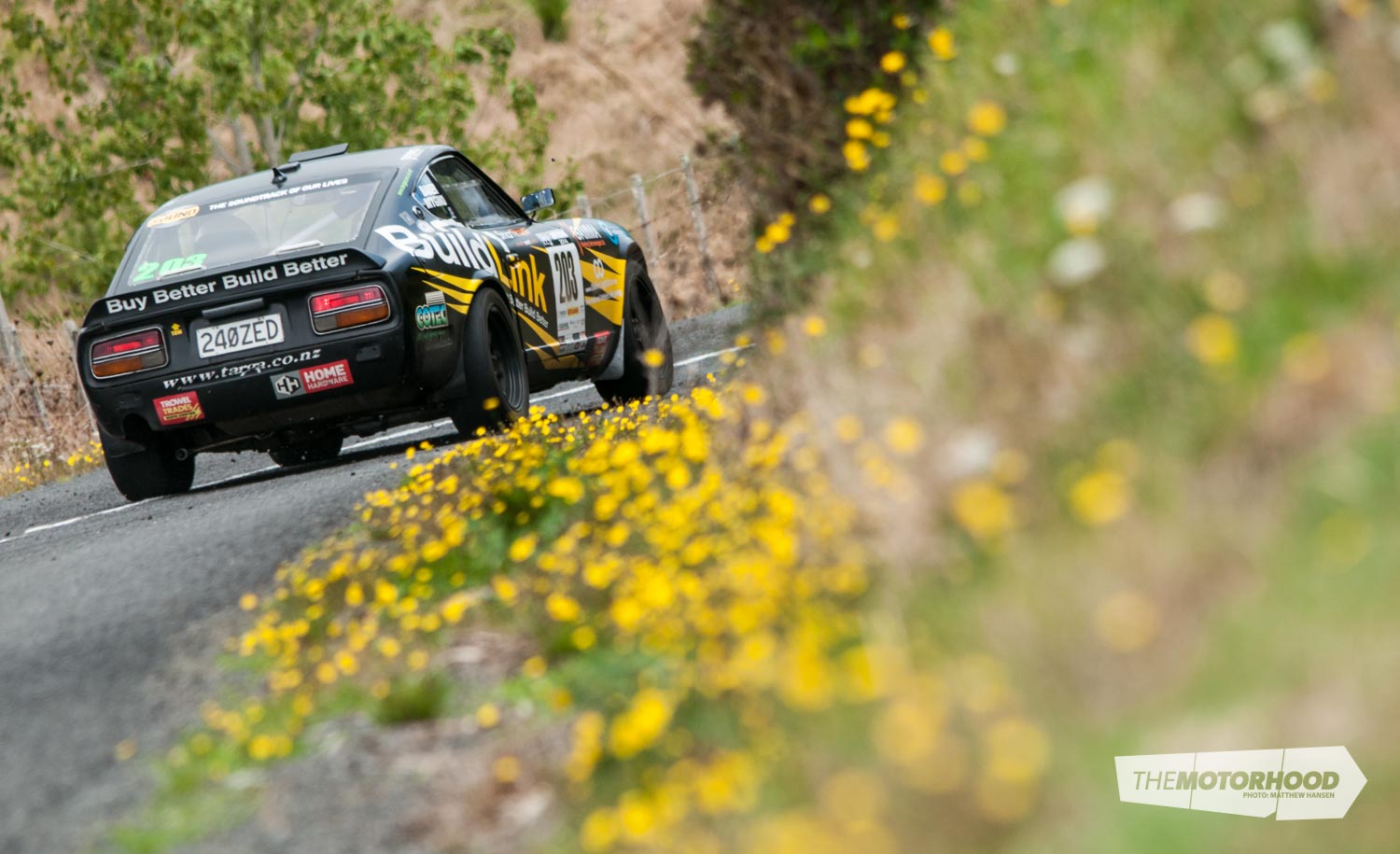
The compressed six-day slog will see the return of numerous memorable stages from past Targa New Zealand events, including the Glen Murray, Kawhia, Inglewood, Whangamomona, Gentle Annie, and Mangatainoka stages.
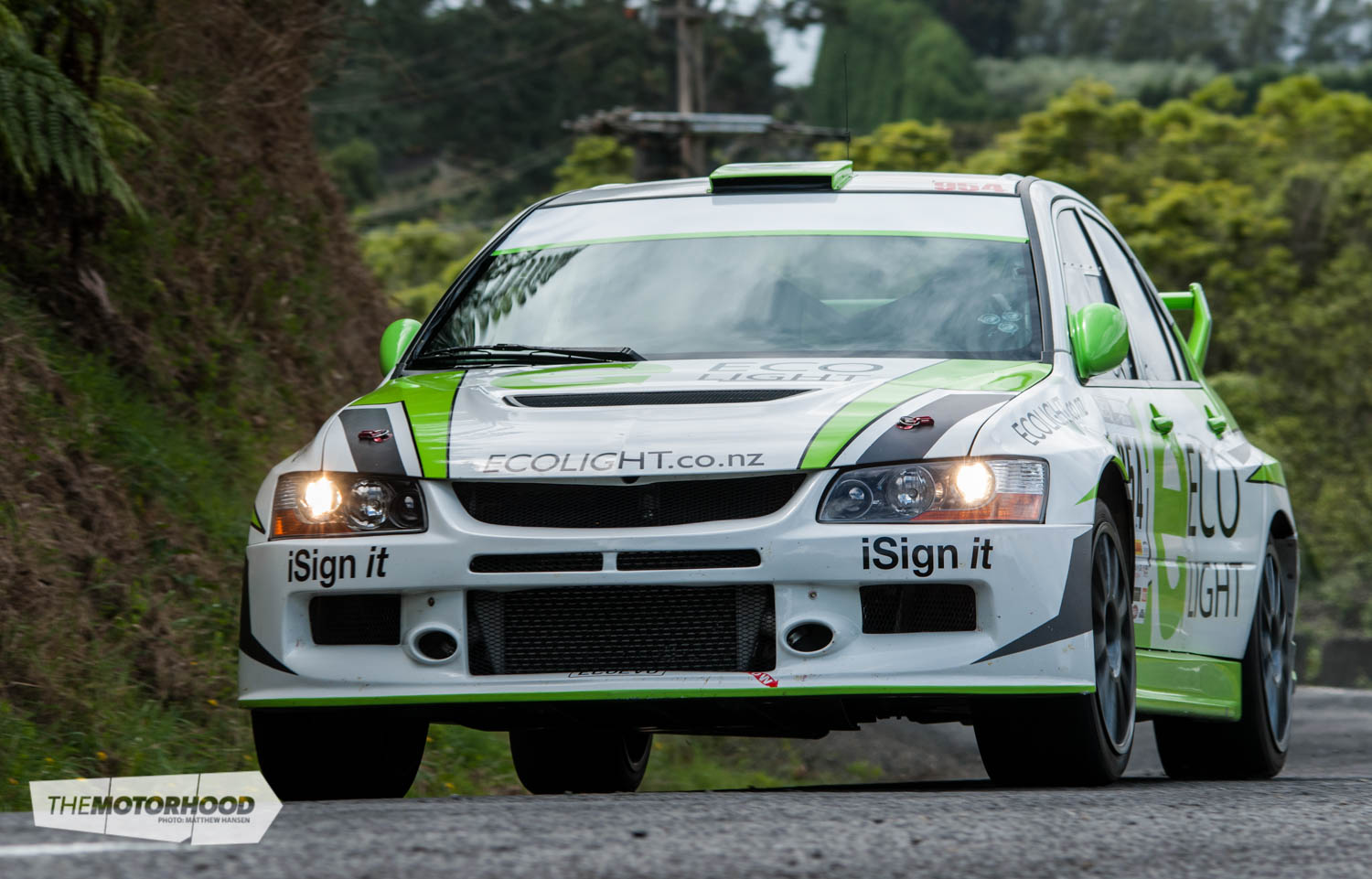
Glenn Inkster and co-driver Spencer Winn, in their Mitsubishi Evolution, enter the event as one of the favourite combinations for outright honours. The pair aim to take a clean sweep of all three Targa New Zealand events this year, following victories at the 2015 Metalman Targa Rally Sprint, which took place in Auckland on March 8, and the Targa Bambina, which ended on May 18.
“Winning the 20th anniversary event was our big goal last year, but now that we have done that, we decided that our main goal this year would be to not only finish all three Targa events — but to win them as well,” says Inkster.
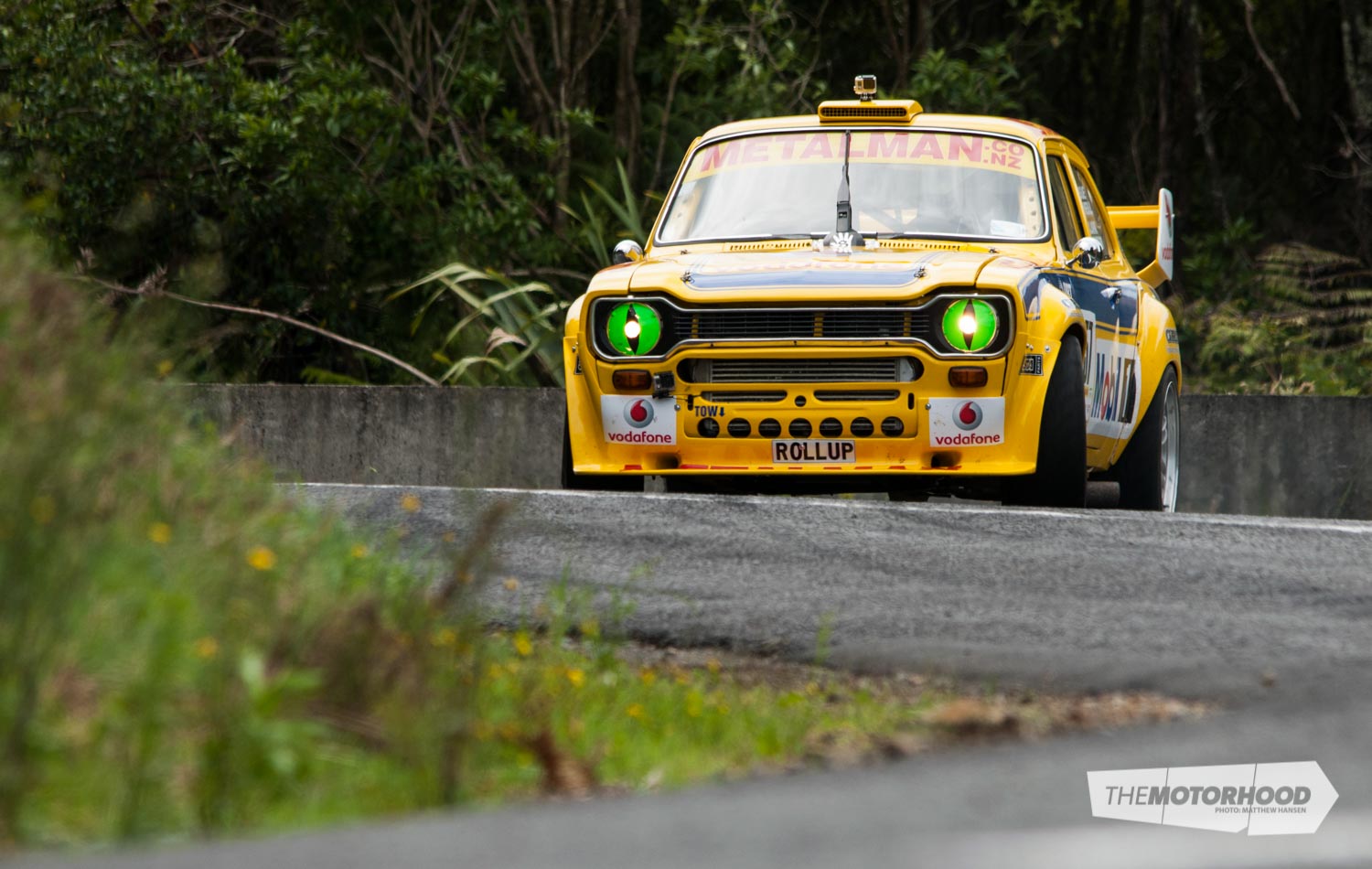
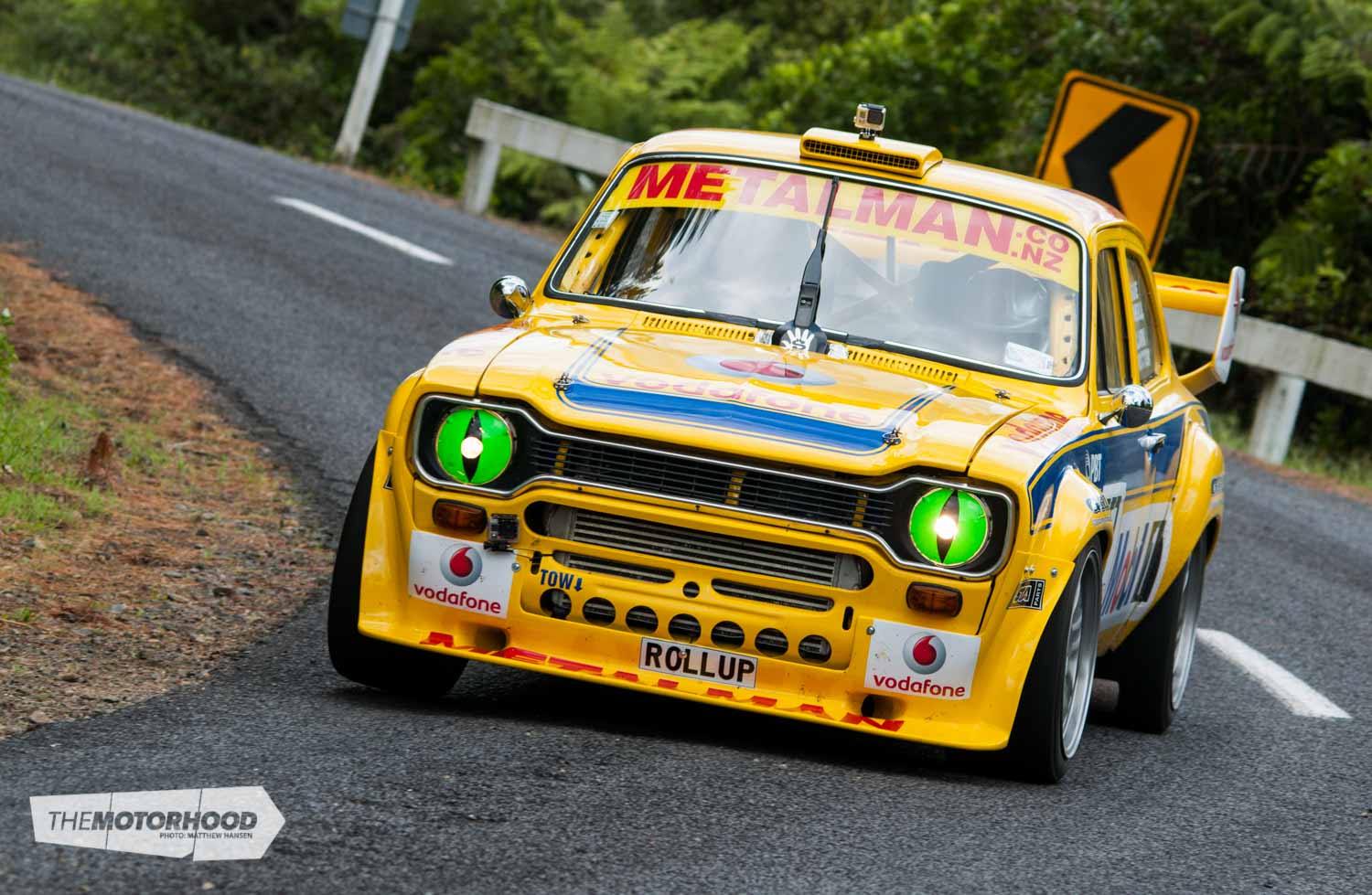
While entries are still flowing in, Inkster is likely to face strong competition from the likes of past circuit racer Clark Proctor and his co-driver Sue O’Neill in Proctor’s eccentric Nissan-powered Ford Escort, as well as Leigh Hopper and co-driver Simon Kirkpatrick in Hopper’s rapid Subaru Impreza.
But, as is always the case with Targa New Zealand, the real talking point will centre around diversity and community. Keep an eye out for more coverage of the event at The Motorhood!