
Silverstone Classic honours legendary Bentley Boy Glen Kidston

24 July, 2015

Running over July 25–26 in the UK, the 25th Anniversary Silverstone Classic has attracted the largest field of pre-war race cars ever assembled — all competing for the inaugural Kidston Trophy, which is named for legendary Bentley Boy and Le Mans–winner Glen Kidston.
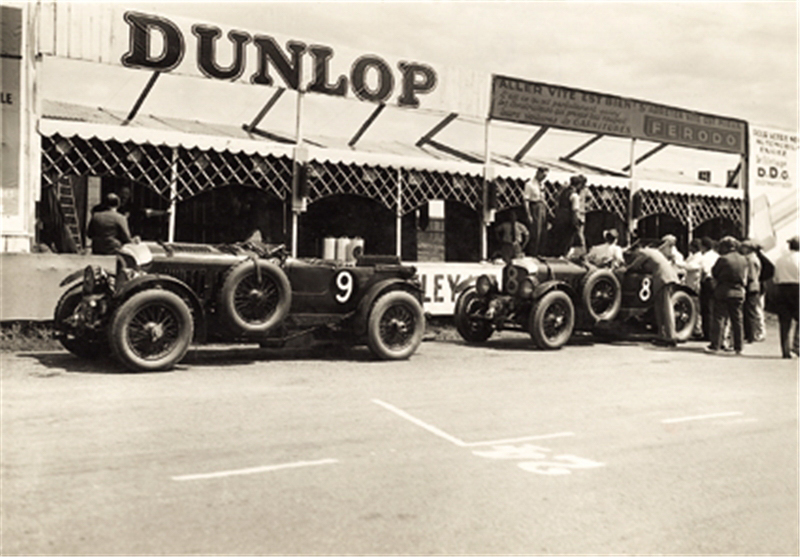
A brace of Blower Bentleys in the pits during practice for Le Mans in 1930 / Bentley Motors

Among the 57 competitors will be 12 of the rarest and most valuable Bentleys in the world — a stellar ensemble that will include several Bentley three-litre models, a collection of 4.5-litre racers and a legendary supercharged ‘Blower Bentley’.
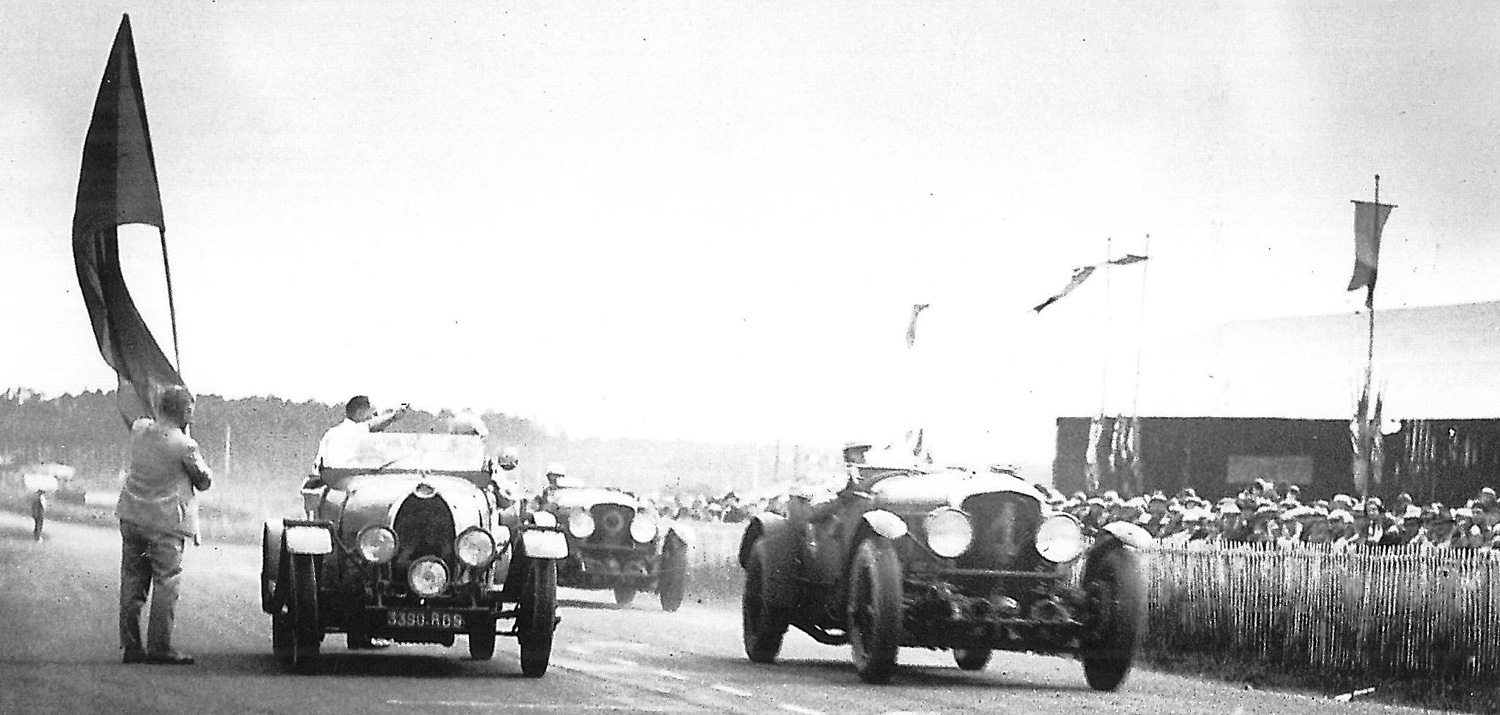
Victory at Le Mans — the winning Bentley takes the chequered flag / Bentley Motors

Glen Kidston and Bentley Chairman Woolf Barnato famously won the 1930 Le Mans 24-hour race in the Bentley Speed Six ‘Old Number 1’. This was the second year in succession that the Speed Six had taken the chequered flag, and the fourth year in a row that a Bentley was victorious.

An adventurer and aviator, Glen Kidston was one of the original Bentley Boys. A former lieutenant commander in the Royal Navy, he was famously torpedoed twice in the same morning during World War I.  He later became a submarine commander, but when not at sea he set records as an aviator and motorcycle speed trialist.

Glen Kidston (L) and Woolf Barnato after their famous 1930 Le Mans victory / Bentley Motors

Kidston died less than a year after his Le Mans win when the de Havilland Puss Moth he was flying crashed during a dust storm over the Drakensberg Mountains in Southern Africa. A memorial to him stands at the crash site — an aluminium propeller set in stone designed to warn passing aviators.

Bentleys at Le Mans painting / Bentley Motors

Look out for the next (September) edition of New Zealand Classic Car magazine as we’ll be featuring a gorgeous 1952 Bentley R-Type. Although the R-Type appeared well past the era of the Bentley Boys, this particular example was once owned by Oscar-winning British actor Ronald Colman, and Dinah Sheridan — who starred in that iconic motoring movie, Genevieve — rode in the Bentley as part of the Auckland to Christchurch Rally in 1997.
Coaching from the bench: Casting plastic knobs and rubber parts

Casting rubber items is simple if you have a good original to work with. The item doesn’t have to be perfect. You can use plasticine to smooth out cracks, and you can even make whole prototypes out of low-fire modelling clay available from craft stores if you need to. Prototypes can also be made of wood or metal.
You will need mould dams to contain the liquid urethane moulding solution until it cures. You can build boxes out of strips of wood, but I have found that small plastic boxes and bowls such as those you would use for leftovers in your fridge work well if you spray them with a mould release agent.
Temperature is important to the chemical processes involved, so work in an area that can be maintained at around 20 degrees. You will also need adequate ventilation because the fumes can be dangerous to breathe. And you will want to wear latex gloves to protect your hands.

Fraser Cars – low flying into the fourth decade

With almost three and a half decades under its belt, Fraser Cars is one of New Zealand’s longest-surviving car manufacturers. The company first opened its doors for business in 1988, during the boom time for kit manufacturers. During the ’80s, around 40 different companies were building kits and turnkey cars for this niche market. Of those, only Fraser and Almac Cars (established 1981) are still in business today.
Most of the new kit car companies were killed off in the cradle by the threat of new legislation that never eventuated and definitively by the sudden availability of high-performance Japanese cars when the floodgates to second-hand imports were opened. The now long-retired founder of the company, Neil Fraser, first came across Lotus Seven replicas while racing Lotus Cortinas in the early ’80s. He regularly found himself racing against a little Caterham, a Lotus Seven–styled car built in England. He was very impressed by its simplicity and handling. In 1986 Fraser built his own Lotus Seven–type car, using the knowledge he had gained from several close looks at the Caterham.