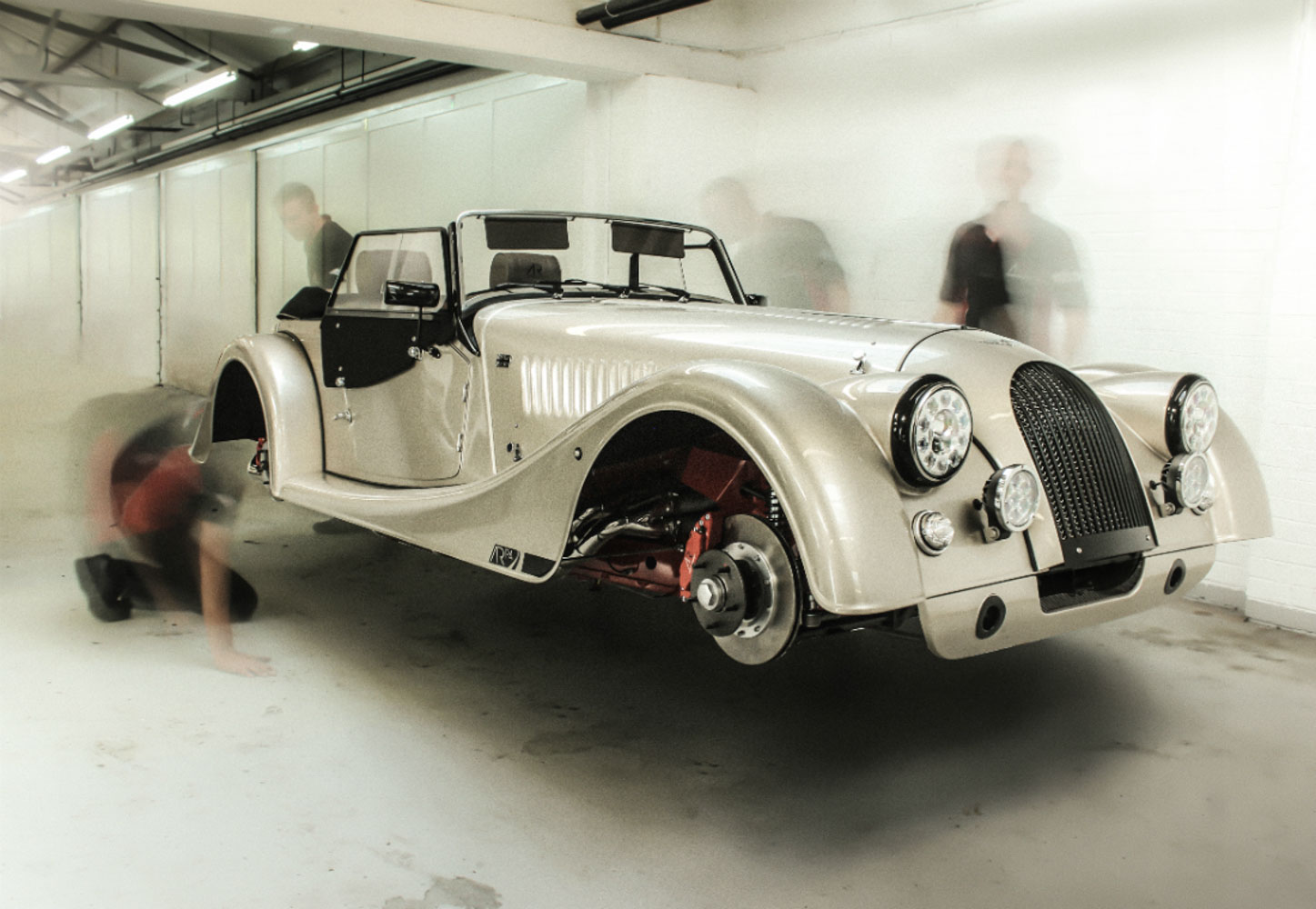
Morgan Plus 4 celebrates 65th birthday with bonkers 225hp special edition

27 July, 2015


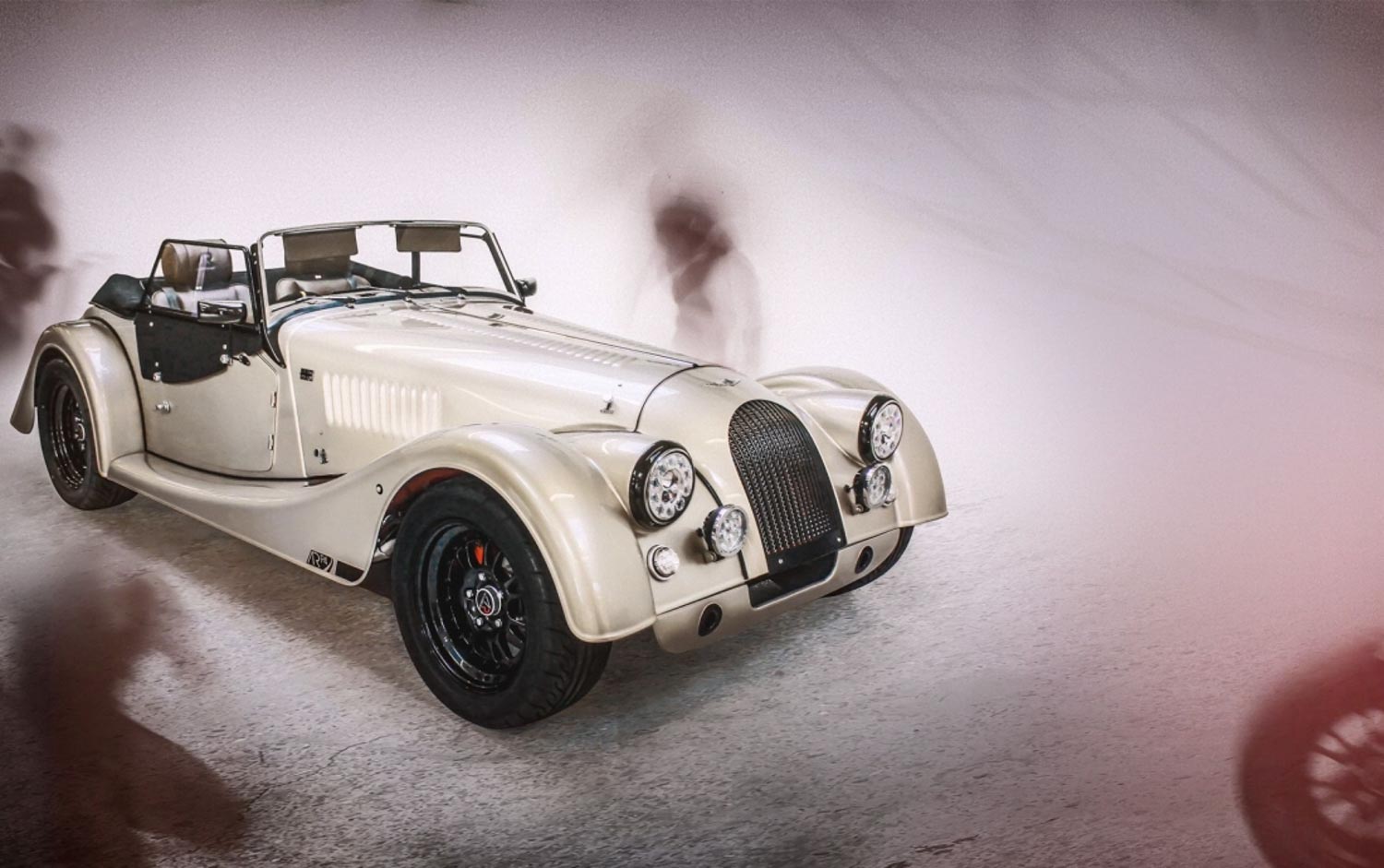
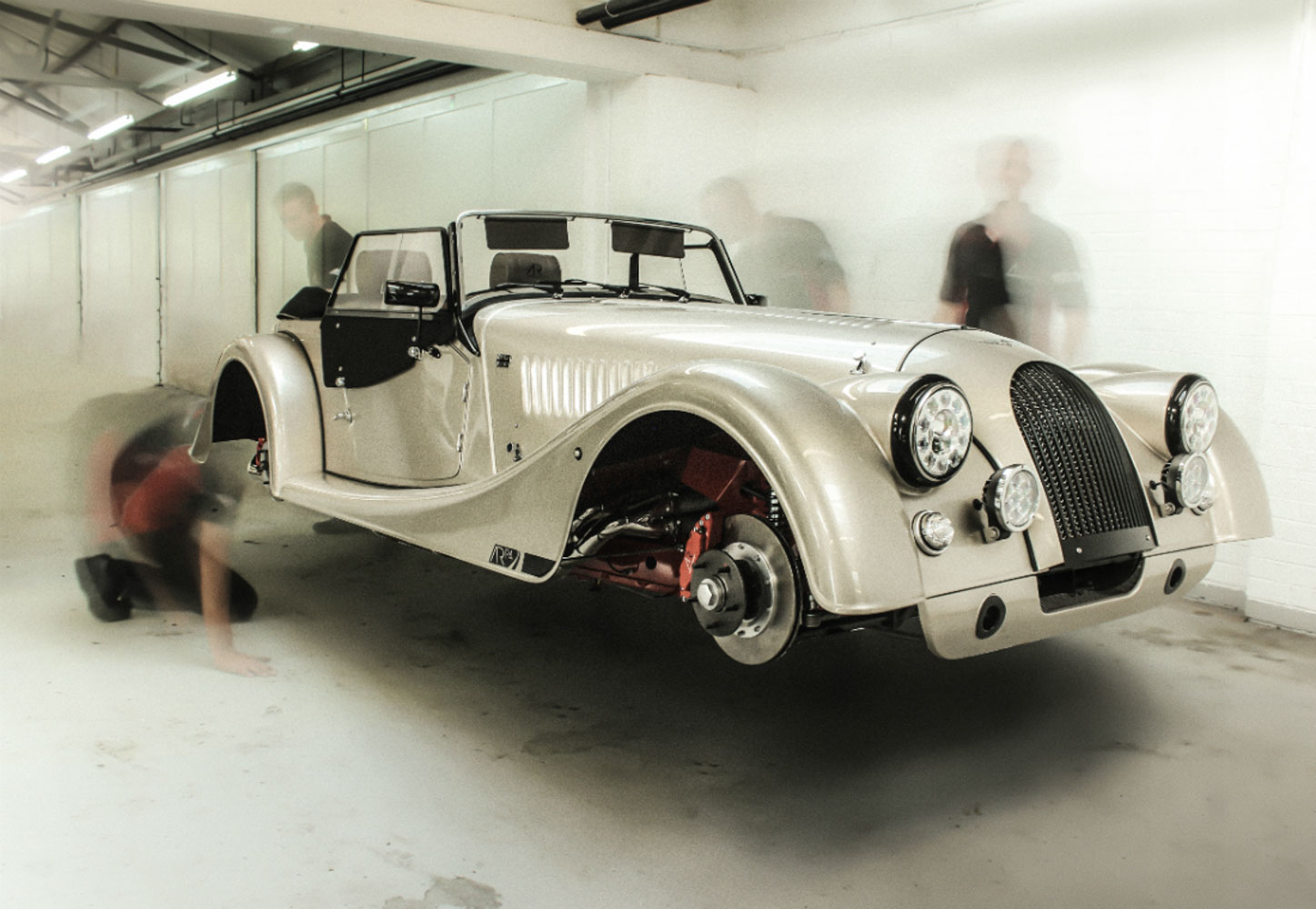
Morgan’s Plus 4 may be turning an incredible 65 years old this year, but it’s still got plenty of life left in it. So much so that the team at Morgan have unveiled a special limited edition, called the ARP4.
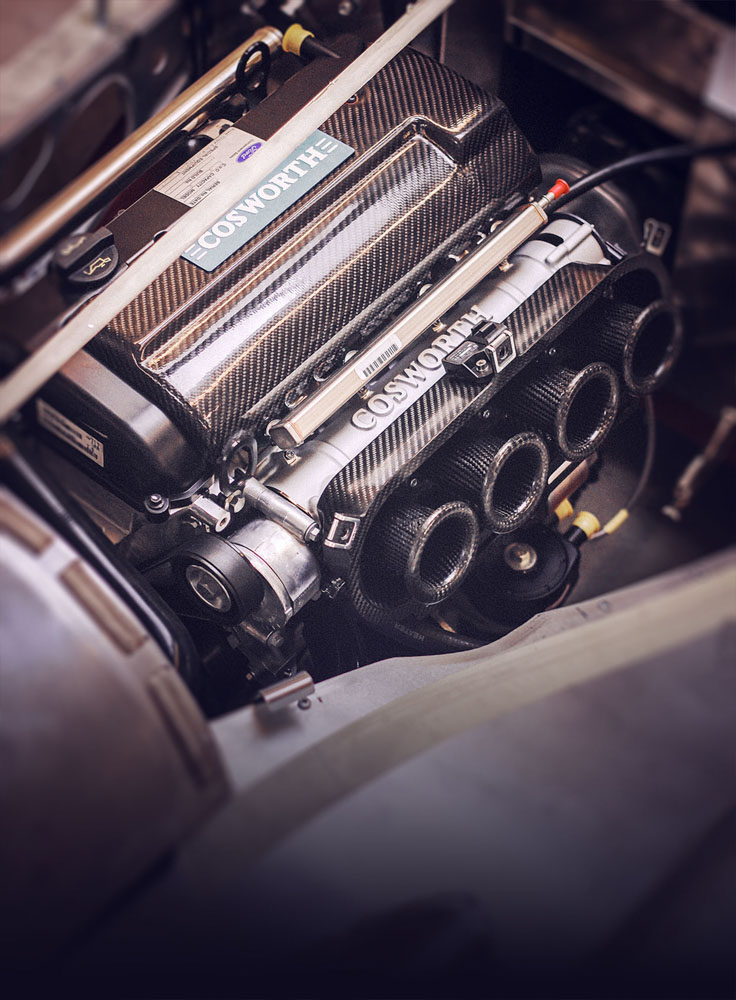
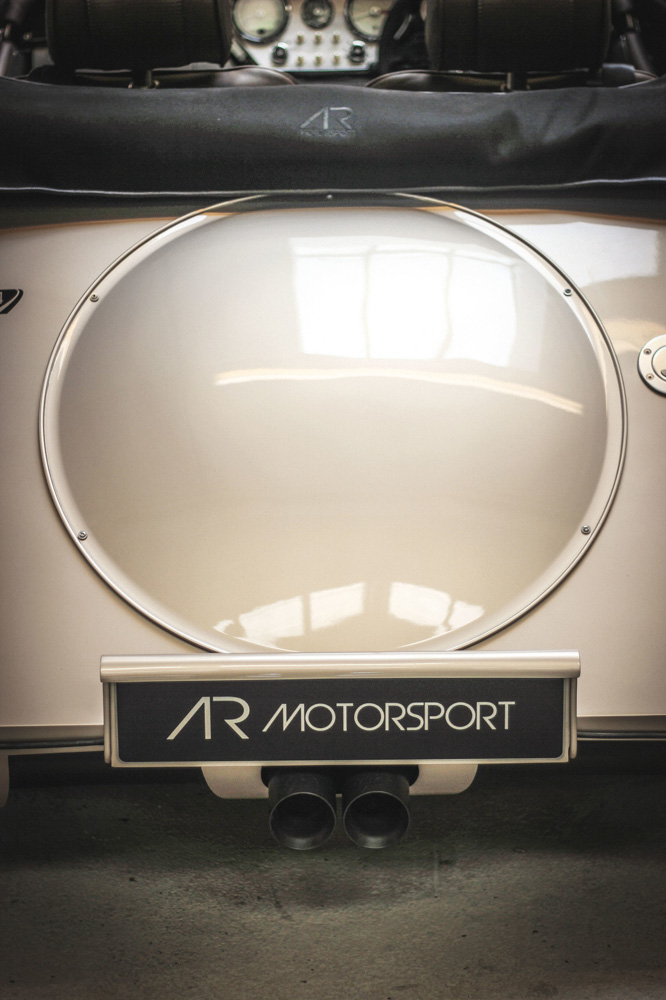
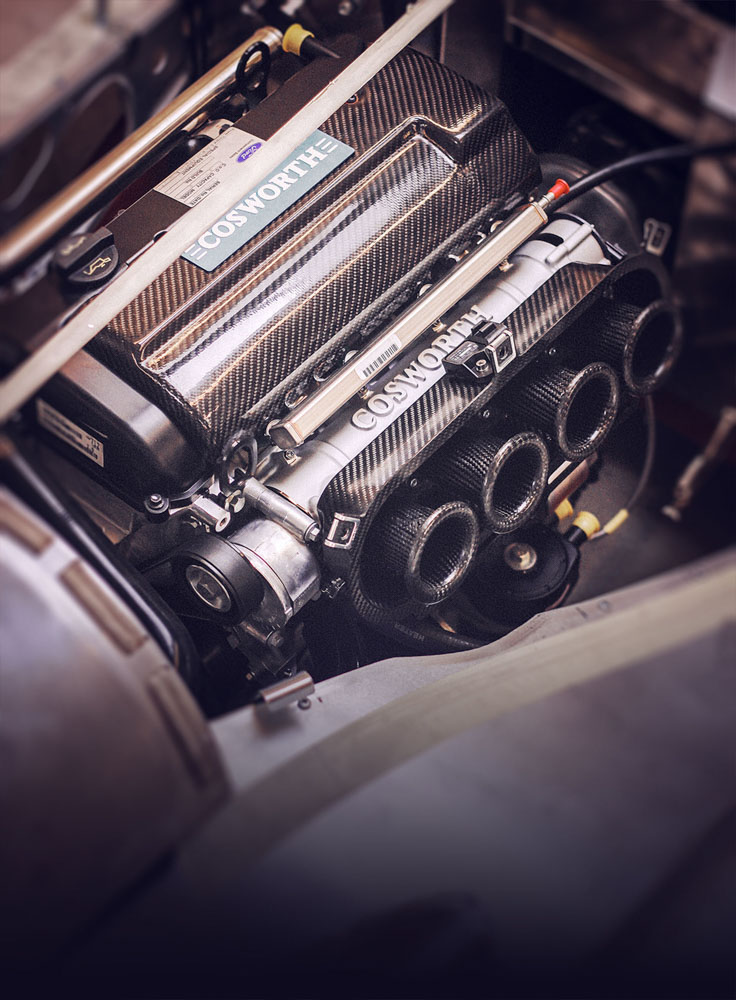
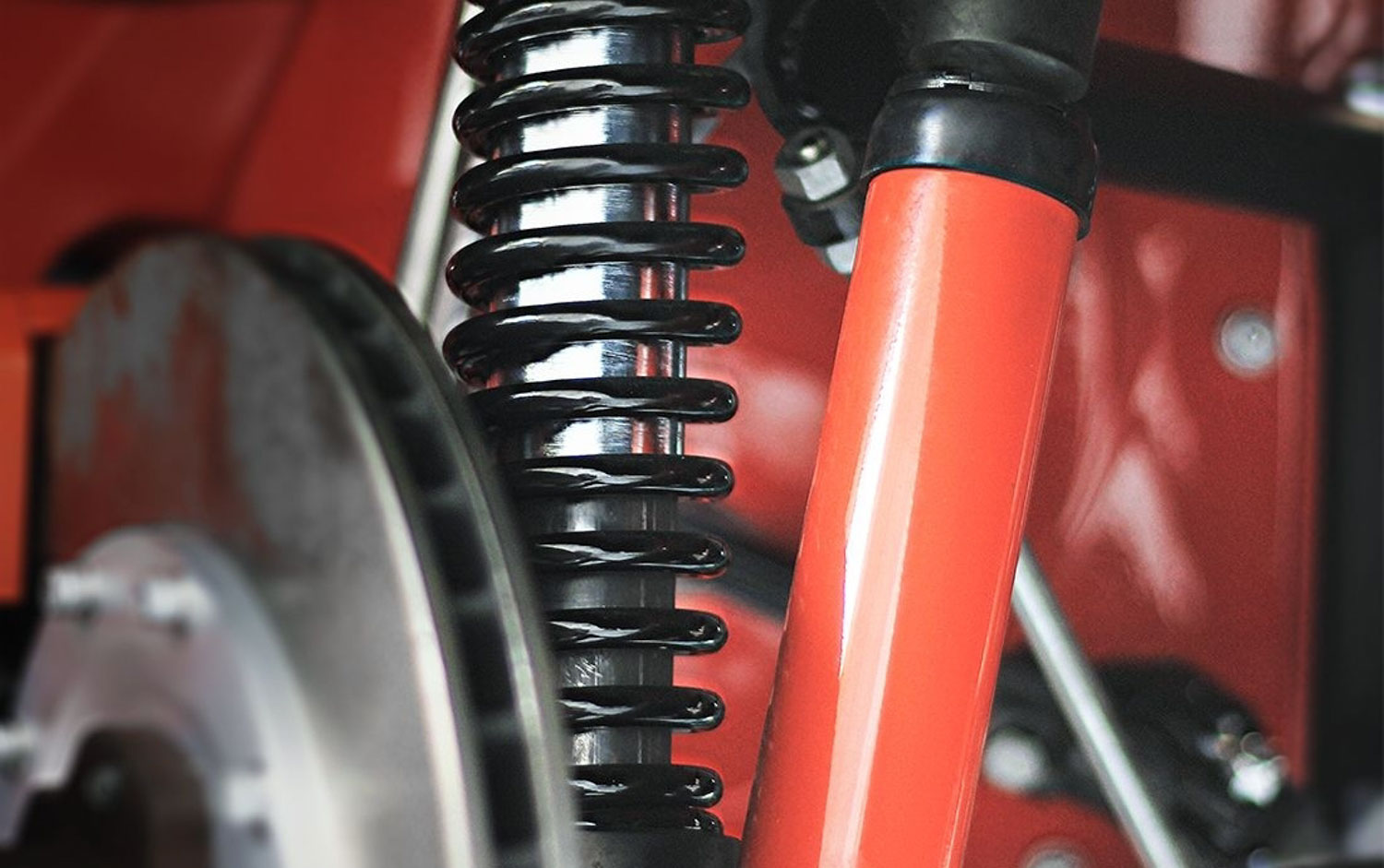
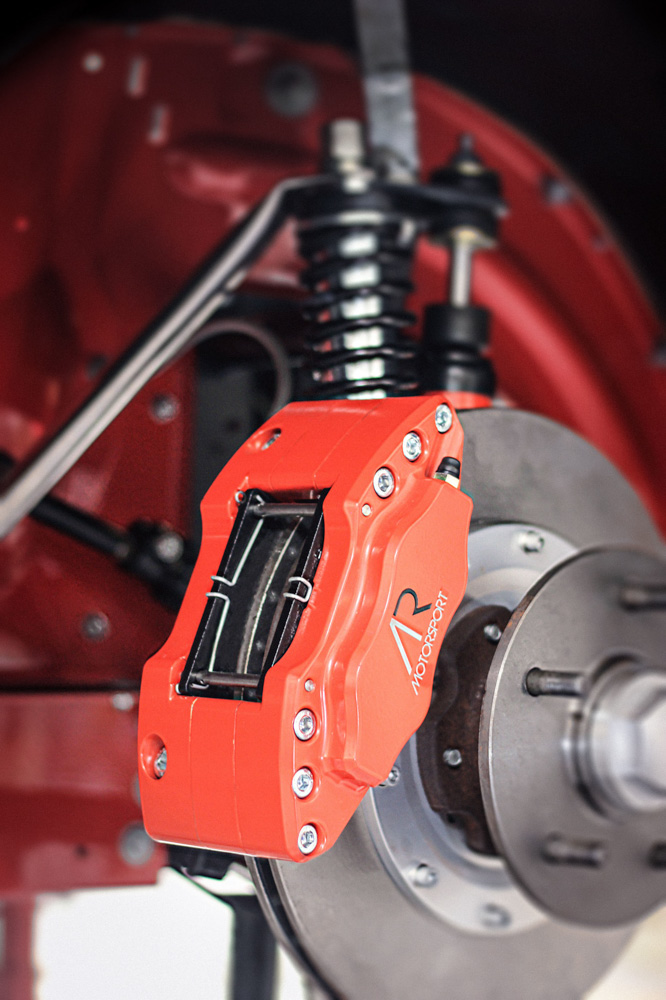
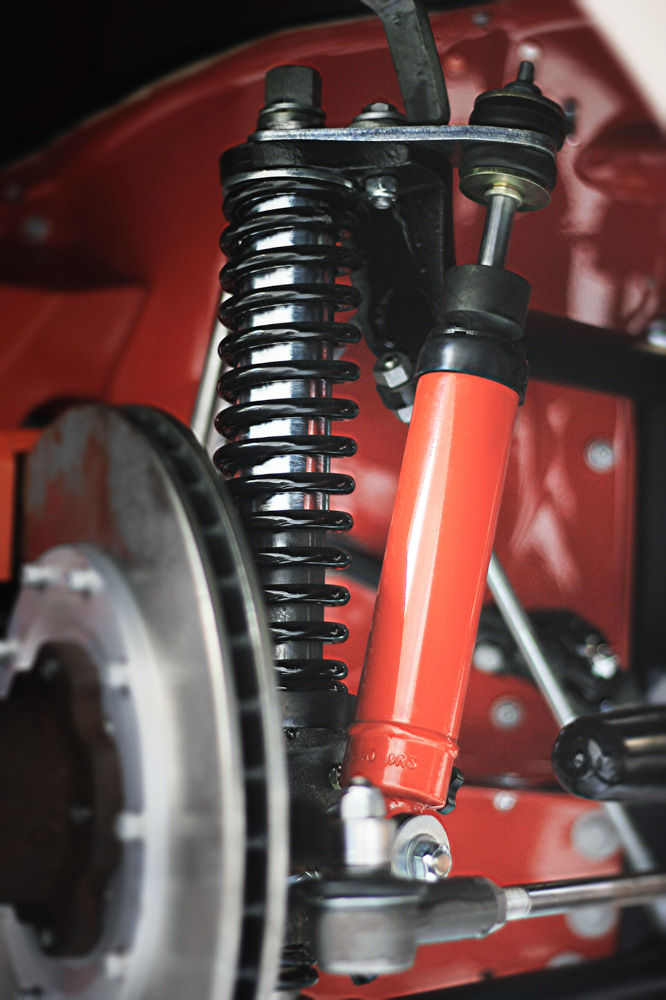
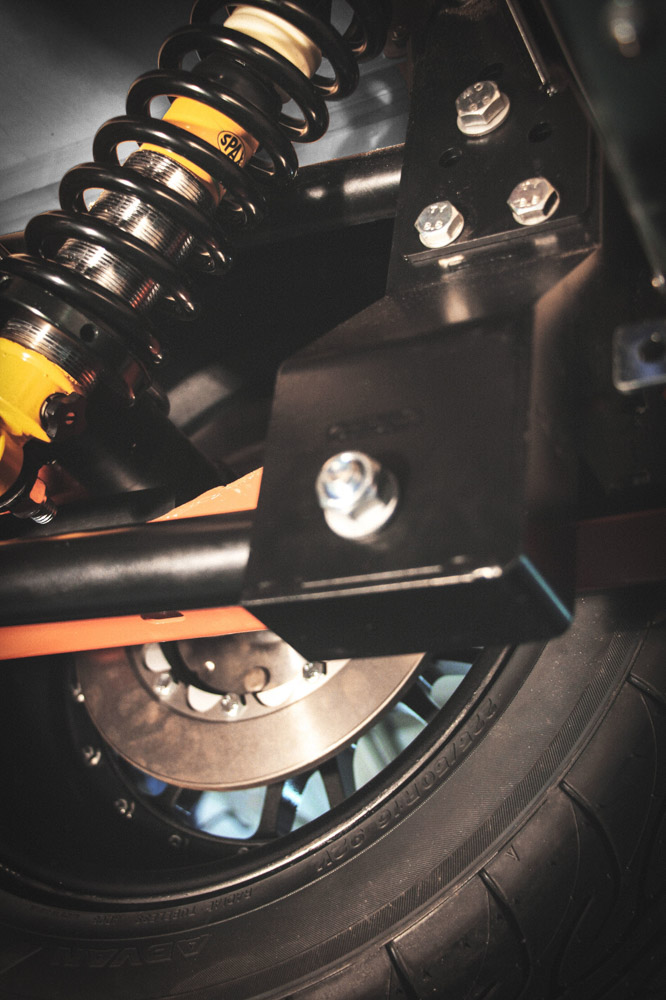
After being fettled with by the renowned engineer team at Cosworth and AP, the ARP4 features a Cosworth-tuned 225hp 2.0-litre engine — a jump of almost 100hp over the standard Morgan Plus 4. An uprated braking set-up, adjustable shock absorbers, and a new five-link rear suspension will aim to keep the spritely ARP4 in check. These features will complement the Morgan’s already energetic chassis, and minimal weight of 927kg.
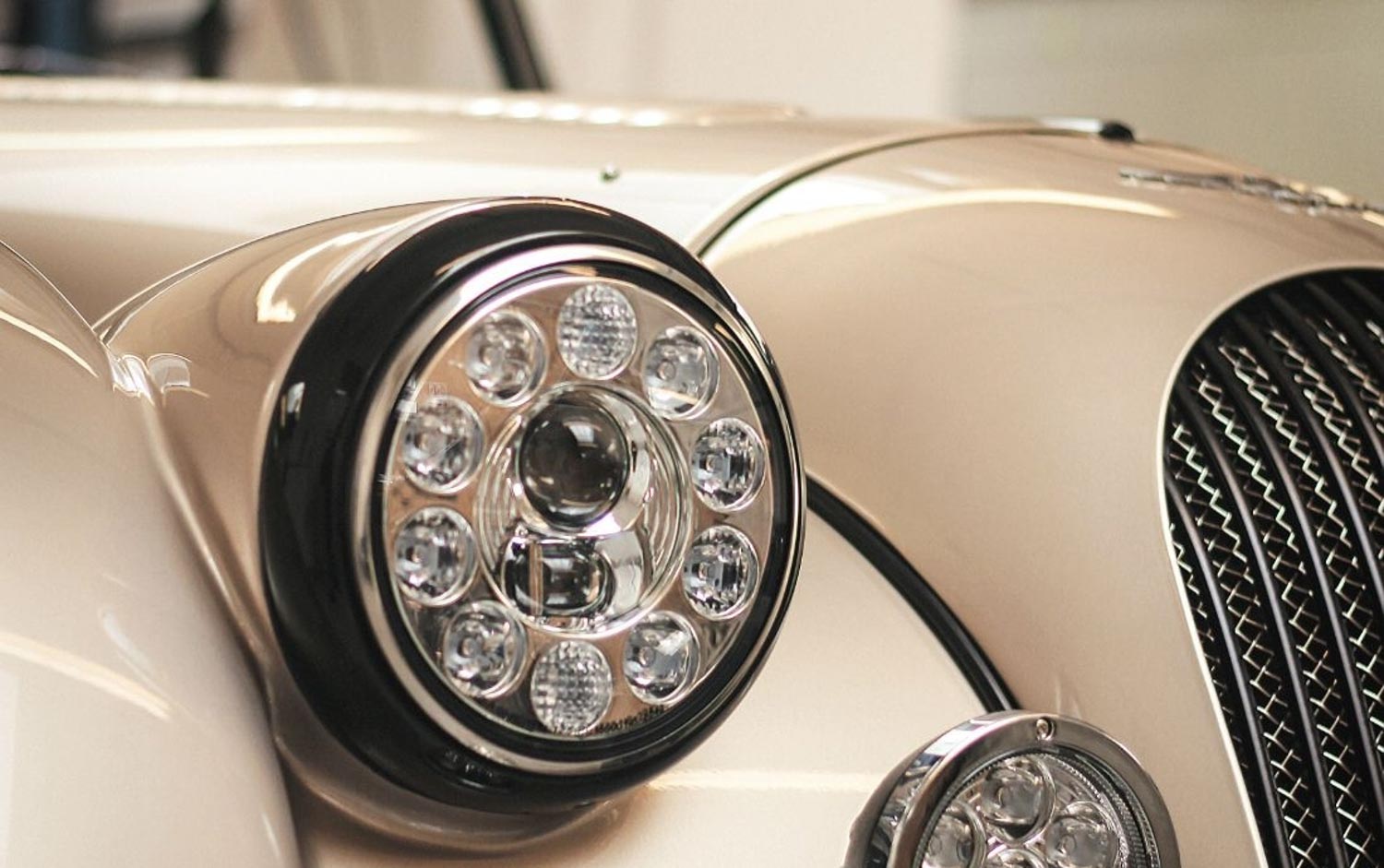
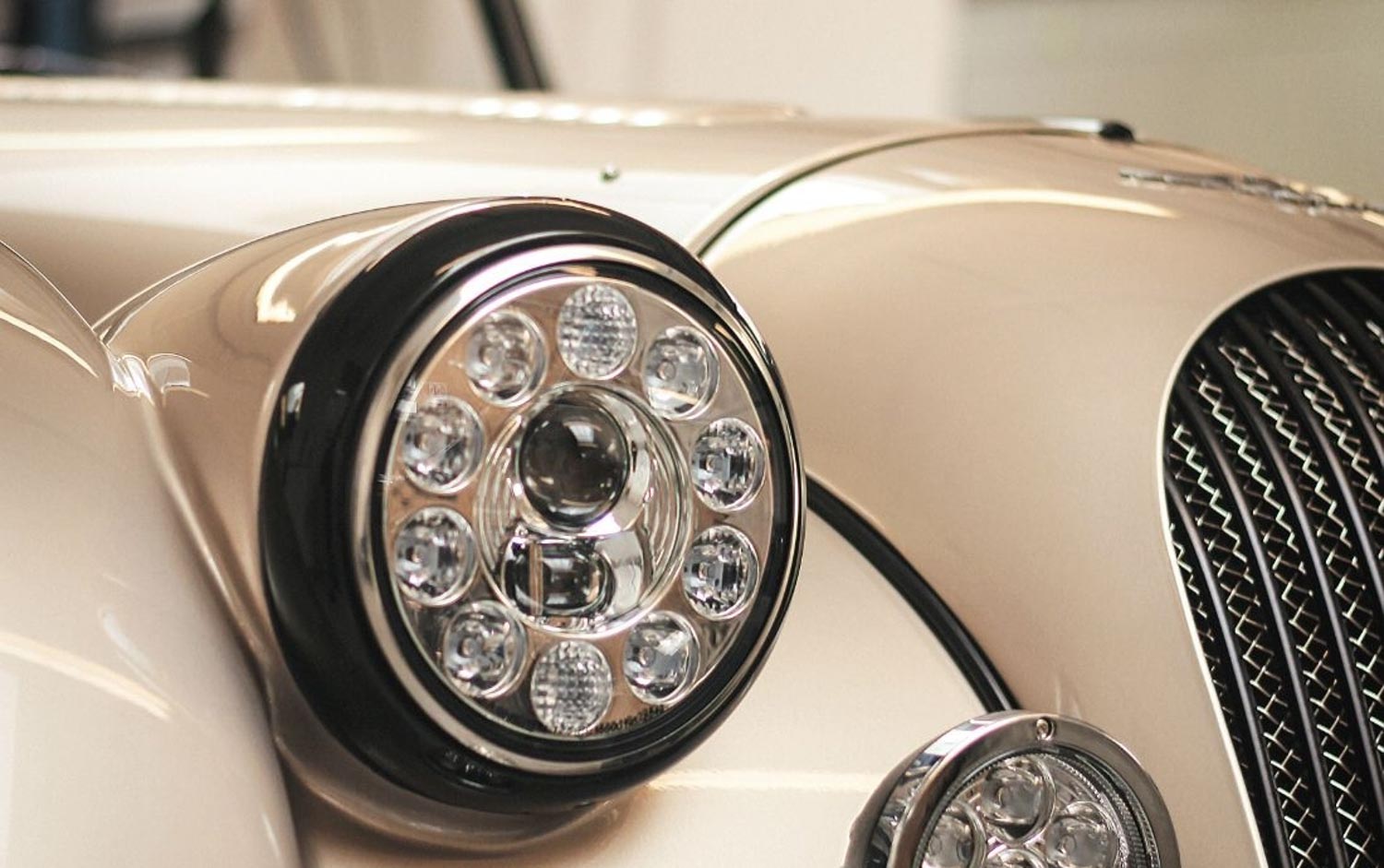
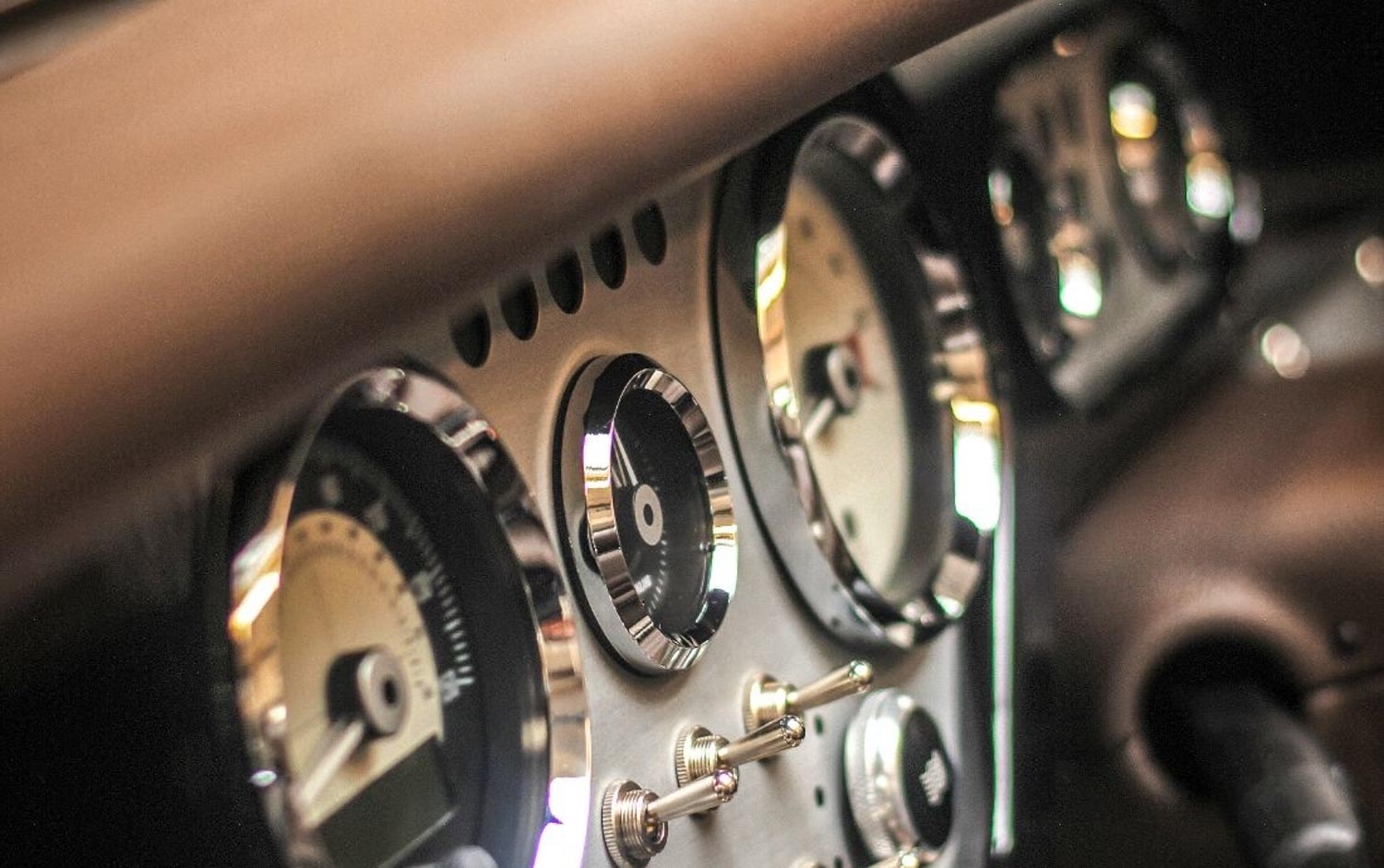
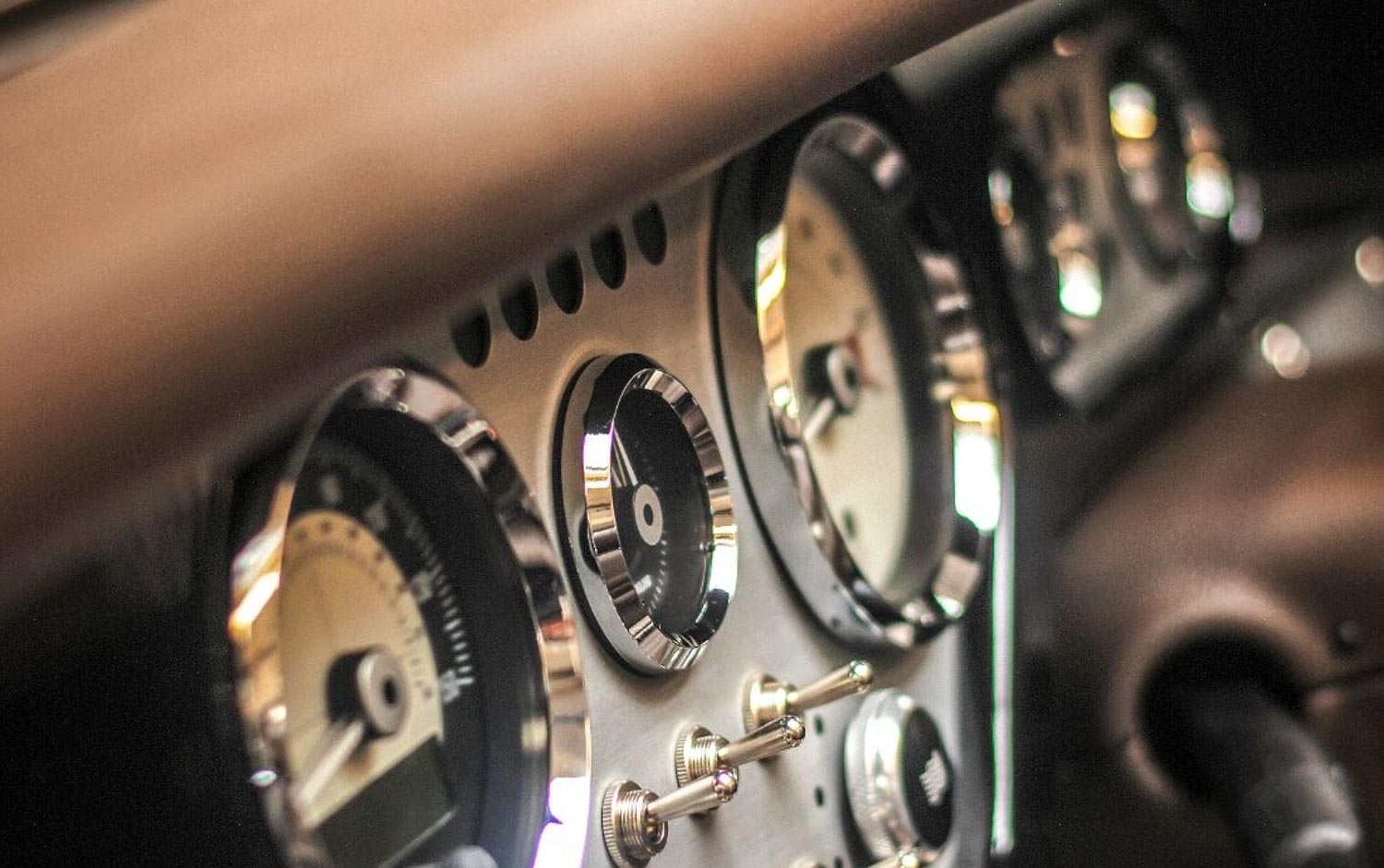
Aesthetic changes to the ARP4 include LED headlights, exposed aluminium elements in the interior, improved soundproofing under the hood, and revised instrument clusters.

Founded in 1910, Morgan is one of the few remaining companies who solely produce handmade vehicles, and the Plus 4 is their most famed platform. Throughout its shelf life, the Plus 4 has been pulled in and out of production on several occasions. But despite some significant changes in its tenure, the Plus 4 looks almost identical to its original iterations
Fittingly, the ARP4 was launched at the 2015 Silverstone Classic in England on July 24–26, an event devoted to historic motor racing. Morgans have always been synonymous with exploits on race tracks, and continue to be associated with them via the popularity of the Plus 4 at track days throughout Europe. 

There will only be 50 examples of the AR P4 built, with pricing starting at £54,995, or NZ$129,599.
Chrysler’s classy cruiser

I first saw our feature car, a 1970 V8-powered Regal 770 hardtop, towing a trailer carrying the tidy Ford Anglia classic racing saloon in Broadspeed racing colours that has featured in these pages. The coupe is comparatively rare here, which means anyone contemplating purchasing one of these big two-doors is sure to see prices continue to climb. The latter Charger has claimed much of the Aussie Chrysler limelight, but the simpler and classier lines of this car, which appeared dated soon after its introduction, now have a more timeless appeal.
Former owner, Balclutha motor engineer, Mike Verdoner, remembers the car well. He believes it came from Dunedin originally.
“I’m not sure about the car’s history, but I bought it off its owner at Kaitangata. Unusually, it was advertised in the local newspaper, the Clutha Leader, which was a surprise as these usually go for a lot more money on the internet. I had it for quite a few years. It needed a little bit of work to tidy it up, so I had to decide whether to spend the money on it to do it up, which could have been twenty grand. Its value at the time was not like it is now, so I sold it to Ewan. It’s probably now worth three or four times what I sold it for.”

The Pininfarina 230 SL

It’s October 1964, and imagine you’re an automotive journalist covering that year’s Paris Auto Show (Mondial de l’Automobile). As you approach the Pininfarina booth, you come across a car that looks a bit like the Mercedes-Benz 230 SL introduced the previous year at the Geneva Auto Show, a car then arriving at Mercedes-Benz dealerships around the world.
But looking closely, its styling and proportions seem to be a bit different. And it has a fixed roof, unlike the Pagoda-style greenhouse of the removable hardtop seen on the production 230 SL. While today, the styling of the W113, under the supervision of Head of Styling Friedrich Geiger, with lead designers Paul Bracq and Bela Barenyi, is considered a mid-century modern masterpiece, acceptance in-period was not universal. Some critics called out the concave design of its removable roof, which ultimately gave the car its “Pagoda” nickname.