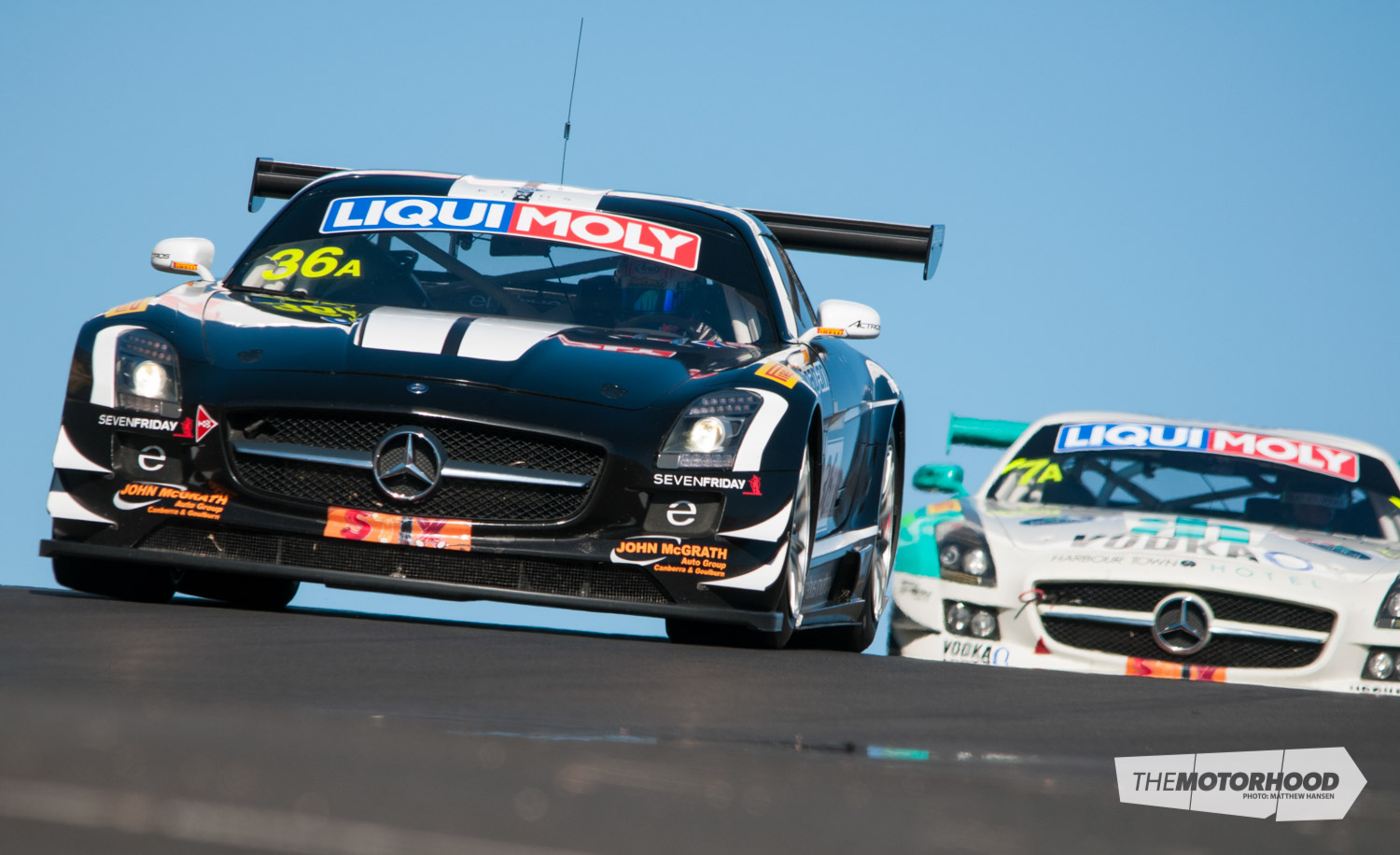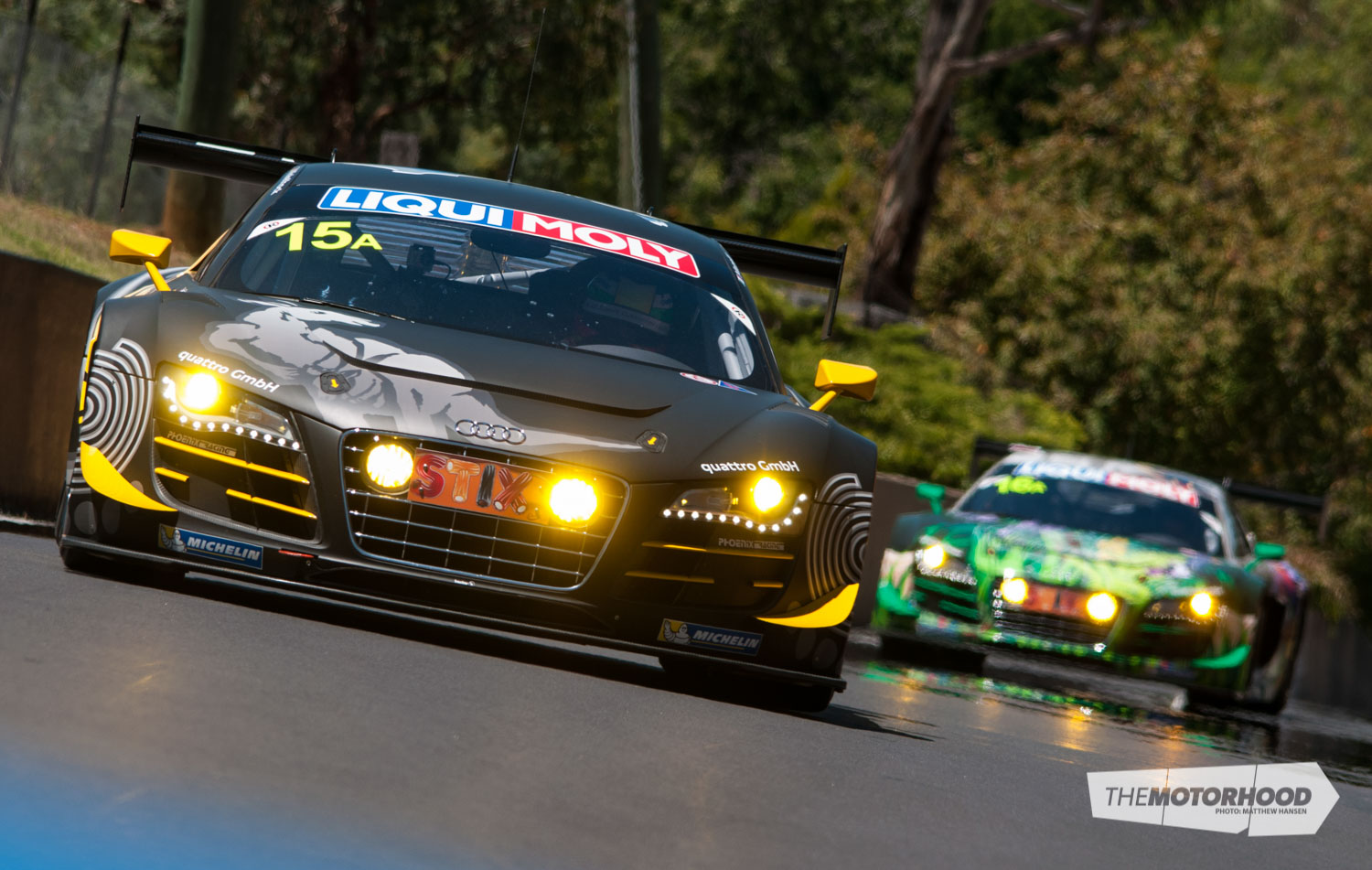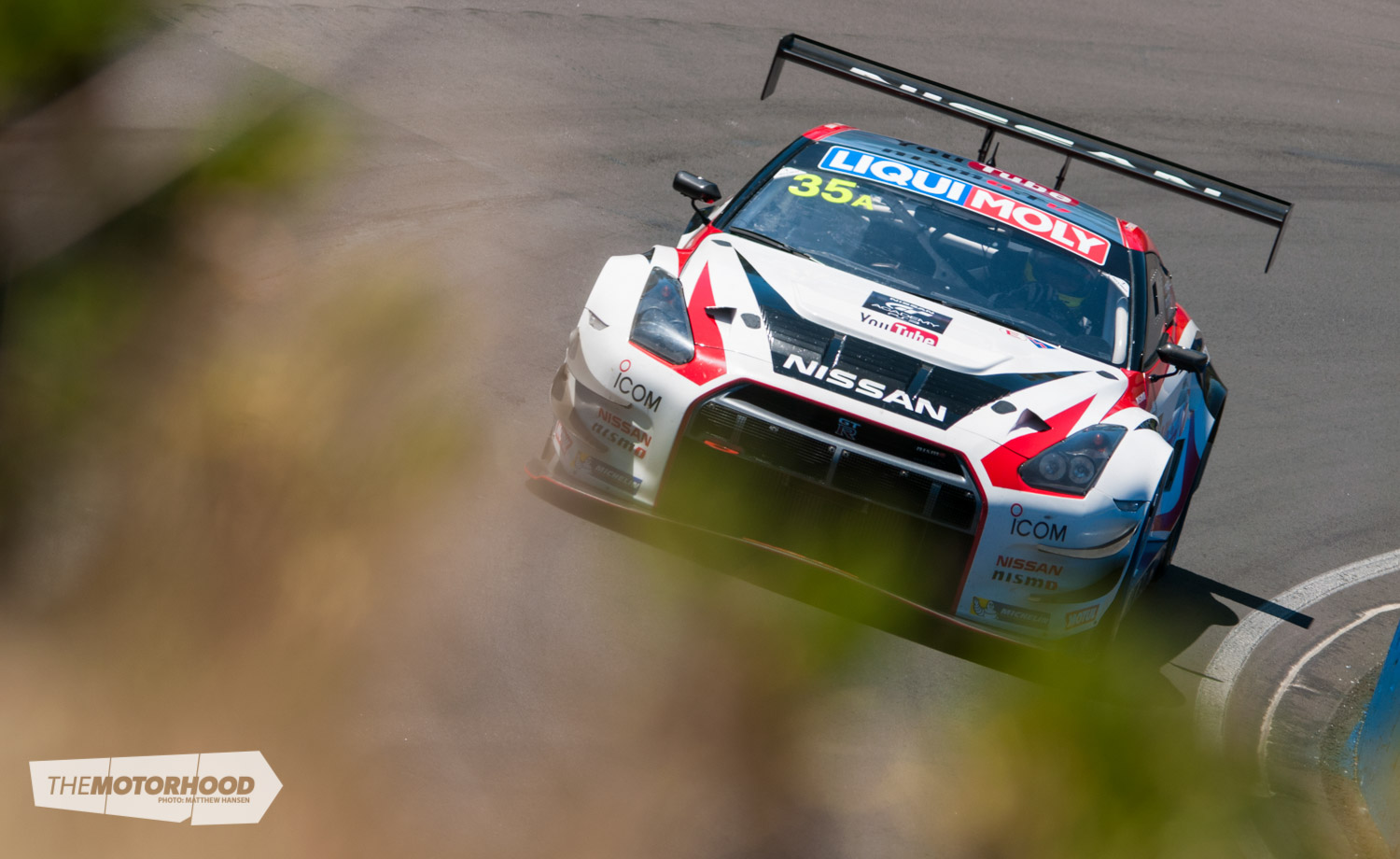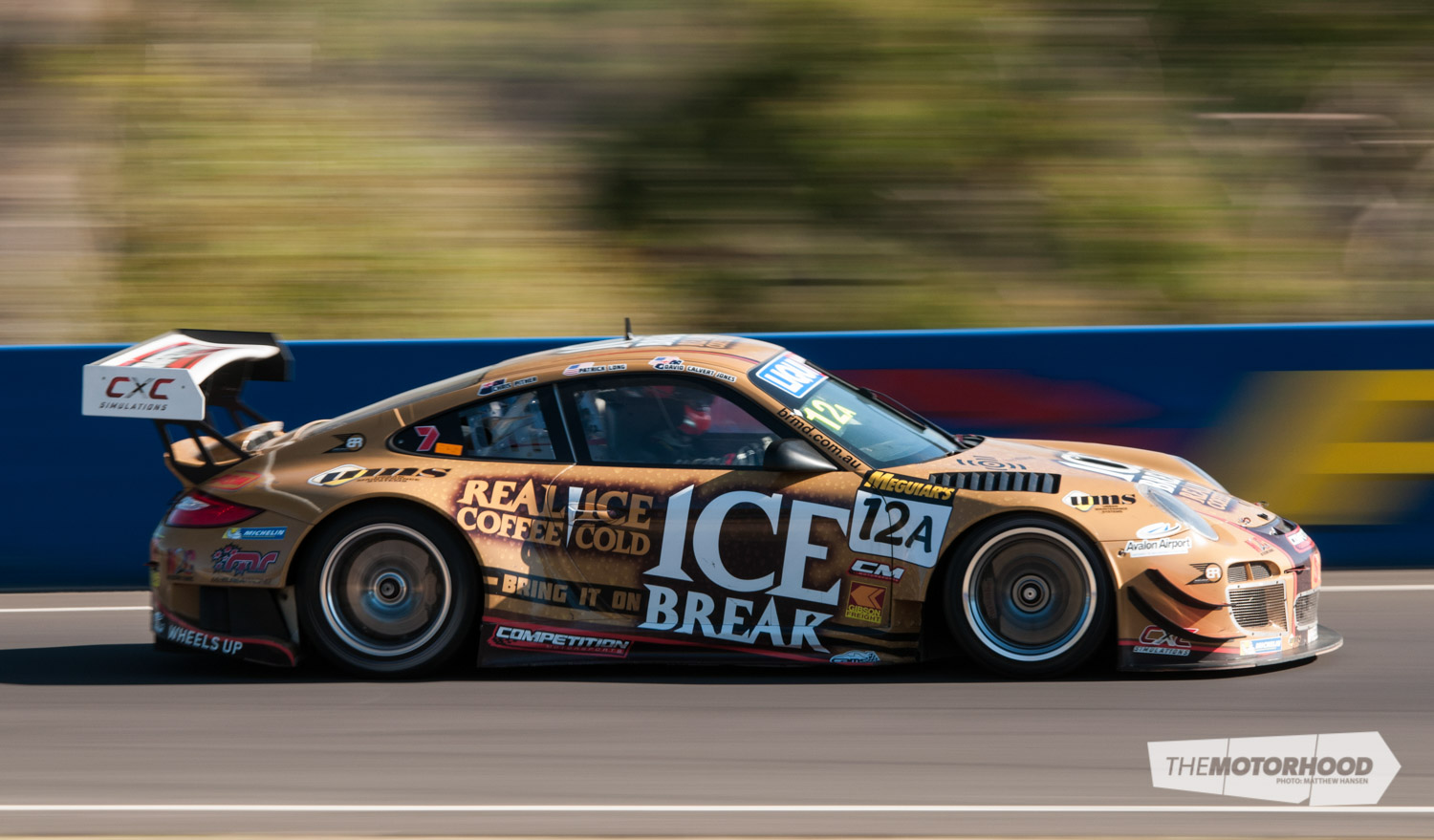
The Australian GT championship is set to include a two-round tour of New Zealand in 2016’s series calendar, attending both the upgraded Hampton Downs Raceway in Waikato, and Highlands Motorsport Park in Cromwell, near Queenstown. The New Zealand events will be part of a 2016 endurance championship, which may also include the Liqui-Moly Bathurst 12 Hour — although this is yet to be confirmed.
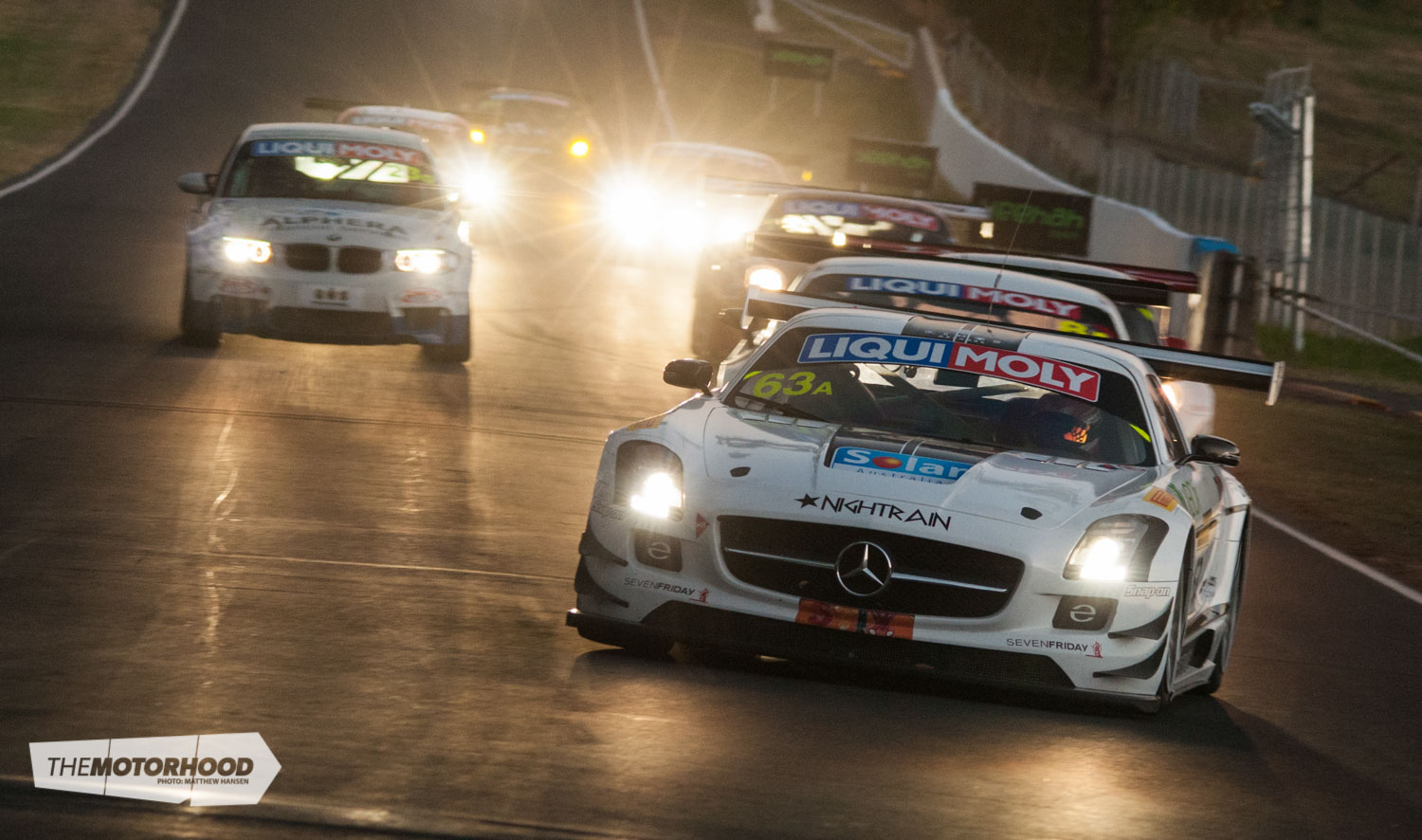
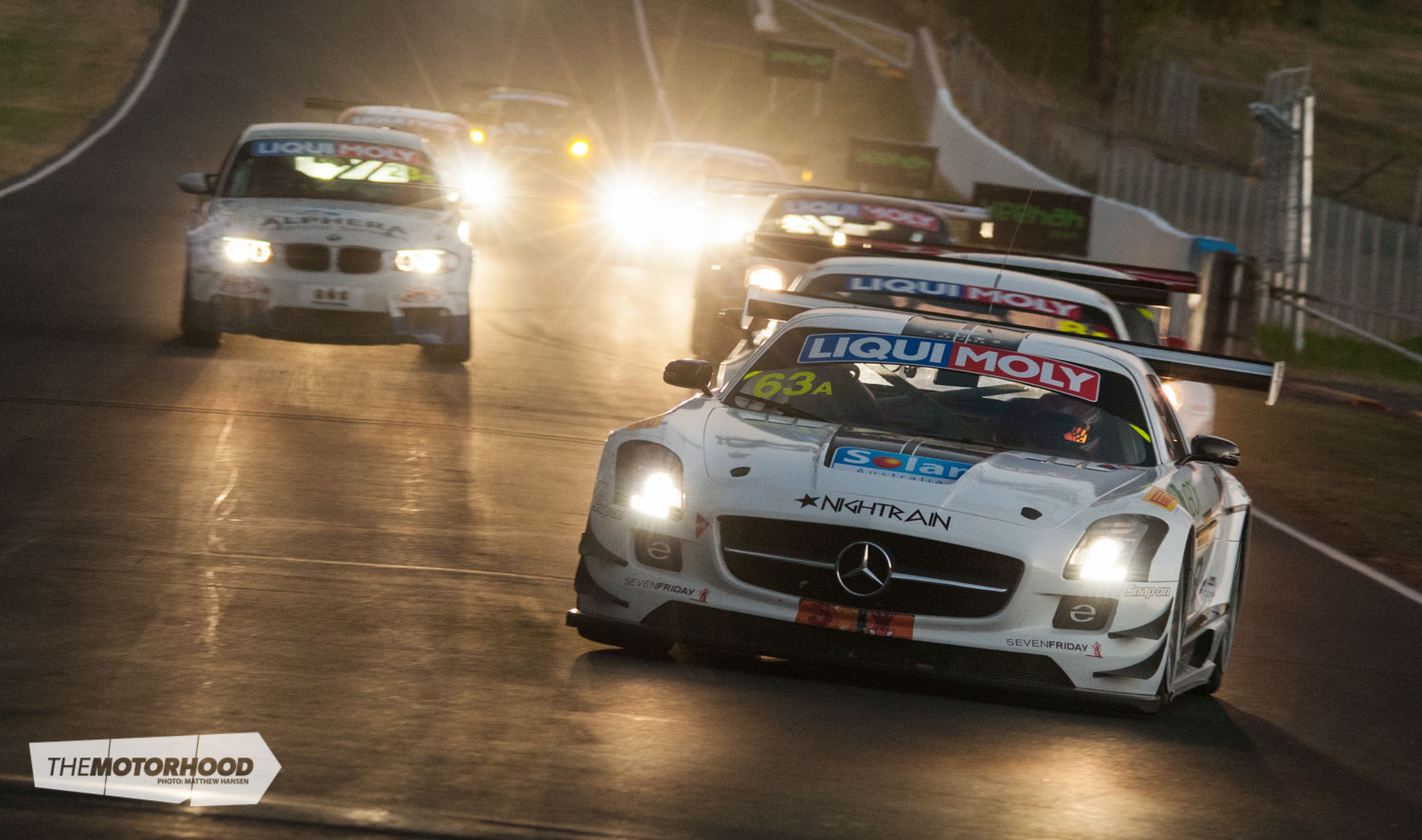
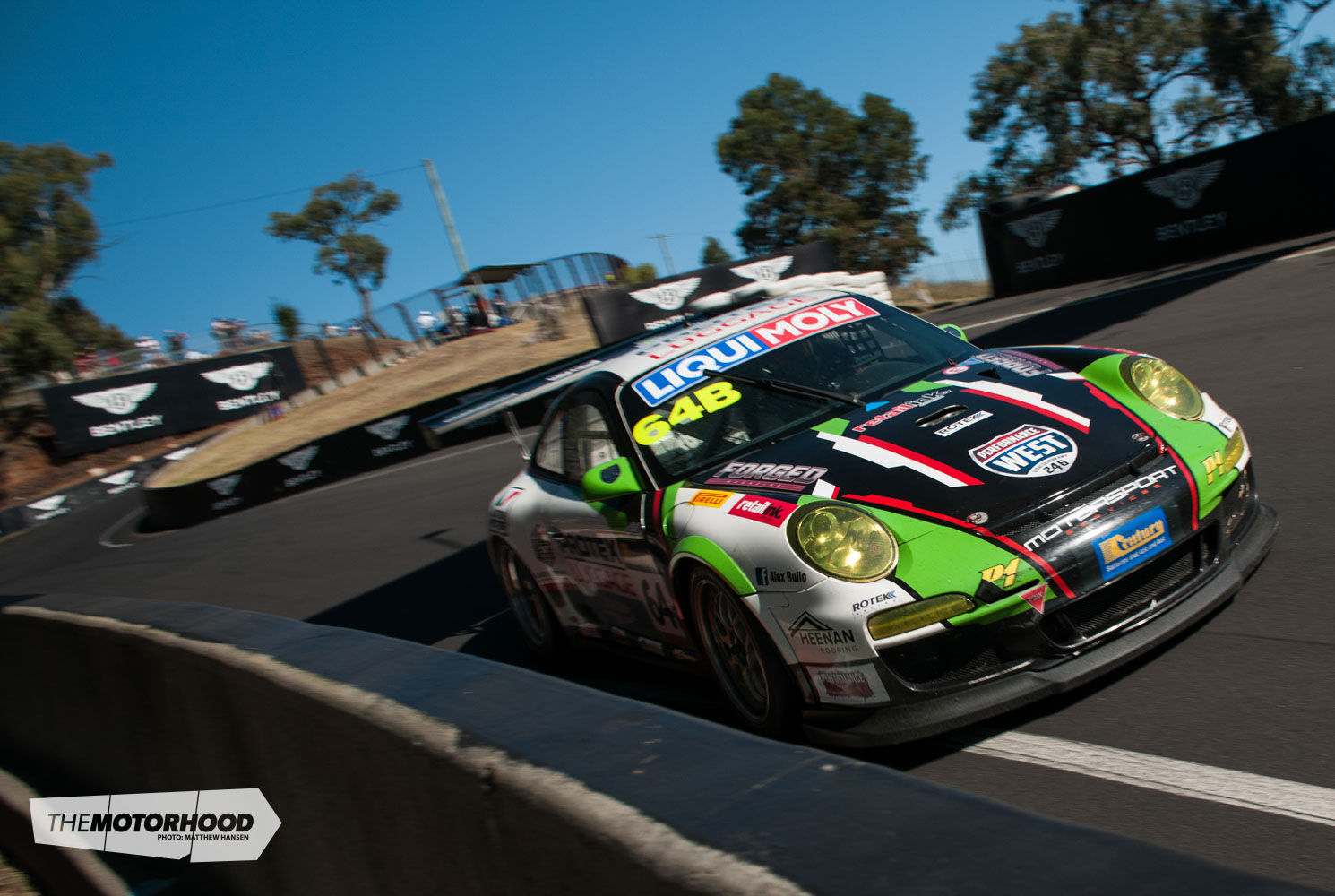
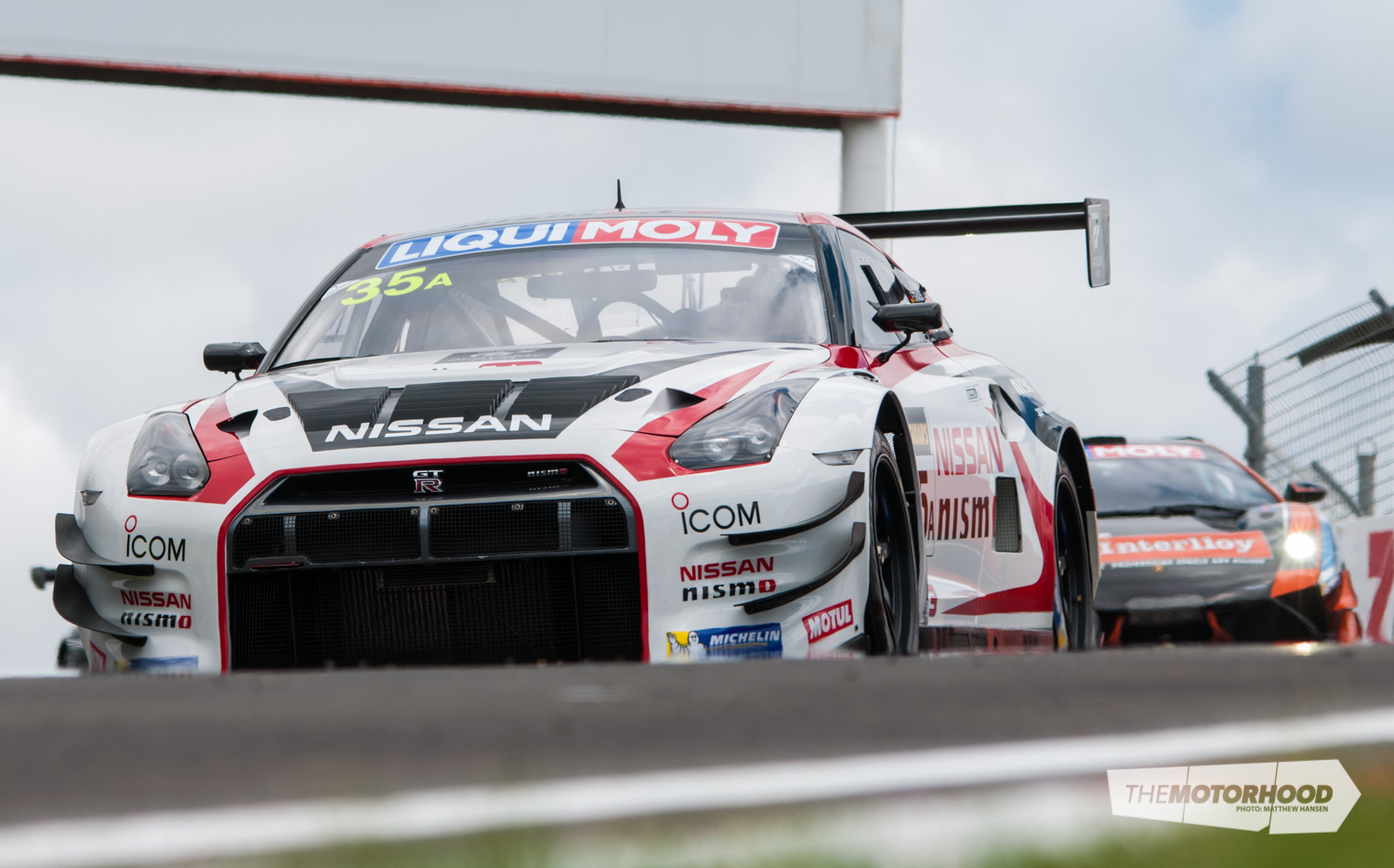
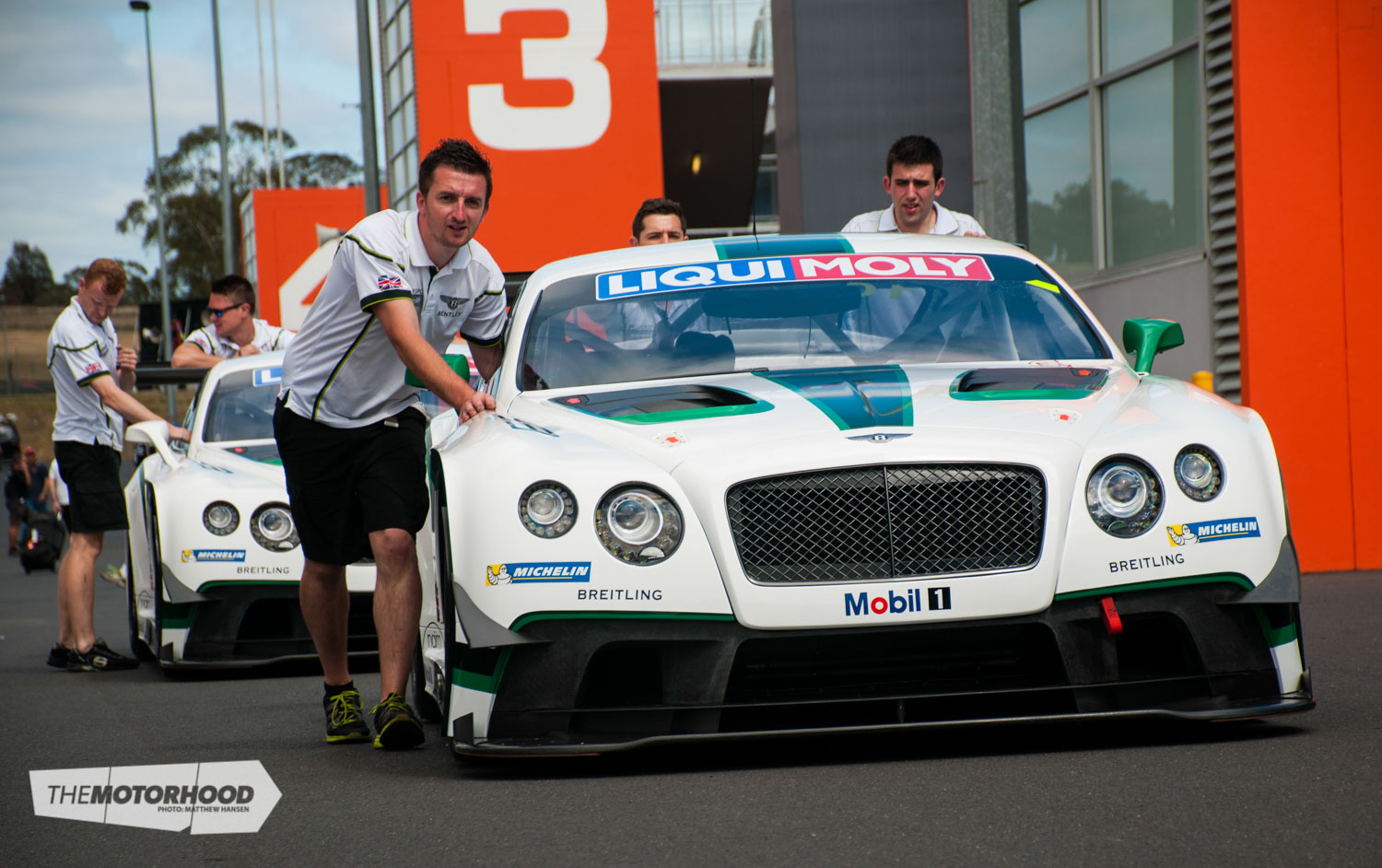
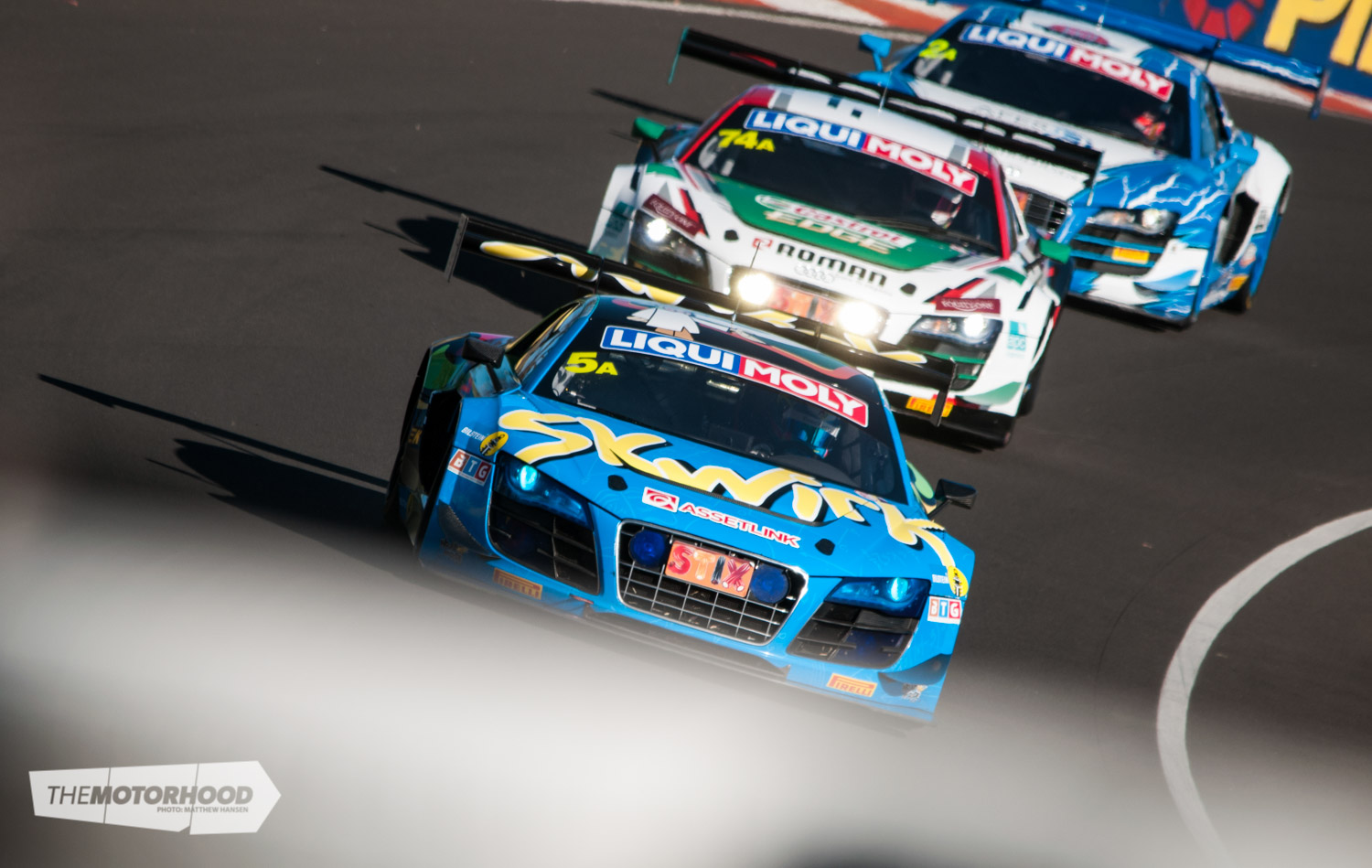
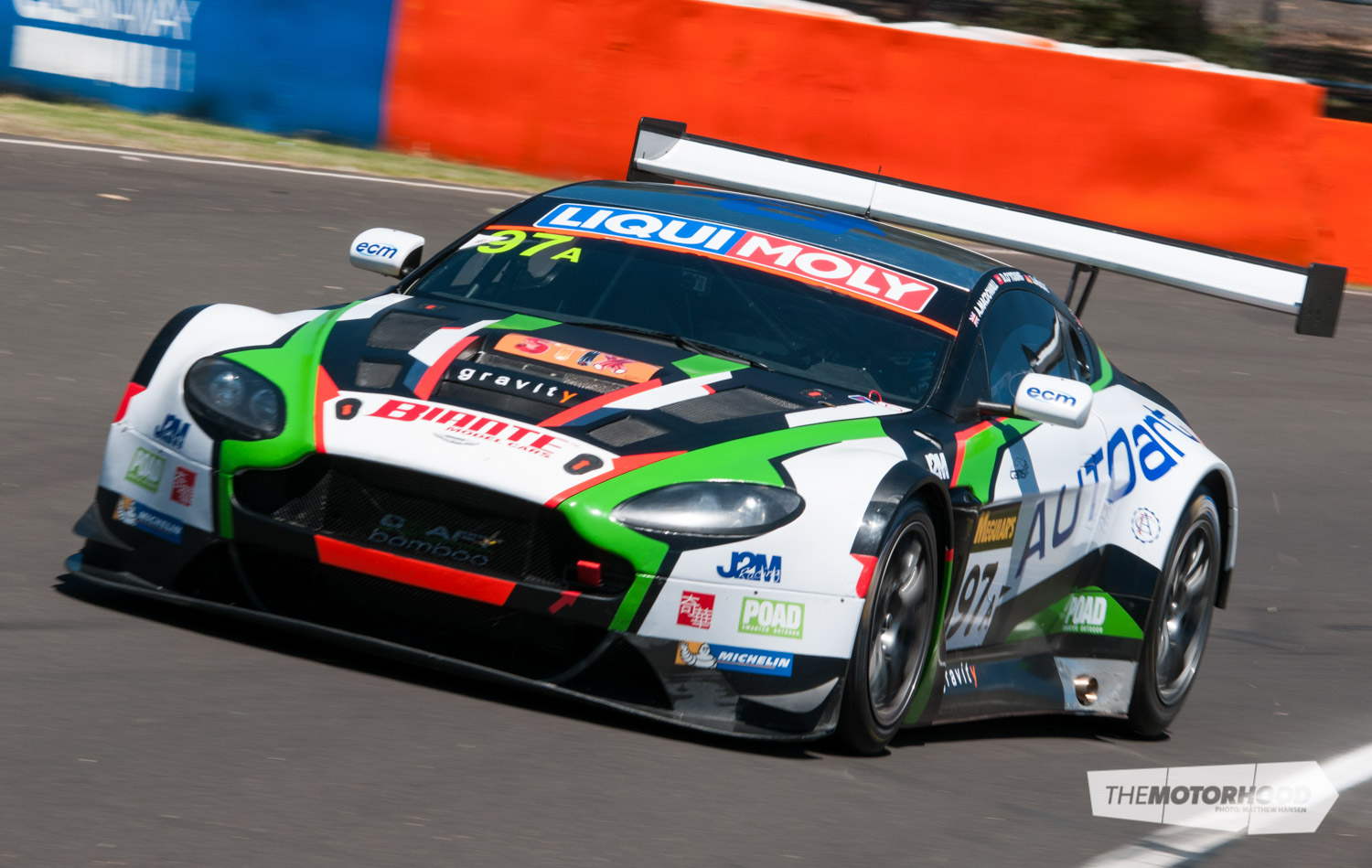
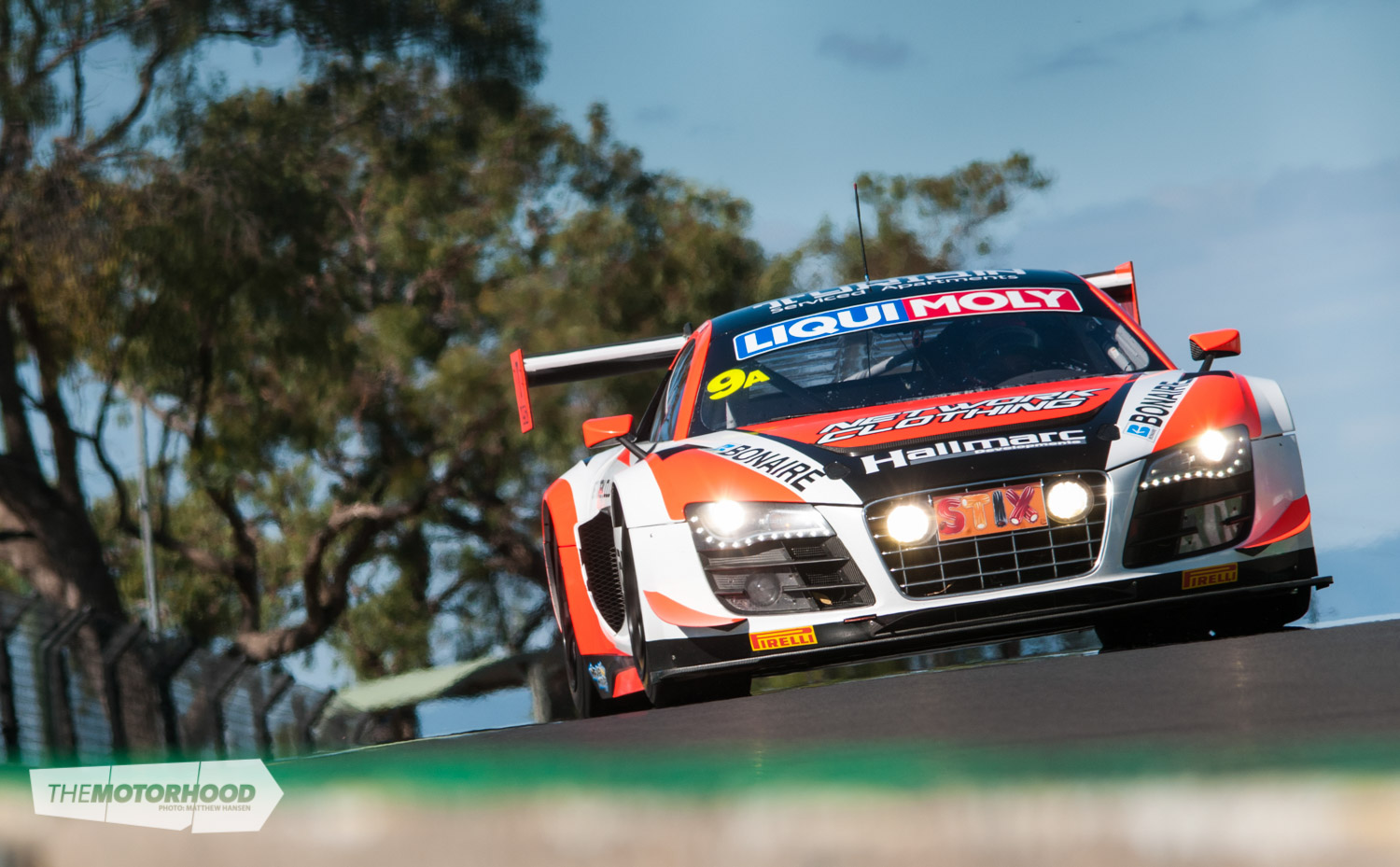
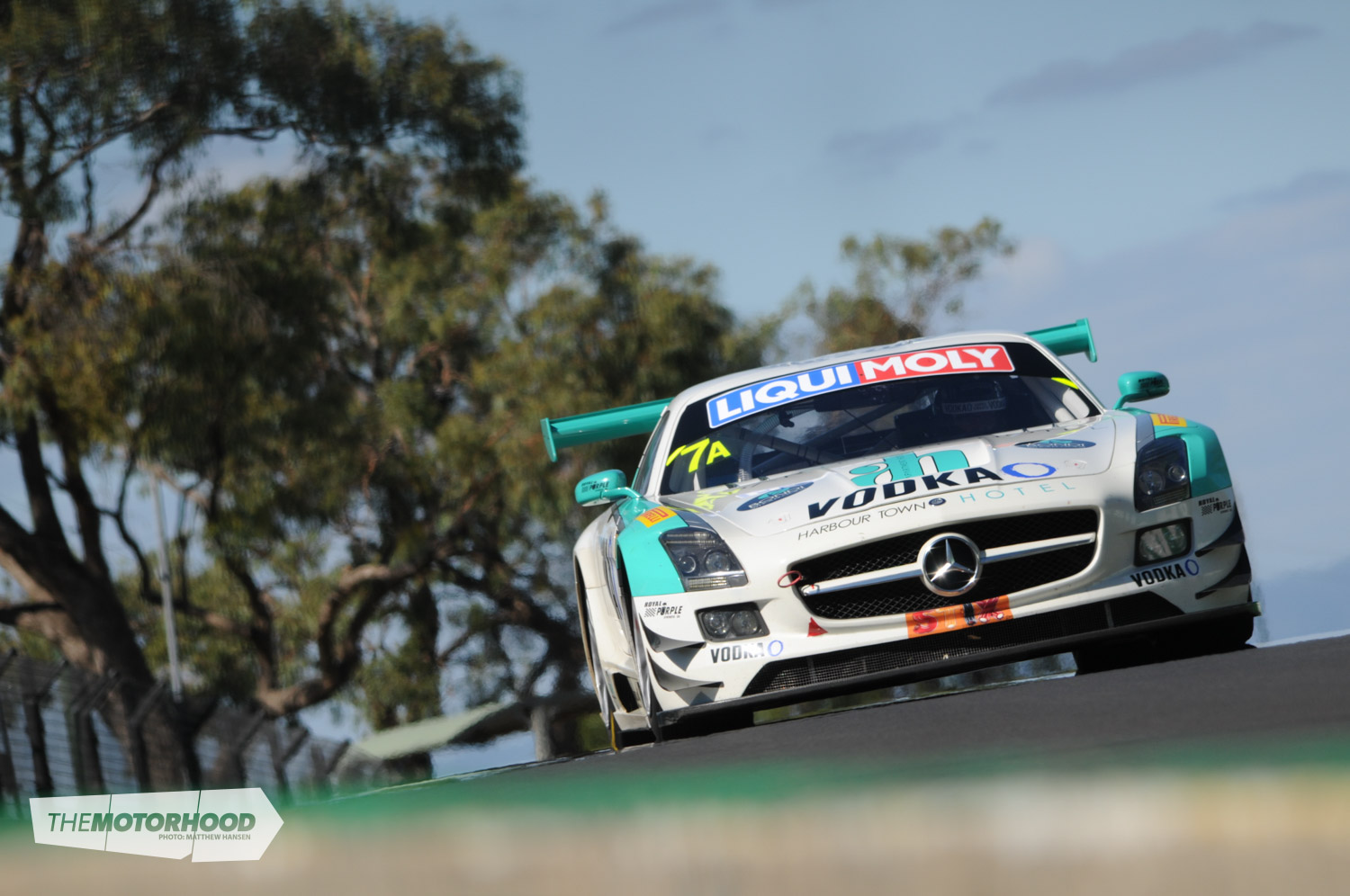
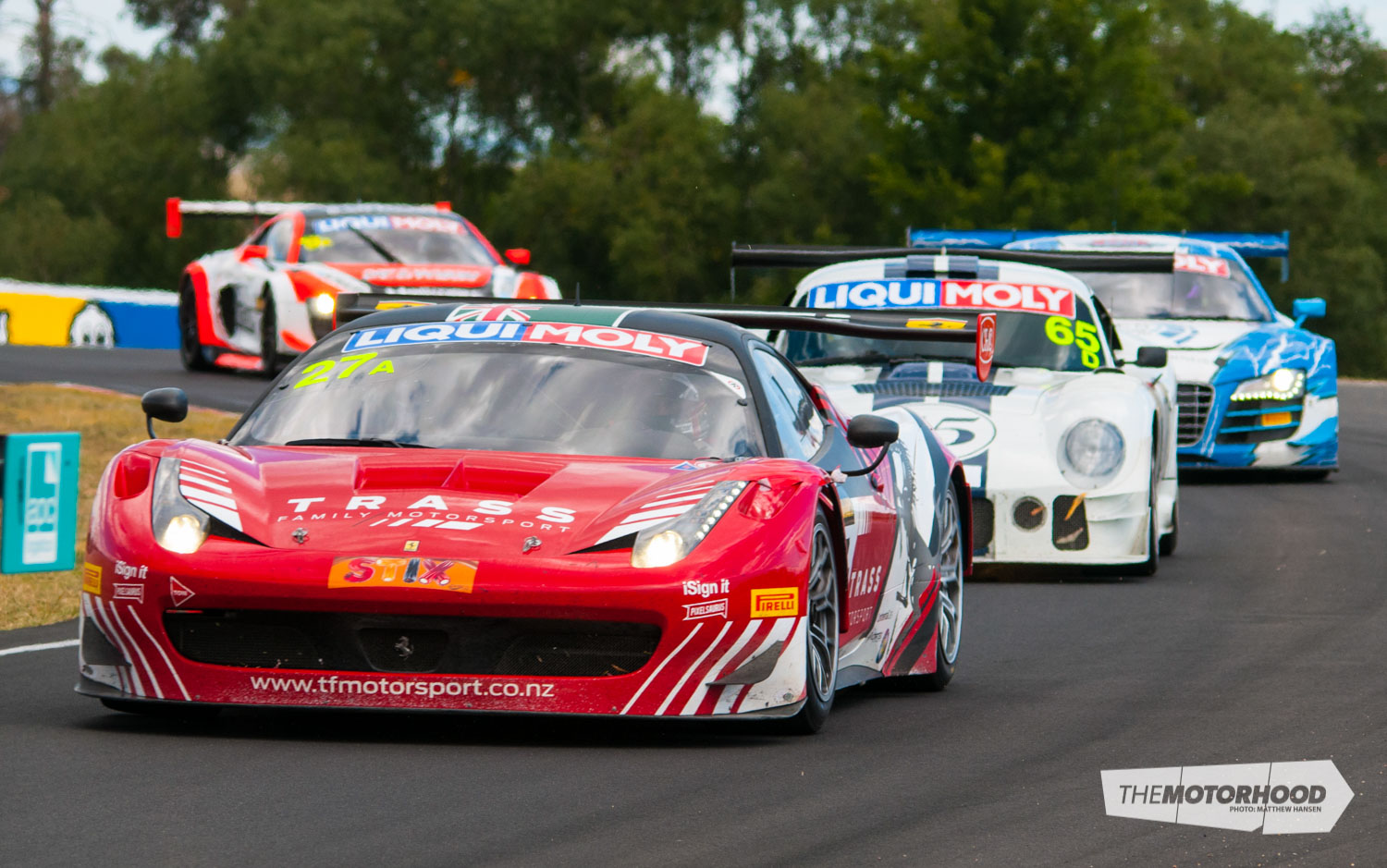
Based around the international GT3 formula, which includes some of the hottest race cars in the world from Ferrari, Lamborghini, Aston Martin, and Mercedes-Benz, the series has experienced massive growth over the last few seasons.
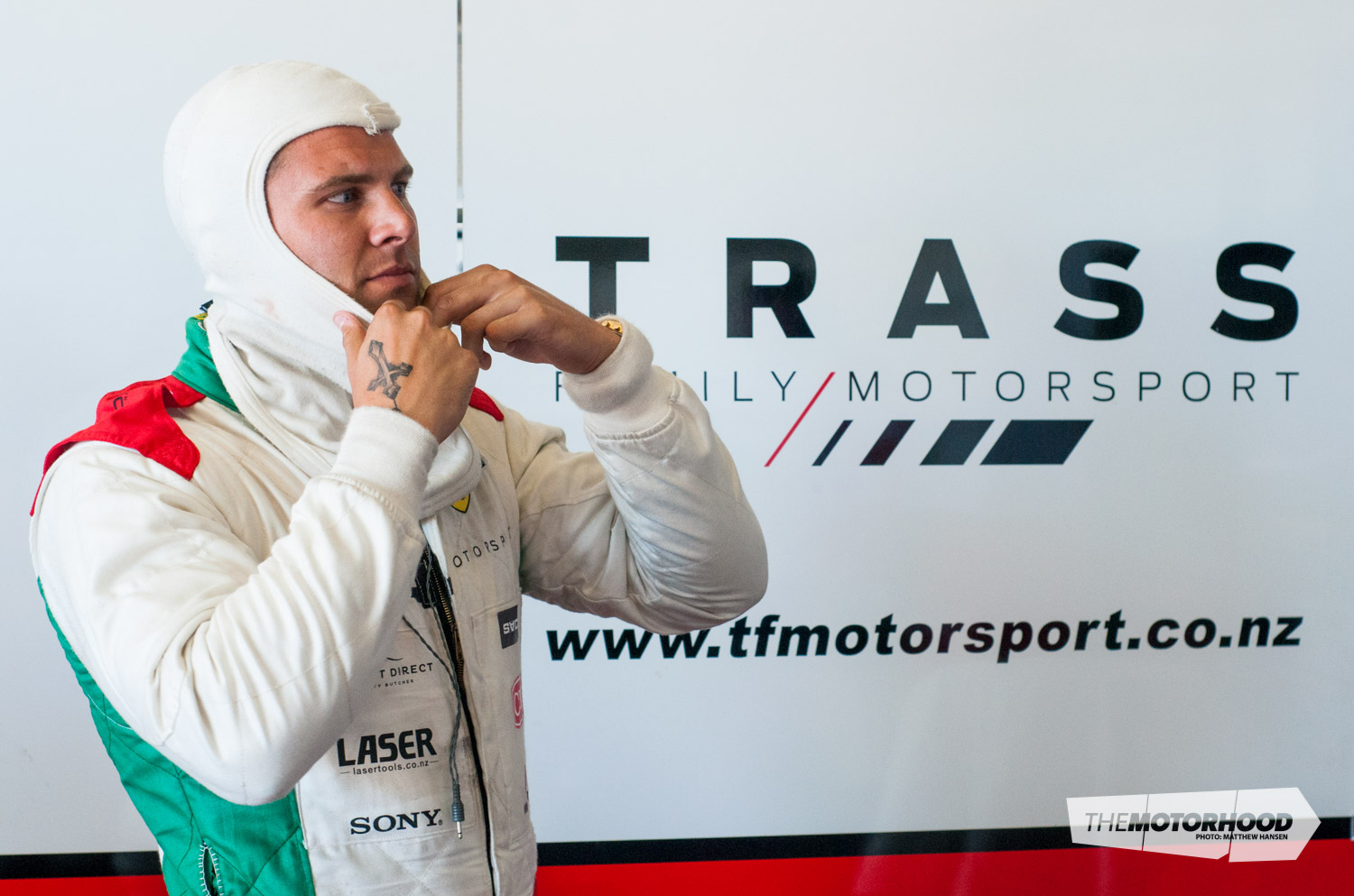
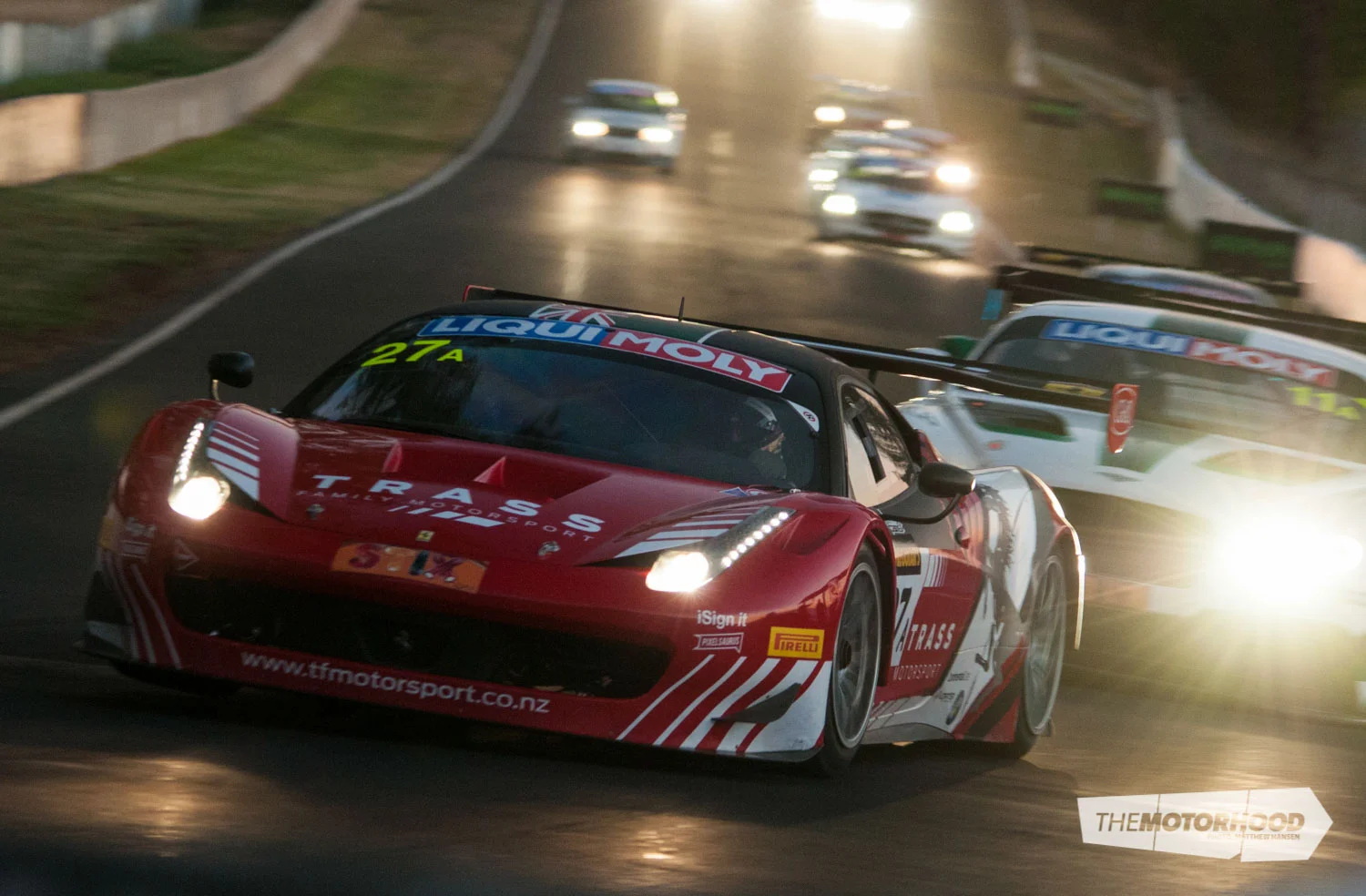
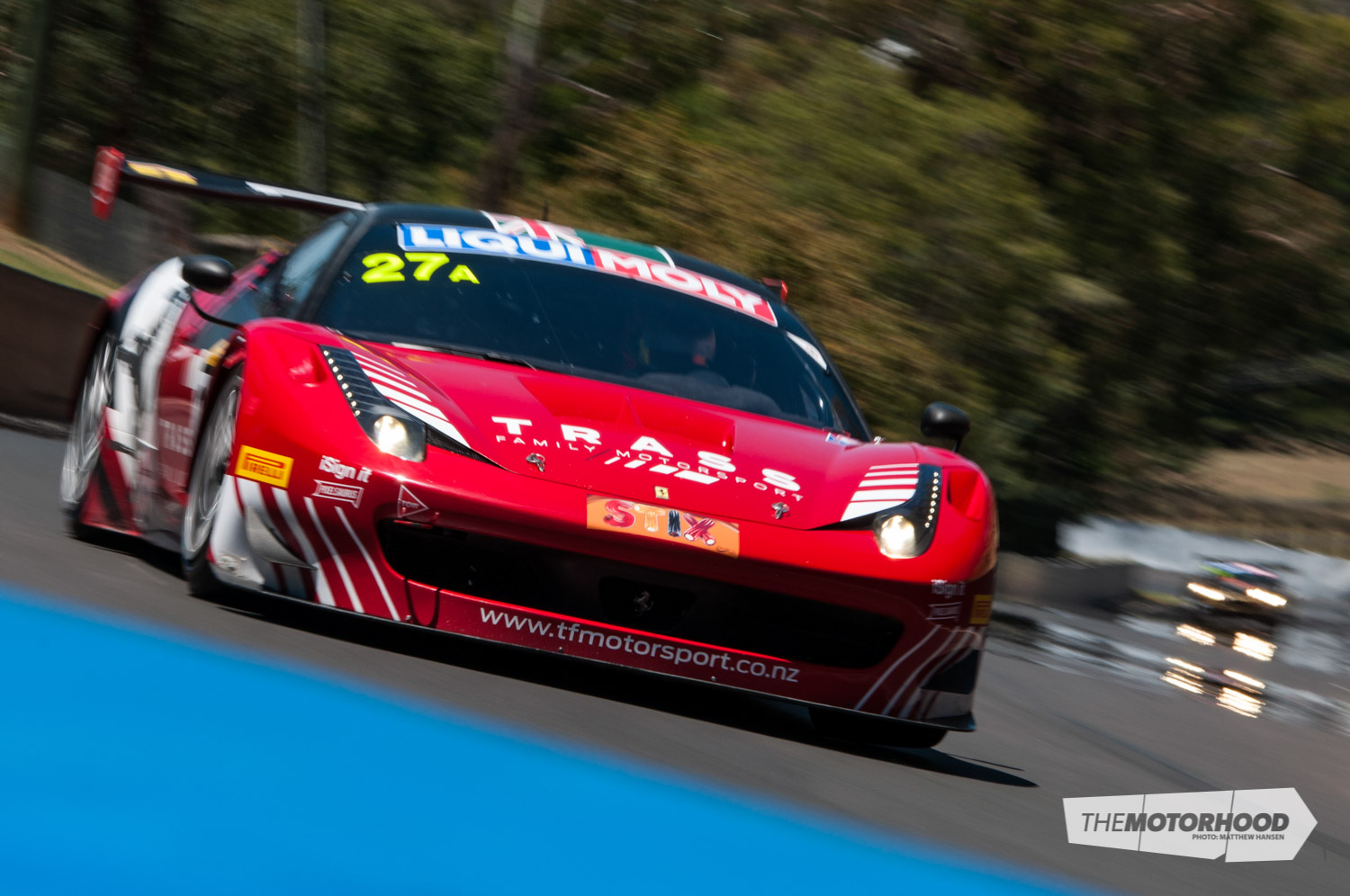
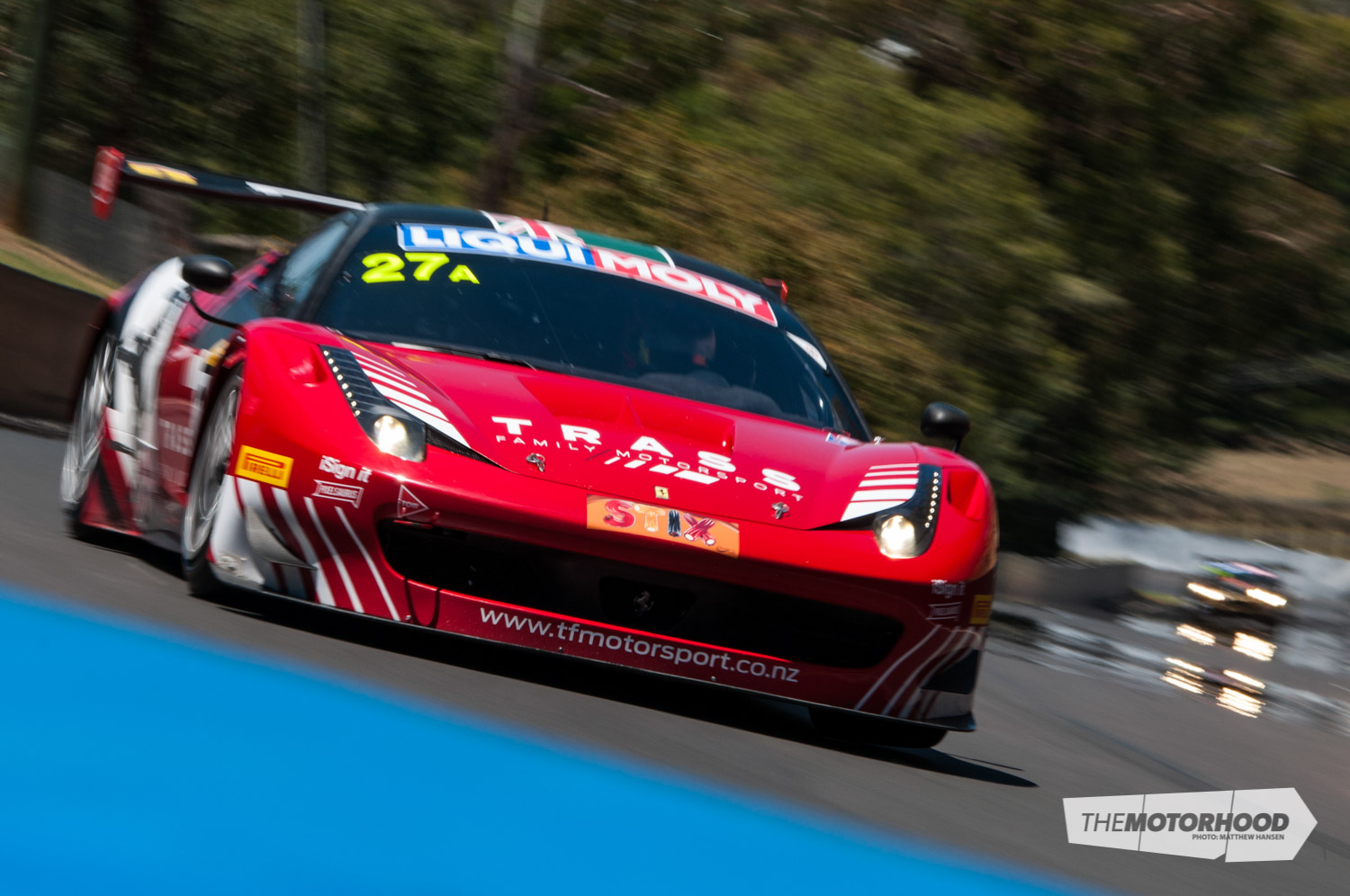
Among those to join the class during this period is New Zealand’s Trass Family Motorsport (TFM) Ferrari outfit. Though they’re yet to take a win, their drivers Graeme Smyth and Jono Lester have been ultra competitive — Lester having claimed pole position at all three rounds of the 2015 series so far.
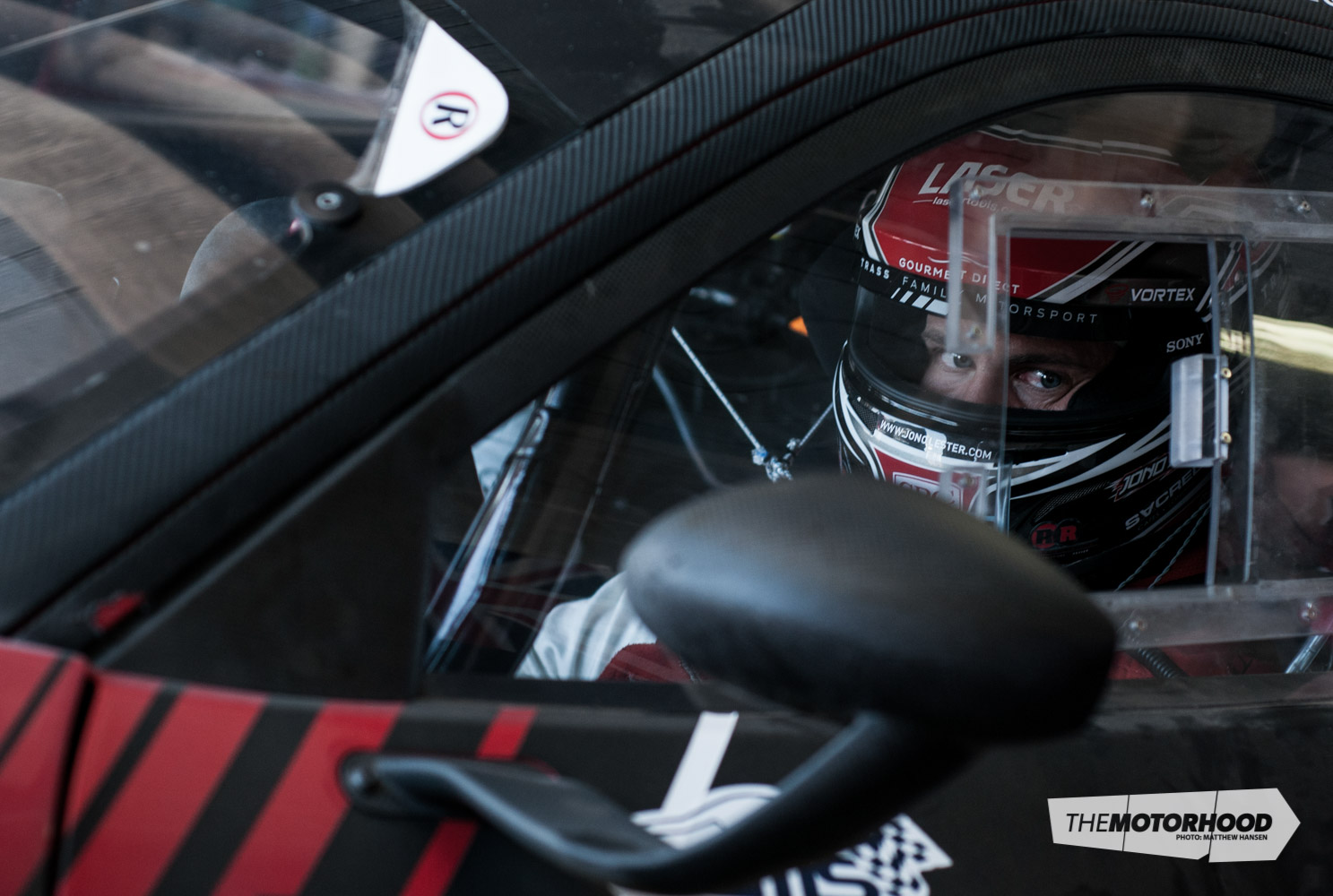
Speaking to The Motorhood, Lester confirmed his excitement in adding more Kiwi miles to the calendar.
“The addition of a second Australian GT event in New Zealand means a number of things. Firstly, that the GT3 concept is being pushed and being noticed here, which is fantastic news. Secondly, it’s a wise move from TQ [Tony Quinn], as the most logical location to showcase the series to the public is in the Auckland region,” said Lester.
“It’s eyeballs, bums on seats, and media-friendly, while the picturesque Highlands circuit adds the glamour and sex appeal of a beautiful region of New Zealand. Two rounds in two weeks will be welcomed by the series competitors, and gives our Kiwi TFM team two bites of the cherry to race on home soil, which is great!”
But while GT racing has seen a revival of sorts in recent years, Lester is conscious about the need for the class to be patient in trying to achieve the kinds of crowds and following that the V8 Supercars series enjoys.
“We as a category have to be patient and understand that the V8 culture is still alive and strong, but the movement is shifting, and more and more fans are finding something exciting and fresh with GT3 racing and it’s plethora of awesome machines.
“[The class is] a concept that can work here in New Zealand. The money and the interest are here at the moment, but again TQ is a wise man, and won’t dive in head first until he can justify its place and its security in our volatile racing landscape.”
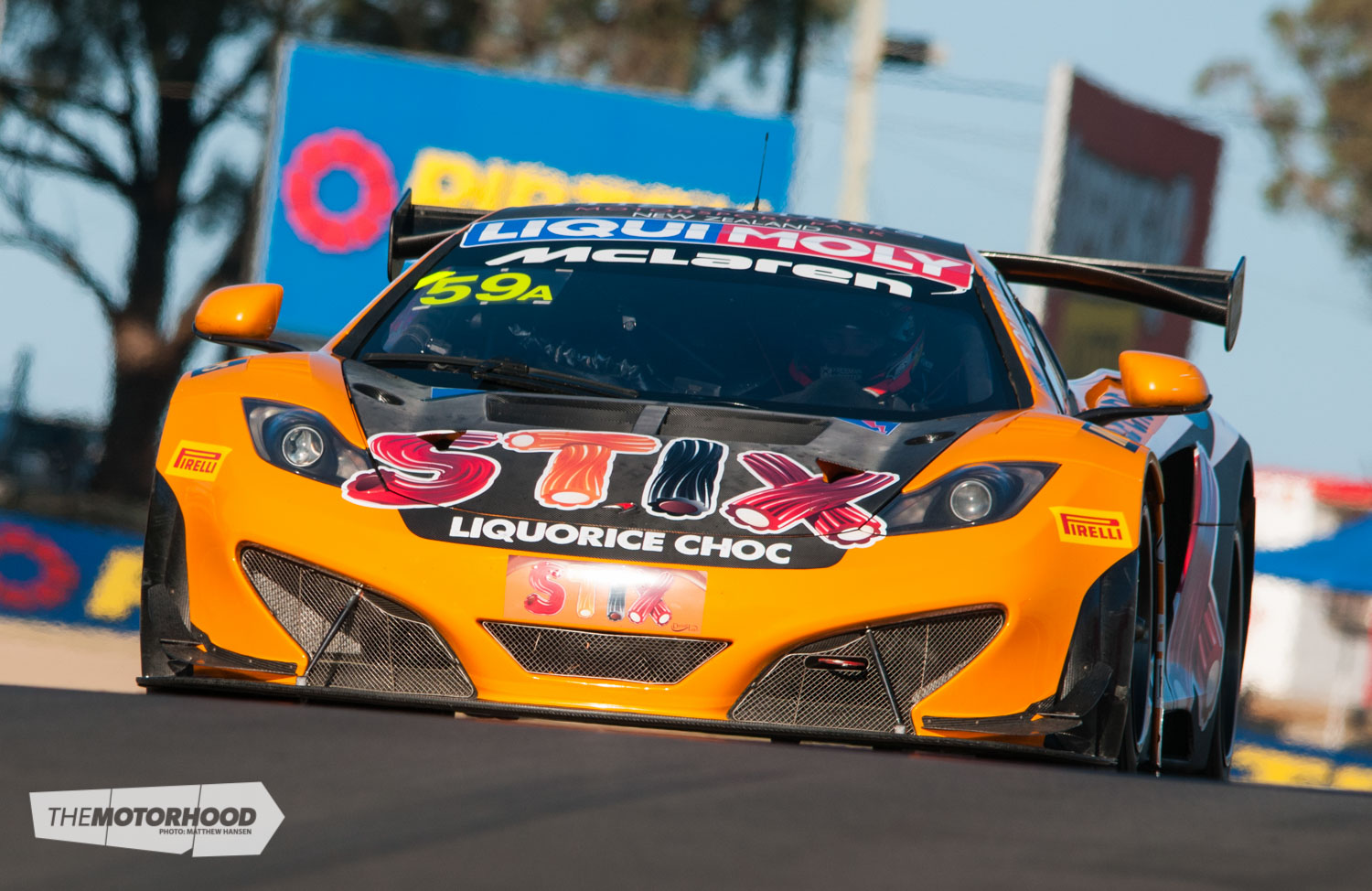
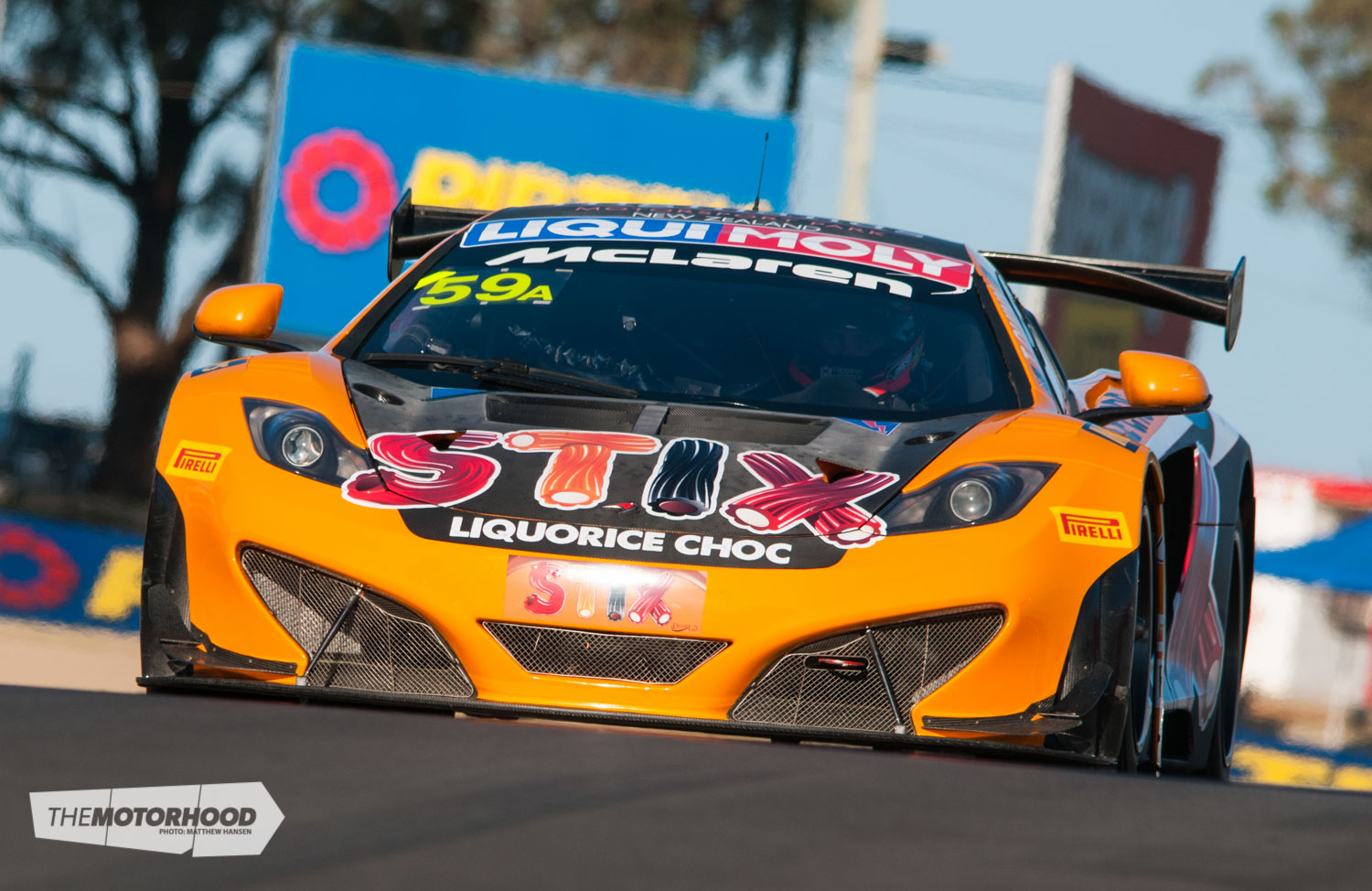
The move to increase the amount of events in New Zealand comes off the back of Tony Quinn’s purchase of Hampton Downs Raceway earlier in 2015. Quinn also competes in the Australian GT series, currently leading the championship standings in his McLaren 650S GT3. NZ Performance Car magazine recently sat down with Quinn for an exclusive interview. Be sure to check it out in Issue No. 225, which will be on sale soon.
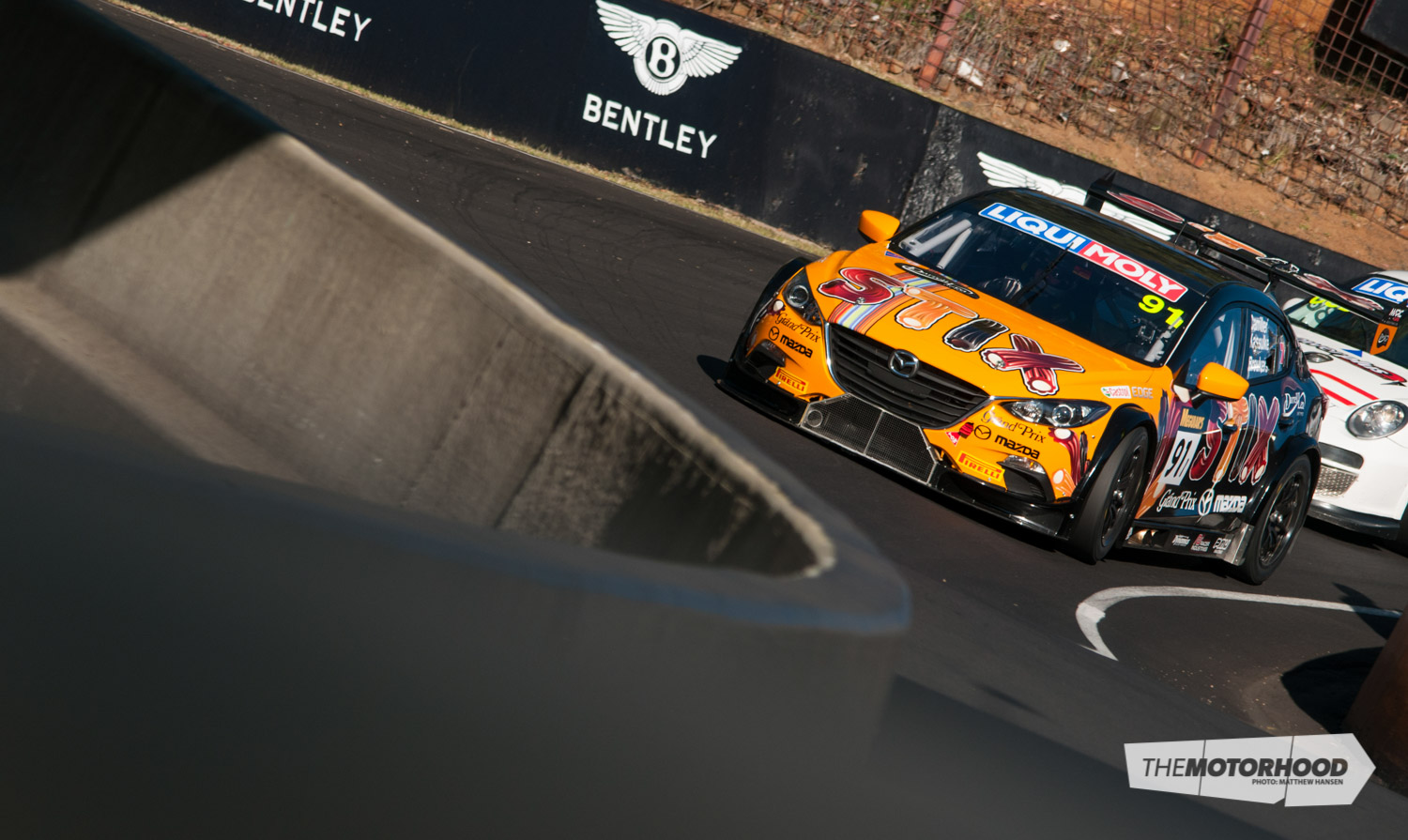
Interested in the series? Check out our gallery of the different marques and flavours below: