
Weekly Motor Fix: Bob Turnbull’s beautiful million-dollar Bugatti

28 July, 2015


Any car that flashes the famous bright-red Bugatti badge can usually command a certain level of respect, admiration, and price tag. The late Bob Turnbull’s 1934 Bugatti Gangloff Roadster takes this idea and runs with it to very lofty heights.
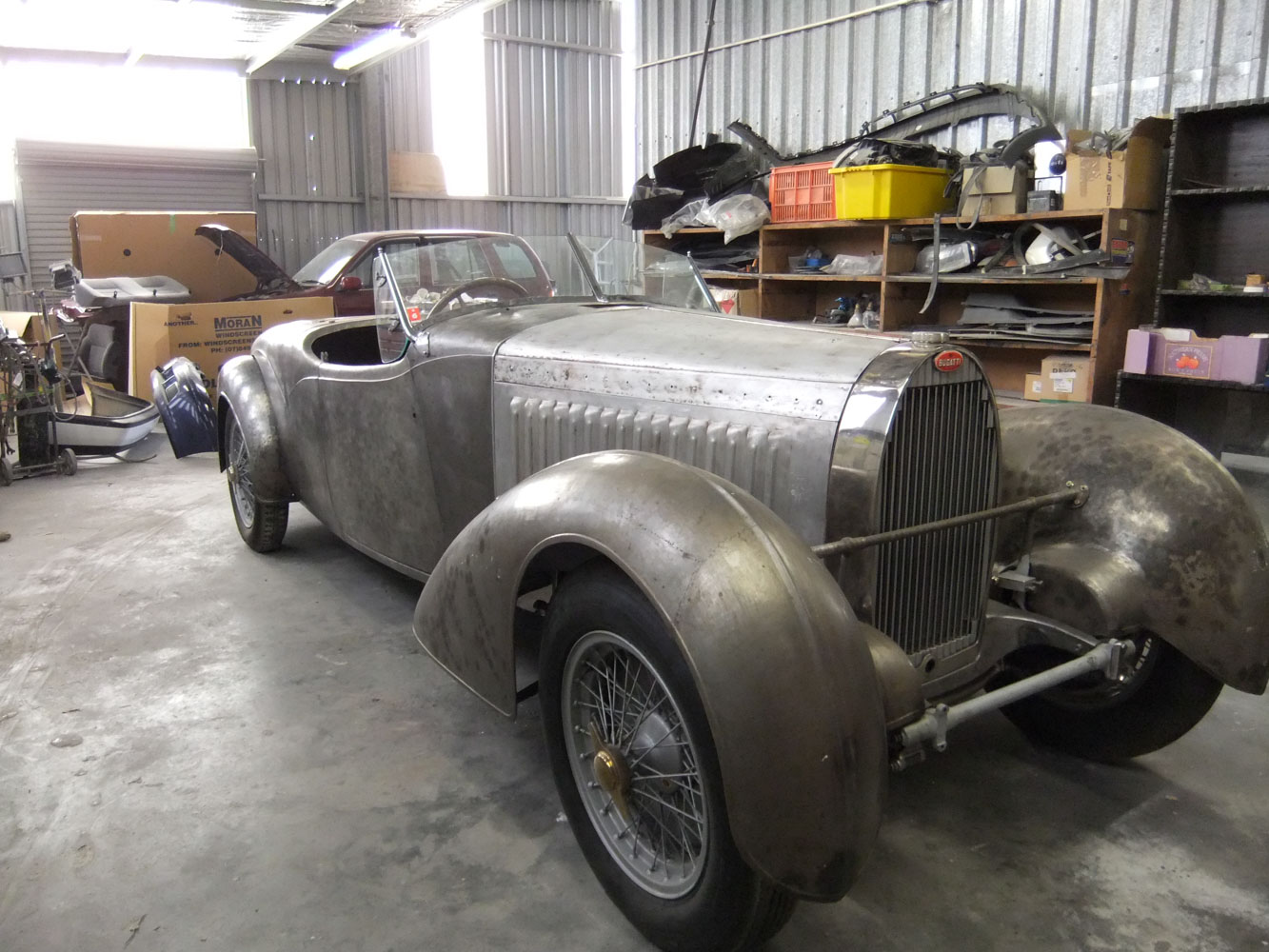
Based on the same Type 57 platform as another Bugatti recently imported to the country by Hamilton collector Tom Andrews, which we featured earlier in 2015, Bob’s Gangloff-bodied roadster is a true one of a kind vehicle. Purchased in 1958 for the grand sum of £475.12s.6d, the Bugatti is now insured for a jaw-dropping $1 million.
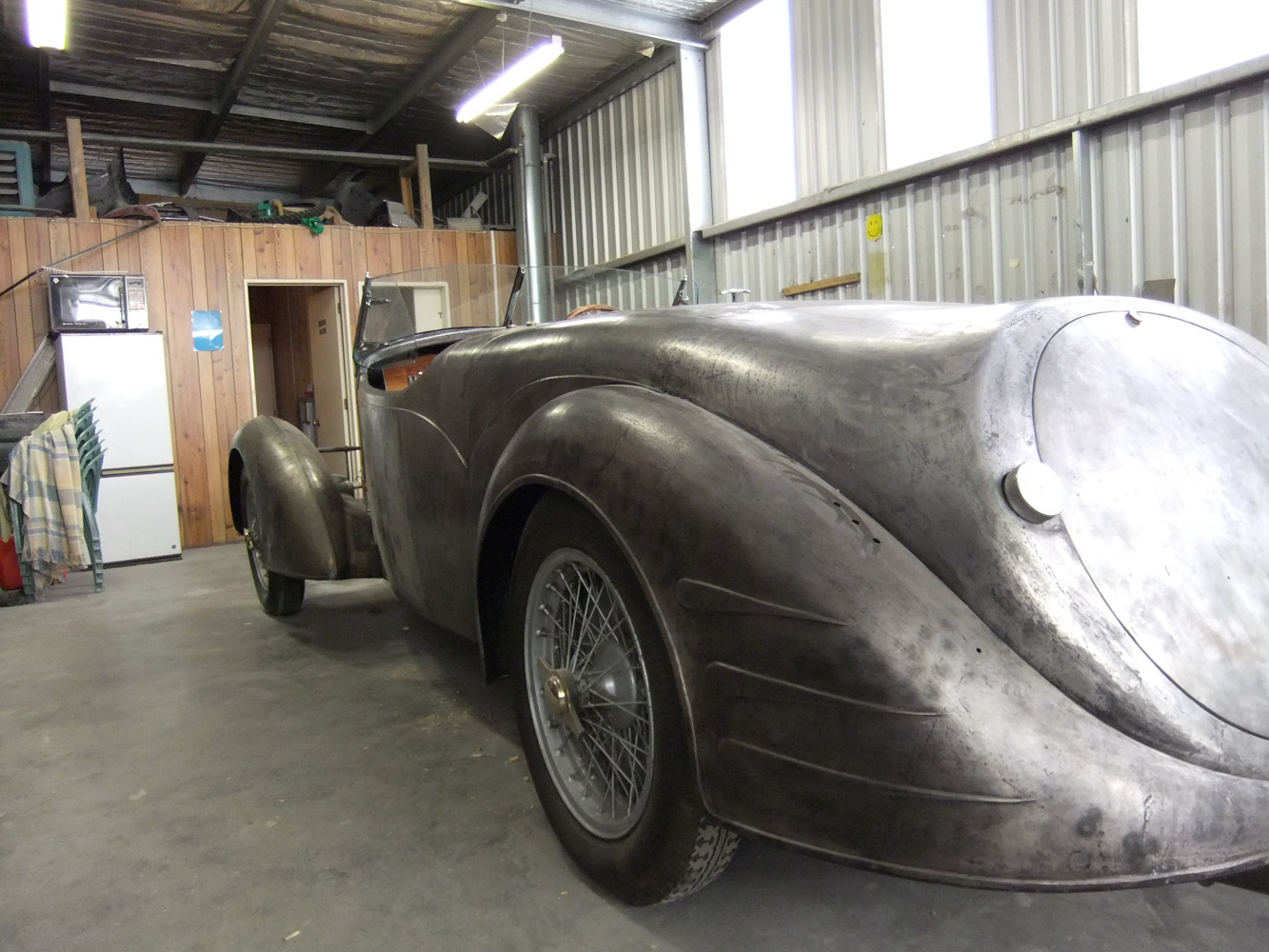
After his death in 2012, Bob entrusted the Bugatti — as well as his other two classic vehicles; a 1907 Sizaire et Naudin, and a 1904 Humber Humberette — to his close friend Pete Brabant. Instructed by Bob to finish restoring the roadster, Pete did just that, and the car was completed by February 2015. The car now finds itself up for sale, with its proceeds to go to Bob’s own charitable trust, of which Pete is a trustee.
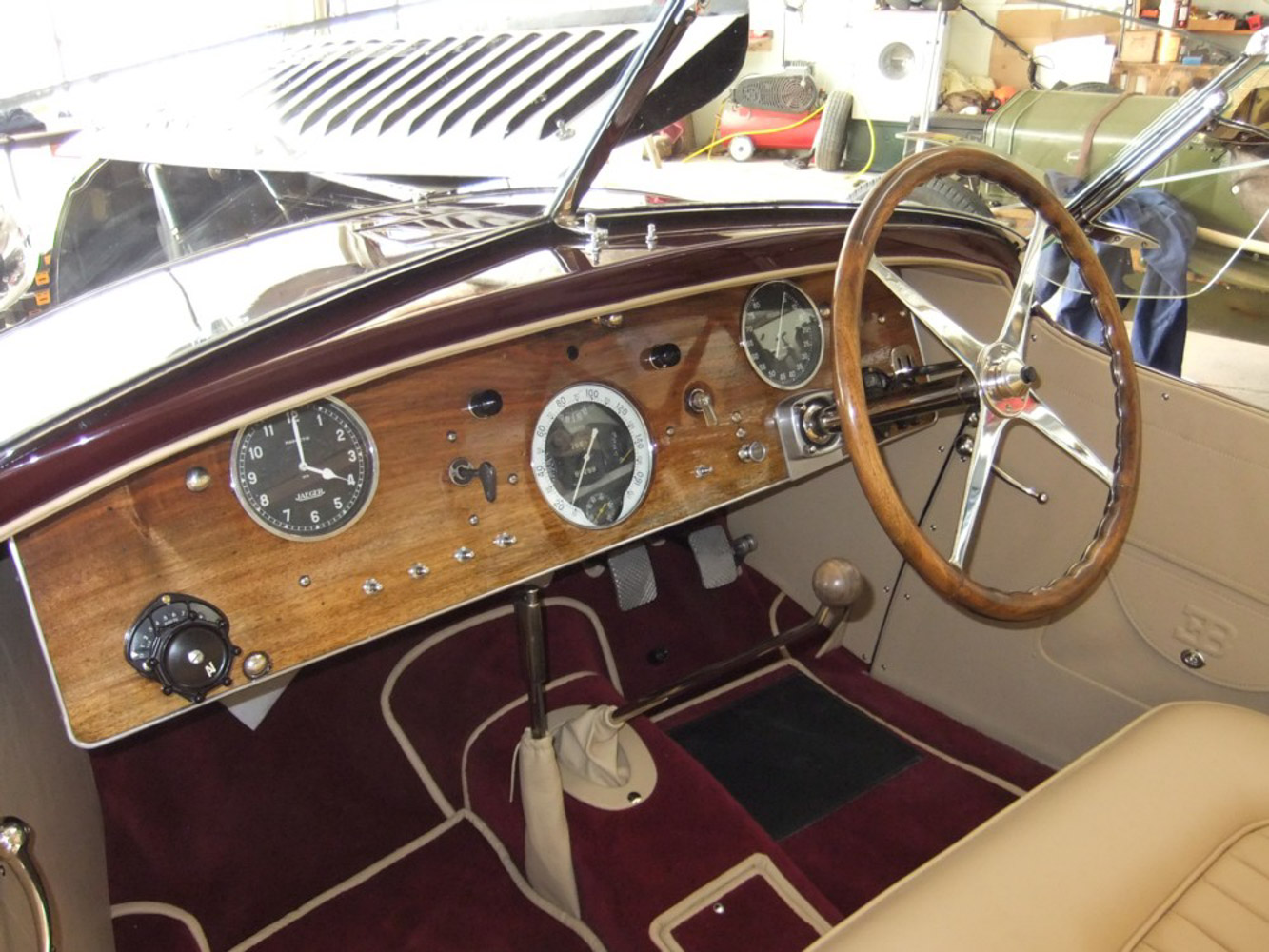
Bob was known for keeping to himself and dodging the limelight — a feat most difficult for someone who owned such an amazing vehicle. But those times spent alone helped massage and nurture Bob’s incredible knowledge of engineering and attention to detail — and that knowledge is clearly visible as you look over his immaculate roadster.
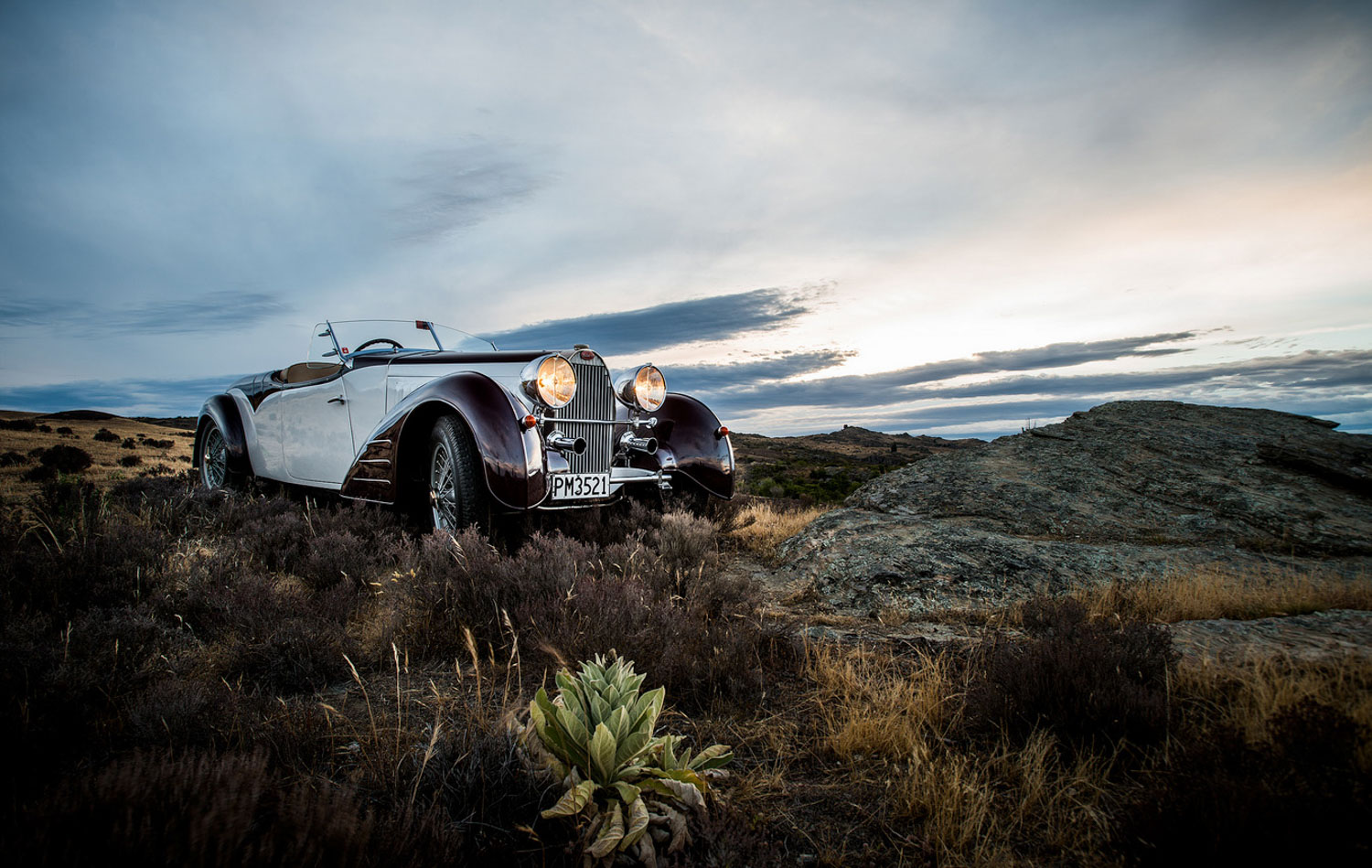
It’s not surprising that Bob wasn’t big on technology, which makes it all the more ironic that his Bugatti is being featured online on The Motorhood. We hope that whoever does purchase the big Bugatti can appreciate it as much as Bob did.

Range Rover CSK — the original SUV

The Range Rover, thanks to Charles Spencer King, went into production in 1970 boasting an iconic shape that would last until 1996. The vehicle that would create the SUV moniker came about because Rover decided it was time to add a bigger four-wheel-drive vehicle, one with a 100-inch wheelbase, to the model range. Land Rover made a 109-inch wheelbase model but the standard vehicle had a 88-inch wheelbase.
The new model would be more suitable for road use than the existing Land Rover, which was considered to be predominantly for rural use. To make sure it could cope on any road it came standard with the Rover 3.5-litre V8 engine. The body design was originally sketched by King and went into production with only a few minor touch-ups by the Rover styling team.
According to King, “The idea was to combine the comfort and on-road ability of a Rover saloon with the off-road ability of a Land Rover. Nobody was doing it.”

Ford’s Mustang – the endlessly hip American dream machine

Fifty or so years ago, the only place in New Zealand to see a Ford Mustang was on the racetrack. In a local market severely constrained by a lack of new motor vehicles, the new North American Ford was a dreamy icon boosted by considerable motorsport success.
Import licences for cars were limited, and if Kiwis travelled abroad, the amount of currency they could take with them was restricted. What’s more, those funds could not be used to buy a car for importation back home. Yet it was OK to spend the money on heavy drinking at a London pub, Gucci shoes, sable fur coats, and excessive stays at the Hôtel Martinez at Cannes in France.
However, any rare Mustang that landed on our shores would not be destined to pose around Auckland’s then trendy Queen Street on a Friday night but would more likely be found in the care of well-known racing drivers on the starting grid at local motor racing tracks.