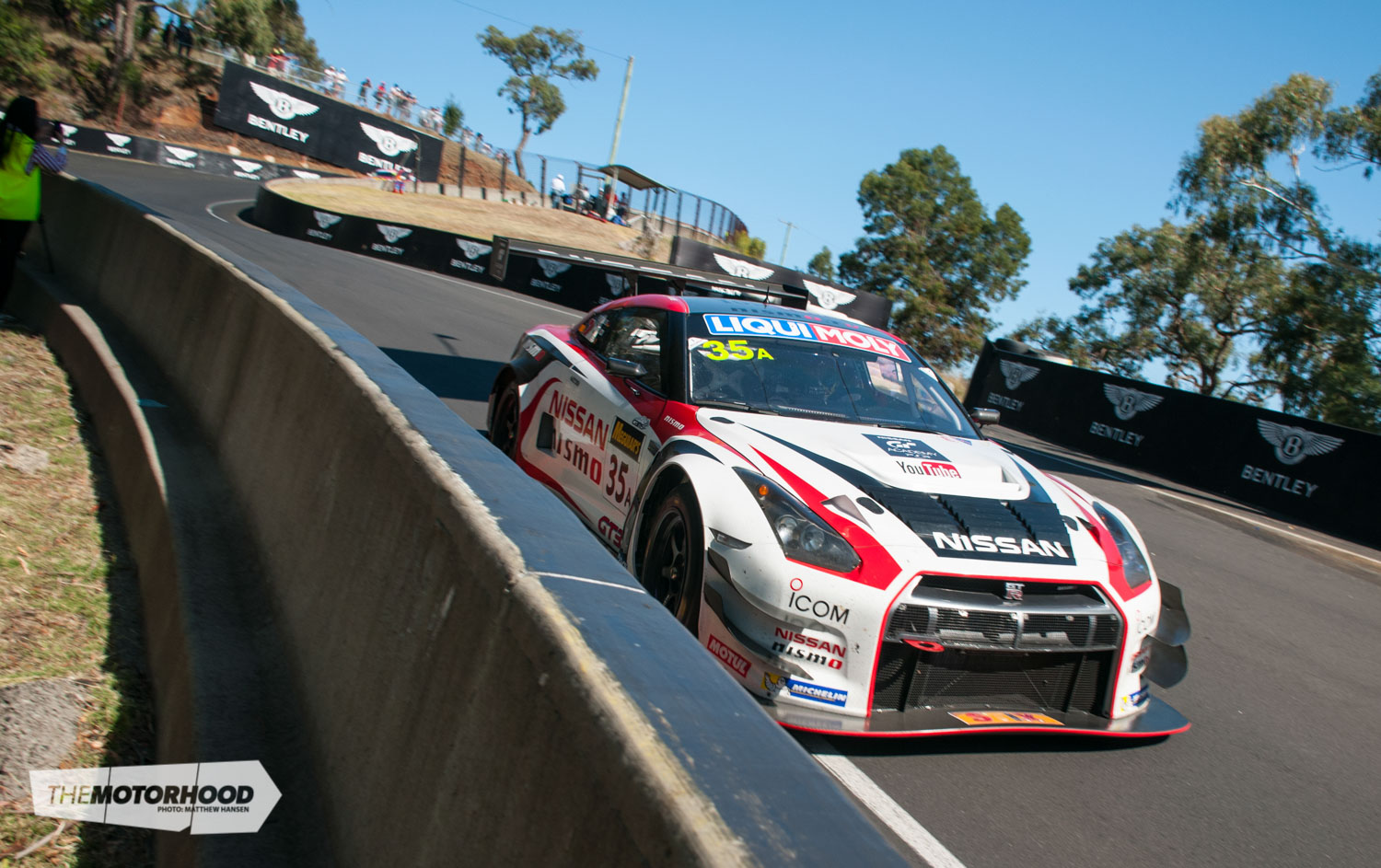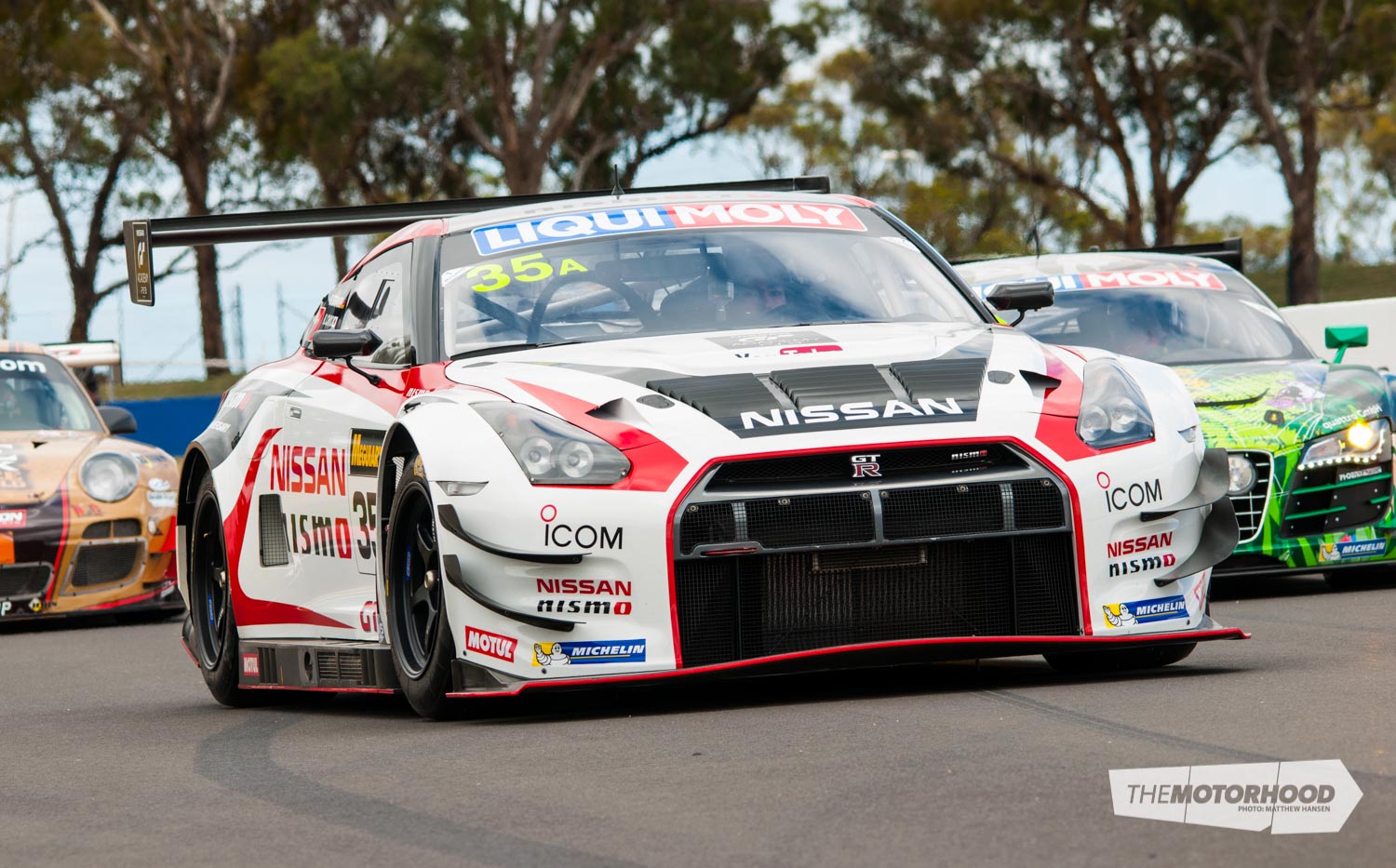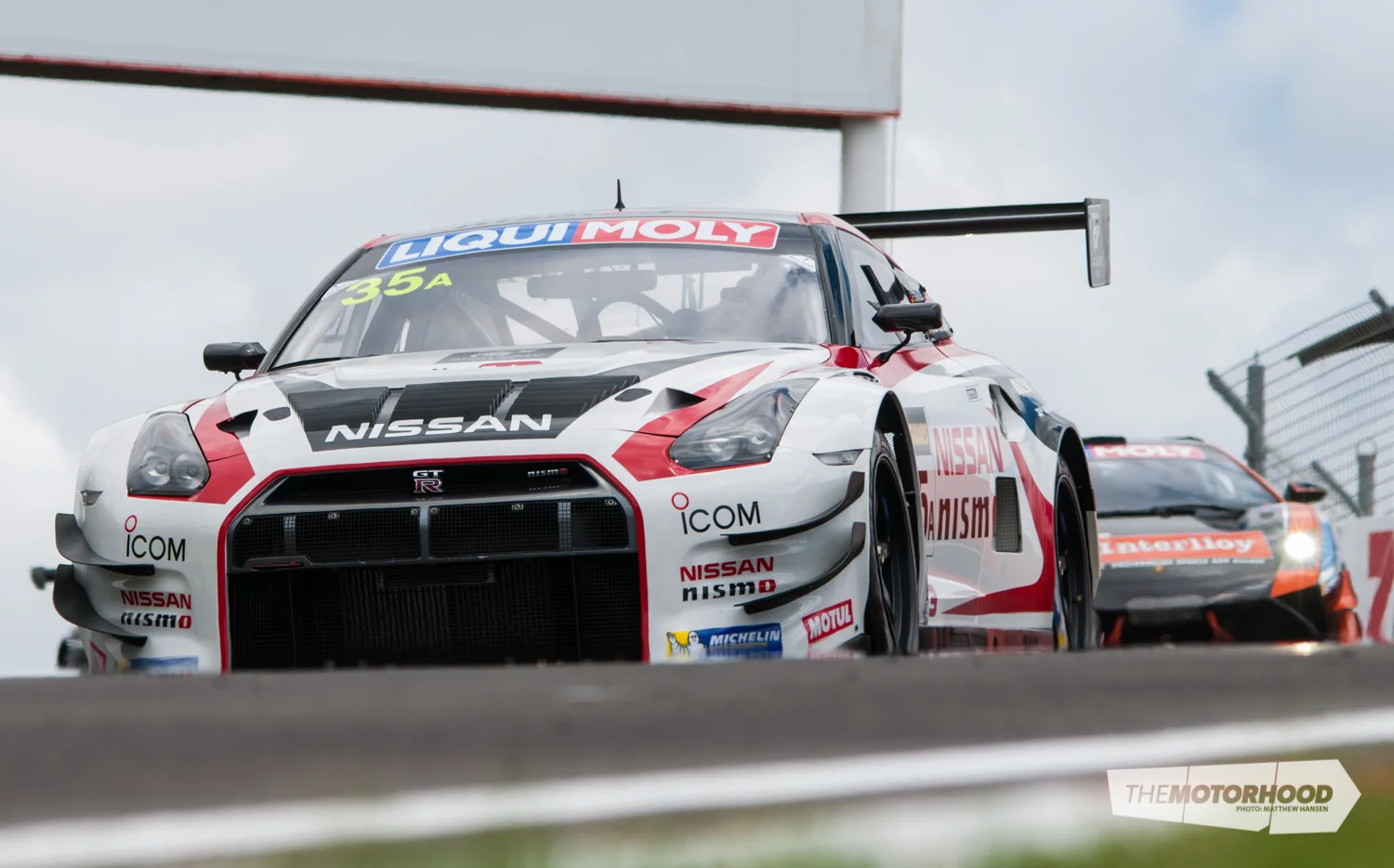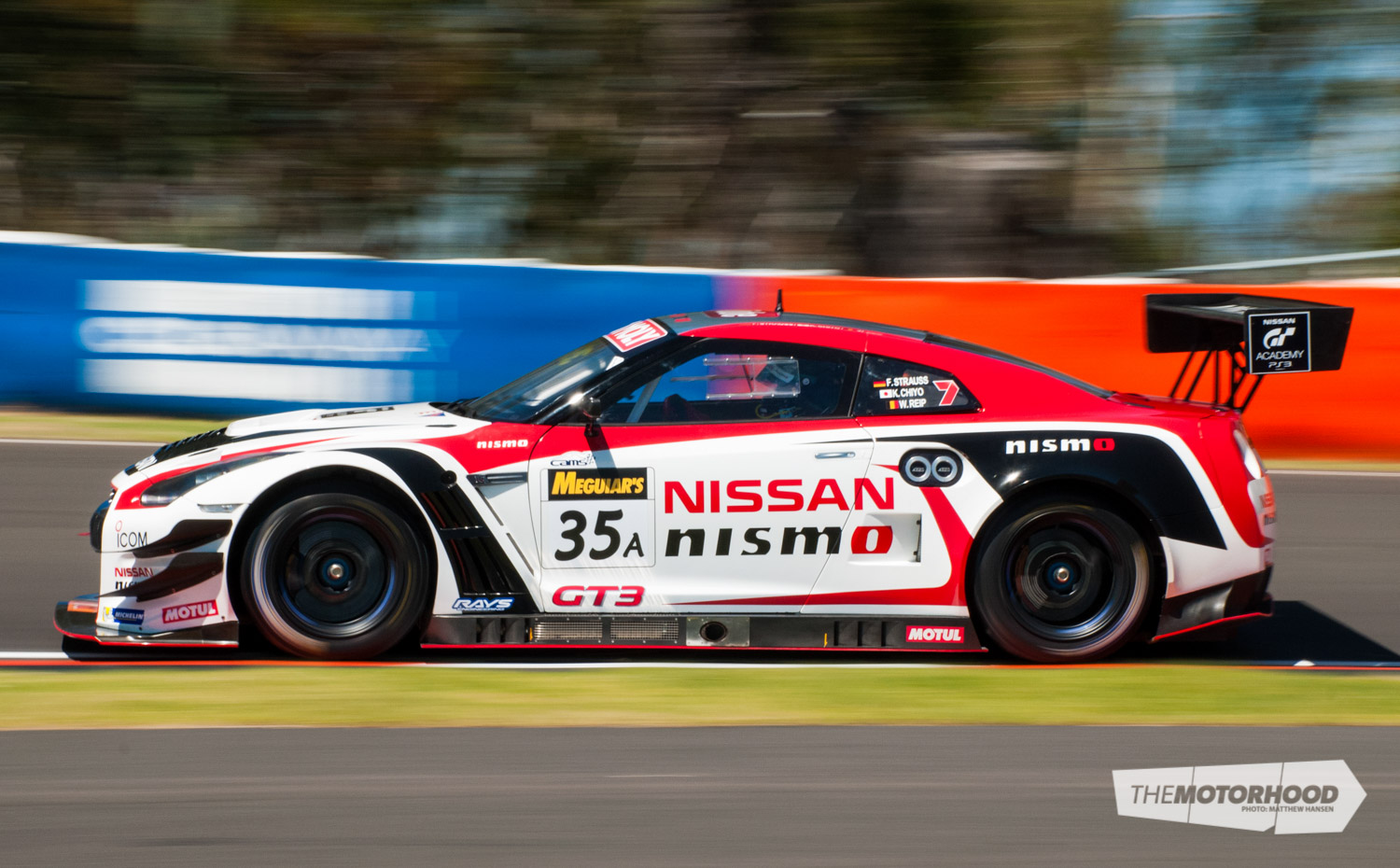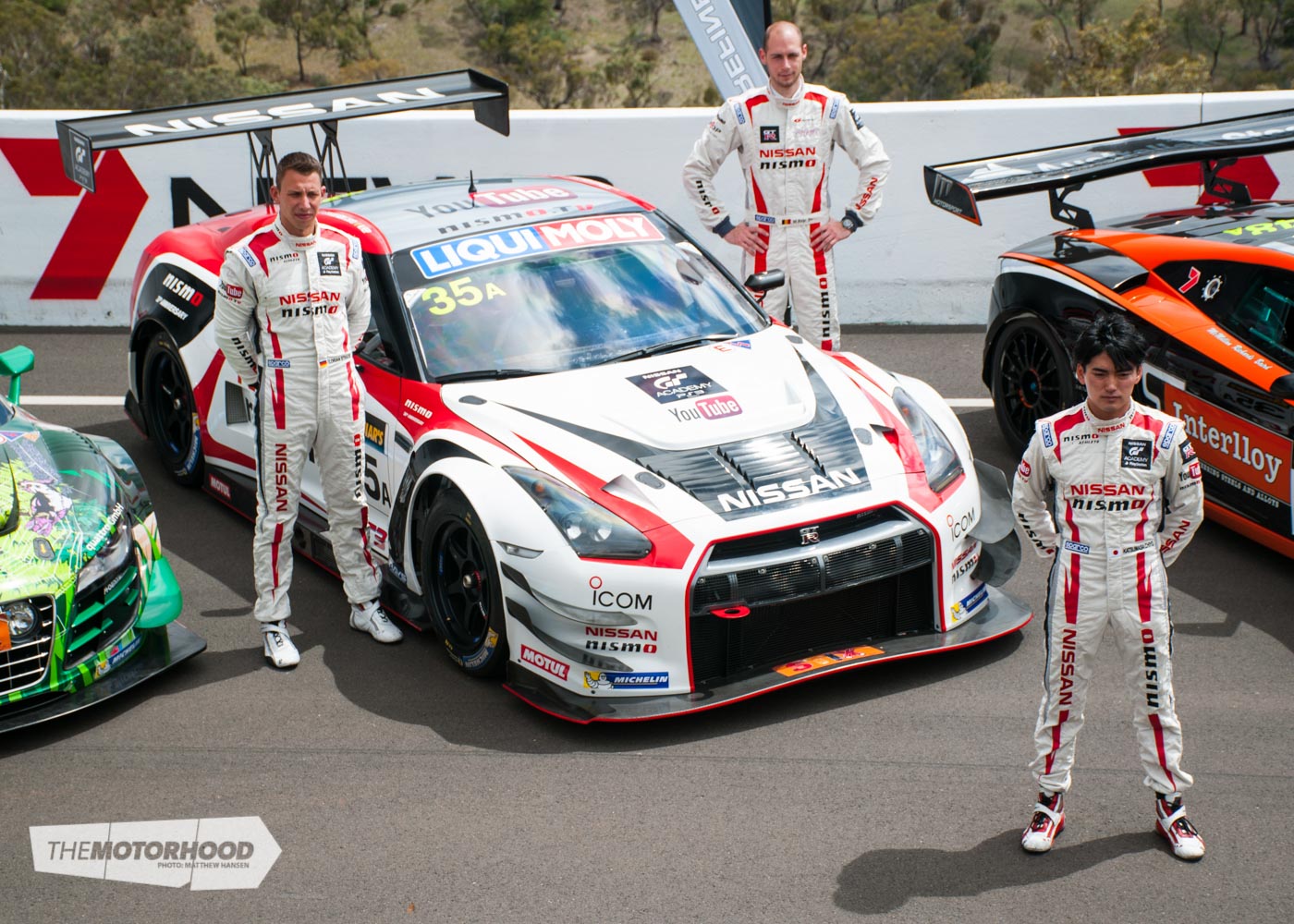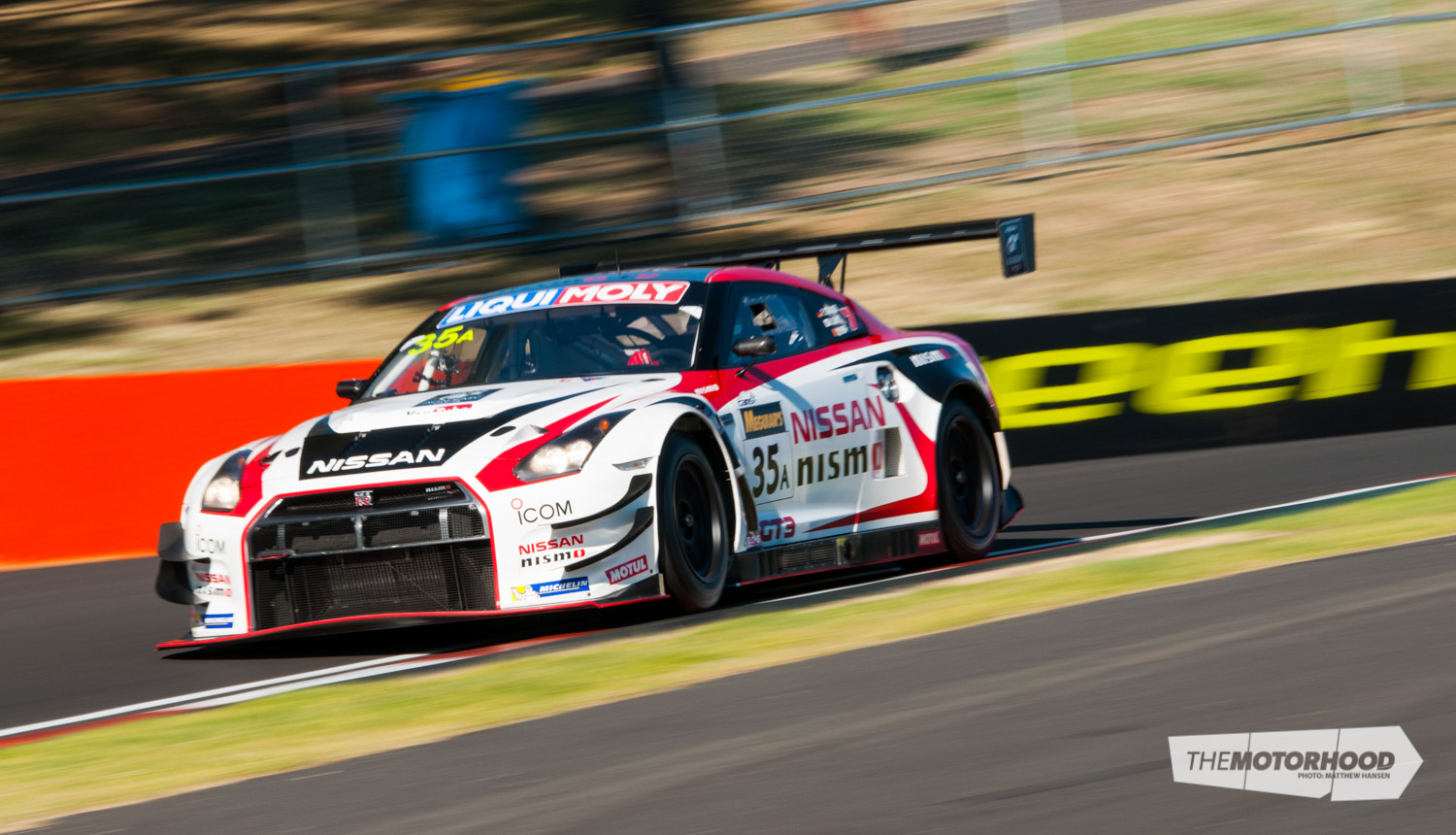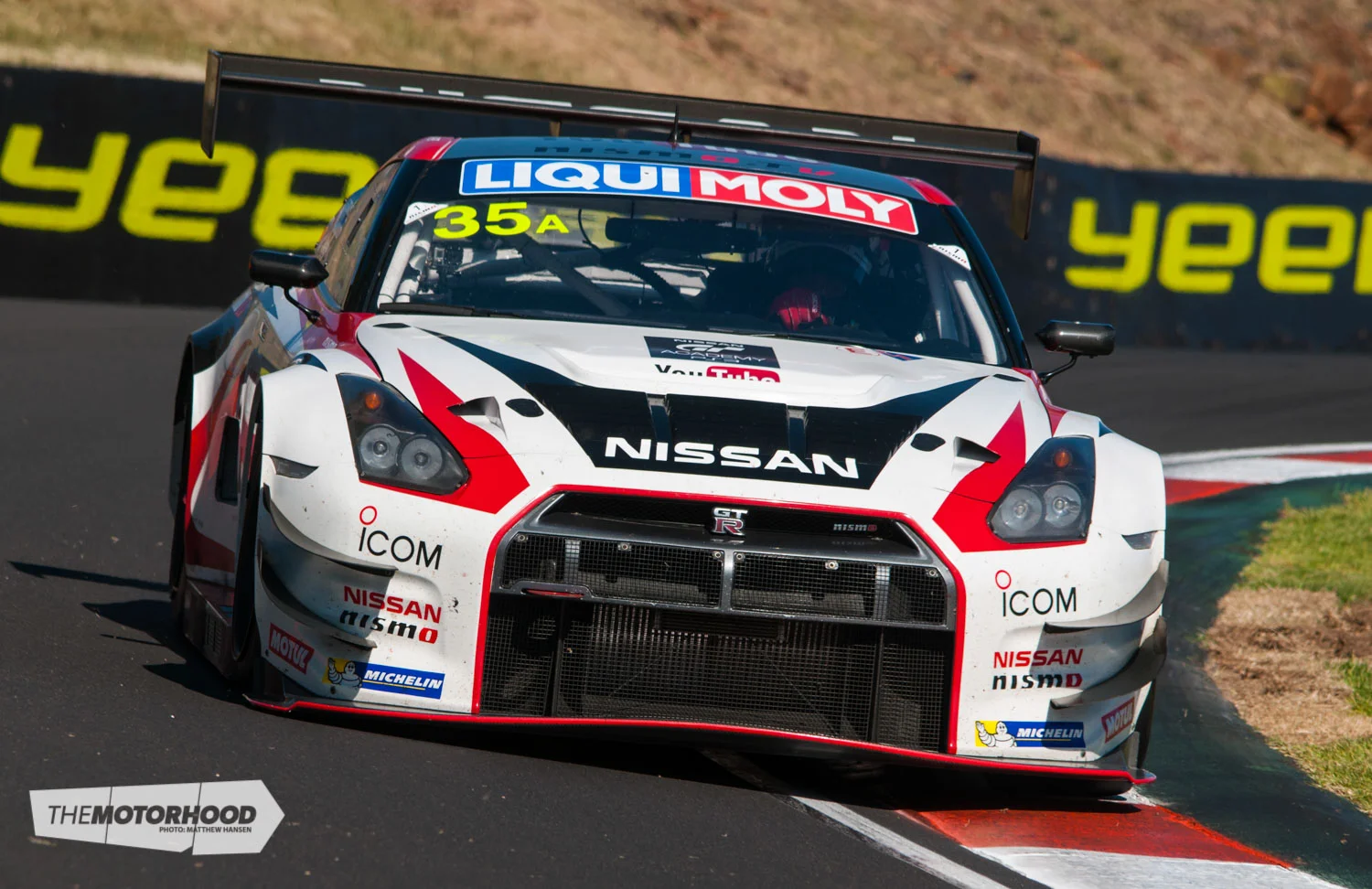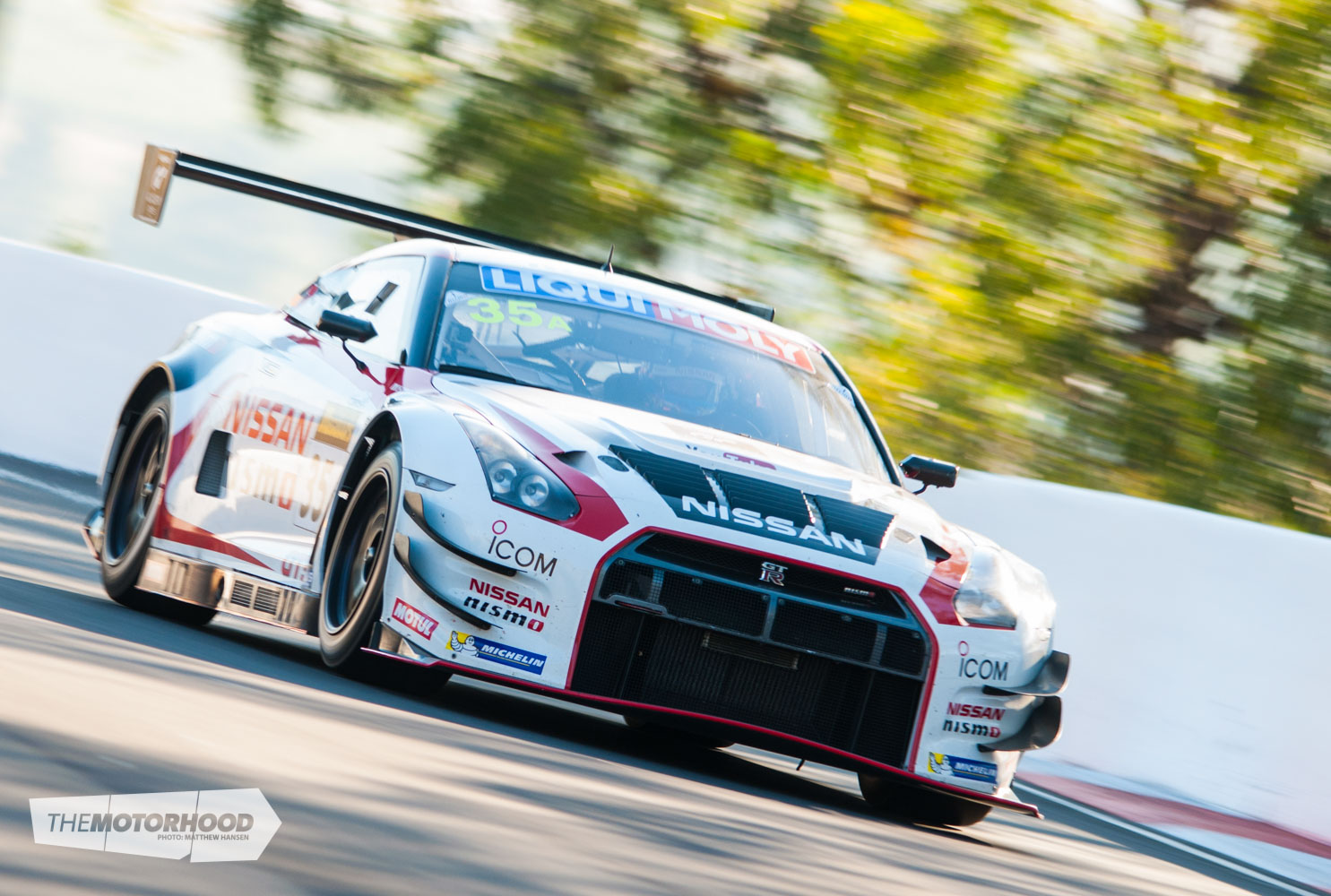
After a 23-year hiatus from top-tier Australian competition, a factory-supported Nissan GT-R might find itself returning to racetracks we know and love via the Australian GT Championship. This news comes only a few weeks after the growing series revealed that they would be touring New Zealand for two events in 2016. Could New Zealanders be about to experience their first true taste of the famed ‘Godzilla’ dynasty?
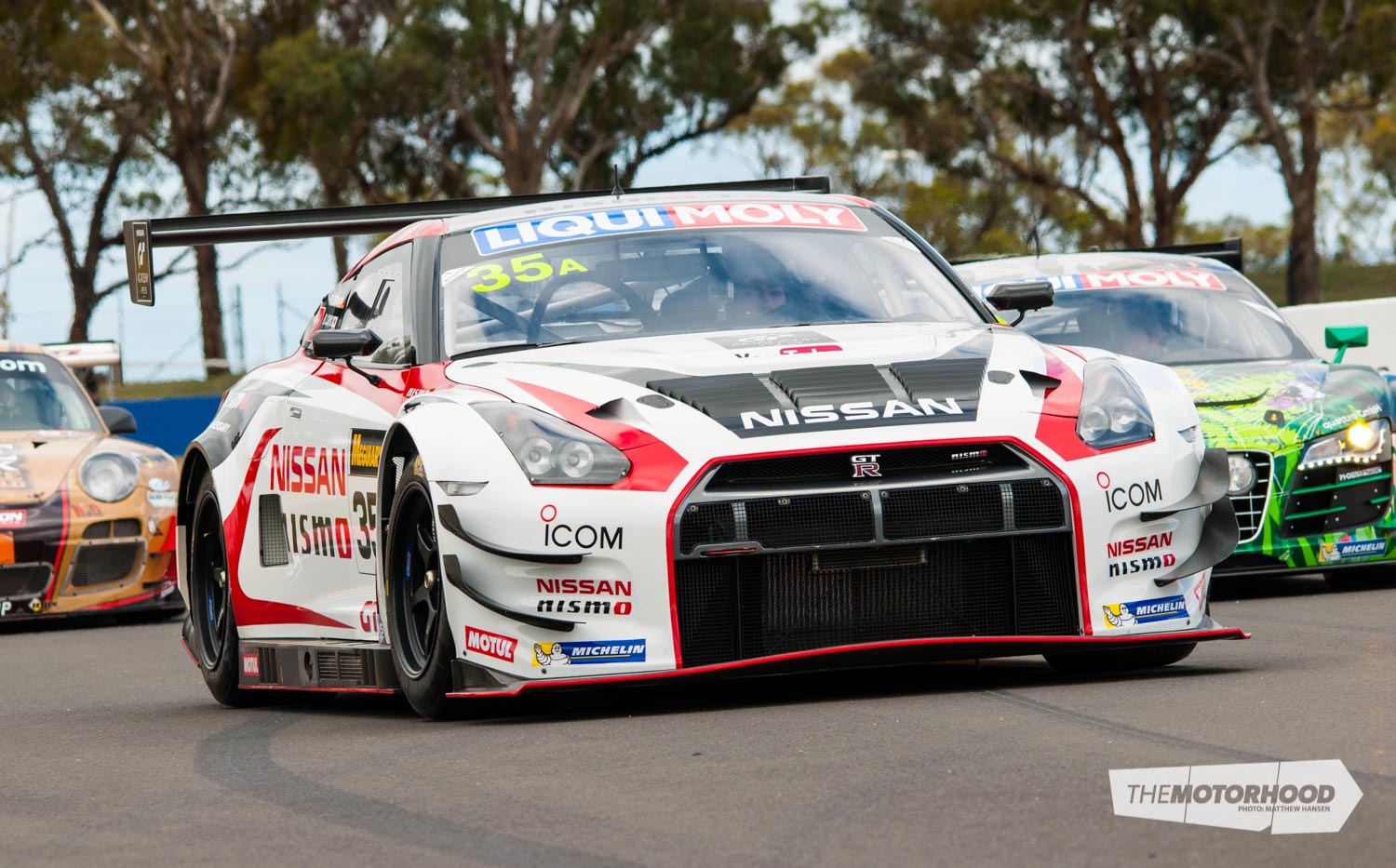
After evaluating the possibility of entering the Nissan R35 GT-R in the 2017 V8 Supercar championship earlier this year, Nissan canned the suggestion in July. But it’s been revealed that there is strong interest in having a factory-supported Nissan team compete in the 2017 Australian GT Championship instead.
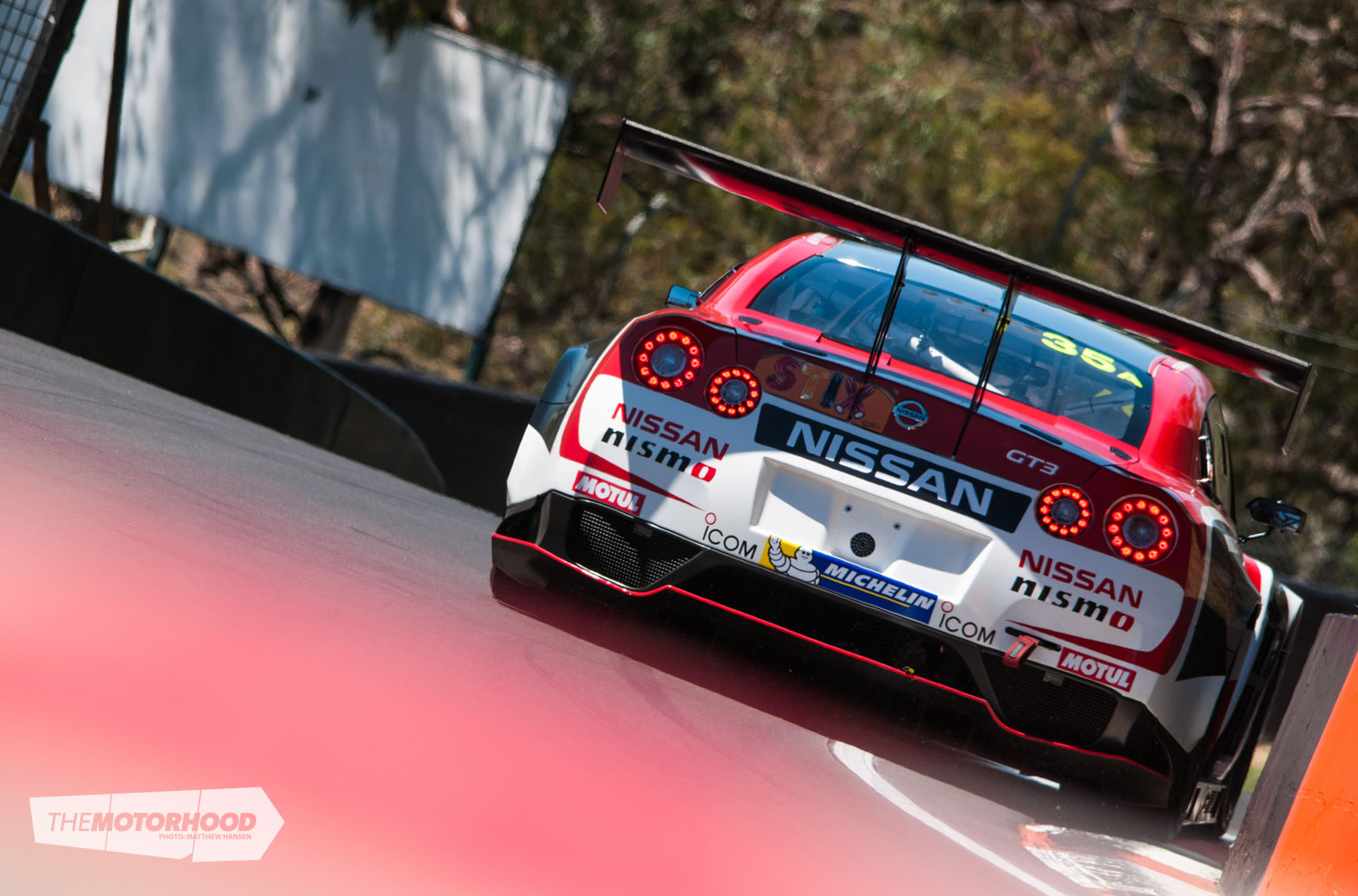
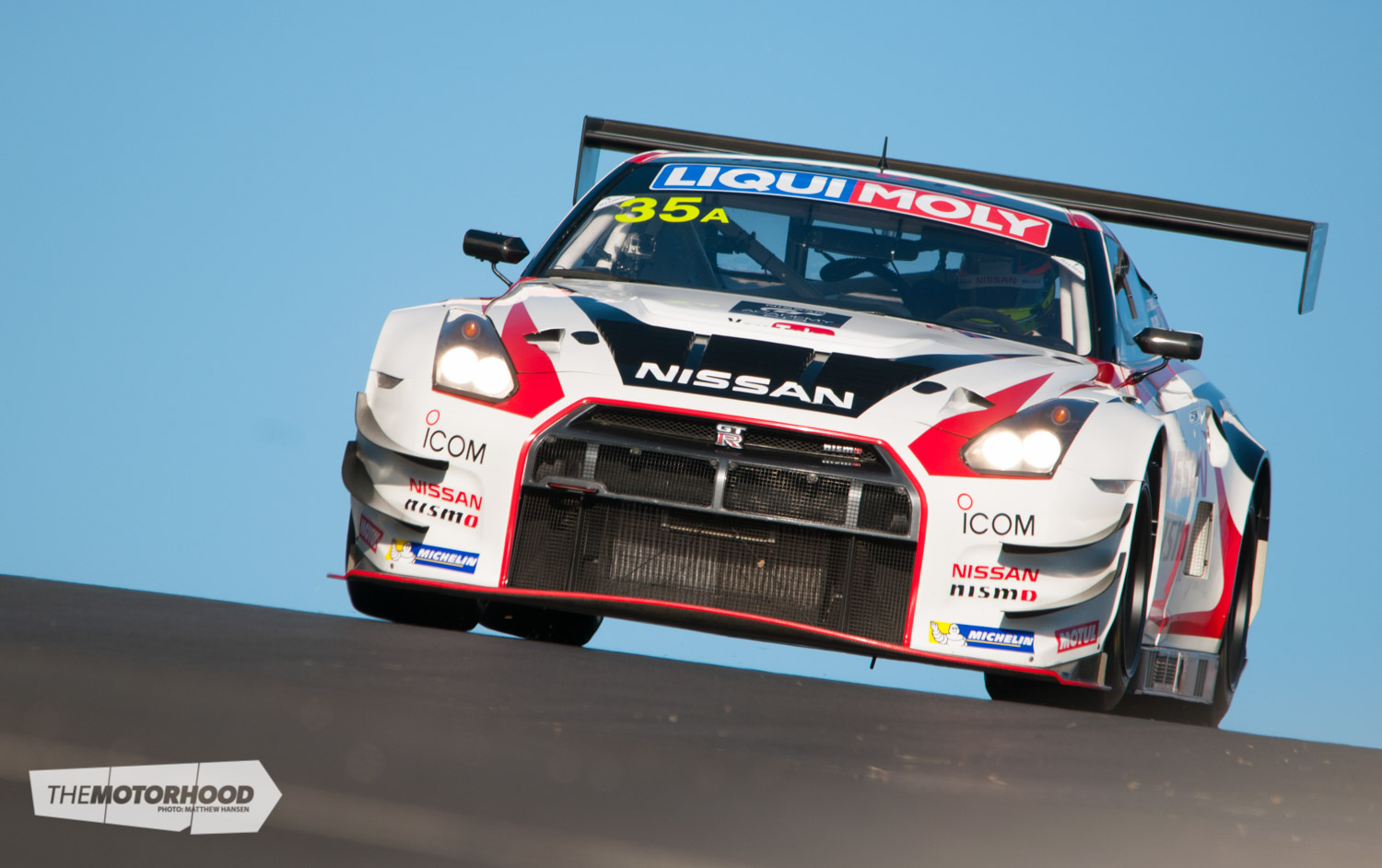
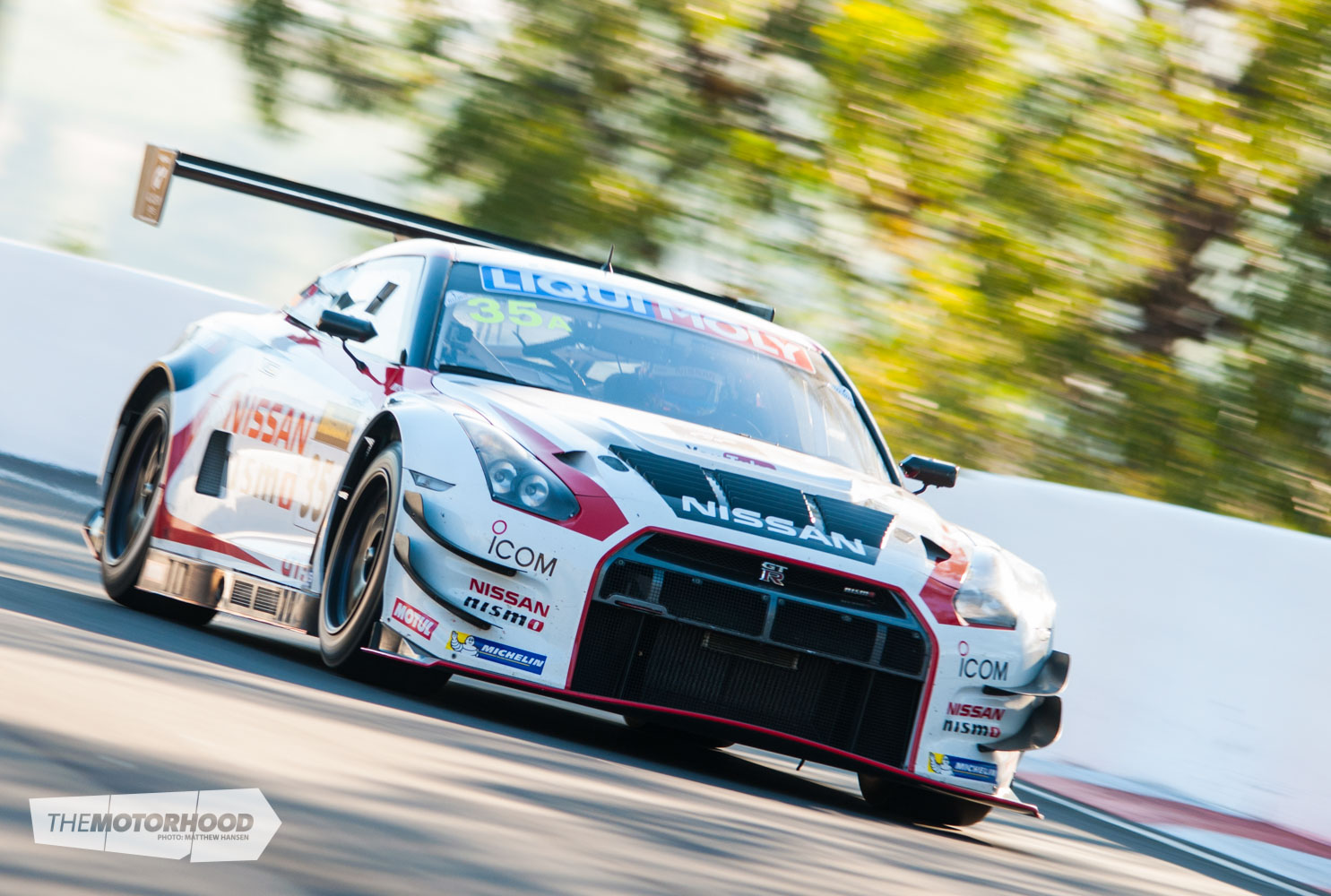
As one of the more unique and boxy cars competing in the international GT3 formula, the R35 GT-R GT3 comes equipped with the same 3.8-litre twin-turbo VR38DETT heart that you can find in the road car. However, it produces 447kW of horsepower — almost 100kW more than the road car. It also features advanced adjustable Öhlins TTX dampers, adjustable front and rear anti-roll bars, a Pectel SQ6M ECU, a Hewland six-speed sequential gearbox supported by a Sashs four-plate sintered clutch, and AP Racing brake calipers with Endless brake discs and pads, among many, many more high-tech components.
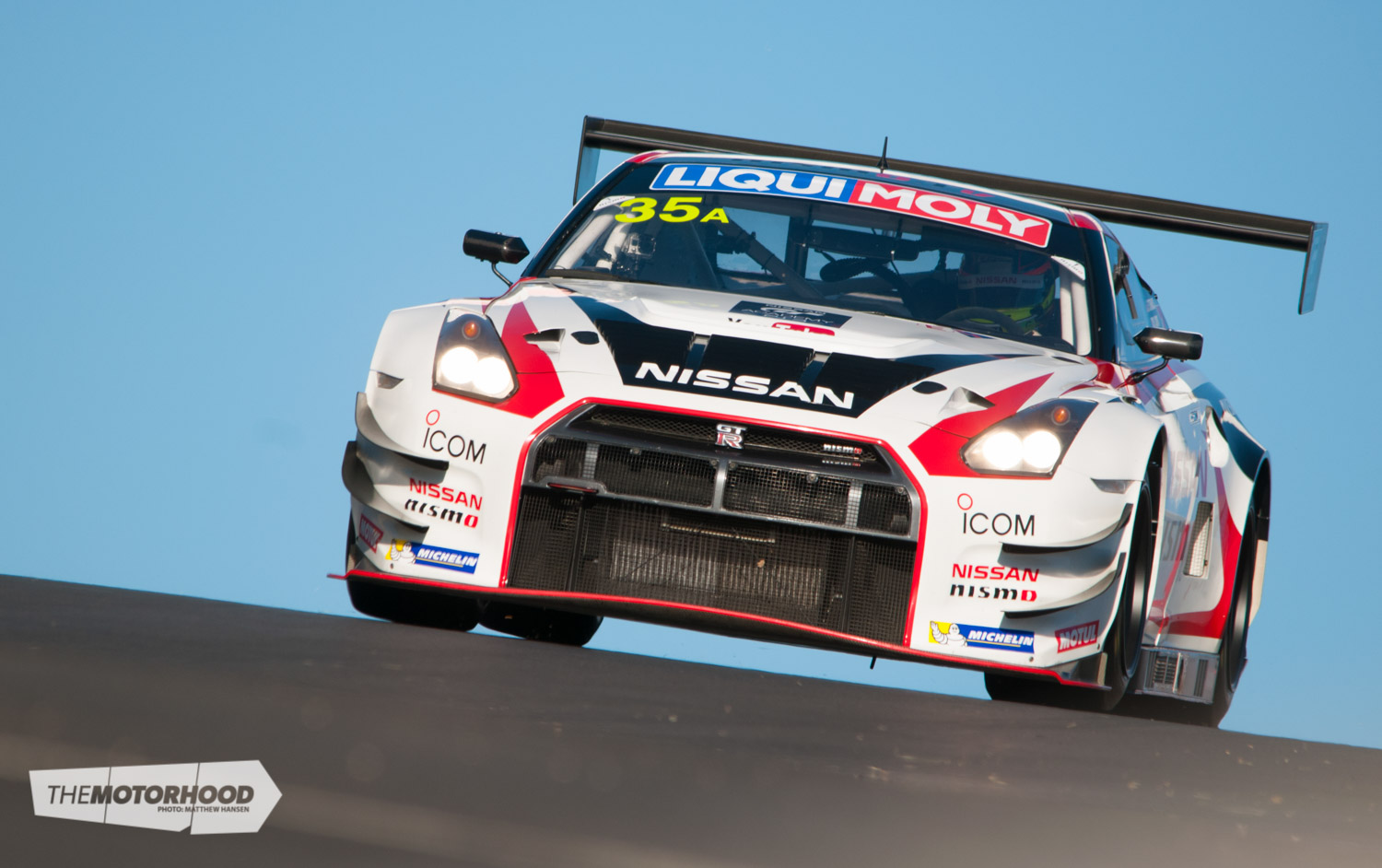
Curiously, unlike the road car, the GT3 is rear-wheel drive — a change imposed by GT3 regulations. Want to buy one? Well you can order one from Japan for ¥39,800,000, or a smidge over NZ$480,000, which, when you think about it, isn’t a bad price considering what some outfits are rumoured to have paid for other tin-top race cars.
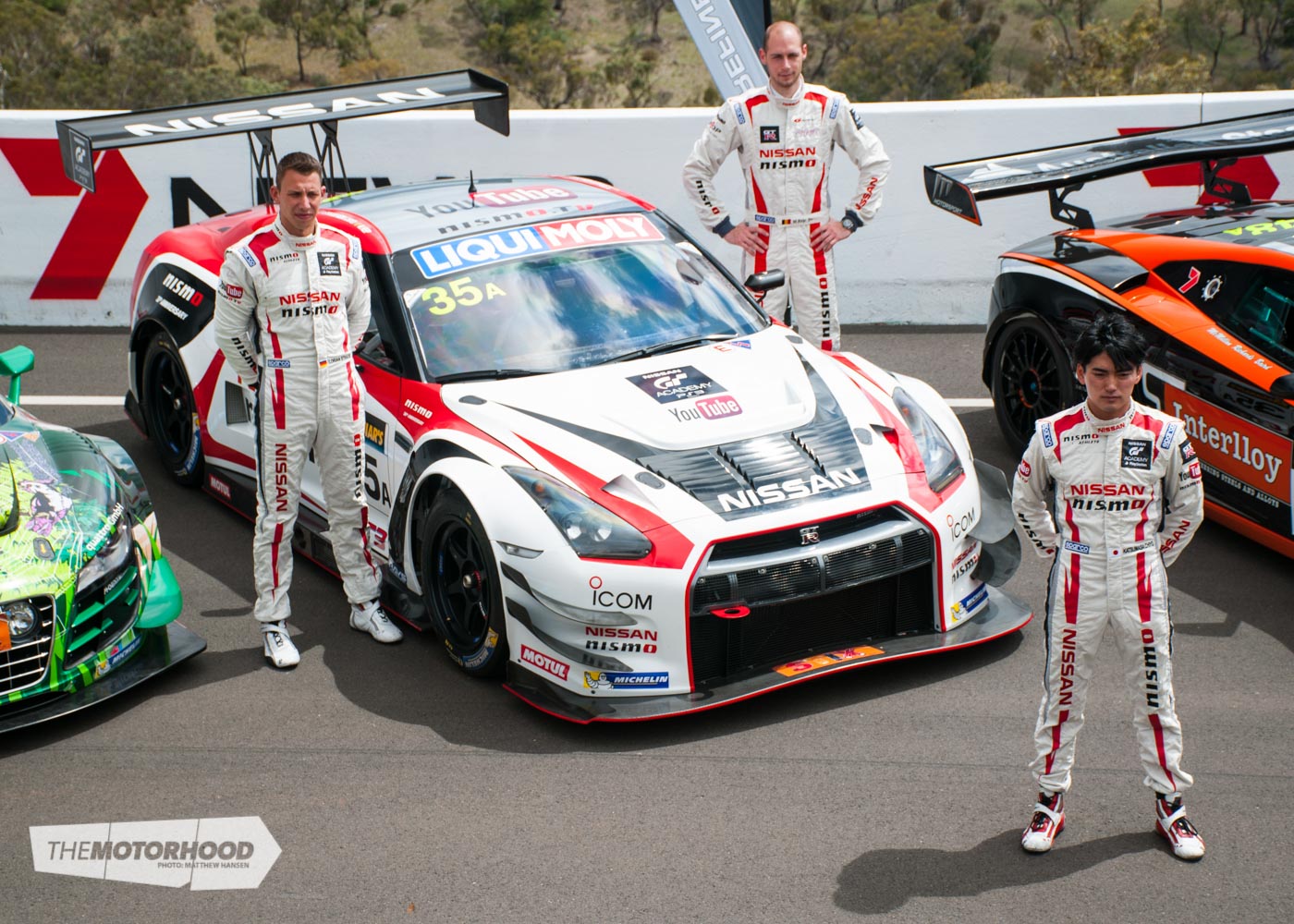
This won’t be the first time that the R35 GT-R has raced in Australia, with Nissan’s Japanese division having competed in the last two Liqui-Moly Bathurst 12 Hour events — claiming victory in 2015. It would however be the first time a factory-supported GT-R has competed in a top-flight Australian championship since the days of the car many believe started it all: the R32 GT-R.
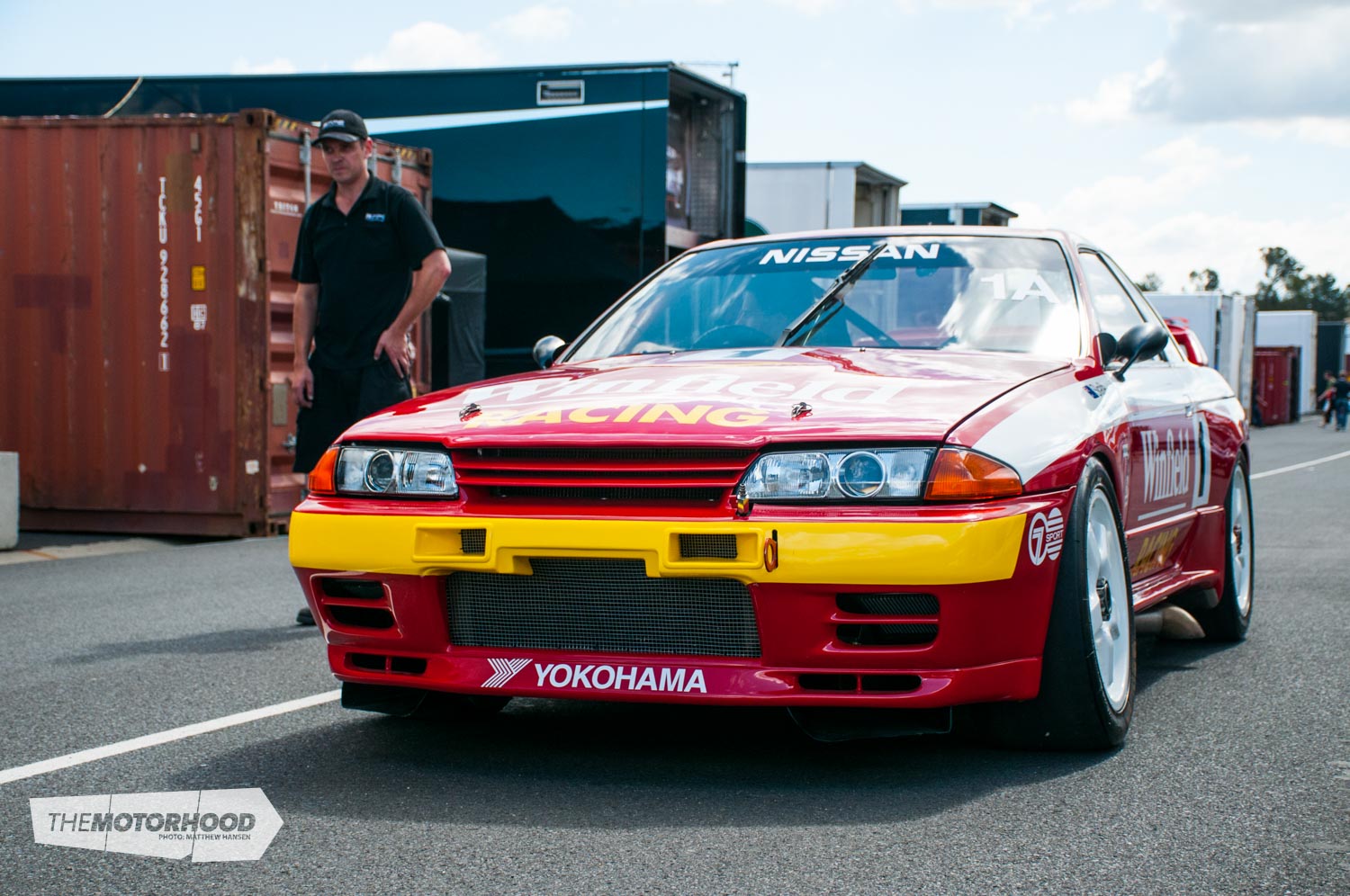
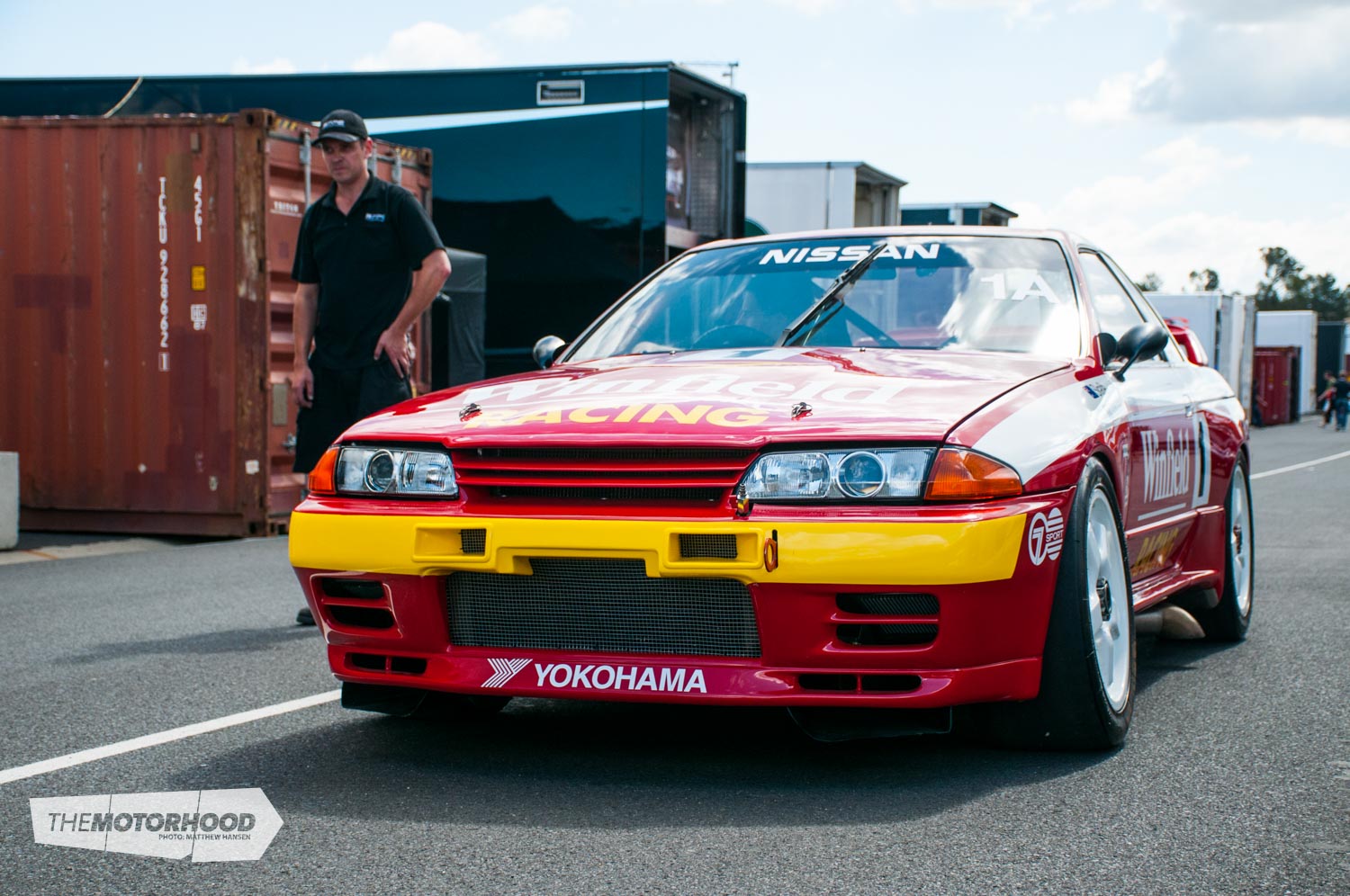
The GT-R remains one of the most controversial and polarizing nameplates in Australian touring-car history after the R32 GT-R dominated the final three years of Group A in 1990–1992 in the hands of Mark Skaife and New Zealander Jim Richards.
Making its Australian Touring Car Championship (ATCC) debut at Mallala in mid 1990, the R32 proved to be both very fast and very fragile straight out of the box. After starting midfield, Skaife, the team guinea pig, stormed through the sea of Commodores, M3s, and Sierras, to get to the lead — passing his teammate, Richards, in the older HR31 GTS-R in the process. A broken hub ended Skaife’s race, but after the reliability gremlins were sorted, the R32 GT-R proved to be almost unstoppable. It racked up two Bathurst 1000 victories in 1991–1992, as well as championship victories in 1990–1992. After 1992, the ATCC ditched the Group A formula, replacing it with their own 5.0-litre V8 framework — a move no doubt helped along by the unstoppable, and unpopular, dominance of the GT-R.
The 1992 Tooheys 1000 Bathurst win, which capped off the R32 GT-R’s stint in the ATCC, still ranks as one of the most controversial moments in Australian sporting history. After a sudden torrential shower devastated the Bathurst circuit with less than 30 laps remaining, several cars crashed out, including Richards in the leading GT-R, which lead to many cheers and jeers from the crowd. However, moments later, the race was red flagged, and with rules dictating that whoever led the race one lap prior to be crowned the winner, the result fell back into the laps of Richards and Skaife.
Having learned that his countryman Denny Hulme had died of a heart attack earlier in the race, a furious Richards took to the podium presentation keen to vent his disgust with the booing fans in pit lane, famously labelling them all a “pack of arseholes” on live television.
While many fans have moved on from that historic moment, some have not. What do you think; would you welcome Godzilla to Kiwi shores with open arms?