The weird and wonderful catalogue of amazing vehicles up for sale at the Bonhams auction house in London has gained 13 more cars for their upcoming Goodwood Revival sale being held on September 12. All 13 of the additions are owned by newly announced Top Gear host Chris Evans.
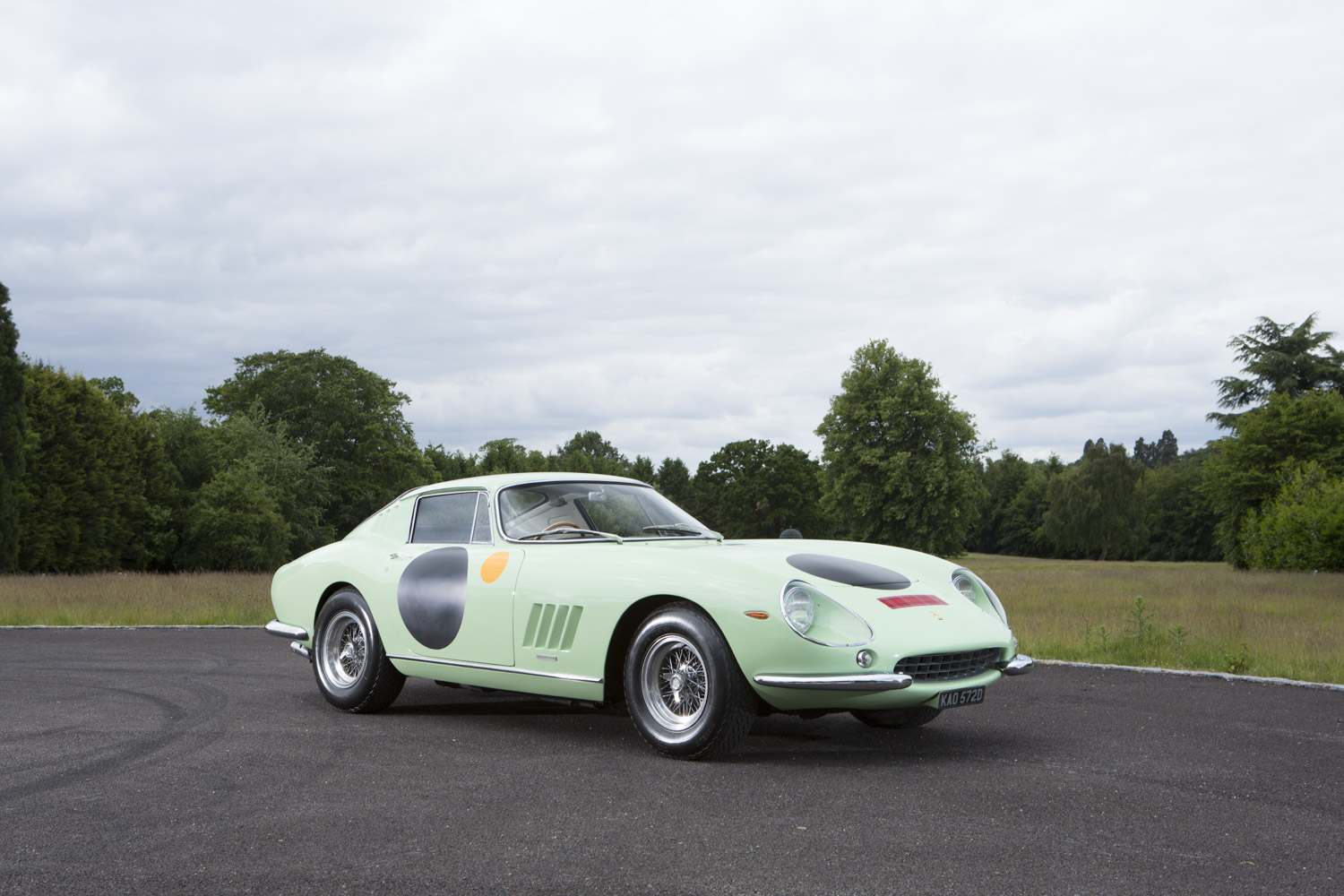
Evans is a well-known collector of Ferraris, so it’s no surprise that six of the Italian marque’s finest headline the list. Included in that six is this rare right-hand–drive 1966 Ferrari 275 GTB/6C Alloy, which is estimated to sell for between £2.6–2.9 million, or NZ$6.1–6.8 million. Powered by a 3.3-litre 60-degree V12 engine, the GTB/6C produces 300bhp. The ‘C’ suffix at the end of the Ferrari’s name indicates that this is the ‘Competizione’ edition, while the six alludes to this car’s six-carburettor engine set-up. As a result, this car rings more out of that 300bhp than most other GTBs, not only because of those additions, but also because of its aluminium-alloy bodywork.
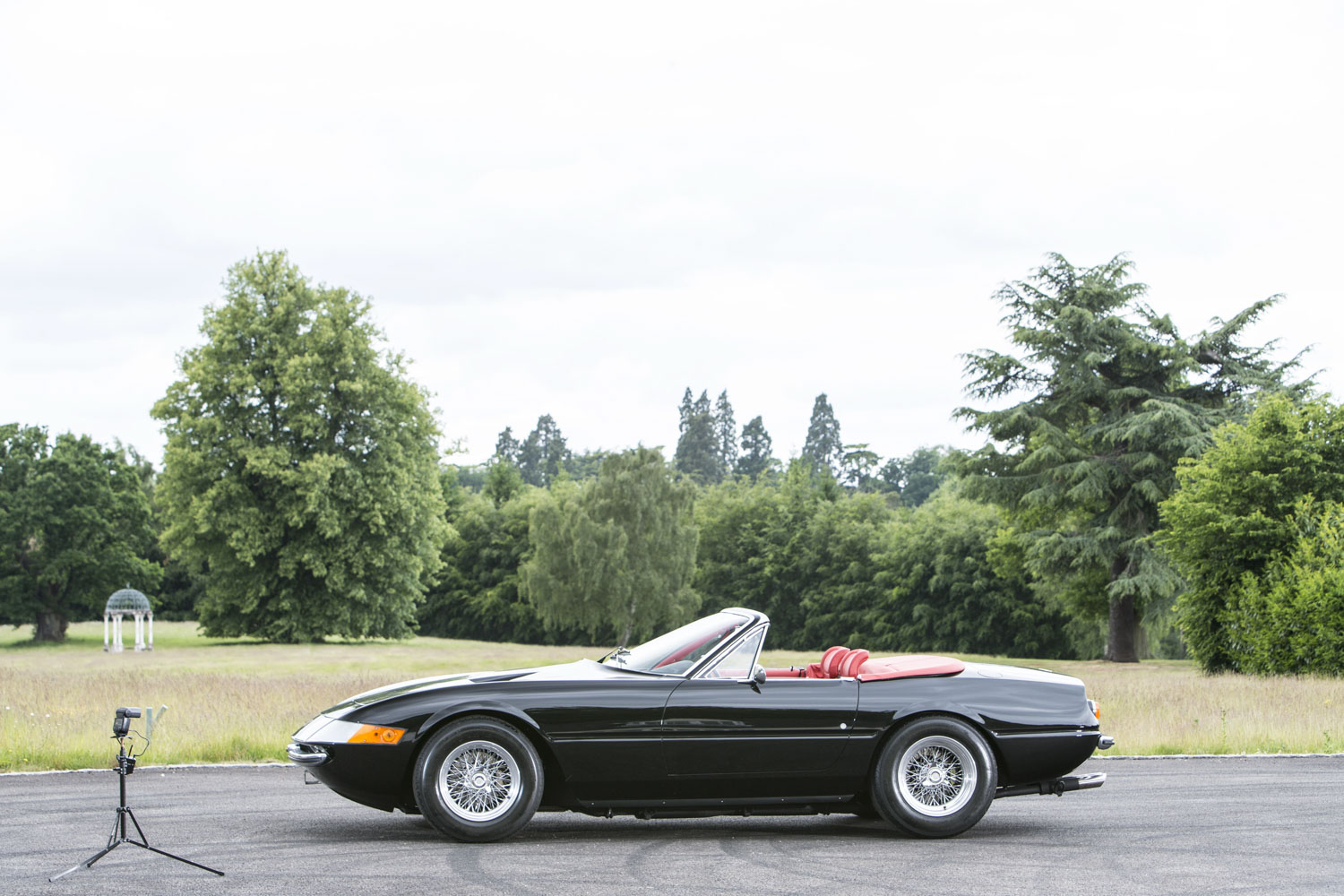
Another Ferrari to make the list is Evans’ 1971 Ferrari 365 GTS/4 Daytona Spider, which is estimated to sell for between £2.3–2.6 million, or NZ$5.4–6.1 million. Painted black with red leather, it has recently been restored to a concours standard. Under the bonnet, the Daytona packs an all-alloy, four-cam V12 engine, good for an impressive 352bhp at 7500rpm. It also features an all-independent wishbone and coil-spring suspension set-up, which actually debuted on the aforementioned 275GTB above. While the GT variant of the Daytona was the fastest production car in the world when it was launched in 1968 at the Paris Auto Salon, it and its convertible equivalent are more known for their capabilities as cars for comfortable cruising.
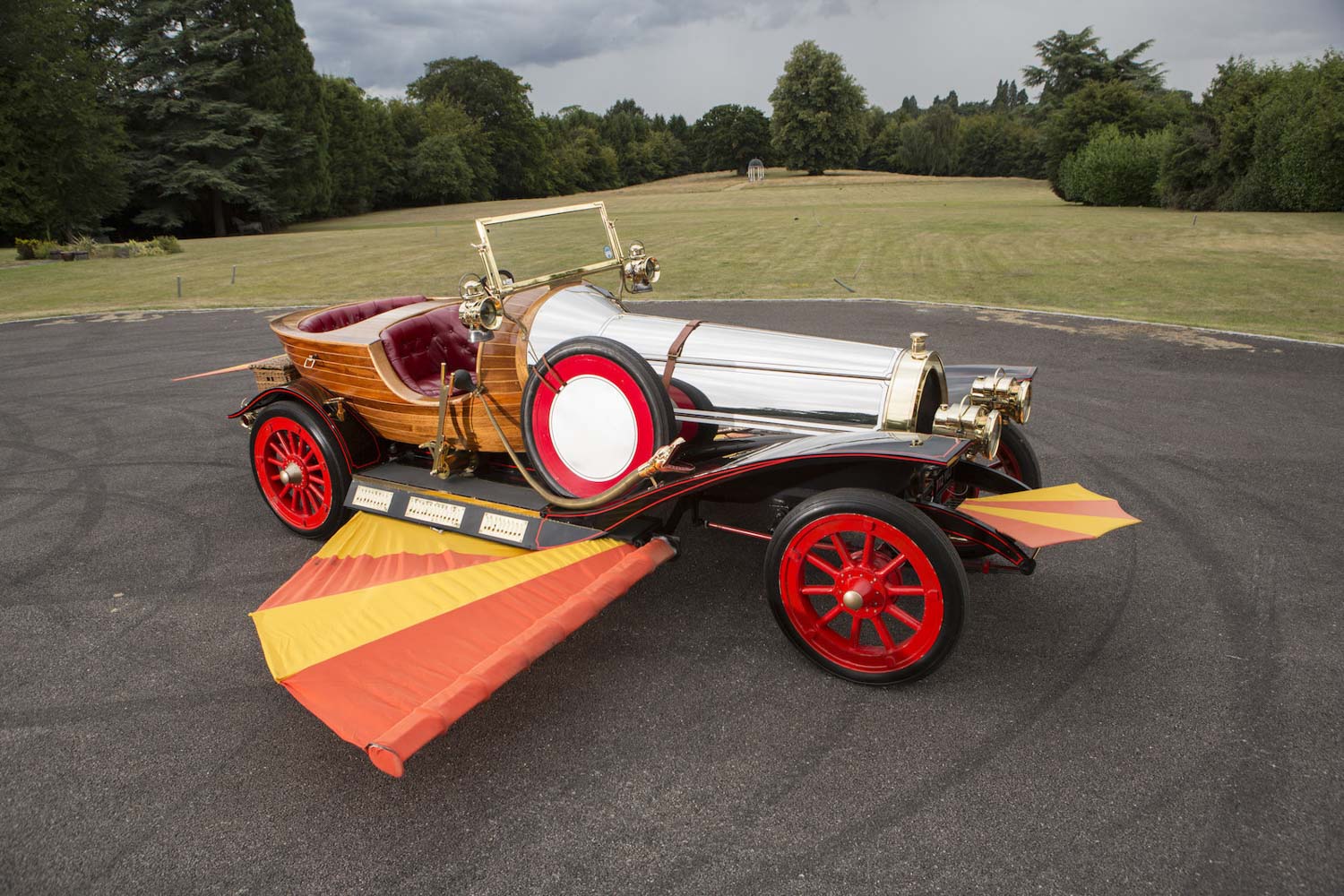
Outside of the six prancing horses Evans is letting go, he’s also selling a replica of the famously nutty car from the 1968 film Chitty Chitty Bang Bang. Drowning in a mixture of wood and chrome, and sitting atop its bright-red wire wheels, the brilliant replica is estimated to sell for between £250,000–350,000, or NZ$590,000–826,000. Amazingly, this replica was constructed from scratch, taking its original owner just under 10 years to make — eventually completed in 2008. The car was produced with assistance from James Bond film designer, and Chitty Chitty Bang Bang assistant art director, Peter Lamont. Among its features are its distinctive yellow-and-orange wings, though I don’t think those are functional.
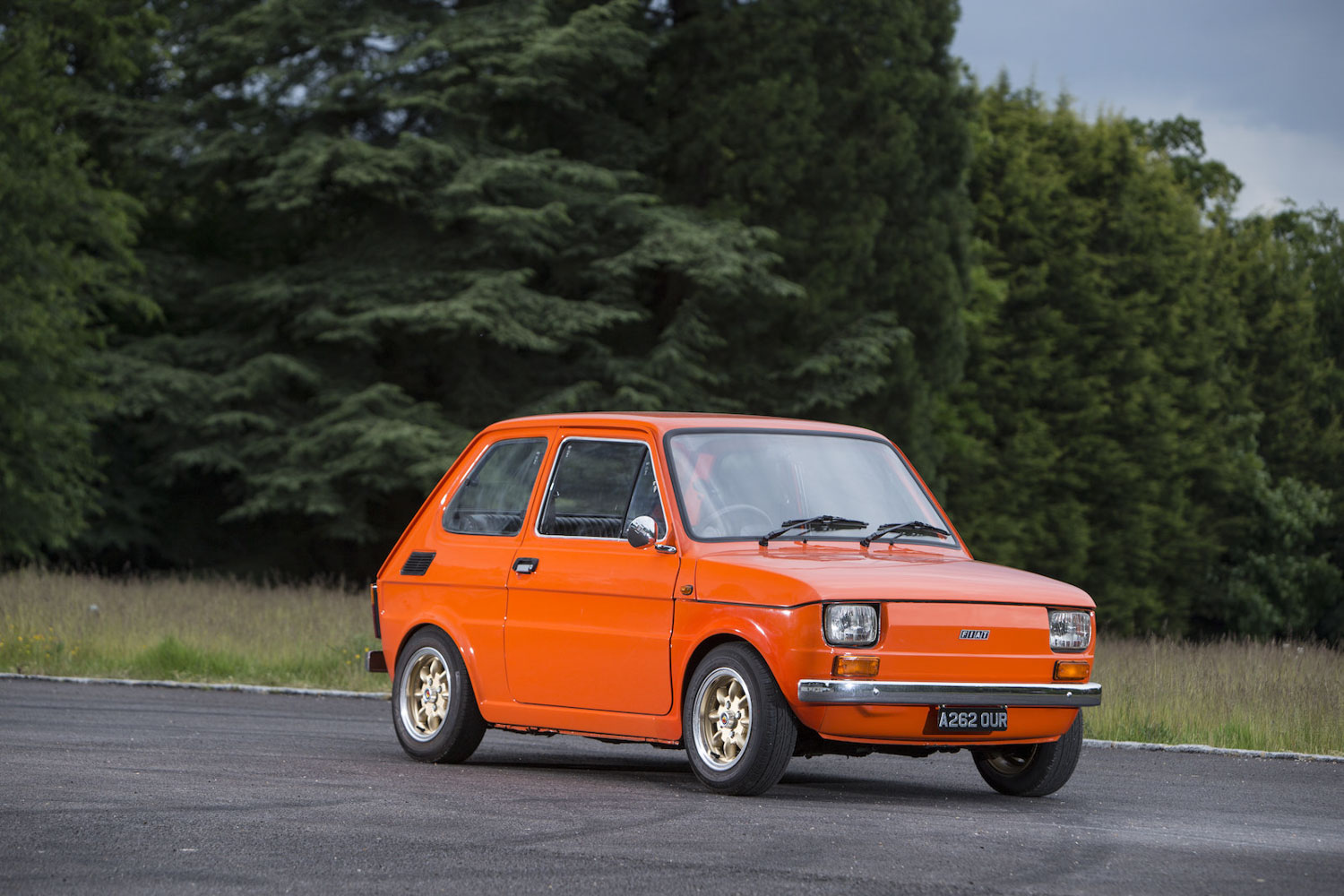
But perhaps the most curious inclusion on Evans’ list is this bright-orange 1983 Fiat 126 Abarth Replica Sports Saloon. Dwarfed by almost everything else on sale, the Abarth is estimated to sell for the princely sum of £10,000–15,000, or NZ$24,000–35,000. Supposedly, this humble Fiat simply caught Evans’ attention in 2011 because of how its violent hues matched his ginger hair. Out of the whole list, this cute little guy is probably the one I’d take home.
Check out the full gallery of Evans’ cars up for sale below. Do you have a favourite? Vote for it in our poll below!