Million-dollar babies: 10 automotive rarities go under the hammer at Bonhams auction

6 August, 2015

A 1954 Bugatti 101C coupé, a 1972 Maserati Boomerang, and a 1951 Lancia Aurelia B52 coupé are among 10 incredibly rare vehicles headlining the inaugural Chantilly Sale on September 5 at the famed Bonhams auction house in England. The 10 cars are estimated to sell for a mind-bending total of €7,990,000, or NZ$13,339,273.
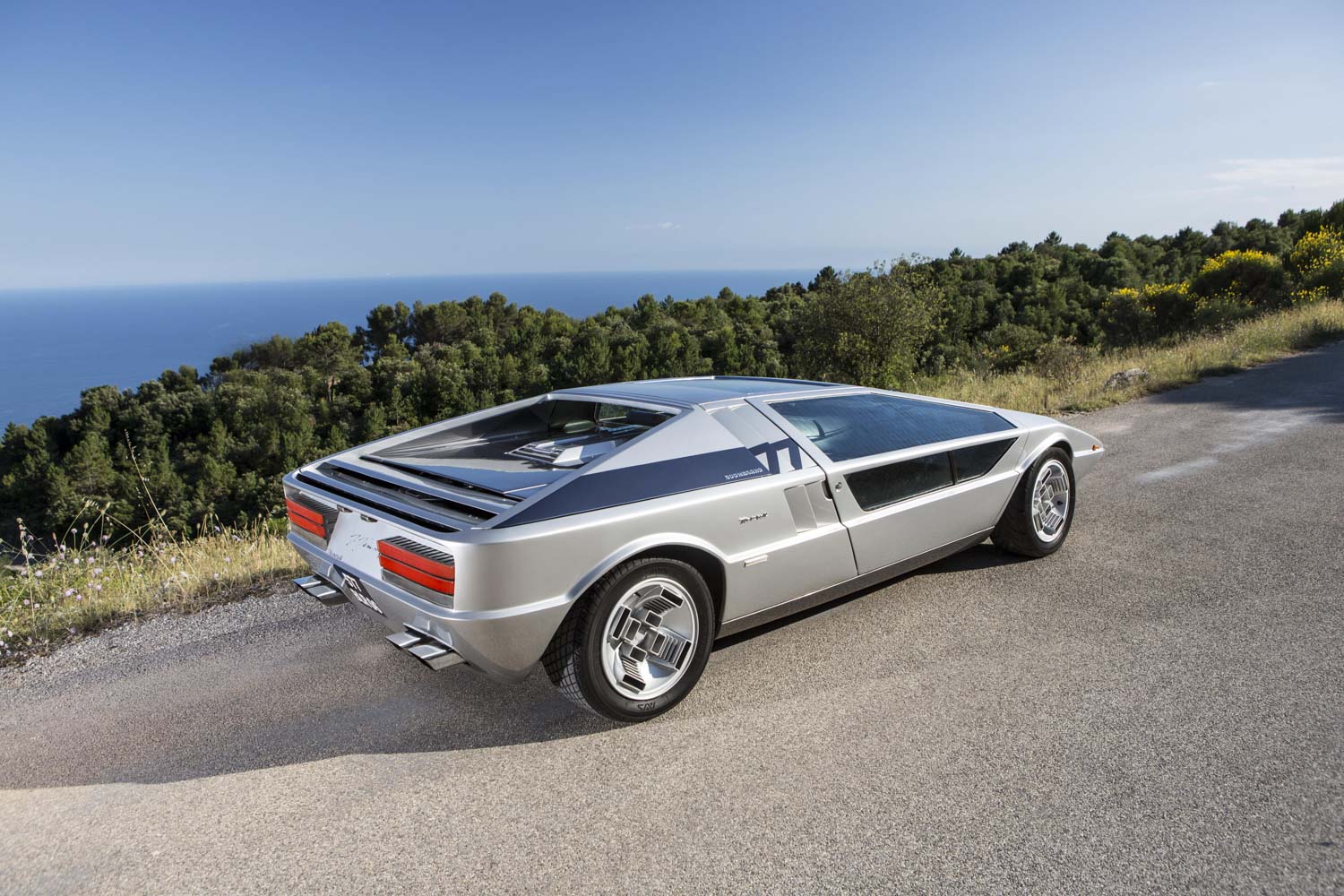
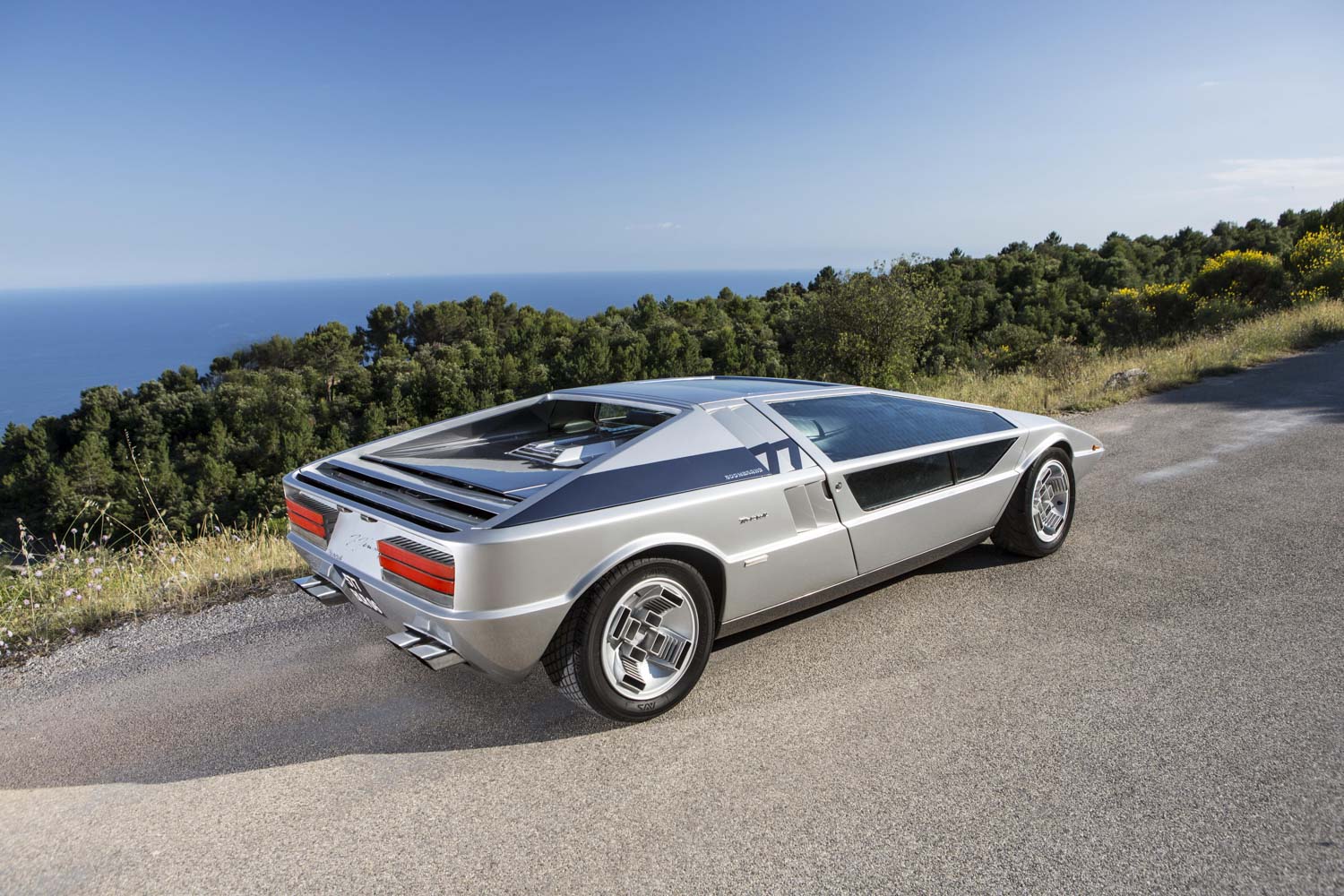
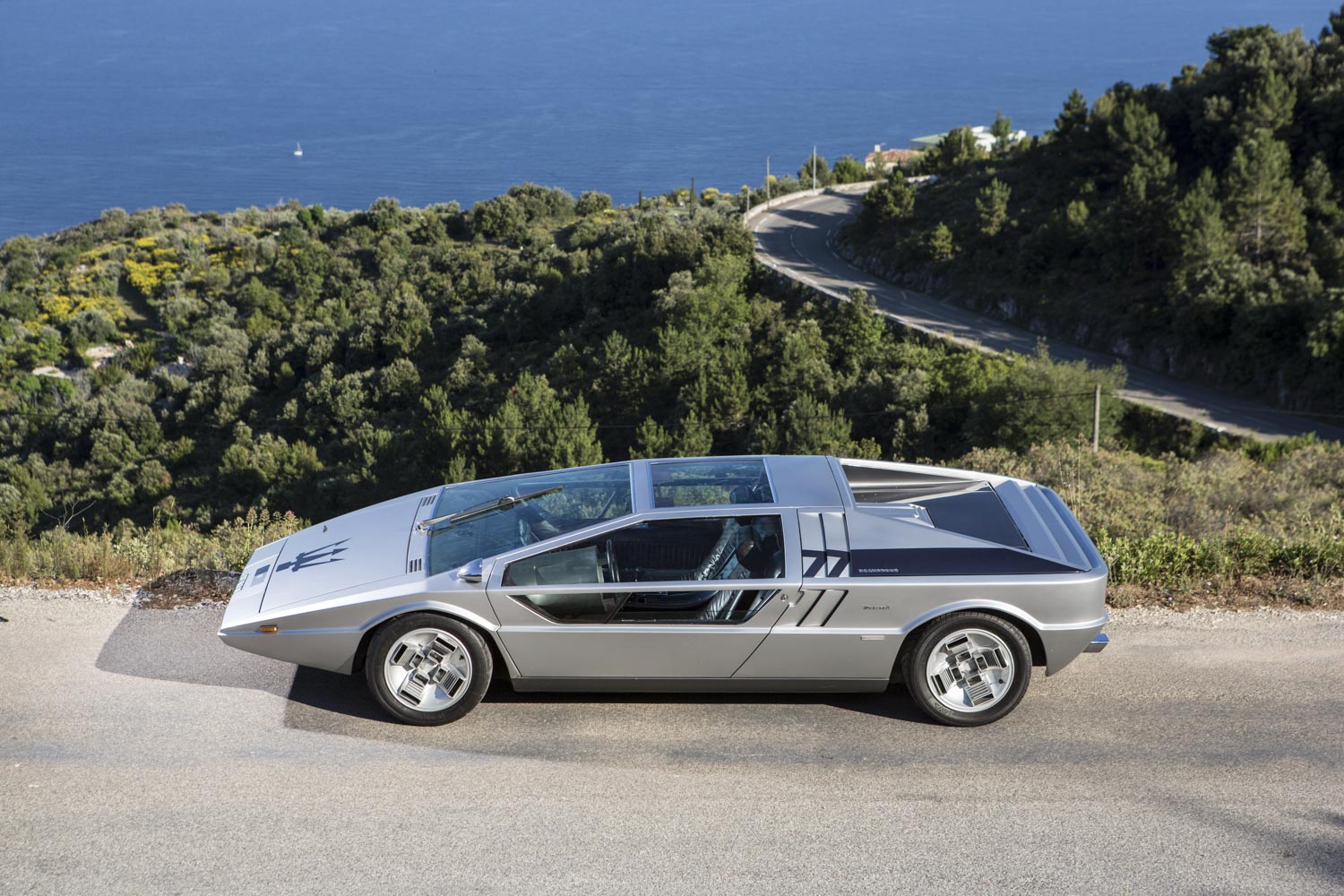
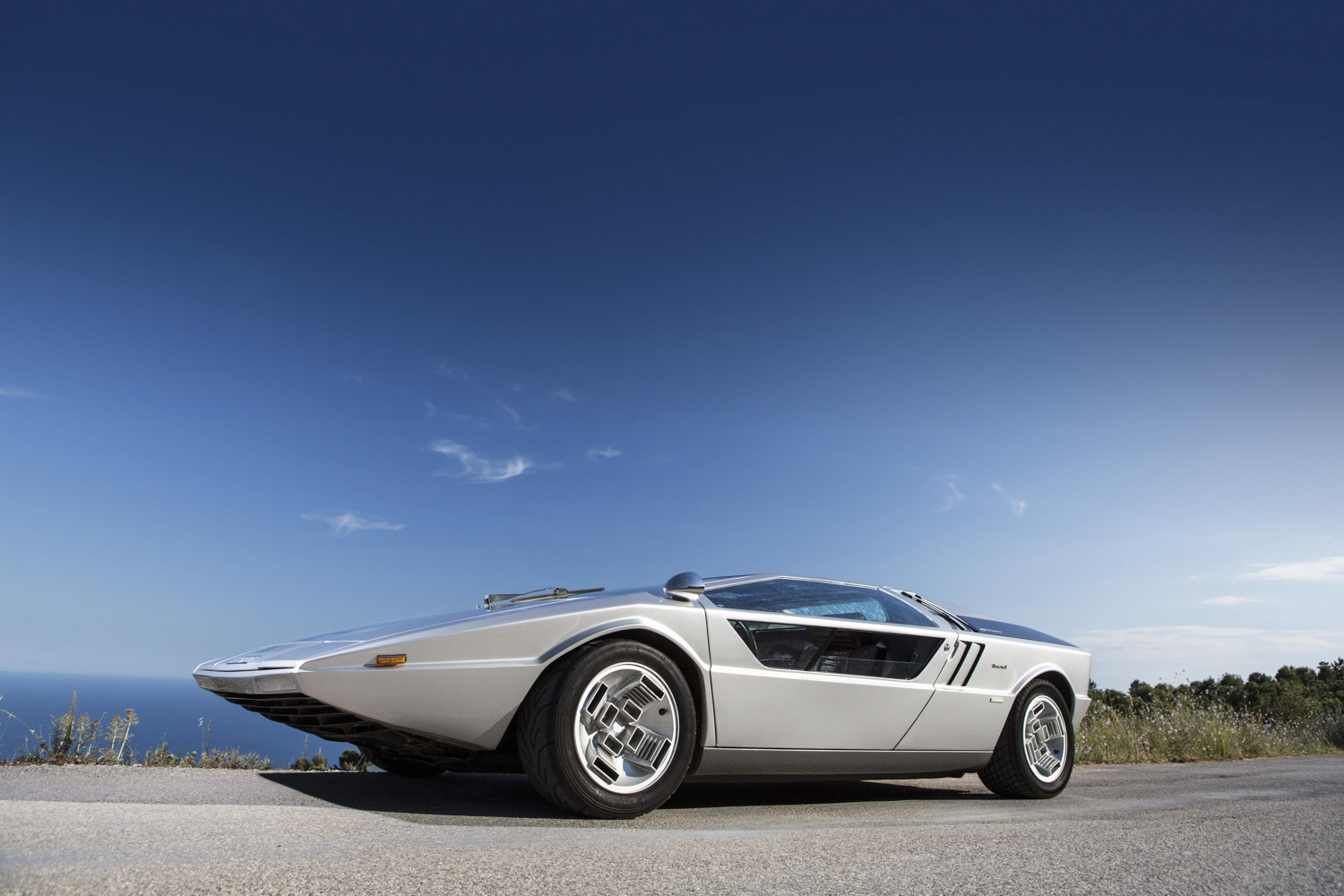
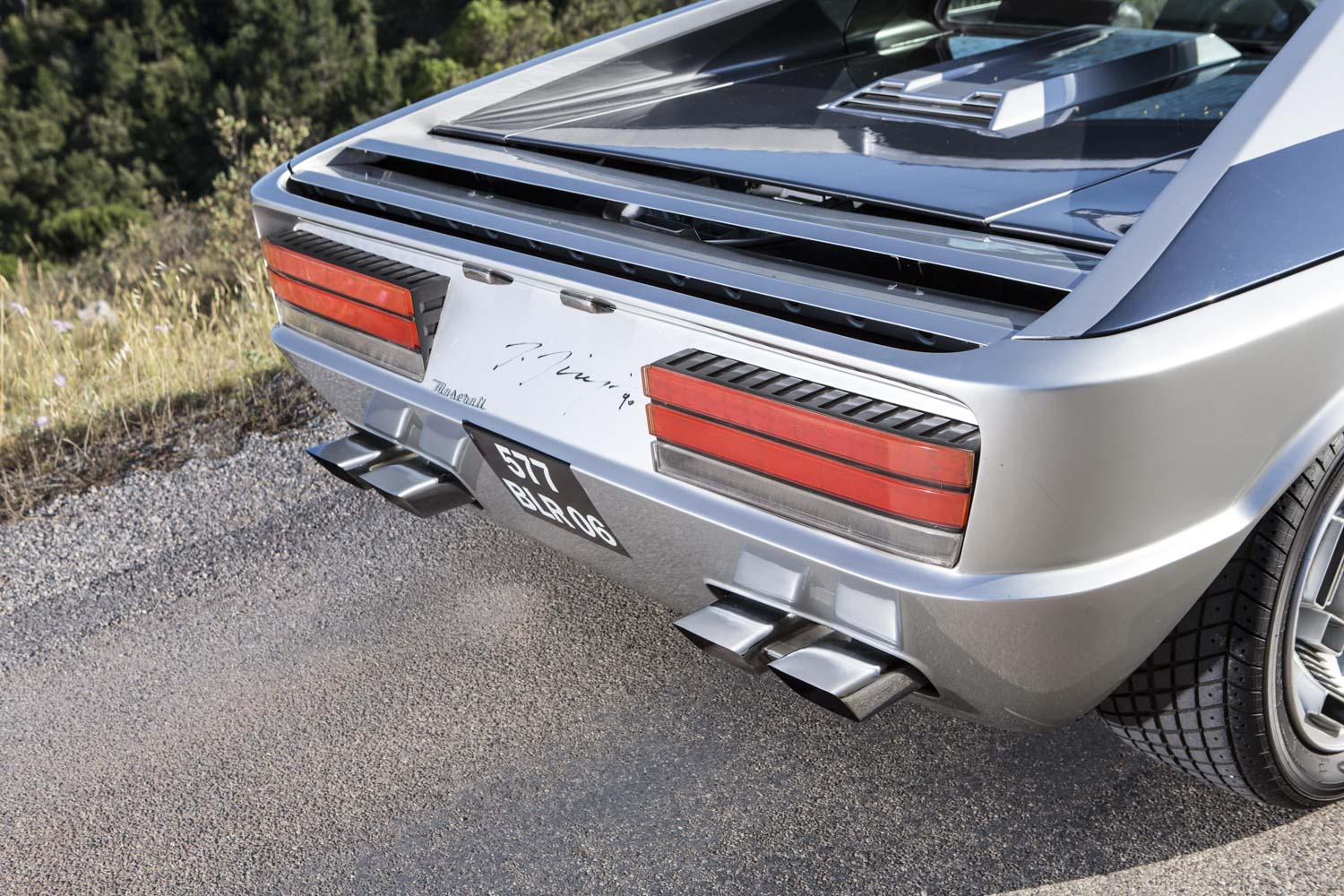
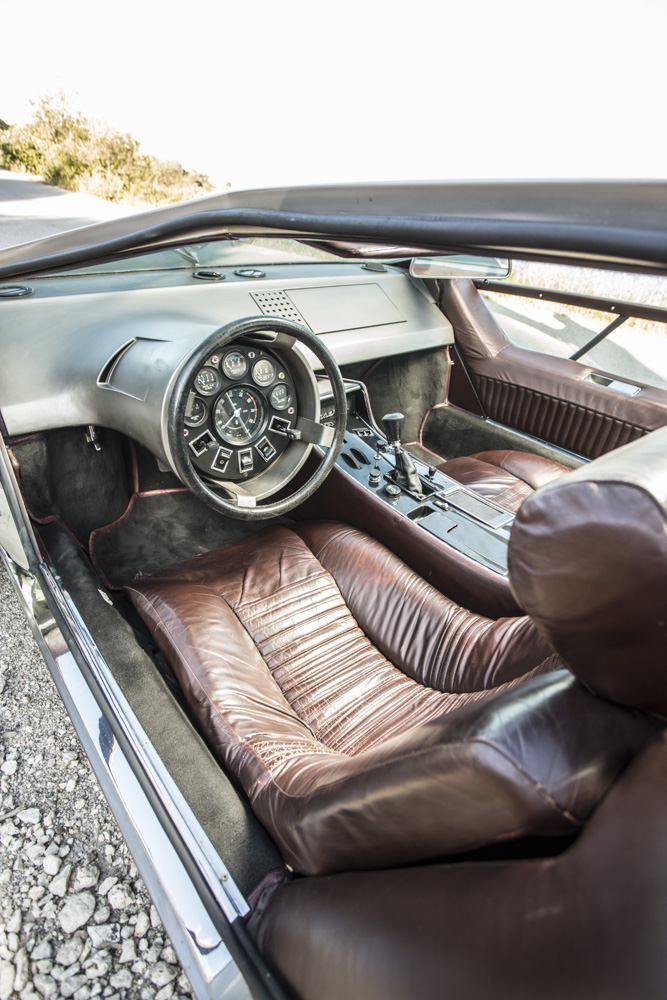
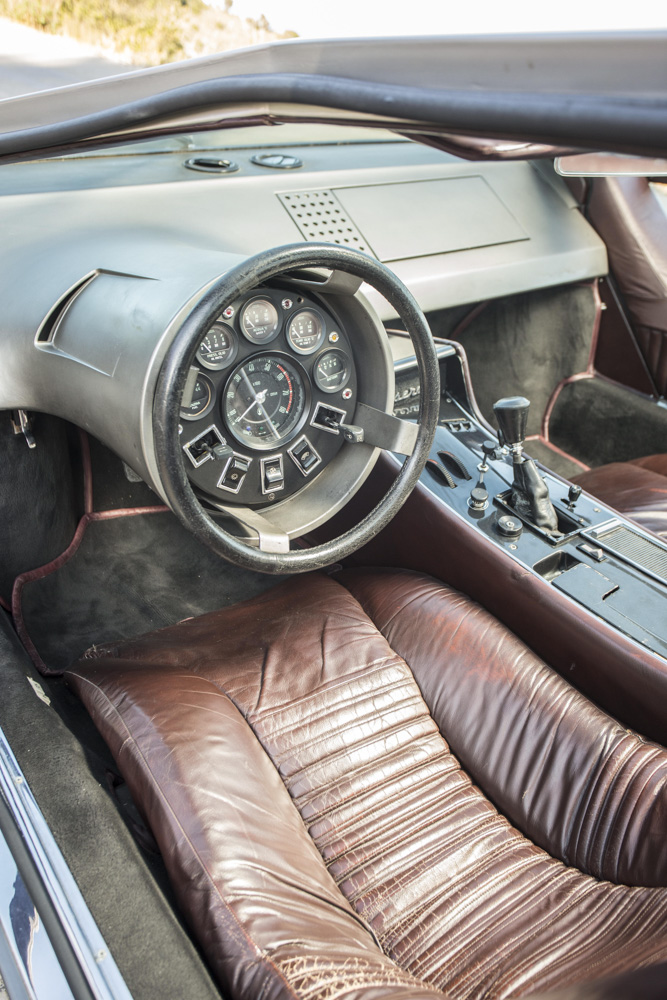
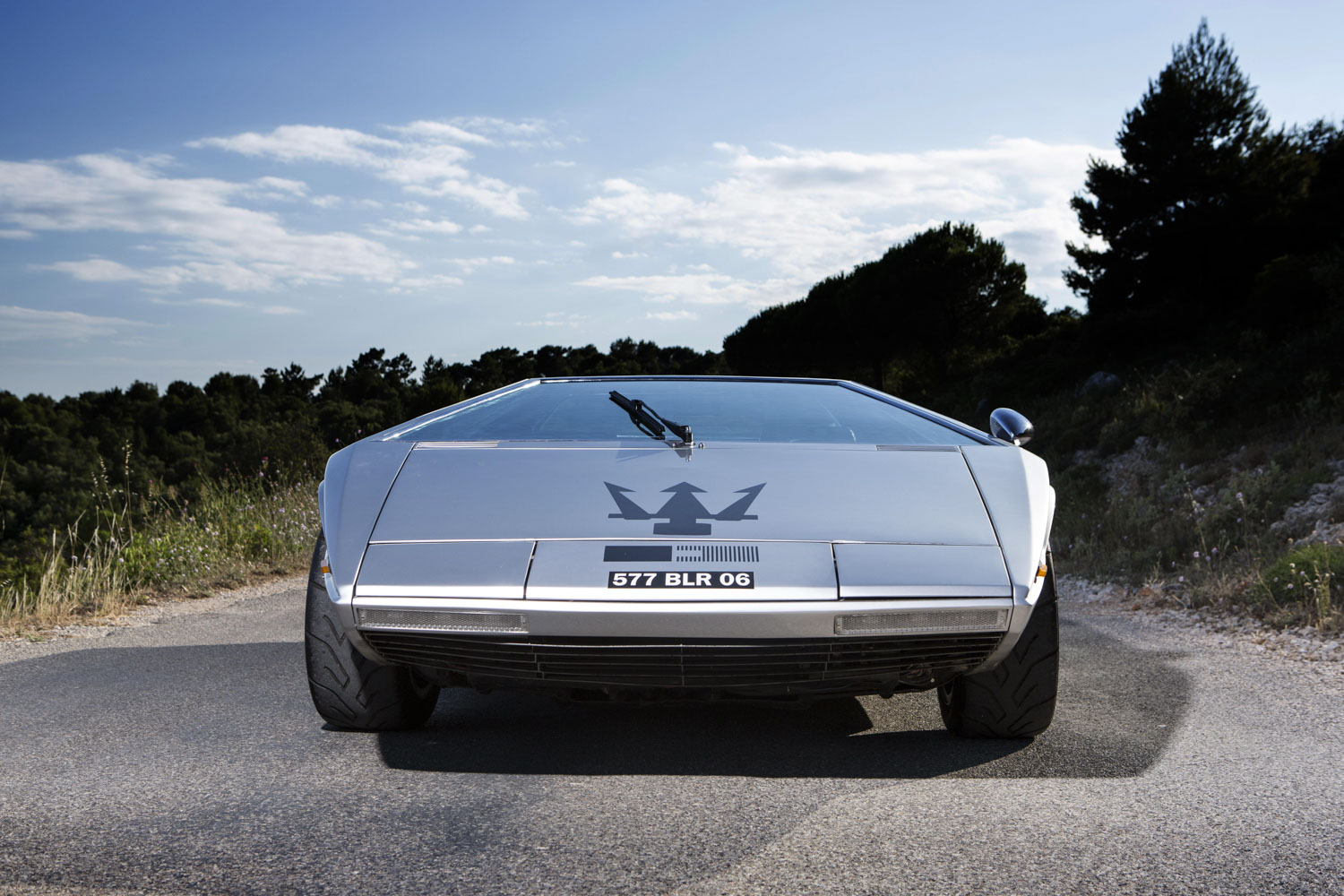
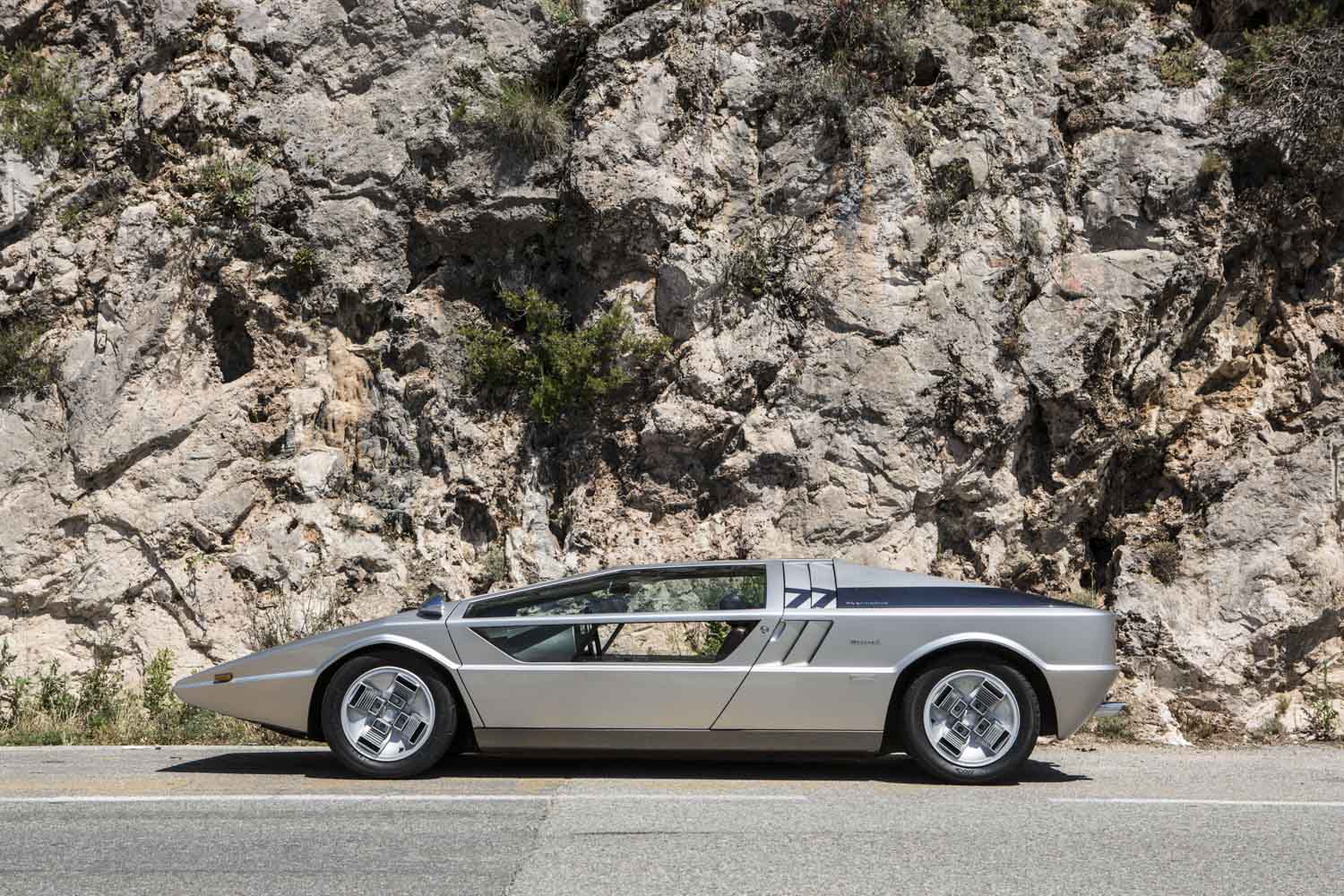
The 1972 Maserati Boomerang, a one-off fully functional concept car, tops the estimated valuations, weighing in at up to €4 million (NZ$6.6 million). Penned by renowned Italian designer Giorgetto Giugiaro, who only retired from design in 2015, the Boomerang made its debut at the 1971 Turin Motor Show. With the 4.7-litre V8 engine from the Maserati Bora under the bonnet, the Boomerang produced 310bhp, which could propel it to a reported top speed of 300kph. But the Boomerang’s crowning feature was always its distinct looks, with many of its triangular and straight-edge–laden elements, inside and out, remaining constant in Giugiaro’s automotive work for decades to come.

One of the other more generously priced cars present will be the Bugatti 101C coupé, with an estimated value of up to €1.8 million (NZ$3 million). Initially slated for a production run of just 50 cars, only six 101s were ever produced. This range-topping C-model version comes with a supercharger, and a body built by well-known coachbuilder Jean Antem. The car is currently owned by actor Nicolas Cage (of Face Off and Gone in 60 Seconds fame), but expect that to change at auction … 
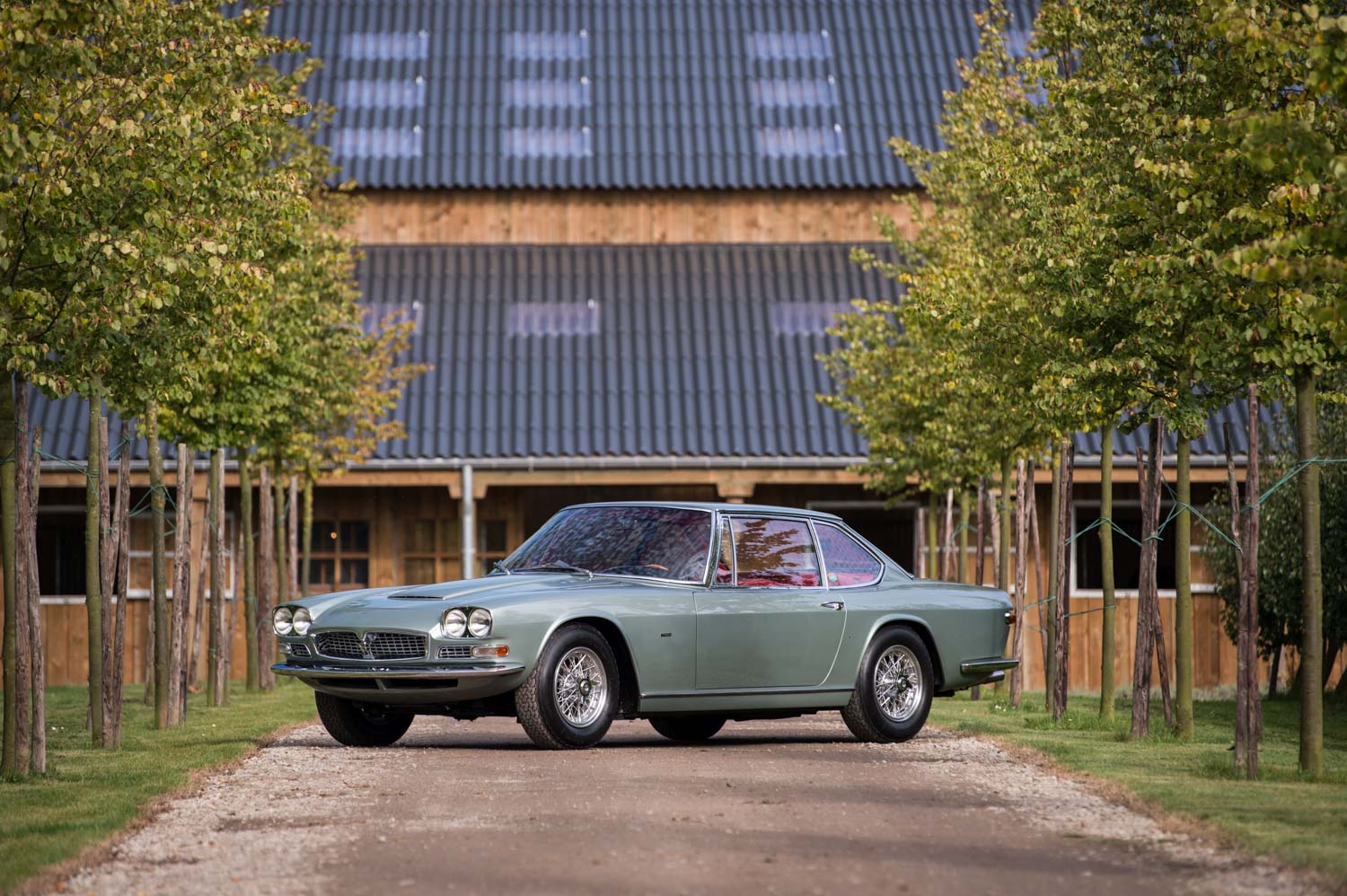
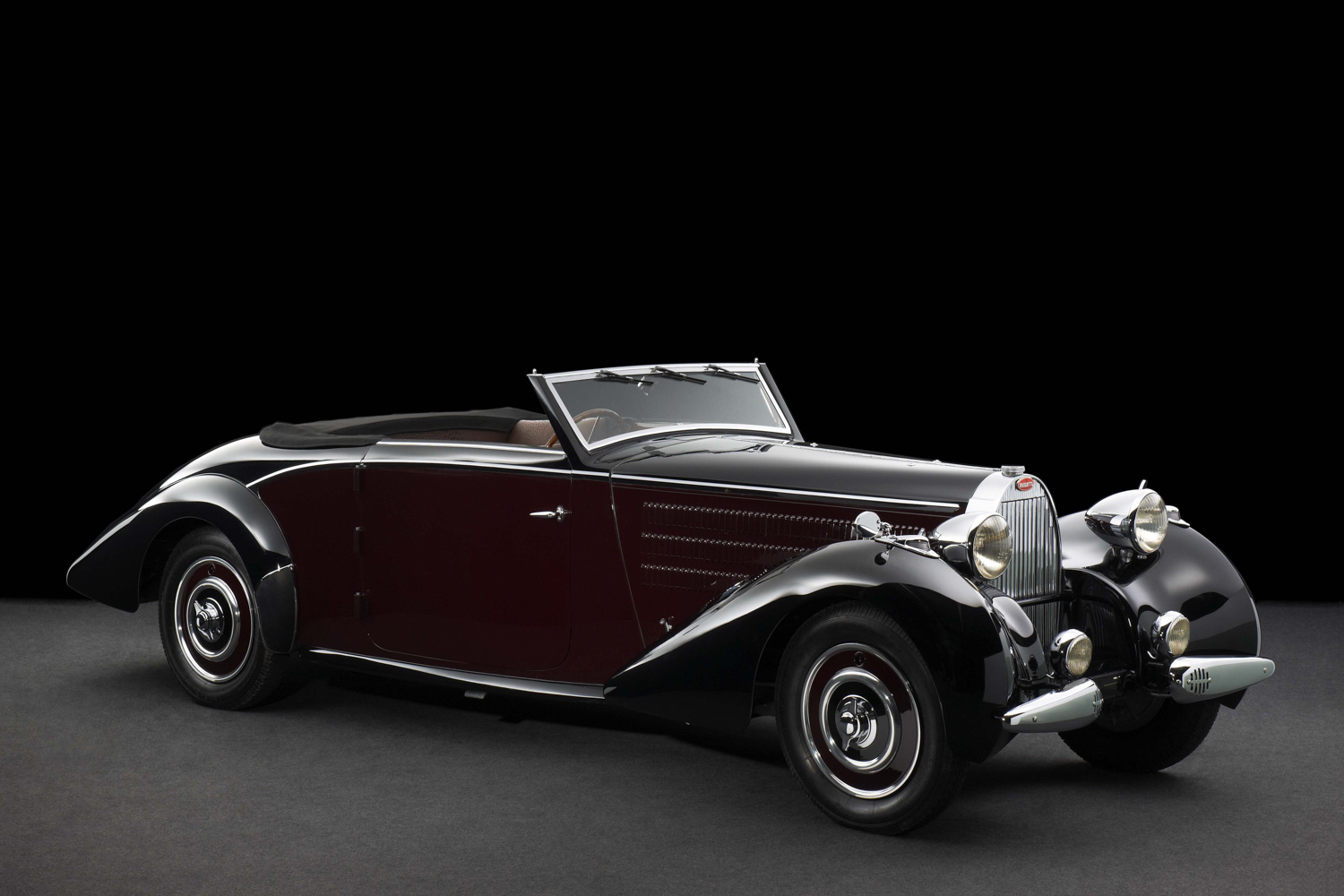
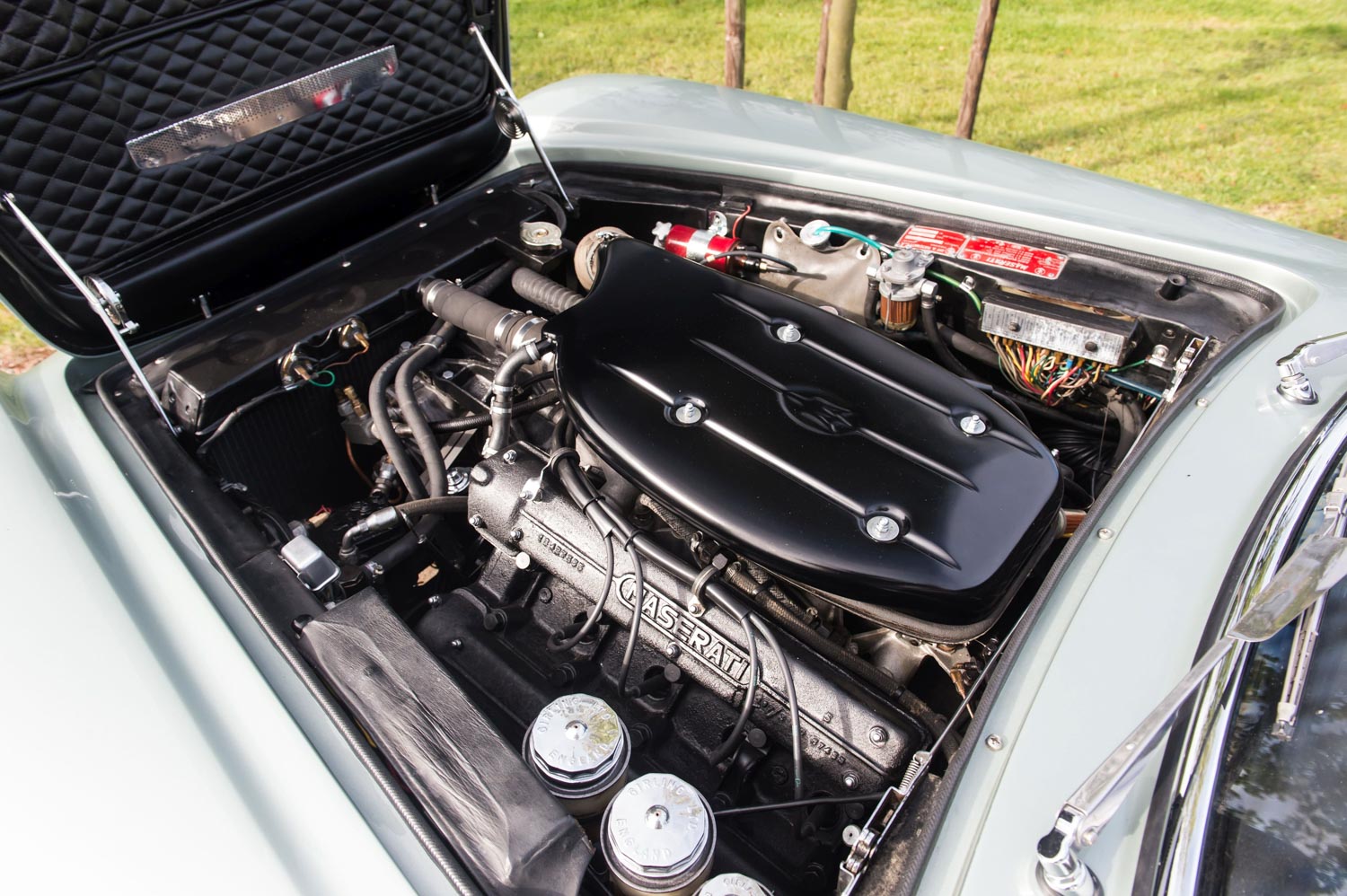
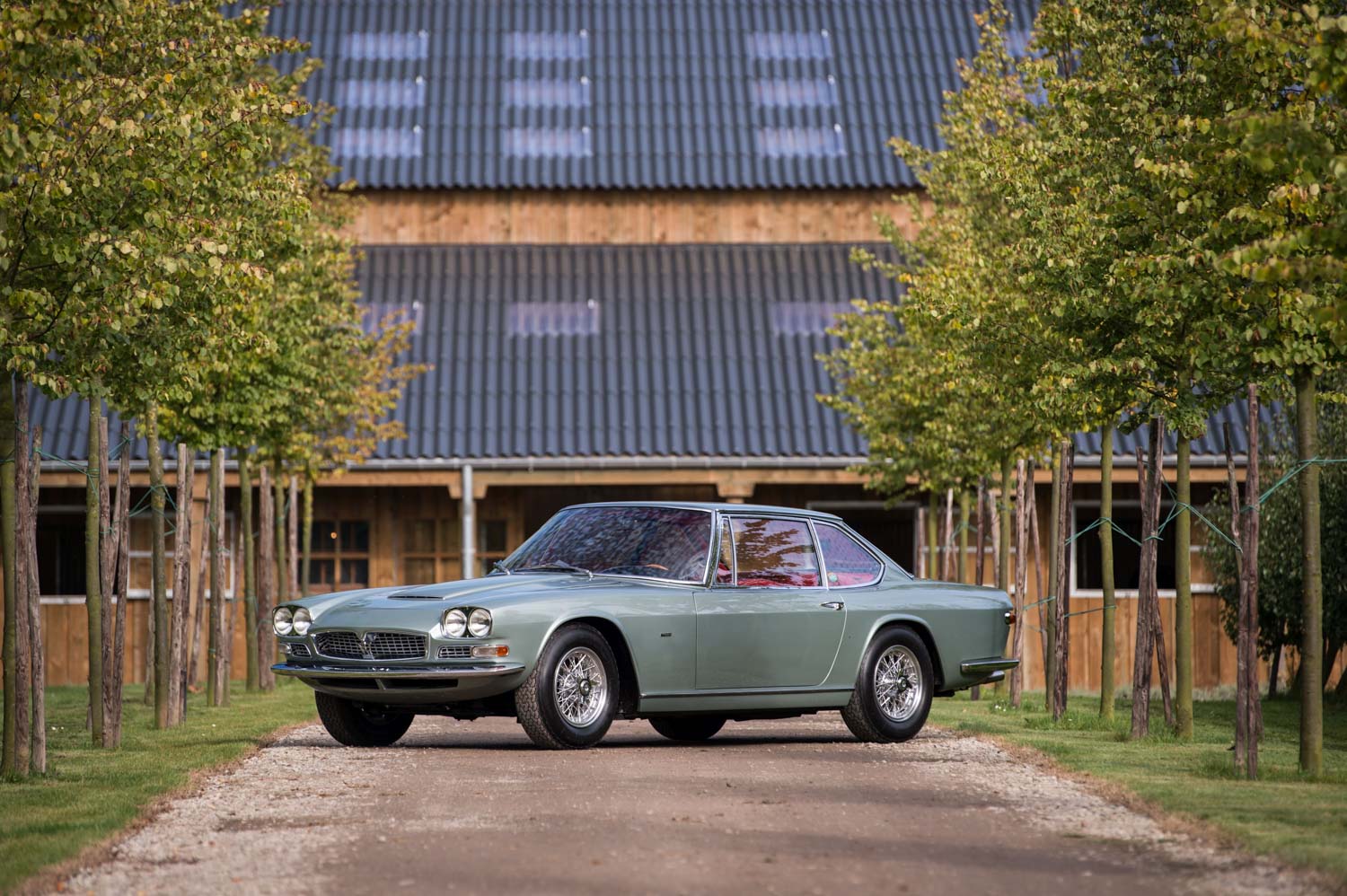
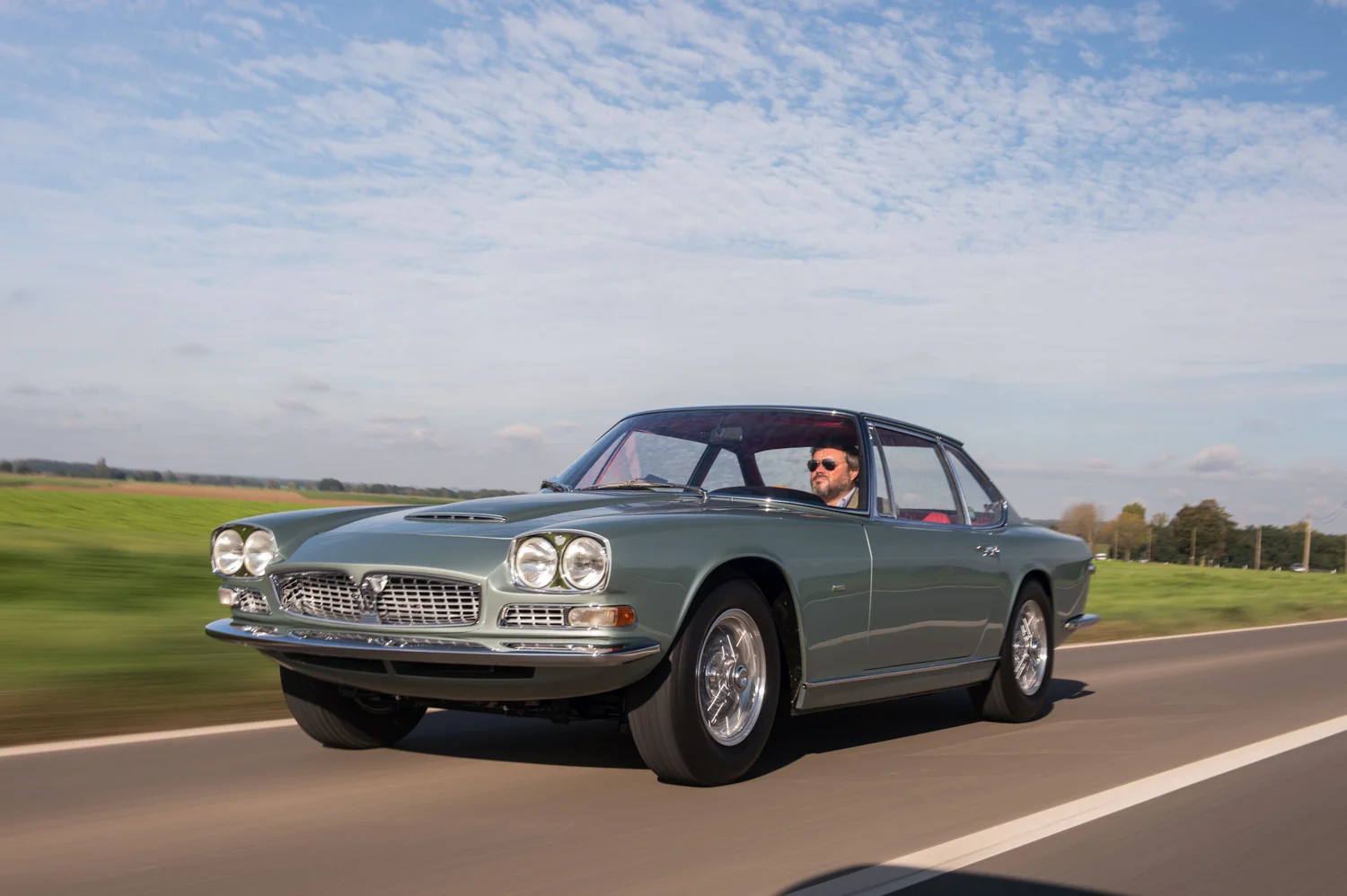
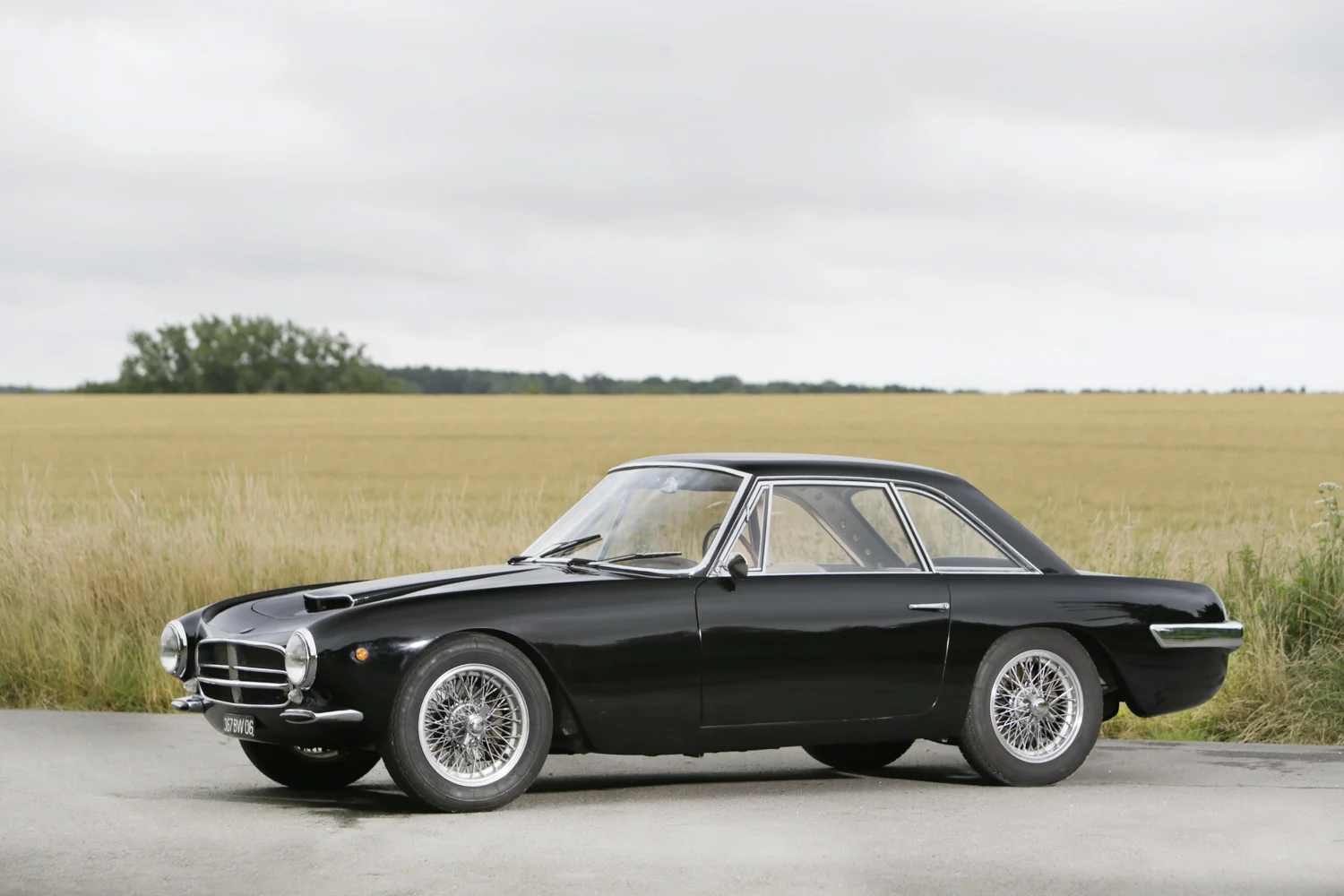
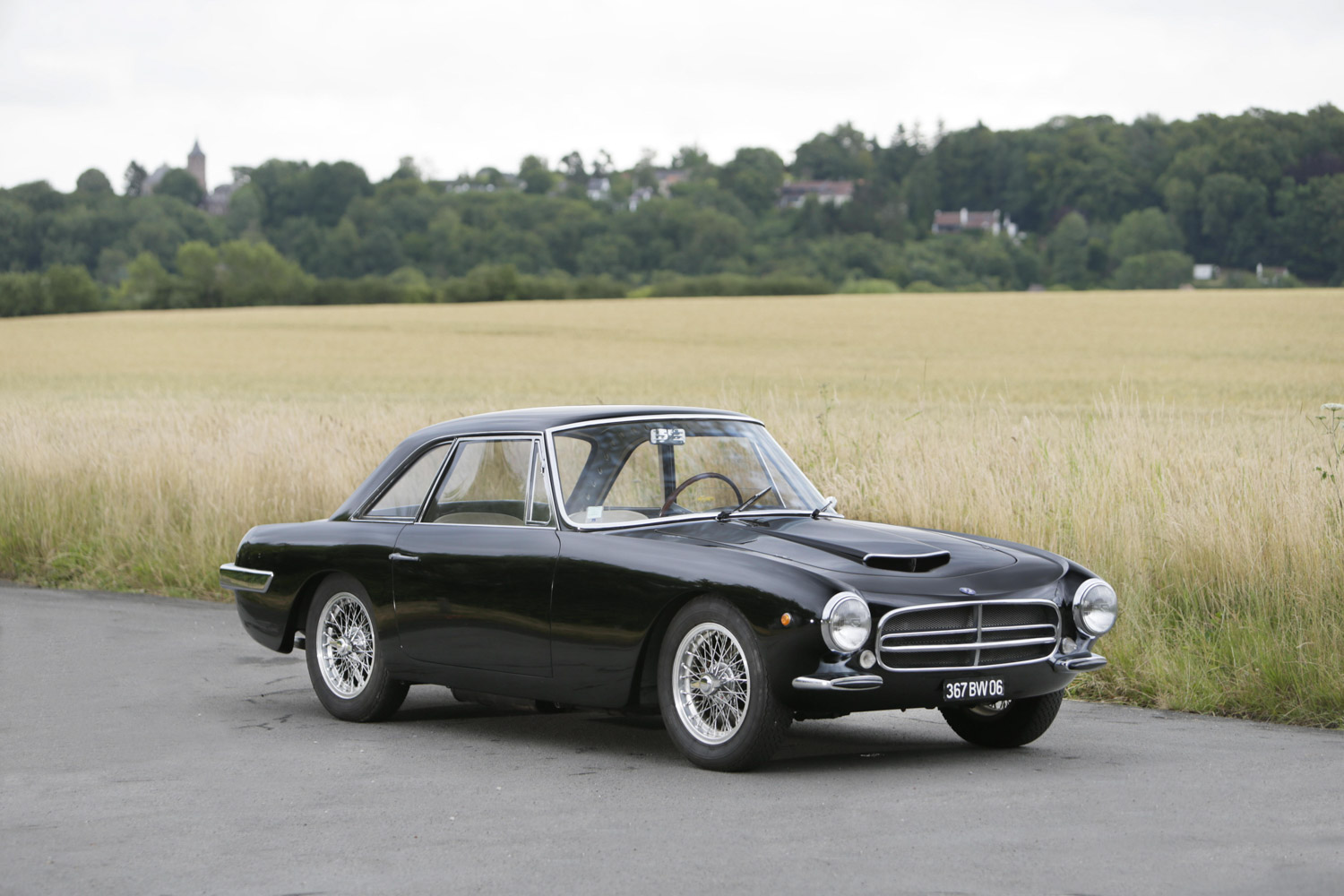
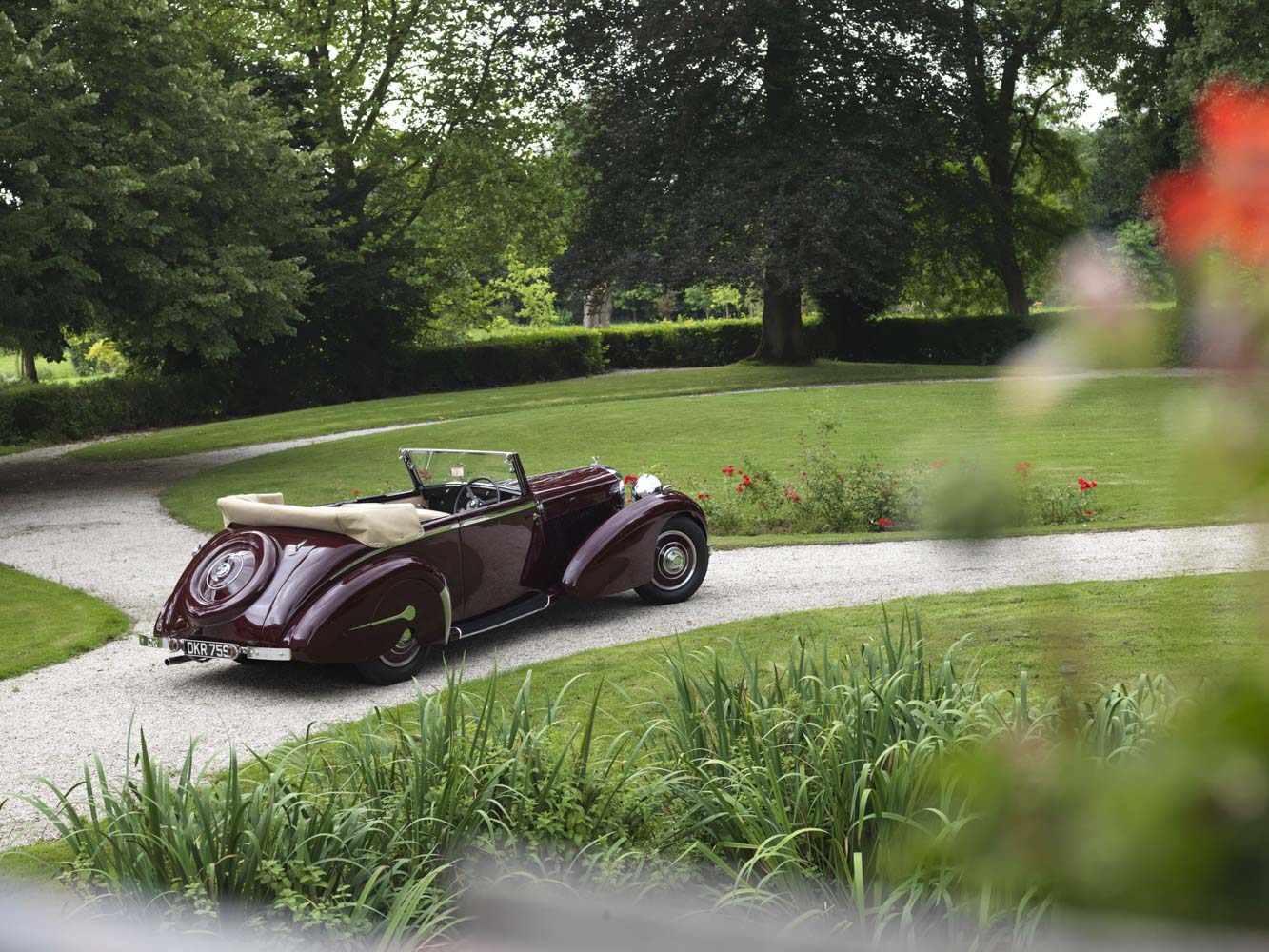
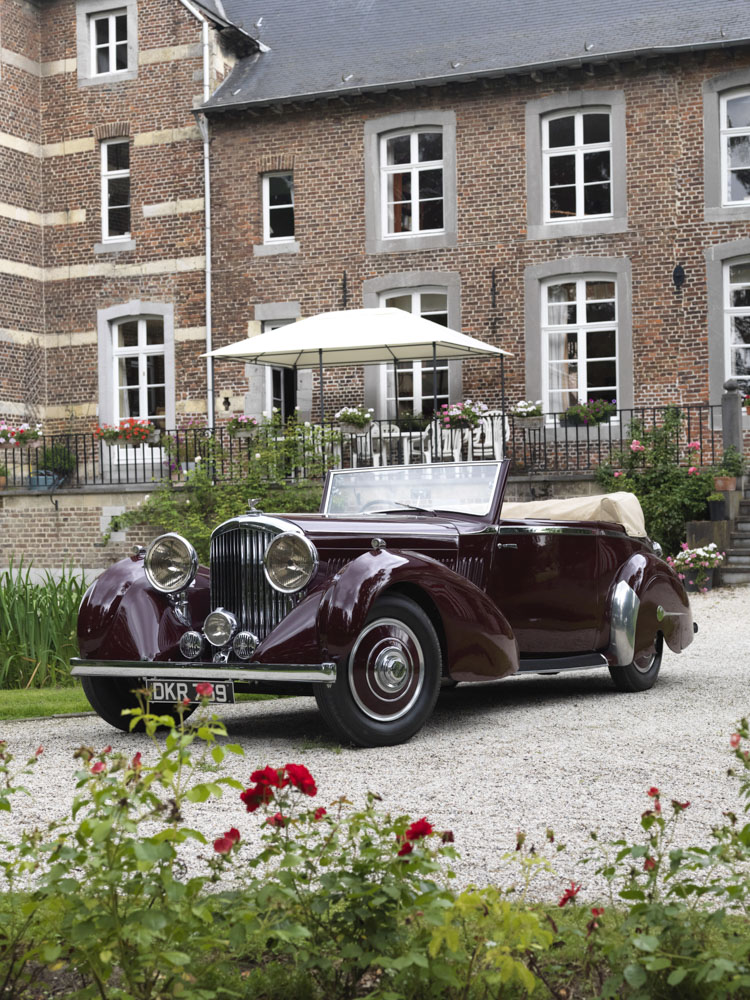
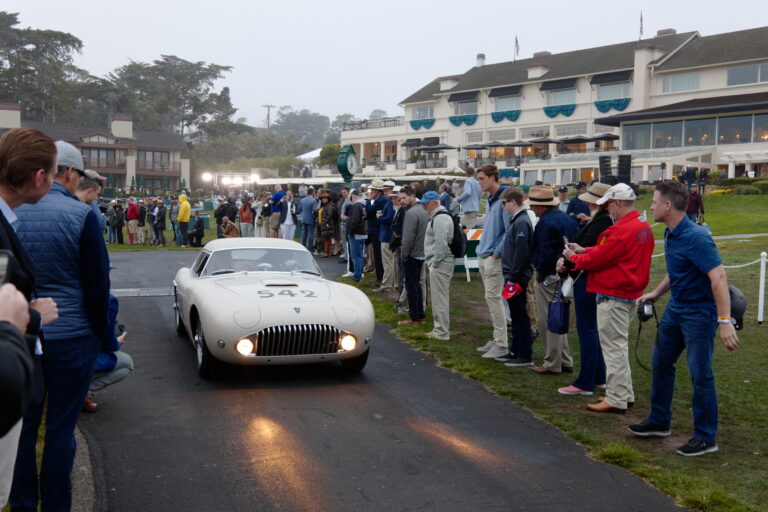
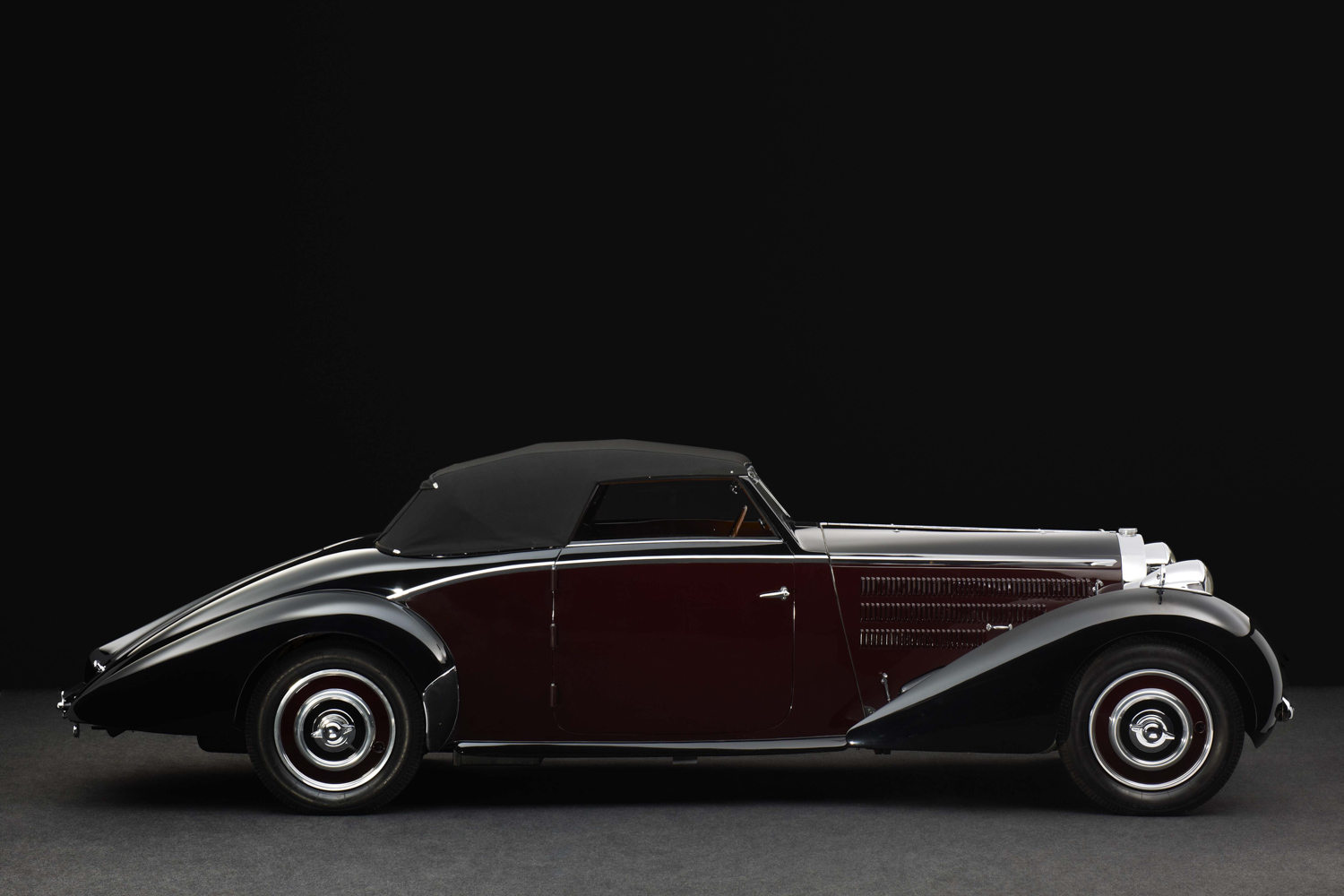
A 1938 Bugatti Type 57 Cabriolet, a 1968 Maserati Mexico 4.7-litre coupé, a 1951 Lancia Aurelia B52 coupé, 1961 OSCA 1600 GT coupé, a 1937 Bentley 4¼-litre ‘Aerofoil’ Sports Saloon, a 1937 Bentley 4¼-litre Drophead Coupé, a 1959 Alfa Romeo 1900C Super Sprint Coupé, and a 1996 Aston Martin Sportsman Shooting Brake complete the list of ten unique standout cars to appear at the auction. 

This is the second time in 2015 that the Bonhams auction house has made headlines, after selling off one of the world’s most desirable Jaguars — a quarter-million–pound XK 120 — back in June. For more images of some of the stars, check out the gallery below: 
Coaching from the bench: Casting plastic knobs and rubber parts

Casting rubber items is simple if you have a good original to work with. The item doesn’t have to be perfect. You can use plasticine to smooth out cracks, and you can even make whole prototypes out of low-fire modelling clay available from craft stores if you need to. Prototypes can also be made of wood or metal.
You will need mould dams to contain the liquid urethane moulding solution until it cures. You can build boxes out of strips of wood, but I have found that small plastic boxes and bowls such as those you would use for leftovers in your fridge work well if you spray them with a mould release agent.
Temperature is important to the chemical processes involved, so work in an area that can be maintained at around 20 degrees. You will also need adequate ventilation because the fumes can be dangerous to breathe. And you will want to wear latex gloves to protect your hands.

Fraser Cars – low flying into the fourth decade

With almost three and a half decades under its belt, Fraser Cars is one of New Zealand’s longest-surviving car manufacturers. The company first opened its doors for business in 1988, during the boom time for kit manufacturers. During the ’80s, around 40 different companies were building kits and turnkey cars for this niche market. Of those, only Fraser and Almac Cars (established 1981) are still in business today.
Most of the new kit car companies were killed off in the cradle by the threat of new legislation that never eventuated and definitively by the sudden availability of high-performance Japanese cars when the floodgates to second-hand imports were opened. The now long-retired founder of the company, Neil Fraser, first came across Lotus Seven replicas while racing Lotus Cortinas in the early ’80s. He regularly found himself racing against a little Caterham, a Lotus Seven–styled car built in England. He was very impressed by its simplicity and handling. In 1986 Fraser built his own Lotus Seven–type car, using the knowledge he had gained from several close looks at the Caterham.