September is going to be a very busy month if you’re a car collector based in Europe. Just two days after the inaugural Chantilly Sale at the Bonhams auction house, there’s set to be another barnstorming car auction filled to the brim with high-quality machinery — the RM Sotheby Sale being held in London on September 7.
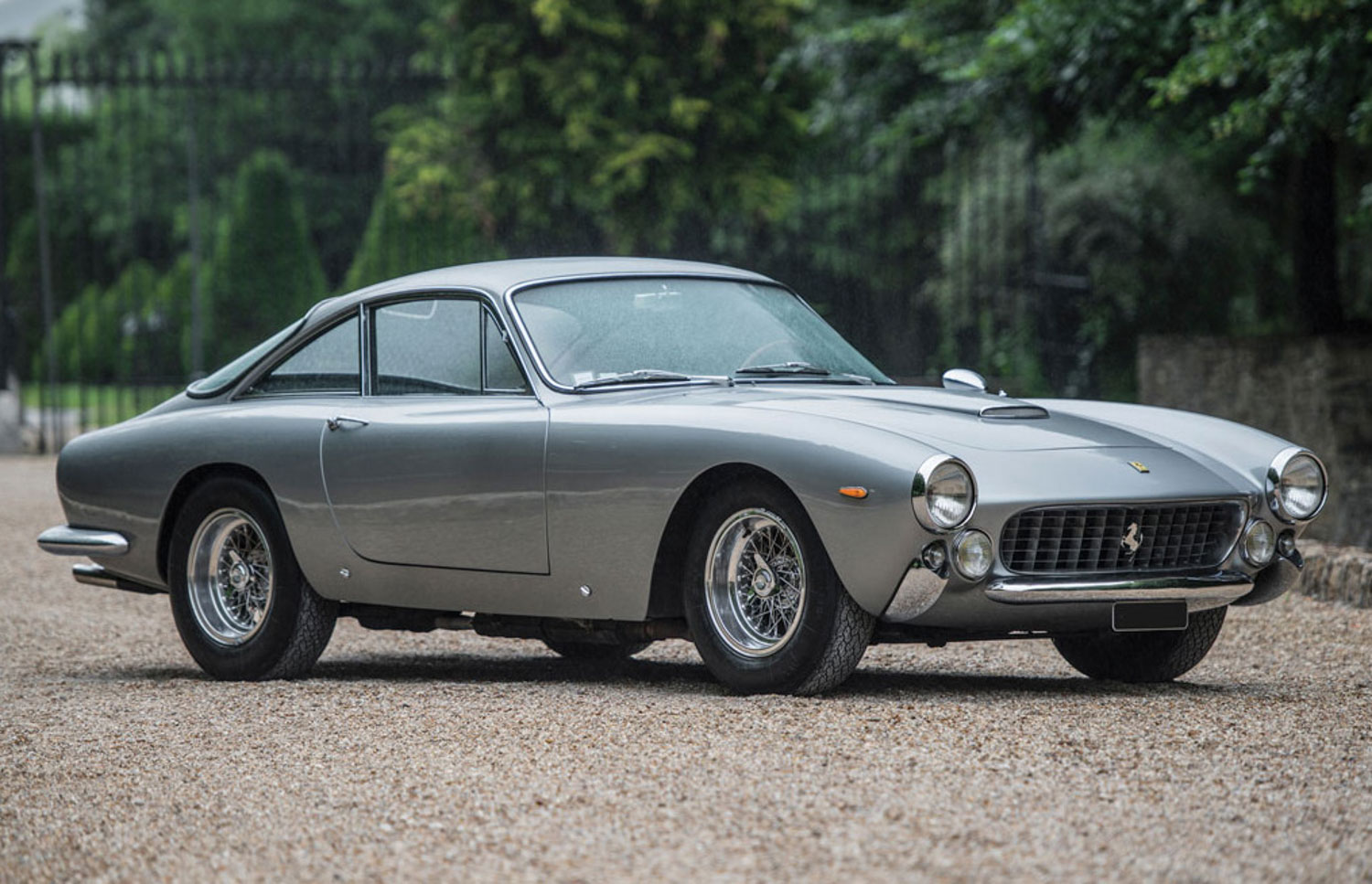
While the RM Sotheby auction lacks some of its Bonhams counterpart’s devastating estimated prices, there will still be more than 70 fantastic vehicles up for grabs to the privileged few willing to raise their paddles. The chief of which being a stunning silver 1964 Ferrari 250 GT/L ‘Lusso’. Powered by a 3.0-litre V12 engine capable of hitting 60mph in a brisk-for-the-period eight seconds, only 350 Lussos were ever produced. Musician Eric Clapton and the late Steve McQueen were among those to own a Lusso, and this particular example has been maintained to a meticulous degree by its current owner in France. The Ferrari is estimated to sell for up to £1.4 million, or NZ$3.3 million.
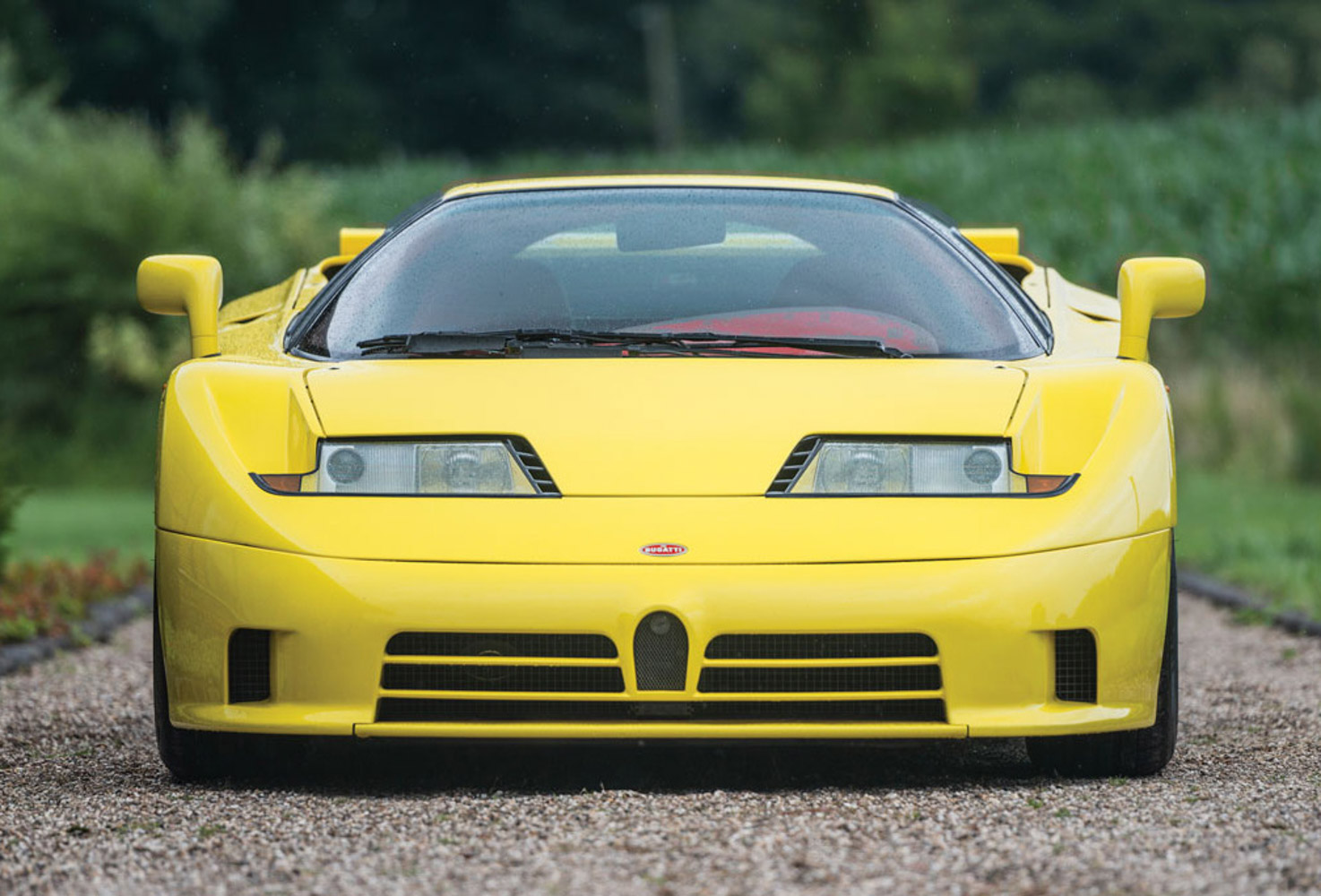
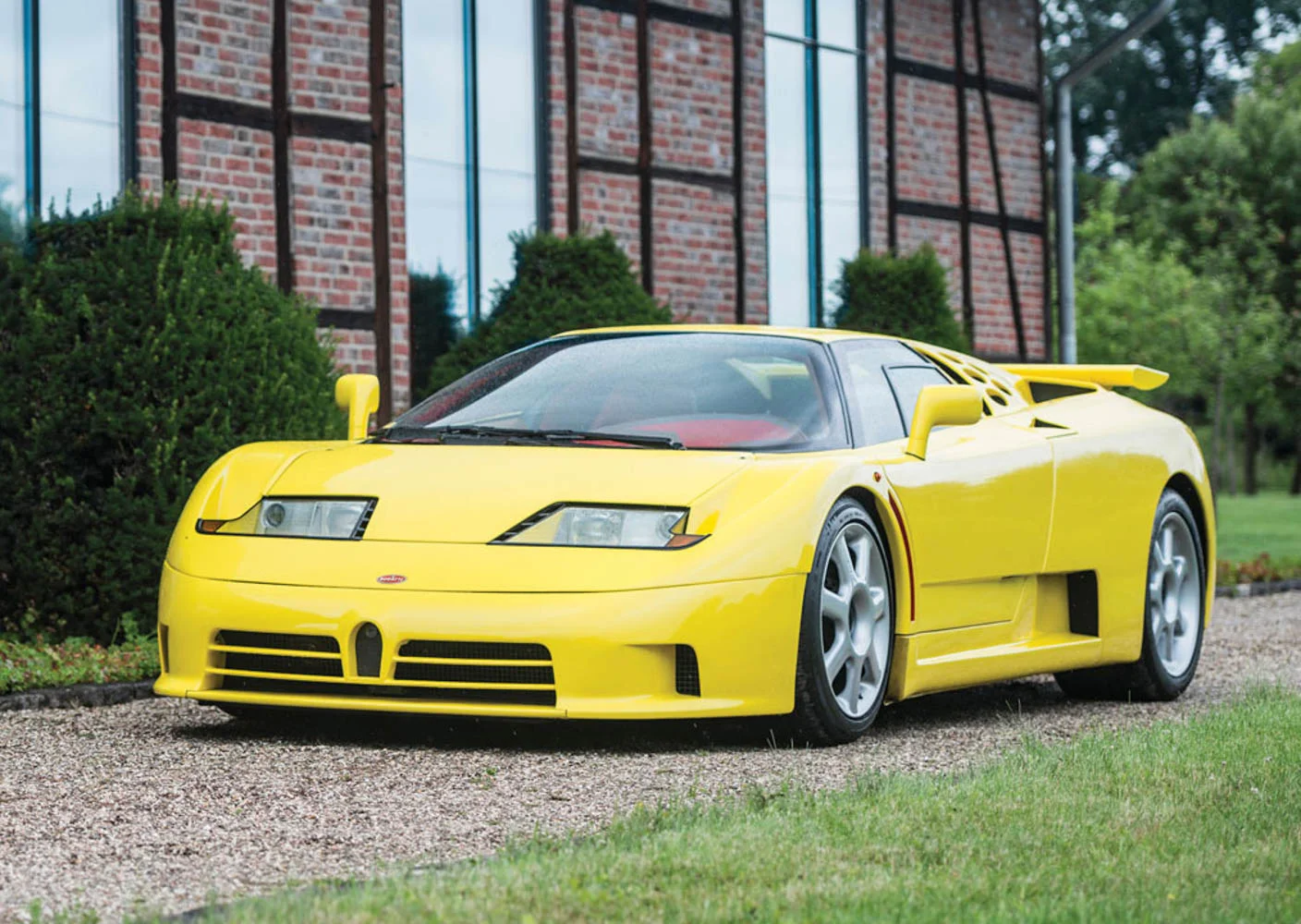
Another car that’s sure to excite is the 1995 Bugatti EB110 Super Sport. Only 33 EB110s were ever produced, with the top-spec Super Sport edition ranking as the most sought-after of the lot. Finished in a one-off not-so-subtle bright yellow with an equally unique bright-red interior, this example comes with 610bhp on tap from its DOHC 3.5-litre V12 engine, making it a true thoroughbred. Curiously this particular car spent the first stint of its life in Japan, before eventually winding up back in Europe. Today, it only has 10,100km on its odometer. It’s no surprise then that it’s expected to sell for a premium, with an estimated value of £600,000–£770,000, or NZ$1.4–1.8 million.
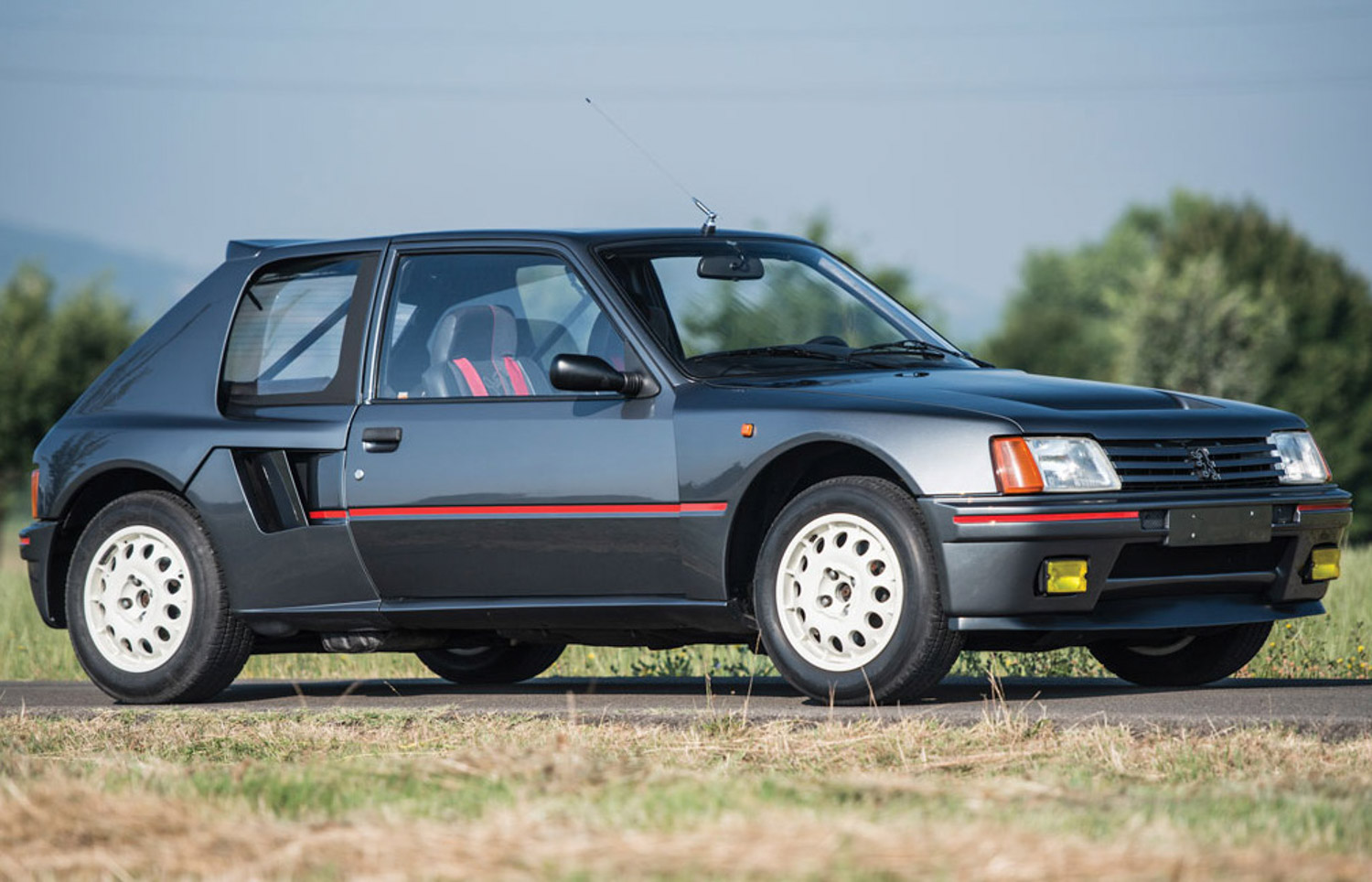
Also among the Ferraris, Porsches, and Jaguars that line the RM Sotheby list will be this unassuming Peugeot 205. To the untrained eye, it looks out of place. But those who know of what lurks underneath its pumped, vented, wide-body exterior will quickly realize that it’s going to sell for serious money. It is of course a 205 Turbo 16 — also known as the T16 — one of only 200 ever built in order to homologate its Group B-rallying sibling.
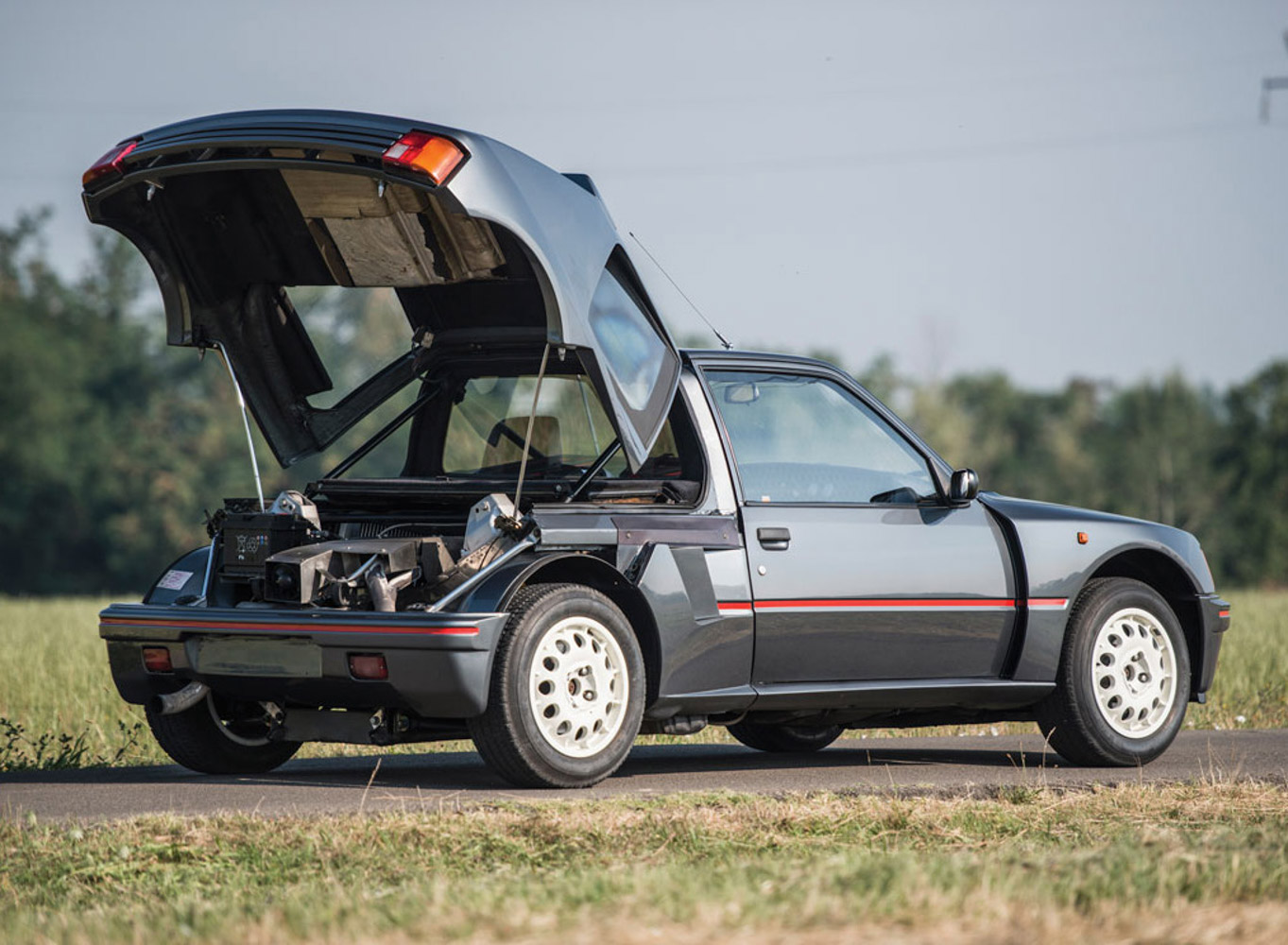
Under the boxy exterior lies a 16-valve turbocharged four-cylinder engine, mated to a four-wheel-drive drivetrain with independent suspension and vented brake discs on all four corners to back up its straight-line capabilities. With a vast amount of technology on its side, the T16 can bolt from zero to 100kph in six seconds, achieving an eventual top speed of 209kph. This pocket rocket is expected to sell for £120,000–£150,000, or NZ$284,000–355,000.
There are many other wonderful and unique cars up for grabs. Check out some of our highlights in the gallery below: