It must be quite a job working at London’s Bonhams auction house, with some of the world’s most lauded motors constantly streaming through their extensive line-up of auctions. This will once again be the case on December 6, as the Bonhams auction house plays host to the world’s greatest collection of Austin-Healeys. But that won’t be before they auction off another rather special car in Singapore, a Lotus Formula 1 car, on September 19.
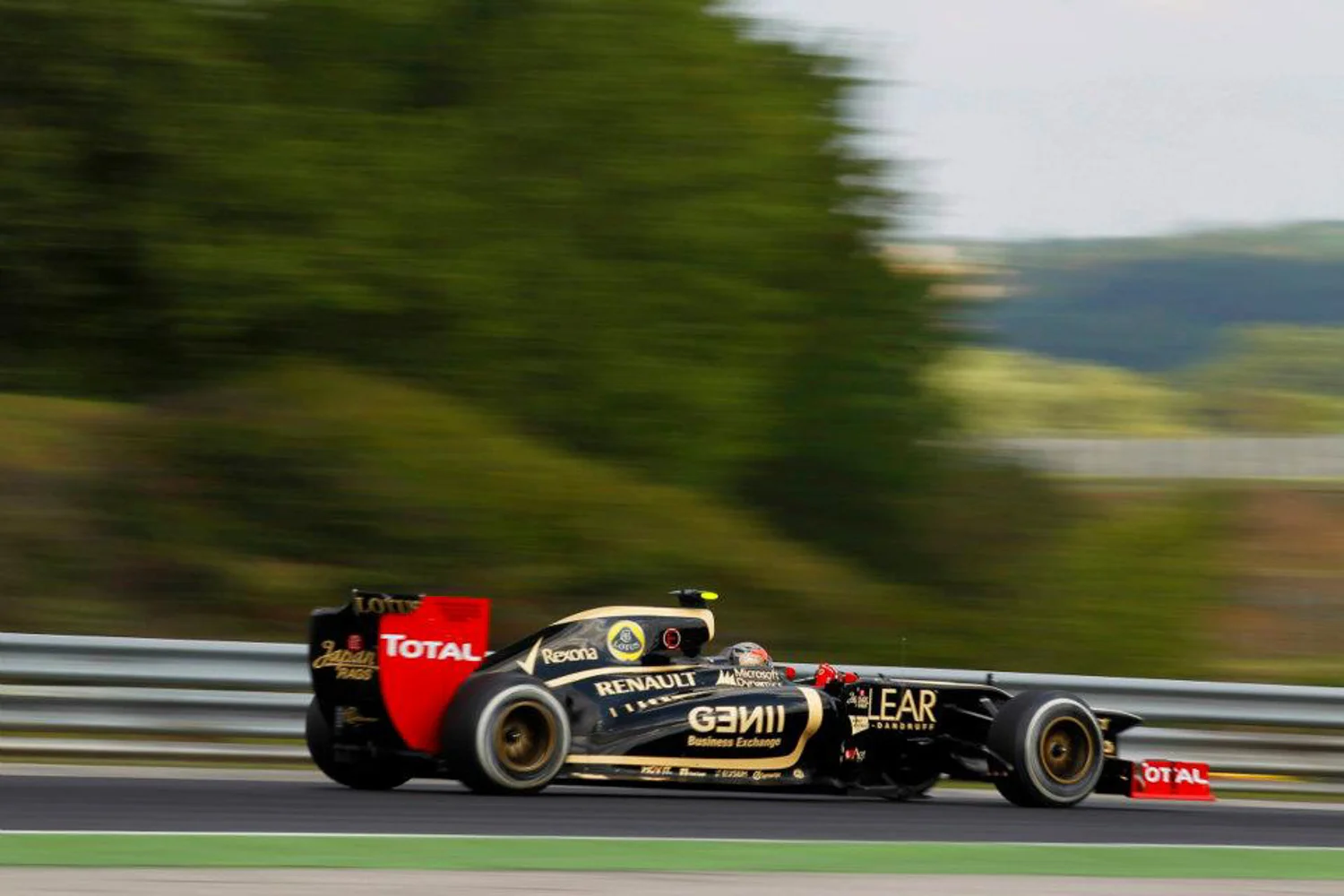
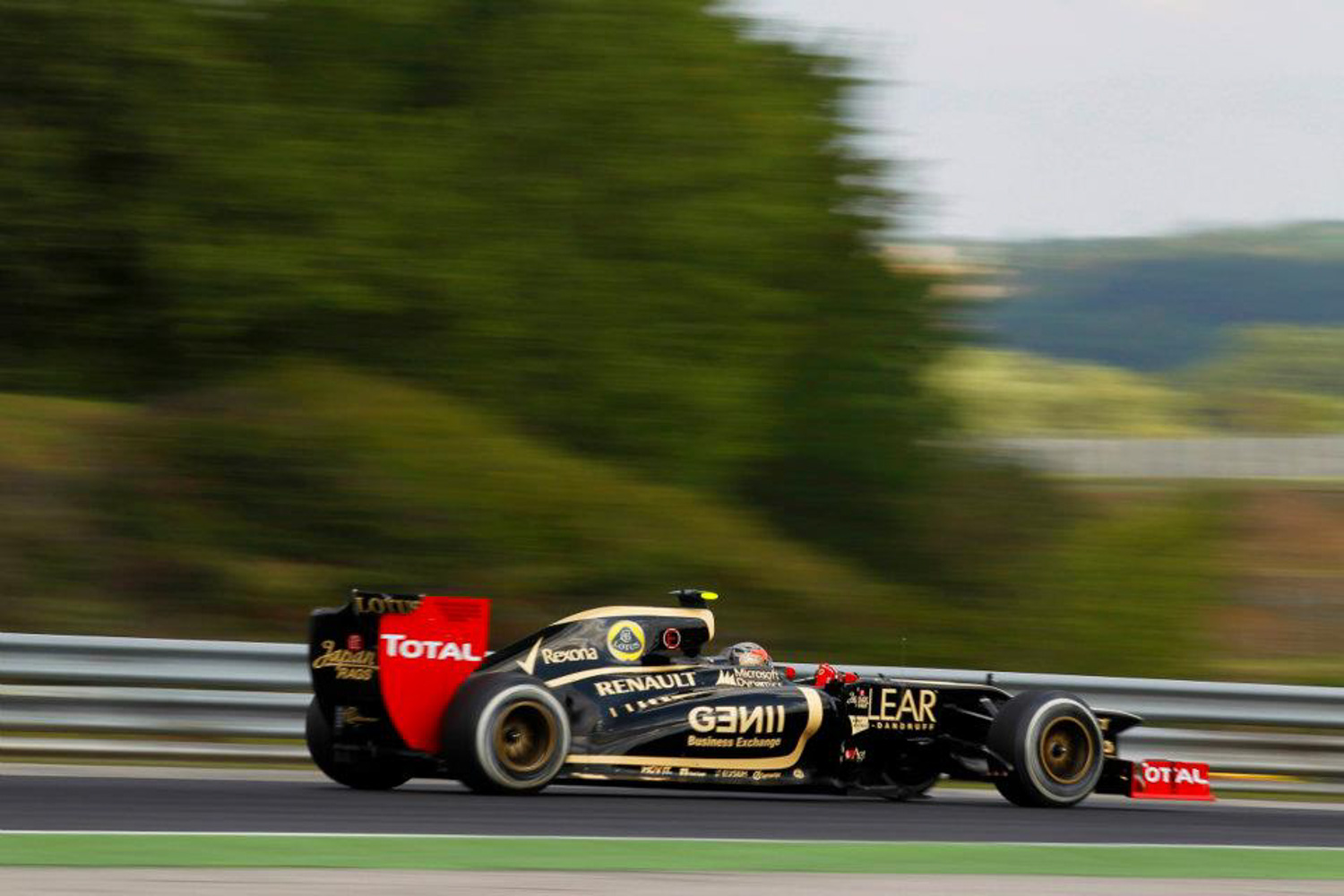
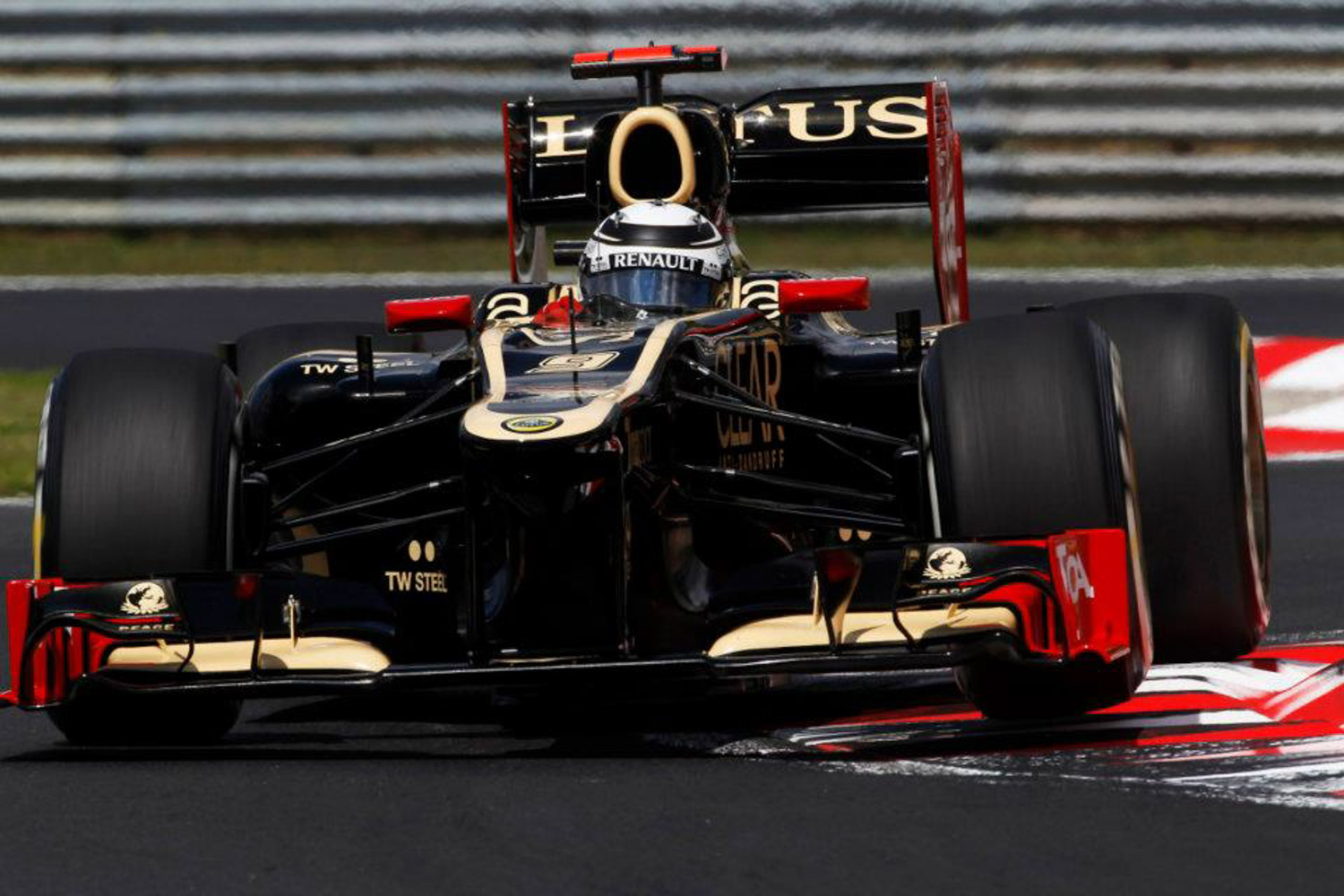
The Lotus is an E20-specification car, from the sport’s recent era of slanted ‘platypus-nosed’ front ends. The car was kindly donated to the auction house by Lotus, with all of the proceeds from the auction going to Peace One Day — a non-profit organization that celebrates and pursues global unity. This particular car was campaigned in 2012 by former Formula 1 World Champion Kimi Raikonen, as well as current Lotus driver Romain Grosjean, and reserve driver Jerome d’Ambrosio.

But the car’s prospective buyer won’t just be purchasing a piece of motorsport history, they will also be purchasing a piece of art, as the car will be transformed by Brazilian artist Romero Britto prior to auction. Britto is famed for some of his other automotive works of art, including this bold Porsche 911 he completed in 2012. His work on the Formula 1 car will only be released one and a half hours before the auction begins, which will no doubt make for some interesting discussions come auction time.
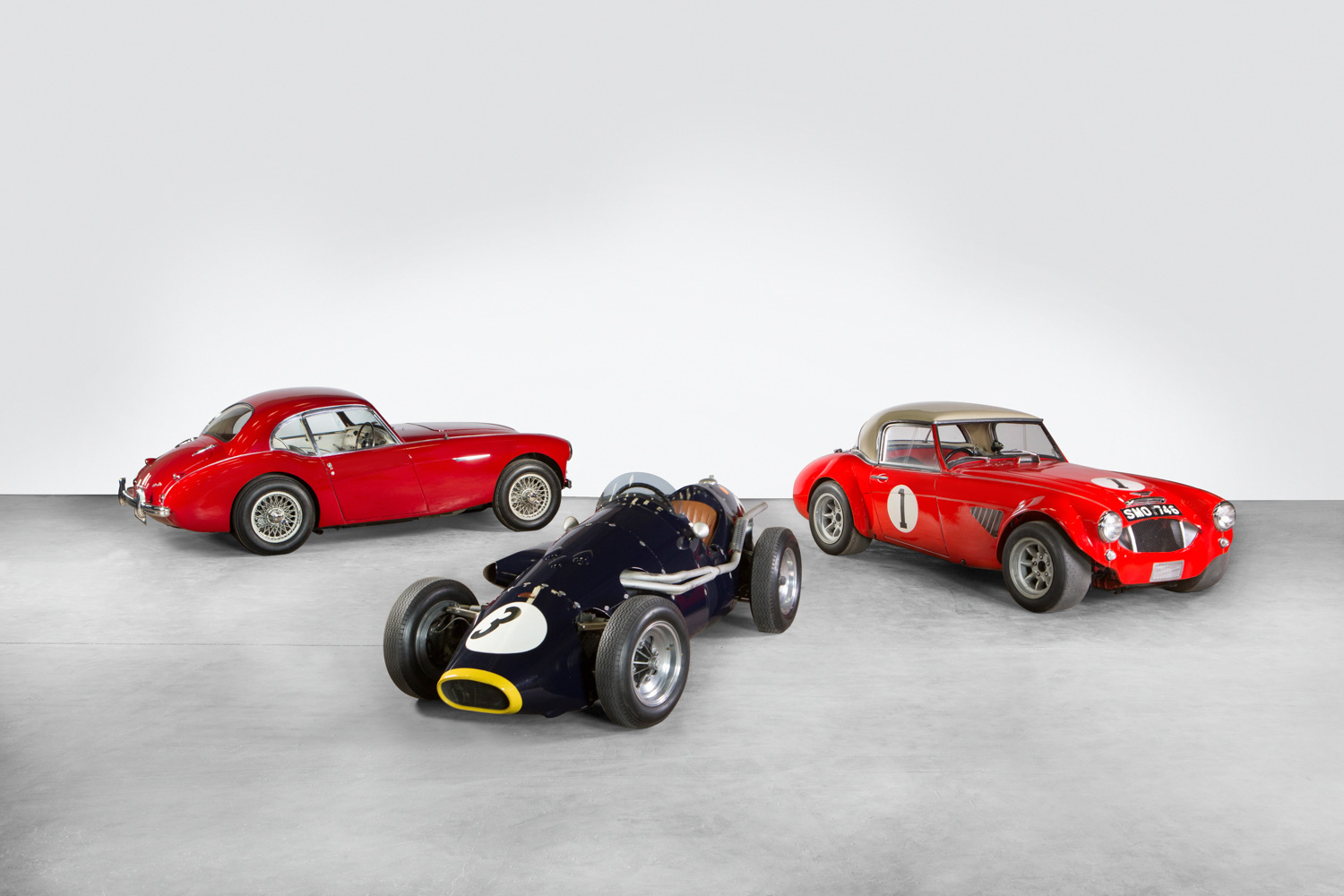
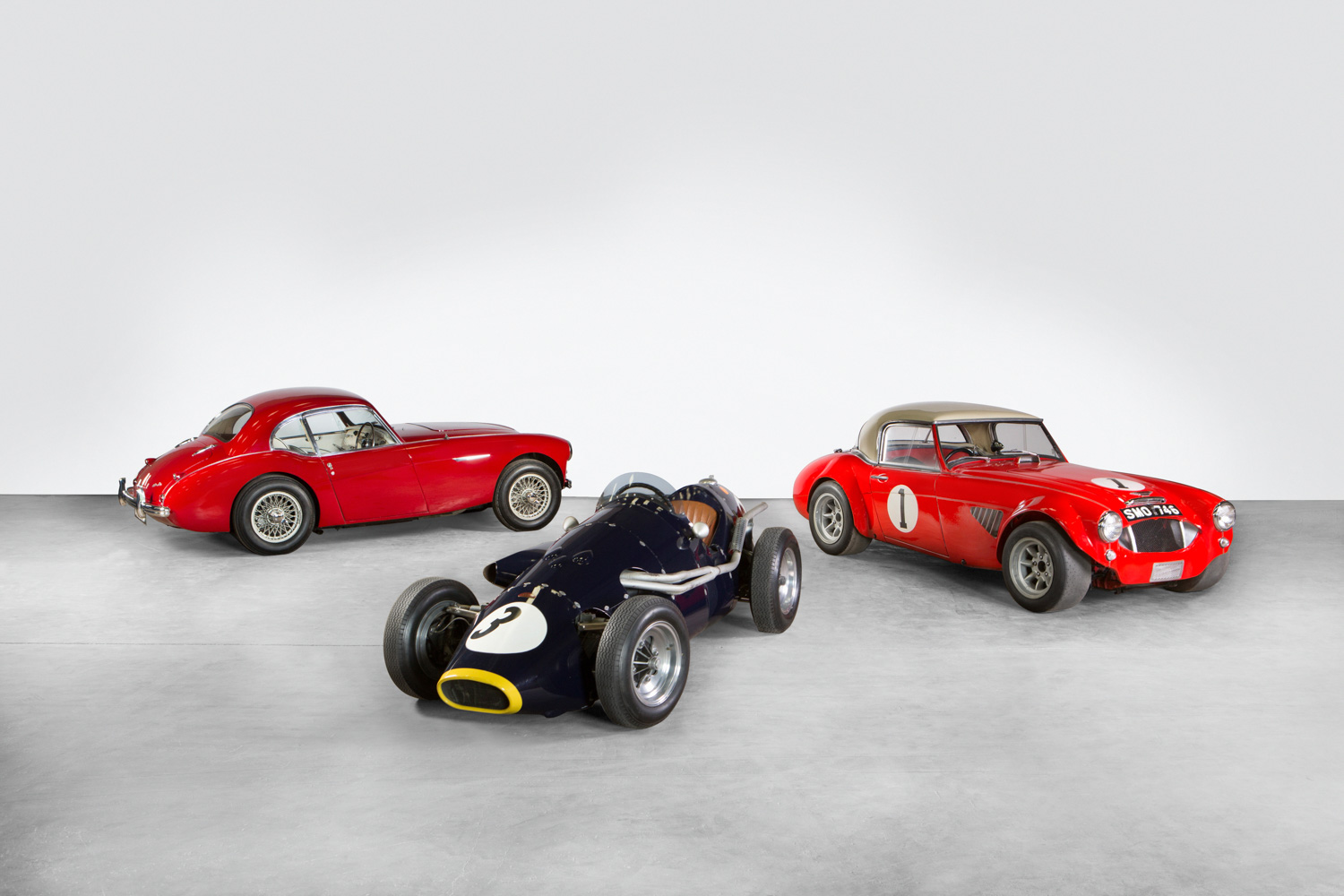
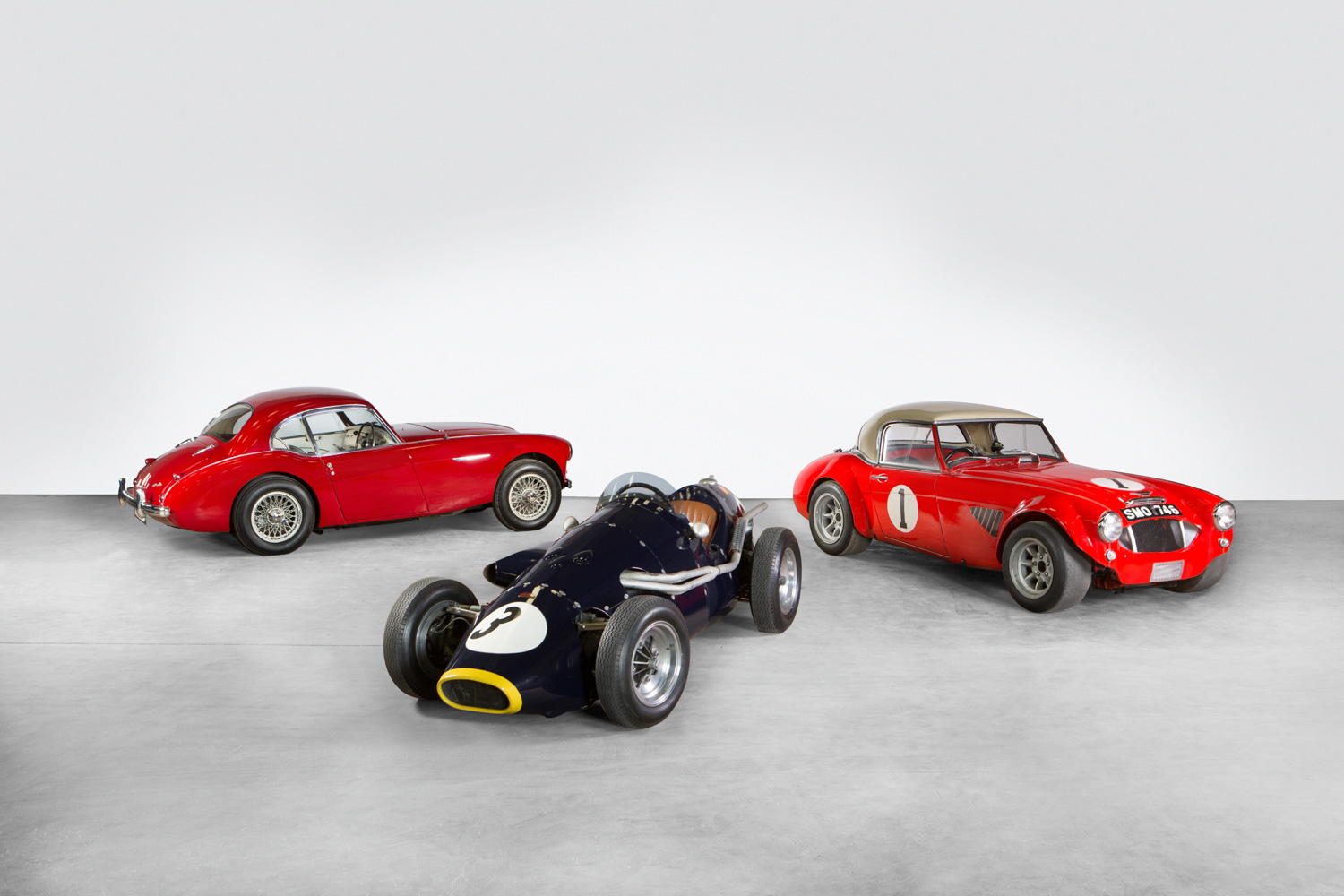
At the opposite end of the motoring spectrum lies the Austin-Healey collection. These neat little Healeys are, or were, part of Arthur Carter’s illustrious collection of sports cars and military memorabilia. Arthur specialized in Austin-Healeys, amassing arguably the world’s greatest collection of the wee British sports car.
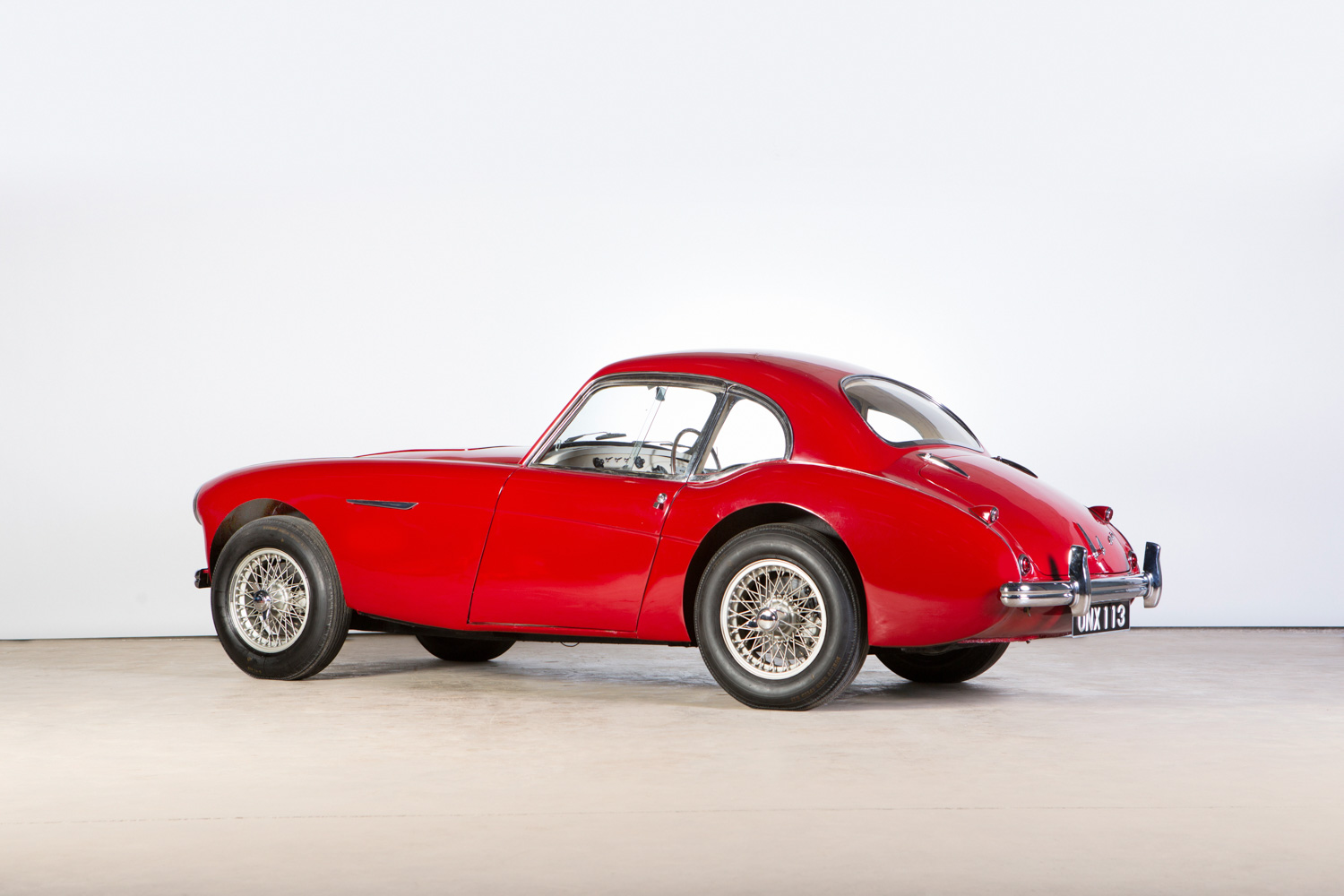
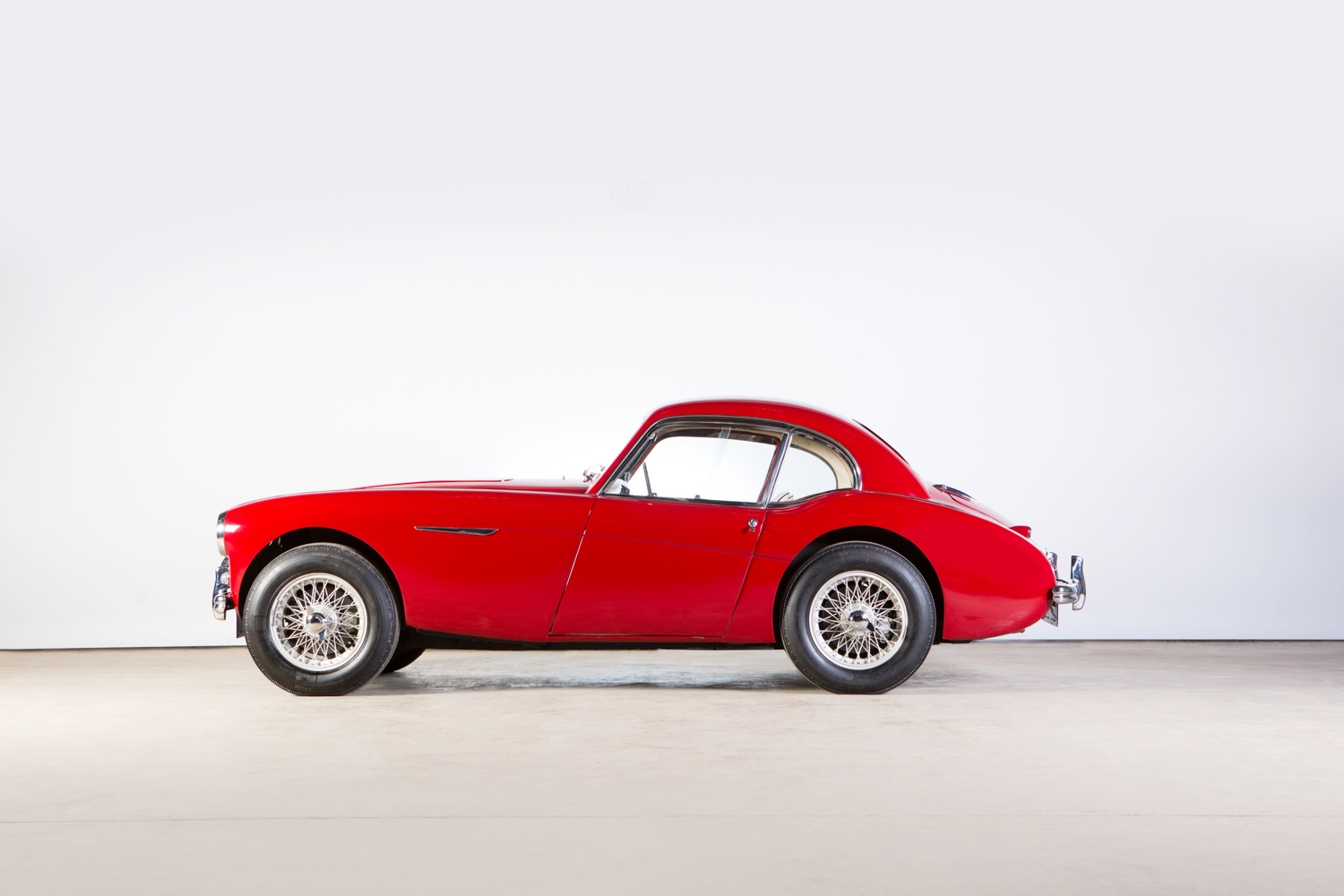
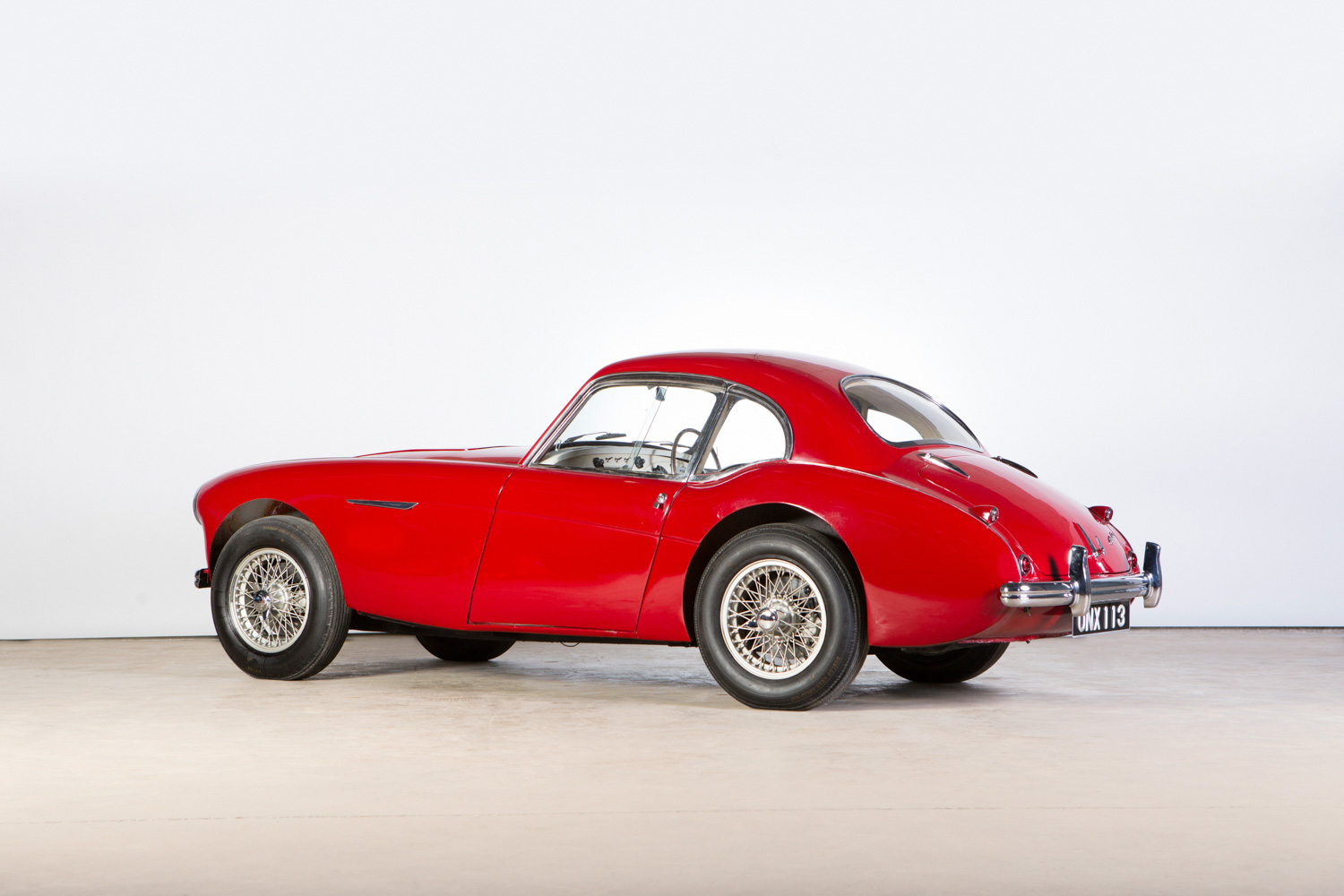
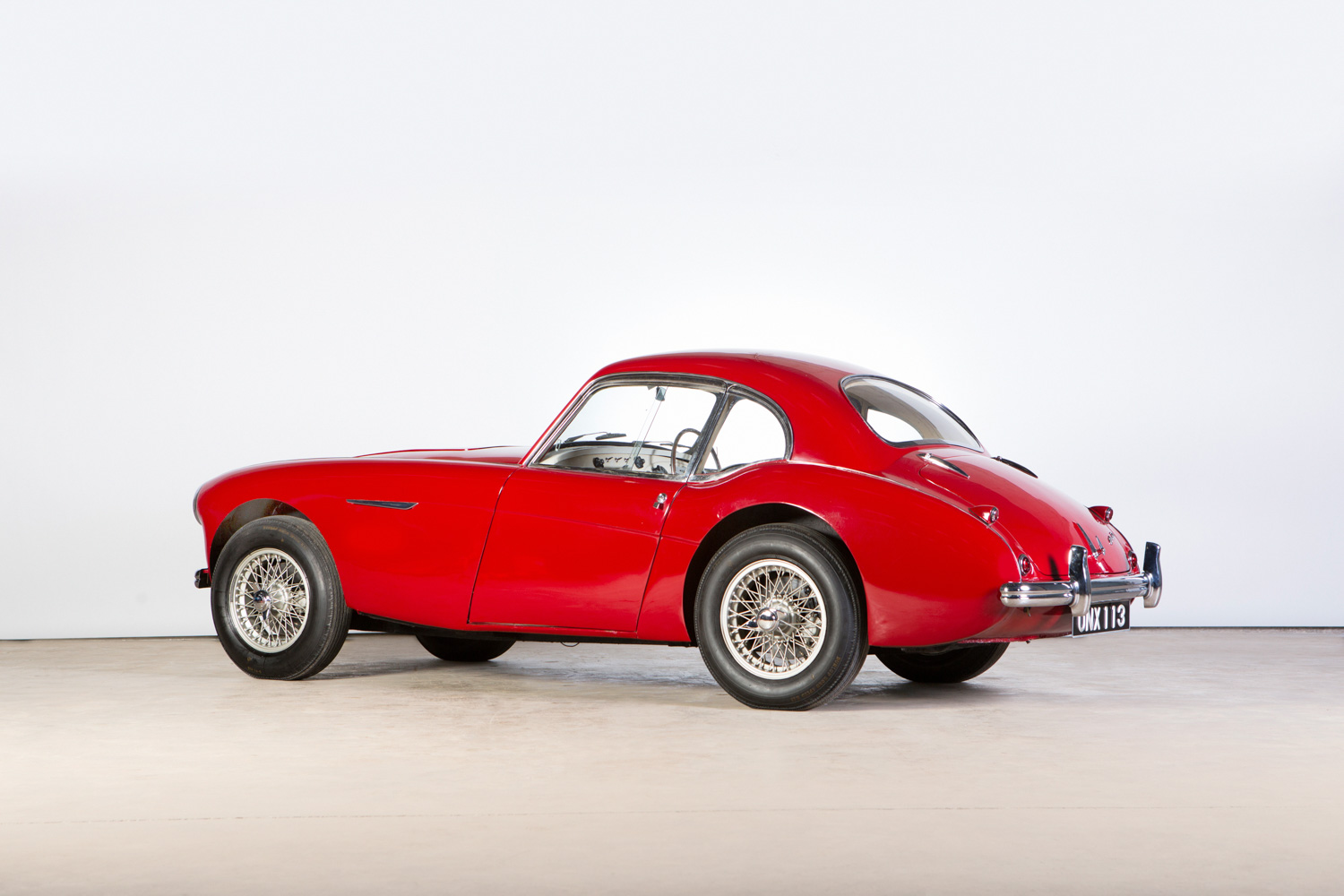
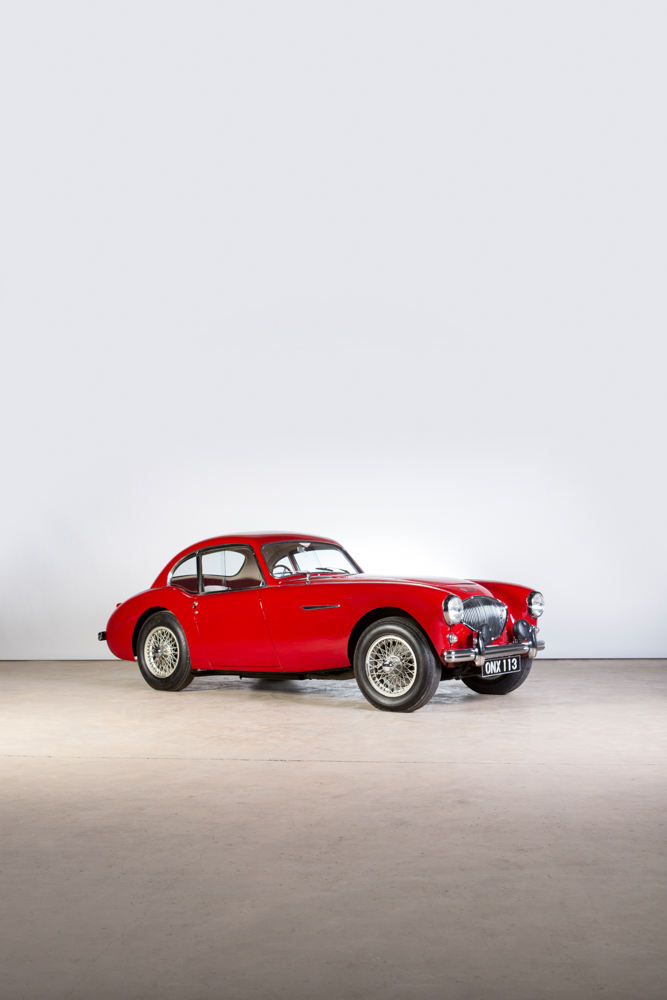
One of the headline acts from the collection will be this gorgeous, yet innocuous, 1953 Austin-Healey 100 coupé. It was formerly owned by Donald Healey — the man who founded the Austin-Healey marque, and as a contrast to most of the pristinely immaculate machines with minimal kilometres under their belts, it was used extensively by Donald over a 10-year period. Produced as somewhat of a production mule early in the 100’s life cycle, Donald eventually loaded this example with mechanicals out of the 100S — in effect making this the only Austin-Healey 100S coupé on the planet.
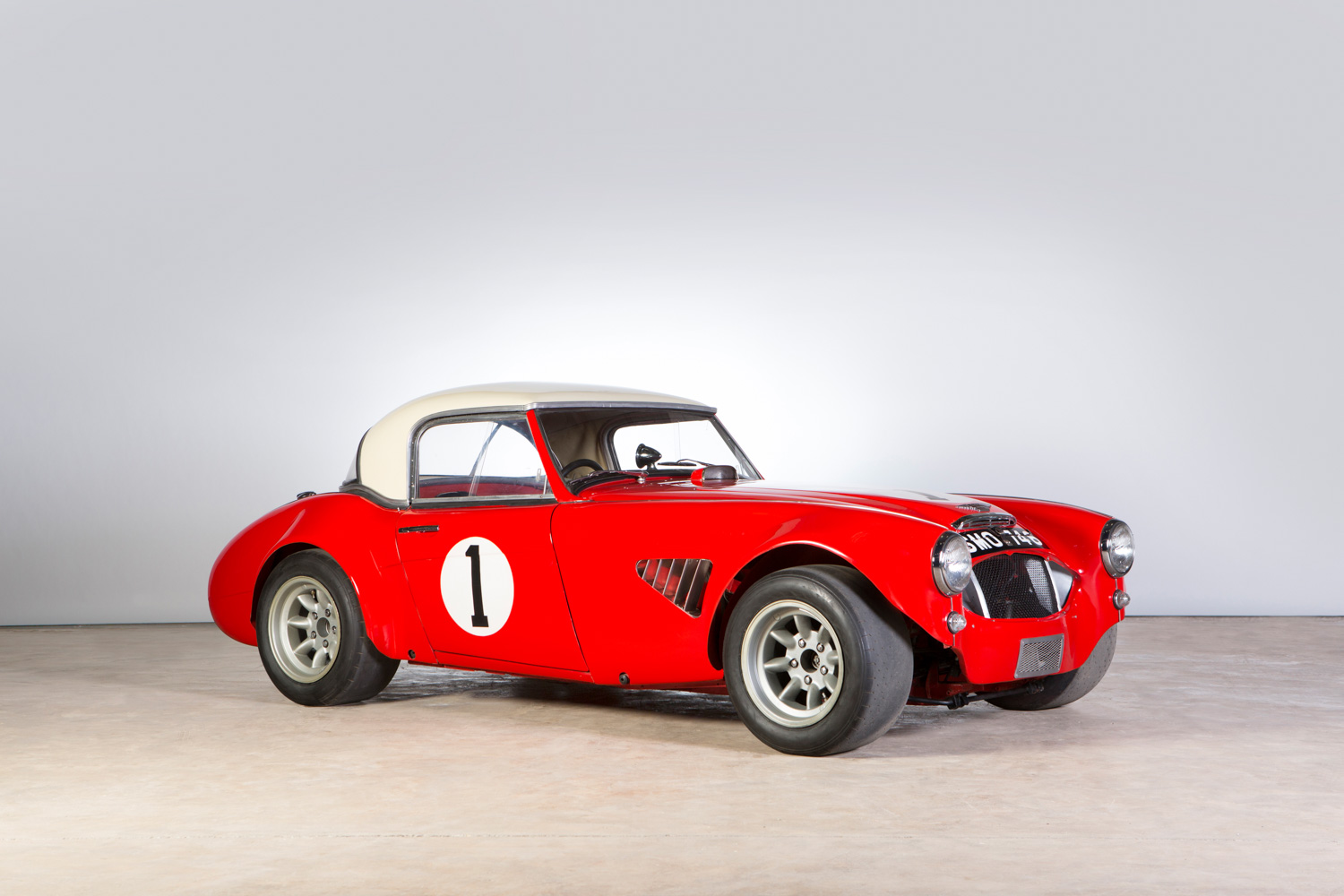
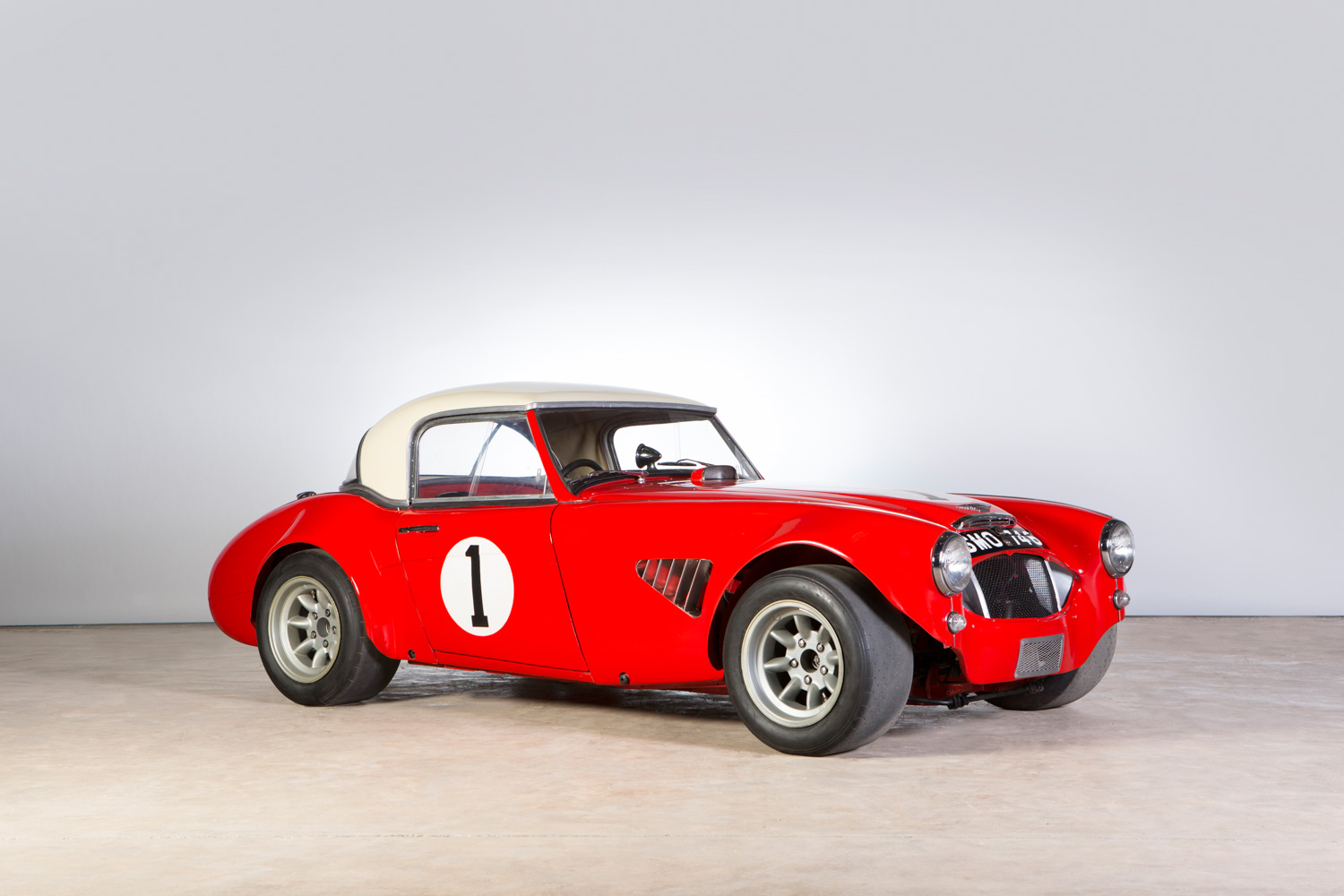
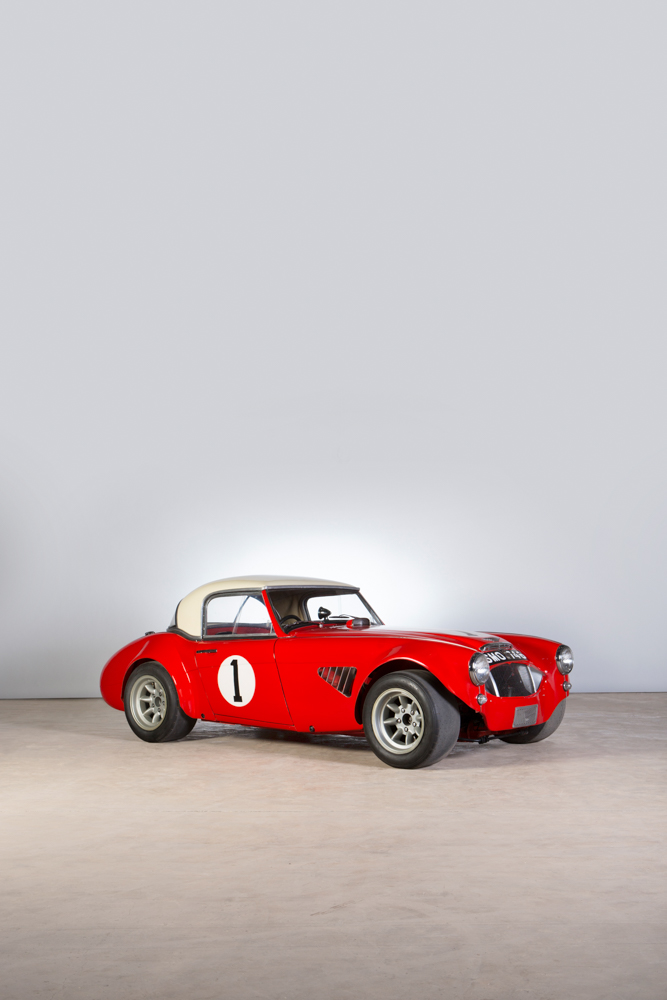
Another car in the collection sure to catch the attention of the Austin-Healey set will be this Works Rally 3000. It is the last of its kind in the Arthur Carter collection, having been formerly raced by the likes of Jack Sears and Pat Moss — the sister of legendary racer Stirling Moss. It was also used by John Gott, a rally driver who lived his day-to-day life as a police officer. Gott tragically died while at the wheel of this particular 3000, crashing it during a race after a suspected heart attack. Arthur subsequently purchased the car, and restored it to its Modsports configuration as a tribute to the fallen racer.
While price estimations on these potentially priceless cars have not been released, it’s a safe bet that they won’t be selling for tiddlywinks. We can only hope that the buyers can appreciate them as well as we would.