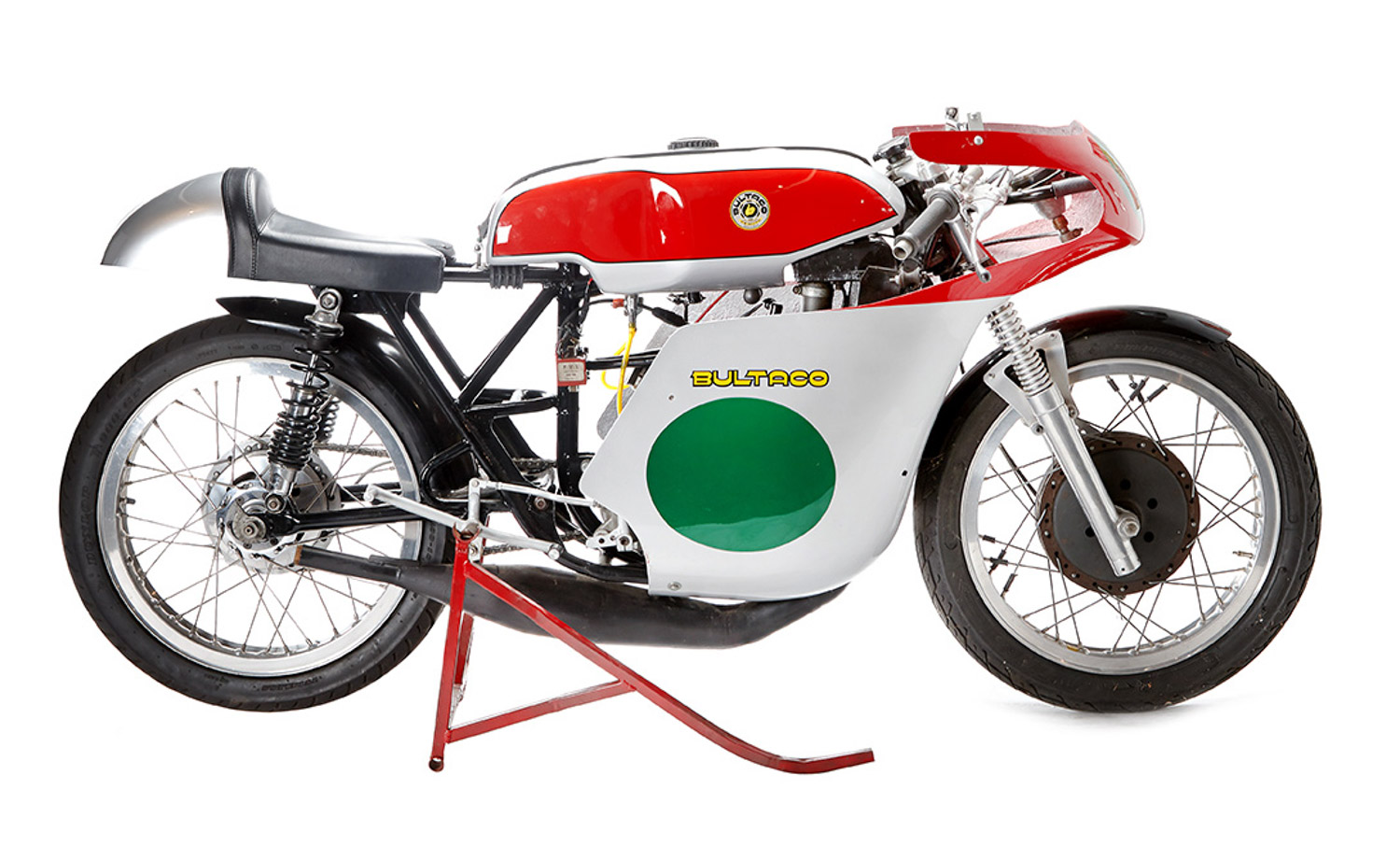
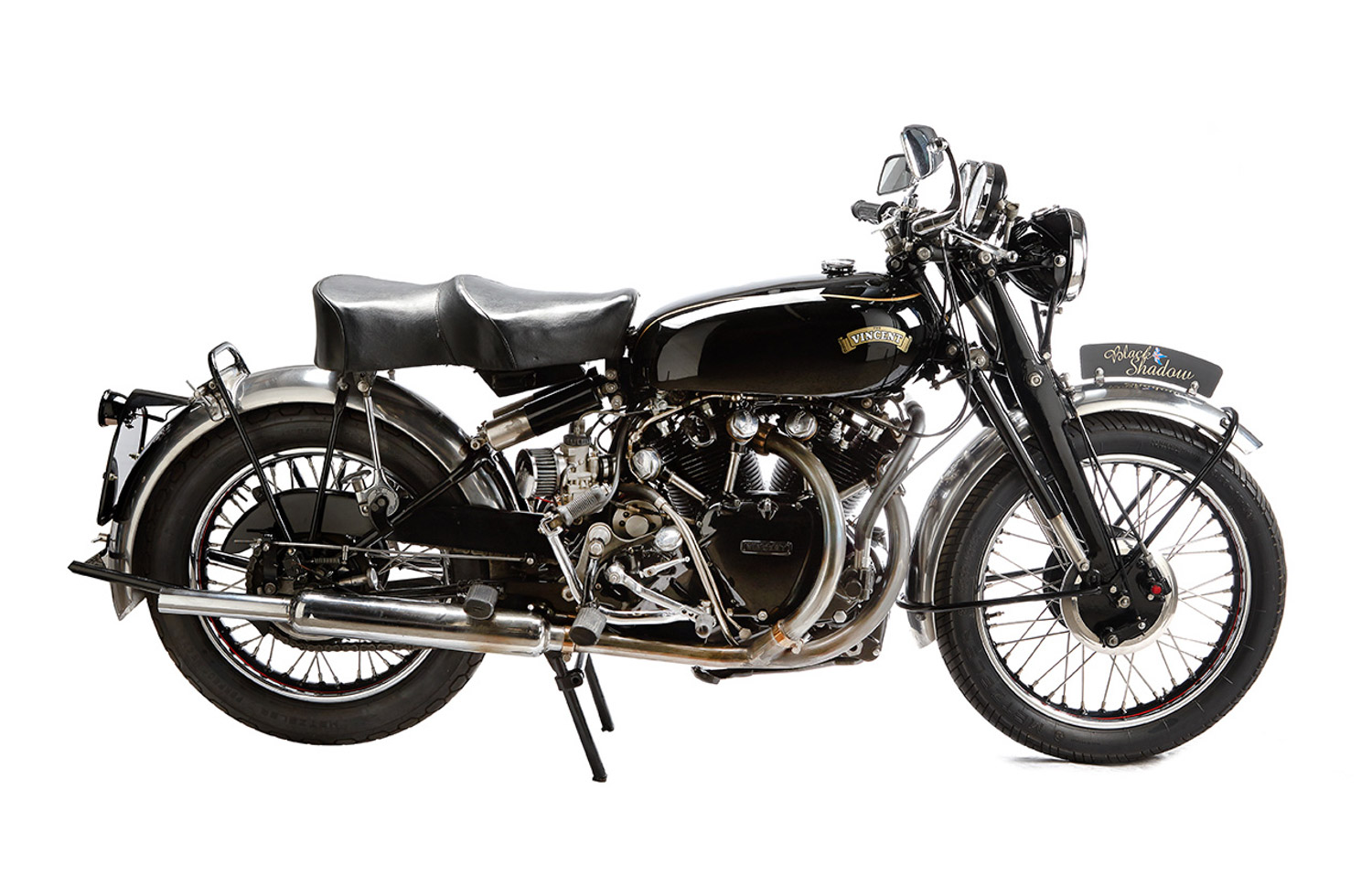
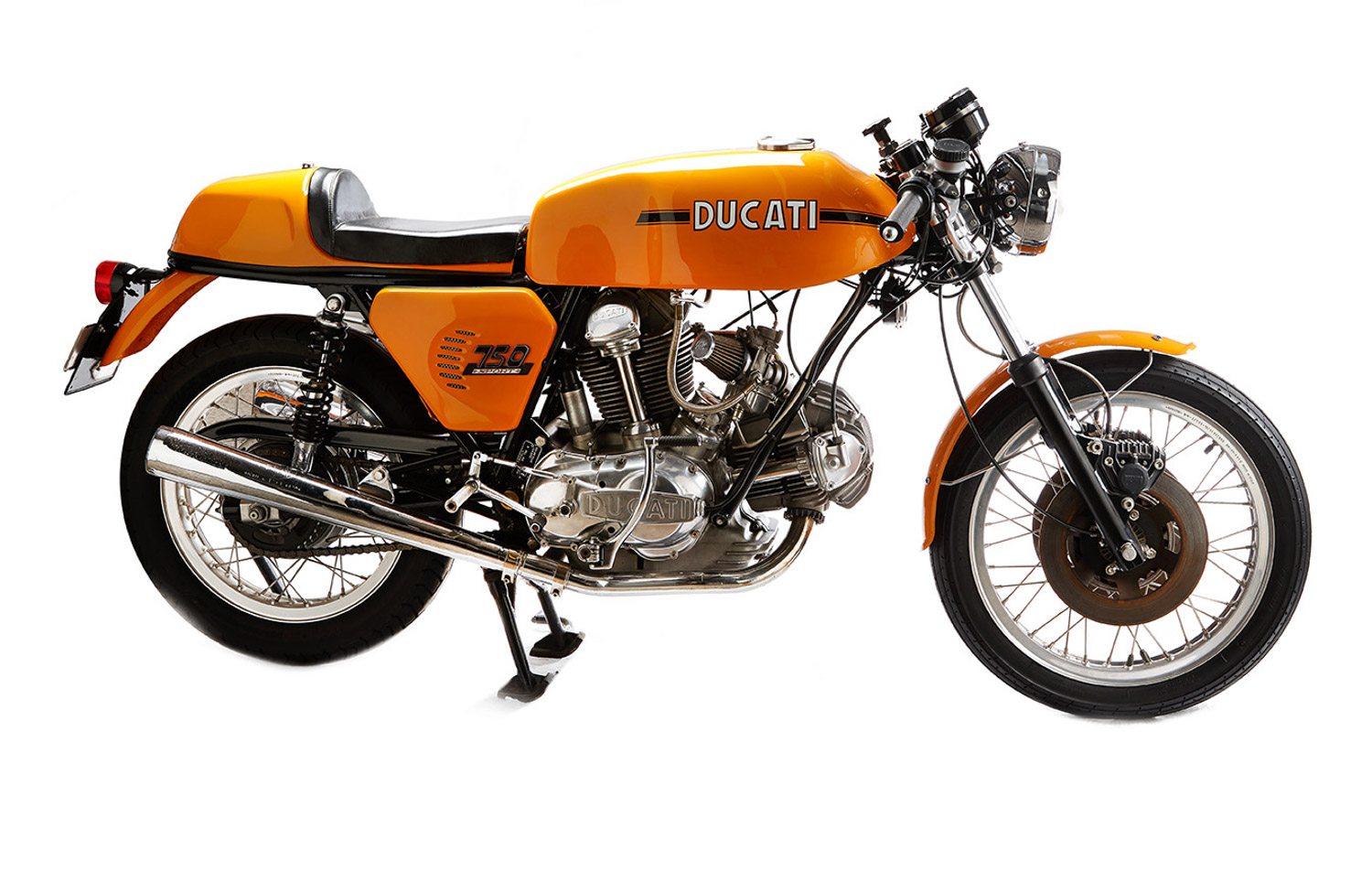
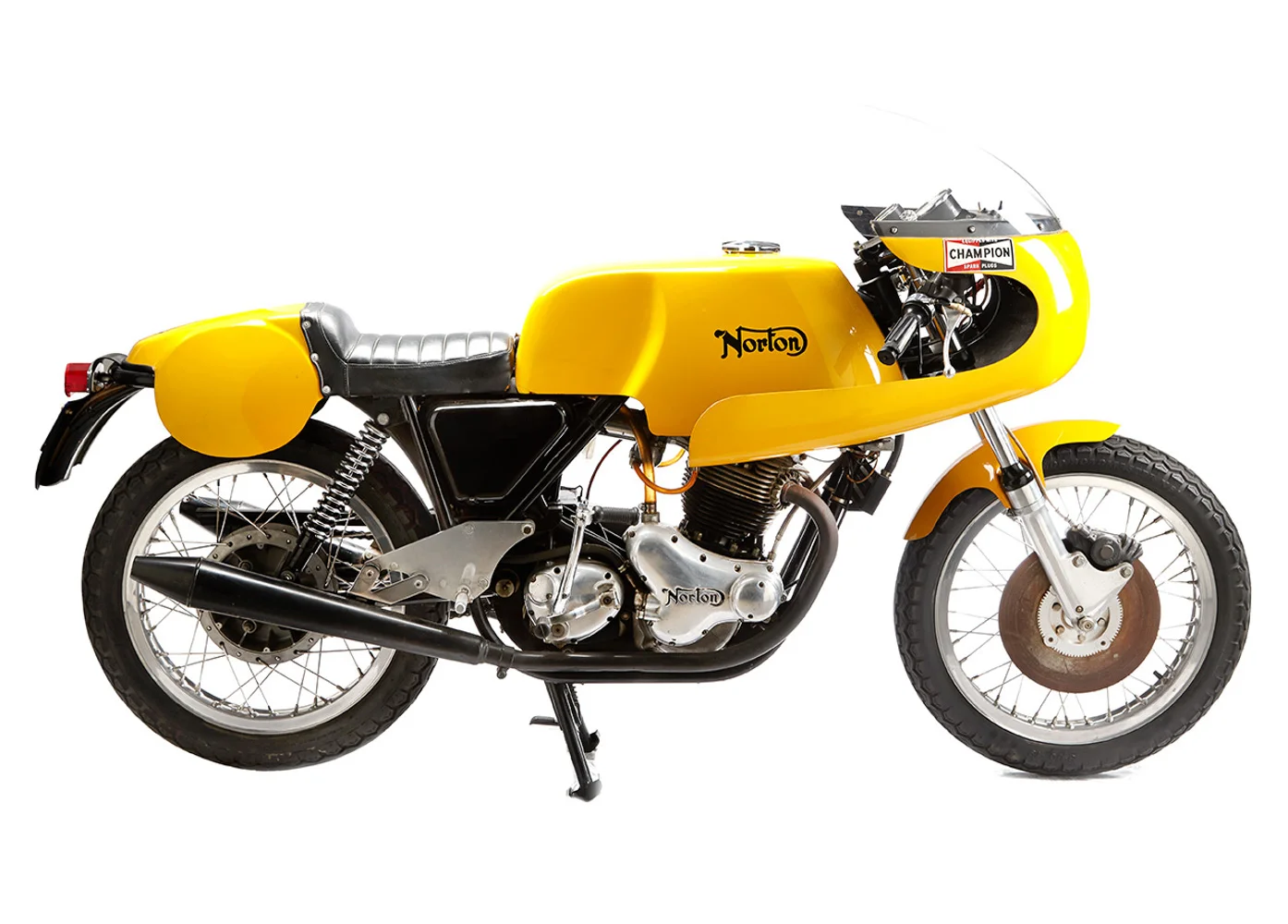
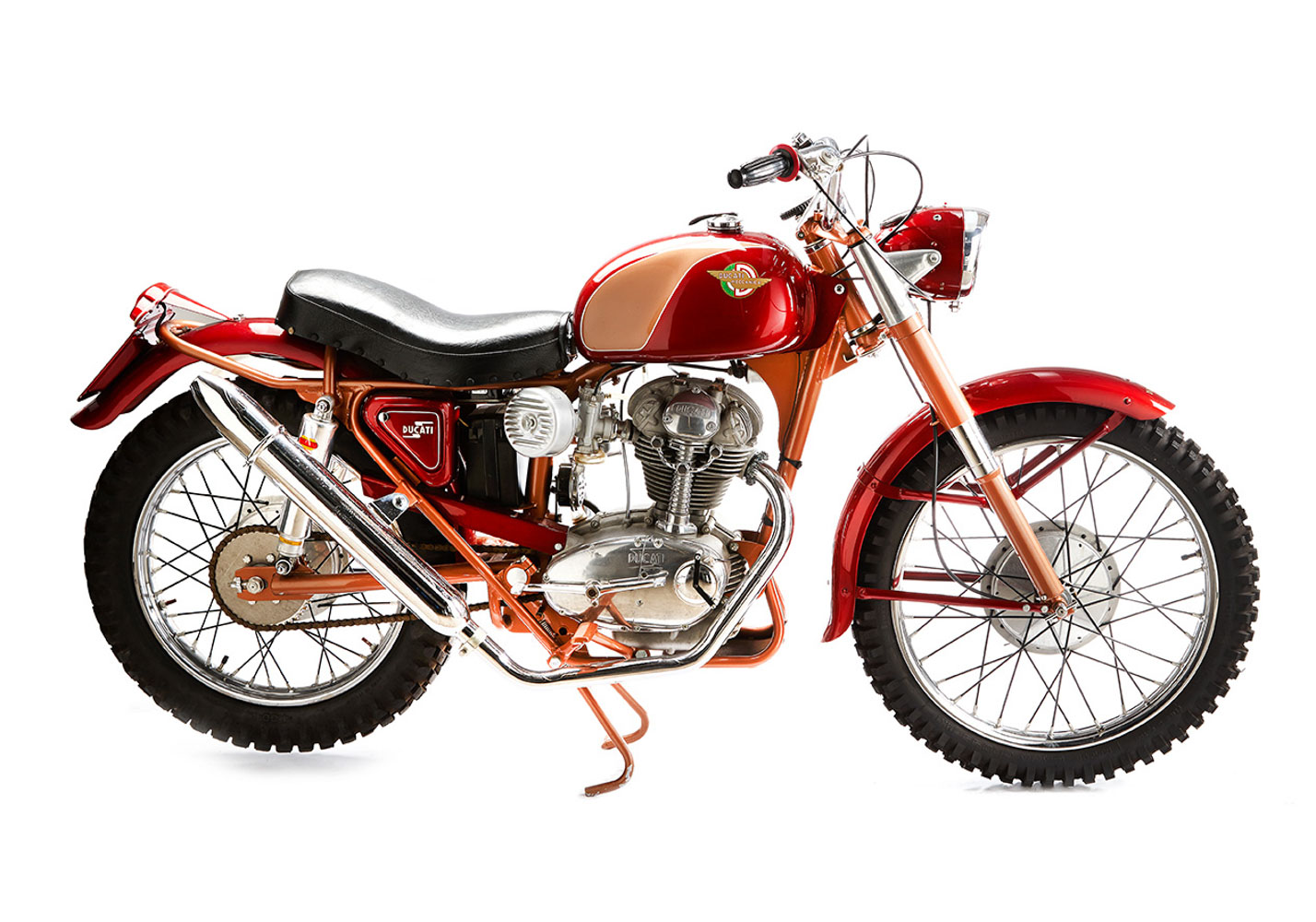
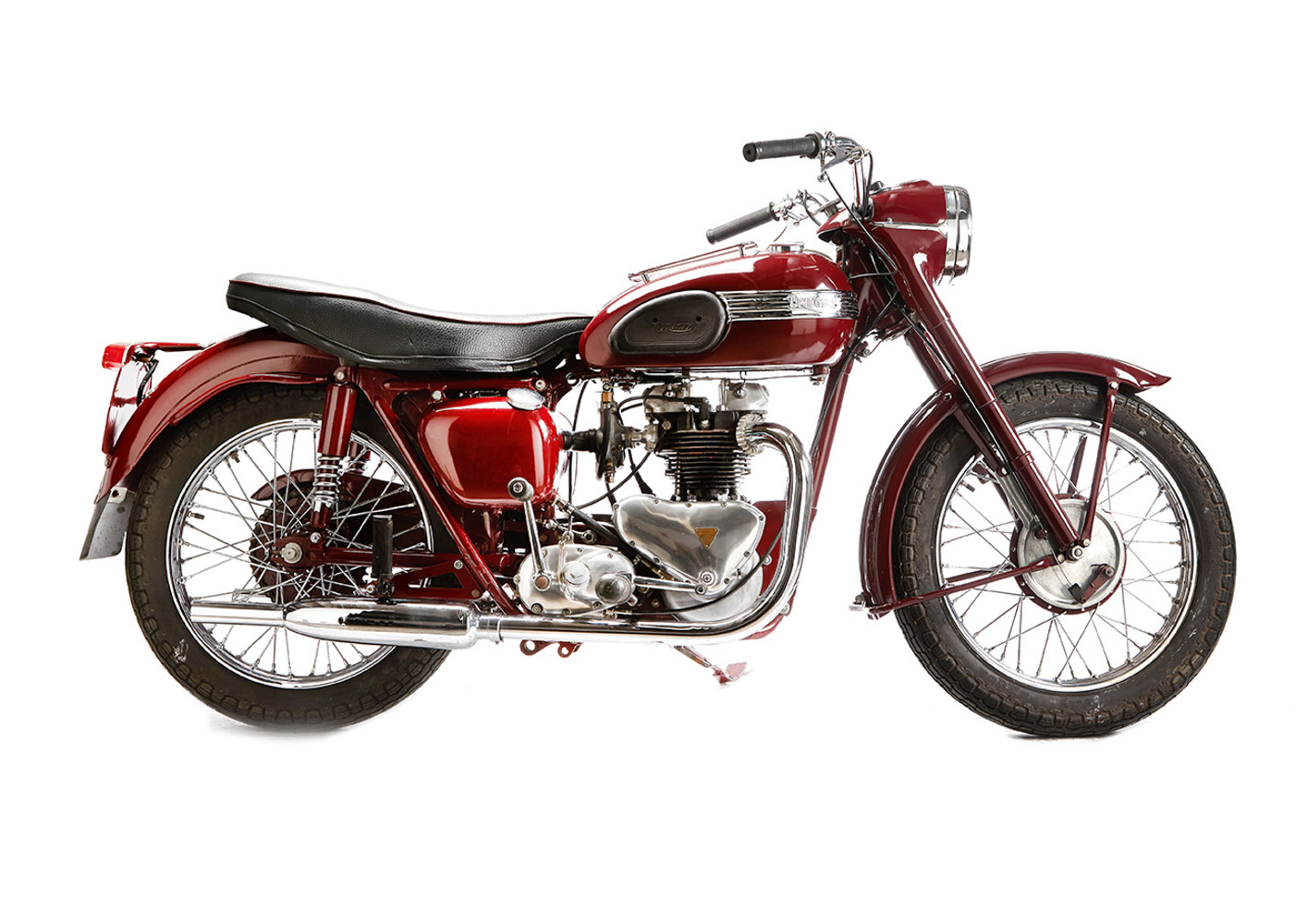
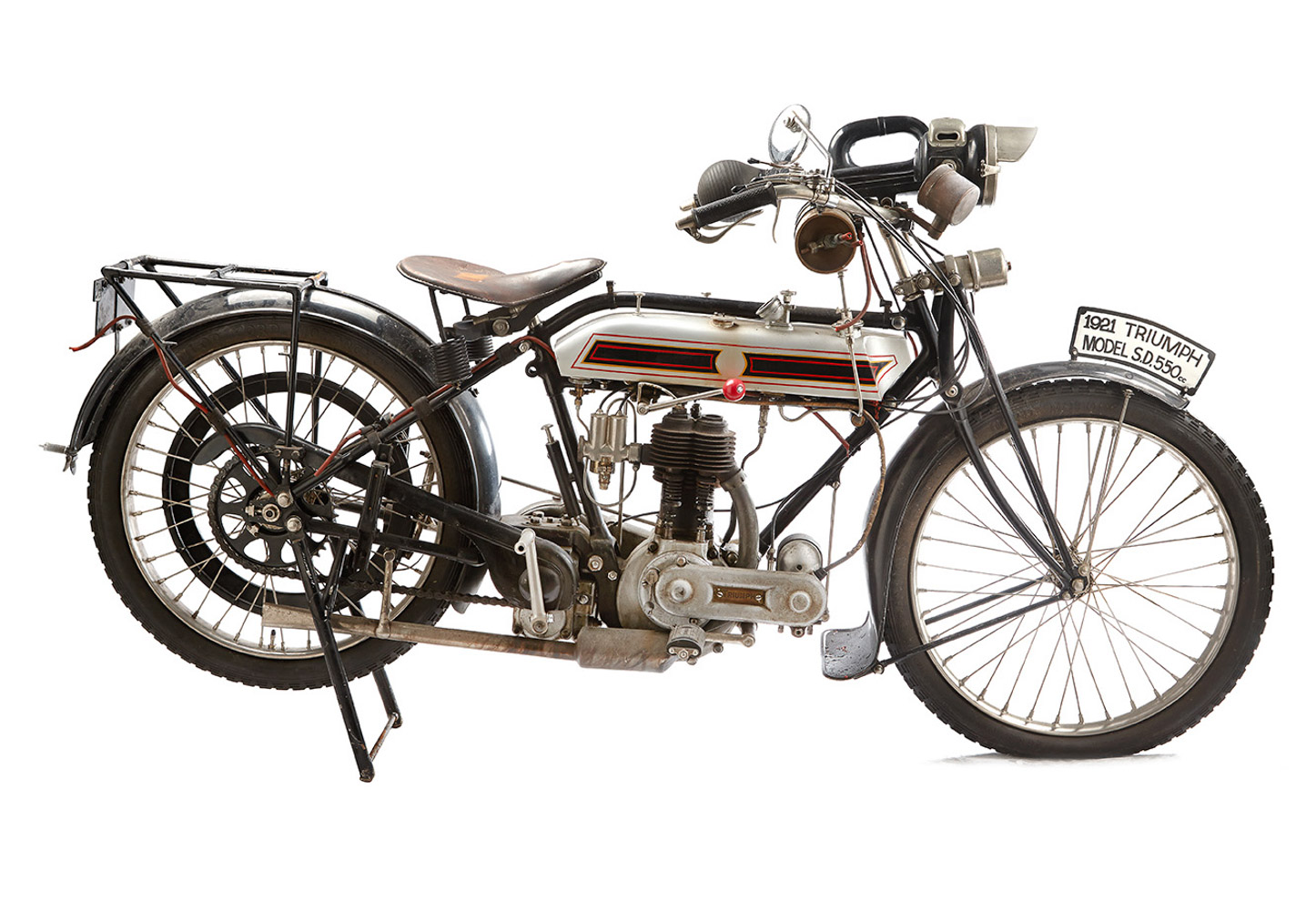
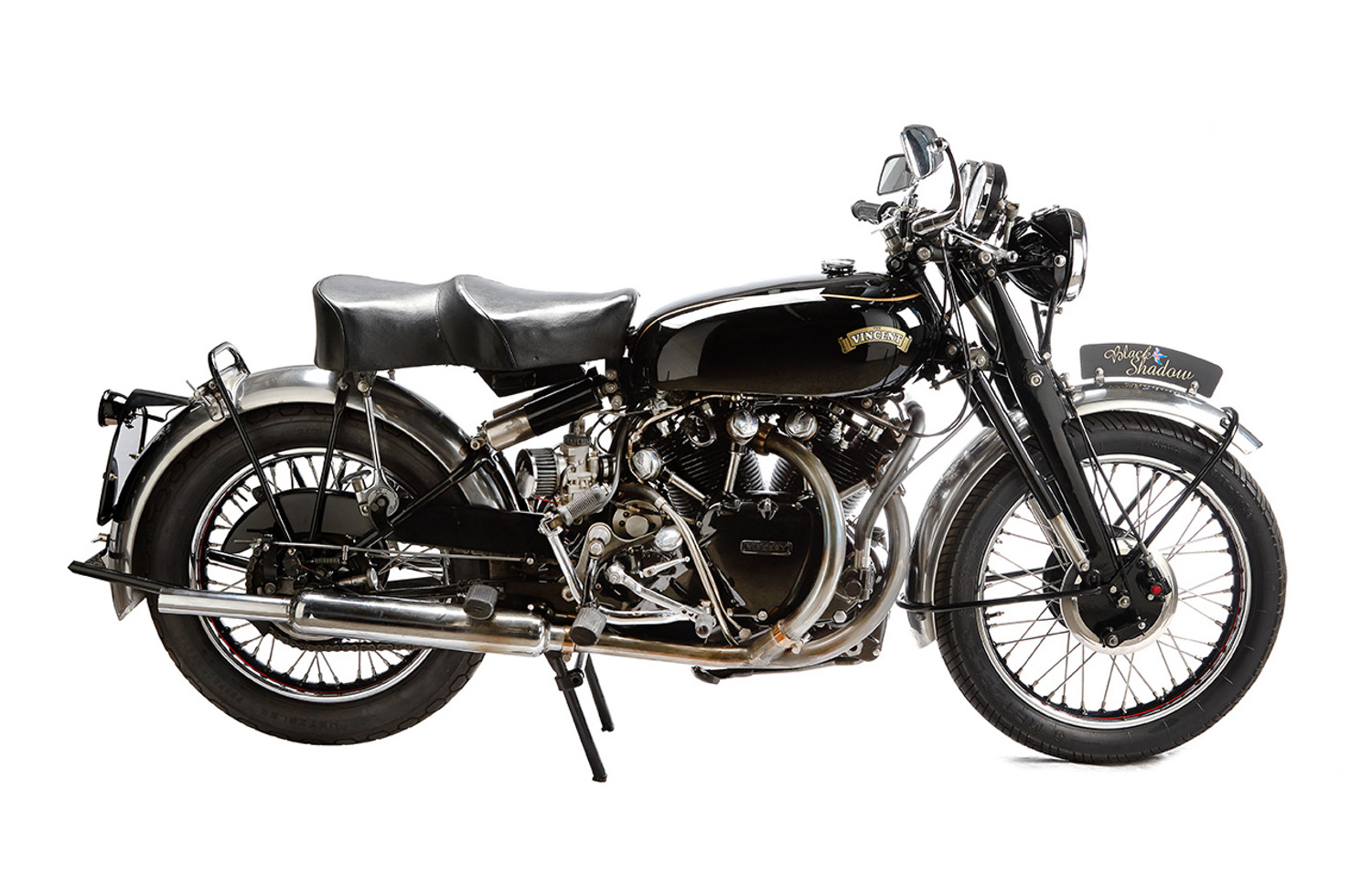
Some of New Zealand’s finest motorbikes will be going up for auction this Sunday, September 27, as part of the annual Webb’s Classic Motorbikes auction in Parnell. The lead-up to the auction has seen Webb’s Parnell showroom transform into a makeshift motorcycle museum, with examples ranging through the eras — a 1950 Vincent Black Shadow, through to a 1959 Manx Norton, and a 1979 Ducati 900SS FIM make up the 33-strong selection.
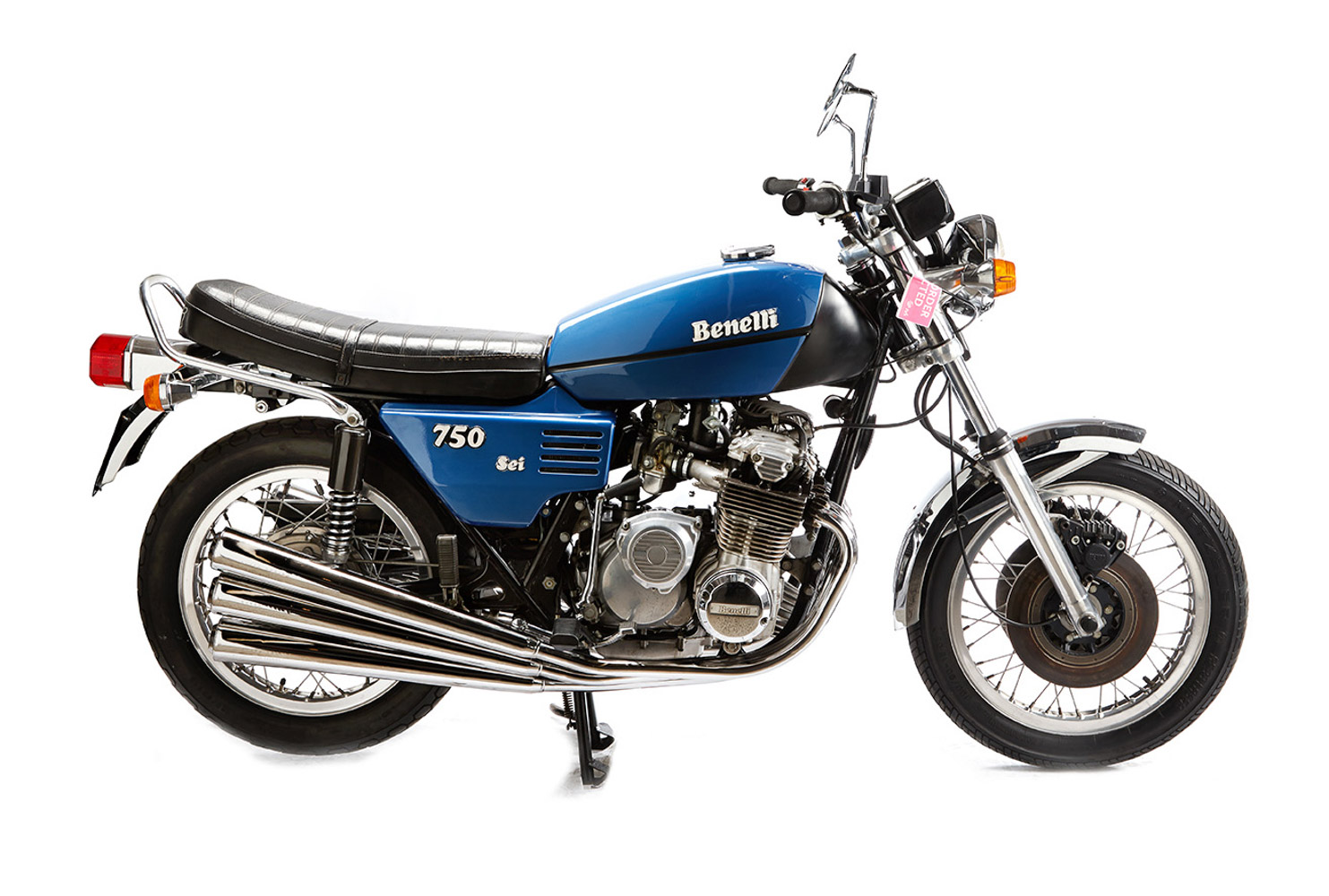
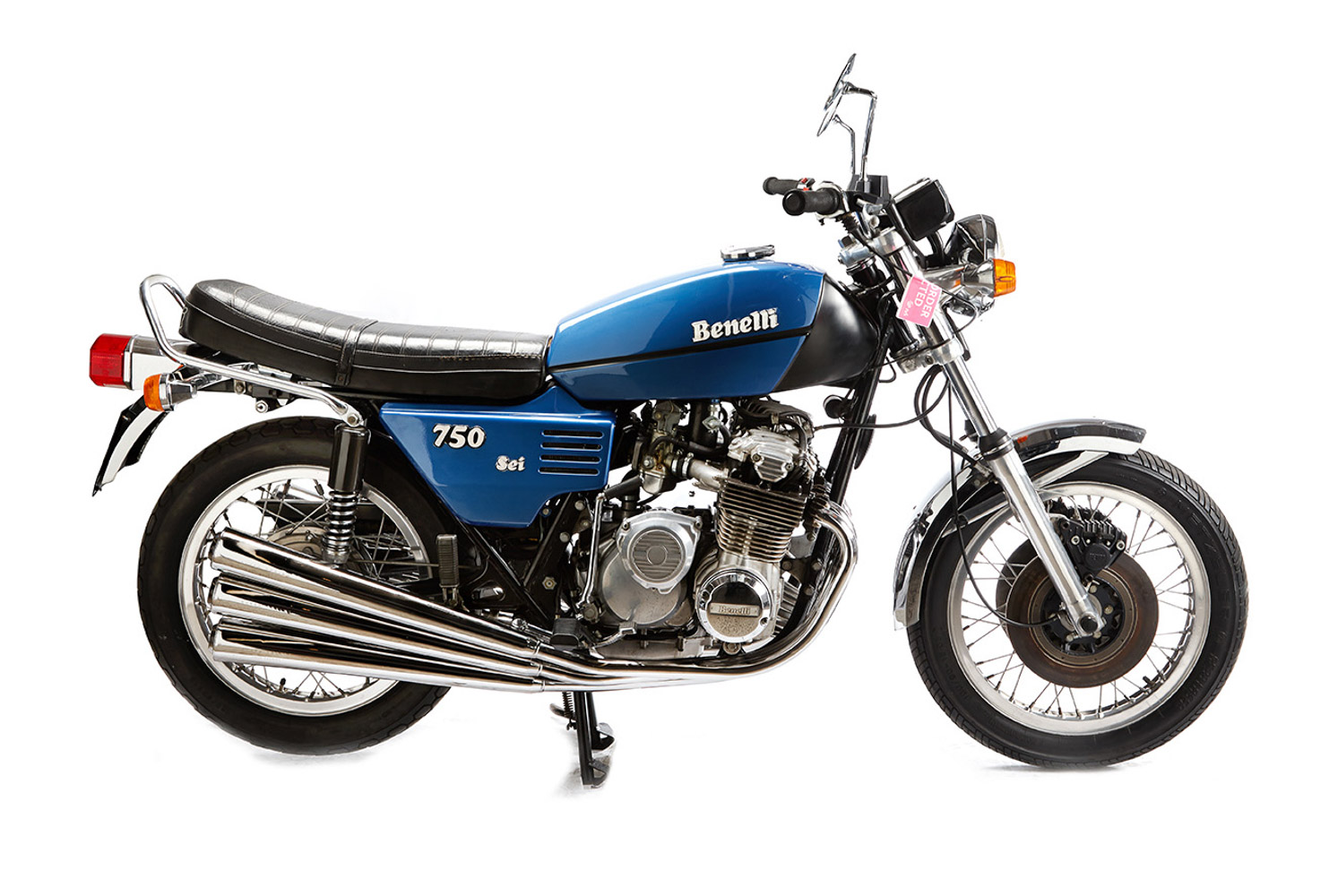
One of the more unique bikes up for grabs is this 1974 Benelli SEI 750. It holds standing as the first ever motorbike to utilize a six-cylinder engine. The Italian-produced bikes were curiously designed by Alejandro de Tomaso — a man far more well known for his work in the automotive sector, having assisted in the production of a variety of cars, ranging from Formula 1 cars to the ubiquitous Daihatsu Charade de Tomaso of the early ’90s. The SEI wasn’t just a pioneer in regards to its power plant, though, as a pioneer in motorbike design. Its angular shape helped change the direction of future motorbike design from rivalling brands, who up to that point in time had employed a more rounded shape to their bodies.
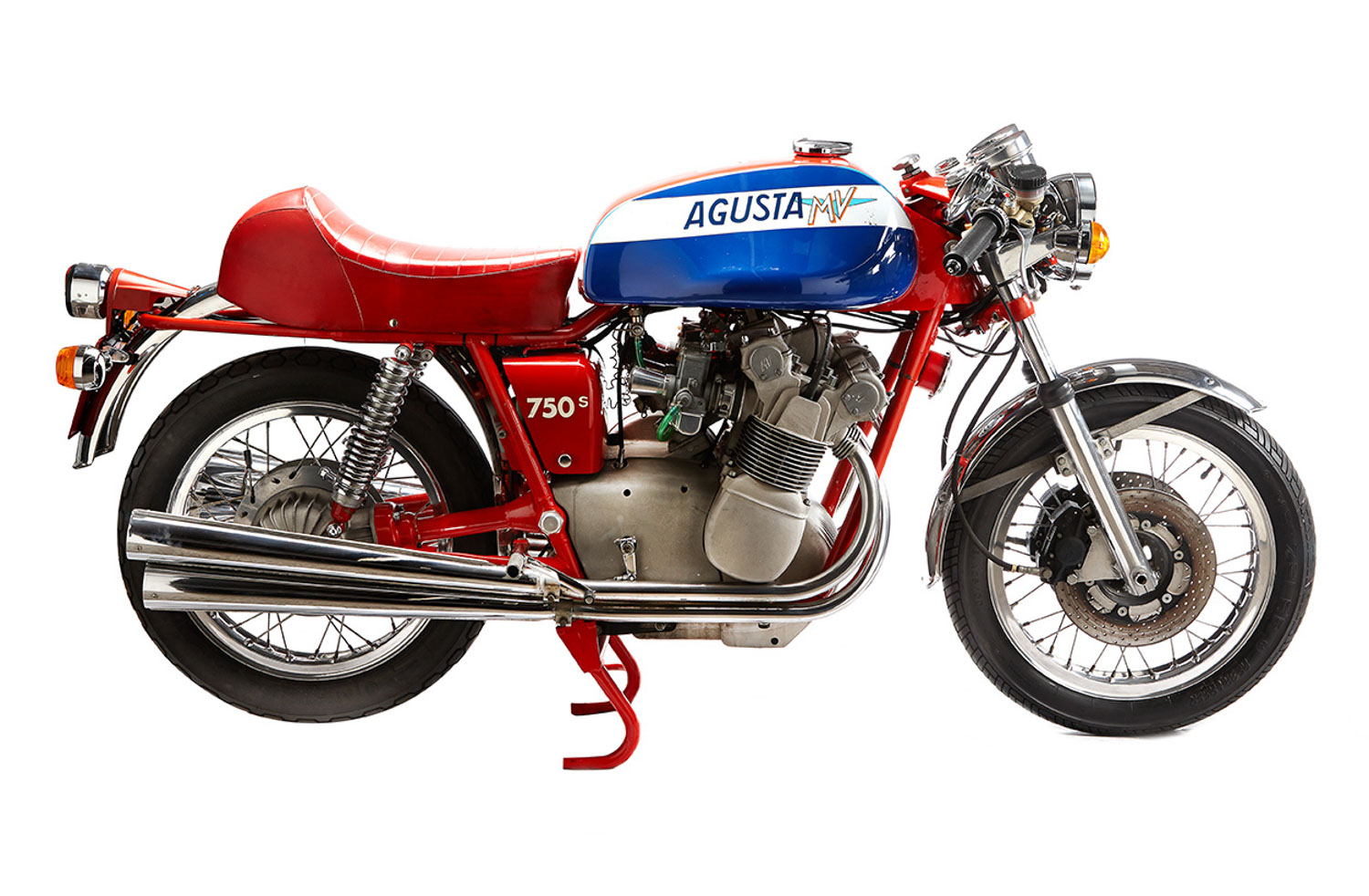
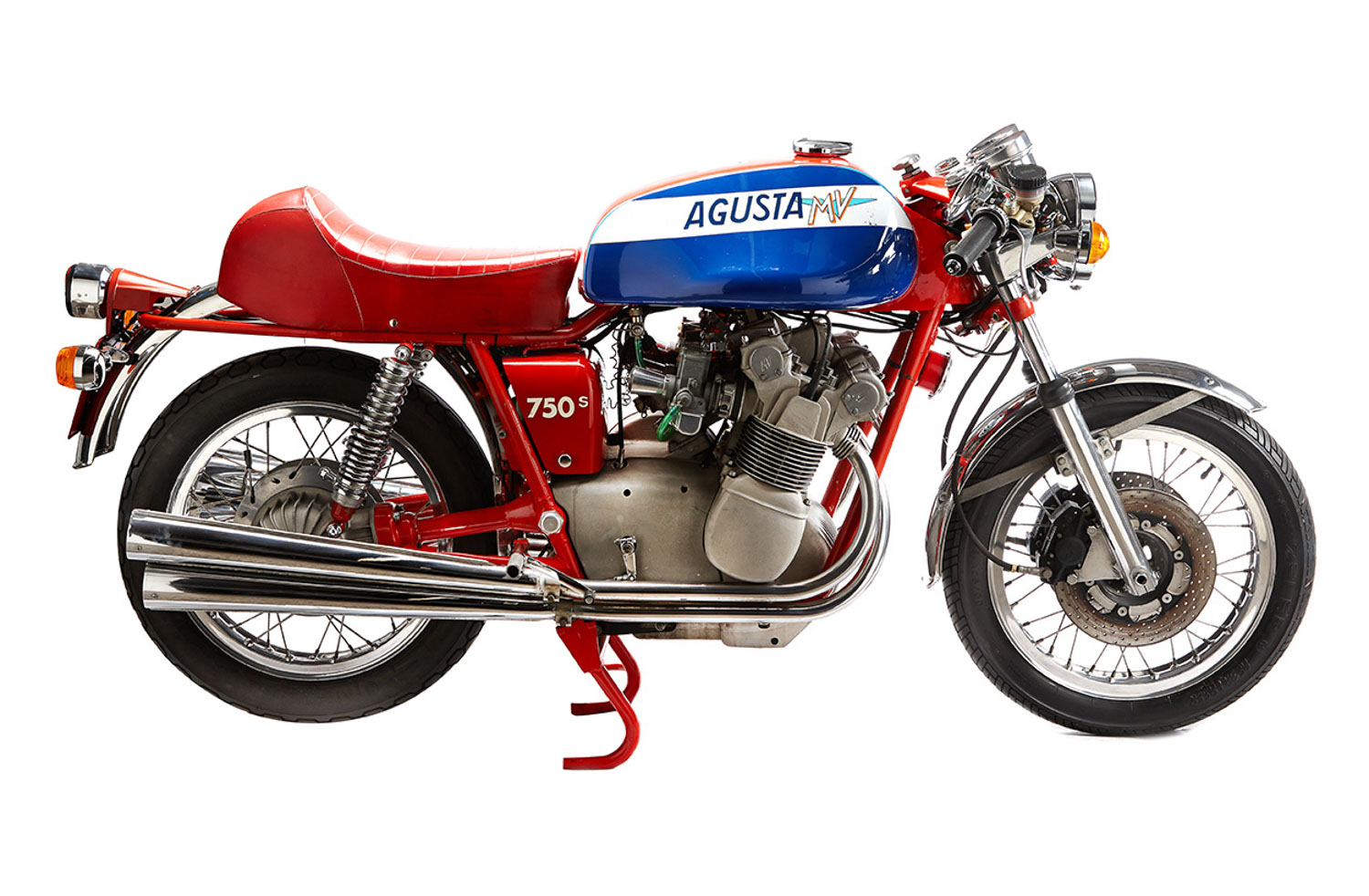
Another of the many bikes worth noting is this handmade 1975 MV Agusta 750S. Expected to sell for between $90,000 and $100,000, the Agusta 750S had an incredibly successful stint in international competition. The Agusta name first came to relevance in 1948, when Franco Bertoni used one to claim honours in the Italian Grand Prix. Agusta bikes would go on to win the 125cc, 250cc, and 500cc international championships over the 1956, 1958, 1959, and 1960 seasons. MV Agusta accumulated 270 Grand Prix race wins in total, thanks in part to the services of some of the best riders on two wheels, including names like Mike Hailwood and John Surtees. This particular example has covered a mere 37,266km in its 40 years on terra firma, and it certainly looks good enough to do even more.
There are plenty more incredible machines on display at Webb’s for all to see. If you’re interested in snapping a few up, or you’d simply like to absorb some of the best two-wheeled nostalgia that New Zealand has to offer, viewing kicks off on September 18, with the Webb’s auction house open each day from then until auction day on September 27. Viewing hours are listed below:
- Friday, September 18: 9am–5pm
- Saturday, September 19: 10am–4pm
- Sunday, September 20: 10am–4pm
- onday, September 21: 9am–5pm
- Tuesday, September 22: 9am–5pm
- Wednesday, September 23: 9am–5pm
- Thursday, September 24: 9am–5pm
- Friday, September 25: 9am–5pm
- Saturday, September 26: 10am–4pm
- Sunday, September 27 (auction day): 11am
View fullsize
View fullsize
View fullsize
View fullsize

View fullsize
View fullsize
View fullsize
View fullsize
View fullsize
View fullsize