
The engine bay is often considered to be where the heart and soul of the car lies. Its characteristics can give a car true character, as well as give the driver goosebumps every time they turn it over. But engines come in many shapes, sizes, configurations, and layouts — how well can you tell one V8 engine from the next? Take a stab at our quick quiz below — and while you’re at it, pass it on to your mates to see who trumps who!
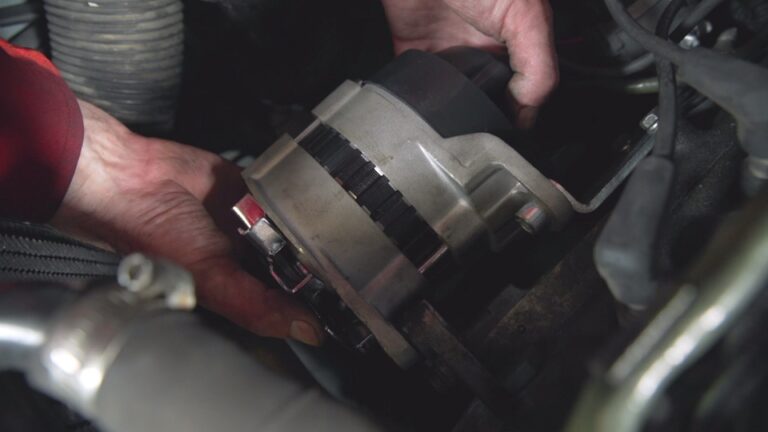
How to switch to an alternator
Car electrics can be daunting, but upgrading from a generator to an alternator need not be complicated if you know what pitfalls to avoid.
The challenges you may face when converting a 12-volt generating system to an alternator are:
• Finding brackets to mount the alternator to your engine
• Determining the wiring you want to use for your particular set-up
• Deciding whether you want to use an ammeter, an idiot light, or a voltmeter to monitor your classic’s charging system.