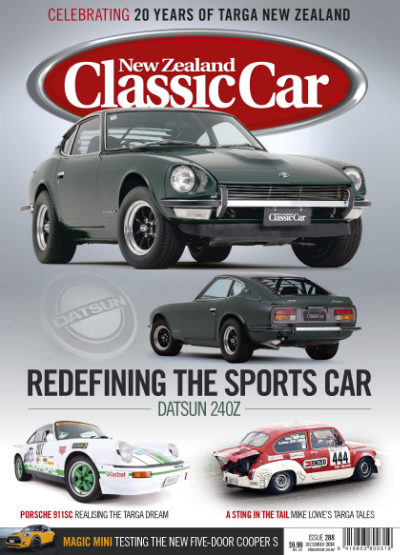
It’s been 20 years since the very first Targa New Zealand took place in 1995 — and in the years between then and now, the event has been through many changes.
In 1995, the majority of the entrants drove classic cars, while today’s larger fields include fewer classics, although older competition cars still make up a good proportion of the Targa field.
However, the challenge laid down by Targa New Zealand remains unchanged — there are no quick sprints to the finish but tenacity, consistent driving and dogged determination will be rewarded by the satisfaction of overcoming all odds to cross the finish line at the end of the event.
This month we look back at the inaugural Targa New Zealand through the snaps we took at the time, to give readers a taste of the action.
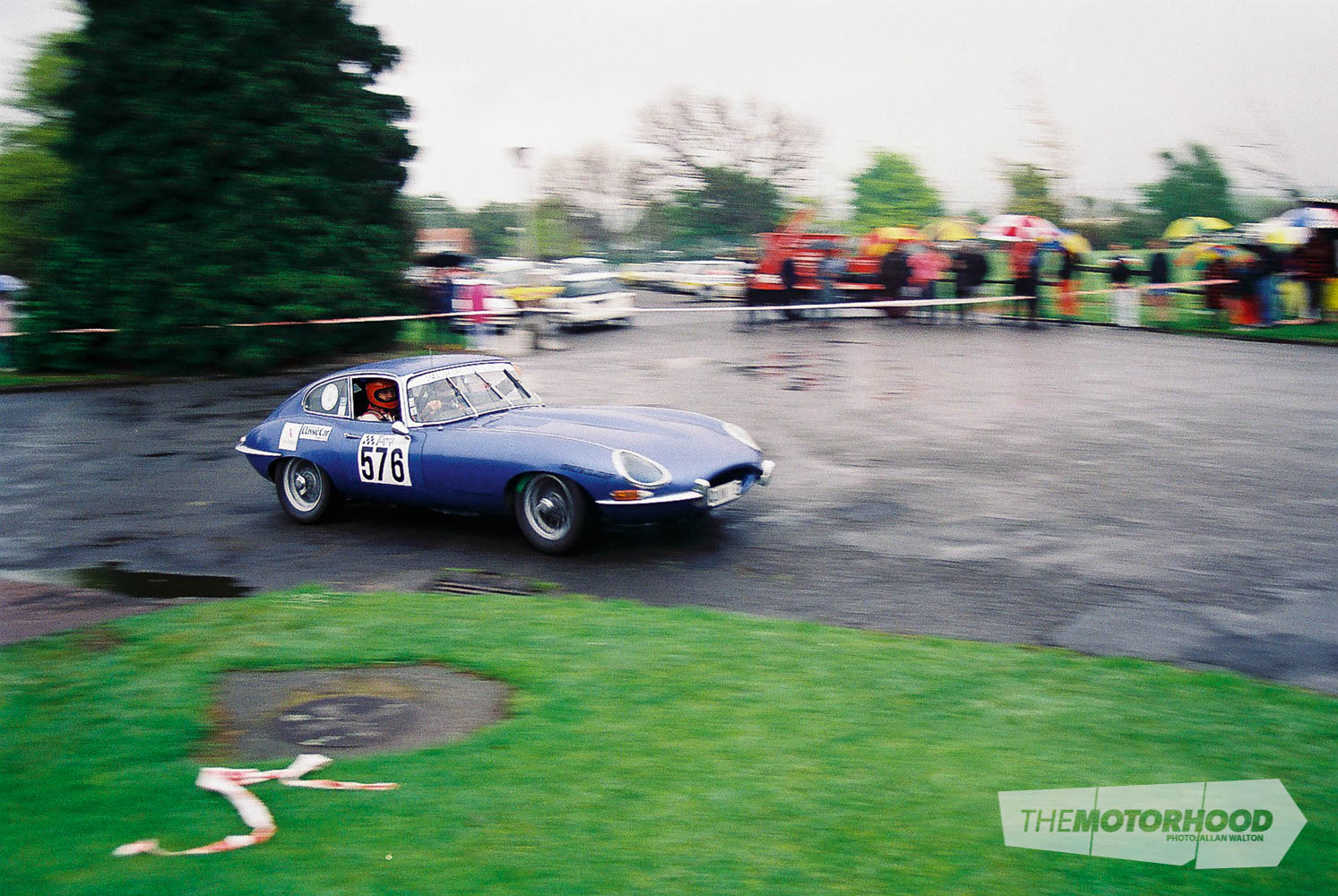
The late-Malcolm Flynn was a popular entrant during Targa’s early years in QUIK E, his rapid E-Type.
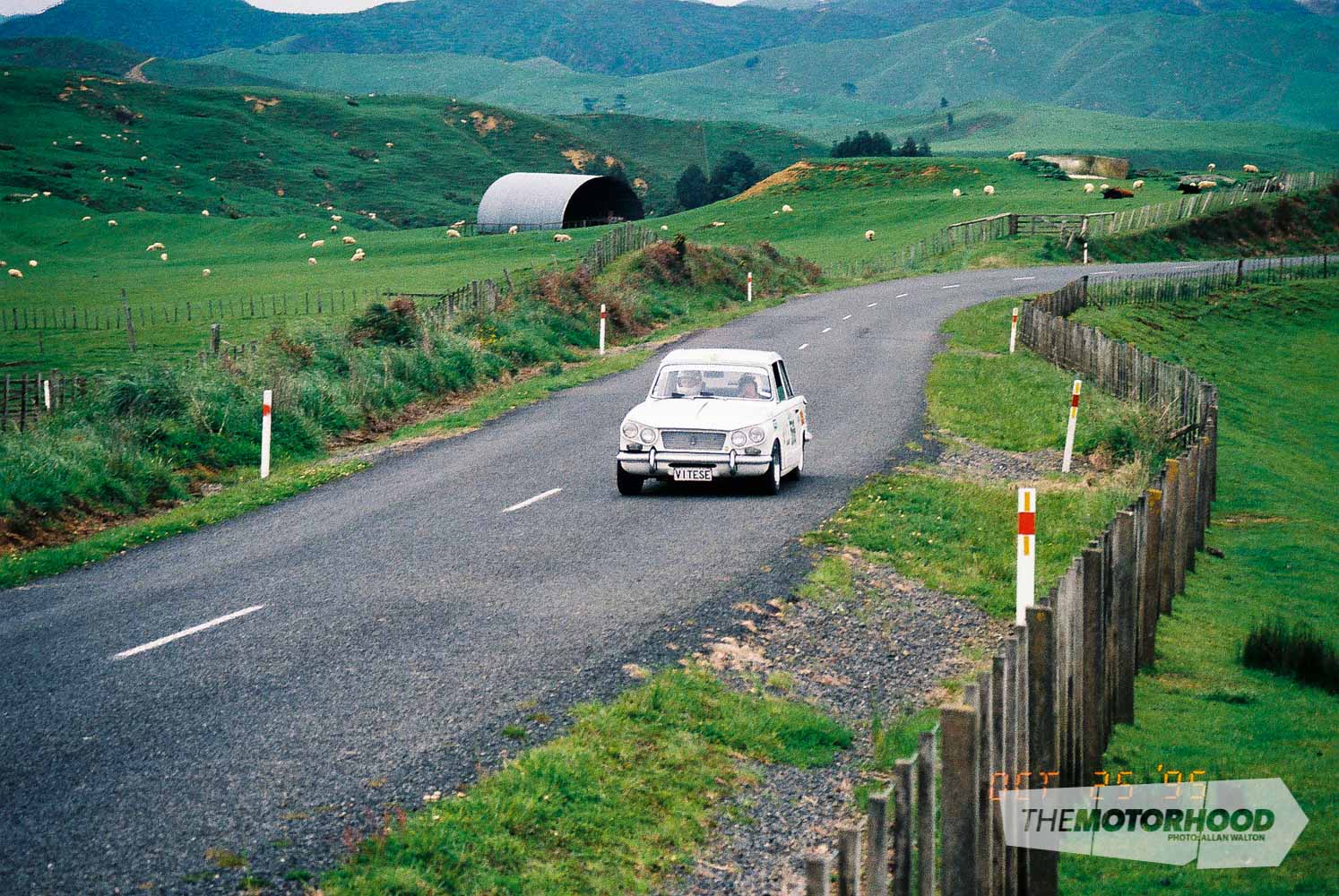
All the way from Otago: Paul Coghill’s Triumph Vitesse.
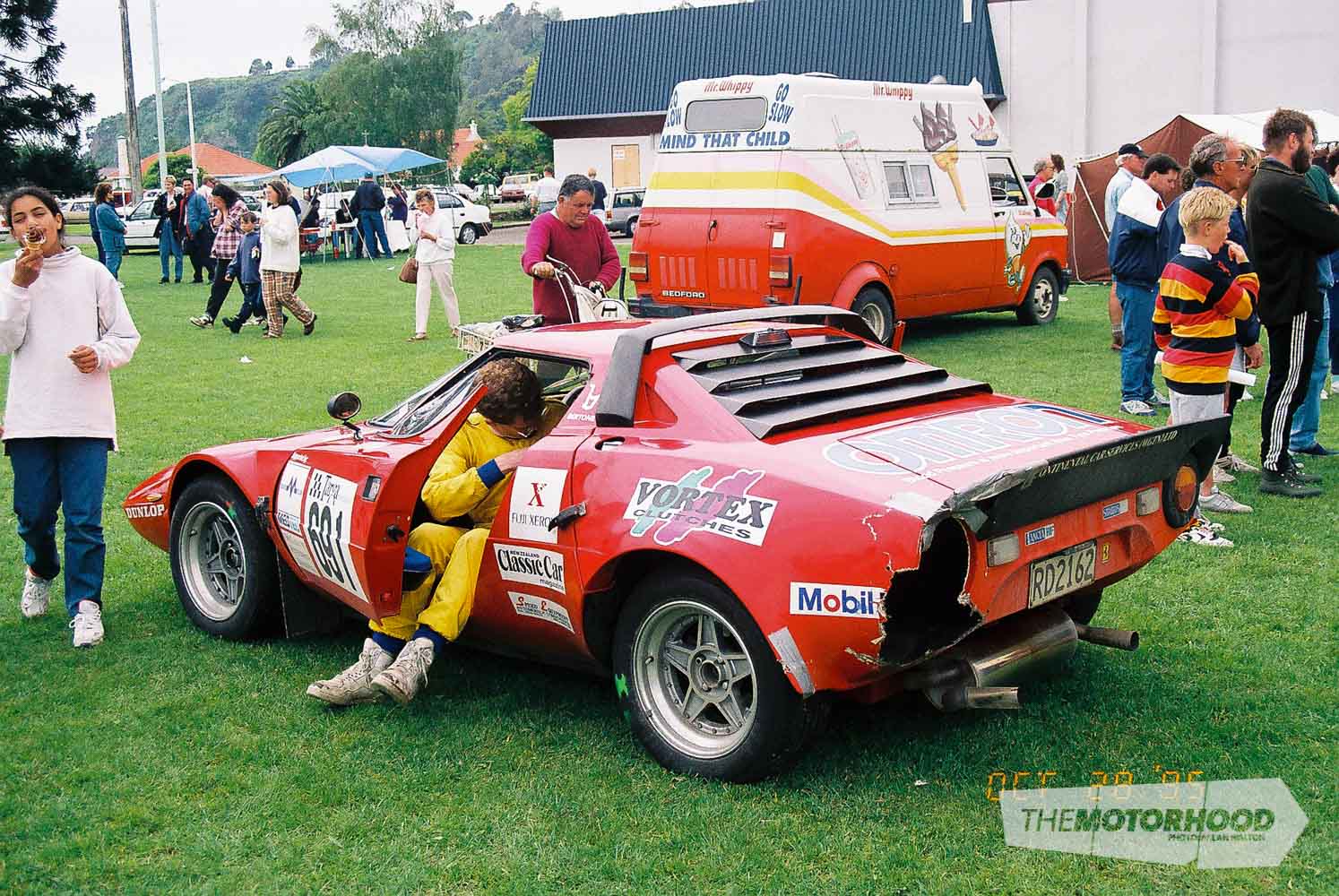
Although not the real thing, Steve Strain’s Lancia Stratos replica was a welcome addition to the inaugural Targa.
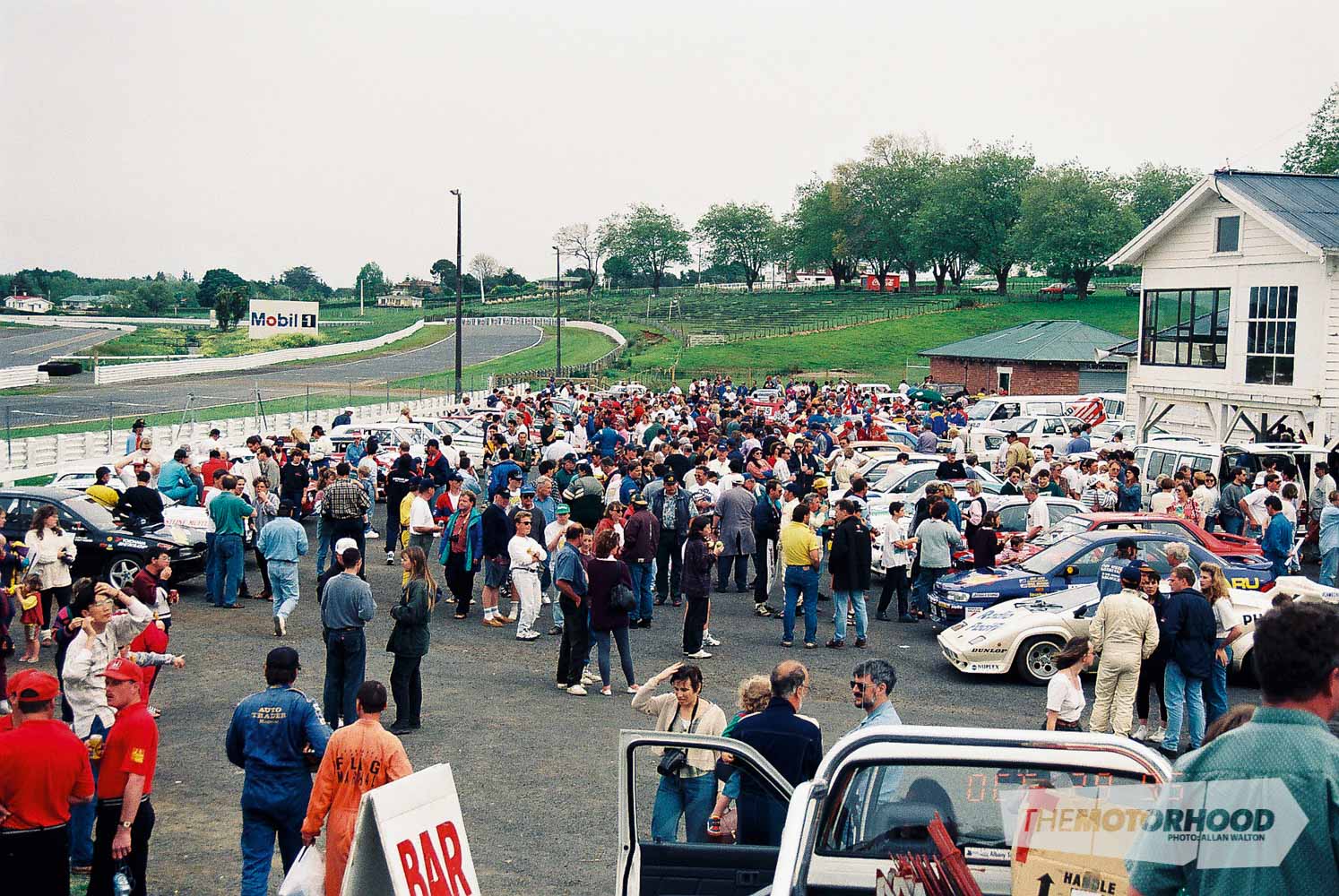
Crowds gather to examine the Targa cars prior to the running of the Prologue stages at Pukekohe Park Raceway, Labour Weekend 1995.
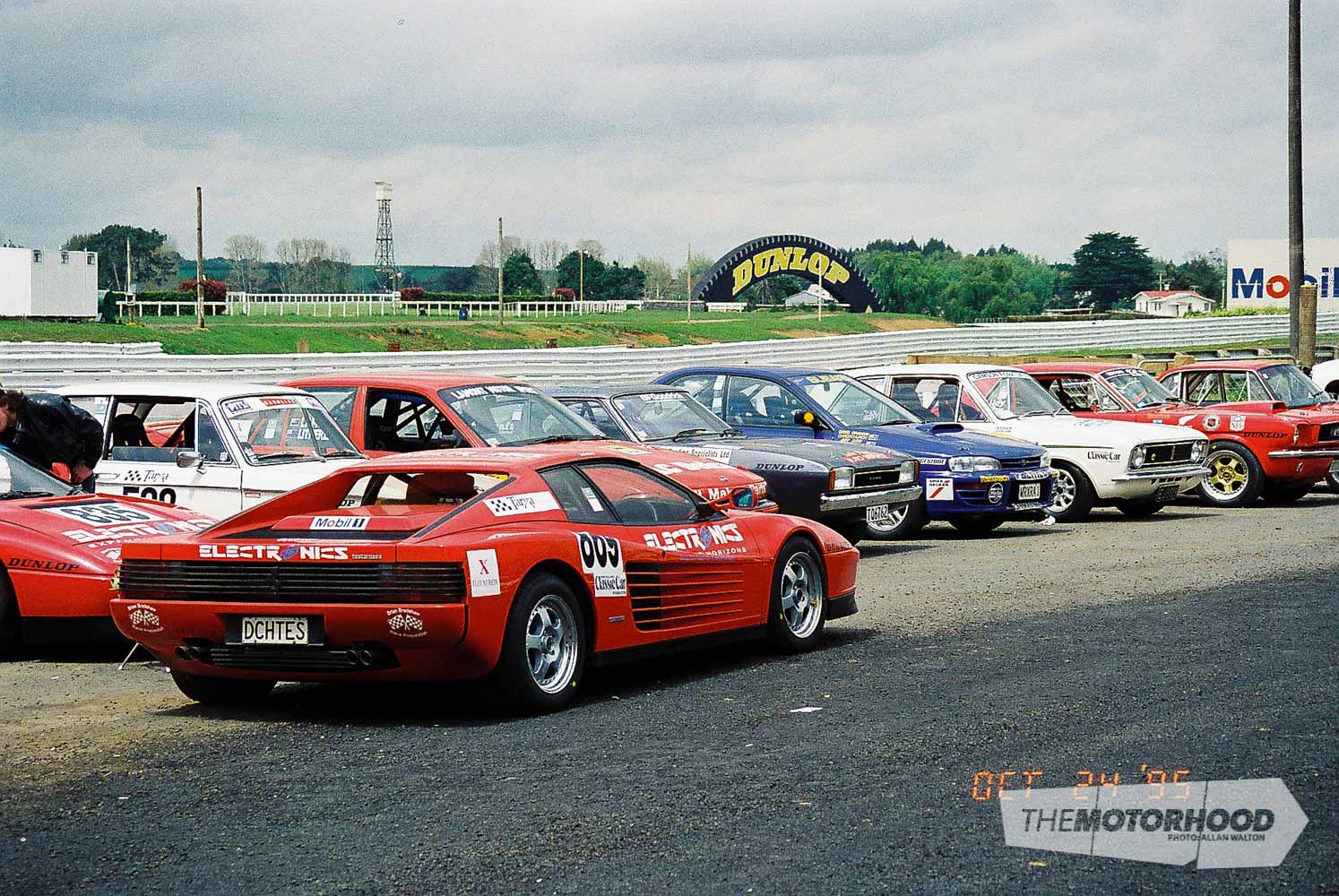
Yes, that’s a Miami Vice Ferrari Testa Rossa — alas, following an altercation with a power pole, the Ferrari only finished the event when driver Dennis Chapman rolled one of those fancy alloy wheel across the line.
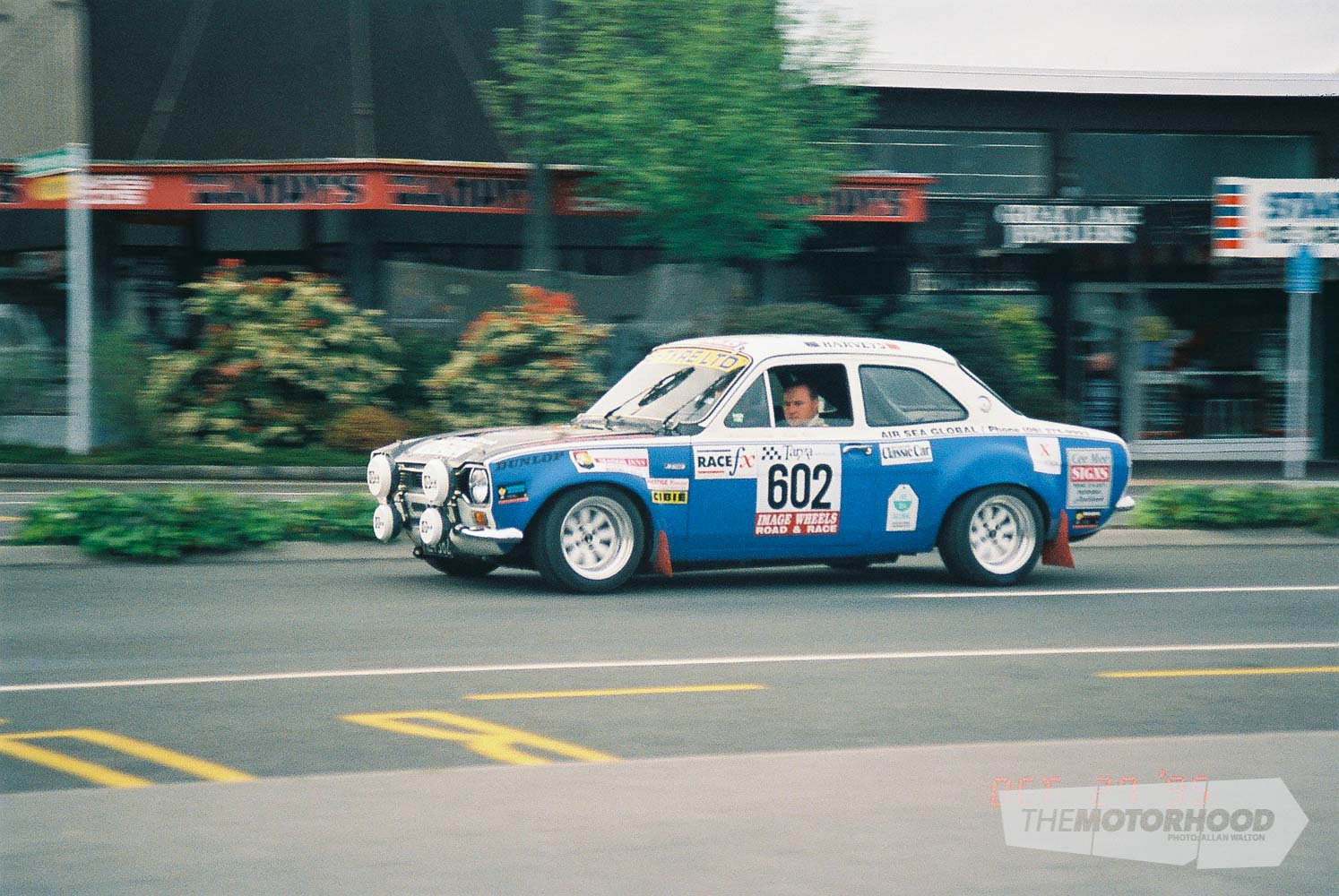
Our very first Targa cover car — Graeme Pearce’s gorgeous Escort RS1600. This car was actually the sister car to Hannu Mikkola’s Heatway Rally–winning car.
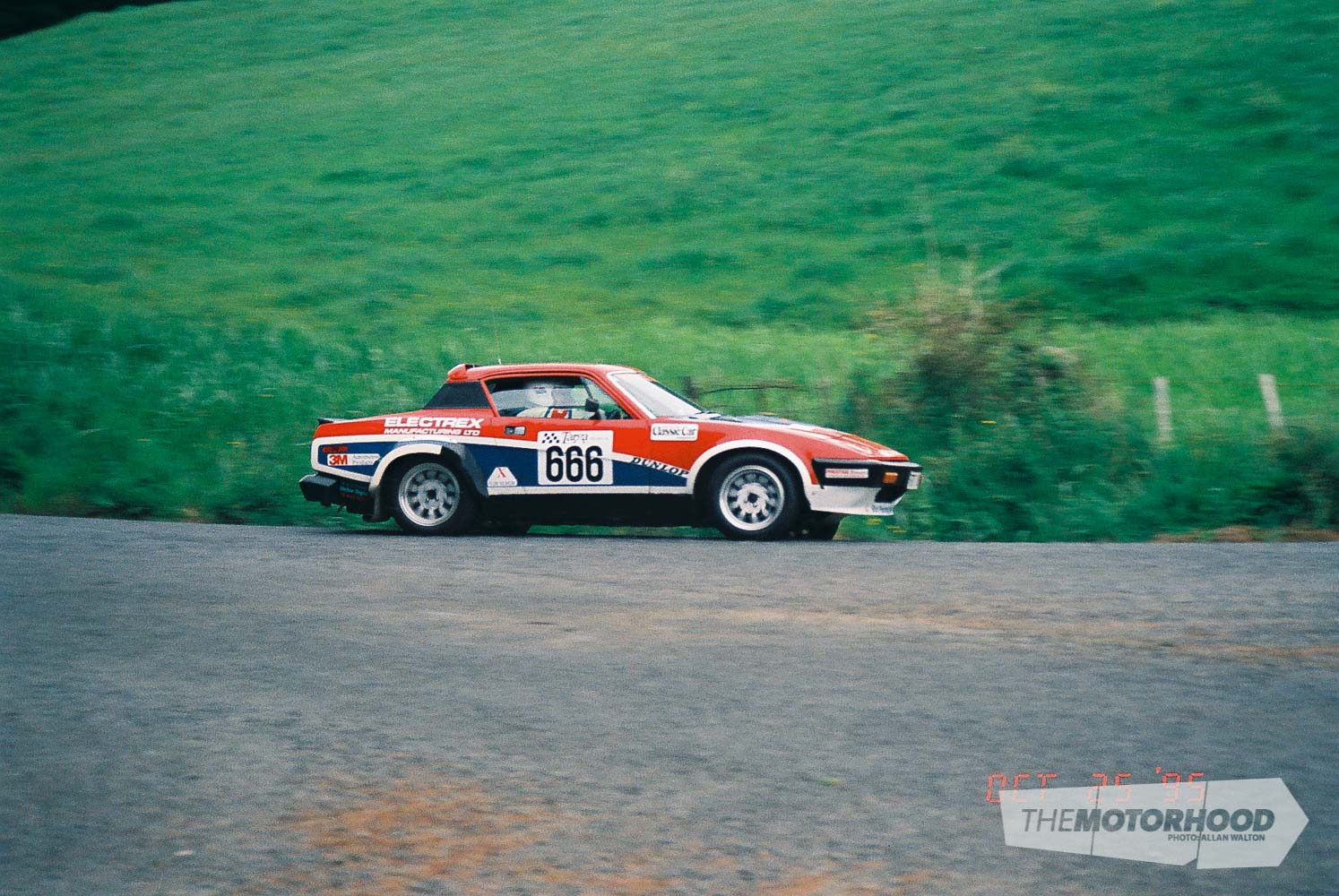
Instantly recognizable, Mark Parsons’ Triumph TR7 V8 Rallye seen here in its original colour scheme.
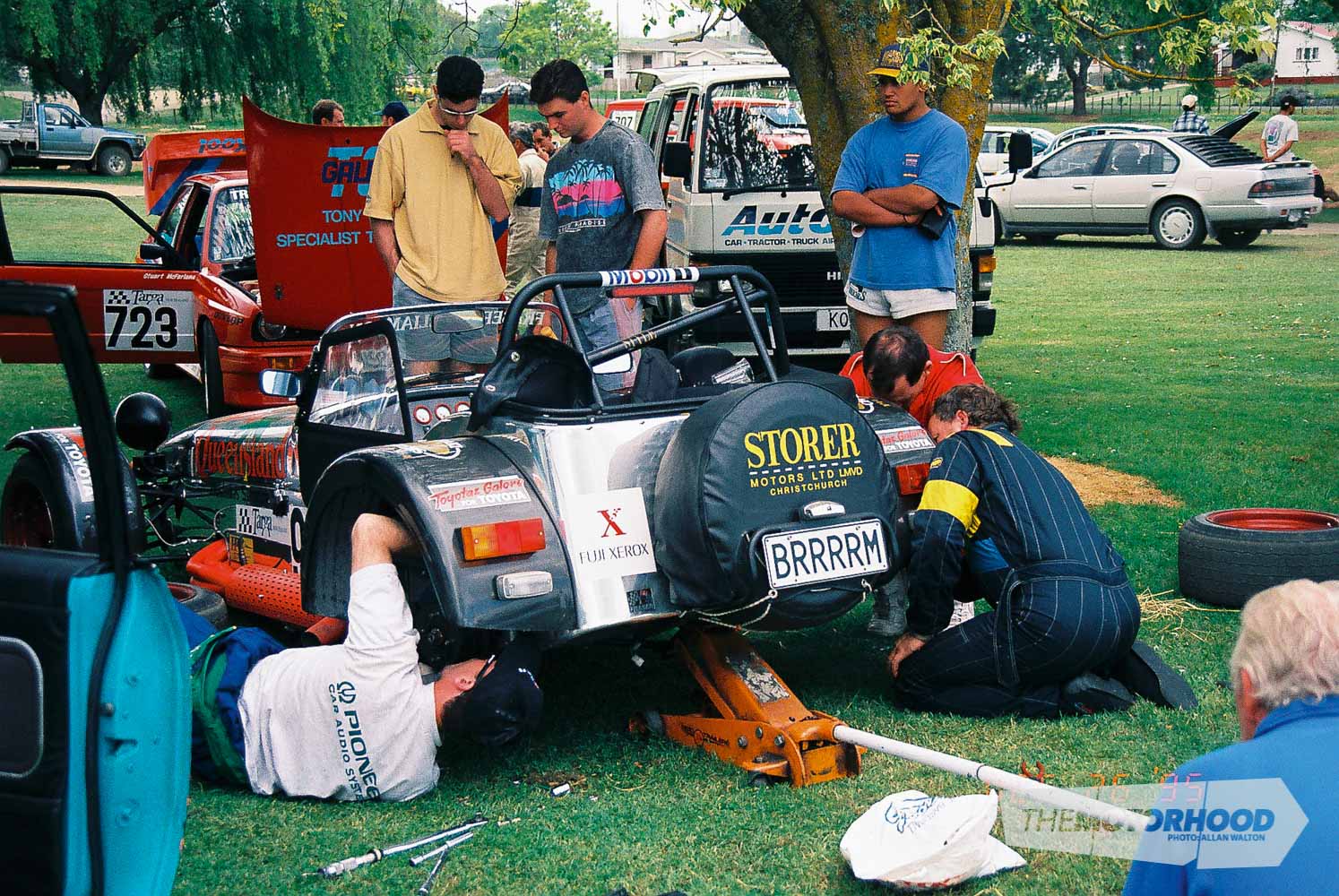
OK, there’s a de Dion axle under there somewhere! The Fraser Cars team fettle the boss’ Targa ride.
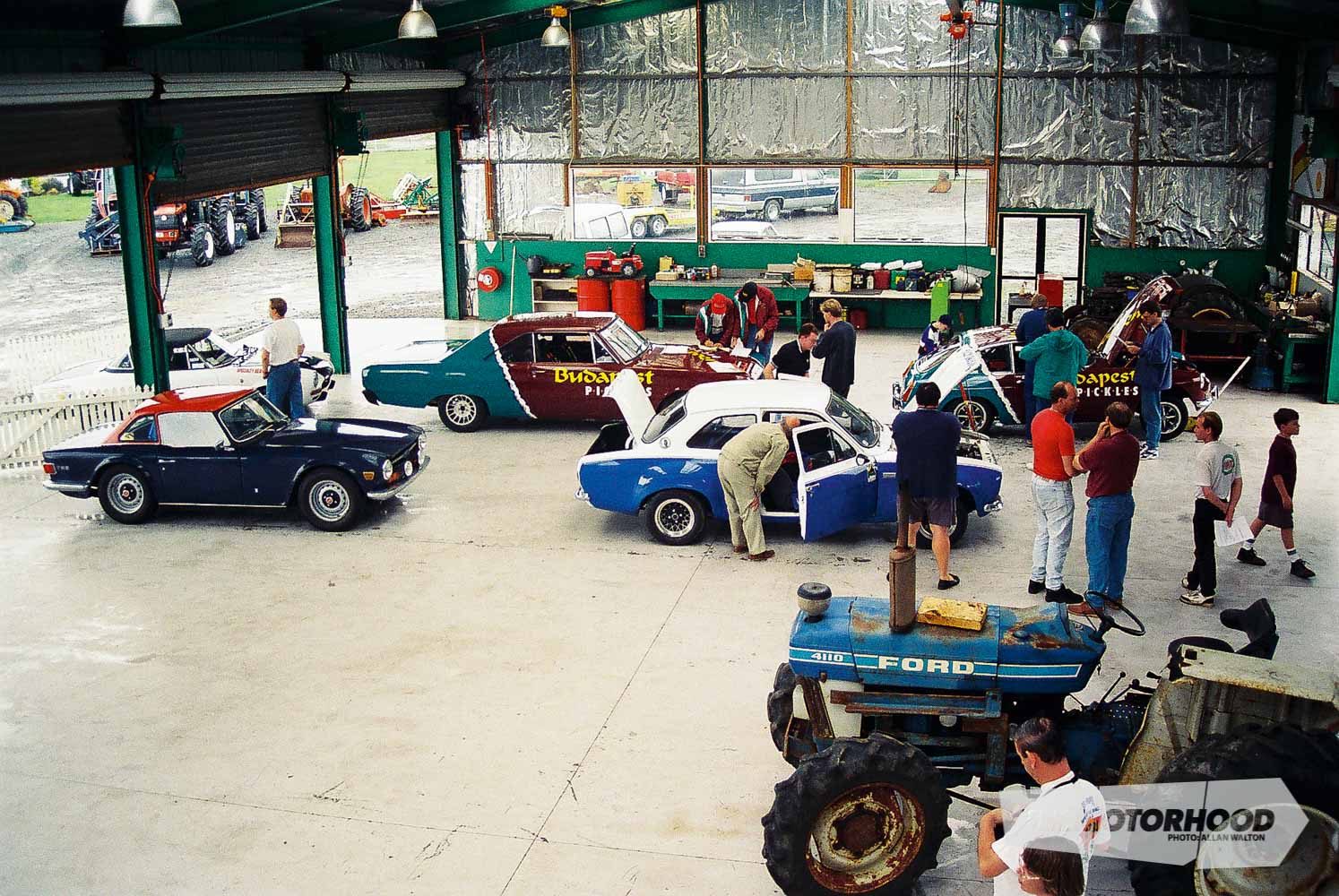
The first service stop on Targa ’95 at Te Rapa’s Wings & Wheels complex — long since demolished to make way for a shopping centre.
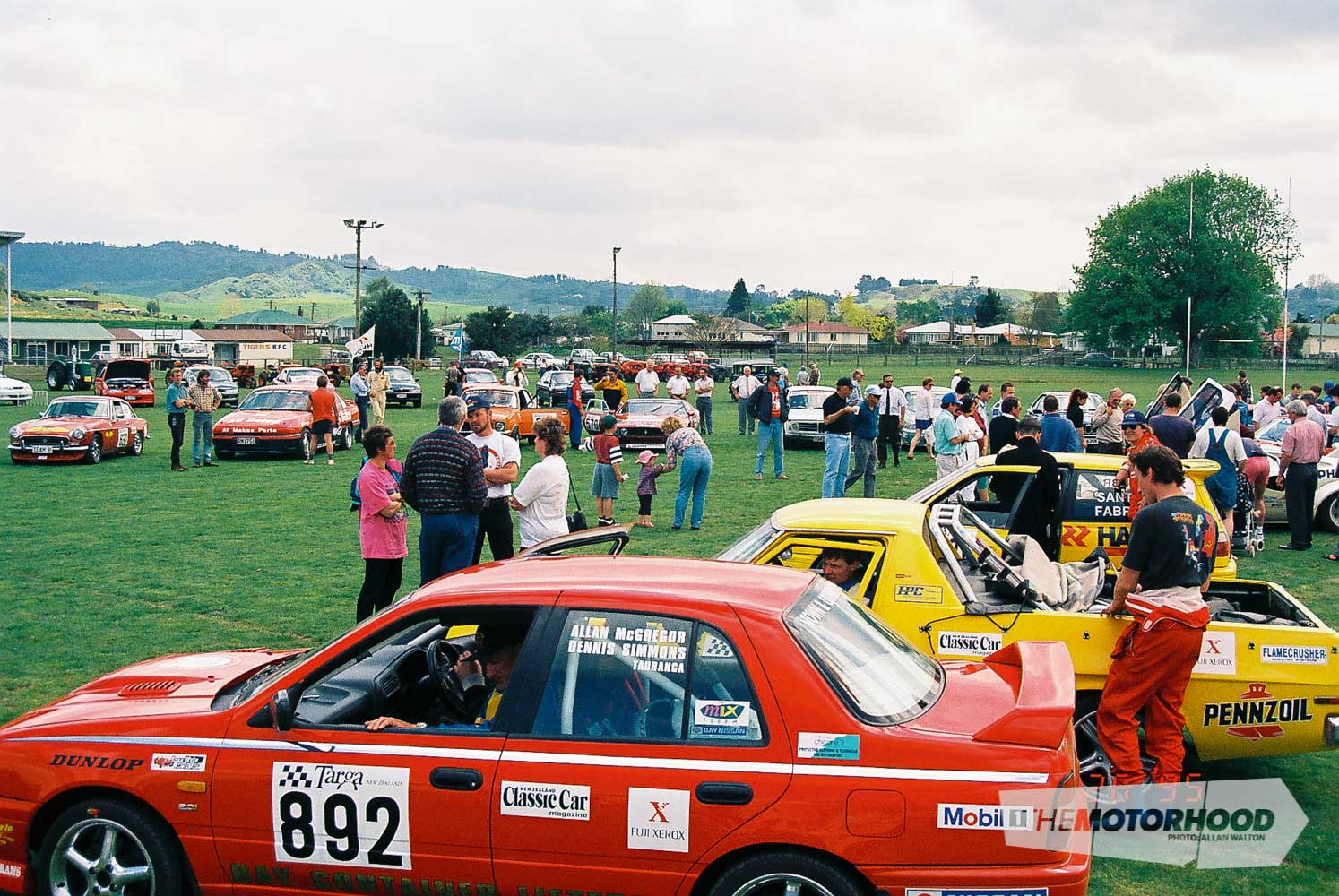
Targa cars take a break from the action for a well-deserved lunch stop.
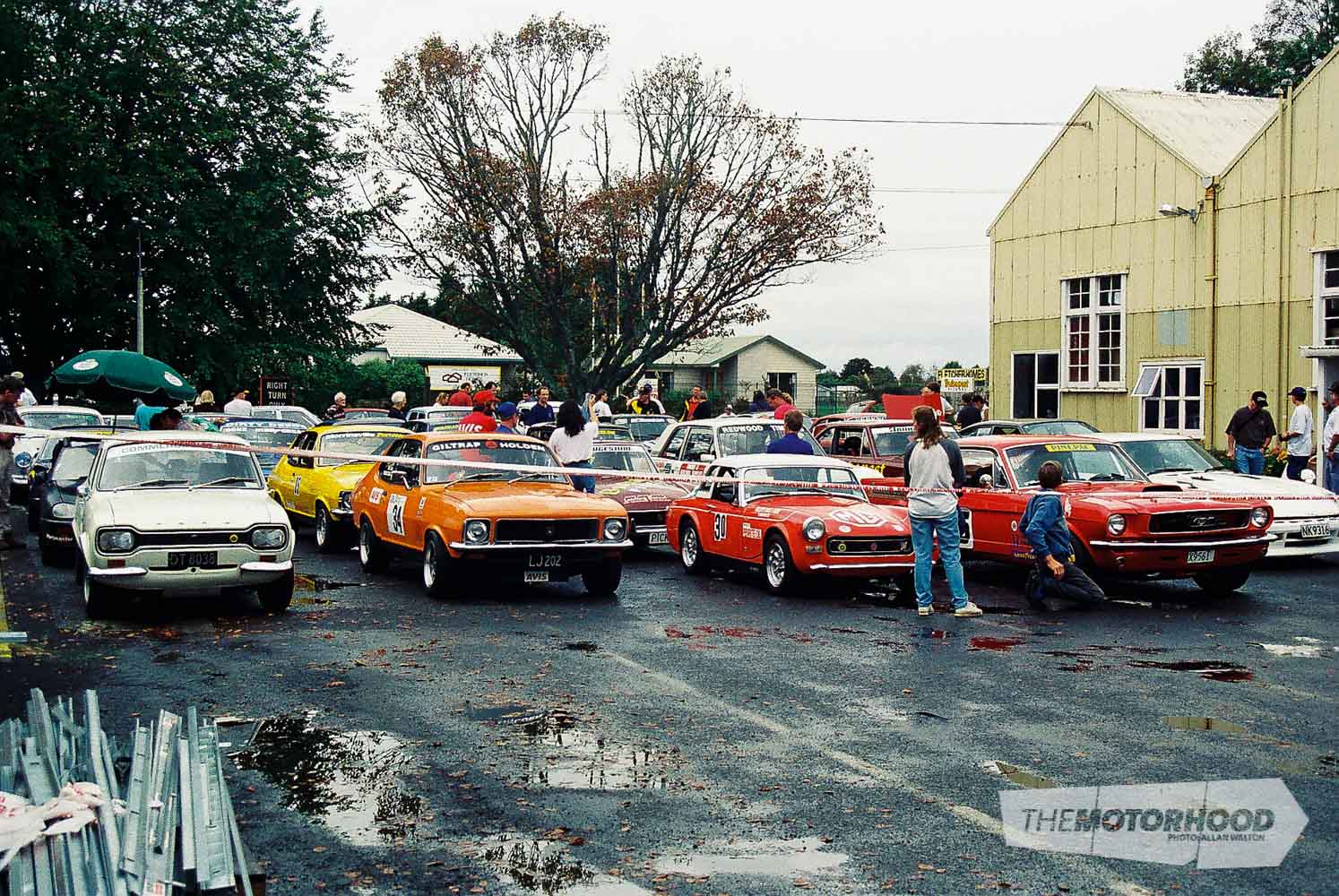
Cars line up in the wet for a sprint around Te Rapa.
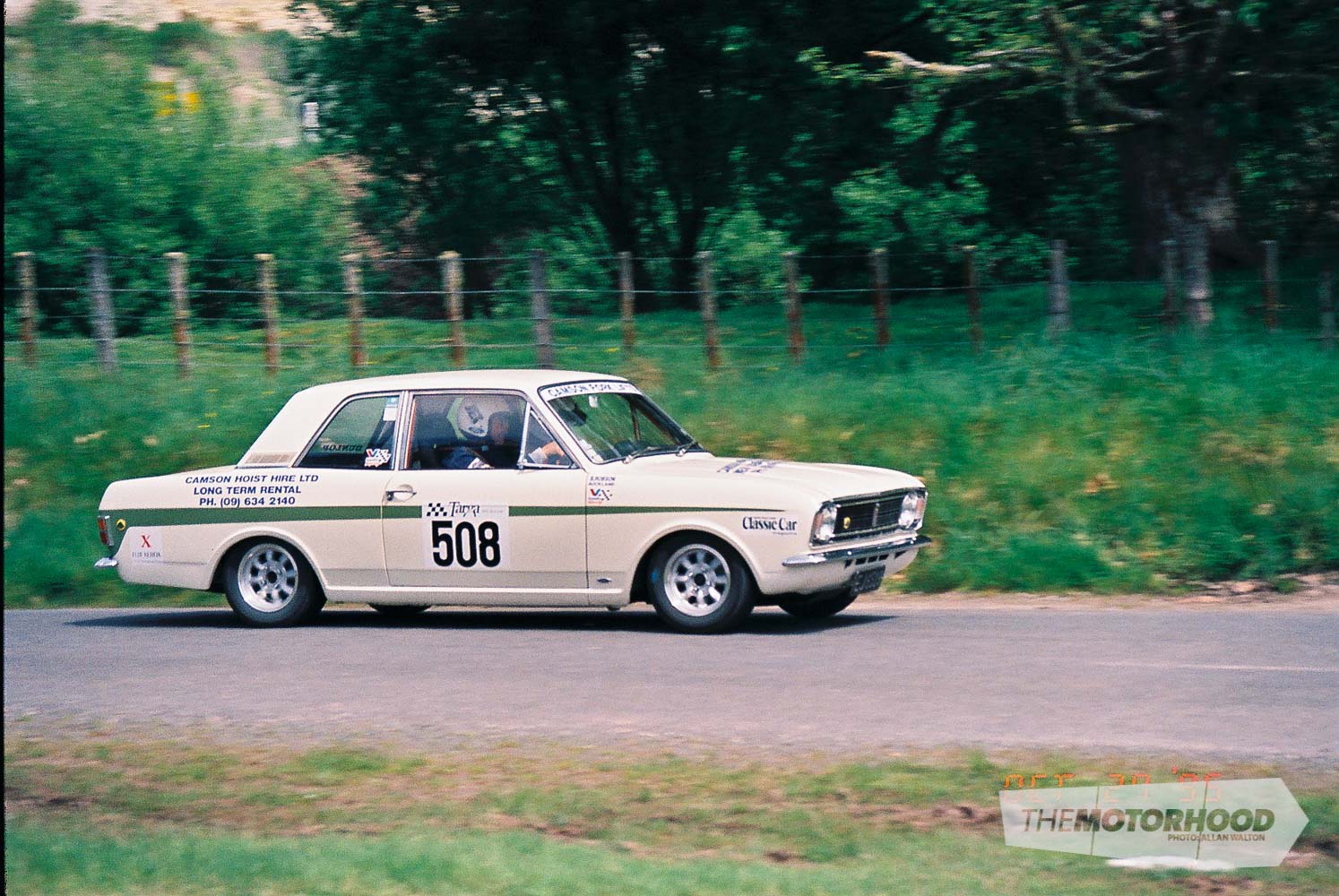
Former New Zealand rally champion, Blair Robson, at speed in his Lotus-Cortina MkII — this car would survive Targa ’95 and grace the cover of our Targa ’96 Programme edition.
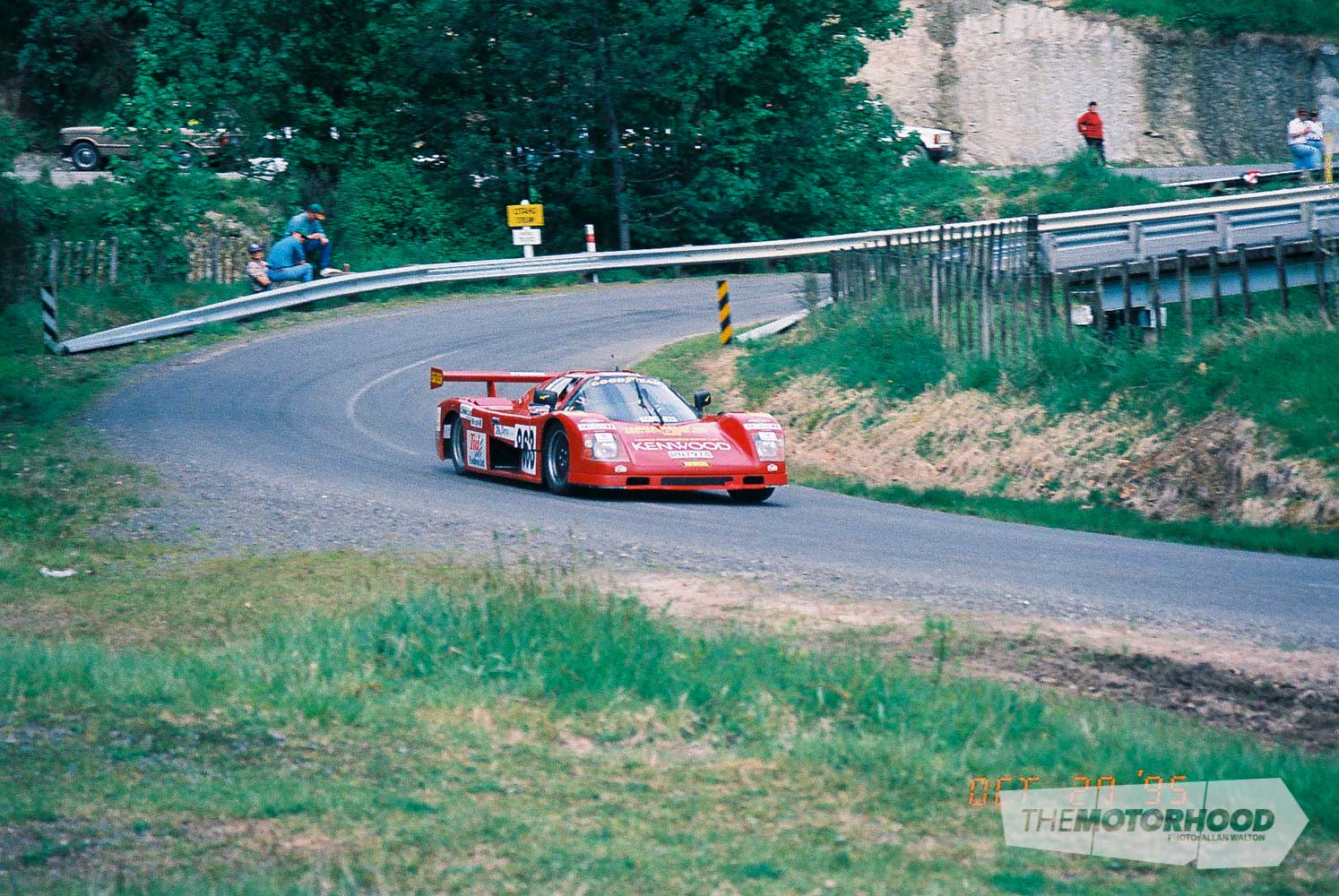
Looking like a Le Mans racer, this is Georgie William’s Kiwi-designed and built Saker SV1.
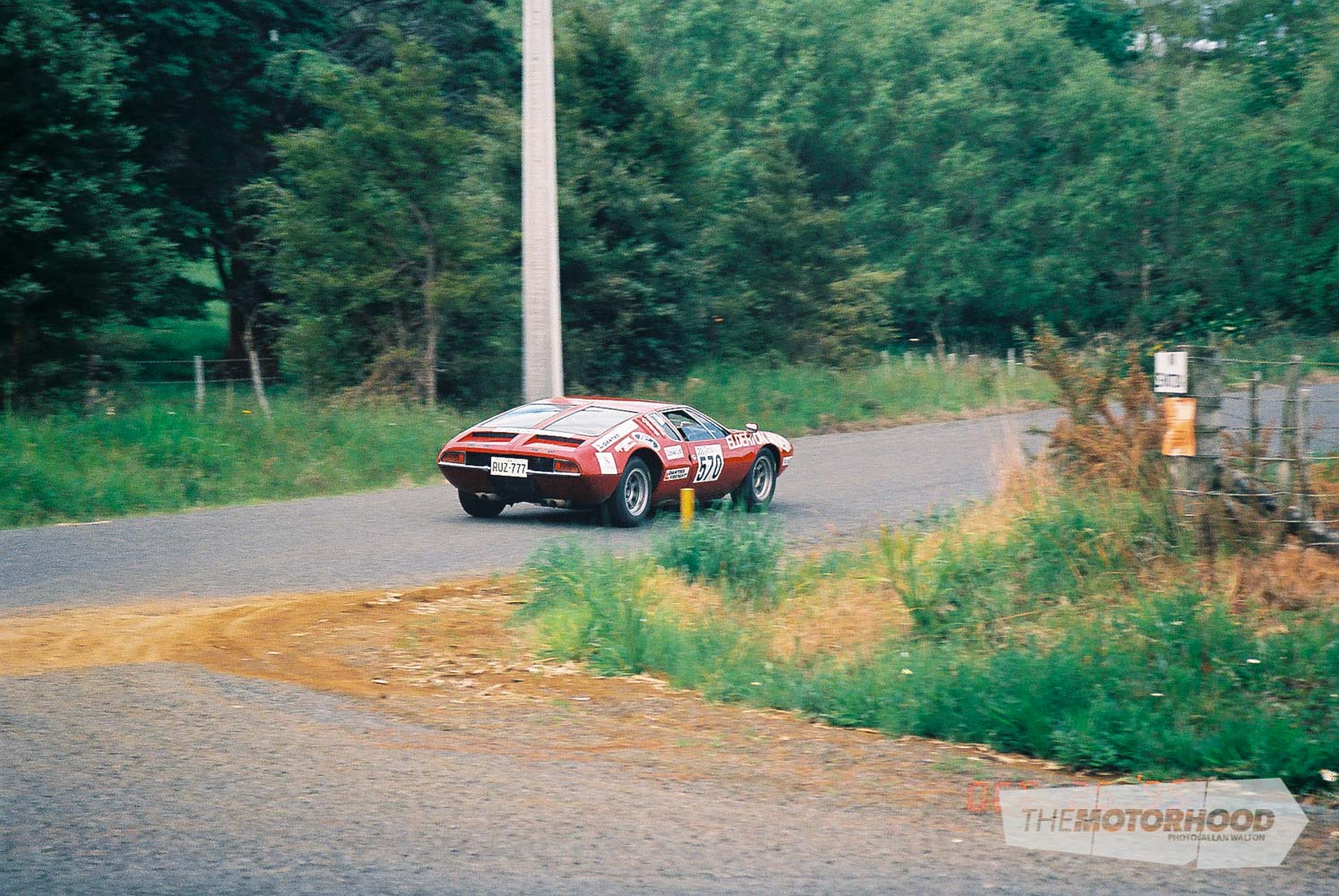
Neil Ashmead’s De Tomaso Mangusta on the look out for a tasty Cobra.
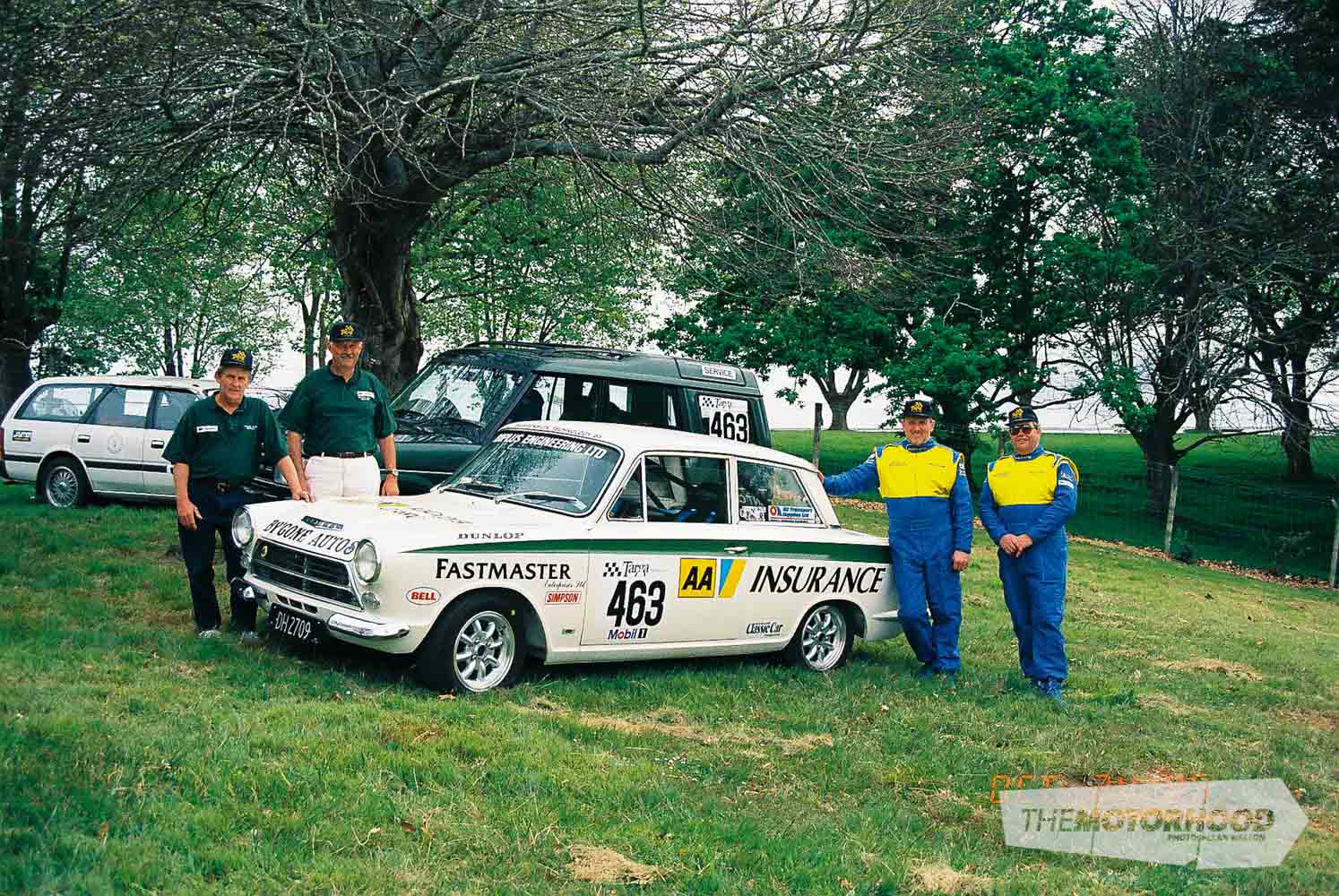
Mal Clark’s By’Gone Autos team — many years later, Mal’s Lotus-Cortina would travel to Japan after being purchased by a Japanese classic car collector.
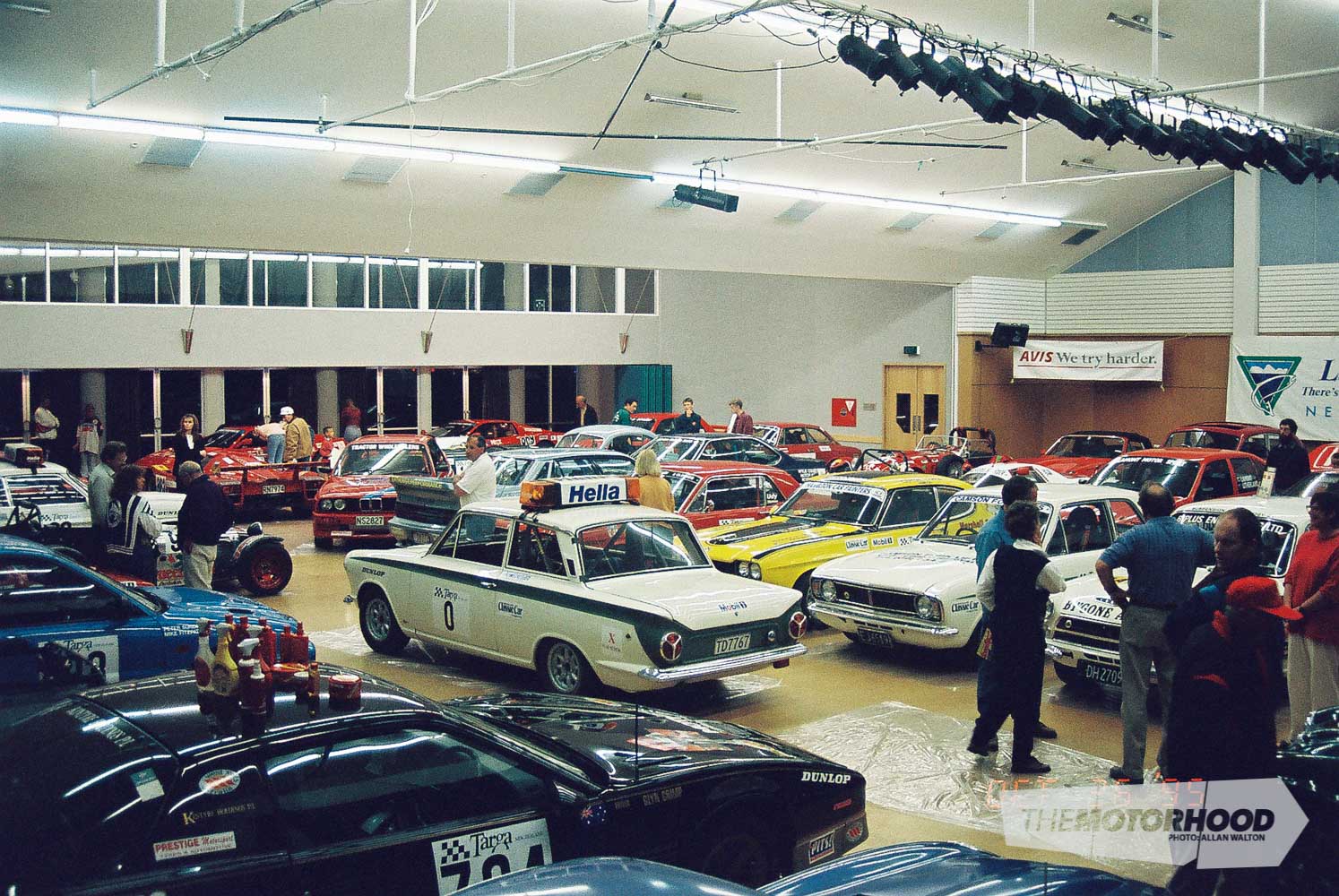
The overnight stop and motor show at the Great Lakes Centre in Taupo.
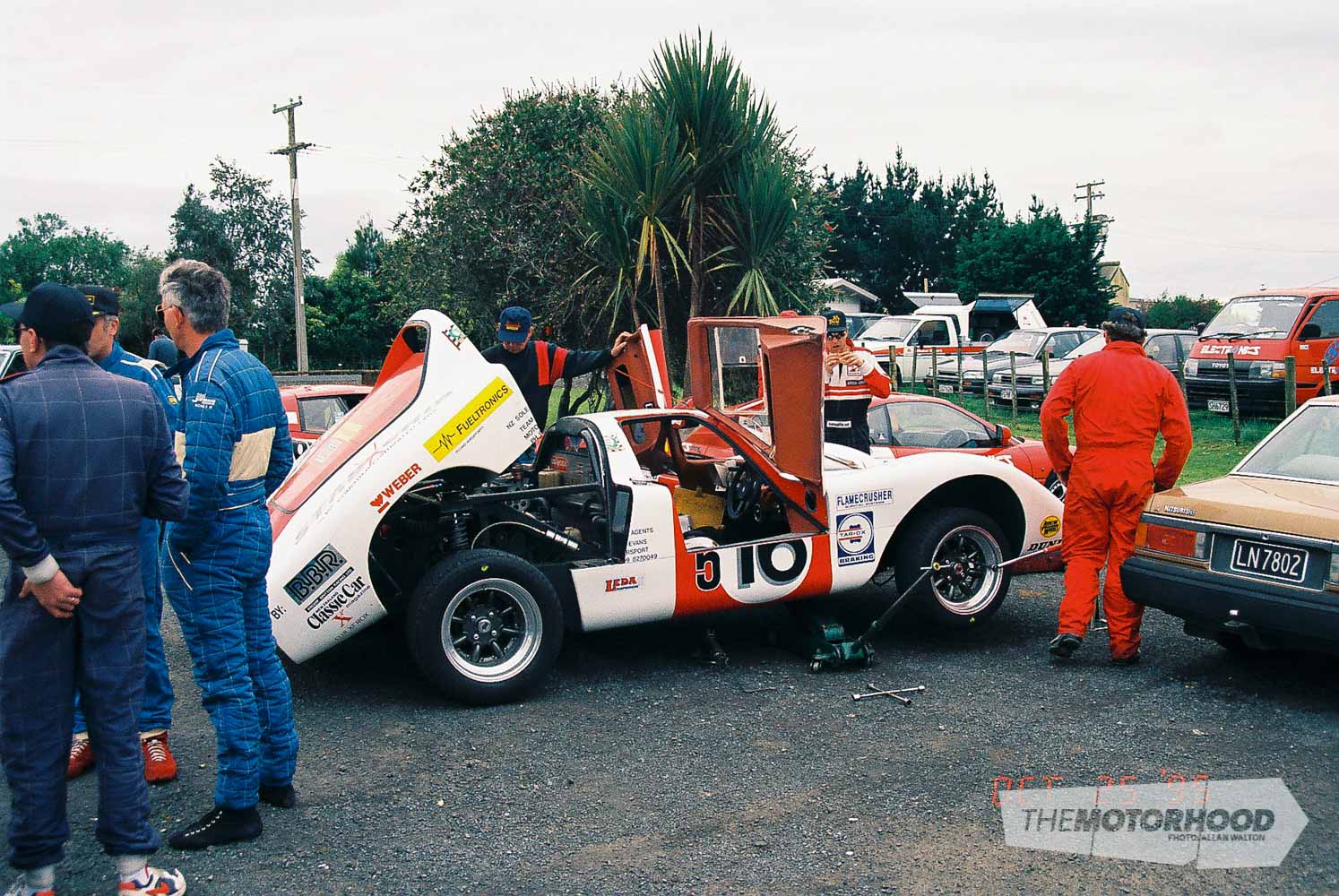
Lance Evans’ McLaren M6GT replica gets a spot of TLC at a scheduled service stop.
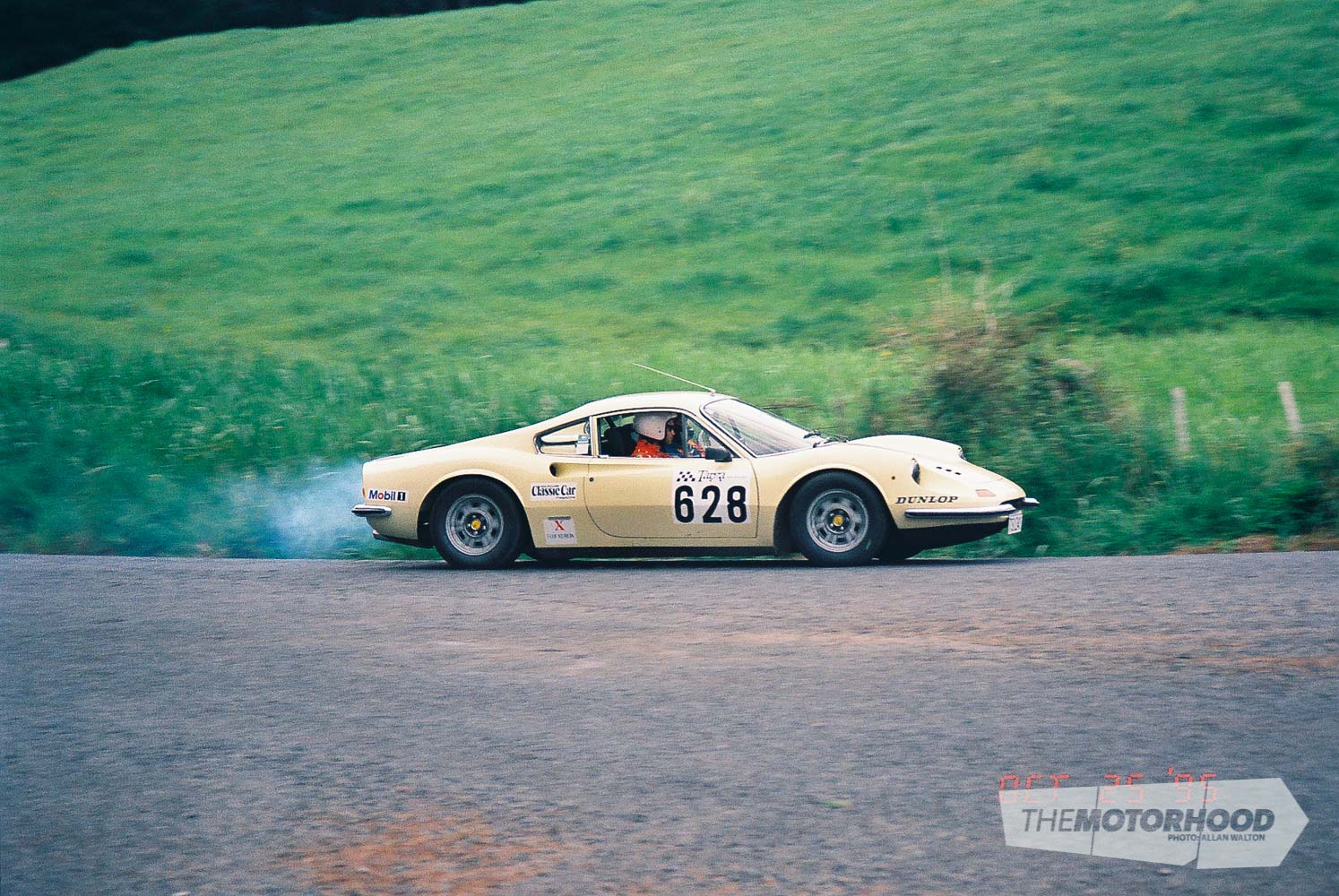
Entered by the father-and-son team of Damon and Lester Summerfield — two farmers from Darfield — this lovely Dino 246GT looked the part even when it’s V6 was laying down a smoke-screen.
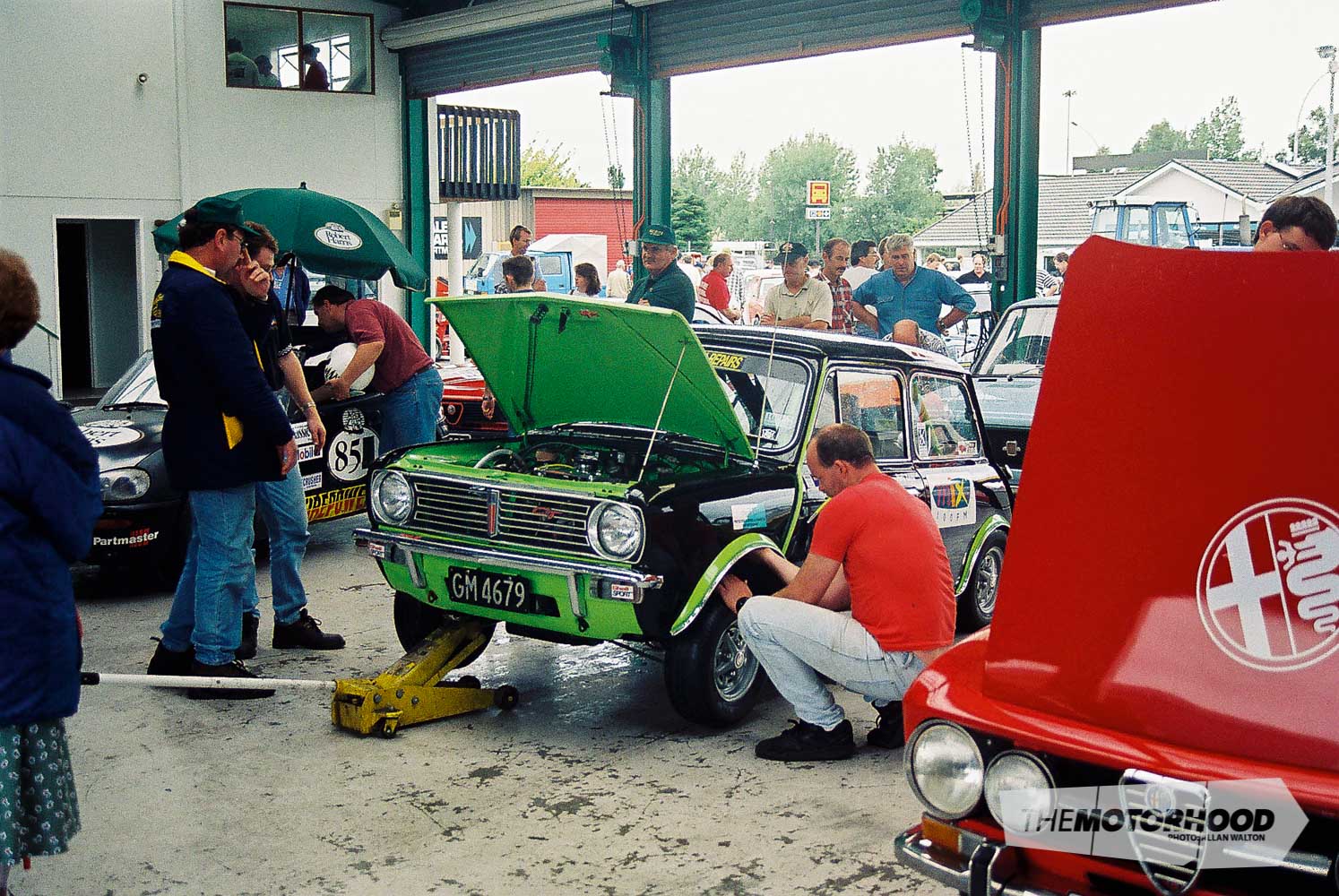
More servicing action at Te Rapa.
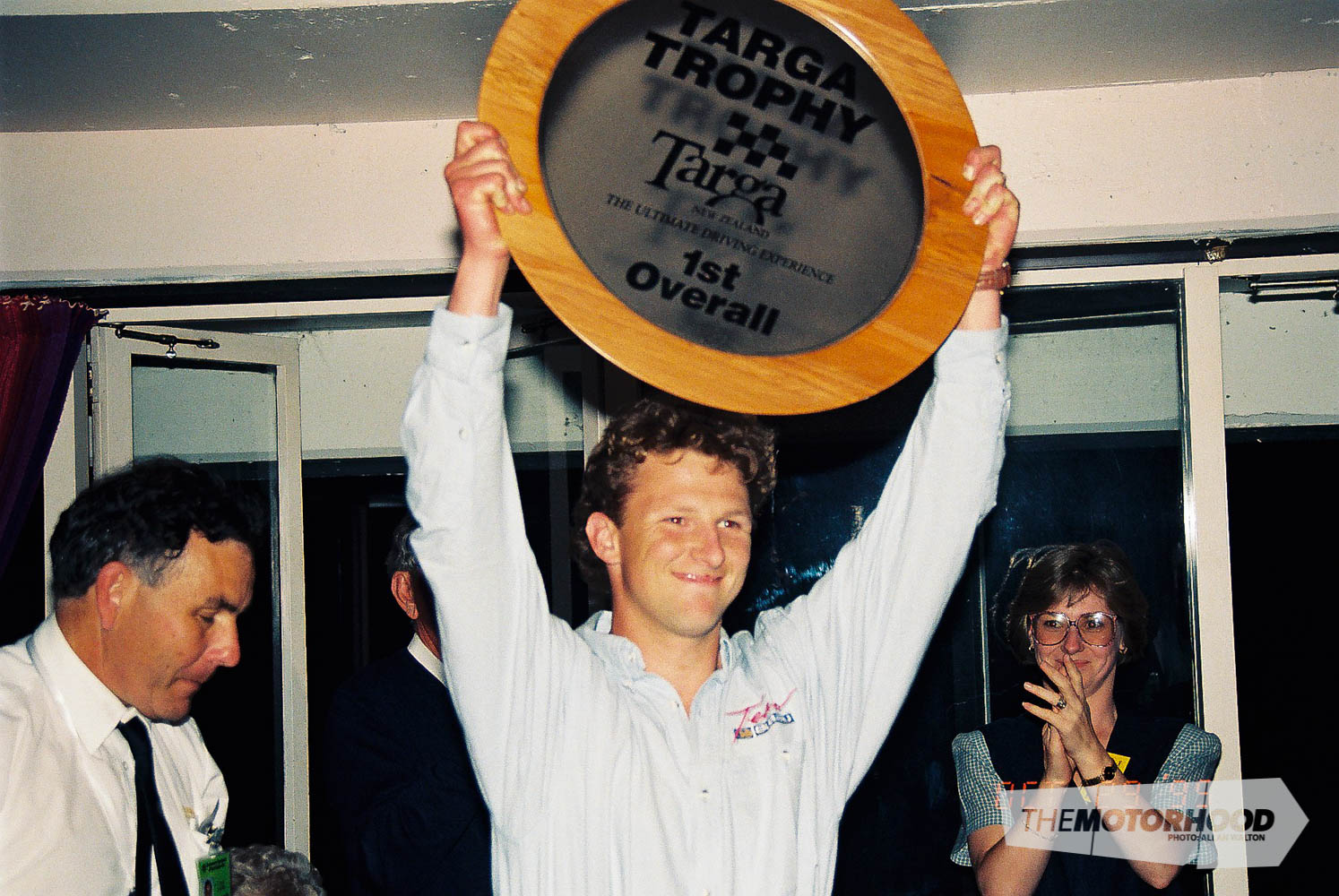
The very first Targa winner — Greg Graham holds the Targa ’96 plate aloft.
This article was originally published in New Zealand Classic Car Issue No. 288. You can pick up a print copy or a digital copy of the magazine below: