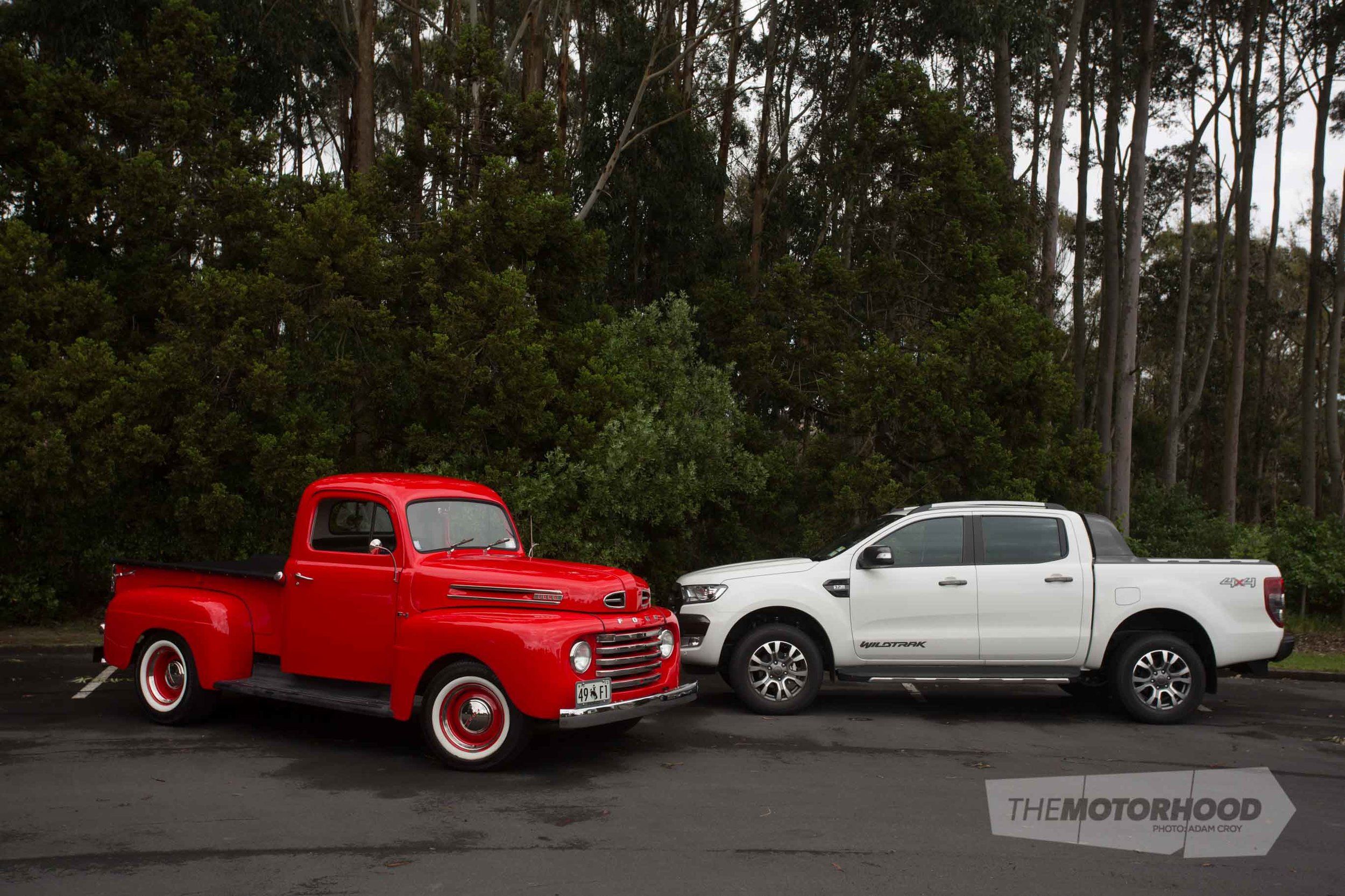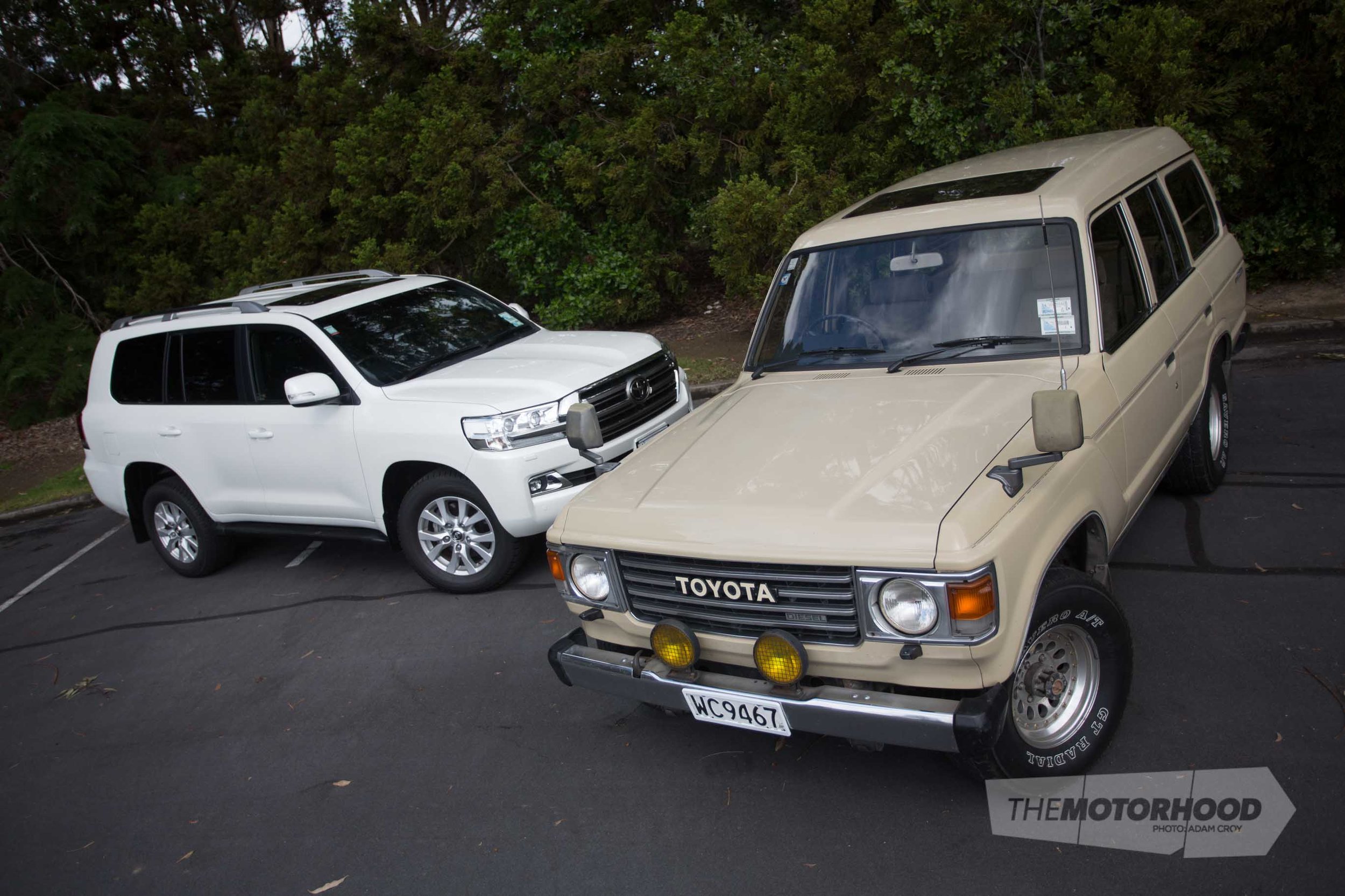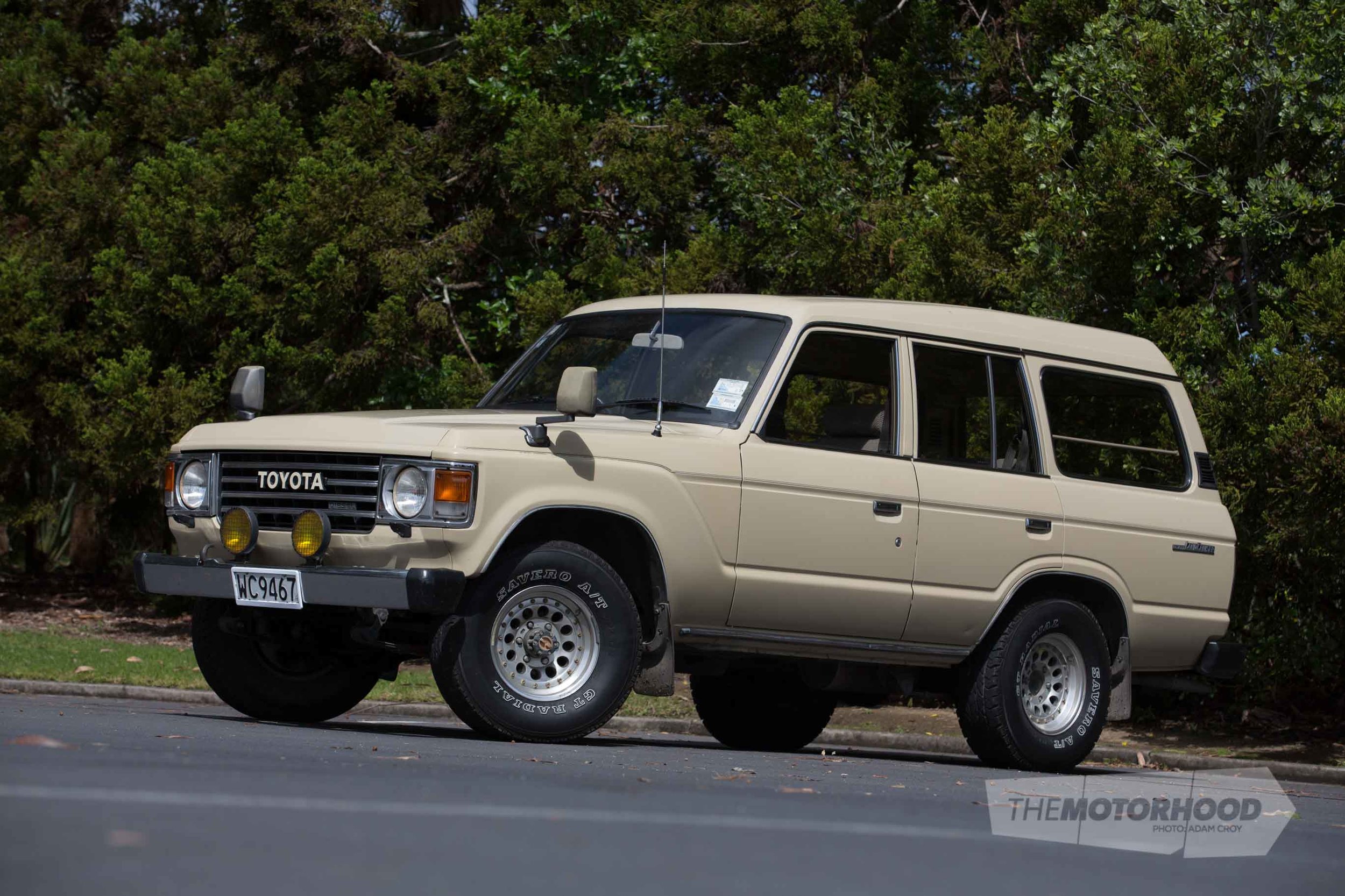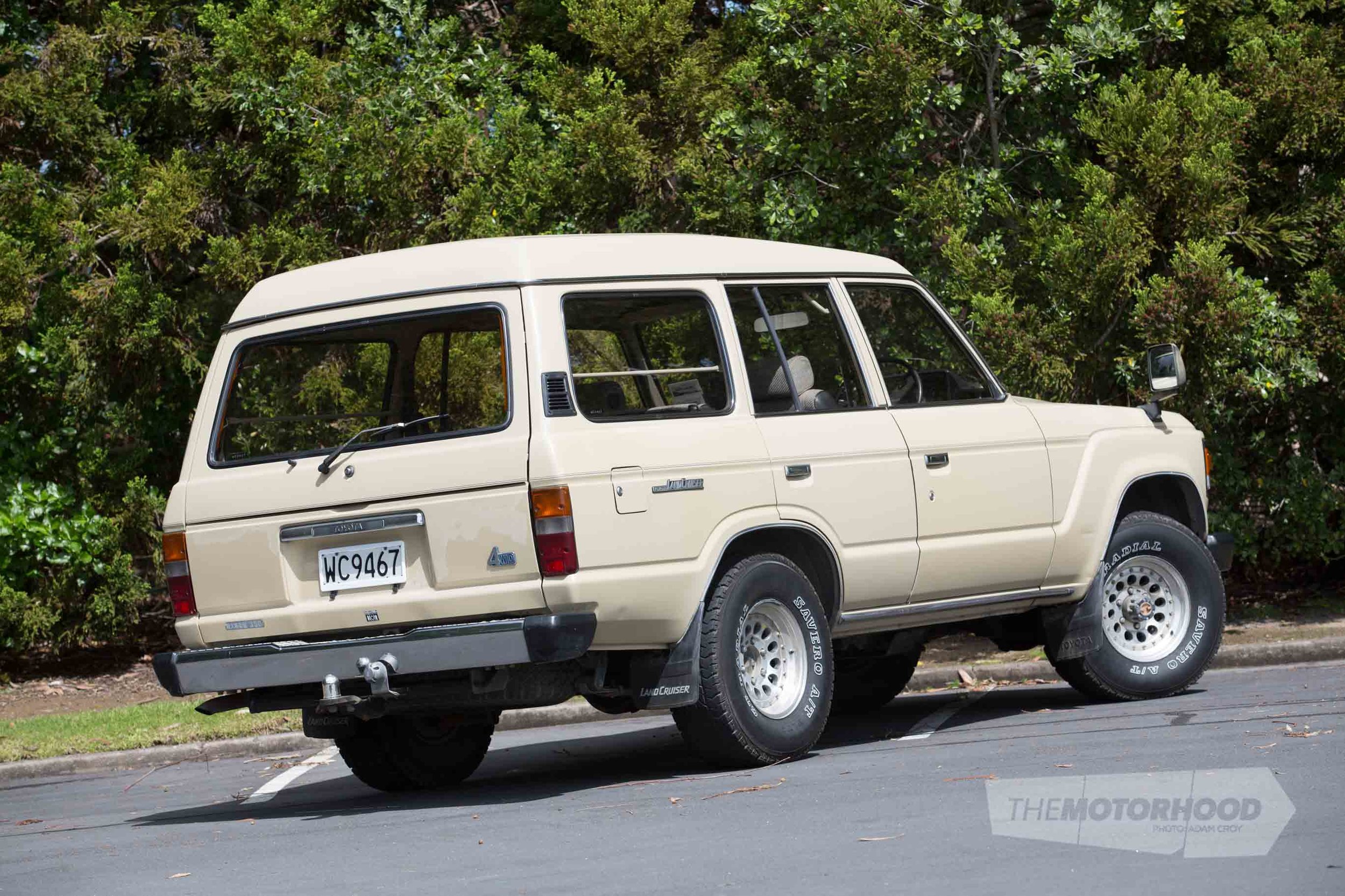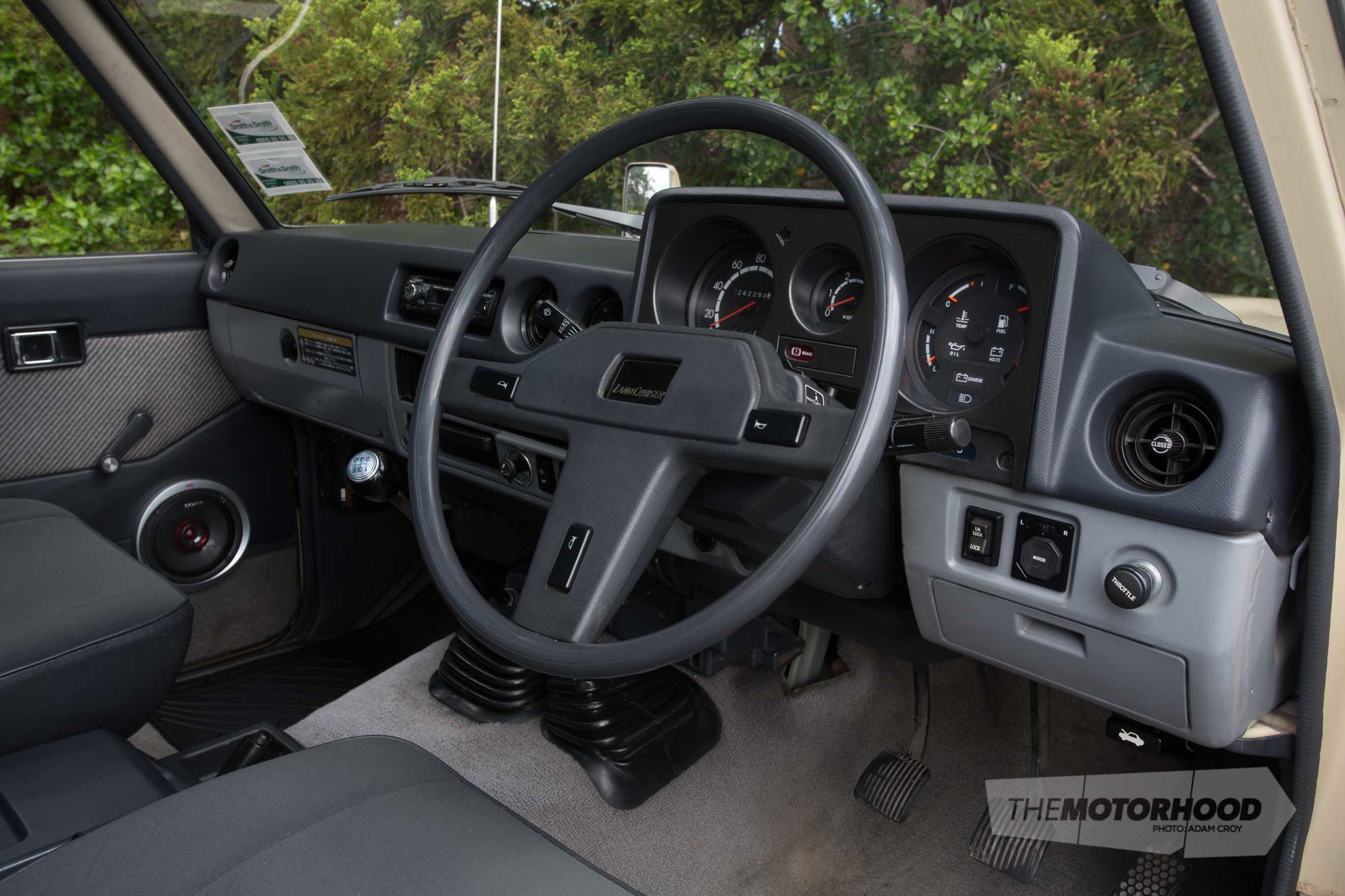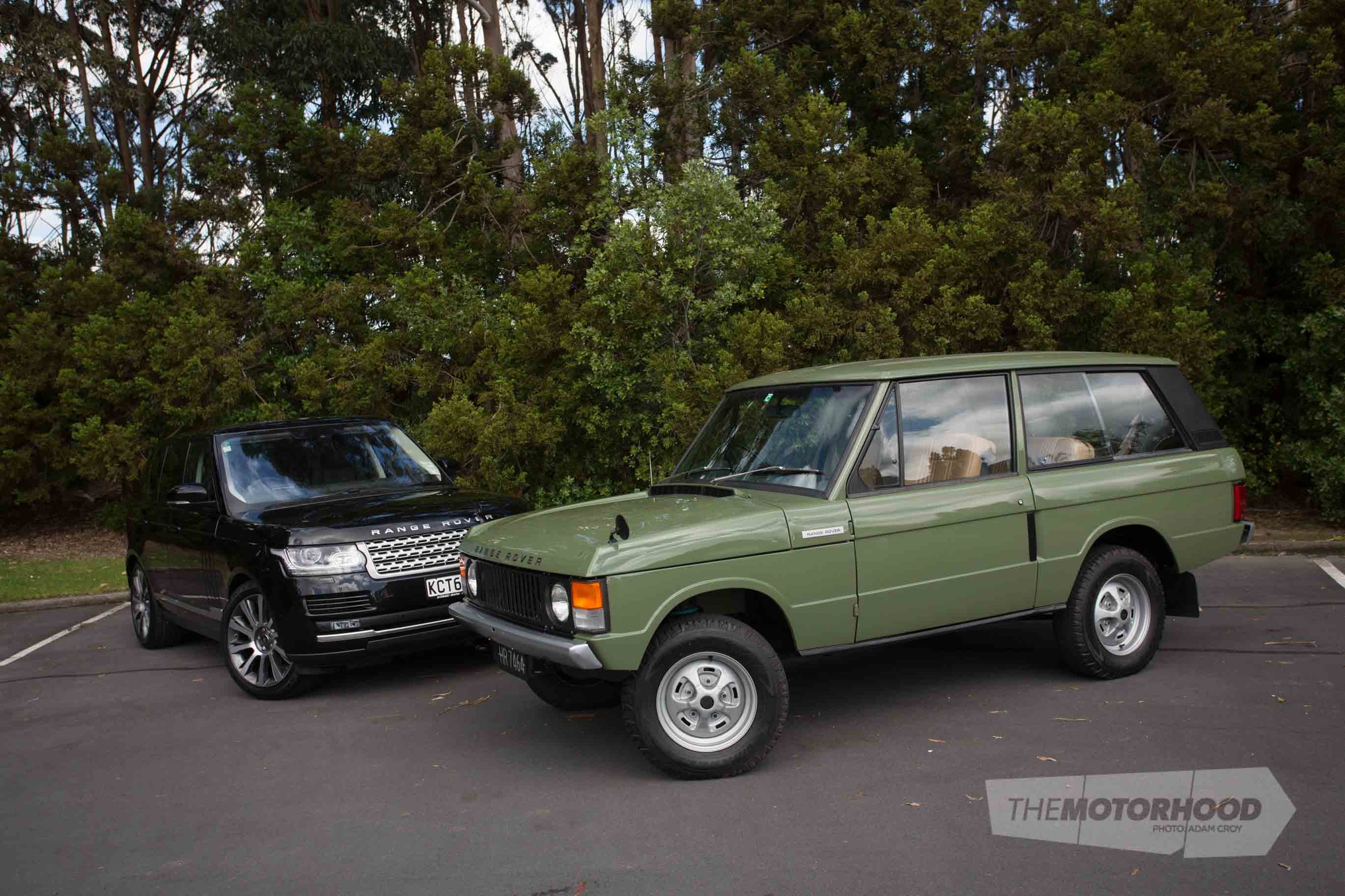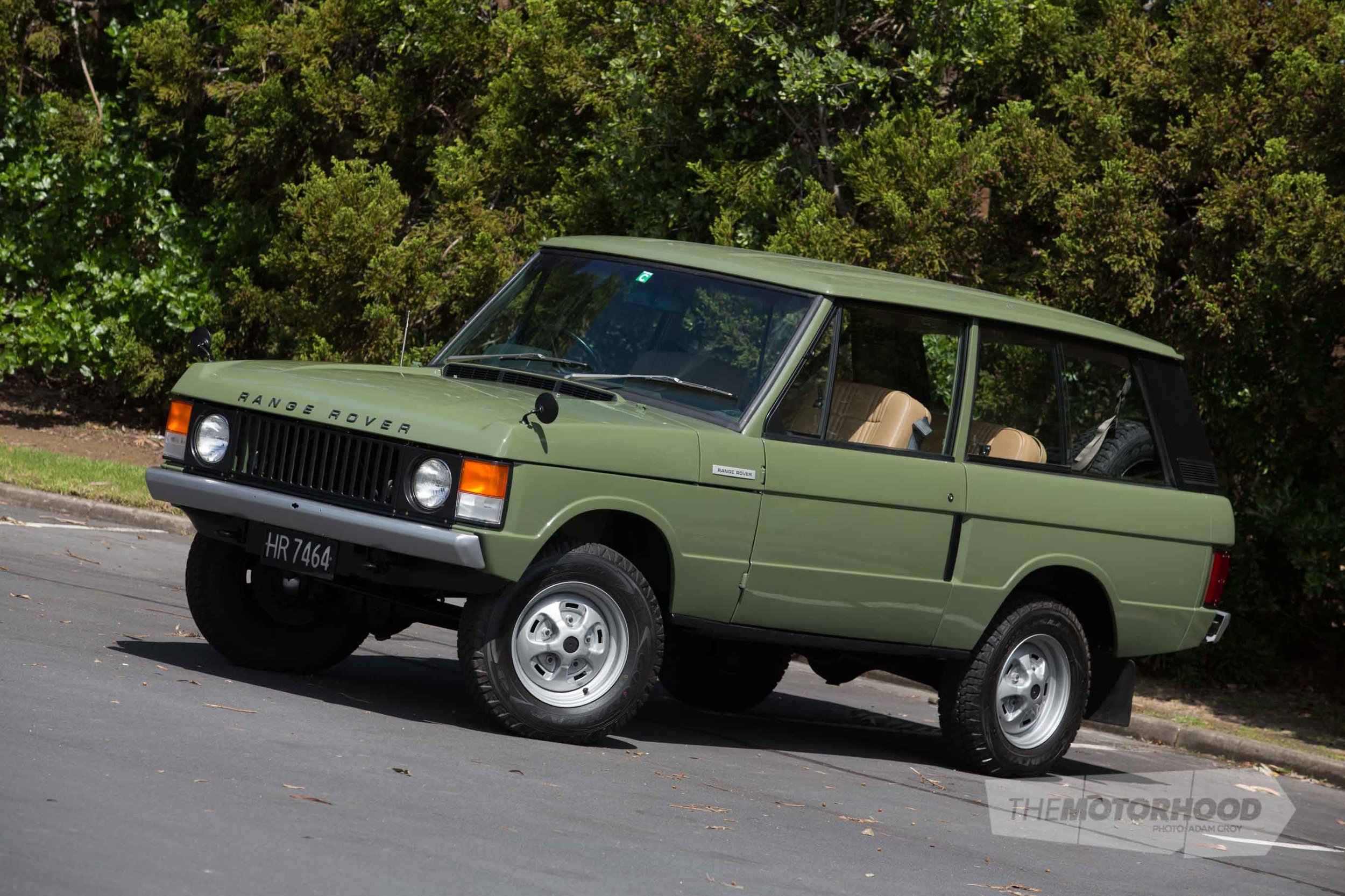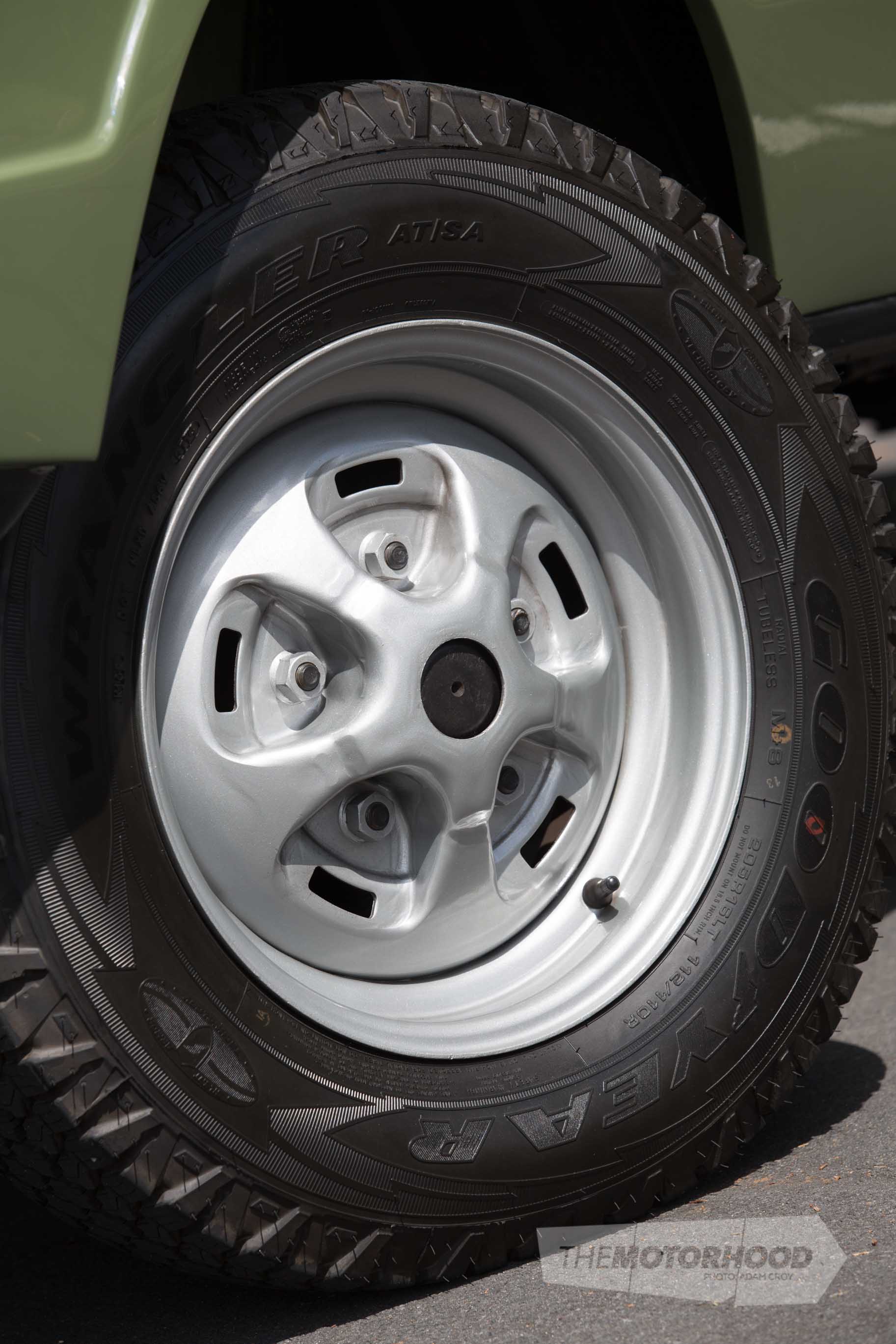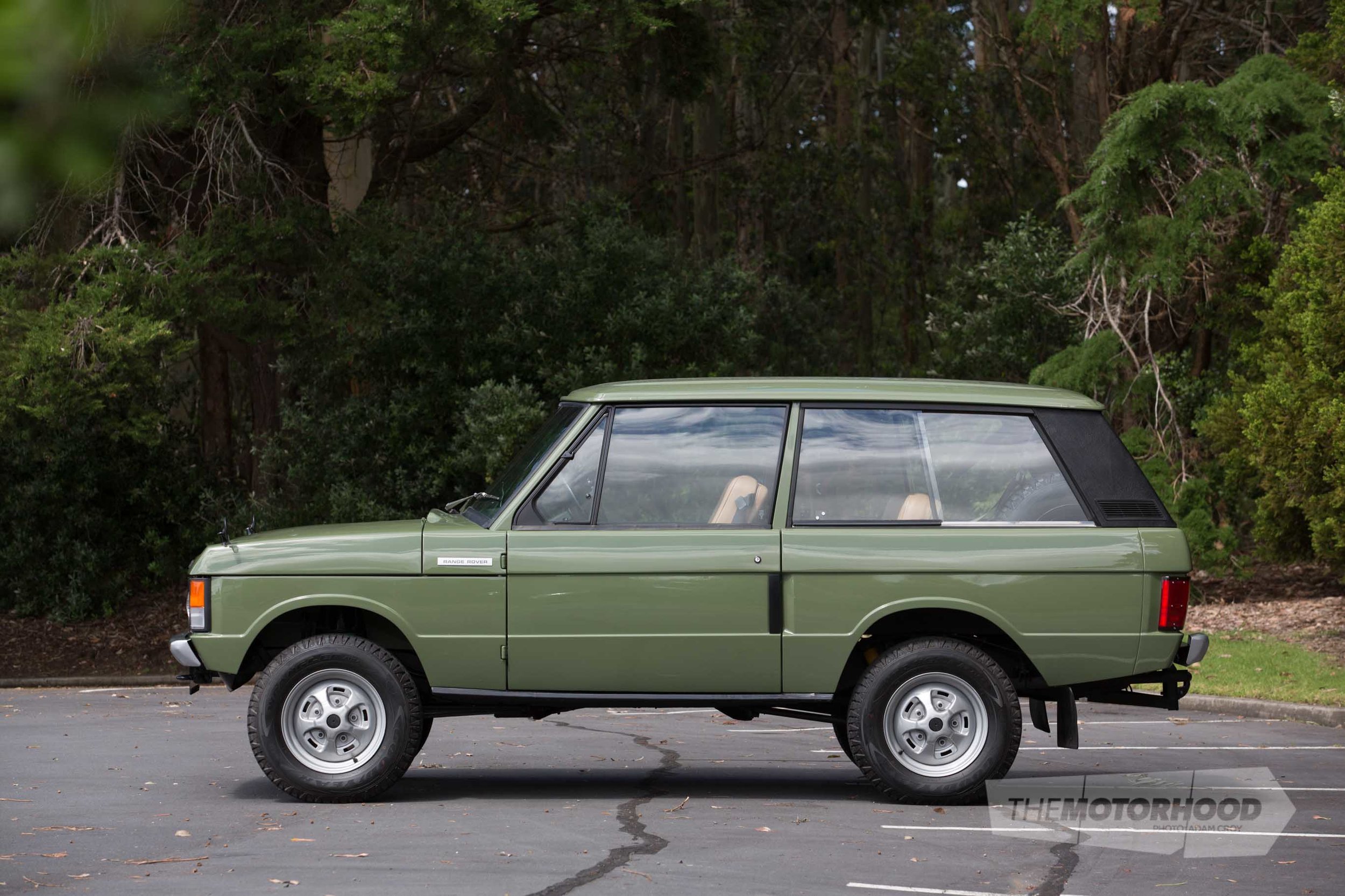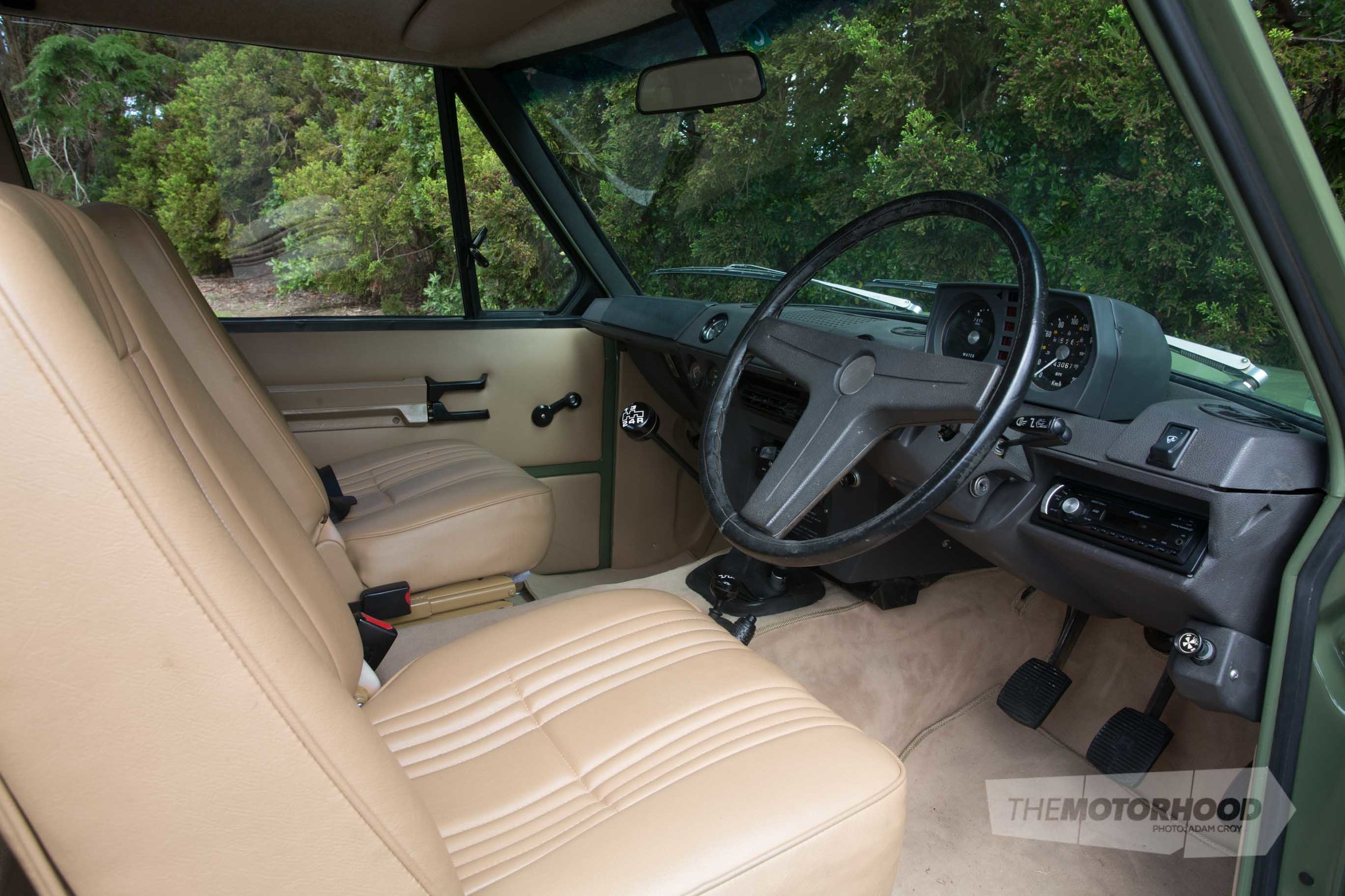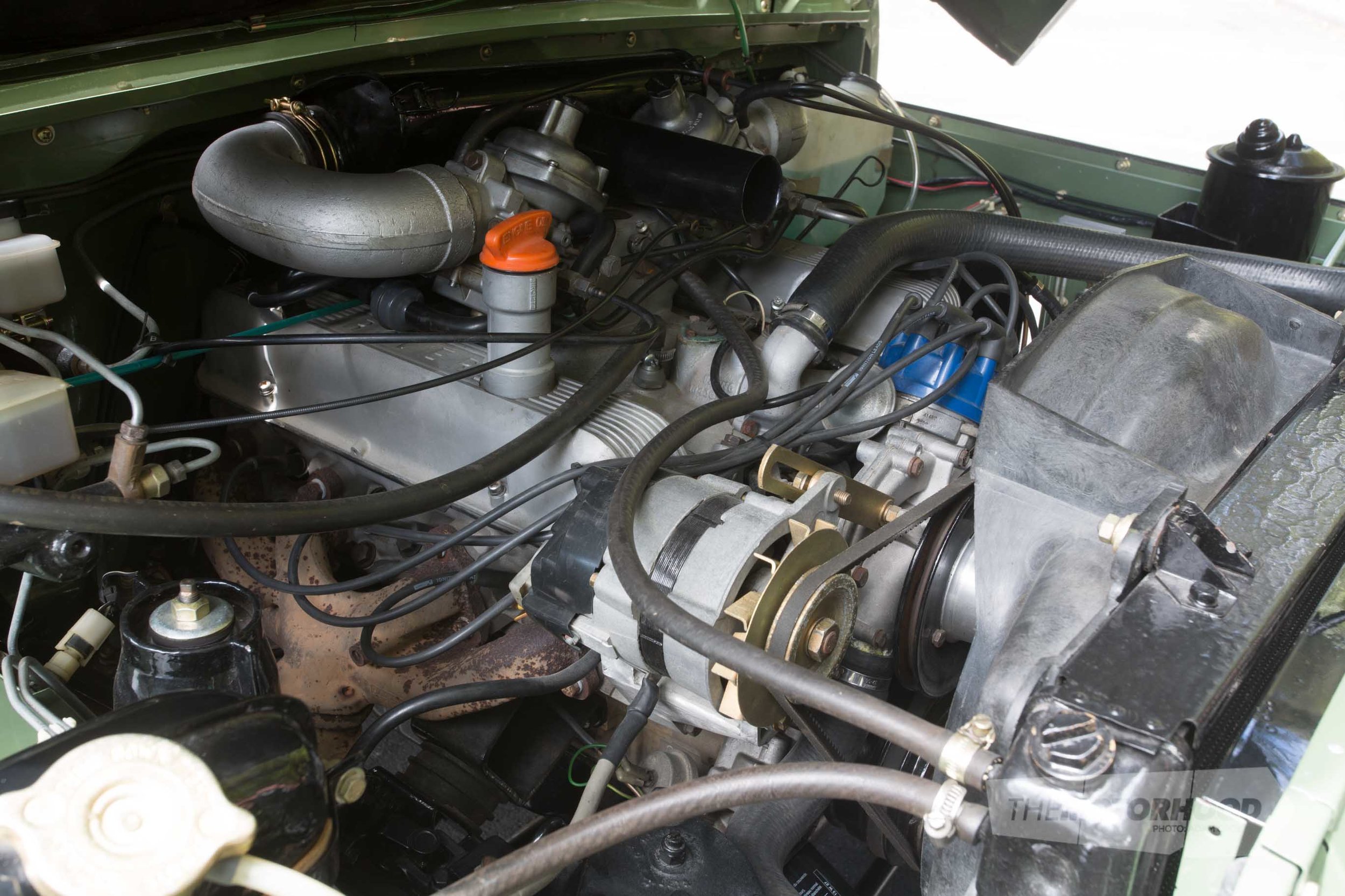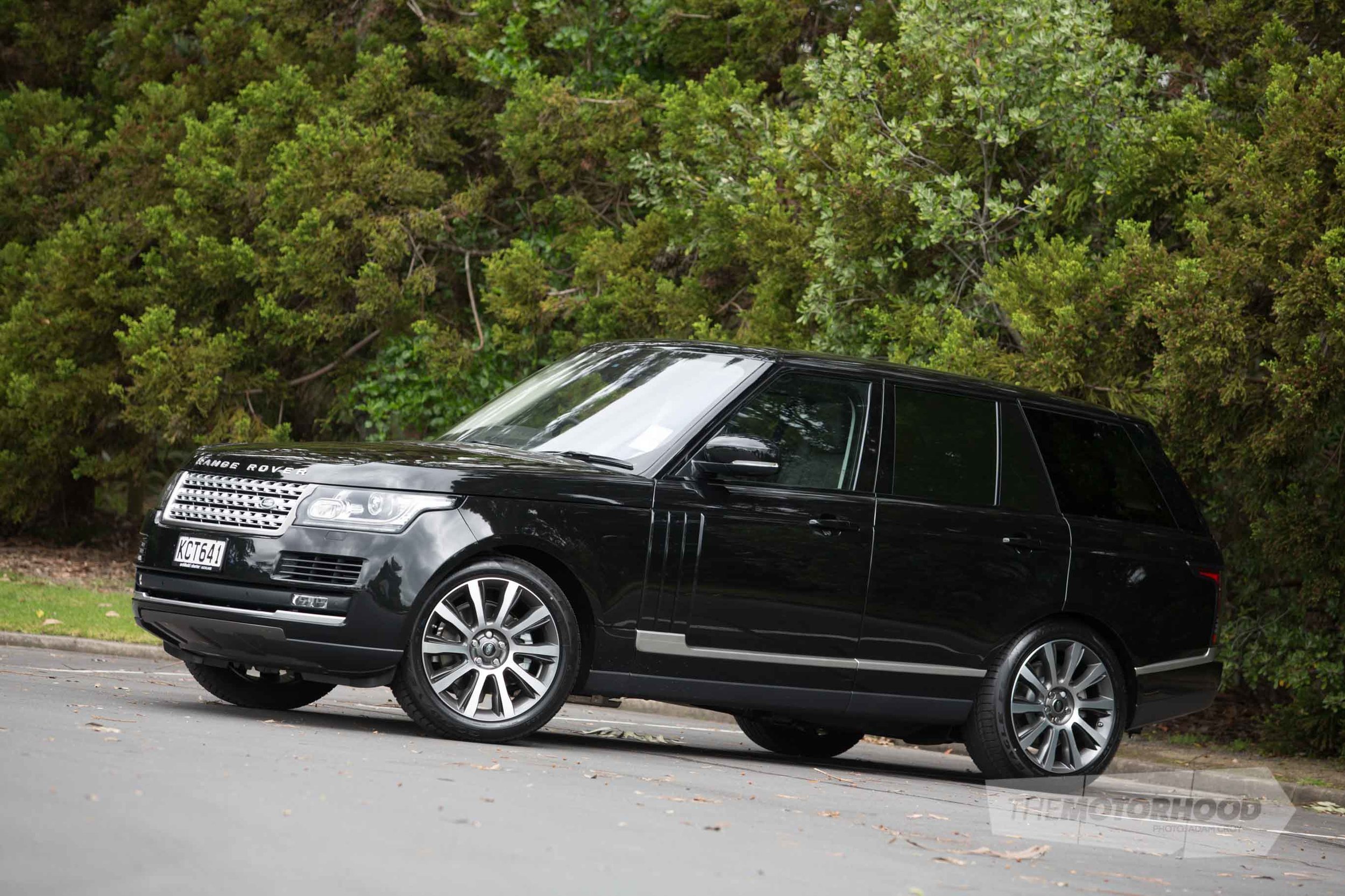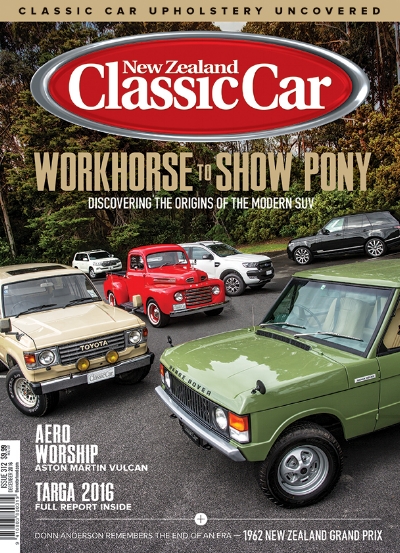
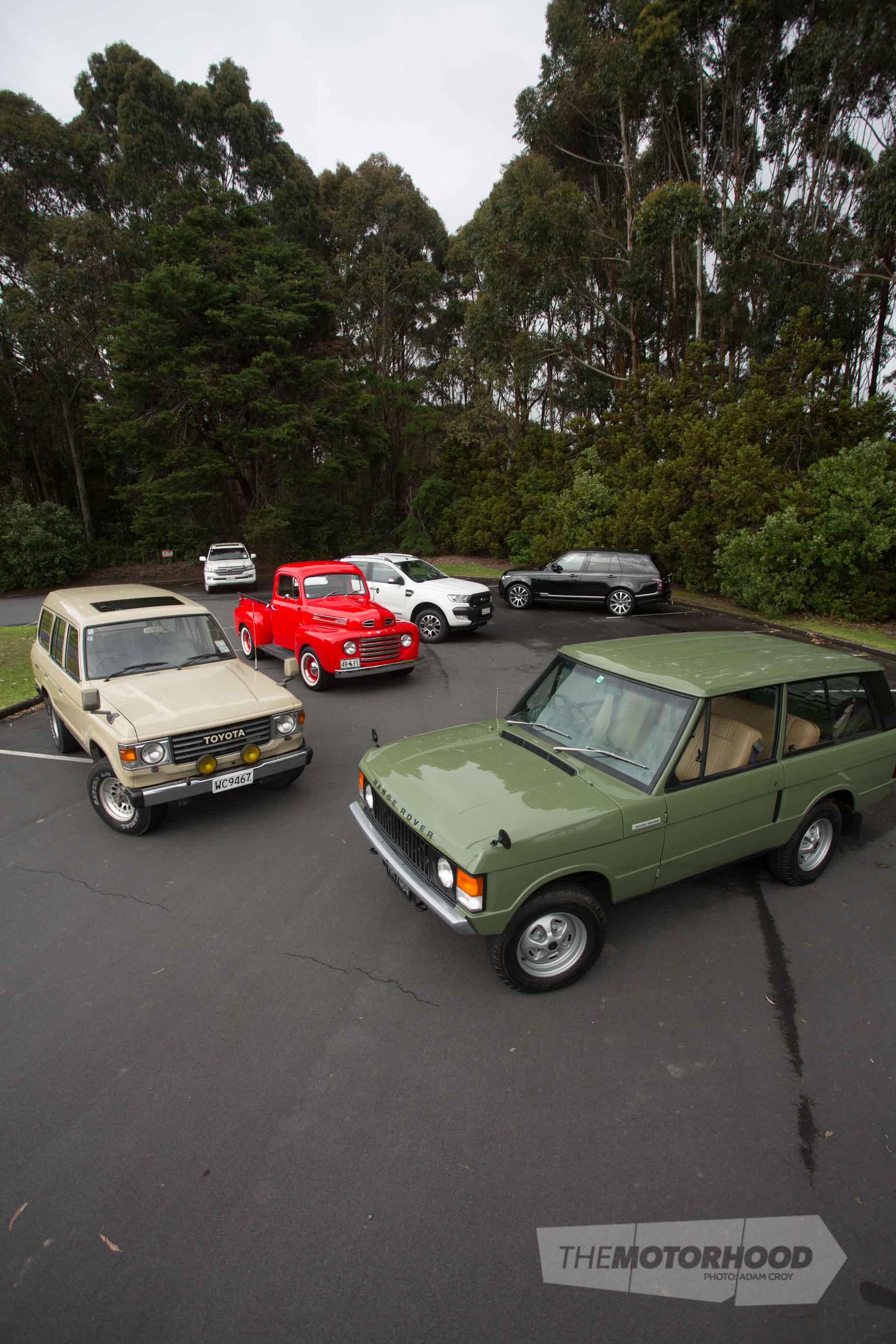
Can ‘trucks’ be considered classic cars?

10 November, 2016

Trucks today are no longer simply tools to be used and abused. For the most part, they’re family-friendly, they’re often at the top of the heap in terms of what a manufacturer offers, they’re usually luxurious, they can be fast, and they can be cool.

We now see utes and 4x4s equalling and bettering sales records previously long-held by sedans and hatchbacks, and with this in mind we thought it was a good opportunity to explore where all this came from.

We look at a desire for more space, a higher ride, and the capability to go to the back of beyond when, in reality, we all know the closest these chariots of sports equipment, excessive DIY purchases, and seven seats will generally see of any type of off-roading is occasionally mounting the kerb outside the local intermediate school, while a child does a tumble roll out the back door before the leather-laden space ship rushes to get to that 9am hot yoga class.  

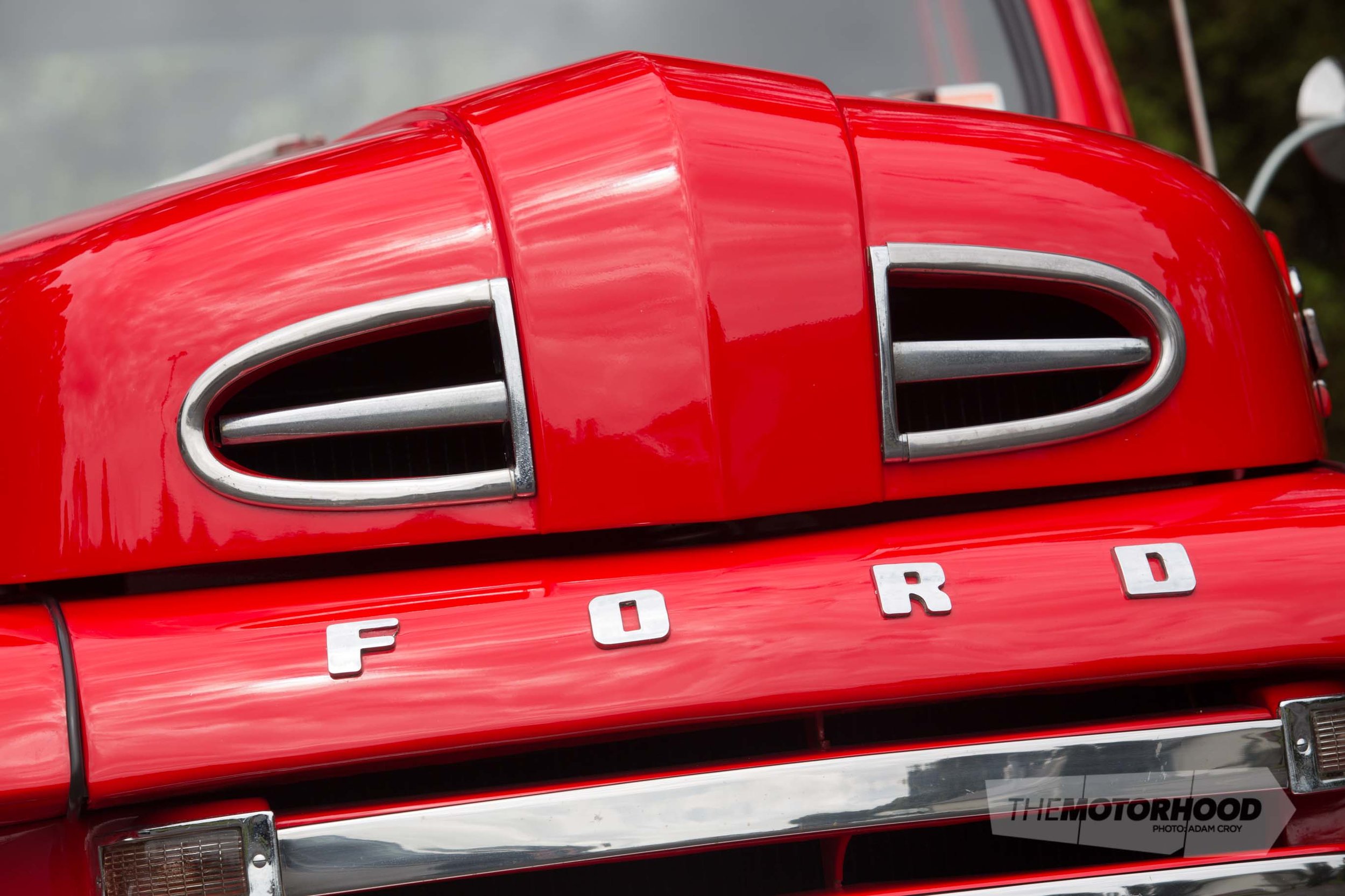
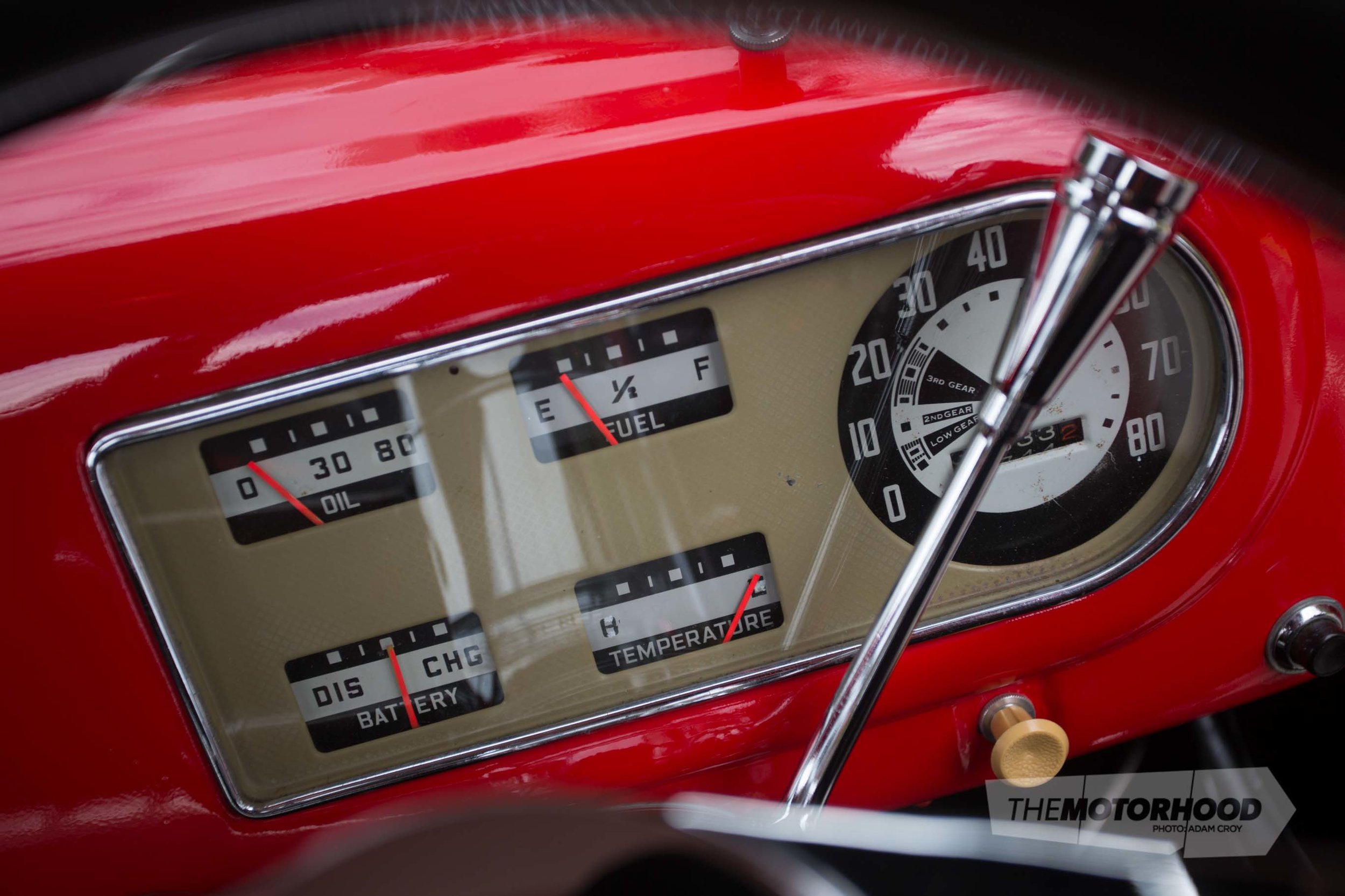
Have a look at a few additional photos that didn’t make it into the feature about these machines in the December issue of New Zealand Classic Car (Issue No. 312) — grab your copy below to read the full story.   

NZCC312 Cover.jpg

The motor car as an art form

We have certainly come a long way since the exhibition entitled 8 Automobiles, shown at the Museum of Modern Art in New York in the autumn of 1951, the first exhibition concerned with the aesthetics of motor car design.
It was here that the often-used term ‘rolling sculpture’ was coined by curator Philip C Johnson, director of the department of architecture and design, when he said, “An automobile is a familiar 20th century artefact, and is no less worthy of being judged for its visual appeal than a building or a chair. Automobiles are hollow, rolling sculptures, and their design refinements are fascinating. We have selected cars whose details and basic design suggest that automobiles, besides being America’s most useful objects, could be a source of visual experience more enjoyable than they now are.”

More to the point

This Daimler SP252 is so rare, few people know it exists. It’s one of a kind. It’s the only surviving, in fact the only SP252 ever completed; the would-be successor to the SP250 Daimler Dart. It is also the last sports car to have been designed by Jaguar’s legendary founder, Sir William Lyons.
Perhaps one of the original Dart’s biggest problems was it’s somewhat-divisive looks. It certainly went well enough to win fans, although Sir William wasn’t among them. It crushed the opposition in the Bathurst six-hour race, finishing five laps ahead of anyone else, and it was snapped up by police forces in Britain, Australia, and New Zealand, as it was the fastest thing on the road.
So you’d think a stunning new body with the magic Lyons touch would have been a surefire success. Why this car never made it into production is still something of a mystery, as the official explanations barely stack up.