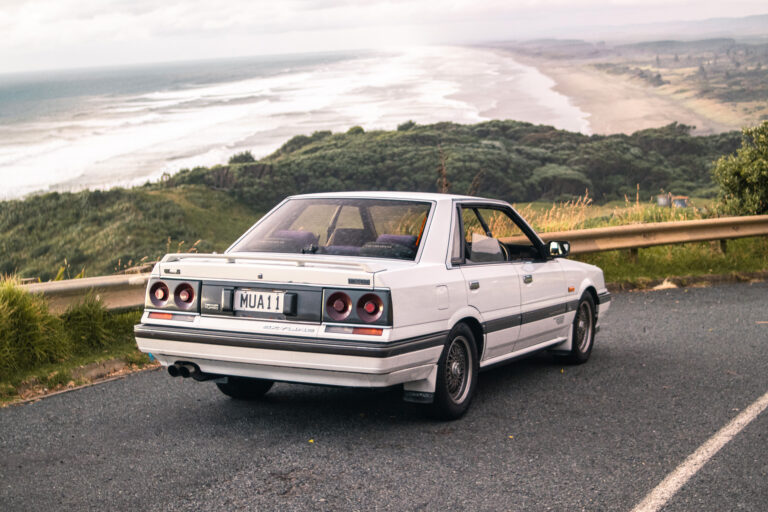
Weekend touring with the Bay of Plenty Jaguar Drivers Club

10 November, 2016

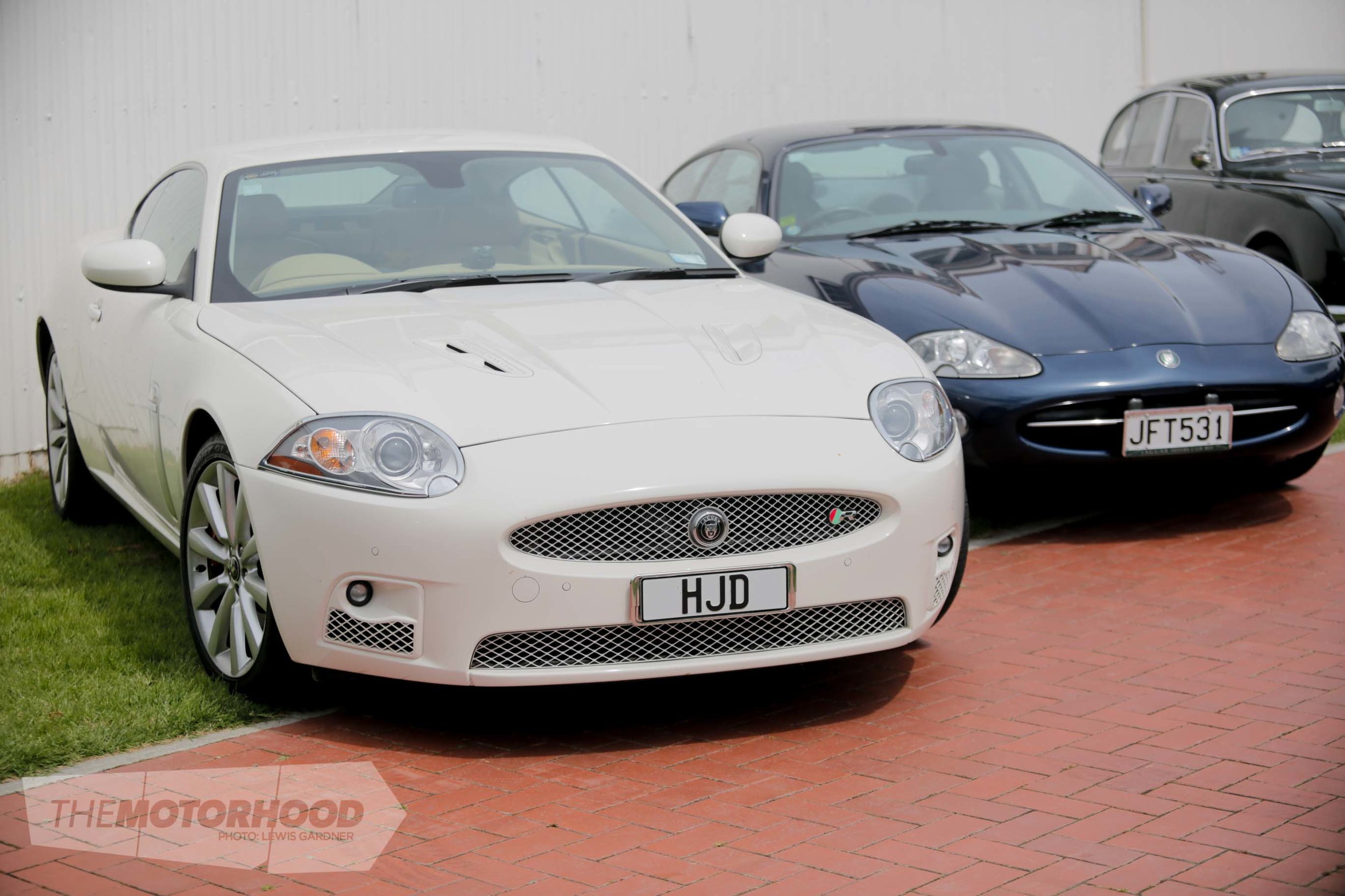
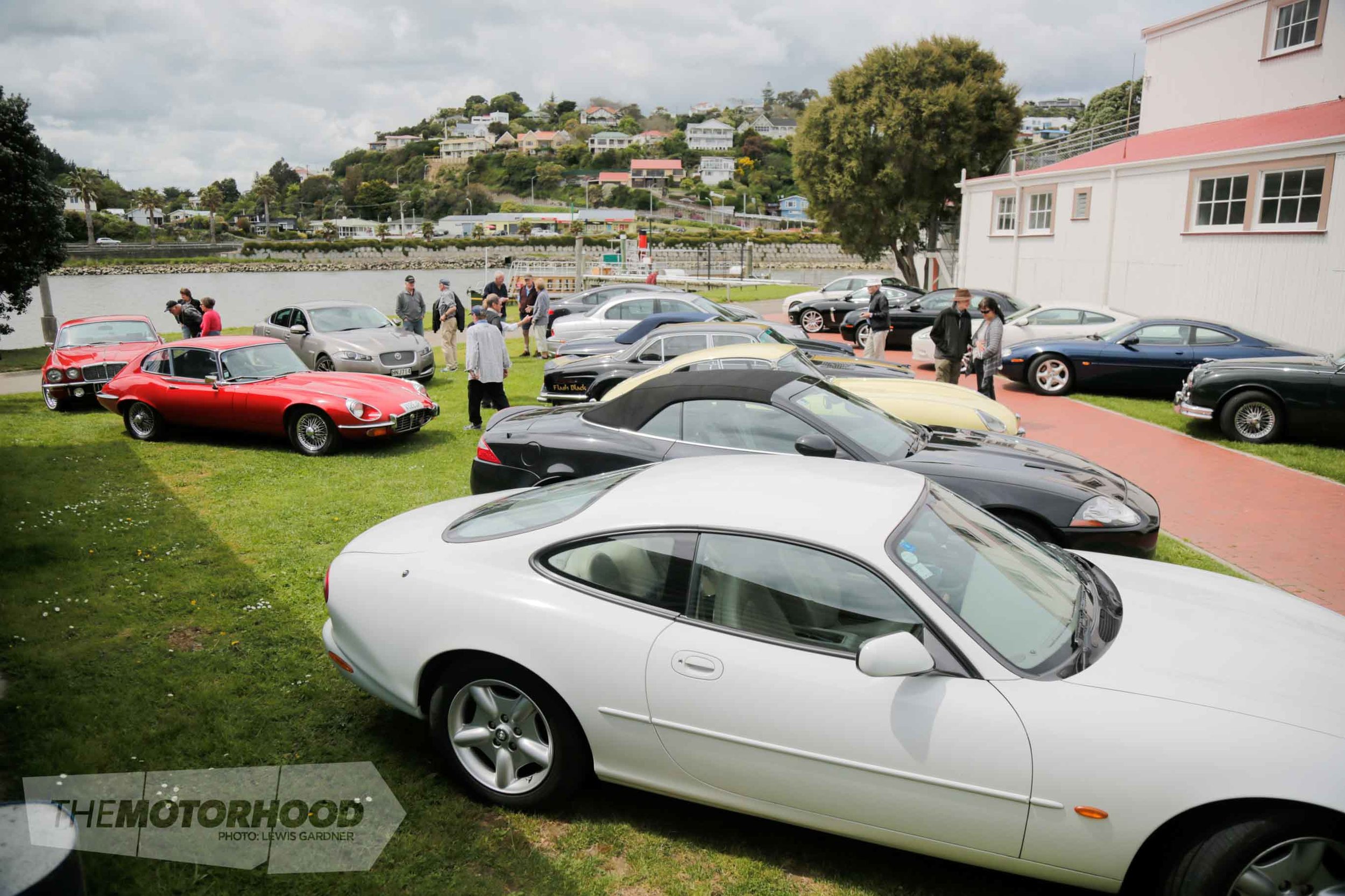
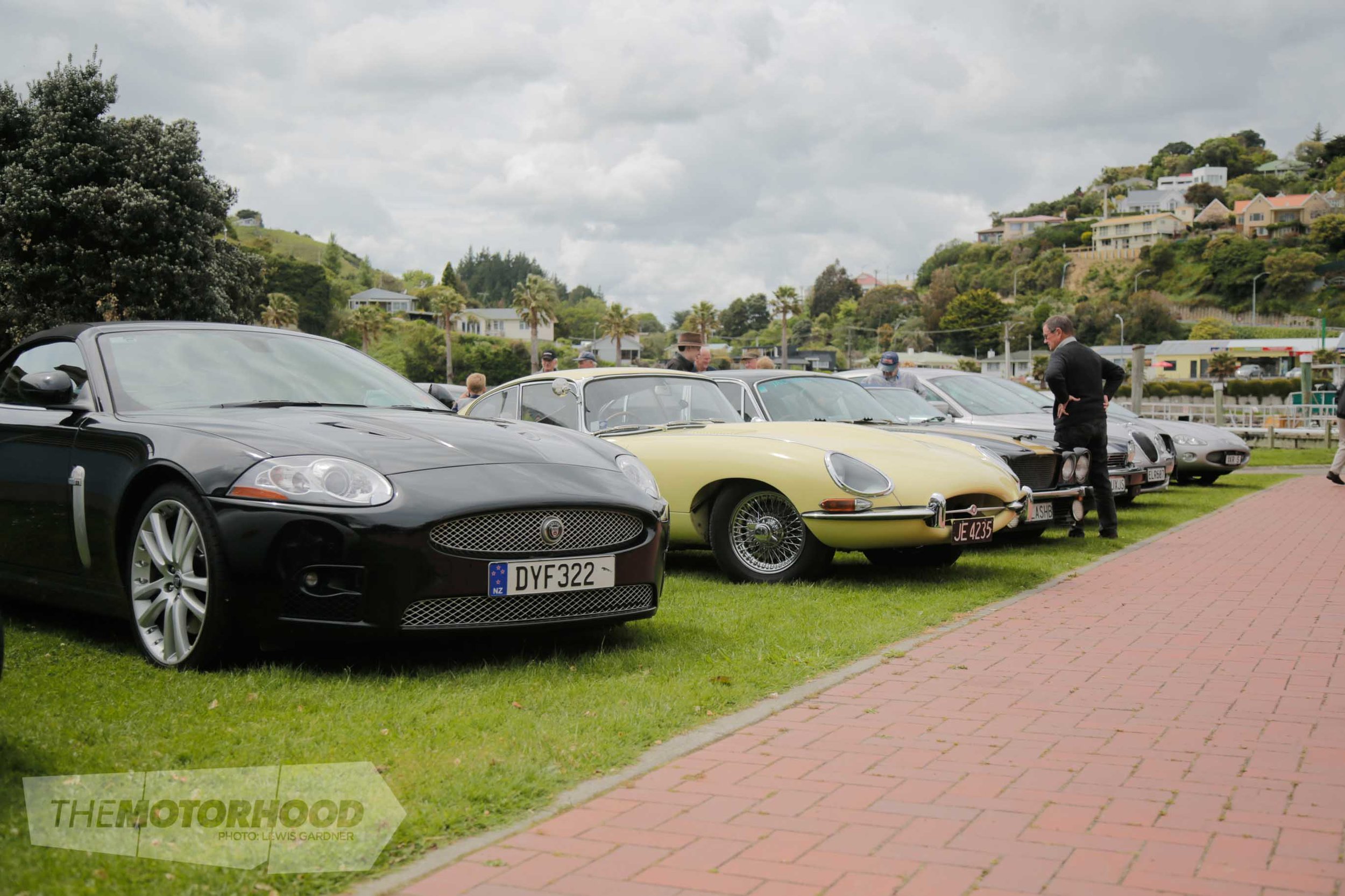
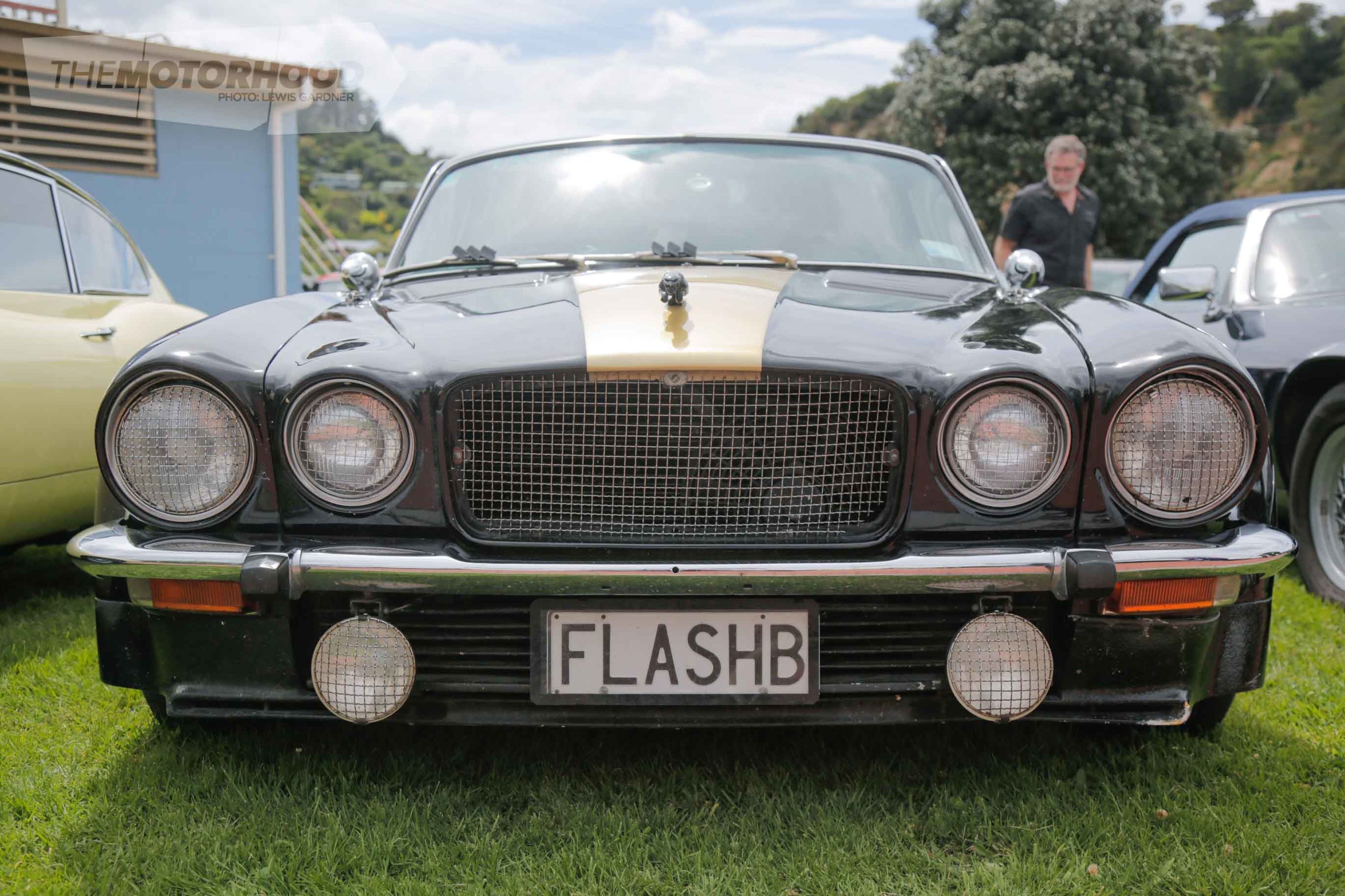
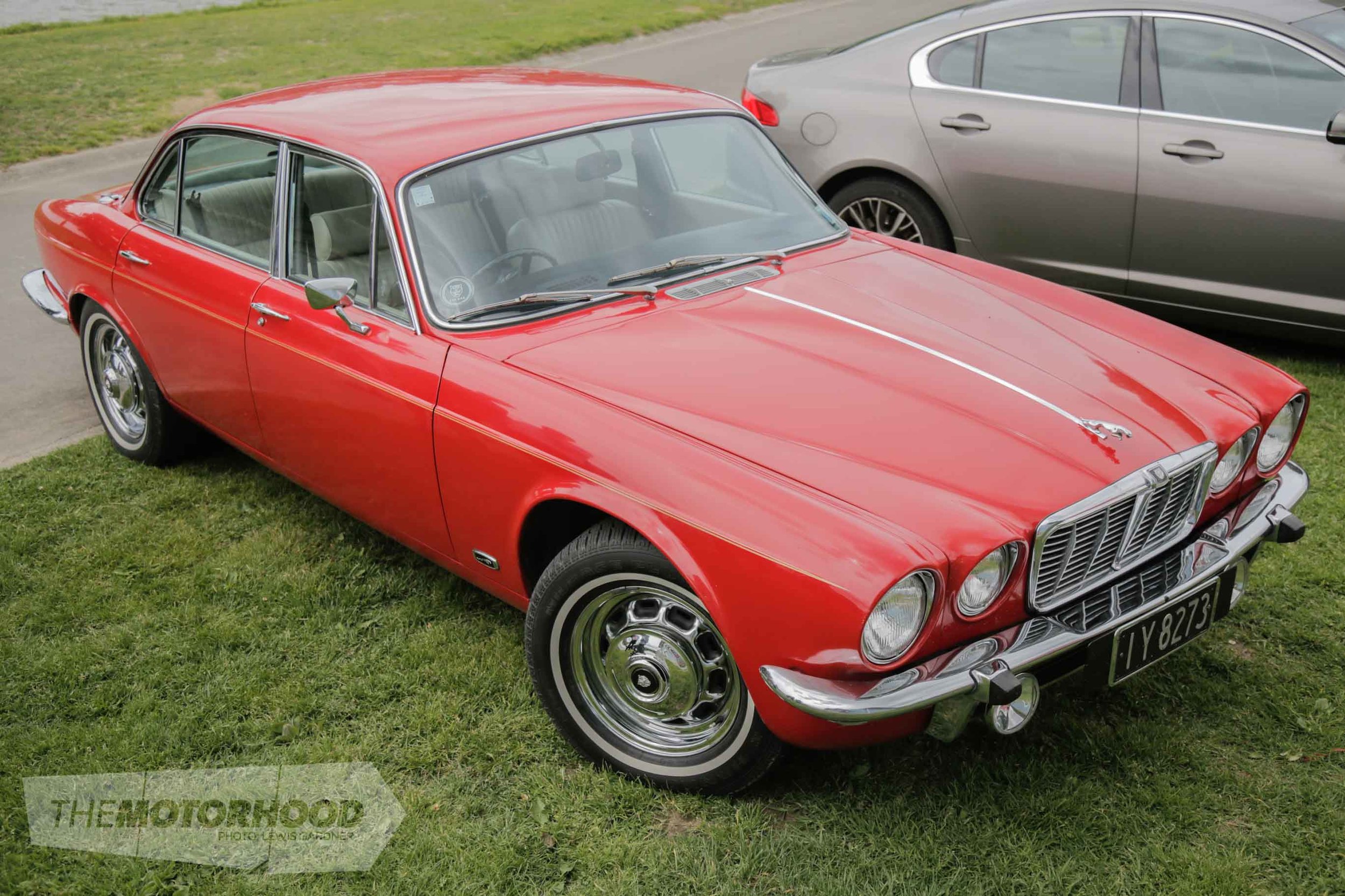
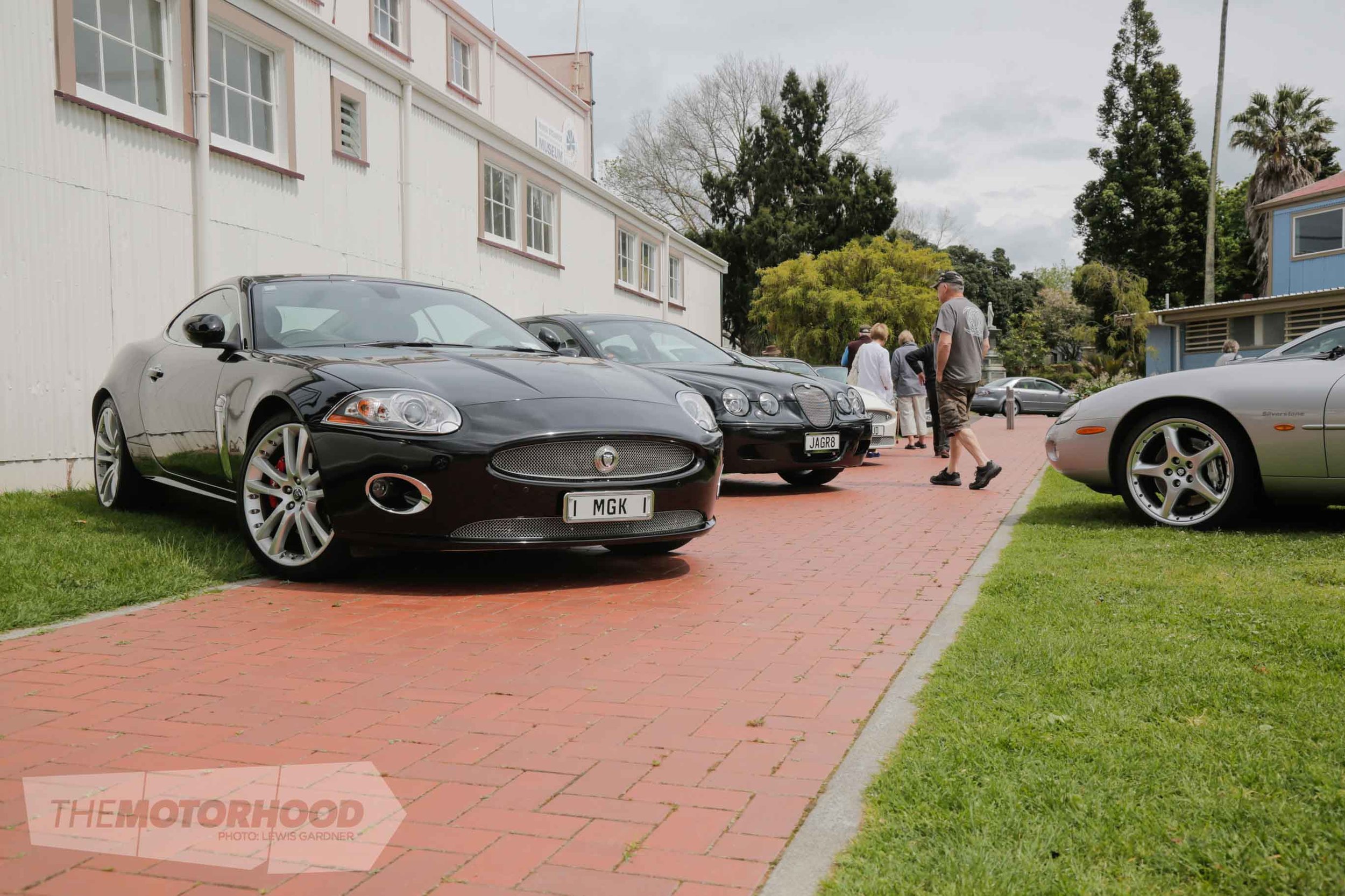
The temperamental weather did not put a dampener on the plans that the Bay of Plenty Jaguar Drivers Club had for their weekend trip to Whanganui on Sunday, November 6. Part of their lower North Island tour included a trip on the MV Wairua riverboat as part of the itinerary, which meant that the Whanganui public could come out to view the fine array of Jaguars on display by the Riverboat Centre, drawing out some of the local Jaguar owners as well.
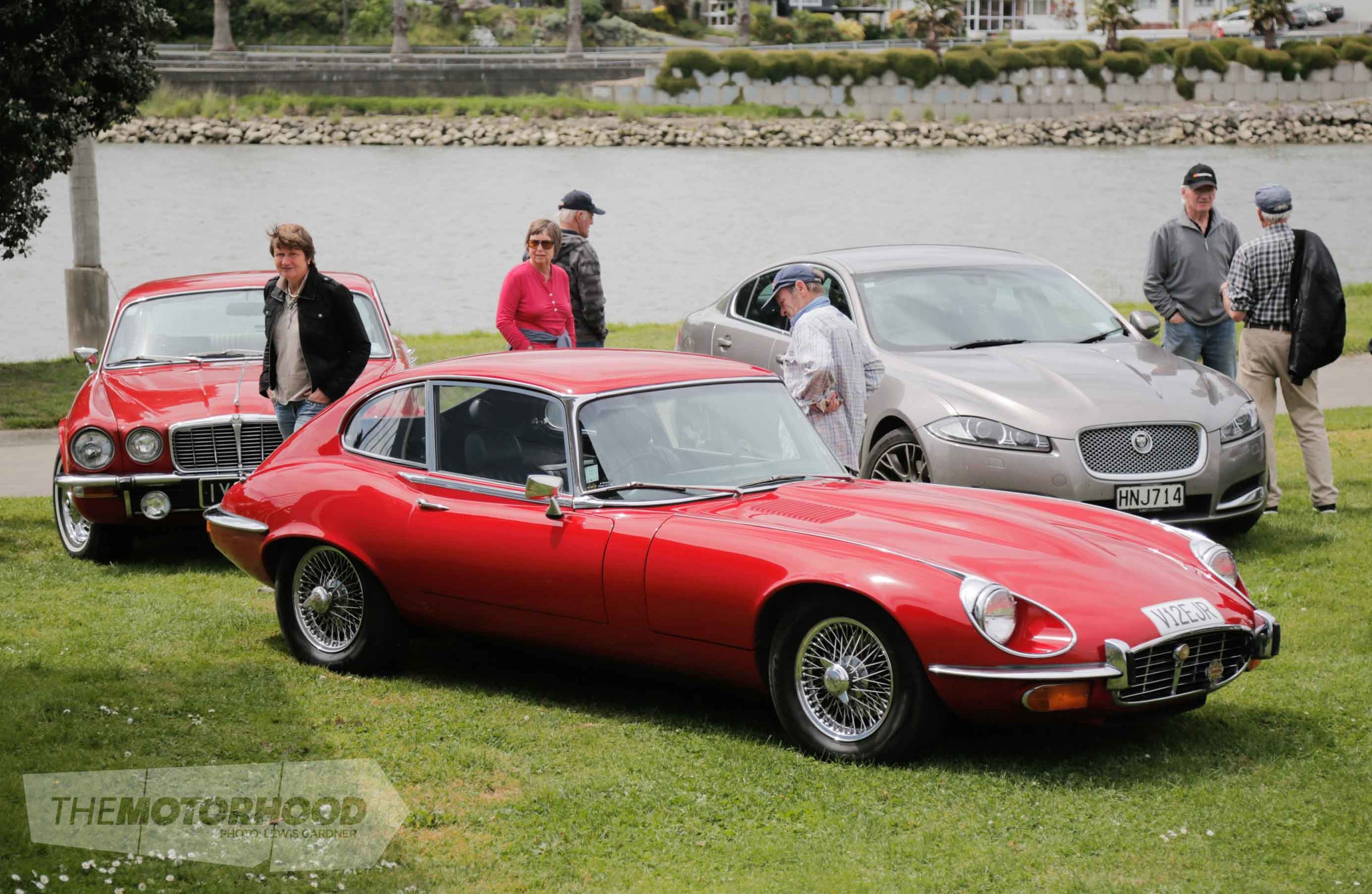
The impressive display started with the unmissable E-Types glistening away under the intermittent sun. For me, my favourite was the Carmen Red V12, which sat their on display in all its magnificence. You just can’t beat the E-Type in red — it’s much like trying to say the word Jaguar without saying it in an English accent. Fortunately I have an English accent so it makes it much easier for me.
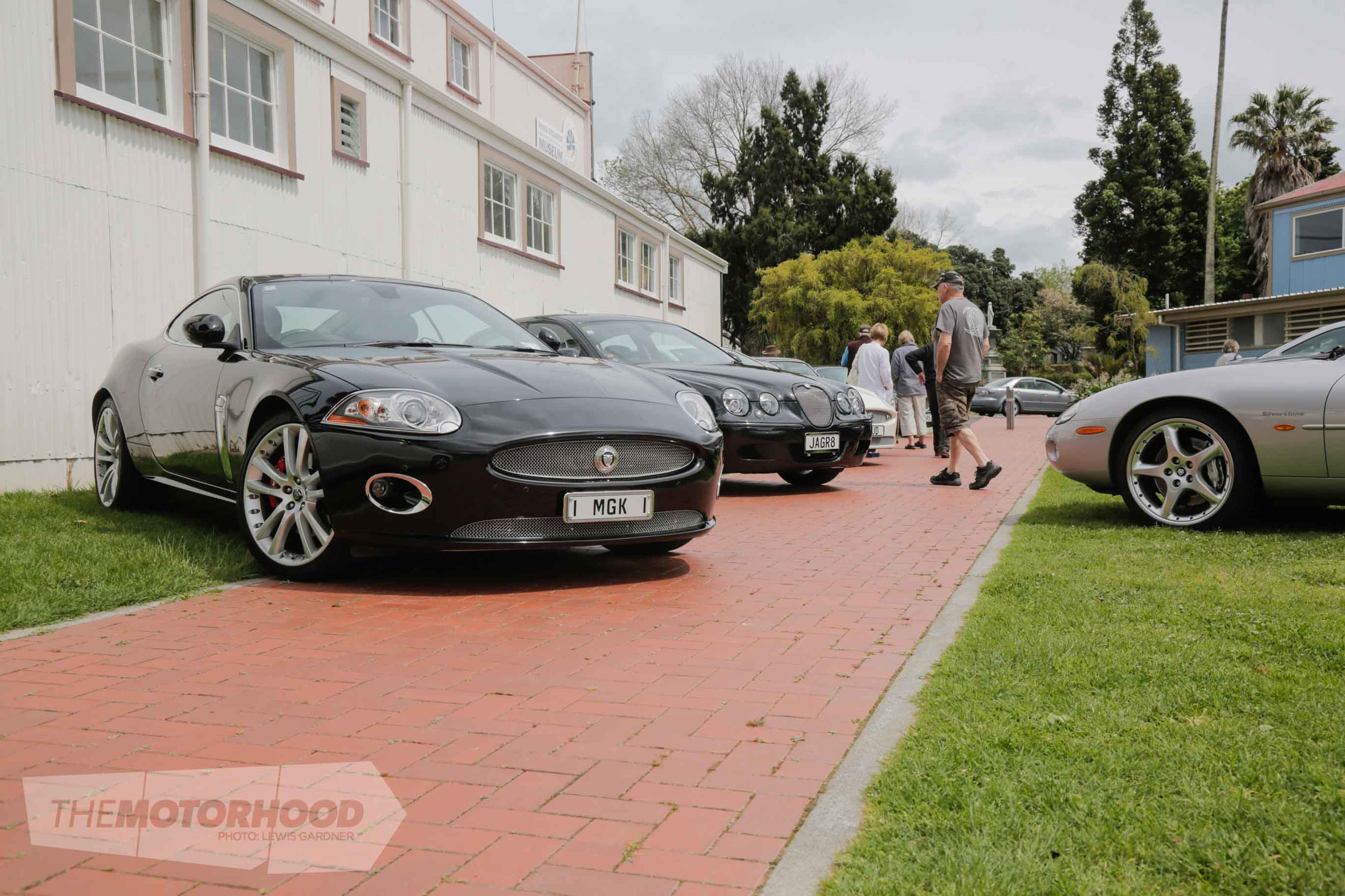
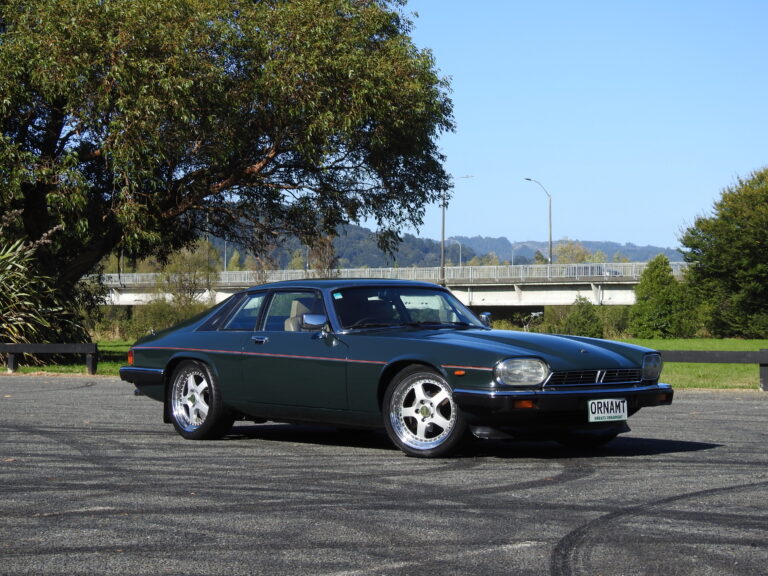
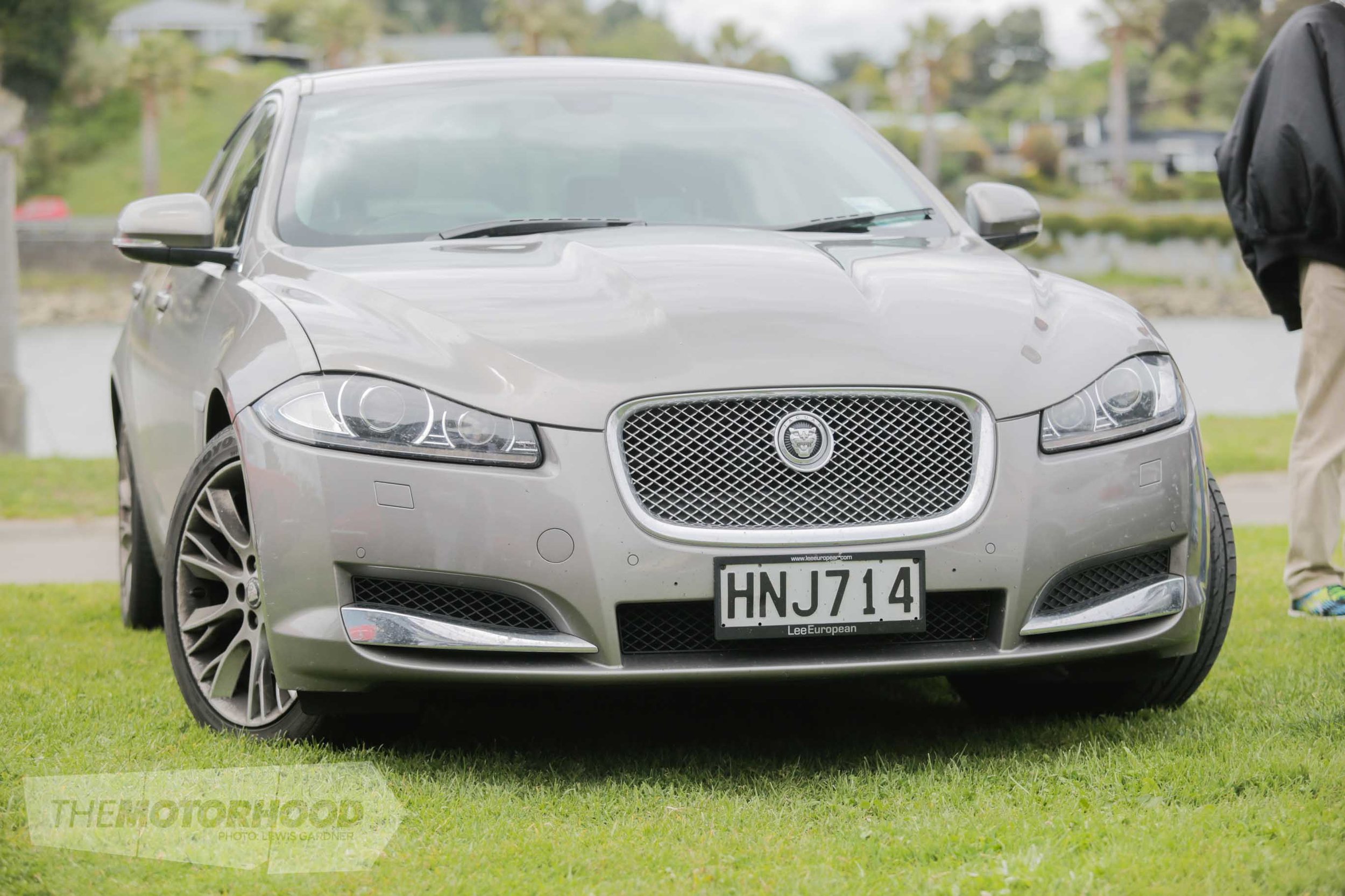
The range included a few MKI XKRs made famous by the James Bond film Die Another Day, XKR MKII’s, V8s, E-Types, Mk2s, XK8s, XJSC V12, plus a XJS. The XJS, although desirable to many Jaguar purists, carries a reputation of being unreliable, something that a company in the UK tried to correct by taking old XJSs and improving on everything up to, and including, the big 5.3-litre V12. Alas, the XJS before me was not one of these, but it still looked great amongst the more modern models, and more importantly it had made the journey there.
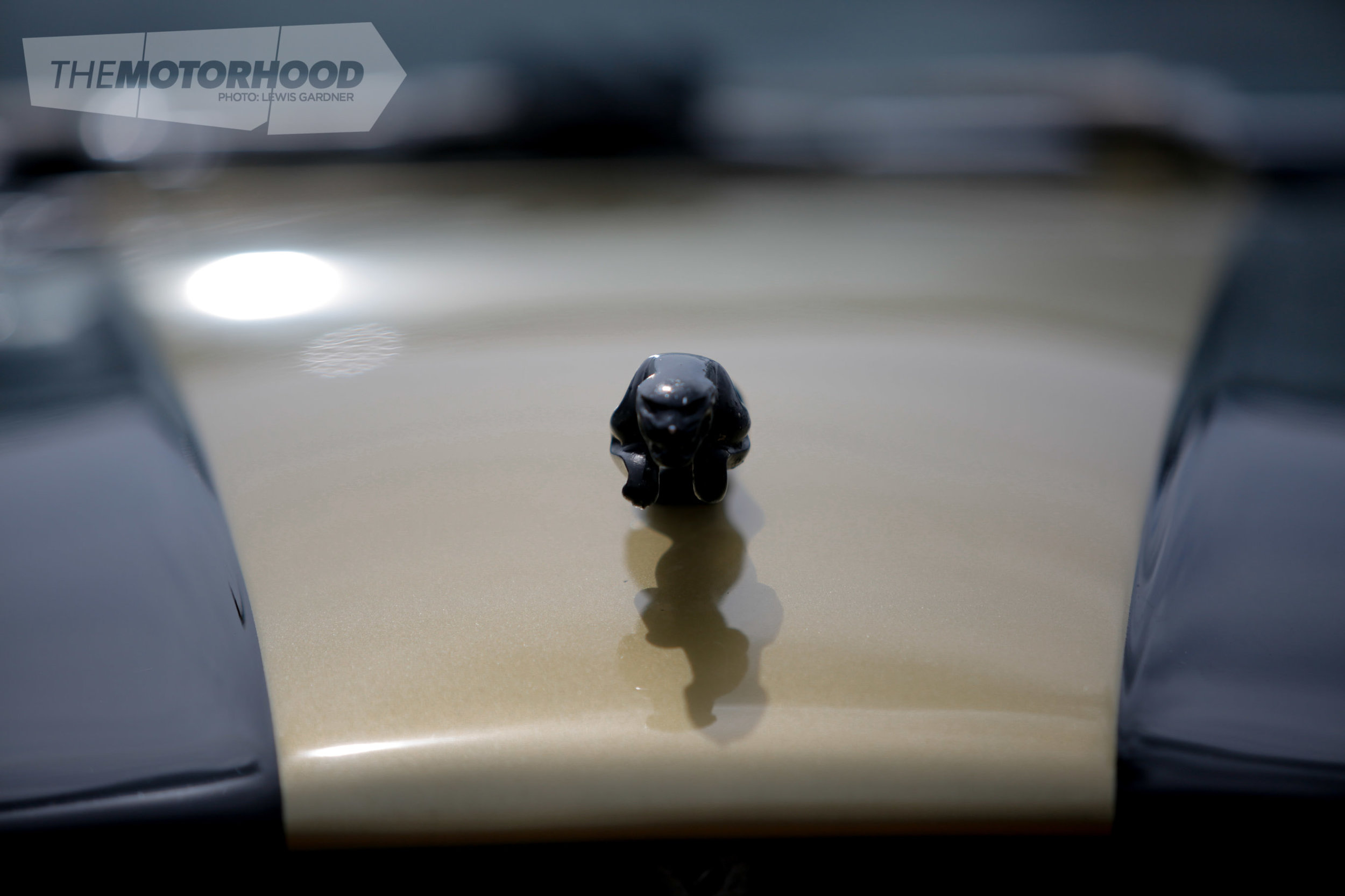
The event showed the good-natured trusting attitude of the Bay of Plenty Jaguar Drivers Club. They were happy to have their trip on the MV Wairua and let the adoring public roam through the neatly formed aisles — they certainly turned a few heads when the rumbling of V12s and V8s left to continue their journey.
Mitsubishi’s secret weapon

Ewen’s Starion is a little different and special. He saved this one – literally ‘found in a paddock’ — just in time, as he relates.
“Mine is a 1983 Starion. I’ve had it about five years. I first saw it in a paddock at Ryal Bush [north of Invercargill], and I went past it three times. The third time I went back and knocked at the door, but the owner didn’t want to sell. He rang up a year later, and put a price on it, which we accepted. Only thing wrong was the motor was totally dismantled.”
Ewen then set about getting the car back to its current state.
“It took me six months to find somebody suitable to refurbish it back then. Simon Bradley at Midas in Invercargill offered to do it and he did a great job on it. The head was badly damaged around the valves, and Simon said you could get generic cylinder heads now, so he installed one, and it cost $800. It’s made such a difference to the car. Mine is an intercooled, fuel-injected turbo model, fitted with a five-speed manual gearbox. It’s a great car to drive too.”
Except for a small patch of surface rust, Ewen’s car was in surprisingly good condition despite its paddock life.

Coaching from the bench: Casting plastic knobs and rubber parts

Casting rubber items is simple if you have a good original to work with. The item doesn’t have to be perfect. You can use plasticine to smooth out cracks, and you can even make whole prototypes out of low-fire modelling clay available from craft stores if you need to. Prototypes can also be made of wood or metal.
You will need mould dams to contain the liquid urethane moulding solution until it cures. You can build boxes out of strips of wood, but I have found that small plastic boxes and bowls such as those you would use for leftovers in your fridge work well if you spray them with a mould release agent.
Temperature is important to the chemical processes involved, so work in an area that can be maintained at around 20 degrees. You will also need adequate ventilation because the fumes can be dangerous to breathe. And you will want to wear latex gloves to protect your hands.