Kiwis and the salt flats in Utah, USA have a love affair that stretches back to the 1960s with Burt Munroe and his 1920 Indian. Ever since, hot rodders have travelled to the salt flats to battle the extreme elements and push their home-made machines far beyond what any manufacturer ever thought possible. It’s one of those bucket-list challenges that many dream of and few Kiwis actually achieve.
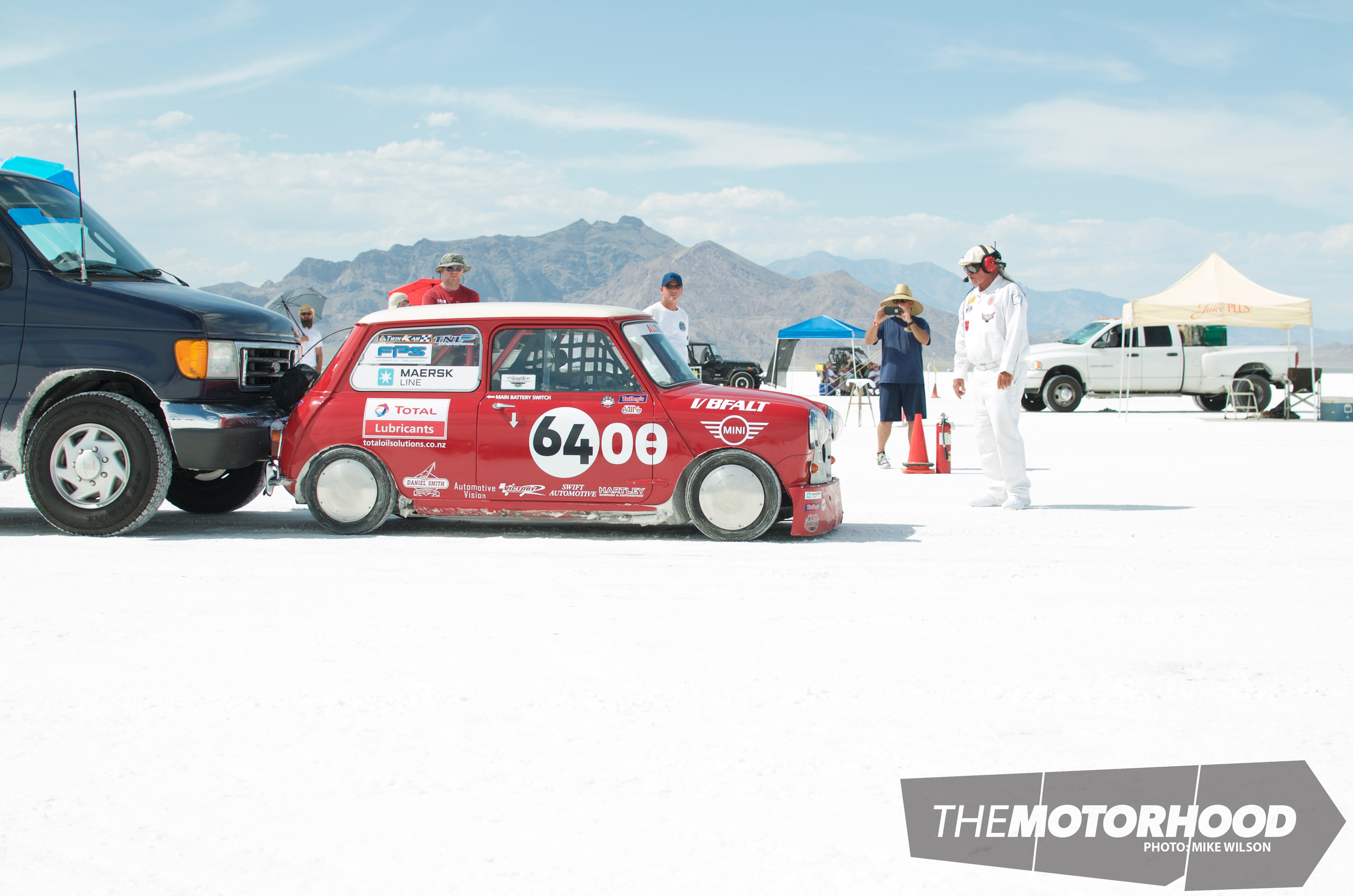
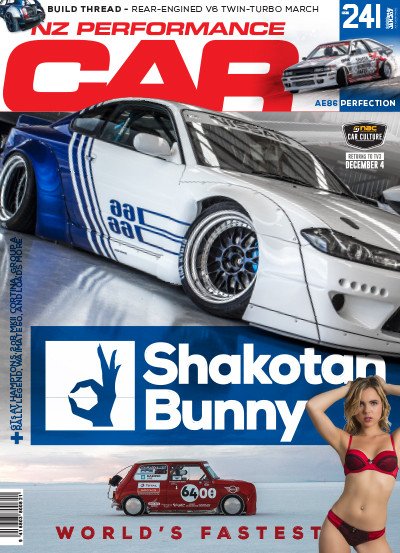
In NZ Performance Car Issue No. 241 we sit down with the guys behind the Mini known as project 64; a group of Kiwis who have made their dream a reality not once, but twice. In 2016 they set two records, one of which was a reset of a record that they had previously claimed back in 2012. Built by a bunch of mad Kiwis based in Nelson, and with help from the Hartleys in the Manawatu, this little Mini Cooper has received worldwide press for its achievements, including a feature on Jay Leno’s Garage. Check it out here:
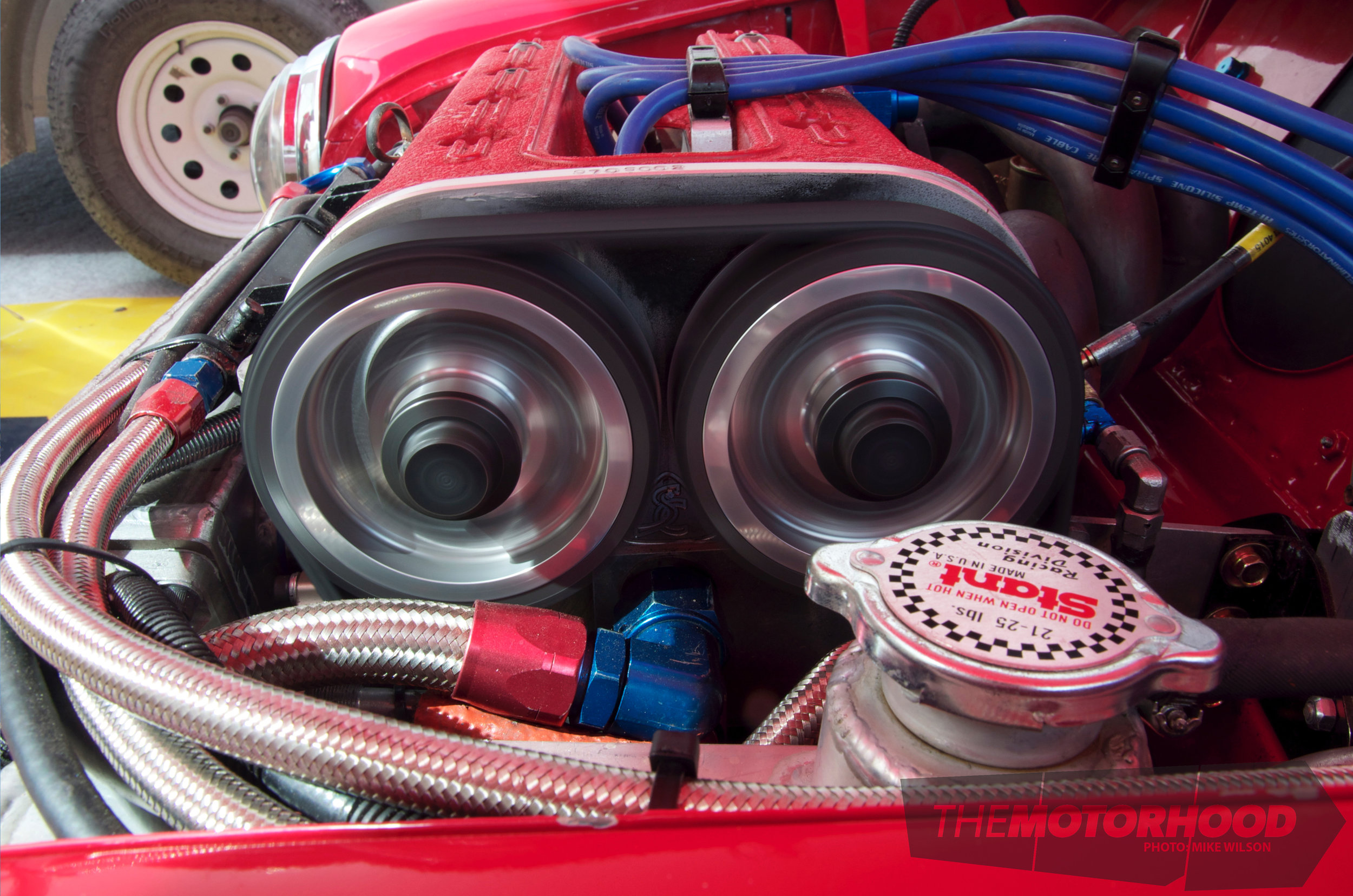
The engine remains the factory 970cc capacity, but surprisingly makes 275kW on methanol, thanks to a BMW K1200GT twin-cam motorcycle head conversion and custom engine internals. The best speed Nelson has squeezed from it is 251.067kph. Grab your copy of NZ Performance Car Issue No. 241 to see what it’s like to run Speed Week, building motors on the salt, shaving your tyres, and pushing both man and machine, just like Burt did back in the ’60s.
Take an on-board ride with Nelson during their 2012 salt adventures.
NZ Performance Car Issue No. 241 will be in stores from Monday, November 20, but you can order your print copy now: