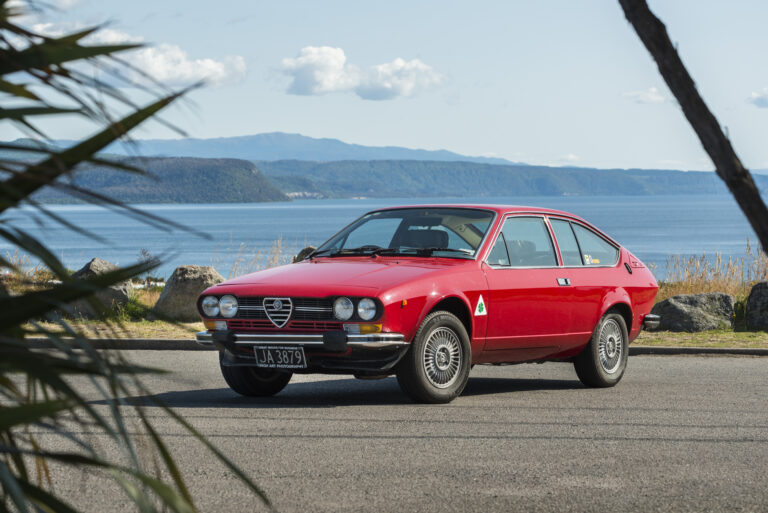
The terms ‘boy racer’ and ‘Skyline’ seem to be synonymous in the eyes of johnny law and the general public. Wanting to shift such outdated attitudes to prove once and for all that such things are untrue, and also do a good deed for his community, Andrew Webster started the Otago Community Hospice Charity Cruise (Dunedin) in 2010.
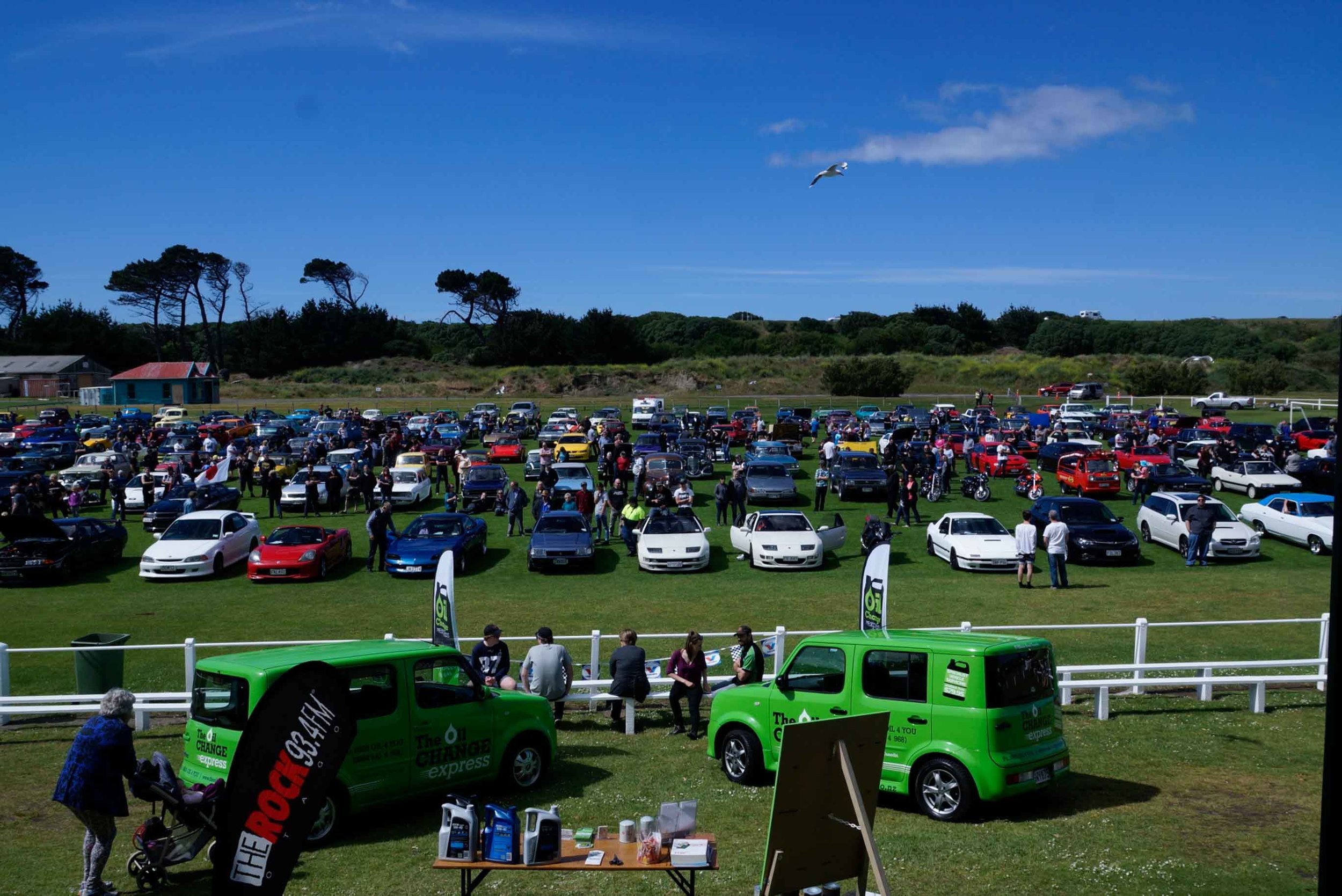
This year’s Otago Community Hospice Charity Cruise event will be held on Sunday, November 20, at Tahuna Park, St Kilda, Dunedin. It kicks off at 10:00am, but organisers have asked if those entering could arrive earlier to set up — gates open at 8:30am. The one-hour long cruise starts at 1:00pm, before returning back to Tahuna Park before 5:00pm.
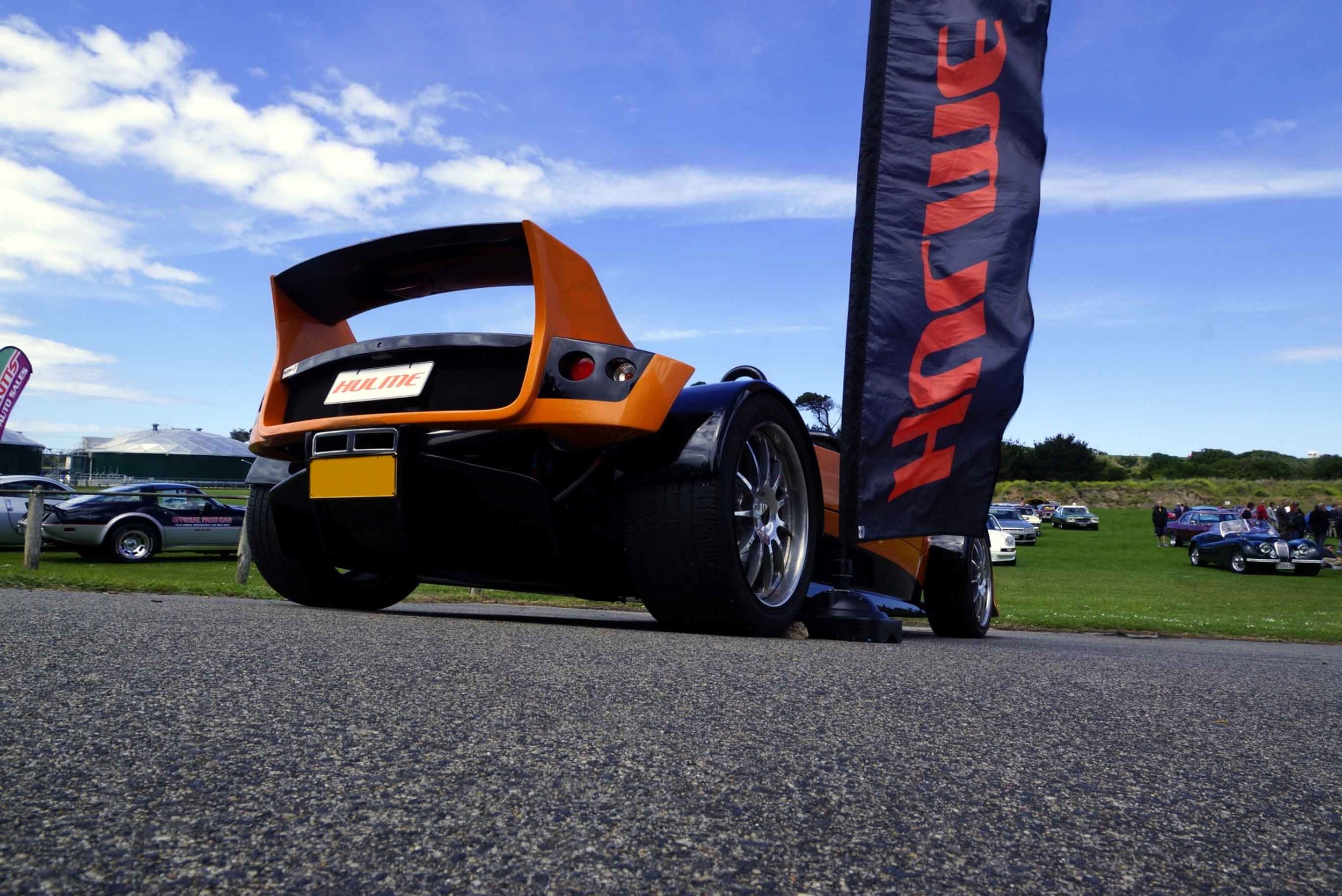
The Otago Community Hospice Charity Cruise welcomes all persuasions of cars, be it Japanese, American, British, Australian, or European; modified, classic, muscle, or exotic — you can even bring along your mildly modified daily-driver too. These guys don’t discriminate and it’s all in the name of charity. Trophies and prize packs are awarded for Judges’ Choice of the aforementioned categories.
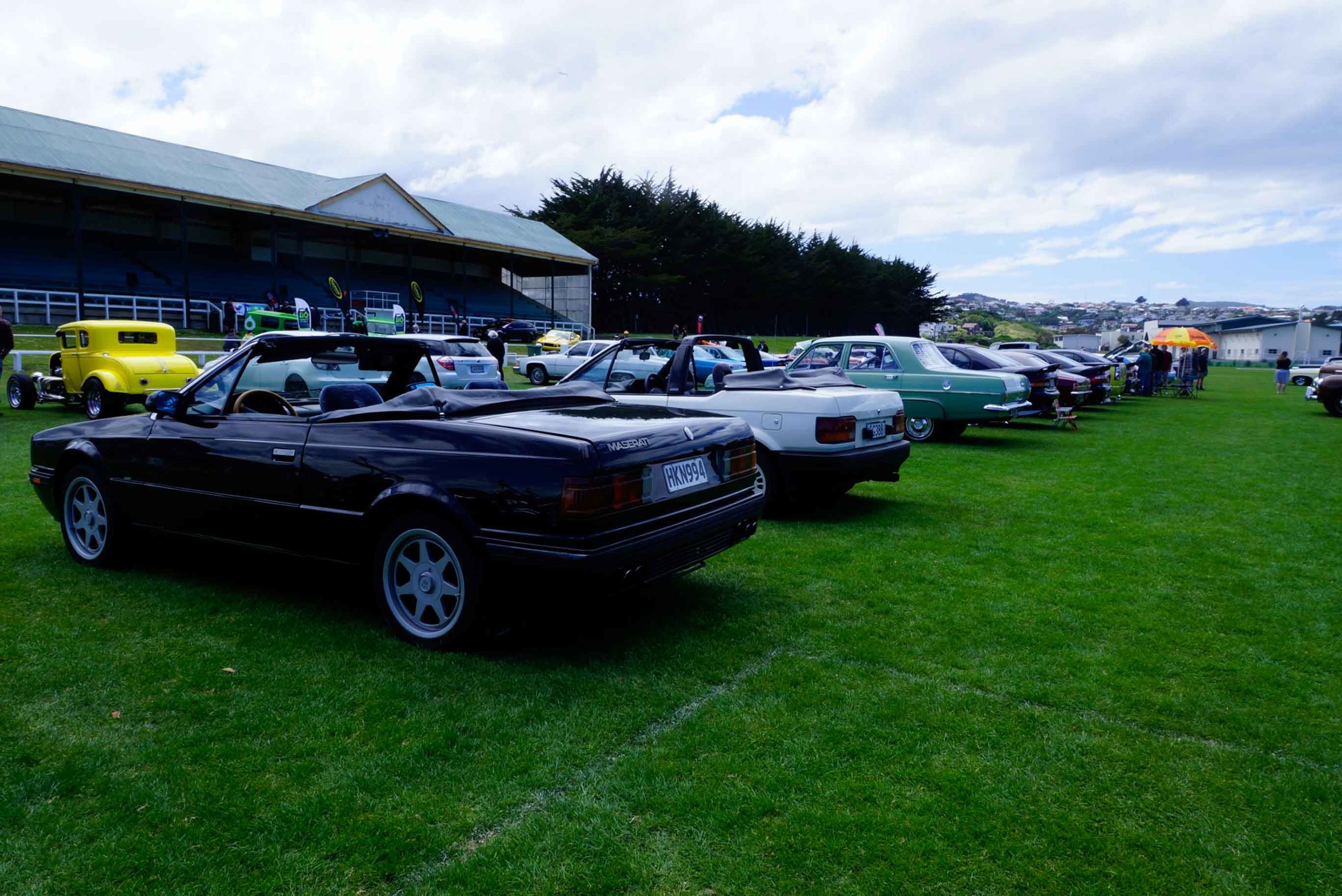
Each driver and passenger(s) is asked to donate $5 or more to Hospice (collected at the event), which grants them entry to the show, a place to display their car, and participation in the cruise later in the day.
The inaugural event back in 2010 raised $2235.50 with an impressive 155 cars in attendance on a wet day. This has been topped year on year, with 2015 the best year yet, raising $5100 and seeing 245 cars and motorbikes on display. To date, the events have raised more than $18,000, which all goes directly to Hospice.
At the very least, the Otago Community Hospice Charity Cruise makes for a good excuse to donate a bit of money to a worthy cause and get plenty of enjoyment out of your car — hopefully the weather plays ball!
Head to the Otago Community Hospice Charity Cruise event for further information.