Many of us have had dreams of making our own products, or starting our own business, but three young Auckland residents have recently done exactly that, with great success. Kristoffer Kollen, Jack Crichton, and Milutin Ilic, aged just 28, came up with the idea of creating their own car care range around 18 months ago, after discussing the pros and cons of various products they’d used. That idea sparked the creation of Luxxio, a brand aimed at the high end of the market, but without the price tag to match.
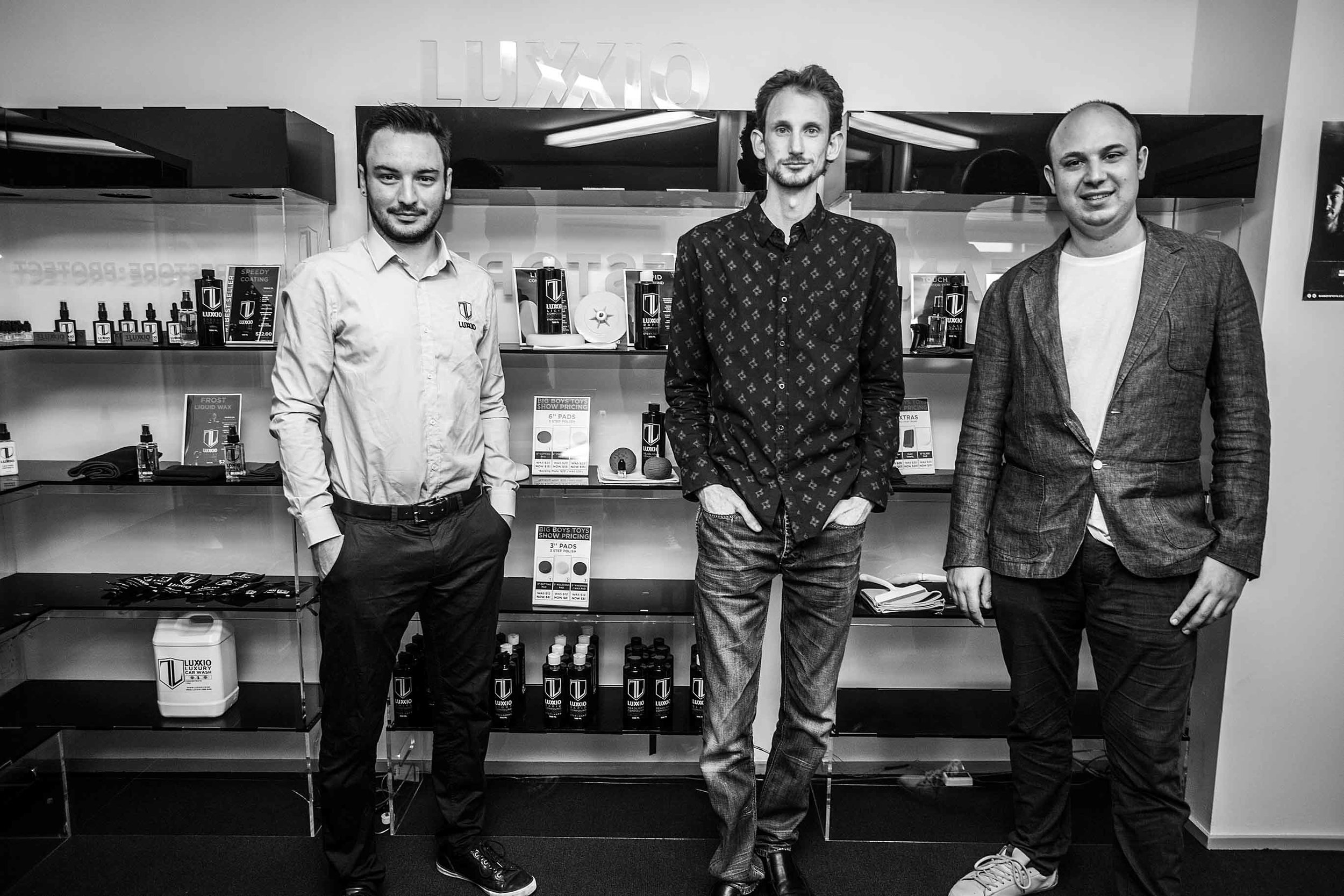
With Kris having a background in the car grooming industry, Jack in business operations / marketing, and Milutin in building wholesale and distribution relationships, the three brought different skills to the Luxxio product range. It’s these different approaches that have seen them create an unrivalled line-up currently consisting of around 40 products.
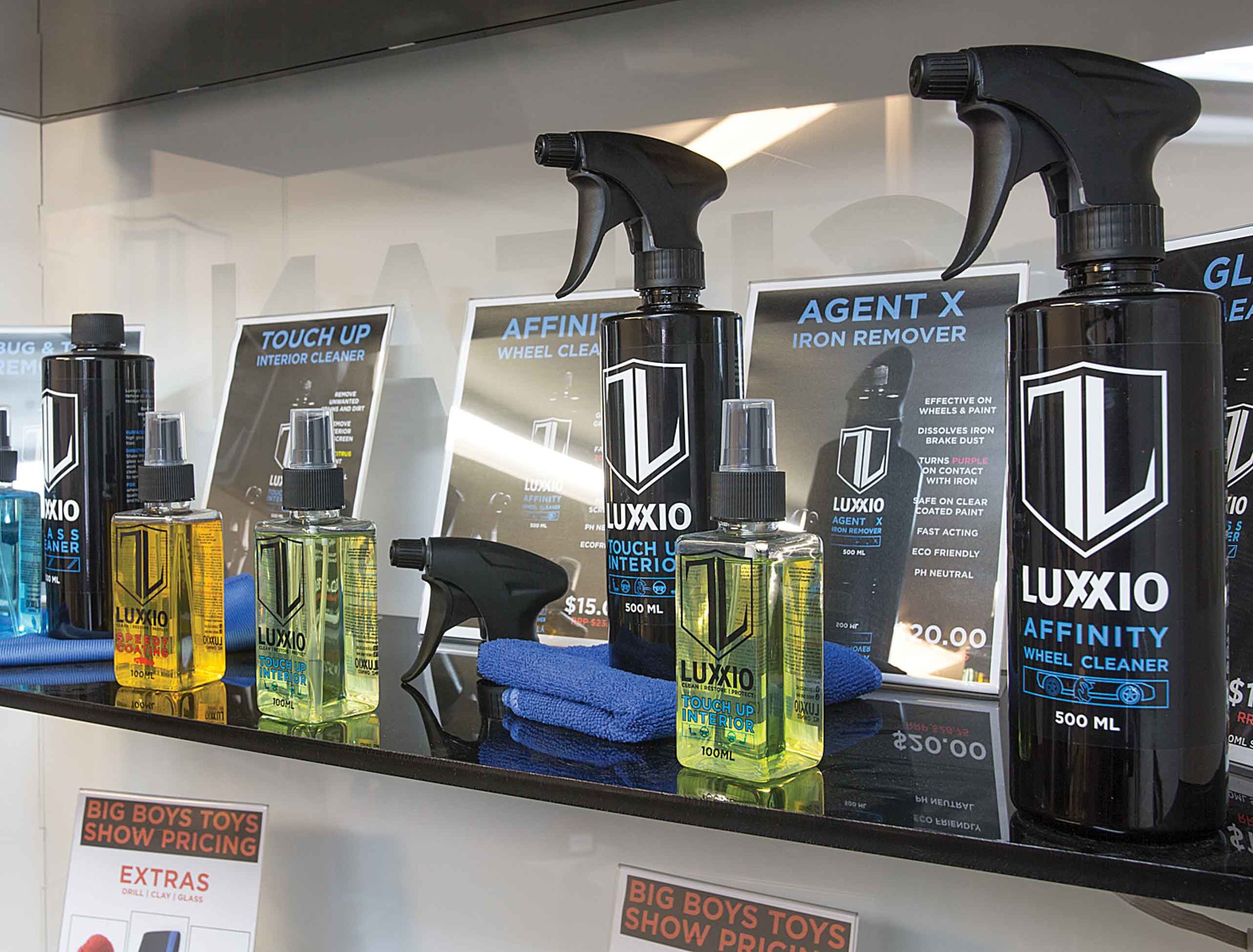
These products aren’t just rebranded pre-used formulas, either; each of the three partners had his own input into the formulas used in each. The products are produced in five separate factories abroad, and imported in bulk to Luxxio’s Auckland headquarters, where they are packaged for retail sale.
Although the three entrepreneurs are not ruling it out at some stage in the future, getting their products into the large-format retail stores is not their goal at present; instead, they are focusing on getting them into trade-related stockists and directly into the hands of customers through their luxxio.co.nz website.
To enable the trio to showcase their products, the business was created to include a full grooming and detailing service — the focus being on the detailing as opposed to the more readily available grooming aspect. In the 12 months they’ve had the doors open, their reputation has spread, and their client base now includes not just the many car yards near their premises but also many private individuals wanting the best for their pride and joy.
“Cleaning and detailing are two very different things, and we have to spend a lot of time educating customers. It doesn’t help that many people have been previously been sold products that simply don’t work in the way they’ve been sold to,” Kris mentions. “There’s been a lot of changes in car care products over the years, and some companies simply haven’t kept up with them. Most of our products are water based, and have been designed to be more enjoyable to use. We’re also able to offer some items that no one else has available.
“I’m not saying there aren’t other great products out there, but they’re just not all available in one range, so we like to think we’ve made it easier for the customer,” he continues.
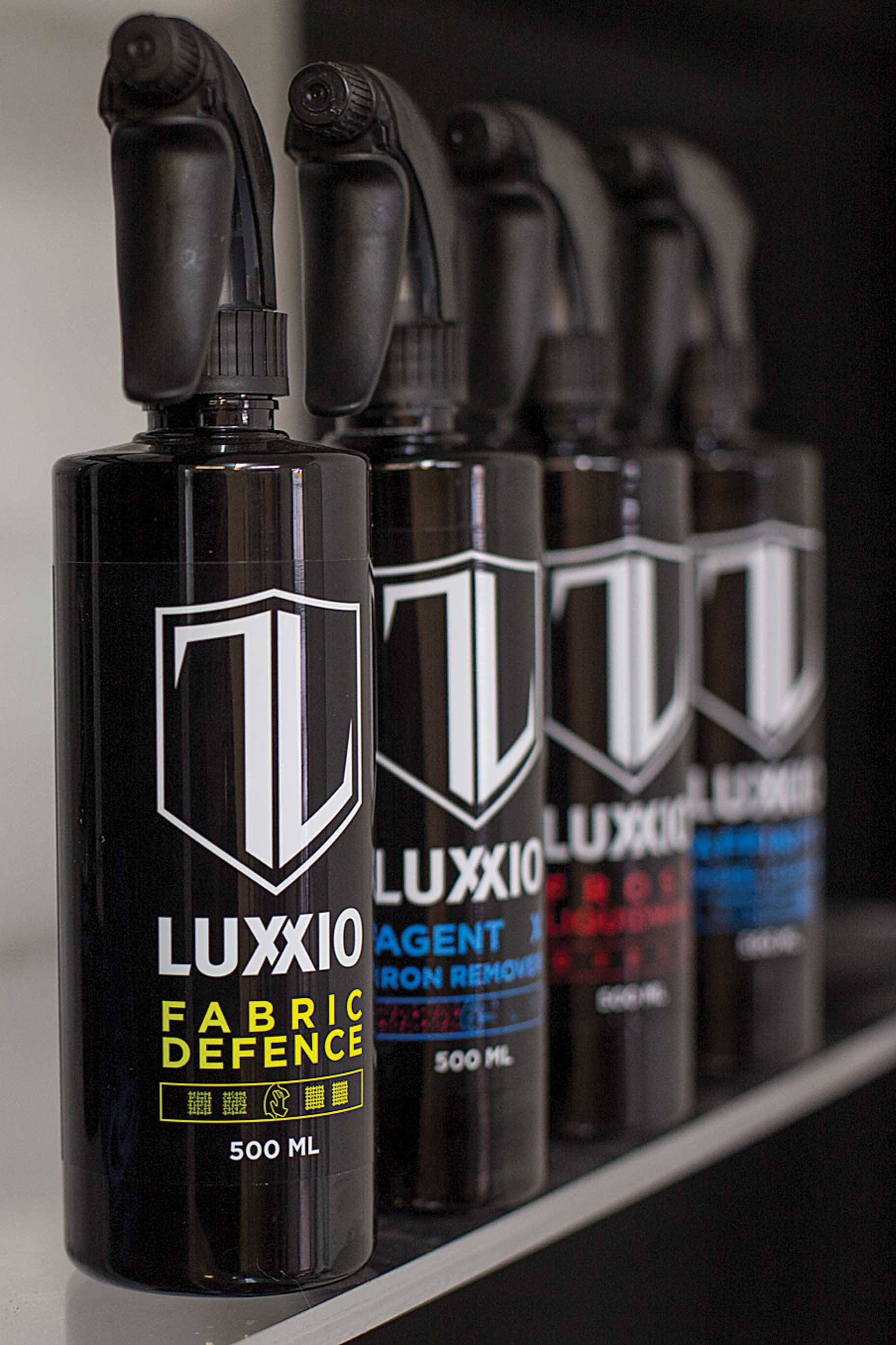
Transforming from a simple conversation into a comprehensive product line-up in just 18 months is quick growth for any new business, but, from the plans that the guys have, it sounds as if there’s still plenty more growth to take place over the years to come. Impressive stuff for any business people, let alone a few guys still to reach their 30s!