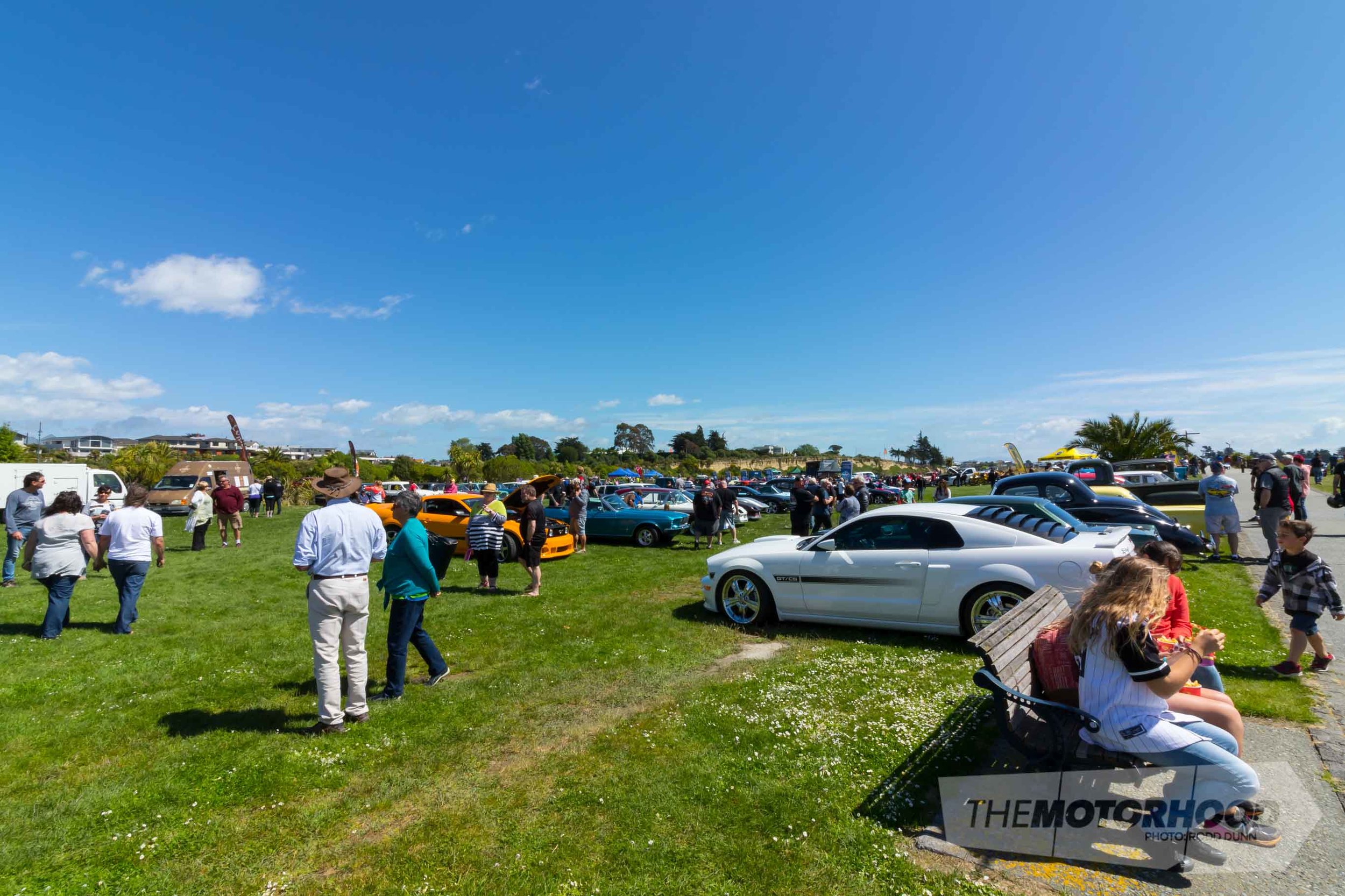
With the town of Timaru being on the coast, there couldn’t have been a better venue to hold the All American Weekend car show, from November 19–20, than down by the beach at Caroline Bay. This popular recreational area not only has a beautiful sandy beach, lush green reserves, and a boardwalk running the length of the beach, it is also only five minutes walk to the town centre.
Hosted by the South Canterbury USA Classic Car Club, the All American Weekend kicked off on the Saturday with vehicles meeting at Caroline Bay car park in the afternoon, then heading out on a cruise to Pleasant Point, which is 19km inland, for a BBQ and refreshments. For those that were keen, a drive-in movie was put on at 7pm at Levels Raceway.
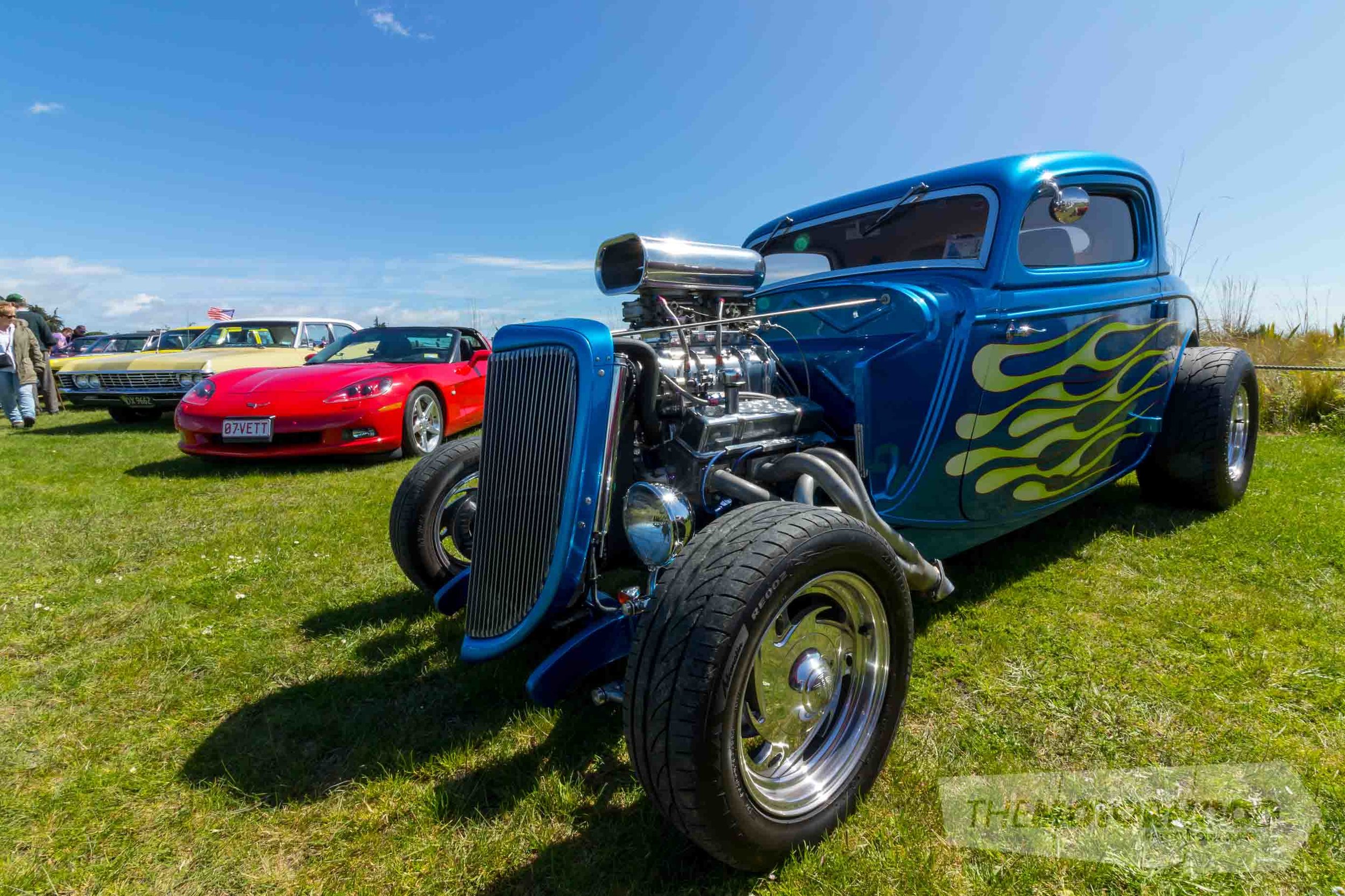
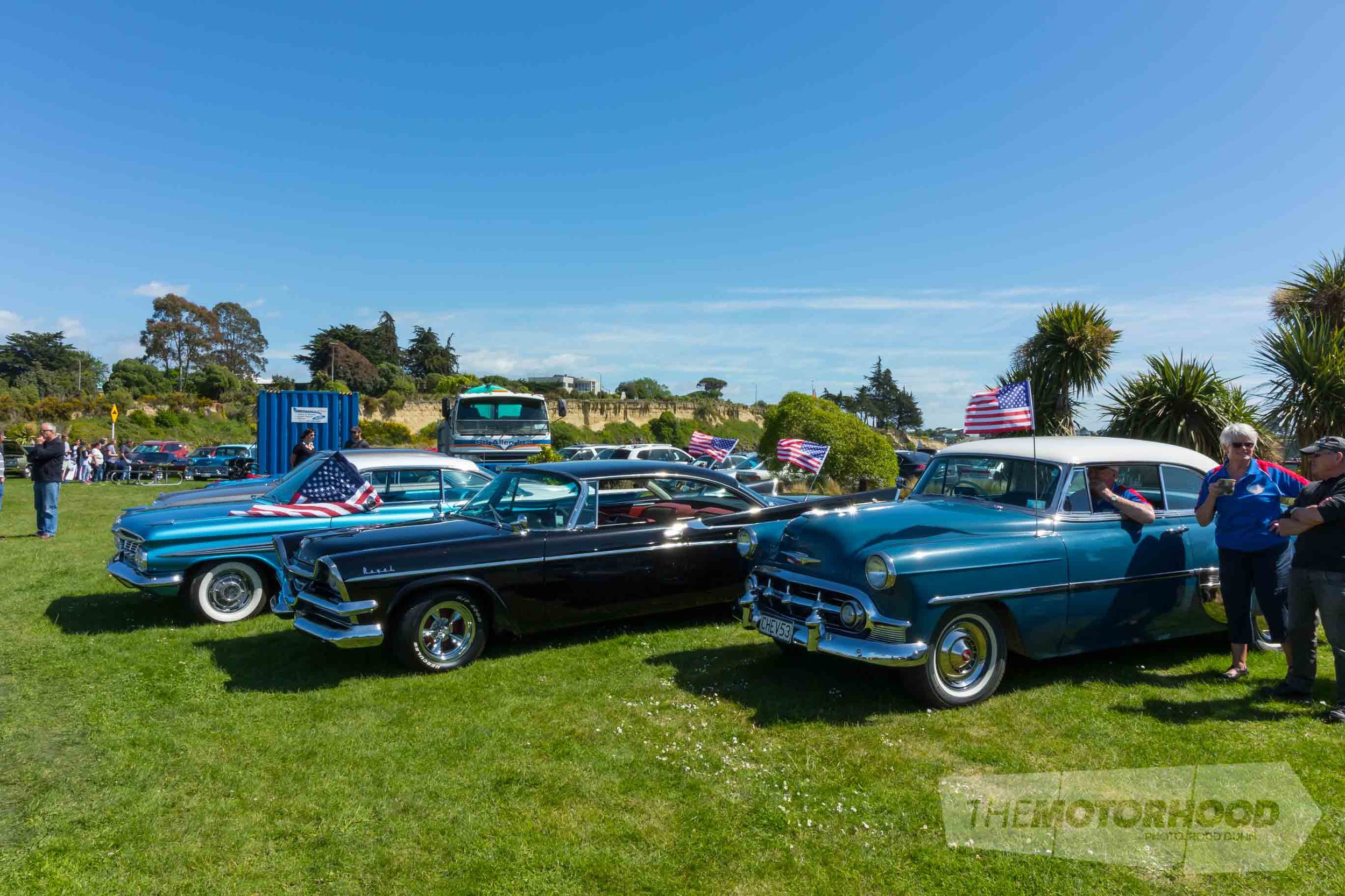
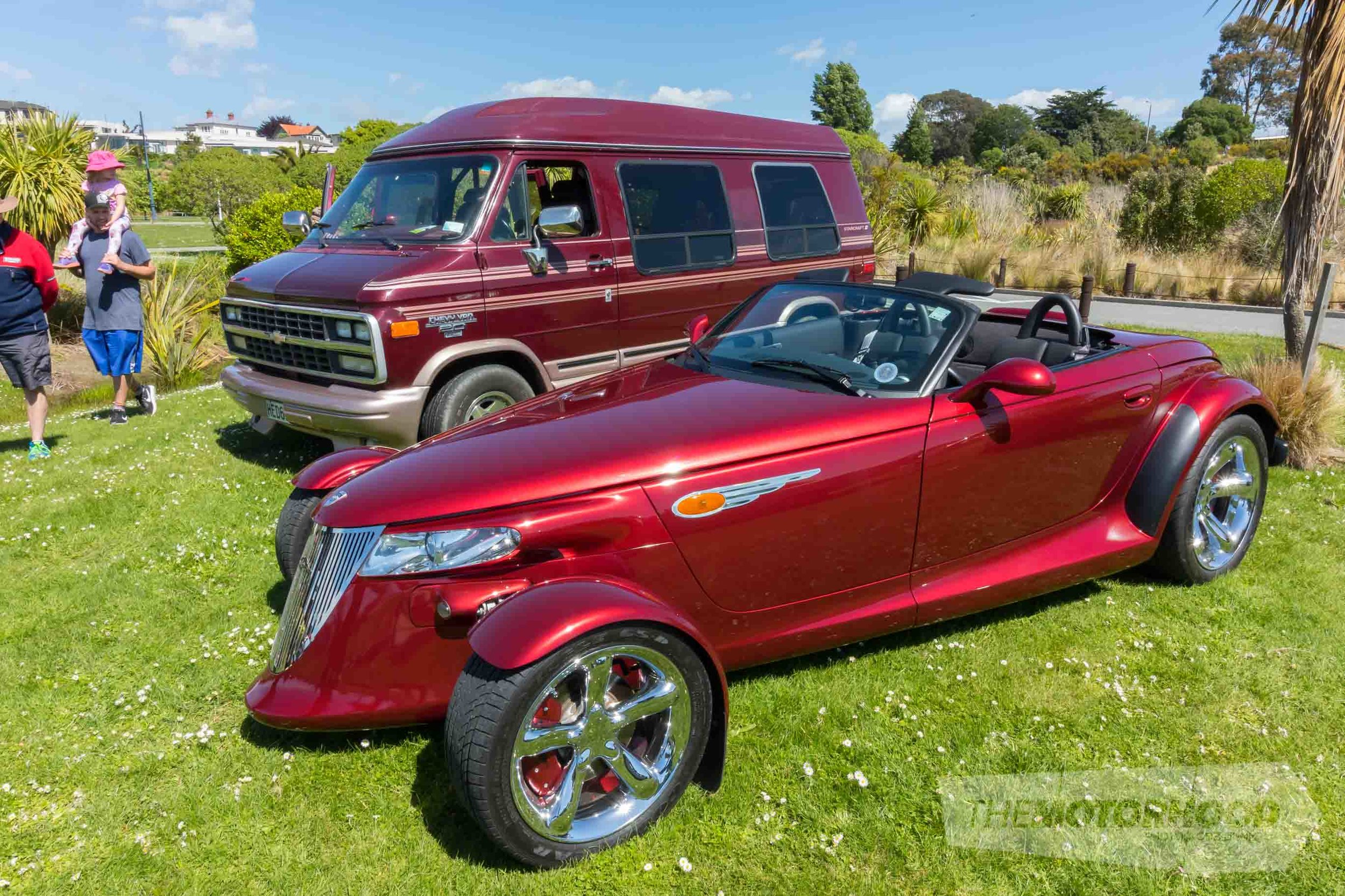
Sunday saw cars and people stream to the reserve at Caroline Bay for the car show. Vehicle numbers were around 100, which resulted in large crowds of people wandering about, with many food stalls and a live band helping add to the atmosphere.
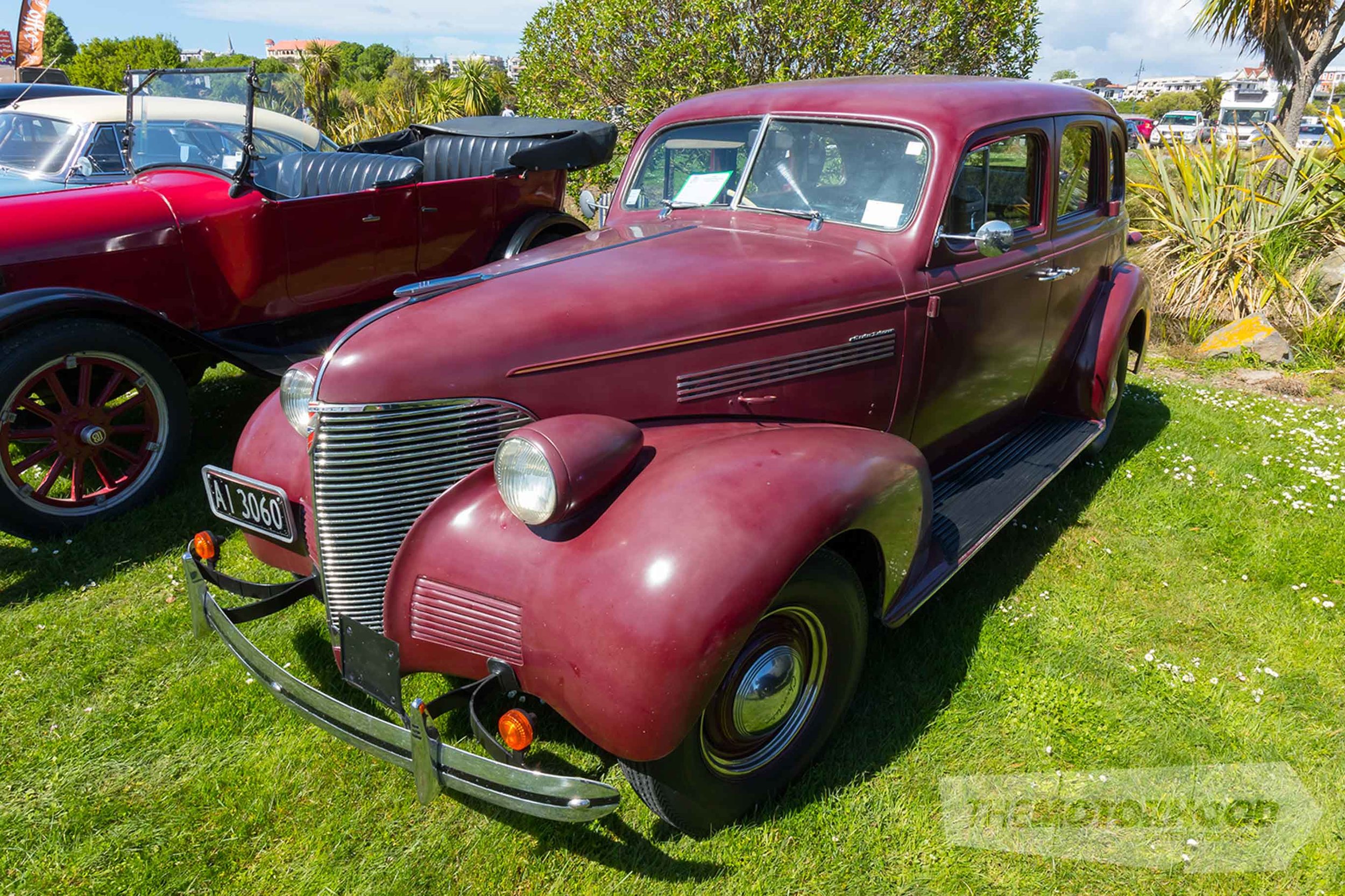
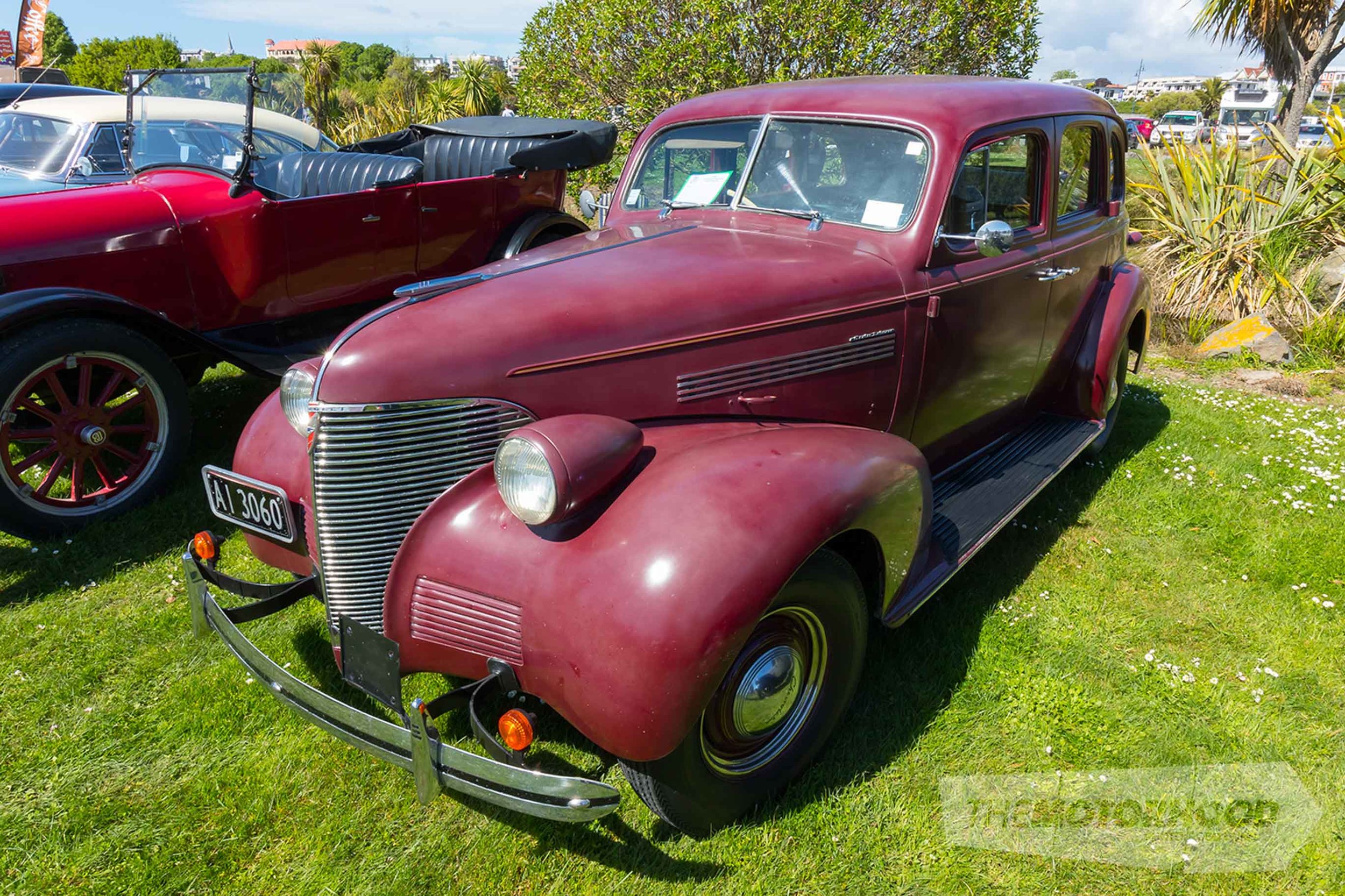
Les Wenlock had his very original 1939 Chevrolet Master Deluxe on display. The only deviation from the factory were the indicators that had been added as a safety feature, and, according to Les, a paint job back in 1960 costing the large sum of £28. The Chev has travelled only 57,000 miles.

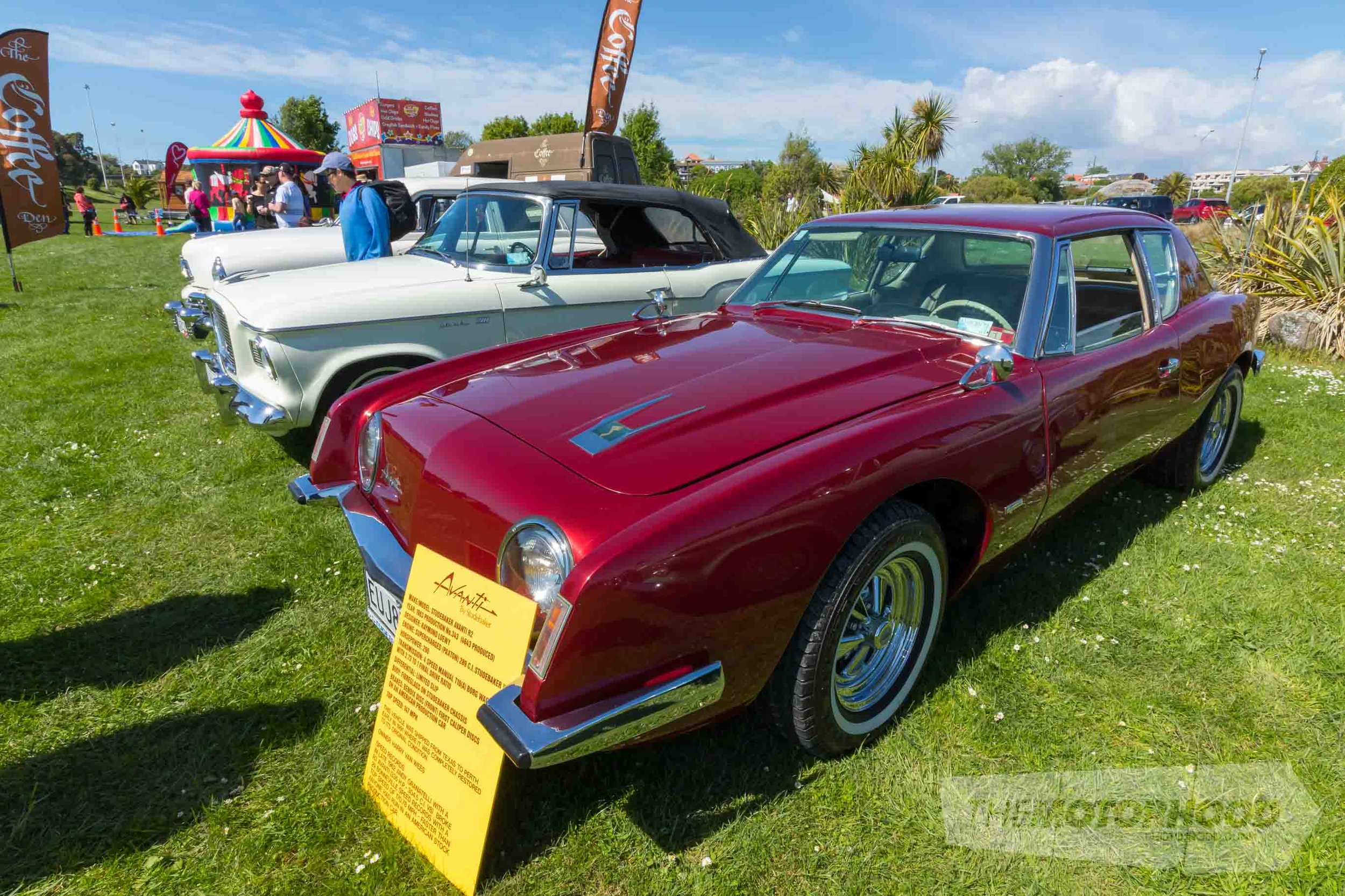
Harry Van Wees is the owner of this 1963 Studebaker Avanti R2. Of the 4643 cars produced that year, this is number 343. Powering the Studebaker is a Paxton supercharged 289 V8, putting out 290hp. The car was an original Texas vehicle, before heading to Perth in 1991, where it received a full and complete restoration before heading to the shores of New Zealand.

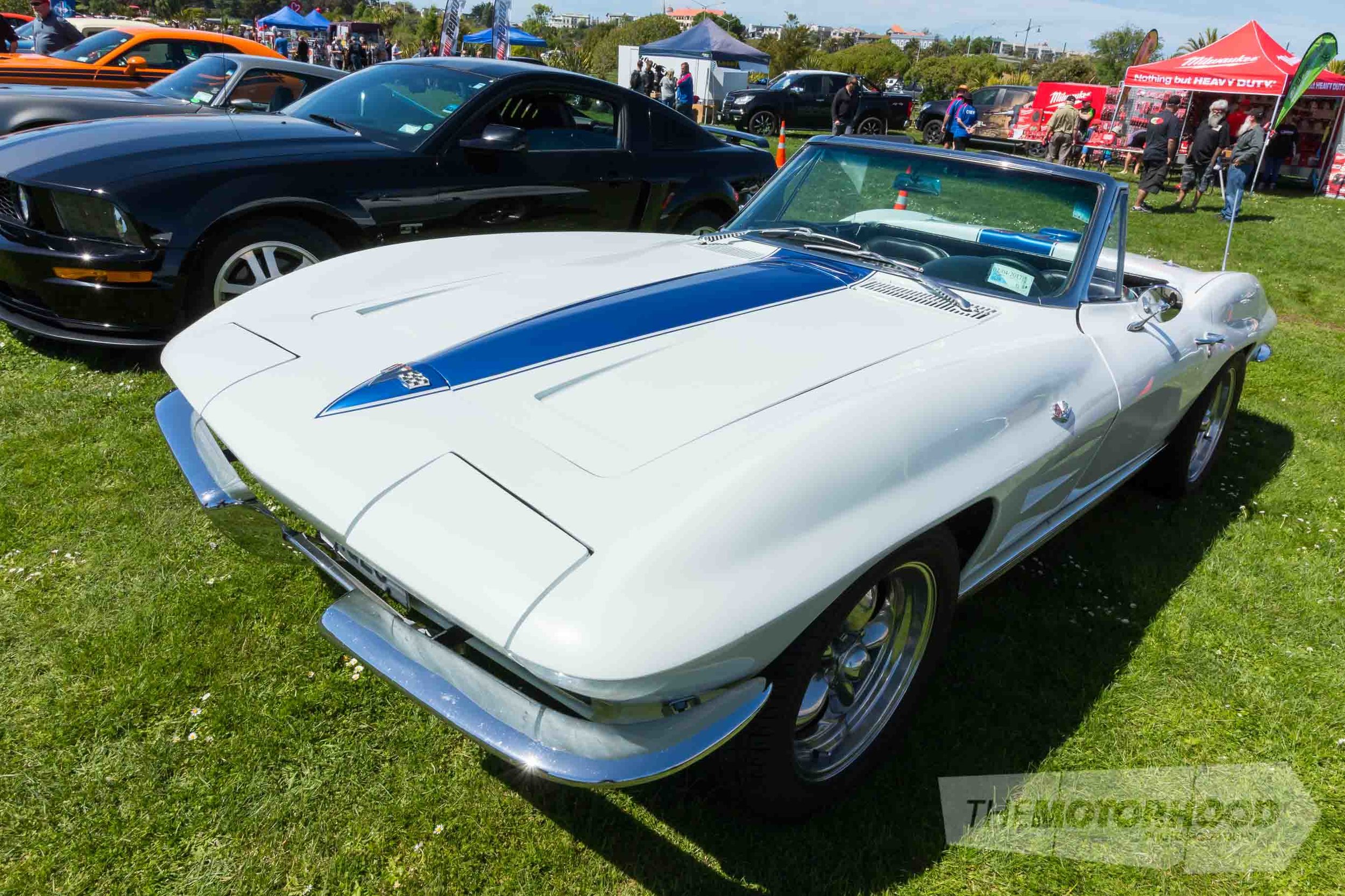
On such a beautiful day, no show would be complete without a top-down ’64 Stingray.
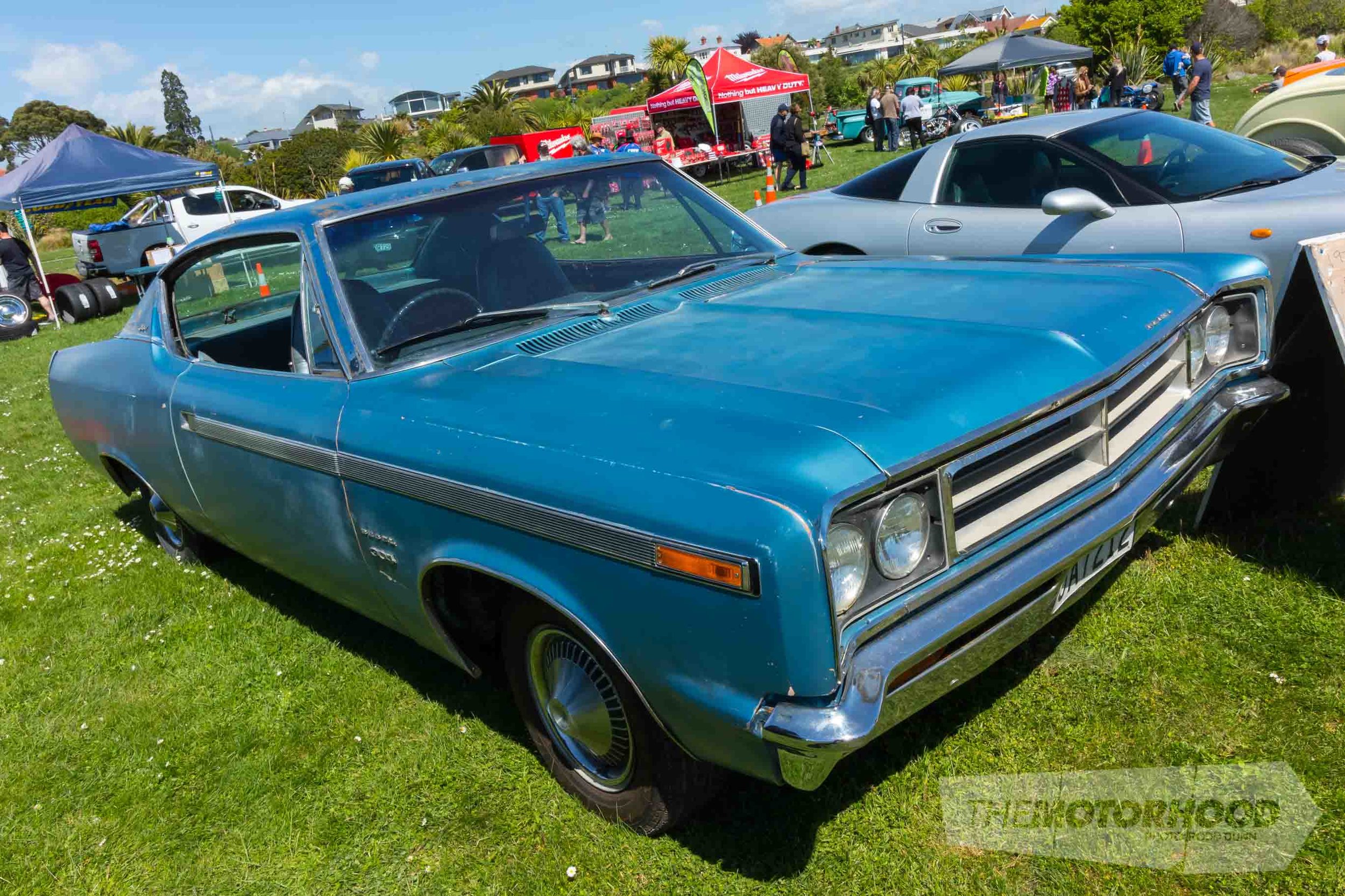
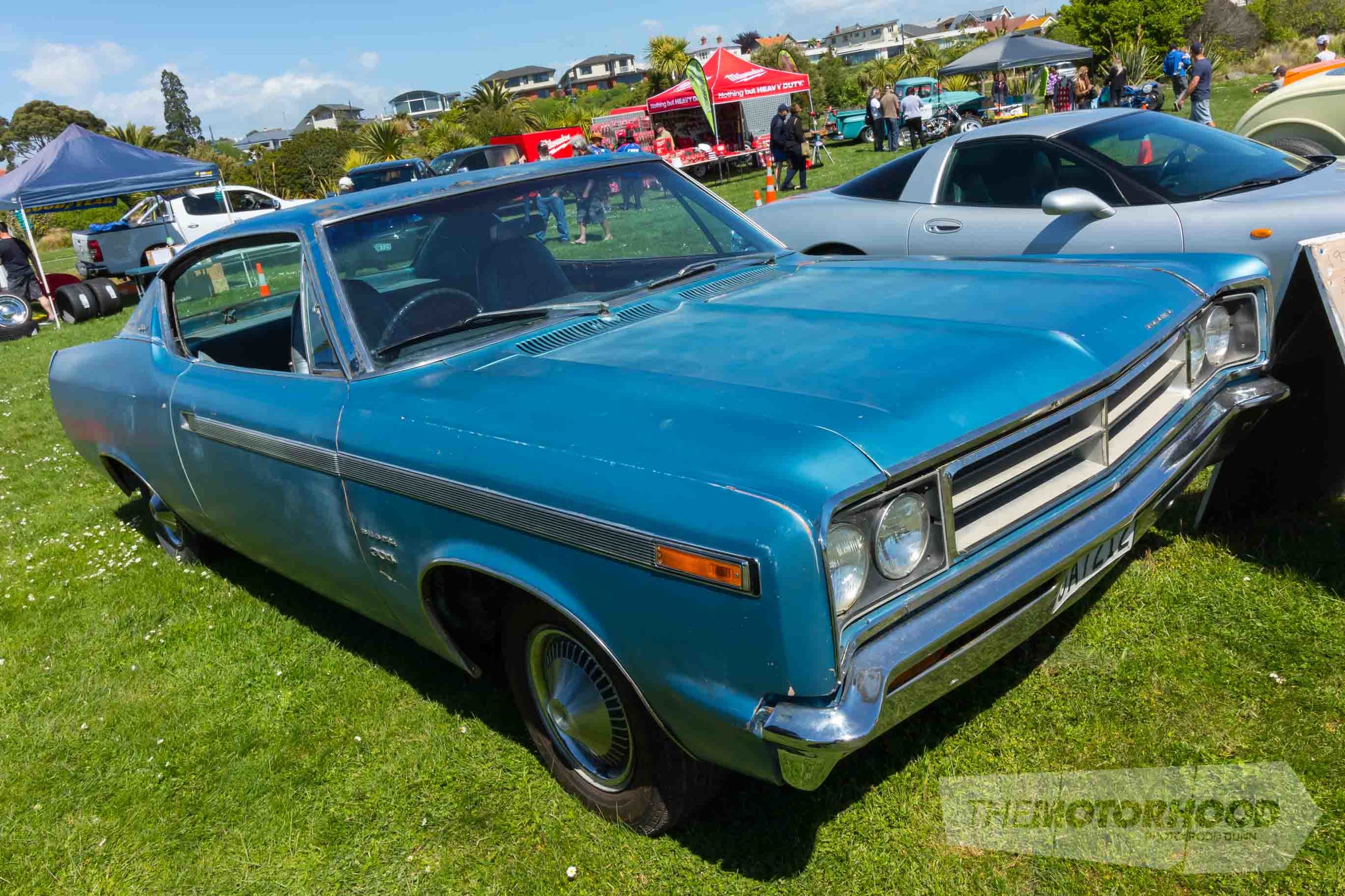
Due to low numbers of them selling in New Zealand, we don’t often see many ’70 Rambler Rebel hardtop coupes. This car was very original, and was produced as a factory right-hand drive since it was sold new in New Zealand. The car is fitted with power steering and brakes, and is powered by a 304 V8 and auto.
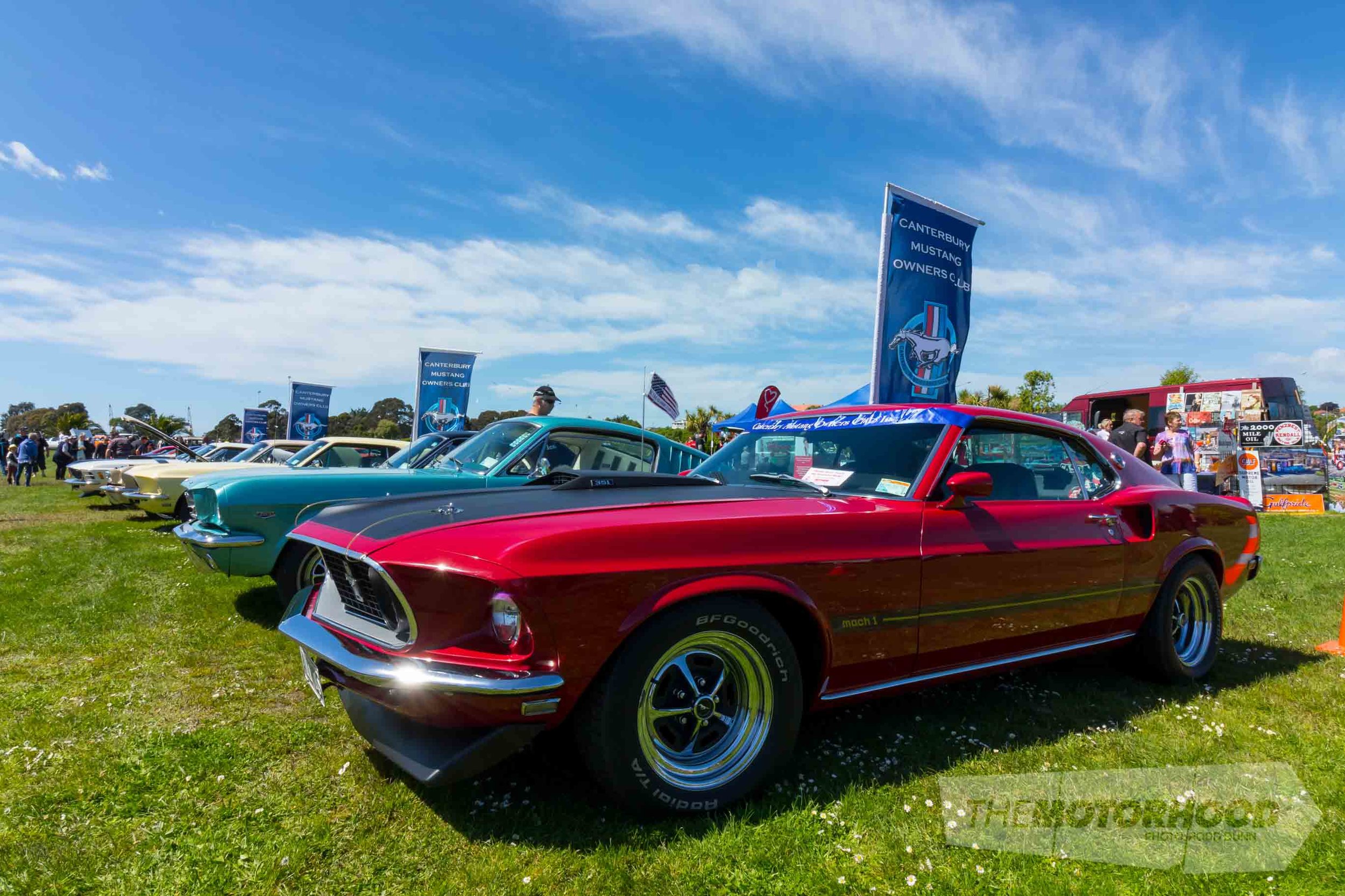
This awesome-looking Mach I Mustang headed a great line-up of pony cars from the Canterbury Mustang Owners Club. These guys always have a big club turnout, and they attend many events throughout the South Island.

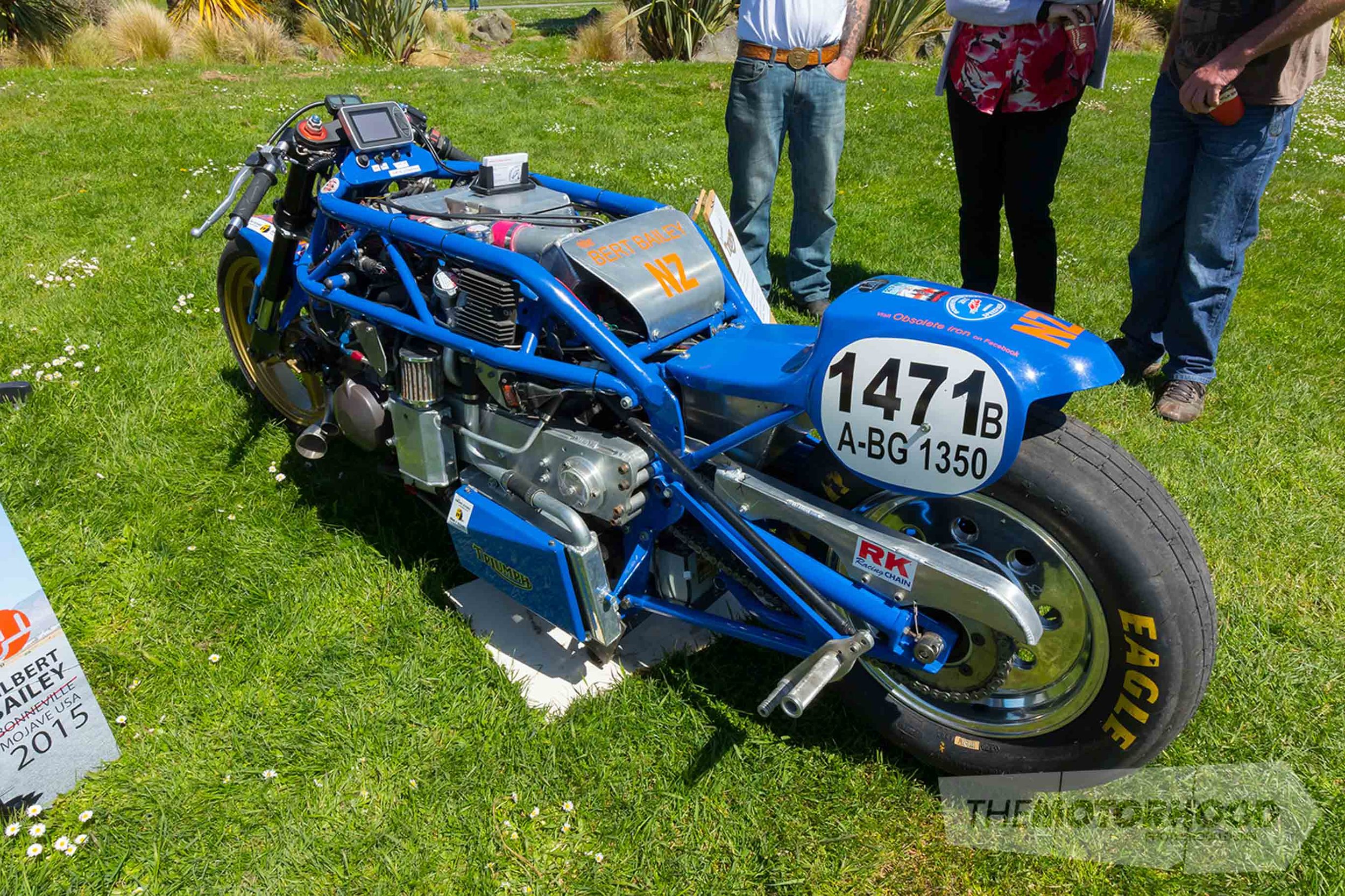
Gilbert Bailey had this twin-engined monster on show, which drew a lot of attention. Built with two Triumph 675 Daytona engines sitting in a custom hand-built chromoly frame, the bike is also turbocharged and intercooled. It was built to attempt land-speed records both on Lake Gairdner in Australia and Bonneville in the US.

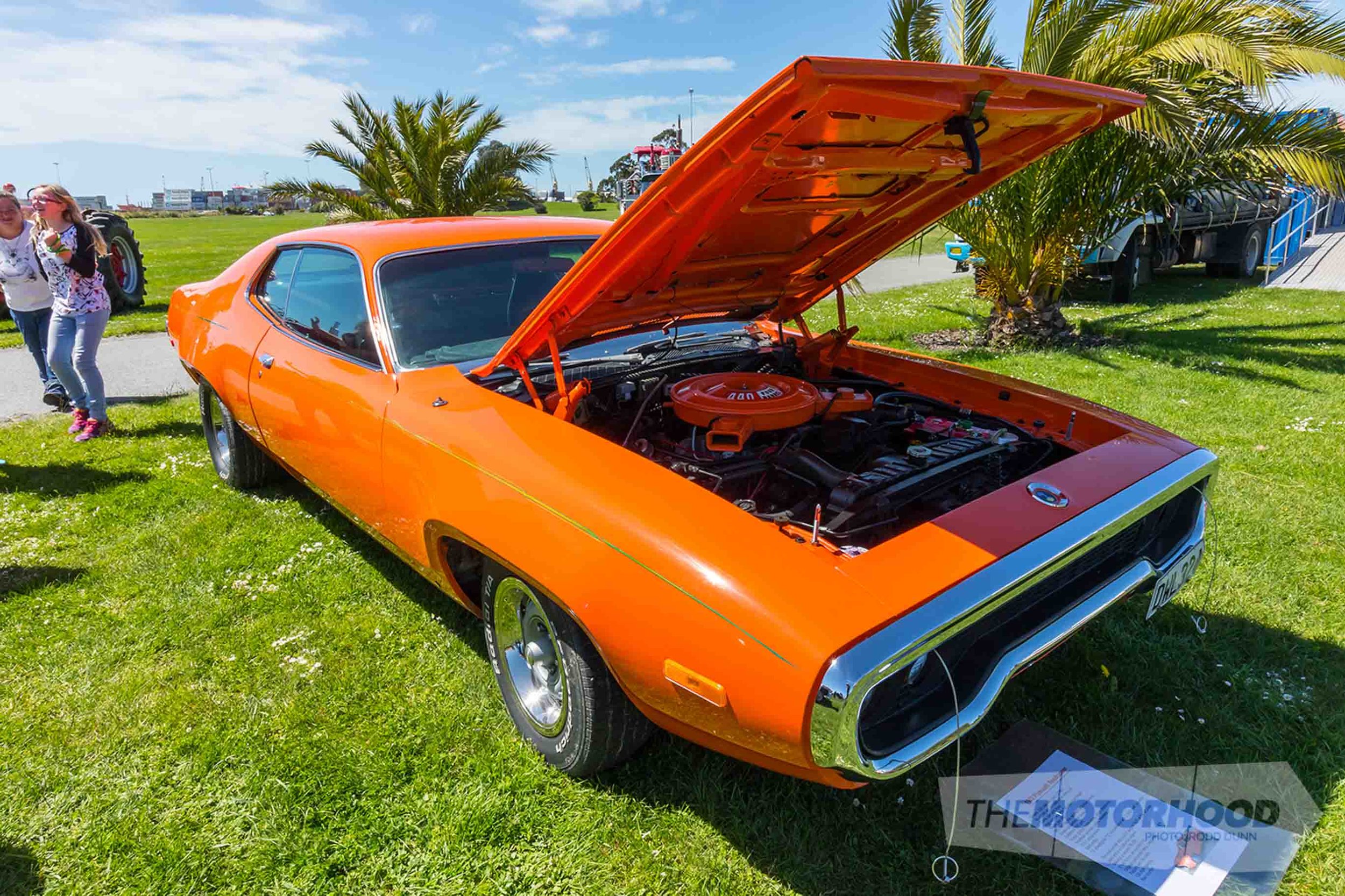
This ’72 Plymouth Roadrunner was a very tidy package. Power comes from a .030-over-440 big block and 727 trans. The car was built in August 1971 at the St Louis plant in the US, and grew up in California.
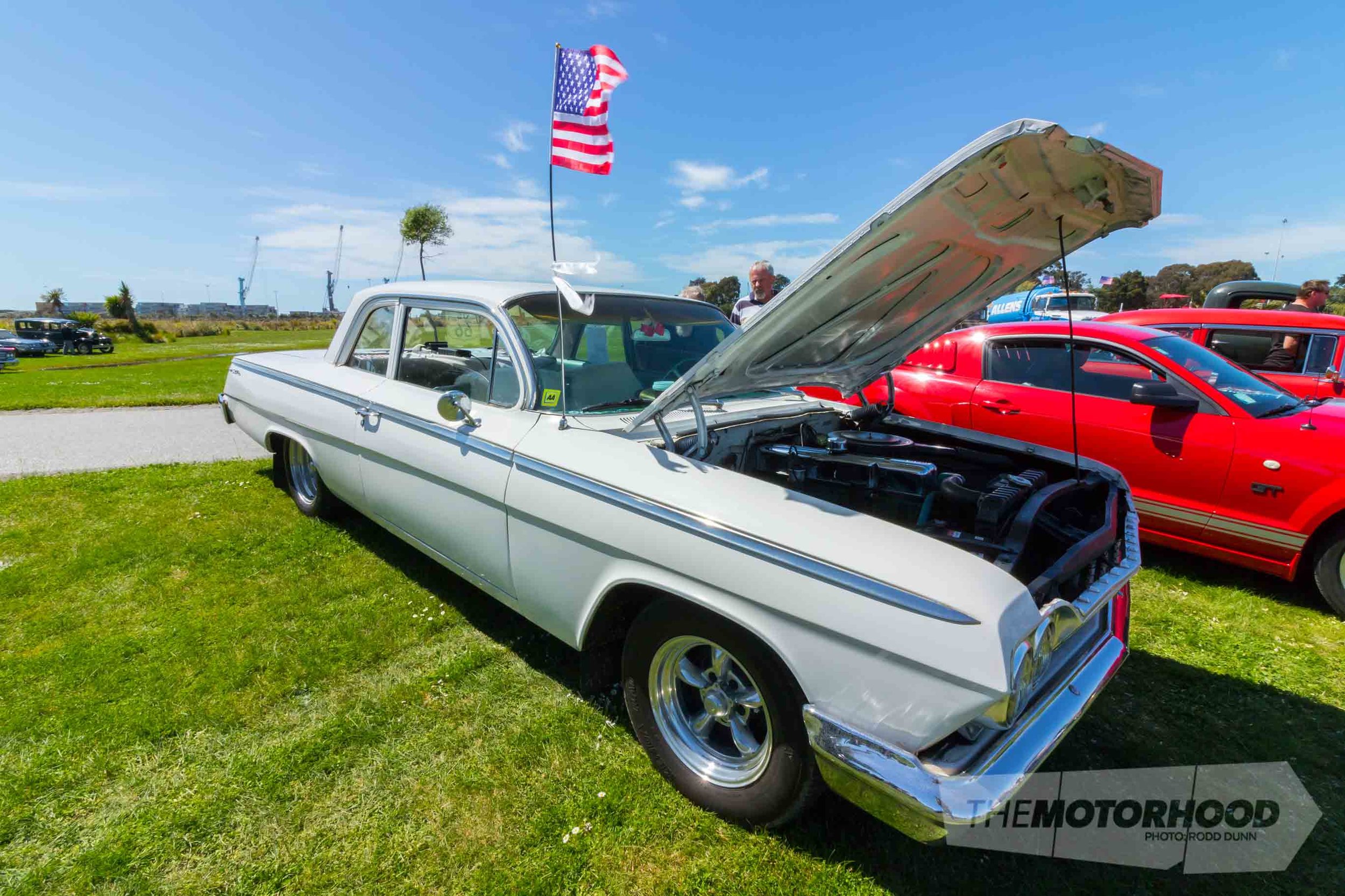
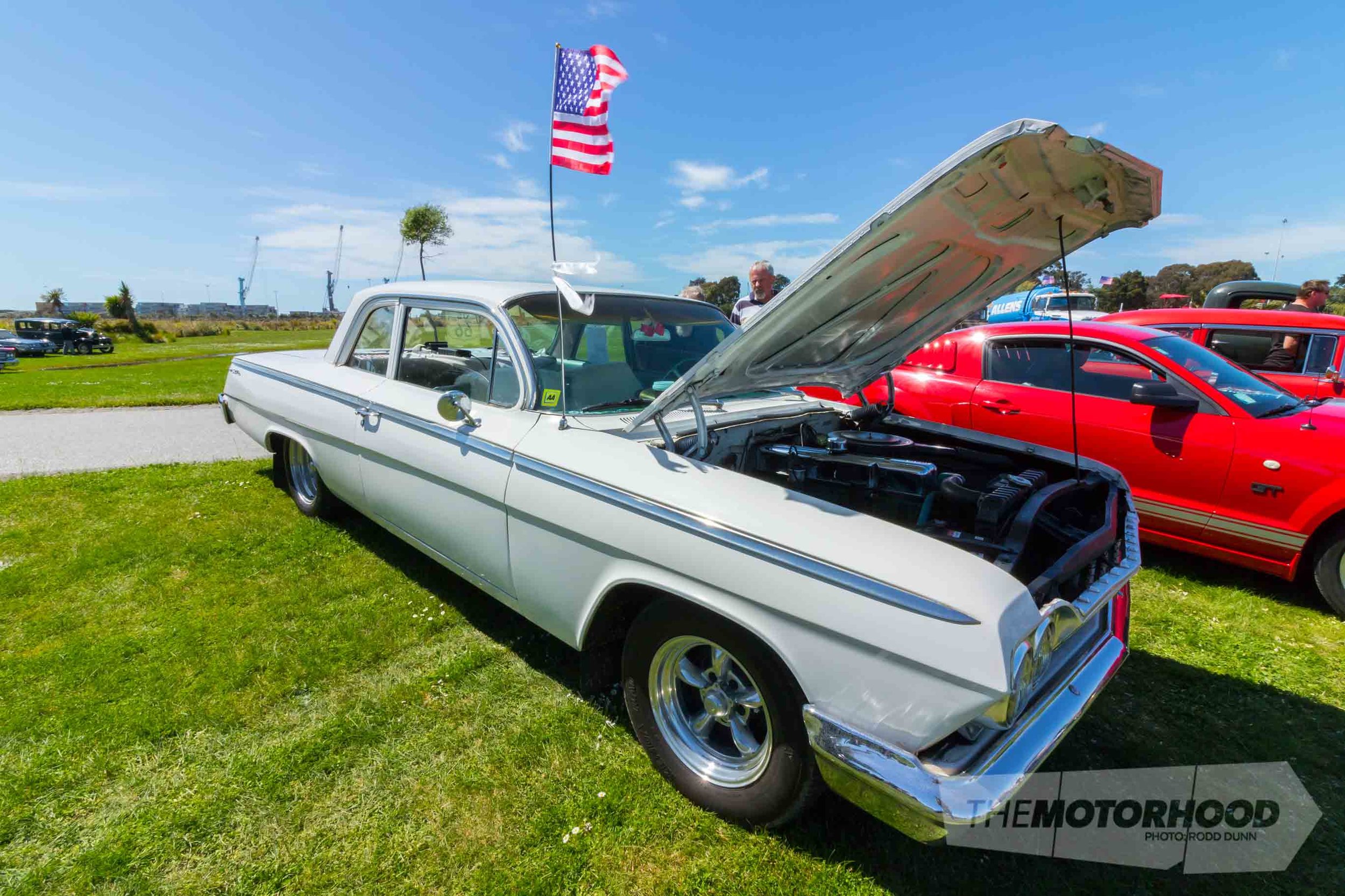
Kiwis love big cars and big engines, so it’s not often that you will find a nice original 1962 Chev Bel Air running its factory-fitted 235ci ‘Blue Flame’ six. David Cornelius from Ashburton is the lucky owner, and has been for the past six years after importing the car from Arizona.
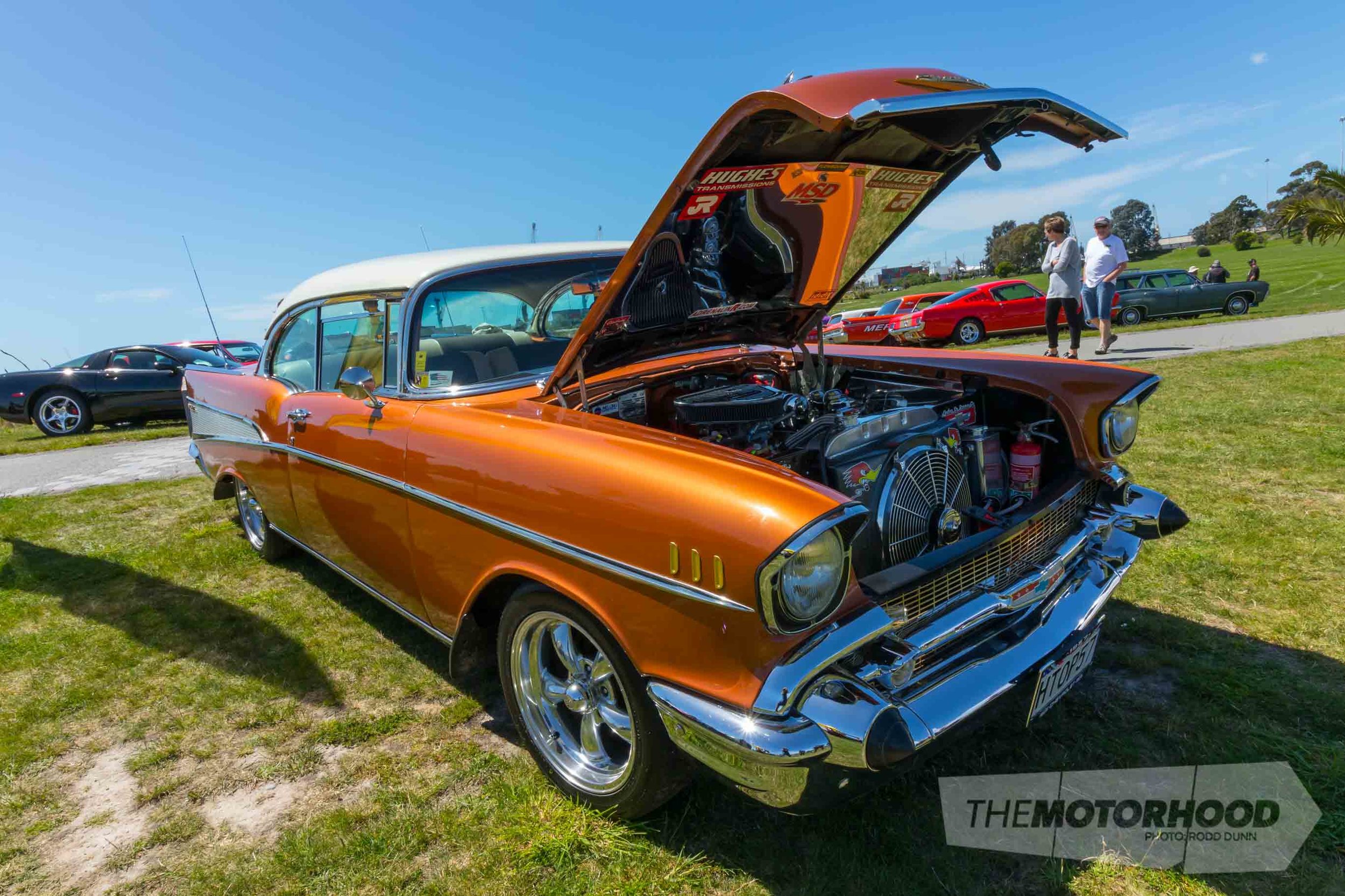
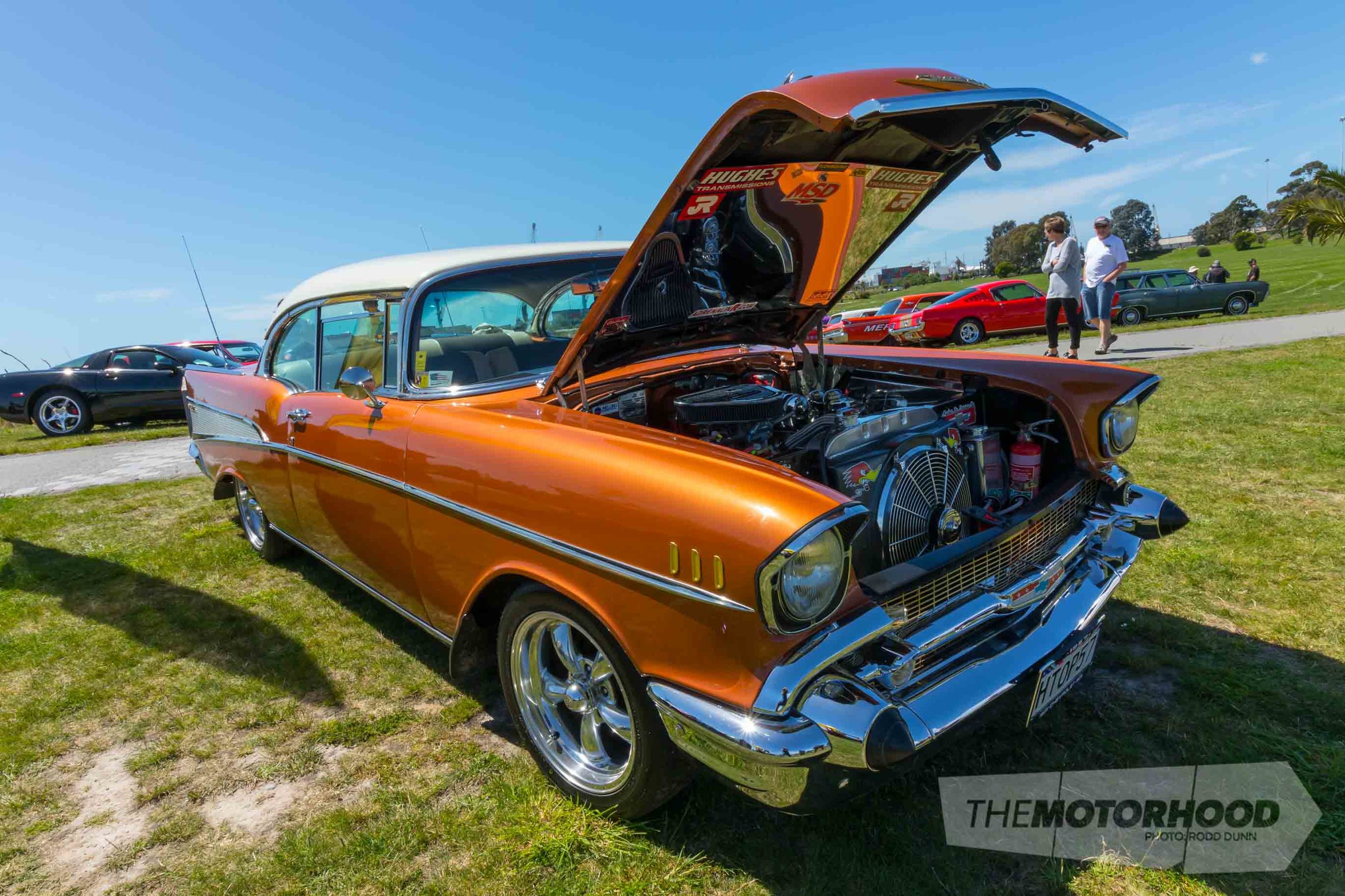
No American car show is complete without seeing a good old ’57 Chev. This stunning Bel Air was simply shining everywhere in the bright sun. With beautiful paint, and an engine bay filled with chrome and polished parts, this was one car that was hard to miss.
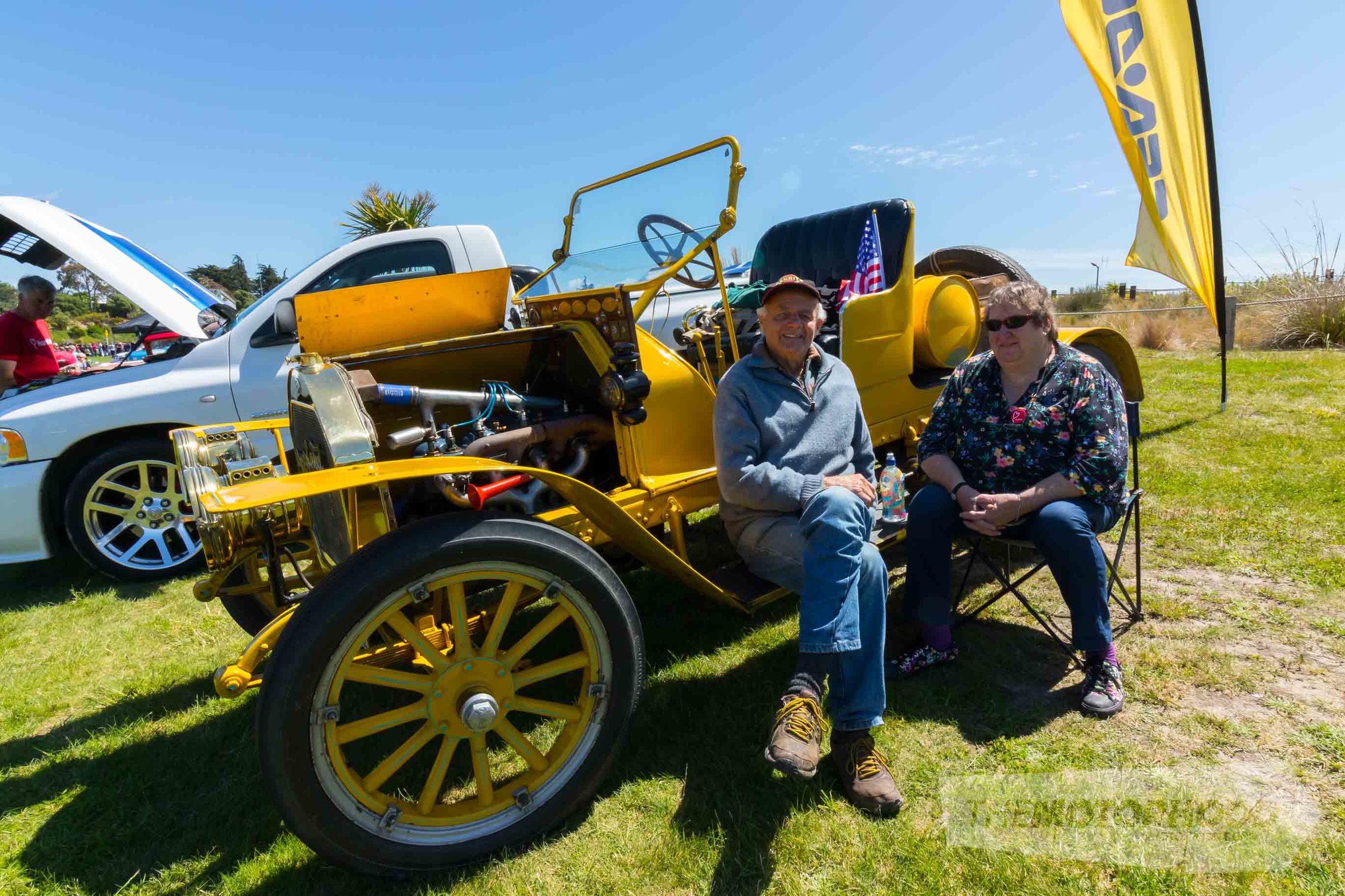
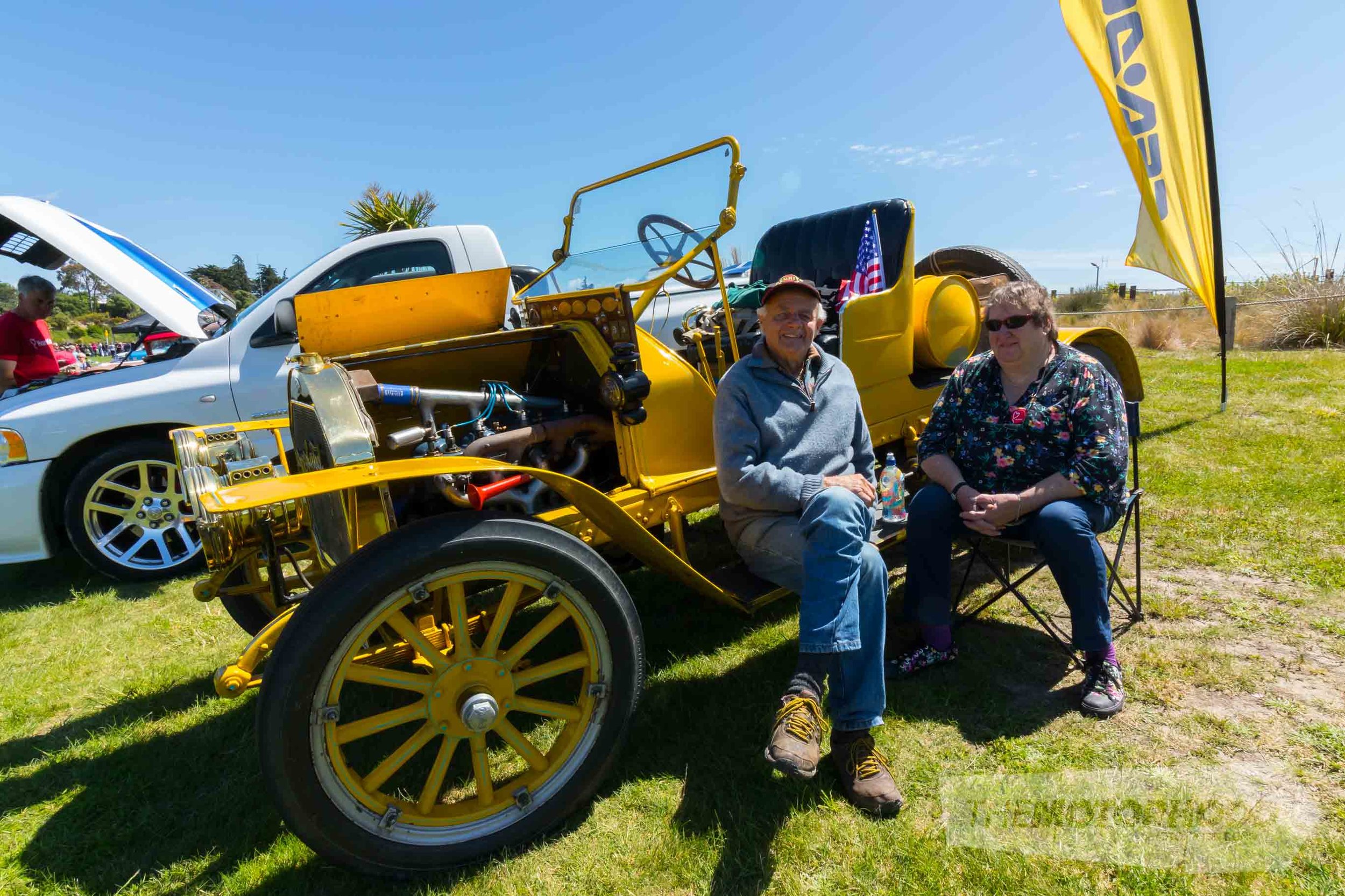
One of the best parts of any car show is talking to the owners of the cars on display. This very cool-looking ride is a 1911 Willys Overlander. Owner Allan Averis spent a nice relaxing day with his friend Helen, answering all kinds of questions about his toy. Allan’s owned the car for over 60 years, and it came about in a different way to the norm. As a 13-year-old lad, Allan picked up the engine from a Geraldine sawmill where it was being used to power a saw. With help from his grandad, he rebuilt the engine then had nowhere to put it, so they went back to the sawmill to inquire as to where they had bought the engine. This lead them to a farm down the road where they were able to purchase the rest of the car — this one. Over the next couple of years, he rebuilt it, and now uses it as much as time will allow.