Have you got the Holden genes like Daniel Armstrong?

8 December, 2016

We caught up with Daniel Armstrong recently, and quickly discovered that he was about as passionate as it gets when it comes to all things original. Cars, especially of the Aussie variety, have featured heavily throughout his life as the Holden ‘genes’ were passed down from his father, who has owned early Holdens since the late 1970s.

However, when Daniel turned 16 years old, he couldn’t resist the temptation to buy a 2.0-litre 1987 Holden Commodore VL Berlina sedan, which he still owns almost 10 years later. Obviously, the apple hasn’t fallen too far from the tree, and following in his father’s footsteps, Daniel’s Holden collection began to grow. Soon, a 5.0-litre 1987 Holden Berlina VL station wagon, 3.0-litre 1987 Holden VL GTS sedan, and a 1980 Holden HZ one-tonner were added to the collection.

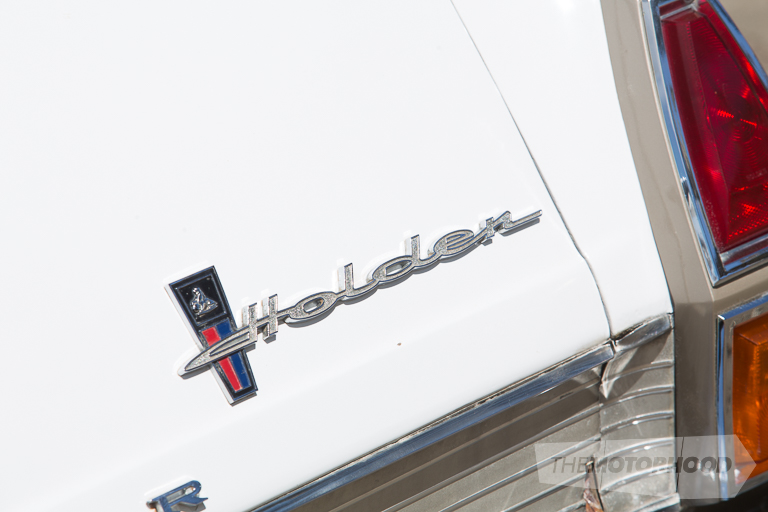
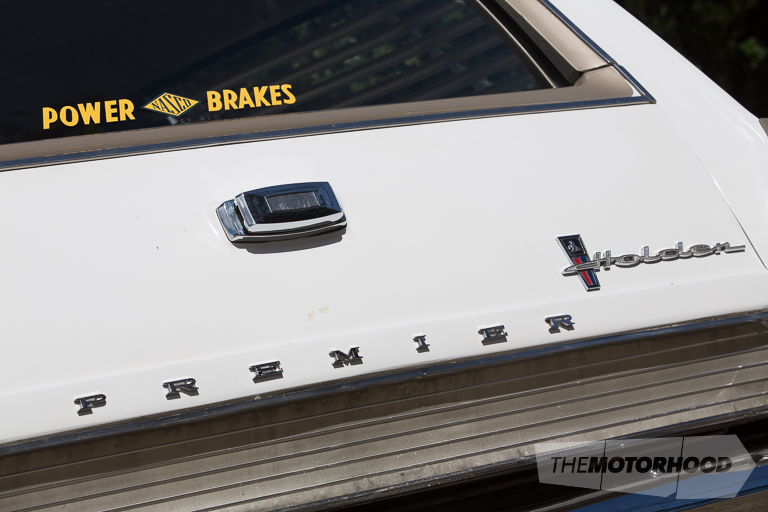
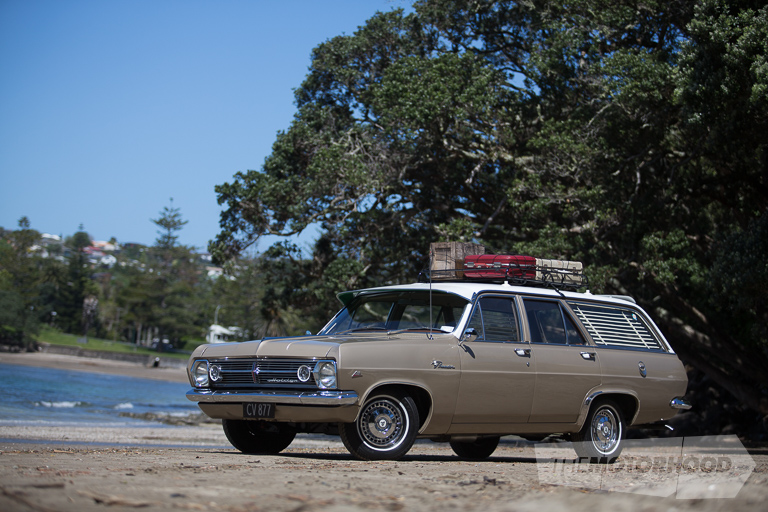
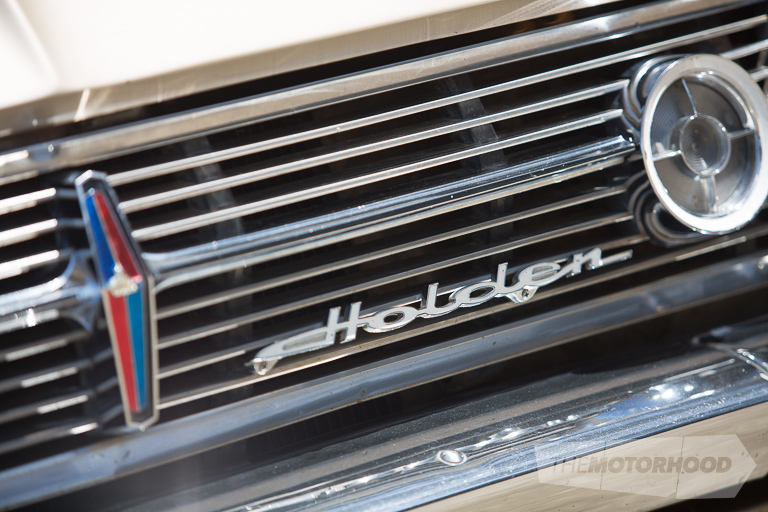
In mid 2105, while searching through Trade Me, Daniel spotted our featured HR Premier station wagon, and with copious amounts of adrenaline flowing, a bidding war ensued.

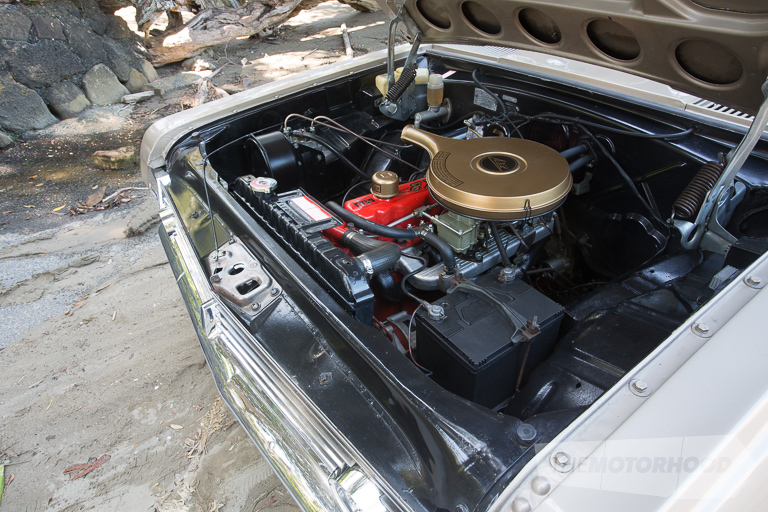
Daniel picked up the latest addition to his collection on July 19. It had been hiding away in an Auckland garage for some time, and although the previous owner had kept it well-maintained cosmetically, the car was in need of some serious mechanical attention.

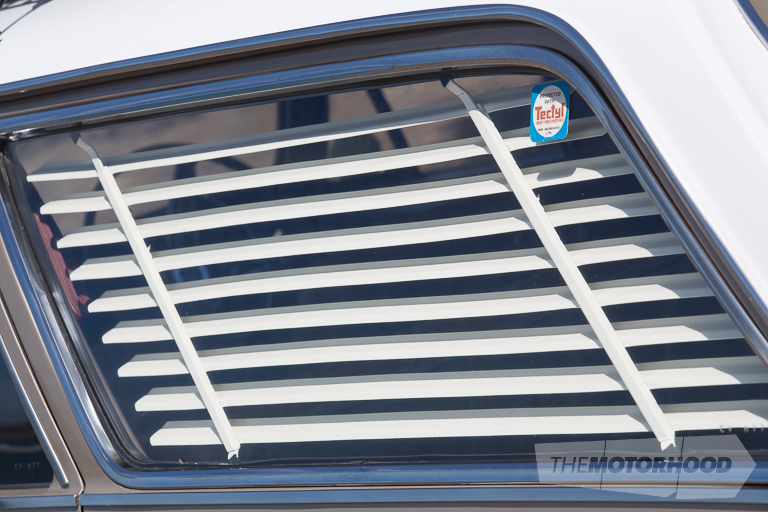
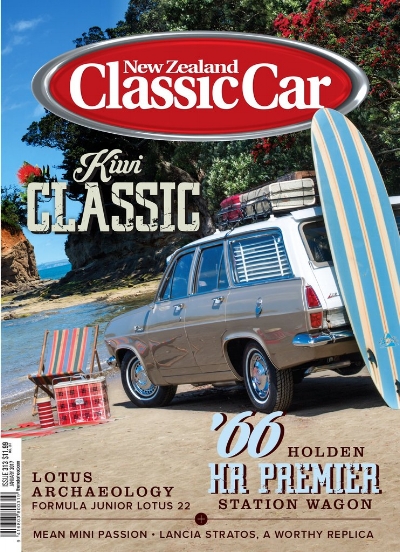
Have a look at a few additional photos that didn’t make it into the feature in the January issue of New Zealand Classic Car (Issue No. 313) — grab your copy of the mag here to read the full story.   

NZ Classic Car magazine, July/August 2026 issue 406, on sale now

Rebirth of a brilliant Grand Tourer –1973 Datsun 240Z
How often do we long for that ultimate dream sports car, and that dream comes true? This is about one of the most influential Japanese cars of all time, a car that changed the sports car market.
This is about much more than the restoration of an iconic classic sports car, the 240Z. It’s about the culmination of a dream over many years and the friendships made. It’s about the people who helped and the professionals whose approach ensured that the dream became a reality, an attitude typical of the industry we call ‘classic restoration experts’.
It is no surprise that the outcome after a lengthy search by Conrad Van der Geest for the right Datsun 240Z culminated in a trophy for the best Japanese car at this year’s Caroline Bay Beach, Rock N’ Hop at Timaru.
Originally a roadworthy car in running order, it was left-hand-drive and had been driven for several years by its Timaru owner, as Conrad explains.
“A neighbour, Dave Barron, knew I was looking for one and introduced me to the owner. I had seen the car being driven around Timaru. It was unusual for one of these coming originally from California, so it was a really clean car instead of rusty, as they are prone to rust. The story goes that the grandfather passed it onto his grandson, who decided to sell it, and that’s when it came over here.”
Every issue comes with our FREE huge wall poster; this issue, it’s our cover car for this edition, a 1973 Datsun 240Z

The butterfly effect

The man on the mountain bike pedalled over, taking it all in. Gazing in wonderment at this small Japanese coupe with butterfly doors, he said, “Wow, I have never seen one of these before. What is it?” When I told him it was a Toyota, he nearly fell off his bike.
The Toyota Sera is unique amongst ’90s Japanese coupes. The Sera, which is Italian for ‘evening’, can trace its roots back to Toyota’s AXV-II concept car. Launched as part of a trio of Toyota concept cars at the 1987 Tokyo Motor Show, it shared its underpinnings with the P70 Toyota Starlet. The similarities ended there, thanks to the AXV-II’s low-slung and rounded coupe styling with butterfly doors. These doors were held upright by gas struts when fully open. Glass covered the upper section of the doors and the rear hatchback.
These features, much to everyone’s surprise, were carried over to the production Sera in 1990. Toyota marketed the Sera, which means ‘will be’ in Spanish and ‘princess’ in Hebrew, as a funky alternative to the much-loved MR2.