Owner: Sam McGill
Location: Auckland
Occupation: Navy able marine technician (electrical)
NZPC: Hey, Sam. You don’t see many people daily driving an old-school Japanese car in this condition any more. How long have you had it, and what have you done?
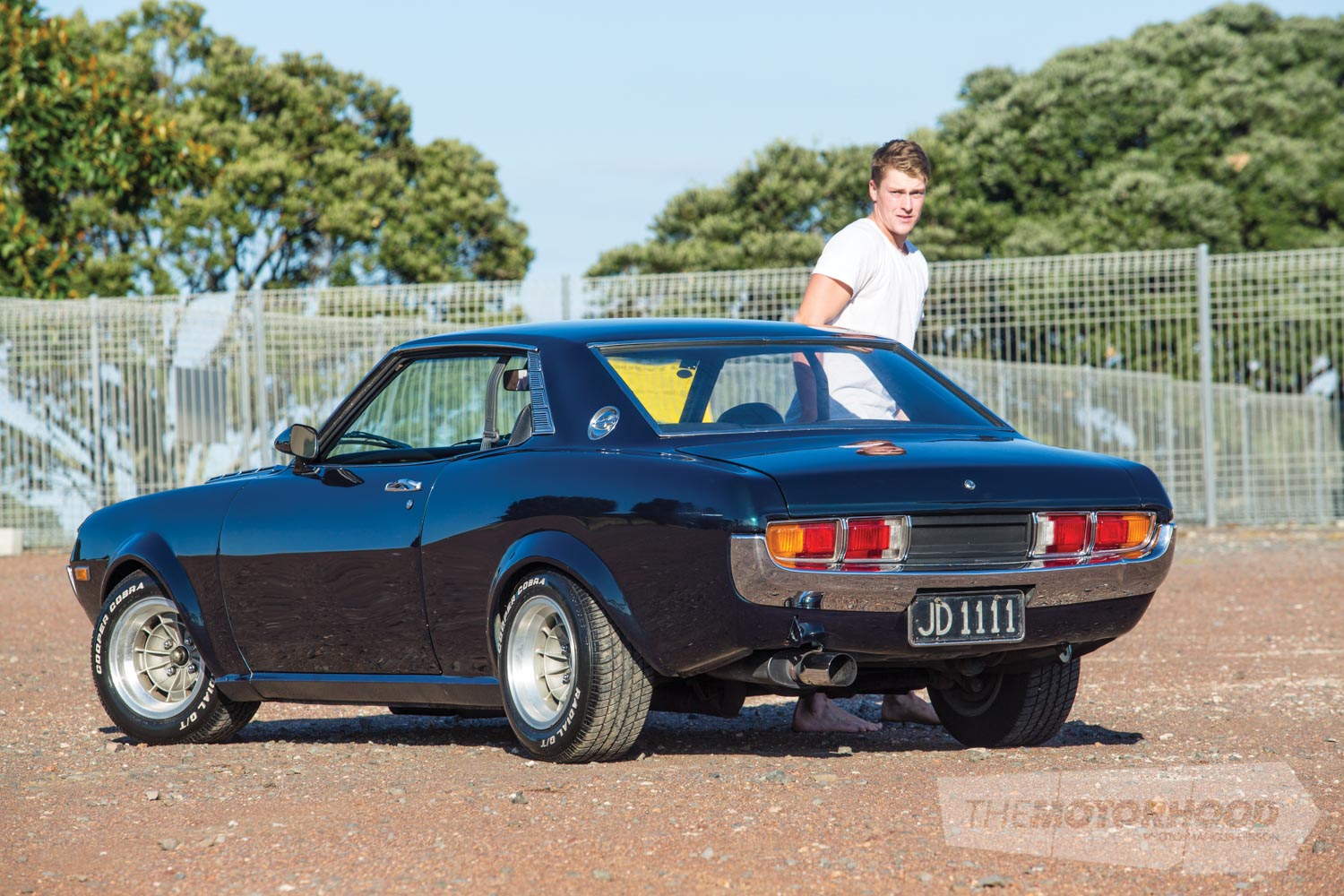
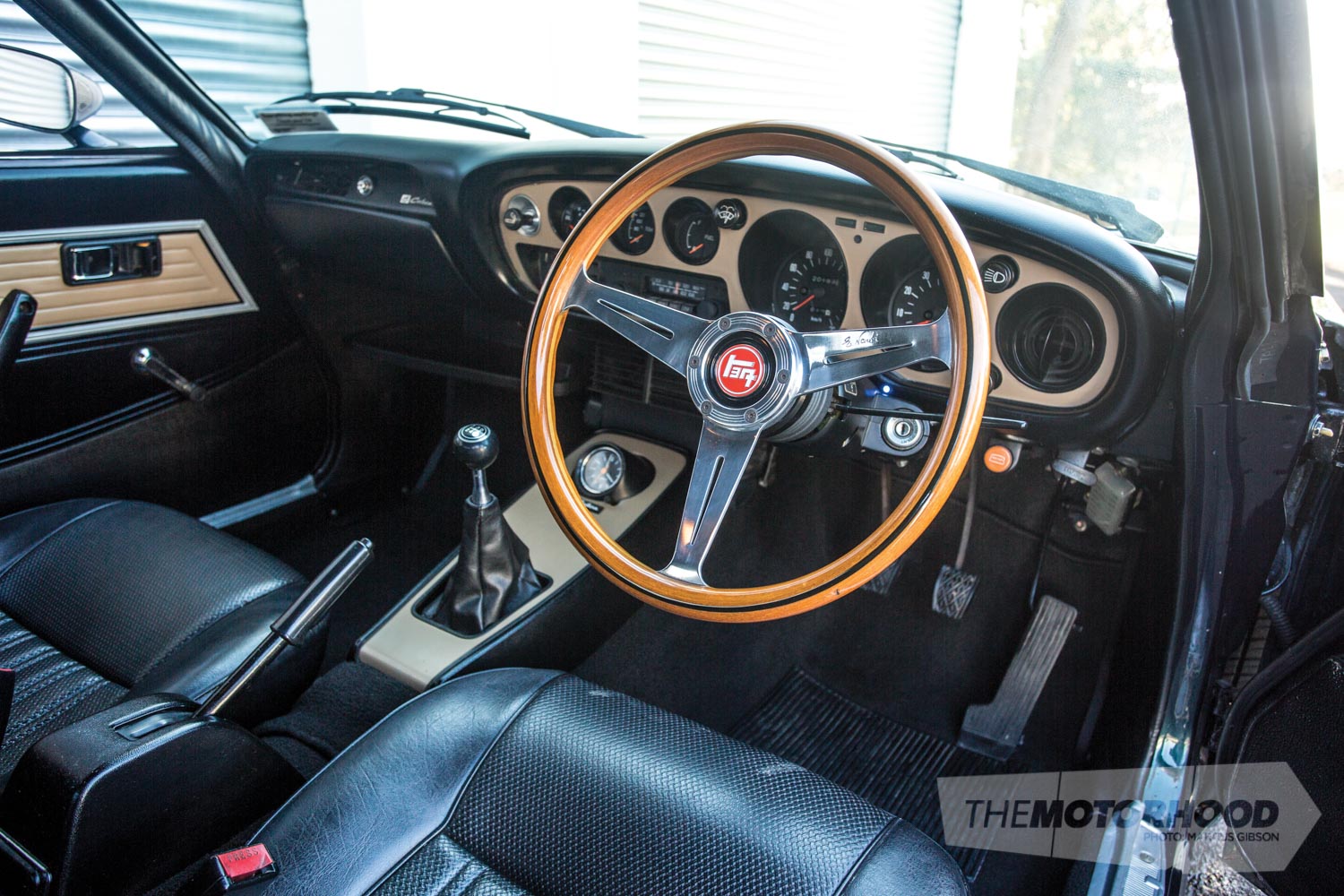
Sam: Hey, guys. I bought it nearly two years ago from an old guy down in Wellington. It was a bit rough around the edges, but I’ve been bringing it back up to tidy condition, and have added the ST-model bonnet vents, grille, and oil-pressure and ammeter gauges.
Being an able marine technician in the navy and getting deployed on the ships regularly, how do you find time to work on the car?
I actually took the door cards on the ship down to Antarctica with me — the side louvres and grille went on a trip up into the islands, as well. They’re pretty good like that; I’m allowed to work on bits in my own time. I also helped build an RB30 on a ship, but that’s another story.

The wheels look period correct for the car, giving it that awesome Japanese-muscle vibe.
What are they?
They are 1970s TRD Toscos; pretty hard to come by these days. For me, they absolutely make the car, and I’m so glad that I’ve got them. People leave notes under my window wipers asking to buy them [laughs].
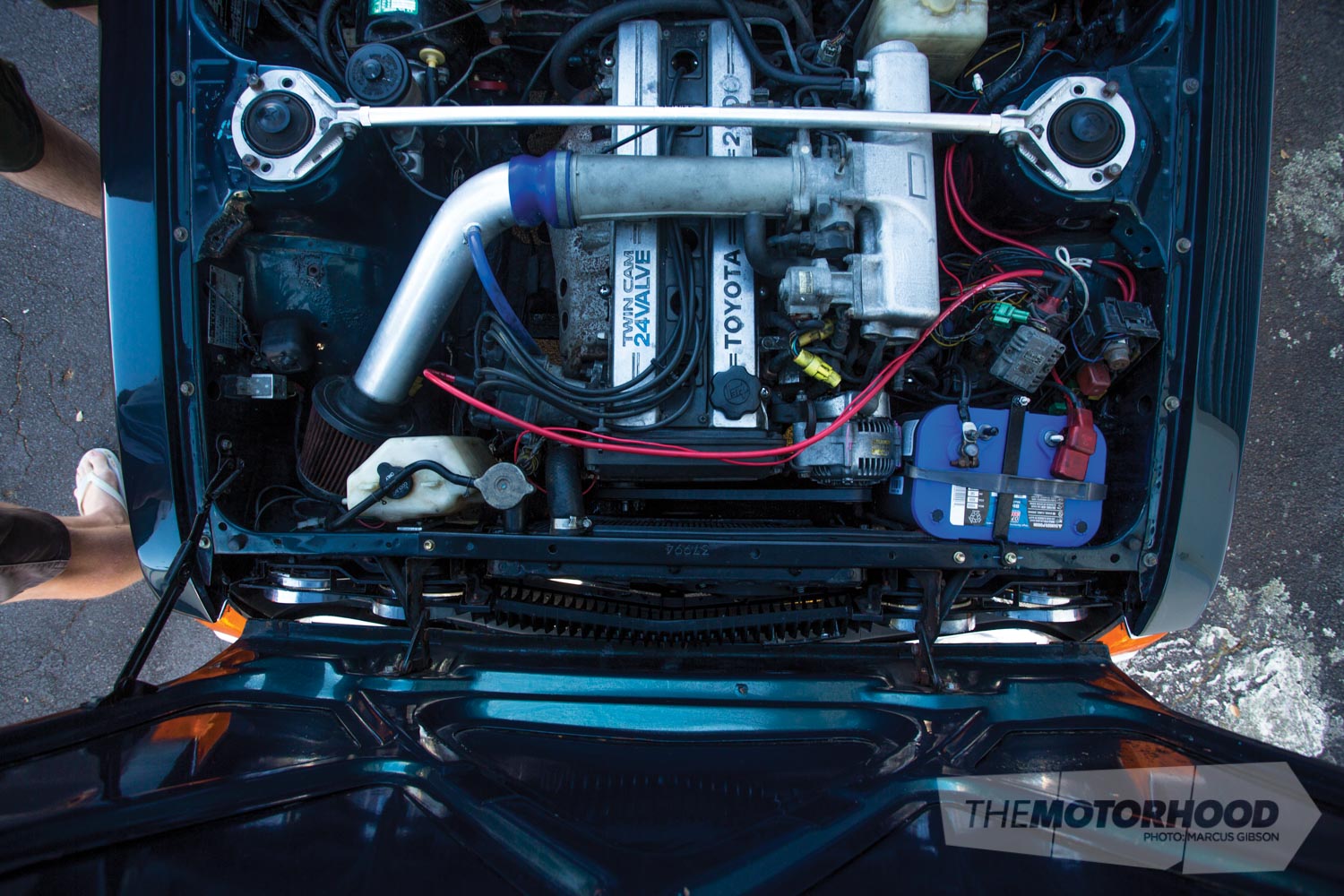
Rad, and we see that it’s had a bit of an engine swap with the addition of a 1G-GE and five-speed box — do you have plans for more modifications?
For sure, I love the one-and-a-half 4A-GE [1G-GE]. I’m currently in the process of buying a 4A-GE individual-throttle-body set-up from a friend and want to get a high-scroll header.

That should make for some crisp noise! It’s missing some of the modern comforts newer cars come with — have you had any issues daily driving a 42-year-old car?
Not since I’ve owned it. I took it down to Christchurch over Christmas and it loved the 2000-ish-kilometre journey. Don’t think I could ever let it go now, to be honest.
A good choice. Look after the old girl, Sam. Thanks for the yarn.


Make/Model: 1974 Toyota Celica LT (TA22)
Engine: Toyota 1G-GE, 2000cc, six-cylinder
Interior: Factory, new carpet, custom centre console
Exterior: Resprayed green-purple pearl
Wheels/tyres: 13×8-inch TRD Tosco, 205/60R13 Cooper Cobra
Suspension: Shortened shocks, compressed springs