
The Rolls-Royce and Bentley Club of New Zealand (NZRRBC) exists to enable those people who enjoy these wonderful cars to get together from time to time. Club members help each other with information about the cars and their upkeep, and sources of reliable servicing, but mostly they just have fun. Club members meet for summer picnics, for Sunday lunches in the winter, and weekends away to interesting places. There are several opportunities during the year to join in longer touring rallies organized by this club, or others which invite the NZRRBC to join them.
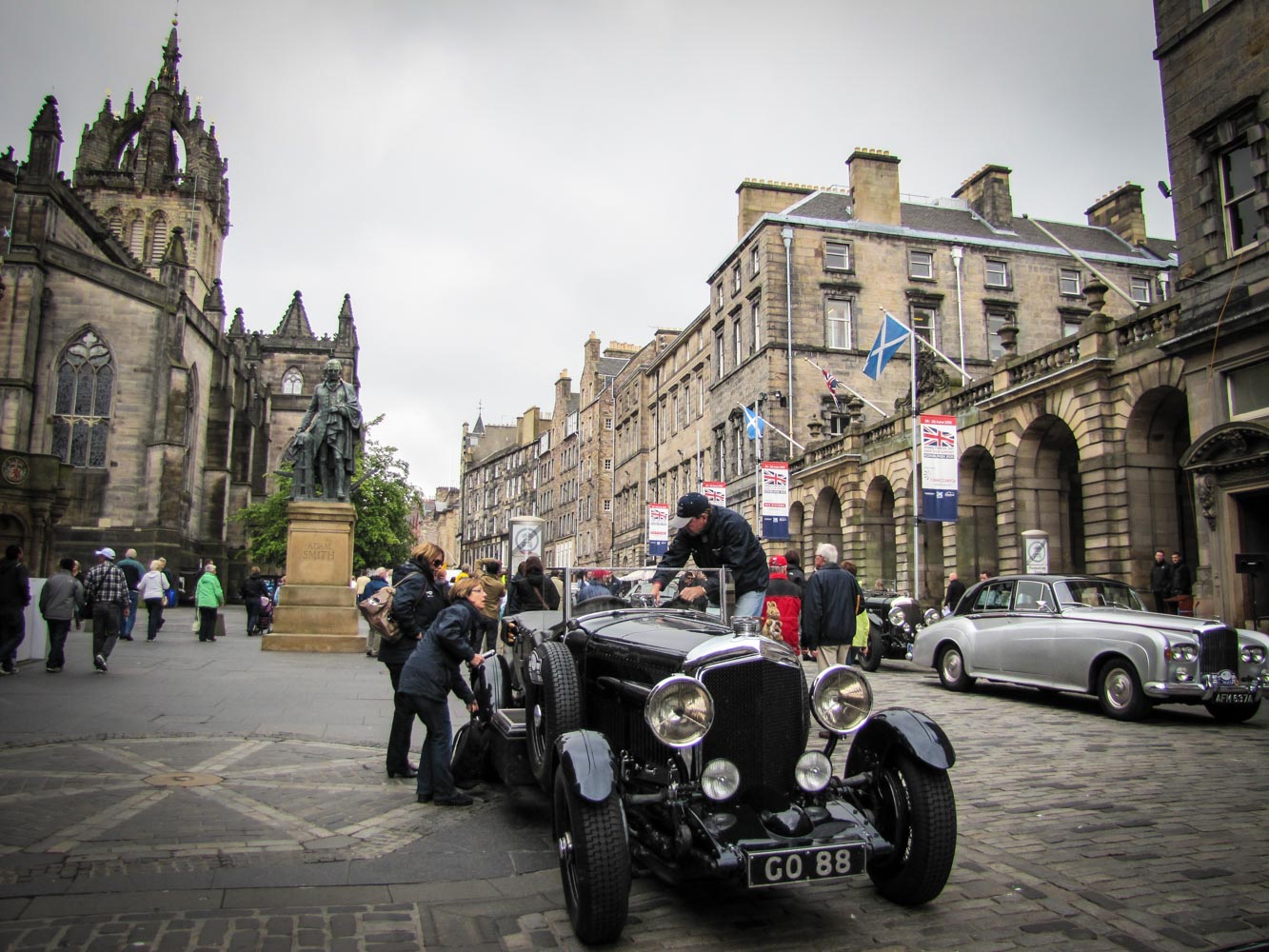
You do not have to have a Rolls-Royce or a Bentley to join the club, but it is a good idea to join if you fancy buying one, so that the experience of the members can help you to buy a suitable car, as its history and ownership will probably be known to them, and a wise purchase can be made. The club maintains a technical library, and has a technical officer to assist with requests from club members.
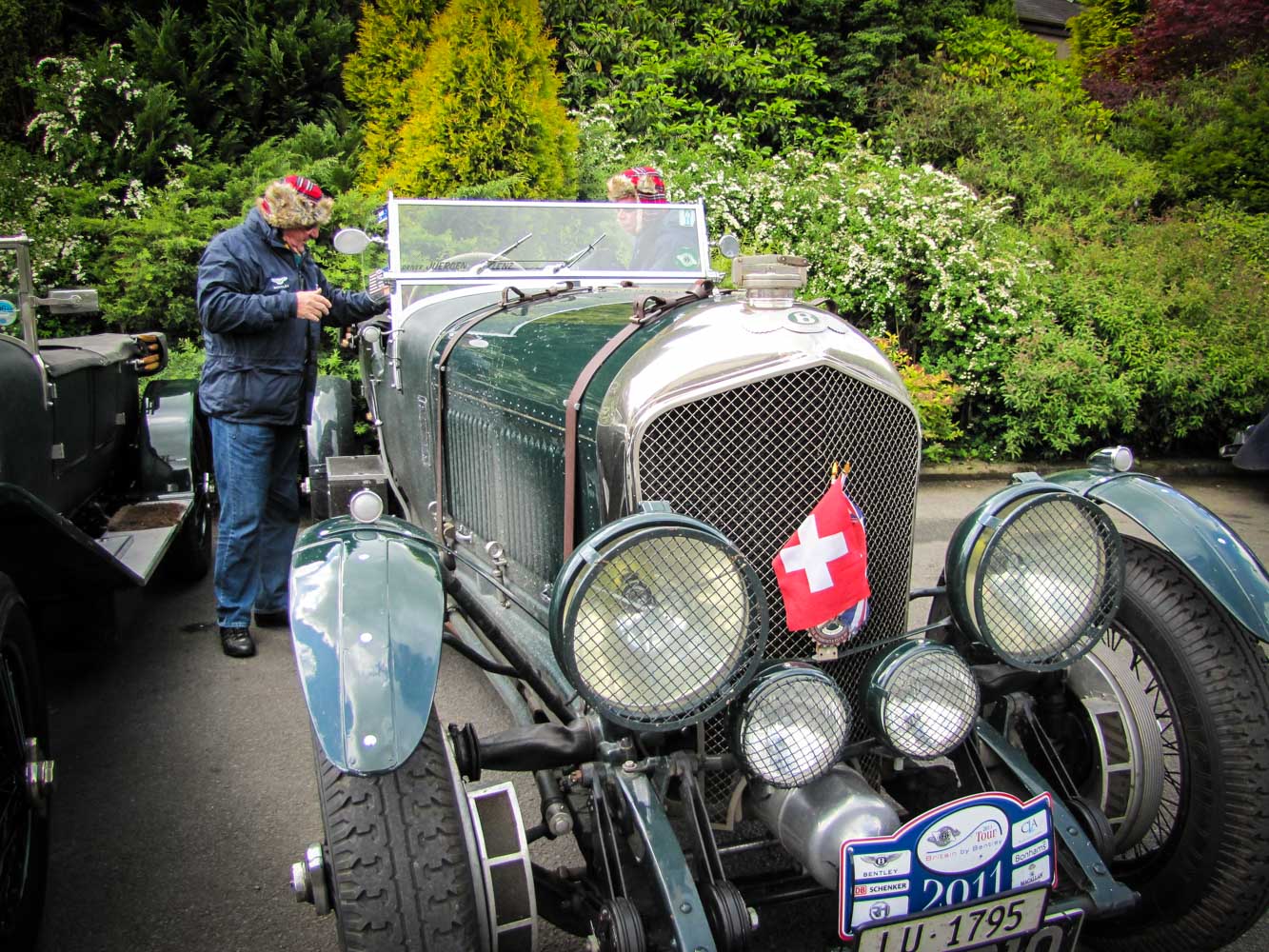
The club is enjoyed by families and is not only the province of the male of the species, in fact the present chairman of the Northern division is a keen motoring lady who, along with her partner, has driven their 1930 Rolls-Royce from Auckland on car rallies to the bottom of the South Island on two occasions, and also their 1952 Bentley Mark VI during the five-yearly International Vintage Car Rally of New Zealand which last time was based in Wanganui for two weeks.
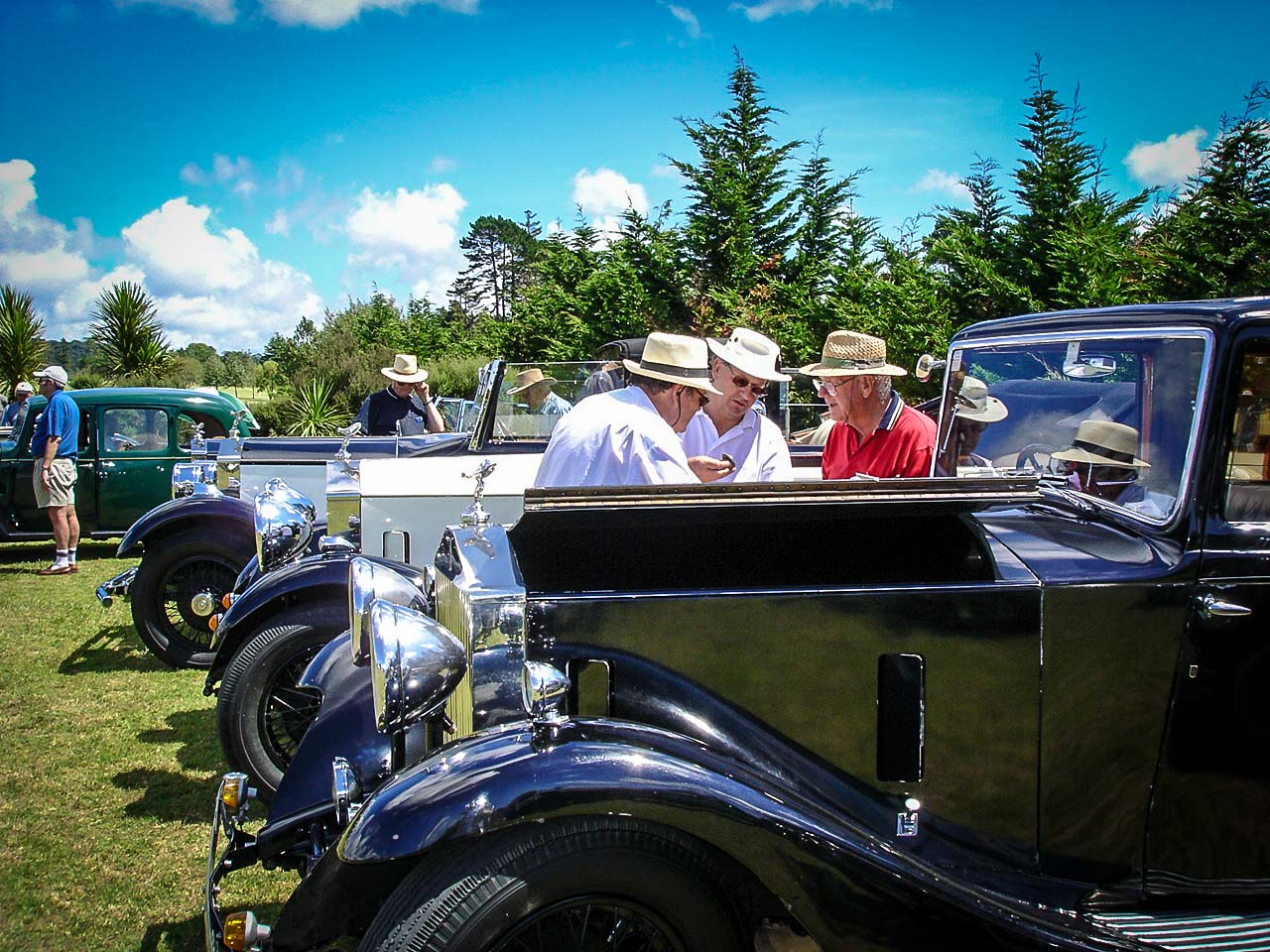
At present the club numbers around 200 members with mostly, but not exclusively, older or period cars — although vehicles owned by the members range from 1920s to the present day, with the great majority from 1940s to 1990s. The website gives the information needed to join the club, which has three regions to cover all New Zealand — Northern, Central and the Southern regions, with bases in Auckland, Wellington and Christchurch. Many events are held in areas outside these main centres, so that all members can join in at some stage. For example the National AGM for 2016 will be held over ANZAC weekend in Napier, while the 2103 AGM was held at the Chateau Tongariro.
If you are interested to come and join one of the club’s outings, you would find a friendly group that would love to see you.
Join the club
This article was originally published in New Zealand Classic Car Issue No. 297. You can pick up a print copy or a digital copy of the magazine below: